These Are The Vegetables Groundhogs Go For First In Wisconsin Gardens
Picture your entire Wisconsin garden reduced to bare stubs overnight. Groundhogs move quickly and chew faster than you can react. You might blame rabbits, but Wisconsin woodchucks cause the real harm.
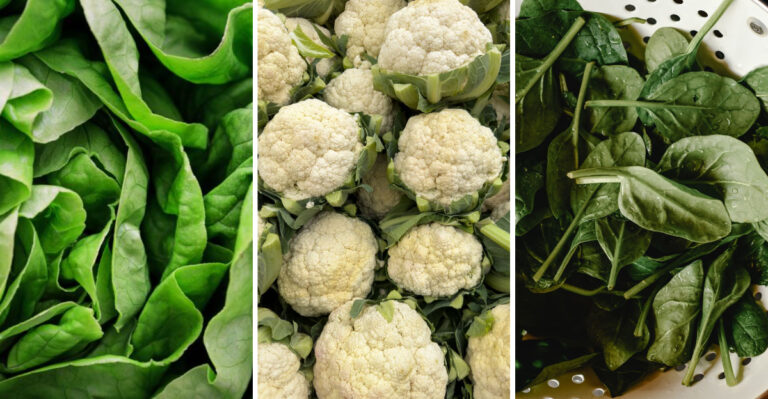
Peas disappear first, followed quickly by beans and tender greens. Carrots often get pulled whole, roots and all, right from soil. Lettuce rarely lasts once a hungry woodchuck notices your rows.
Broccoli, kale, and peppers rank very near the top of their list. Squash vines often thin out, chewed until only bare stems remain.
Tomatoes sometimes escape harm because groundhogs favor softer, leafier crops. Knowing their favorite targets gives you a real defensive edge.
Timing counts too, since groundhogs strike hardest at dawn and dusk. Protecting your harvest means knowing exactly what draws them close.
Nothing stays completely calm once a groundhog marks your garden as promising. Stay alert, because what you learn next could save your entire harvest.
1. Lettuce
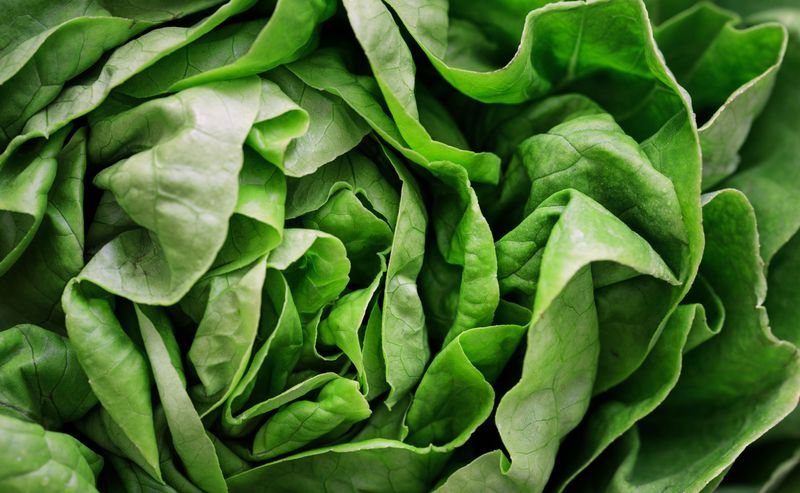
Lettuce is one of the first crops groundhogs go after in a garden. These animals target leafy greens faster than almost anything else you can plant.
Groundhogs love lettuce because it is tender, water-rich, and easy to chew. The soft leaves require almost no effort, making them a perfect snack for a lazy summer afternoon raid.
You might notice the damage at soil level first. Groundhogs chomp leaves right at the base, leaving behind jagged, uneven stems.
Wisconsin gardeners often find their lettuce gone within days of it reaching a decent size. The timing feels frustrating, especially after weeks of careful watering and weeding.
Protecting lettuce starts with a physical barrier. A simple wire fence buried at least 12 inches underground can stop groundhogs from tunneling underneath your beds.
Row covers made of lightweight fabric also work well. They let sunlight and rain through while keeping hungry visitors out during peak feeding hours, which are usually early morning and late afternoon.
Planting lettuce in raised beds with hardware cloth on the bottom adds another layer of defense. Groundhogs are surprisingly determined diggers, so the deeper your barrier goes, the better your odds.
Some gardeners swear by planting strong-smelling herbs like basil around their lettuce as a natural deterrent. Whether that fully works is debatable, but a layered approach always beats relying on just one strategy.
2. Beans
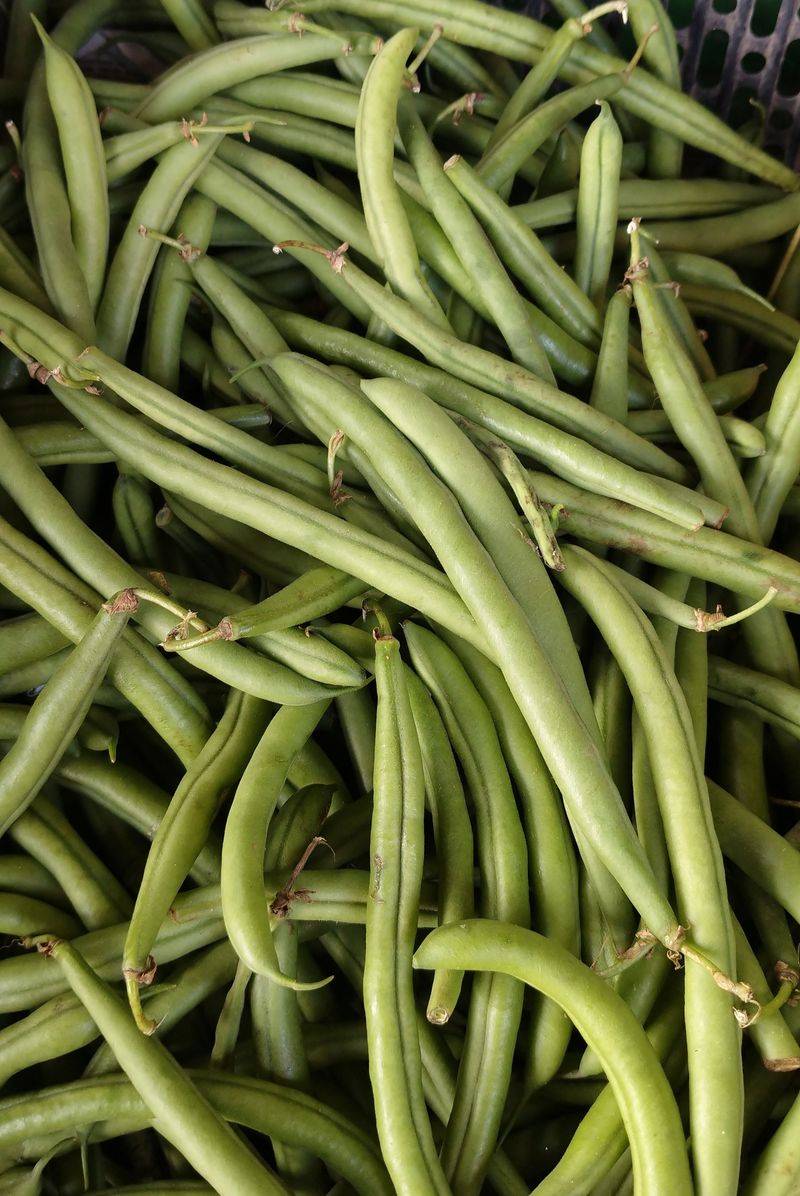
Bean plants are highly attractive to groundhogs, which can clear a row quickly. Both the leaves and the pods get targeted, leaving you with bare, sad-looking stems.
Green beans, bush beans, and pole beans are all fair game. Groundhogs are not picky about variety when hunger kicks in during Wisconsin’s warm growing months.
The damage usually starts on the lower leaves and pods closest to the ground. As the animal gets comfortable, it will work its way up the plant until almost nothing remains.
One frustrating thing about bean damage is how sudden it appears. You can check your garden one evening and return the next morning to find entire plants stripped overnight.
Your Wisconsin Garden Changes Every Week. Your Plan Should Too.
Gardening in Wisconsin changes quickly throughout the season. Every Friday you’ll receive a simple weekly plan showing exactly what to plant, prune, fertilize, harvest, and protect so you never miss the right timing.
Fencing is your strongest tool here. A two-foot-tall wire fence with an outward-curving top can discourage groundhogs from climbing over to reach your bean rows.
Burying the fence bottom in an L-shape underground also prevents tunneling. Groundhogs are persistent, but a properly installed barrier makes your garden far less worth the effort.
Some Wisconsin gardeners have found success using motion-activated sprinklers near their bean rows. Anecdotally, the sudden burst of water startles groundhogs and sends them retreating back to the tree line.
Repellent sprays made from castor oil or hot pepper can also buy you time between fence installations. Reapply after heavy rain to keep the scent strong enough to matter.
3. Peas
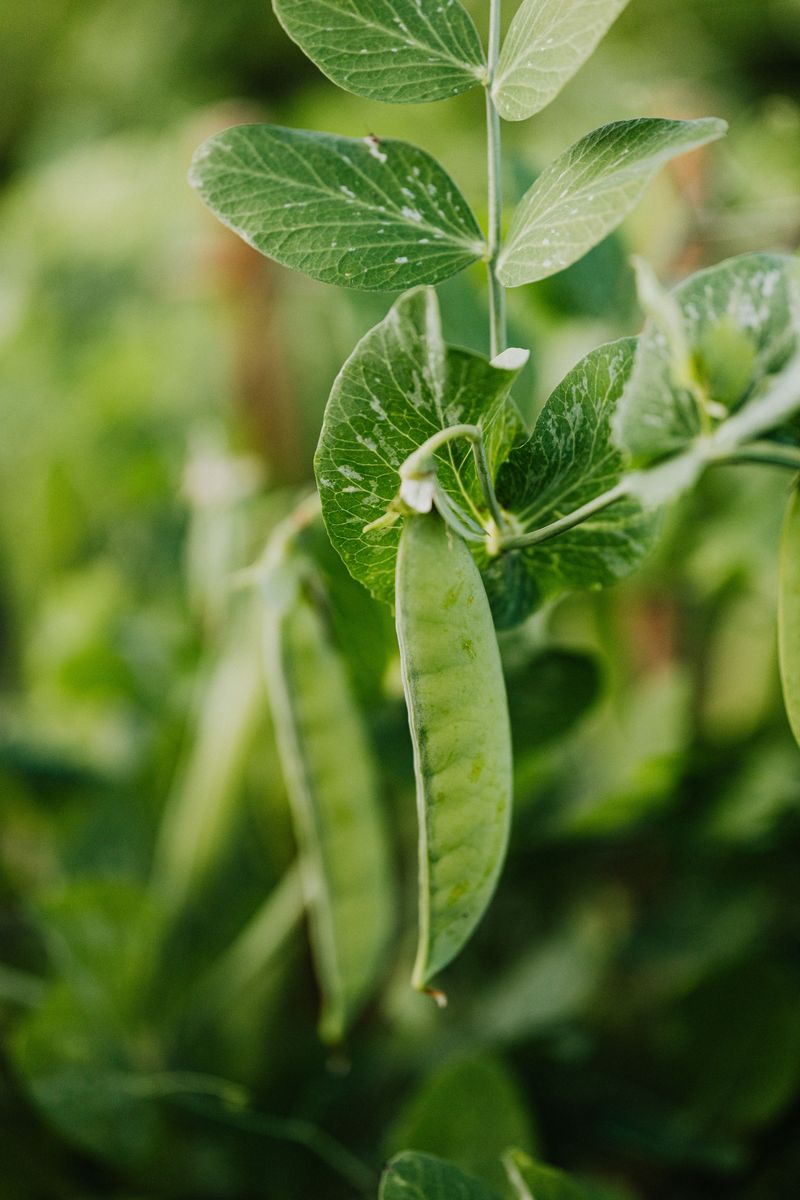
Peas disappear from gardens with suspicious speed, and groundhogs are almost always the reason. The sweet flavor of fresh peas makes them irresistible to wildlife that has learned where the good stuff grows.
Both the tender shoots and the swollen pods attract groundhogs equally. They will pull vines off trellises and feed undisturbed in the middle of the row.
Early in the season, groundhogs target pea seedlings before they even get a chance to climb. A single morning visit can wipe out a week of growth in minutes.
Wisconsin springs are prime time for this kind of raid. Groundhogs emerge from hibernation hungry and motivated, making April and May the most vulnerable months for pea crops.
Planting peas early can sometimes help you sneak in a harvest before groundhog activity peaks. Getting seeds in the ground as soon as the soil is workable gives your plants a head start.
Taller trellises help, but they are not a complete solution on their own. A groundhog standing on its hind legs can reach surprisingly high when motivated by the scent of ripe pods.
Pairing a trellis with a surrounding wire fence creates a much stronger defense. Adding a hardware cloth skirt around the base blocks tunneling and makes the area far harder to access.
Noise deterrents like wind chimes or spinning pinwheels near pea rows can add extra disruption. Groundhogs prefer calm, predictable environments, so a little chaos goes a long way.
4. Broccoli
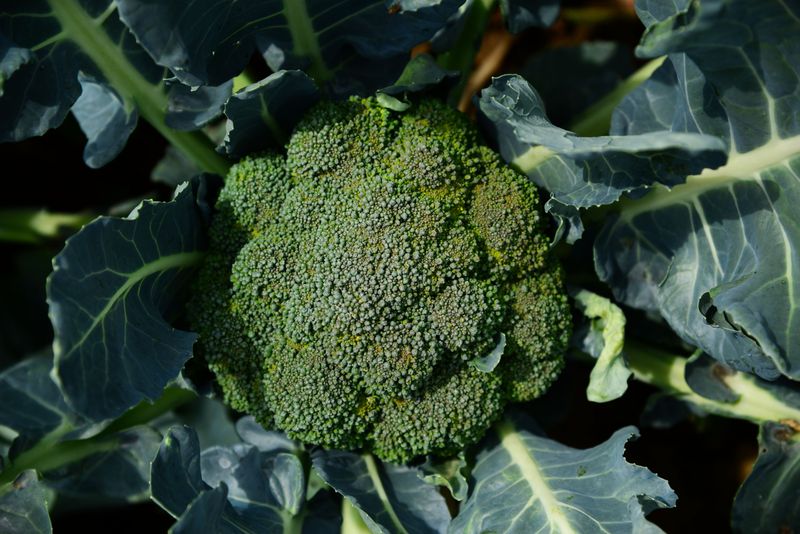
Finding your broccoli heads chewed down to the stalk is a frustrating experience for any gardener. Broccoli takes weeks to develop, and groundhogs can demolish it in a single sitting.
These animals target both the leaves and the crowns, which are the parts most gardeners are actually growing broccoli for. Losing the crown means losing the whole point of the plant.
Groundhogs seem especially drawn to broccoli during its heading stage. That is when the plant smells strongest and the crown is most visible, making it easier for animals to detect.
Wisconsin summers give groundhogs a long window to cause trouble. From late June through August, your broccoli is at its most vulnerable, so staying alert during those months pays off.
A solid fence around your brassica bed is the most reliable protection available. Use hardware cloth with openings no larger than one inch to prevent even smaller critters from slipping through.
Companion planting with strong-smelling herbs like thyme or sage around your broccoli may help reduce interest. These scents do not guarantee safety, but they add friction to a groundhog’s decision-making process.
Checking your garden at dawn and dusk gives you the best chance of catching a groundhog in the act. Early detection lets you respond before the damage becomes severe.
Trapping and relocating groundhogs may require a permit in Wisconsin, so check current state and local regulations before attempting it.
Placing traps near burrow entrances with cantaloupe or sweet corn as bait tends to produce results quickly.
5. Carrots
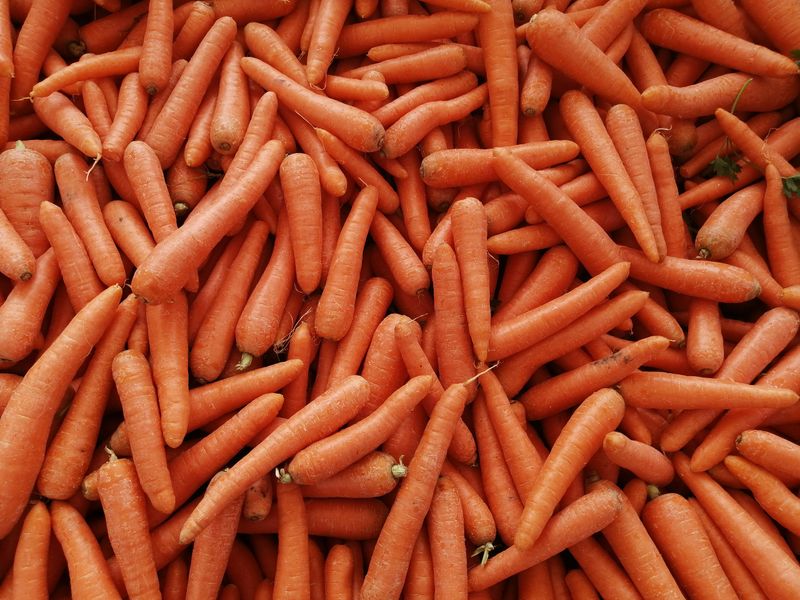
Carrots present a double-target problem because groundhogs go after both the feathery green tops and the roots beneath the soil. You might not even realize there is a problem until you try to harvest.
The tops are the first thing to disappear, since they are visible and accessible without any digging. Once those are gone, a determined groundhog will start excavating to reach the sweet root below.
In areas with loose, loamy soil, groundhogs may find it easier to dig, especially in warm, dry summer months.
Spotting the signs early matters a lot with carrots. Wilted or missing tops, disturbed soil, and small claw marks near the bed edges are all clues that something has been snacking underground.
Raised beds with solid wooden or metal sides can slow groundhog access significantly. Pairing that with a hardware cloth bottom prevents tunneling from below, which is how many animals actually get in.
Some gardeners use floating row covers over their carrot beds through the early growth stage. Removing them only when thinning or checking on root development keeps exposure to a minimum.
Interplanting carrots with garlic or onions is a classic folk remedy that some Wisconsin gardeners stand behind. The pungent scent of alliums near the soil surface may reduce a groundhog’s enthusiasm for digging.
Consistency is your best friend when protecting root vegetables. Checking for burrow activity weekly and refreshing deterrents after rain keeps your defenses from slipping when you are not looking.
6. Squash
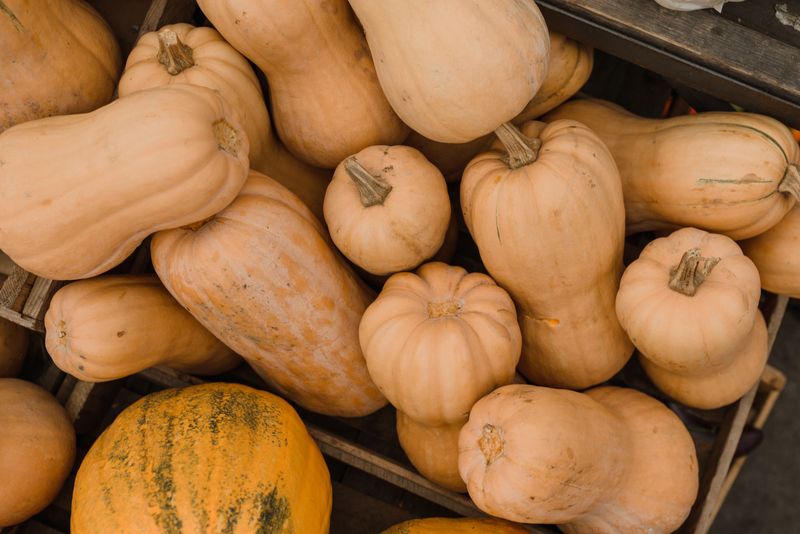
Squash might seem too big and tough to bother with, but groundhogs will surprise you. Young squash plants are especially vulnerable before the vines toughen up and the leaves develop their scratchy texture.
Seedlings and newly transplanted squash get hit hardest in early summer. A groundhog can eat an entire young plant in one visit, setting your garden back by weeks.
Even mature squash is not always safe from a bold groundhog. Developing fruits near ground level get gnawed on, leaving behind hollowed-out shells that rot quickly in the summer heat.
Wisconsin gardeners growing zucchini, butternut, or acorn squash should start protection early. Waiting until the damage appears means you are already responding after the fact.
Surrounding squash hills with a wire perimeter helps, especially when the fence is anchored deeply into the soil. Groundhogs will probe for weaknesses, so every loose section is an invitation.
Placing thorny branches or rose cuttings around the base of squash plants is an old gardener’s trick. Many believe the discomfort of stepping on prickly material discourages groundhogs from getting close enough to feed.
Squash leaves eventually get rough and irritating to handle as the season progresses. That natural defense helps later in summer, but your plants need support during the first six weeks after planting.
Staying consistent with deterrents during that early window gives your squash the best chance to establish. A well-protected young plant becomes a productive adult that can largely fend for itself.
7. Cabbage
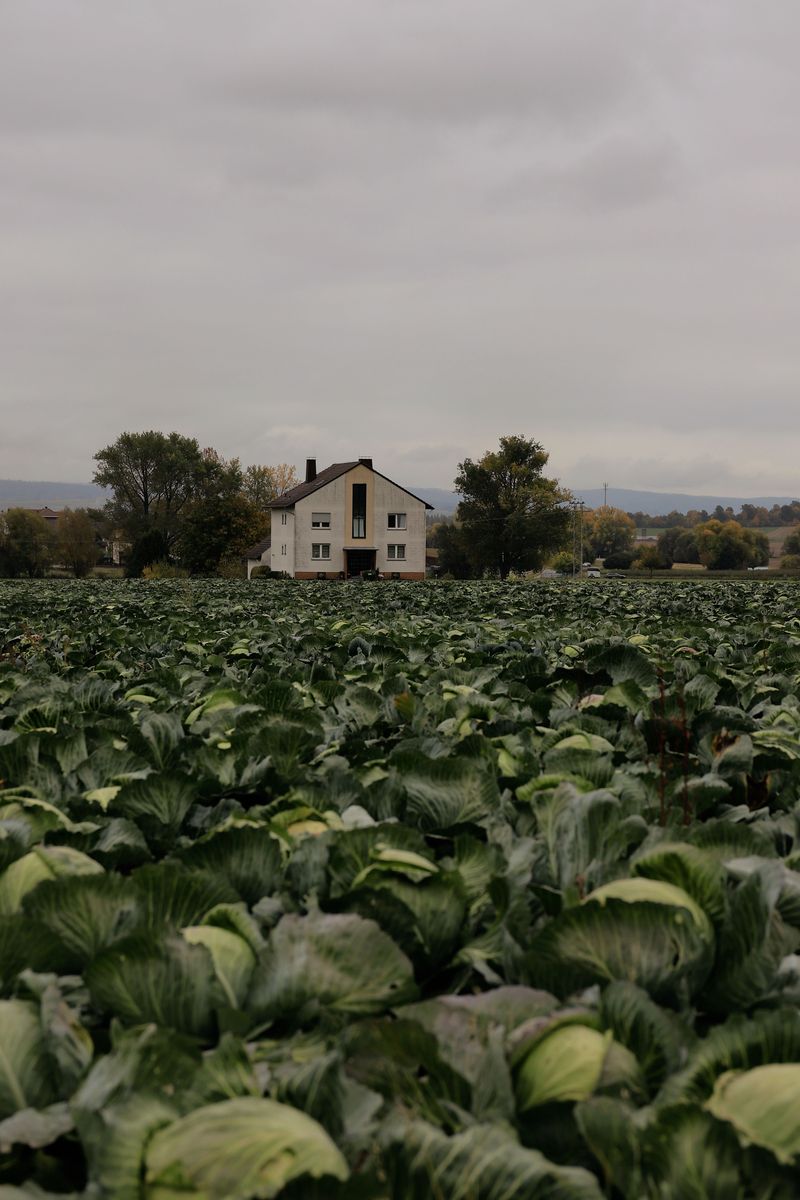
Cabbage is one of those vegetables that groundhogs seem to treat as a personal favorite. The dense, layered heads are full of moisture and nutrients, making them worth the effort of sneaking into a garden.
Damage to cabbage often starts on the outer leaves before moving toward the core. A groundhog working through a cabbage head from the outside in can do serious damage before you even notice it is happening.
The smell of cabbage in the summer heat is surprisingly strong, and that scent draws wildlife from a surprising distance. Groundhogs that have found your cabbage once will return repeatedly until something stops them.
Wisconsin gardeners growing cabbage for fall harvest face a long exposure window. Planting in late spring means the heads are developing through the prime months of groundhog activity, which runs from May through September.
Covering individual cabbage heads with mesh netting is a targeted approach that works well. It protects the most valuable part of the plant without requiring you to fence an entire bed.
Full-bed fencing with a buried skirt remains the gold standard for brassica protection. Groundhogs are capable of pushing under loose fencing, so driving stakes close together and burying wire deeply matters.
Some gardeners sprinkle cayenne pepper around the base of cabbage plants as a temporary, though unproven, deterrent.
Rain washes it away quickly, so reapplication every few days keeps the deterrent effect active through the season.
Growing a sacrificial patch of clover or wild greens away from your main garden can sometimes redirect groundhog attention. Giving them something easier to access nearby reduces the motivation to breach your defenses.
8. Cucumbers
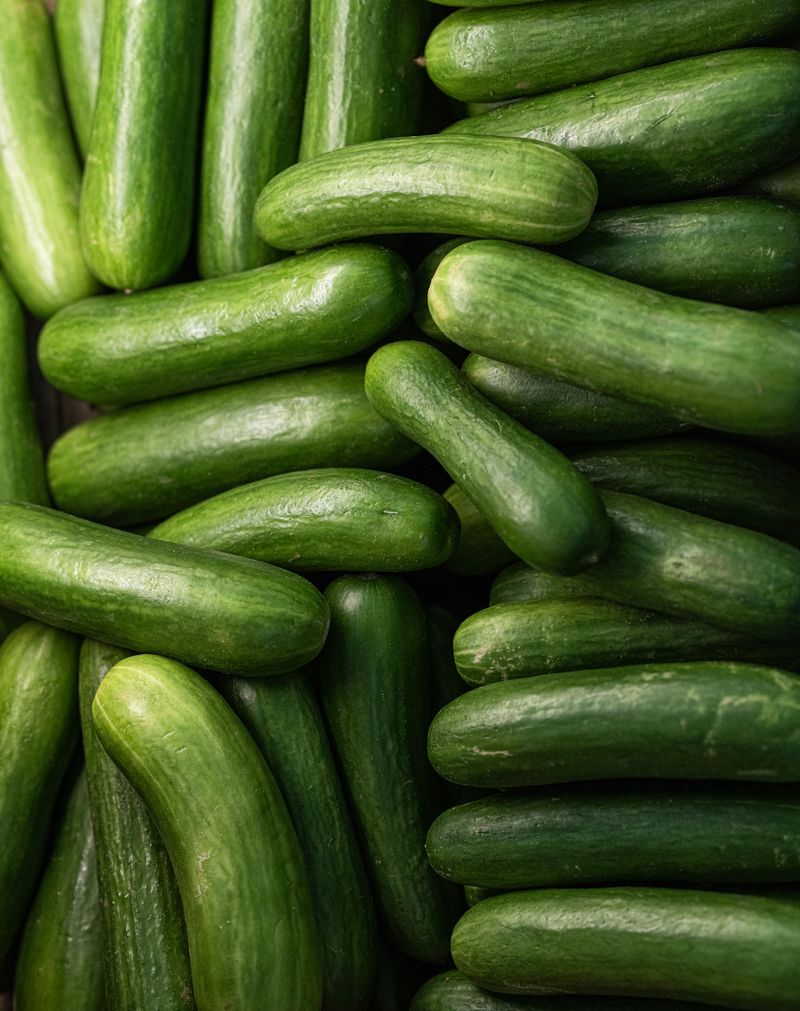
Cucumbers are one of the most satisfying vegetables to grow in a Wisconsin summer, which makes losing them to a groundhog especially frustrating. These animals target cucumbers at nearly every stage of development.
Young cucumber plants get eaten at the stem, which is often a fatal wound for a seedling. Mature plants lose their developing fruits, leaving behind hollowed rinds that attract flies and mold.
The high water content of cucumbers makes them particularly appealing during dry stretches. When groundhogs are thirsty as well as hungry, a cucumber patch becomes an all-in-one stop for hydration and calories.
Wisconsin summers can bring hot, dry weeks that push groundhogs to seek out juicy garden vegetables more aggressively. Keeping that in mind helps you stay ahead of the problem during heat waves.
Training cucumber vines up a tall trellis puts the fruit higher off the ground and slightly out of easy reach. Combining that with a fence around the bed creates a two-level defense that most groundhogs find too much trouble.
Hanging old CDs or reflective tape near your cucumber trellis is a popular trick believed to create flashes of light that startle animals. Movement and unpredictability are two things groundhogs are thought to avoid in their feeding zones.
Checking vines in the early morning gives you the clearest picture of overnight activity. Fresh bite marks, disturbed mulch, and dragged vine sections are all signs that a groundhog visited while you were sleeping.
Protecting your cucumbers is worth the extra effort because a healthy vine produces all season long. Secure it early, and you will be slicing fresh cucumbers well into August in Wisconsin gardens.