10 Organic Lawn Facts Every Wisconsin Homeowner Needs To Hear
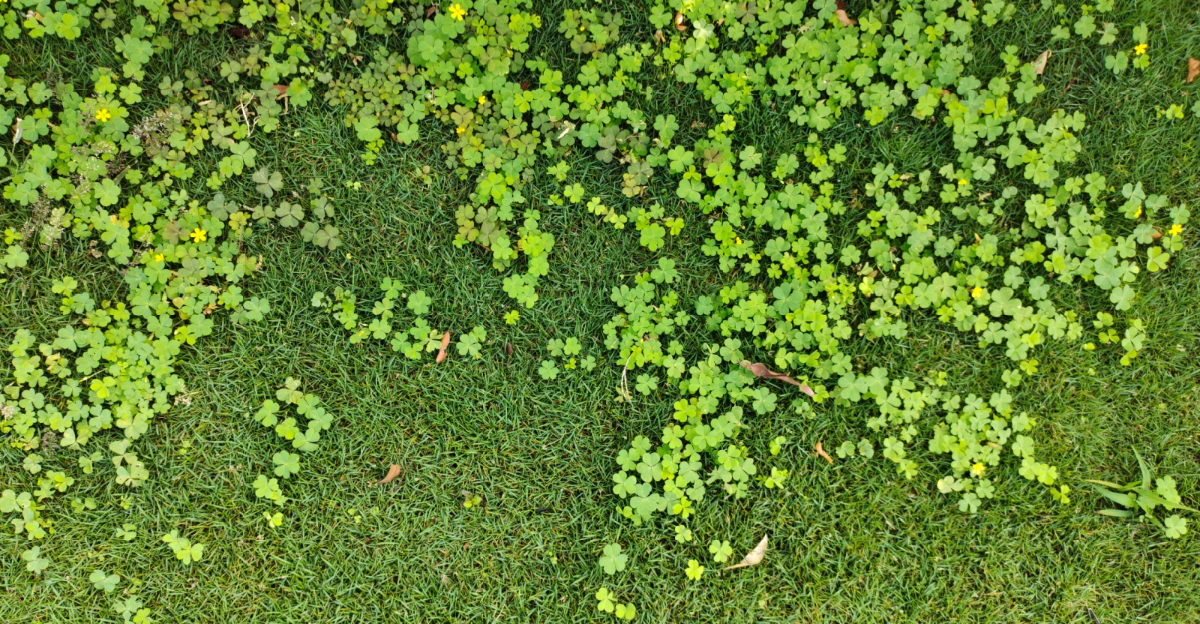
You expect quick results, but Wisconsin lawns move at their own pace. Patchy brown spots will often appear before your progress shows.
Weeds return the moment synthetic help disappears from your yard. Your soil holds beneficial bacteria that chemical treatments quietly muted for years.
Switching methods asks roots to adjust without shortcuts. Grass slows and thins during the adjustment period. Neighbors will notice before you see any real improvement.
Confidence wavers fast when results lag behind your effort. Nobody mentions your awkward transition when selling organic promises.
Timing matters more than any product you could buy. Wisconsin winters complicate every organic strategy you attempt here. Microbes need months to rebuild what chemicals altered.
Patience determines whether your yard truly thrives or you quit. Soil chemistry shifts slowly, quietly, unpredictably beneath you.
Understanding these truths saves your sanity completely later. Skip this knowledge, and your yard becomes next summer’s cautionary tale.
1. Weeds Increase Before They Decrease
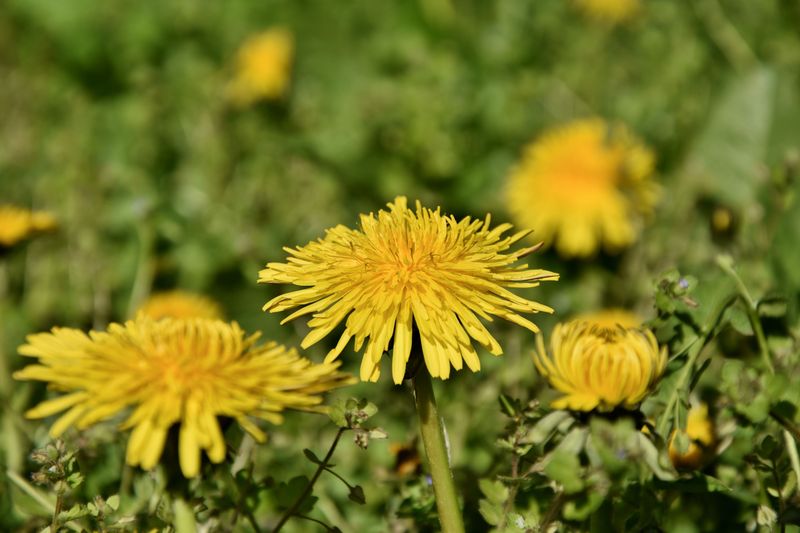
Brace yourself for the messy middle. When you stop using synthetic herbicides, weeds increase temporarily before conditions improve.
Your soil’s natural processes have been limited for years. Weed seeds buried deep finally get their moment to sprout. This is not failure. This reflects your lawn adjusting after years of restricted natural activity.
Organic lawn care in Wisconsin means working with natural cycles. Those cycles include a temporary weed increase that most people mistake for disaster.
The key is staying calm and staying consistent. Pull weeds by hand, overseed bare patches, and keep mowing at the right height.
Healthy grass eventually crowds out most weeds on its own. That process takes patience and a willingness to look a little rough around the edges.
Your neighbors might raise an eyebrow. Your lawn might look questionable for a full season or two.
But here is the payoff: once your soil biology recovers, weed pressure drops dramatically. You will spend less time fighting and more time enjoying your yard. The messy phase is temporary. The results are worth every awkward week of it.
2. Compost Matters More Than Any Product
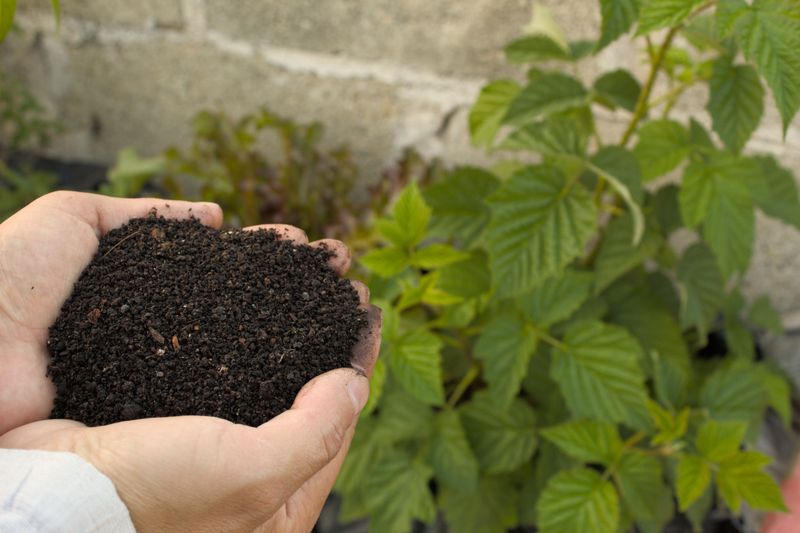
Store-bought products are not the most important factor. Compost is the single most powerful tool in organic lawn care.
Rich, dark compost feeds soil microbes. Those microbes break down nutrients and deliver them directly to grass roots.
No synthetic product can replicate that living system. It is biology doing work that chemistry only pretends to do.
Topdressing your Wisconsin lawn with a quarter inch of compost each fall builds organic matter year after year. Grass grows thicker, roots go deeper, and drought stress drops noticeably.
You do not need a truckload to see results. Even a thin, even layer spread across the surface makes a measurable difference over time.
Homemade compost works beautifully. So does sourced compost from a local municipality or garden supplier.
The key is consistency. One application helps, but annual topdressing transforms your lawn over three to five years.
Think of compost as a slow investment with compound interest. Every layer you add builds on the last one. Skip the miracle sprays. Feed the soil instead, and the grass will take care of the rest.
Your Wisconsin Garden Changes Every Week. Your Plan Should Too.
Gardening in Wisconsin changes quickly throughout the season. Every Friday you’ll receive a simple weekly plan showing exactly what to plant, prune, fertilize, harvest, and protect so you never miss the right timing.
3. Clover Is A Feature, Not A Flaw
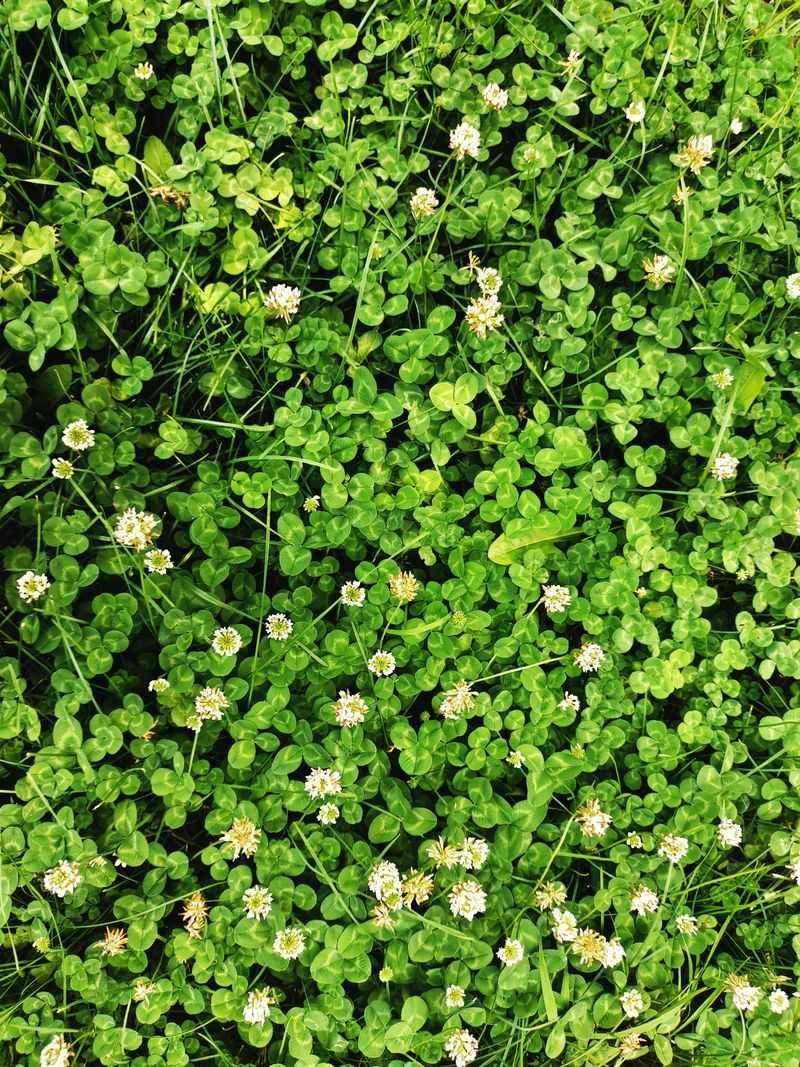
Clover used to be a standard ingredient in grass seed mixes. Then synthetic herbicides arrived, and suddenly clover became the enemy.
That shift was a marketing decision, not a horticultural one. Clover is genuinely good for your lawn.
White clover fixes nitrogen from the air and deposits it directly into the soil. That means free fertilizer growing right inside your grass.
In Wisconsin summers, clover stays green when turf grass browns out under heat stress. It acts like a built-in drought buffer.
Bees love it too. A clover-friendly lawn supports pollinators without any extra effort on your part.
Some homeowners worry about the look. Clover blends naturally into a lawn and often goes unnoticed until the small white blooms appear.
If blooms bother you, mow slightly more often during peak flowering. The clover stays, the flowers stay short, and everyone is happy.
Embracing clover is one of the easiest mindset shifts in organic lawn care. Stop seeing it as a weed and start seeing it as a partner.
Your grass gets fed, your soil gets healthier, and your pollinators get a lunch spot. That is a win from every angle.
4. Grass Grows Slower Without Synthetic Fertilizer
Synthetic fertilizer produces fast but artificial growth. It encourages fast top growth while root development may lag.
When you go organic, that artificial growth surge disappears. Your grass grows at a natural pace, which actually makes it stronger.
Slower growth means roots dig deeper. Deeper roots access more water and nutrients without depending on surface applications.
Wisconsin summers can be intense with heat and dry spells. Deep-rooted organic grass handles those conditions far better than shallow, chemically pushed turf.
You will also mow less often. That alone converts a lot of homeowners who were skeptical at first.
The trade-off is accepting a lawn that looks a little less manicured early in the season. Growth is steadier rather than rapid.
Organic fertilizers like bone meal, kelp meal, and compost release nutrients slowly. They feed the soil food web, which then feeds your grass on a natural schedule.
Give your lawn one full growing season to adjust. By year two, the difference in root depth and turf density is often visible.
Slow growth is not weak growth. It is resilient growth built to last through whatever Wisconsin weather throws at it.
5. Overseeding Becomes An Annual Necessity
Bare patches are your lawn sending you a message. Overseeding is the reply it needs to hear every single year.
Without synthetic pesticides propping things up, organic lawns rely on thick grass density to fight weeds naturally. Thin turf is an open invitation for unwanted plants to move in.
Overseeding every fall fills gaps before winter arrives. New seedlings establish during cool weather and emerge stronger the following spring.
Wisconsin falls are ideal for overseeding cool-season grasses like Kentucky bluegrass and tall fescue. Soil stays warm enough for germination while air temperatures cool down.
Choose high-quality seed blends suited to your yard conditions. Shaded areas need shade-tolerant mixes, and sunny spots need different varieties entirely.
Rake the soil lightly before seeding to improve seed-to-soil contact. Water consistently until seedlings reach mowing height.
Many homeowners overseed once and consider the job finished. Organic lawn care asks you to treat it as a regular seasonal habit instead.
Think of it like touching up paint on a wall every year. Small consistent effort prevents large frustrating problems later.
A dense lawn is your best weed barrier, your best drought buffer, and your best argument for going organic.
6. Patience Takes Years, Not Seasons

Nobody warns you about the timeline. Organic lawn care is a multi-year commitment, not a single-season fix.
Most homeowners expect visible results within a few months. The reality is that soil biology rebuilds slowly and cannot be rushed.
Year one is usually the hardest. Weeds appear, growth slows, and the lawn looks like it is confused about what it wants to be.
Year two starts showing real progress. Soil structure improves, grass thickens in patches, and weed pressure begins to ease up.
By year three, most organic lawns look genuinely healthy. The transformation feels sudden even though it was quietly building the whole time.
Wisconsin homeowners who stick with organic lawn care past the two-year mark almost never go back. The results speak loudly by that point.
Document your progress with photos. Comparing early images to later ones keeps motivation high during the discouraging middle stretch.
Set realistic expectations from day one. Tell yourself you are building a lawn, not buying one.
The homeowners who succeed are not the ones with the best products. They are the ones who stayed patient long enough to see the payoff. Good things grow slowly, and great lawns are no exception to that rule.
7. Soil Testing Changes Everything
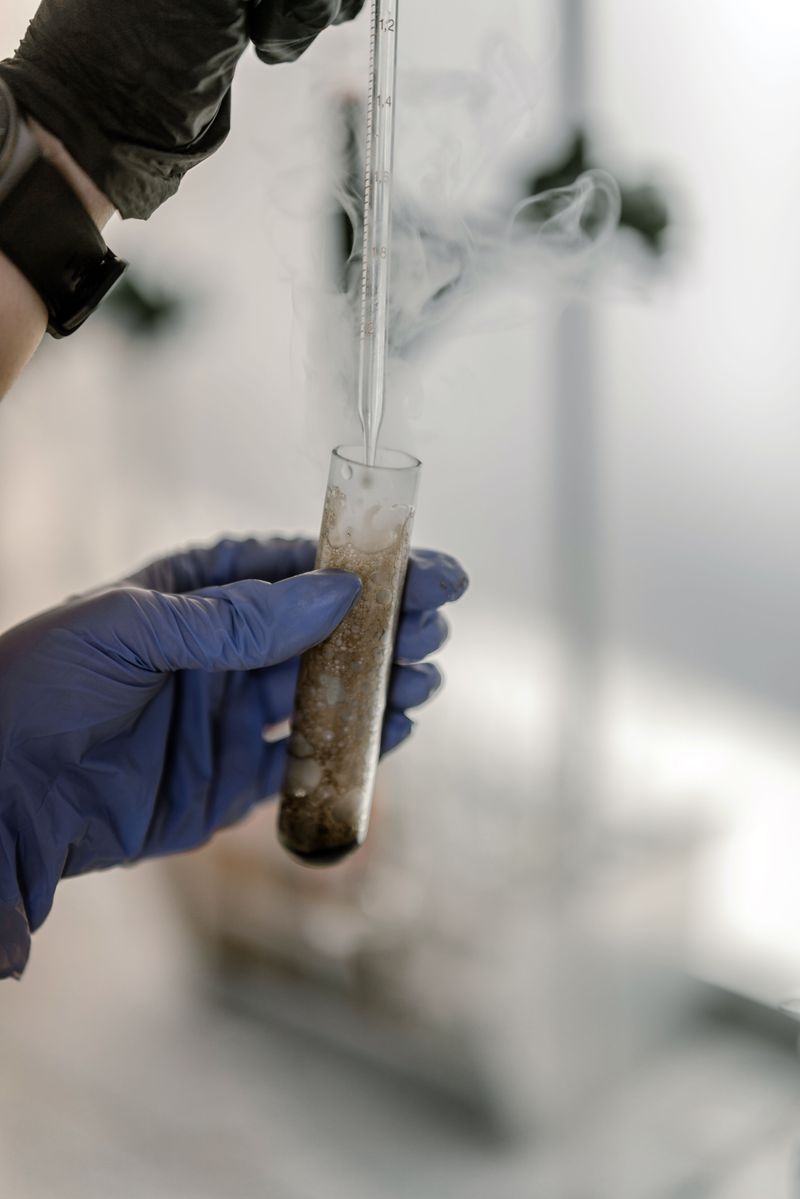
Guessing at your soil needs is like cooking without tasting anything. A soil test tells you exactly what your lawn is missing.
Wisconsin soils vary widely, but many areas lean slightly acidic. A local soil test will confirm your specific yard.
A basic soil test typically costs a modest fee through your local UW Extension office. Check current pricing with your county office.
That small investment can help you avoid wasting money on products your soil does not actually need.
The test reveals pH, nitrogen, phosphorus, and potassium levels. It also flags deficiencies that explain why your grass looks thin or pale.
Low pH lawns often respond dramatically to lime applications. Grass greens up, thickens, and becomes more resistant to disease over time as pH stabilizes.
Organic lawn care without soil data is just expensive guessing. Testing gives your efforts a clear direction and a measurable starting point.
Test every two to three years to track changes. Soil shifts gradually, and staying ahead of imbalances keeps your lawn on track.
Share your results with a local extension agent if you feel confused by the numbers. They offer free interpretation and specific product recommendations. Knowledge is the most underrated fertilizer in any organic lawn program.
8. Grub Control Gets Trickier Without Chemicals
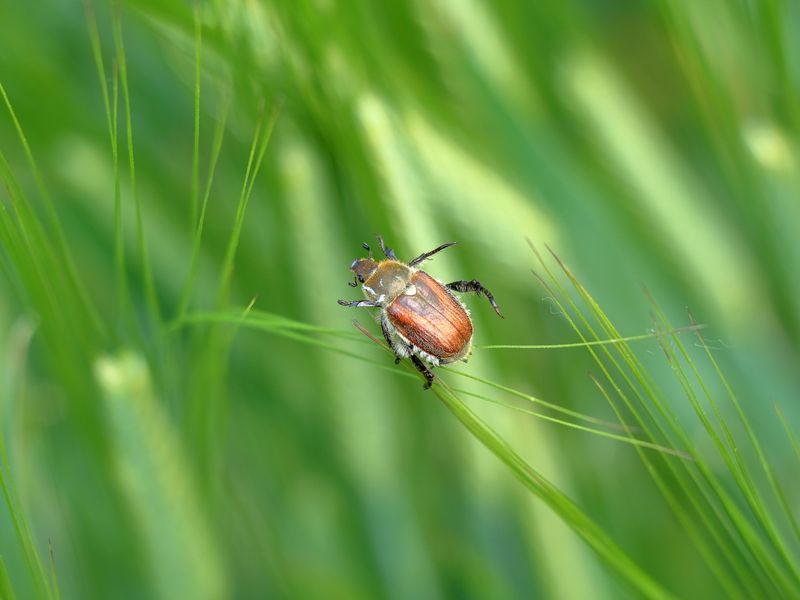
Grubs are a common underground pest in Wisconsin lawns. Without synthetic pesticides, managing them takes more strategy and timing.
Japanese beetle and June bug larvae feed on grass roots from mid-summer through fall. Damage appears as brown patches where turf can lift easily from the soil.
Organic options exist and they work, but only when applied correctly. Milky spore targets Japanese beetle grubs specifically and builds up in soil over several seasons, though effectiveness can be inconsistent in Wisconsin’s colder climate.
Beneficial nematodes offer a broader solution. These microscopic organisms seek out and target grub larvae underground when applied to moist soil.
Timing matters enormously with nematodes. Apply them in late summer when young grubs are near the soil surface and most vulnerable.
Healthy, thick turf tolerates moderate grub populations better than thin or stressed grass. Building lawn density is your first line of organic defense.
Birds are also natural allies. Robins, starlings, and other species actively hunt grubs and will work your lawn hard if given the chance.
Avoid overwatering in July and August. Dry soil discourages adult beetles from laying eggs in your lawn in the first place.
Organic grub control is not instant, but a layered approach builds lasting protection over time.
9. Mowing Height Affects Weed Pressure
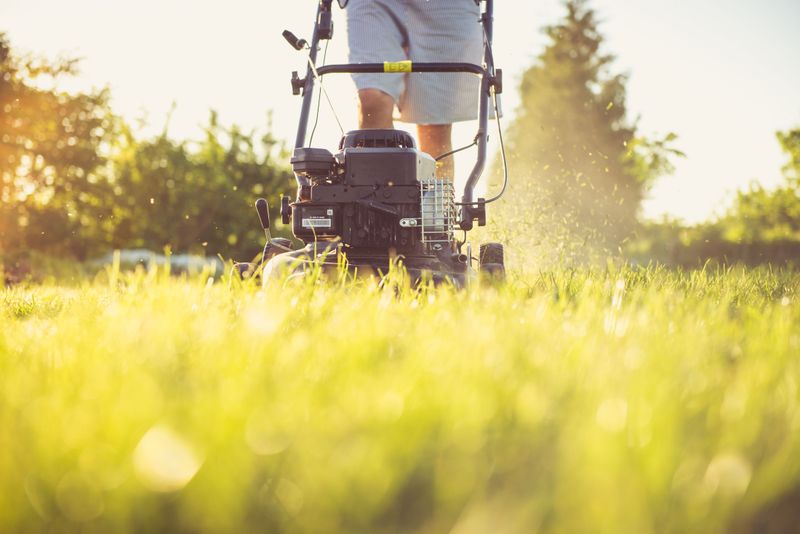
Short grass creates more opportunity for weed growth. Cutting your lawn too low is one of the fastest ways to undo your organic progress.
Tall grass shades the soil surface and blocks sunlight from reaching weed seeds. No light means no germination for most common lawn weeds.
Set your mower blade to three and a half to four inches for cool-season grasses. That height is the sweet spot for organic lawn care in Wisconsin.
Many homeowners cut lower because it looks neater. That preference actually costs them weeks of extra weeding and overseeding every season.
Taller grass also retains soil moisture more effectively. Roots stay cooler during heat waves, and the lawn bounces back faster after dry stretches.
Never remove more than one-third of the blade in a single mowing. Cutting too much at once stresses the plant and opens the door for weeds.
Leave grass clippings on the lawn after mowing. They break down quickly and return nitrogen to the soil without any extra effort on your part.
Mowing frequency matters too. Consistent cuts at the right height train your grass to grow thick and low at the root level.
Your mower is one of the most powerful organic tools you own. Use it wisely and watch weed pressure drop.
10. Neighbors Notice Before You Do
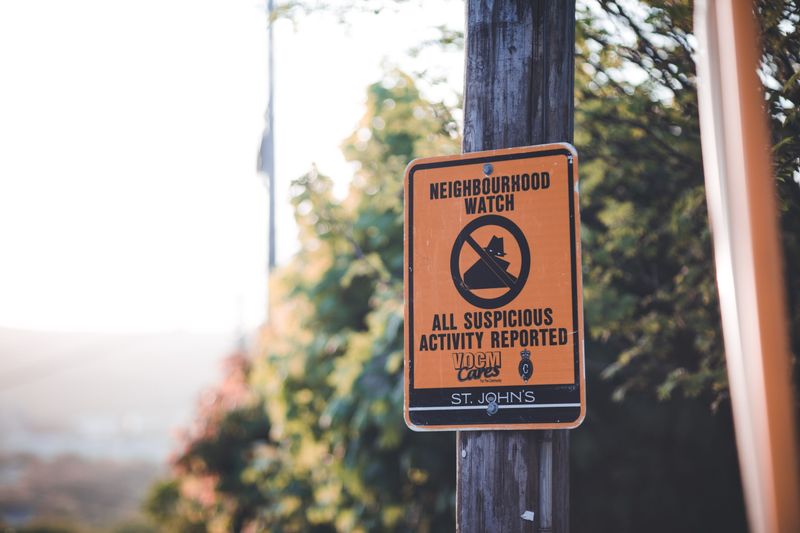
You will be deep in the process before you realize how far your lawn has come. Neighbors tend to notice the shift before you do.
When you stop using synthetic products, your lawn enters a visible transition. It may look slightly wilder or patchier during that adjustment period.
Expect reactions. Some will be curious, some skeptical, and a few might mention neighborhood appearance expectations.
Stay the course. Organic lawn care is a long game, and the finished result tends to address concerns from early skeptics.
Once your lawn fills in and deepens its color, the questions shift from concern to curiosity. Neighbors start asking what you are doing differently.
Your yard becomes a quiet advertisement for organic lawn care on your entire block. That kind of influence spreads without any effort on your part.
A growing number of municipalities across the country have begun updating ordinances to support natural lawn practices, and some Wisconsin communities are following that trend.
Check your local rules for specifics. Clover, native ground covers, and reduced mowing are increasingly accepted.
Document the journey and share it if you feel comfortable. Your experience could inspire someone nearby to make the same shift.
Organic lawn care in Wisconsin is growing, one yard at a time, and your lawn might be exactly what convinces the next homeowner to start.