This Plant Growing Along California Roadsides Is More Toxic Than Rattlesnake Venom
California roadsides can look surprisingly cheerful when wild plants burst into bloom. Drivers pass colorful patches without a second thought, and hikers may stop for a closer look.
That harmless appearance can be wildly misleading. One familiar roadside plant carries a level of toxicity that sounds almost impossible.
It grows openly, blends into ordinary scenery, and rarely looks like something that deserves serious caution.
Nature really does enjoy hiding danger behind pretty flowers. The risk is easy to underestimate because the plant does not announce itself with thorns or an awful smell.
It simply stands there looking innocent while containing compounds powerful enough to cause major harm.
Recognizing it matters for anyone who spends time near trails, rural roads, or overgrown property edges.
A little awareness can prevent a curious touch or careless encounter from becoming a frightening emergency.
1. The Roadside Plant To Know
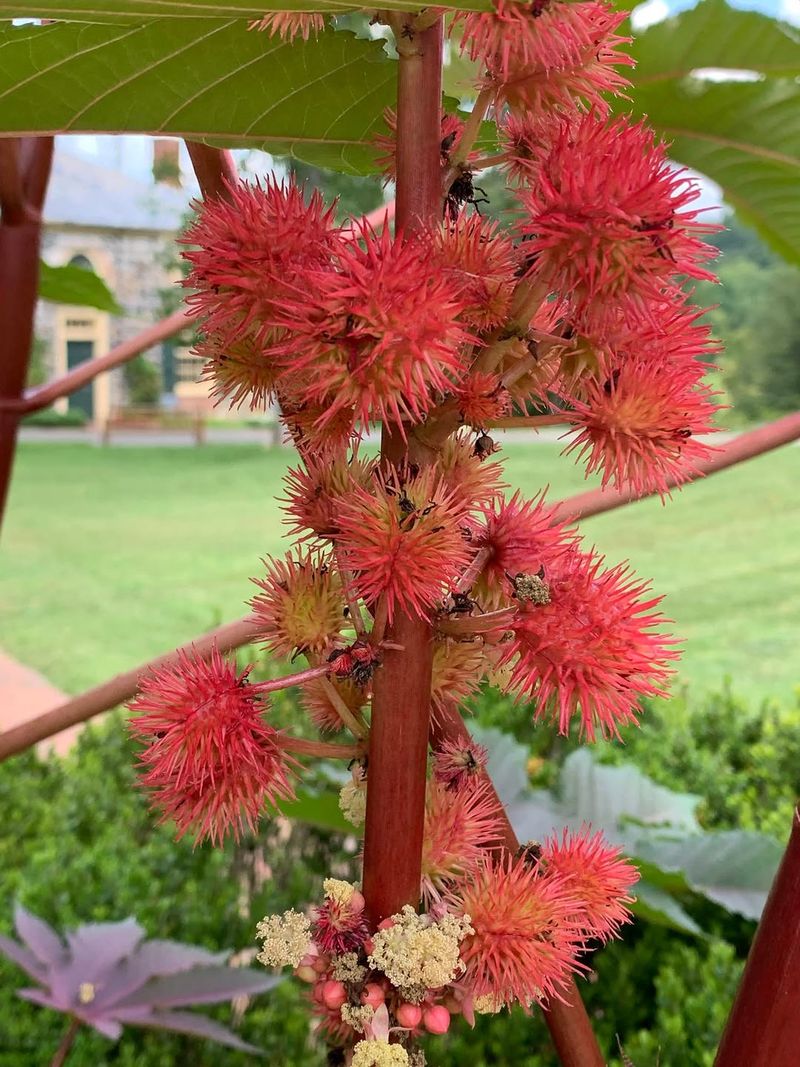
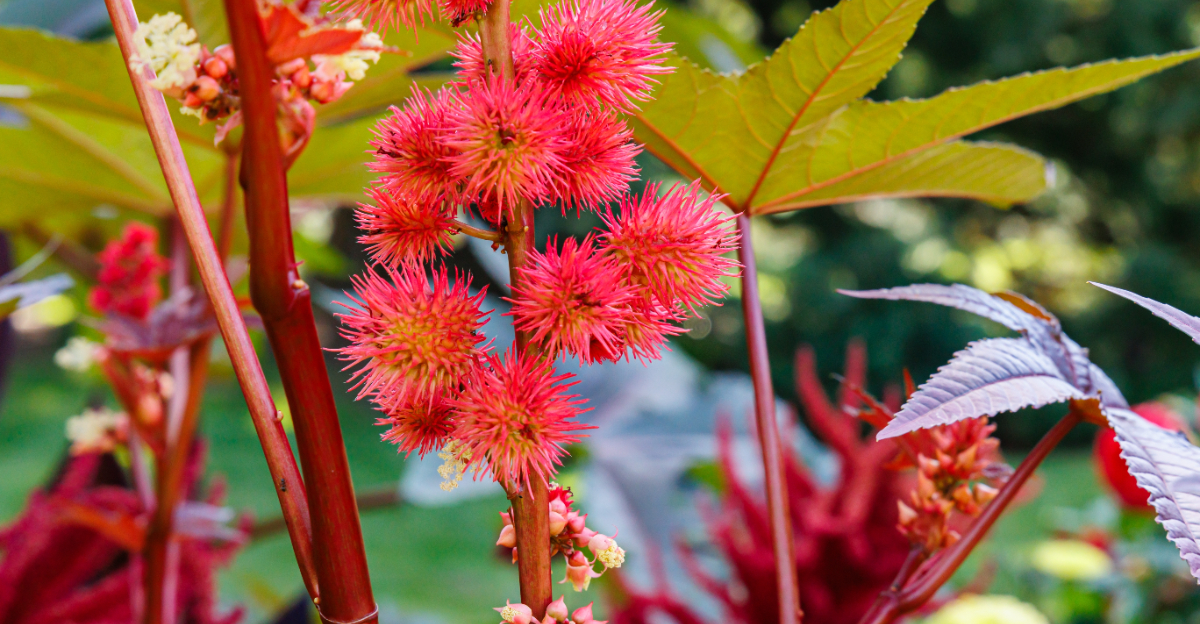
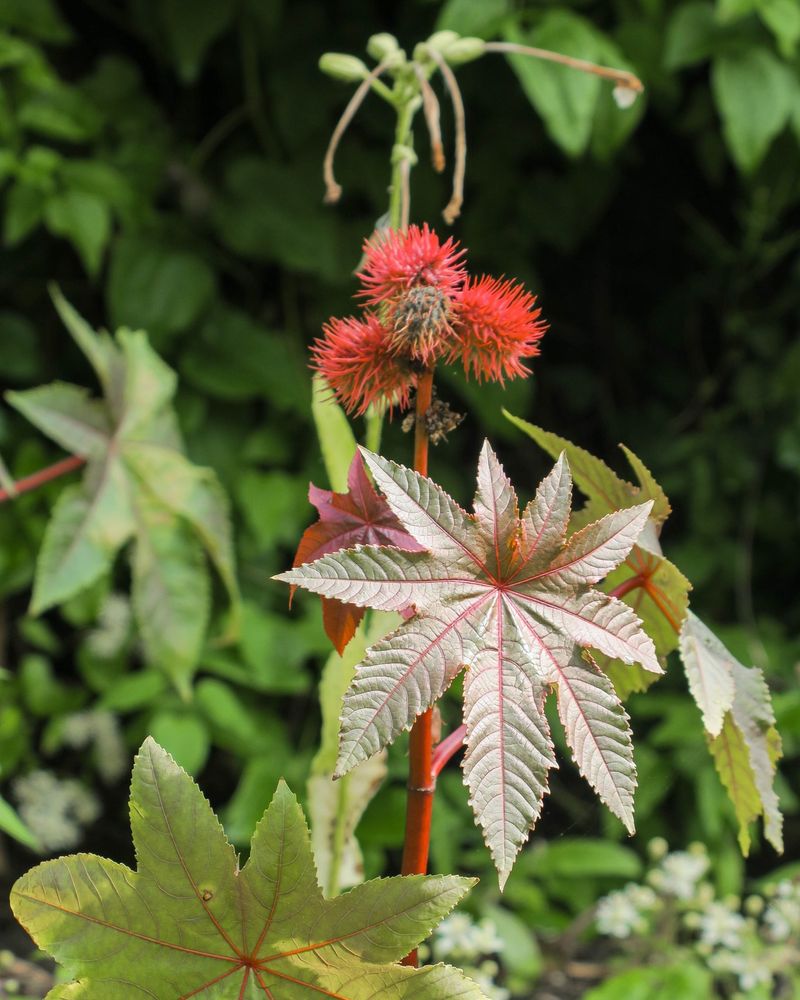
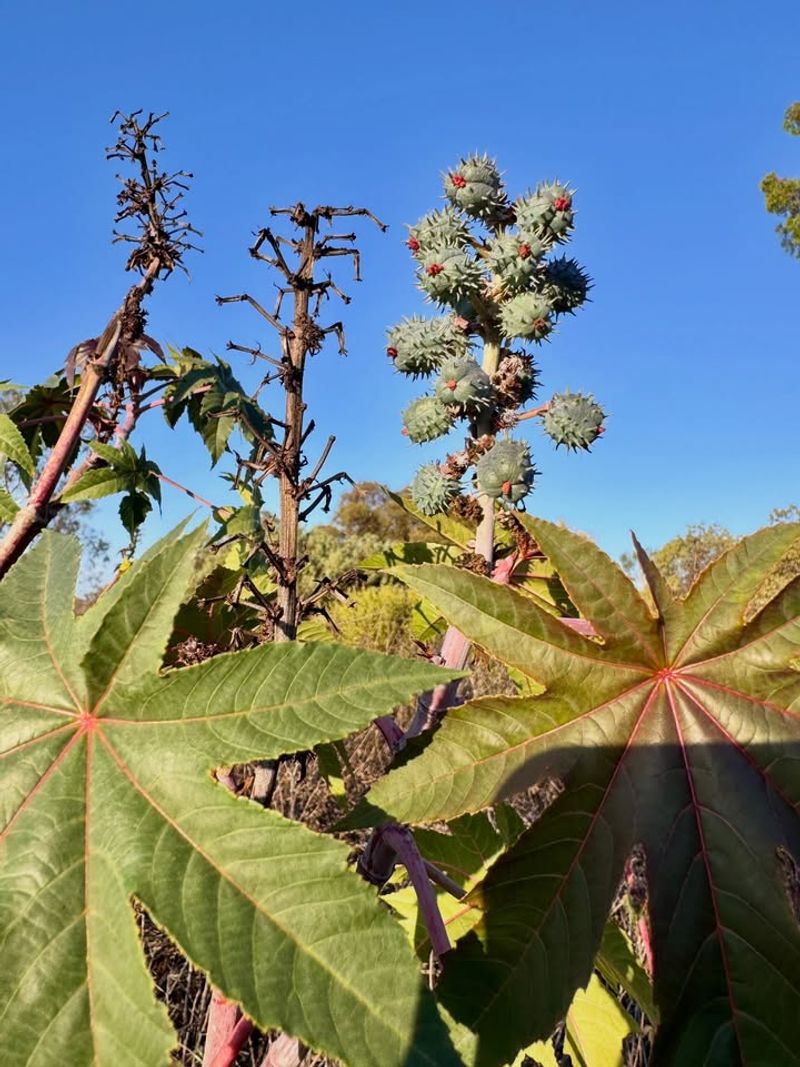
Few wild plants command attention quite like castor bean. Standing up to fifteen feet tall with bold, deeply lobed leaves and clusters of spiky seed pods, it looks almost tropical.
Many people admire it without ever realizing what they are looking at.
Ricinus communis is its scientific name, and it originally comes from Africa and the Middle East. Over time, it escaped from gardens and ornamental plantings across the American Southwest.
Now it grows freely along roadsides, drainage ditches, riverbanks, and empty lots throughout California, especially in warmer inland and southern areas.
The plant loves disturbed soil and full sun, which makes roadsides almost ideal for it. It grows fast, reseeds aggressively, and can take over large areas within just one or two seasons.
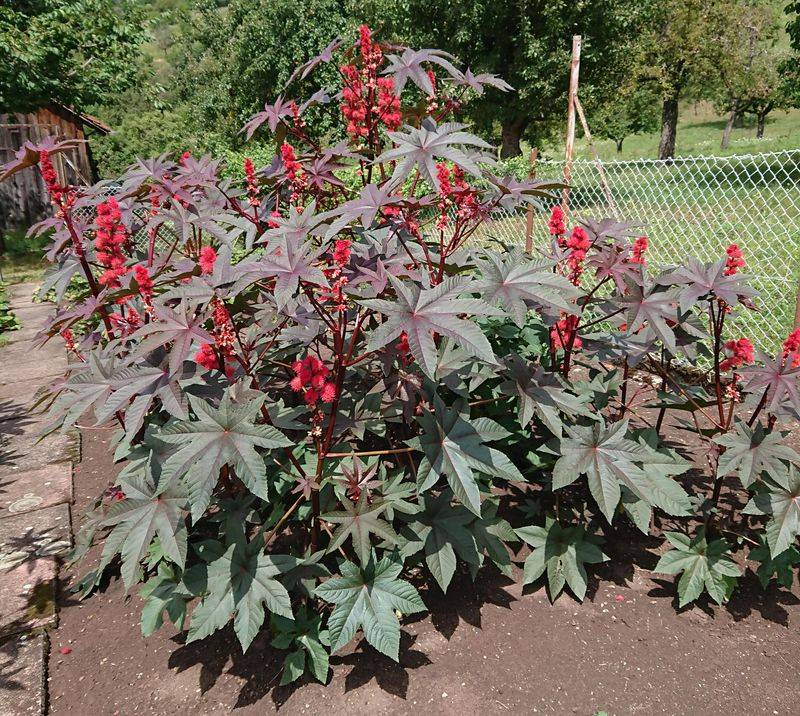
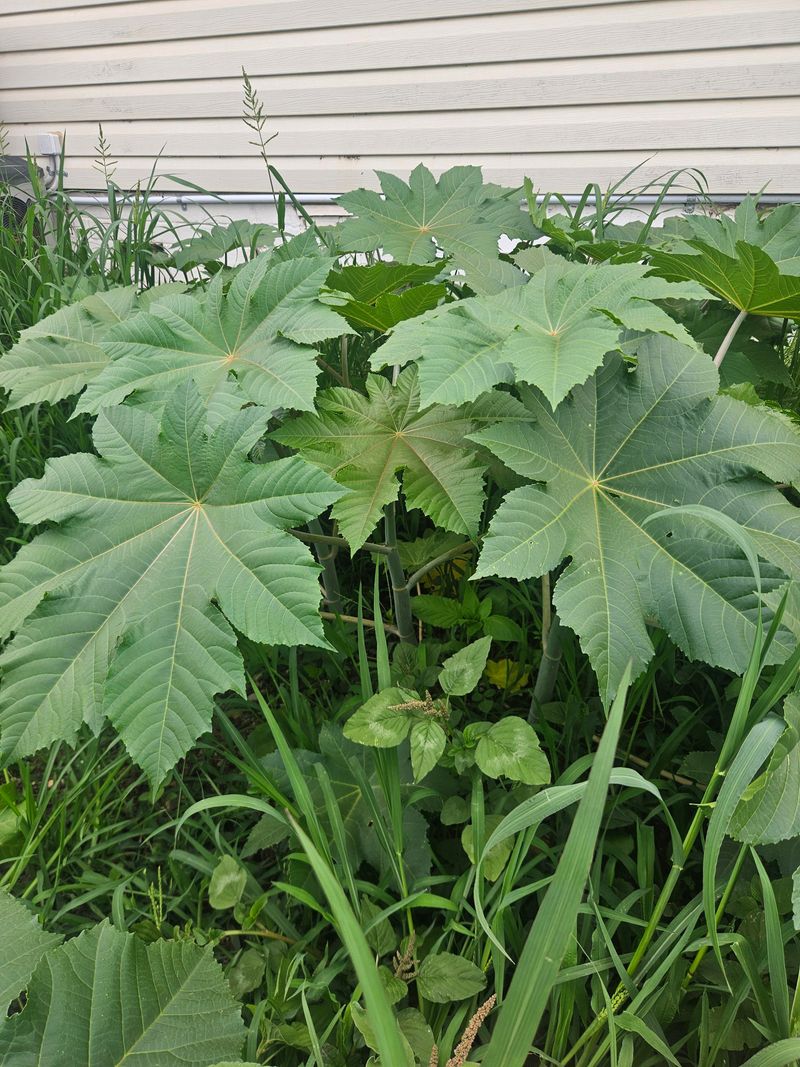
Once established, it is very hard to remove completely. Recognizing castor bean is the first step toward staying safe. Look for large palmate leaves, sometimes green, sometimes with a reddish or bronze tint.
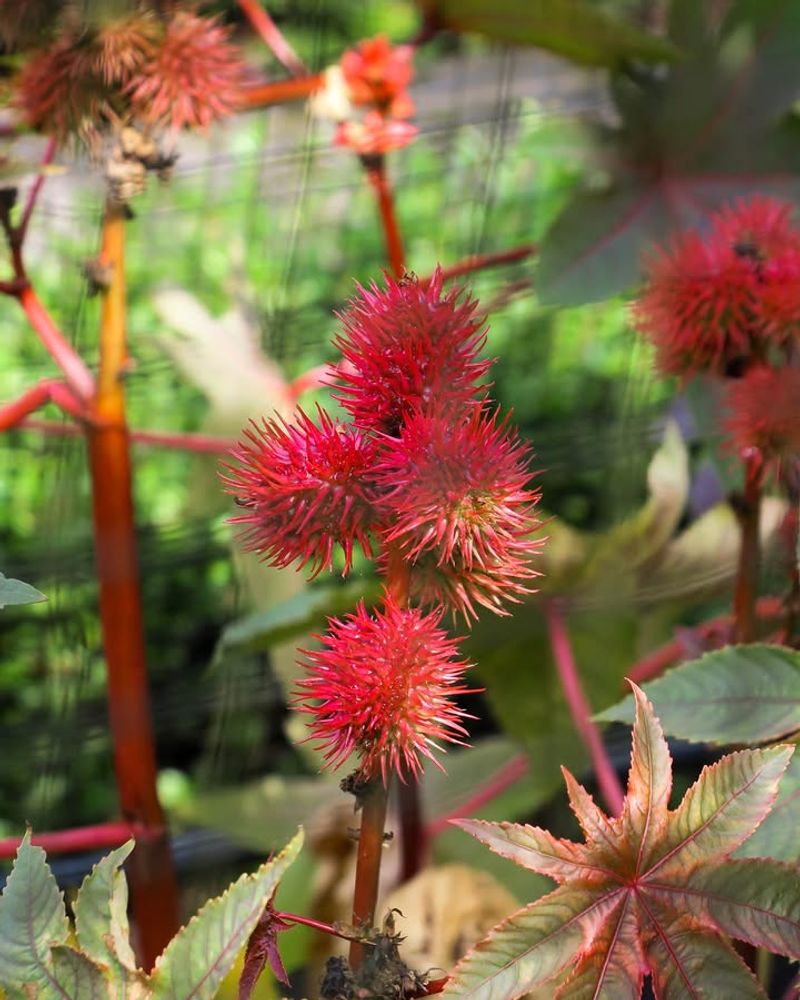
The seed pods are round, spiky, and grow in clusters near the top of the plant. They start green and turn reddish-brown as they mature.
Knowing this plant by sight is genuinely important. You do not need to be a botanist to spot it.
A quick image search before your next hike or roadside cleanup could help you recognize it instantly and keep everyone around you safer.
2. The Seeds Contain The Real Danger
Not every part of the castor bean plant carries the same level of risk. The leaves and stems have some toxic compounds, but the seeds are where the real hazard lives.
Inside each spiky pod, you will find smooth, mottled seeds that look almost like polished stones.
Each seed contains a protein called ricin. Ricin is produced naturally as the seed develops, and it stays potent even after the seeds dry out.
A single castor bean seed contains enough ricin to seriously harm a child or small animal.
The seeds are also visually appealing, which makes them especially risky around young children.
They have a shiny surface with brown, black, and white patterns that can look almost like beads or candy.
Kids may pick them up out of curiosity without understanding the danger.
Your California Garden Changes Every Week. Your Plan Should Too.
Gardening in California changes quickly throughout the season. Every Friday you’ll receive a simple weekly plan showing exactly what to plant, prune, fertilize, harvest, and protect so you never miss the right timing.
Chewing a seed releases ricin directly into the body, which makes it far more harmful than simply touching the outside of one. The seed coat itself is fairly tough, so swallowing a whole seed without chewing may reduce absorption slightly.
But no amount of exposure should be considered safe.
If you spot these pods during a walk or outdoor project, do not pick them up with bare hands. Do not let children or pets near them.
Even broken or dried pods still hold seeds that can cause serious harm if handled carelessly or swallowed.
3. Ricin Makes This Plant So Toxic
Ricin is the reason castor bean has earned such a fearsome reputation. It is a naturally occurring toxin found inside the seeds of the plant, and it works by attacking cells at the most basic level.
Scientists classify it as one of the most toxic naturally occurring substances on Earth. Here is how it works. Ricin is a type of protein called a ribosome-inactivating protein.
Once it enters a cell, it shuts down protein synthesis completely. Without the ability to make proteins, cells cannot function and begin to break down rapidly.
What makes ricin especially alarming is how little of it is needed to cause serious harm. Researchers estimate that a dose smaller than a grain of salt can be dangerous to a human being.
That puts it in a different category than most common toxins, including rattlesnake venom.
Rattlesnake venom is certainly dangerous, but it requires a meaningful bite to deliver a harmful dose.
Ricin, by contrast, can cause serious damage in amounts so small they are nearly invisible to the naked eye.
That difference in potency is what makes castor bean so uniquely hazardous among roadside plants.
There is currently no approved antidote for ricin exposure in the United States. Treatment focuses on supportive care, meaning doctors manage symptoms as they appear.
Early medical attention is critical if exposure is suspected, and even then, outcomes depend heavily on how much ricin entered the body.
4. Pretty Leaves Can Hide A Serious Hazard
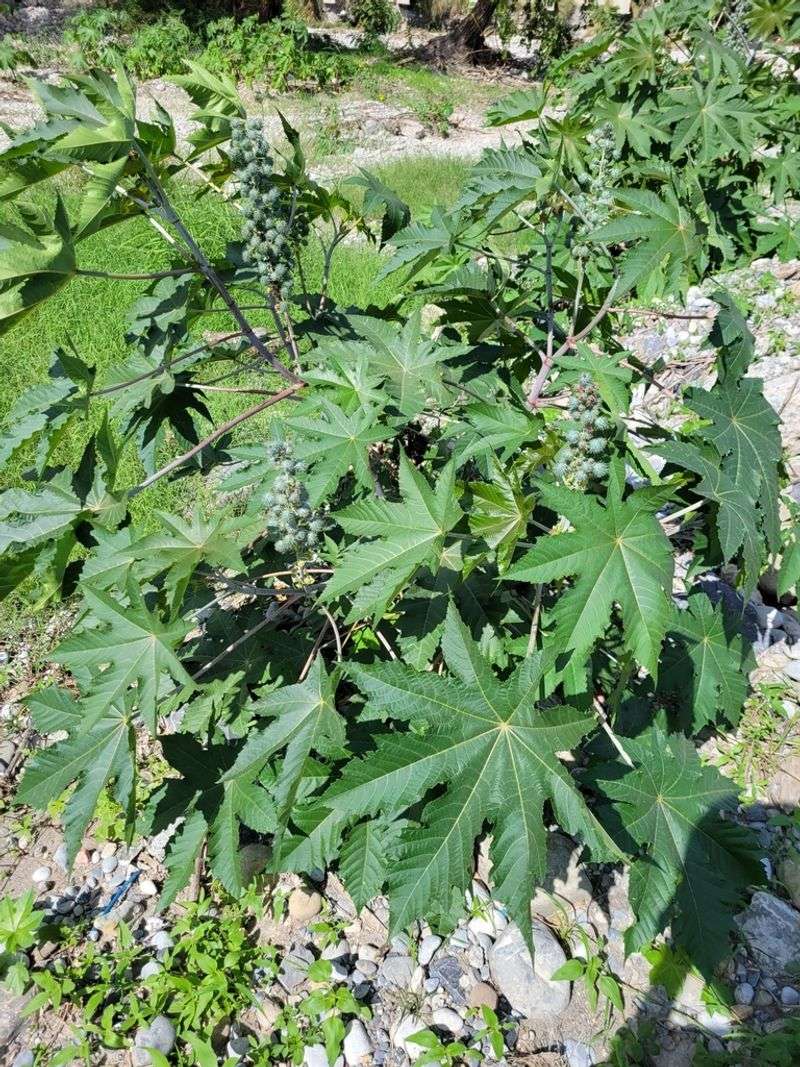
One of the trickiest things about castor bean is how attractive it looks. The leaves are enormous, sometimes reaching two feet across, with a star-like shape that fans out dramatically.
In reddish or bronze varieties, the foliage looks almost like something you would find in a high-end garden center.
That visual appeal has actually worked against public safety for years. Castor bean has been sold as an ornamental plant in nurseries across the country, often marketed for its bold tropical look.
Homeowners planted it in yards and along fences without knowing what they were bringing home.
Some people still grow it intentionally today, though awareness of its dangers has grown significantly.
The problem is that once it is established in a yard or nearby lot, seeds spread easily by wind, water, and even on the fur of passing animals. Before long, a single plant becomes many.
The leaves themselves are also mildly toxic if ingested, though they do not carry the same level of risk as the seeds.
Still, children and pets should not be allowed to chew or handle any part of the plant. Even skin contact with the sap can cause irritation in sensitive individuals. Appreciating a plant from a safe distance is perfectly fine.
But if you spot castor bean growing near a playground, school, or trail, reporting it to your local parks department or weed control agency is a smart and responsible move that could protect others in your community.
5. California Roadsides Give It Room To Spread
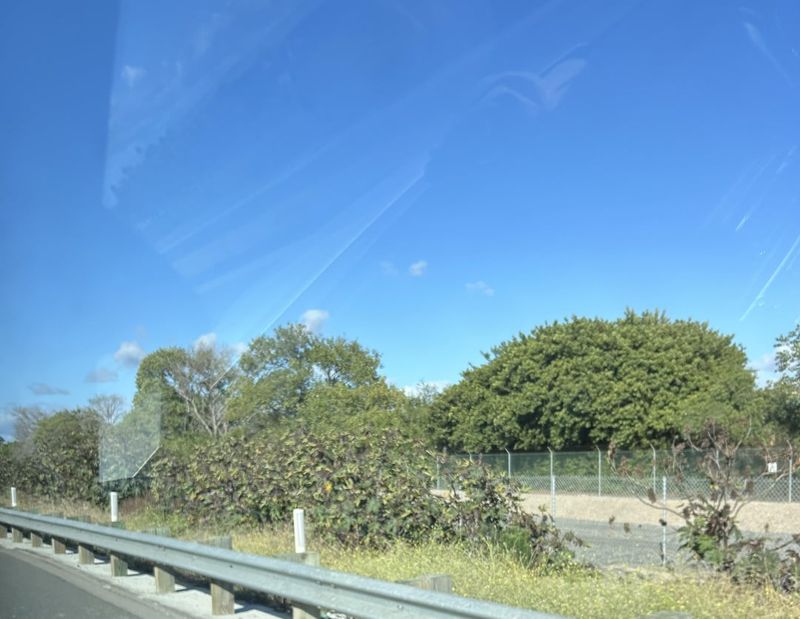
Roadsides are not just roads. They are long, continuous corridors of disturbed soil, warm sun, and minimal competition from other plants.
For an aggressive grower like castor bean, that kind of habitat is practically an invitation to spread without limits.
California offers some of the most favorable growing conditions for this plant anywhere in North America.
Warm temperatures, long growing seasons, and mild winters in southern and inland areas allow castor bean to thrive and reseed year after year.
In some regions, it behaves almost like a perennial shrub rather than an annual plant.
Road maintenance crews sometimes mow or trim these plants without realizing what they are dealing with.
Mowing can scatter seeds widely, helping the plant colonize new areas farther along the roadway.
That unintentional spreading is one reason castor bean has become so widespread in the warmer parts of our state.
Along dry riverbeds, flood channels, and freeway margins, castor bean can form dense thickets that are visible for long stretches. Drivers see it constantly without knowing its name or its nature.
Many assume it is just another wild shrub doing what wild shrubs do.
State and county agencies are increasingly aware of the problem and work to manage castor bean populations in high-traffic areas.
If you notice large stands of this plant near schools, parks, or heavily used trails, reaching out to local weed management programs is a genuinely helpful step that supports community safety.
6. Kids And Pets Face The Biggest Risk
Children are naturally curious. A shiny, patterned seed sitting on the ground looks interesting, maybe even edible.
Young kids explore the world with their hands and mouths, and a castor bean seed picked up during a walk or outdoor play session could end up chewed before any adult notices.
Dogs and cats face similar dangers. Pets sniff and chew things constantly, especially in outdoor settings.
A dog rooting around near a patch of castor bean could easily pick up a fallen seed pod. Even a partial seed can be enough to cause serious harm to a small animal.
Symptoms of ricin exposure in both children and animals can include nausea, vomiting, stomach pain, and weakness. These symptoms may not appear immediately, sometimes taking several hours to develop.
That delay can cause confusion about the cause and slow down the search for medical help.
If you suspect a child or pet has chewed or swallowed any part of a castor bean plant, contact Poison Control or a veterinarian immediately. Do not wait for symptoms to appear.
Early intervention gives the best possible chance for a safe recovery.
7. Never Handle Seed Pods Barehanded
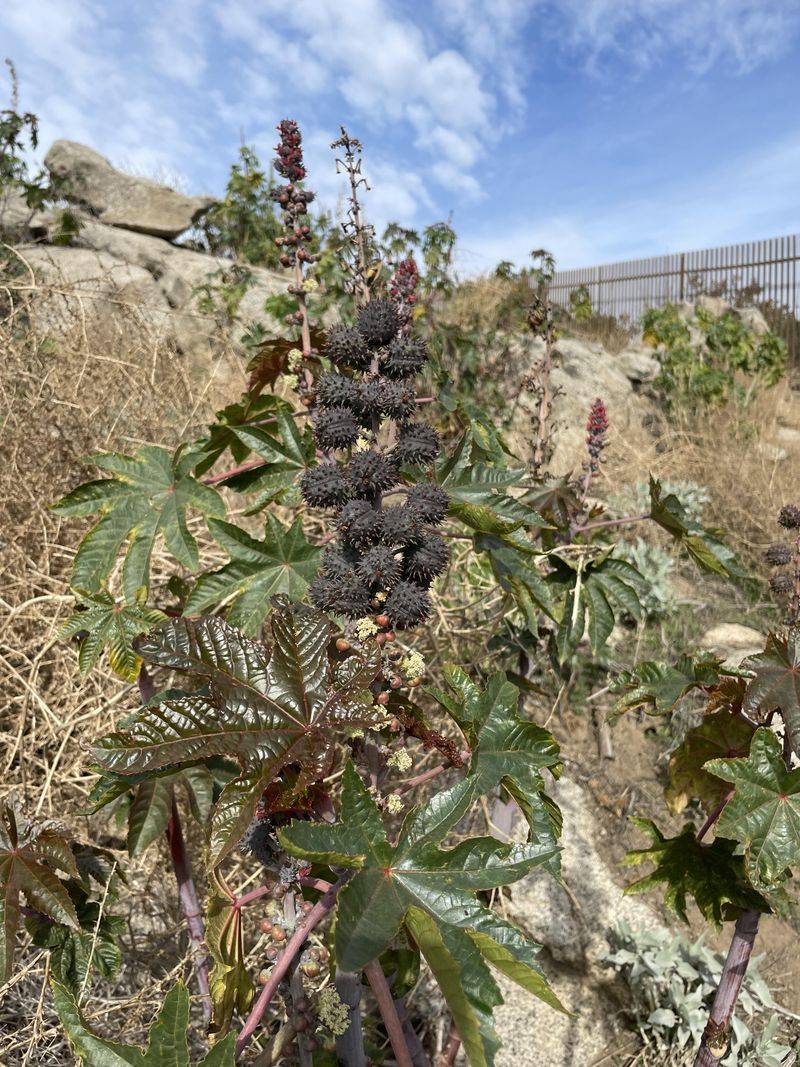
Picking up a castor bean seed pod without gloves might seem like no big deal. The spines look prickly but not particularly threatening.
However, the real concern is not the spines themselves but what happens if a pod breaks open while you are holding it.
Broken pods release seeds directly onto your skin and possibly into the air as fine particles. Ricin can be absorbed through cuts, scrapes, or mucous membranes like the eyes, nose, and mouth.
Even without an open wound, prolonged skin contact with crushed seed material is not something to risk.
Thick rubber or nitrile gloves offer the best protection when handling castor bean plant material.
Thin garden gloves made of fabric are not sufficient because they can absorb oils and particles from the plant.
Always choose gloves that fit snugly and cover your wrists completely.
After handling any part of the plant, wash your hands and arms thoroughly with soap and water even if you wore gloves. Remove and wash your clothing separately from other laundry.
Avoid touching your face at any point during or after working near the plant.
Eye protection is also a smart precaution, especially if you are pruning or cutting plant stems. Sap can splash, and fine particles from dry pods can become airborne in windy conditions.
A pair of safety glasses adds an easy and inexpensive layer of protection that is well worth the small effort.
8. Do Not Toss Seeds Into Compost
Composting is one of the most eco-friendly habits a California gardener can build, but castor bean seeds do not belong anywhere near a compost pile.
Tossing seed pods into compost might feel like responsible disposal, but it creates a new and serious problem that can spread far beyond your yard.
Compost piles generate heat during the decomposition process, but they rarely get hot enough consistently to fully neutralize ricin. Seeds can survive in compost and remain viable for sprouting.
When that finished compost gets spread in a garden bed or lawn, you may unknowingly be planting next season’s castor bean crop.
Even worse, compost made with castor bean seeds could end up shared with neighbors, donated to community California gardens, or sold at local plant sales.
One careless disposal decision can ripple outward in ways that are hard to predict and difficult to undo once the seeds start sprouting in new locations.
The safest option is to seal seed pods in heavy-duty plastic bags before placing them in regular household trash. Double-bagging adds an extra layer of security.
Label the bags clearly so waste handlers understand what they are dealing with, especially if your local area has specific guidelines for toxic plant material.
Some counties offer hazardous plant material drop-off programs or can advise on the best local disposal method.
Checking with your county agricultural commissioner or waste management department before disposing of large quantities of castor bean material is always a smart move.
9. Bag Seed Heads Before Removing Plants
Removing a castor bean plant without preparation is a bit like trying to contain a spill after it has already spread.
The seed pods are the main concern, and if they are not secured before the plant is cut or pulled, seeds can scatter in every direction, making the problem bigger instead of smaller.
A practical method used by experienced weed managers is to bag the seed heads first. Before cutting any part of the plant, slip a sturdy plastic bag over each seed cluster and tie or tape it closed around the stem.
Then cut the stem below the bag so the seeds stay fully contained inside.
This approach keeps seeds from falling to the ground, where they can sprout the following season, or from being carried off by wind or animals.
It takes a few extra minutes, but the payoff in terms of preventing future spread is absolutely worth the effort.
Once the seed heads are bagged and removed, you can address the rest of the plant. Cut it down as close to the ground as possible and bag the remaining plant material separately.
Wear gloves, long sleeves, and eye protection throughout the entire process to minimize any contact with sap or plant particles.
Root removal is ideal when soil conditions allow it. Leaving the root in place may allow the plant to resprout, especially in warmer regions where frost does not naturally check regrowth.
A follow-up check a few weeks later will help you catch any new shoots before they have a chance to establish themselves again.