8 Signs Your California Avocado Tree Needs Help Before Winter
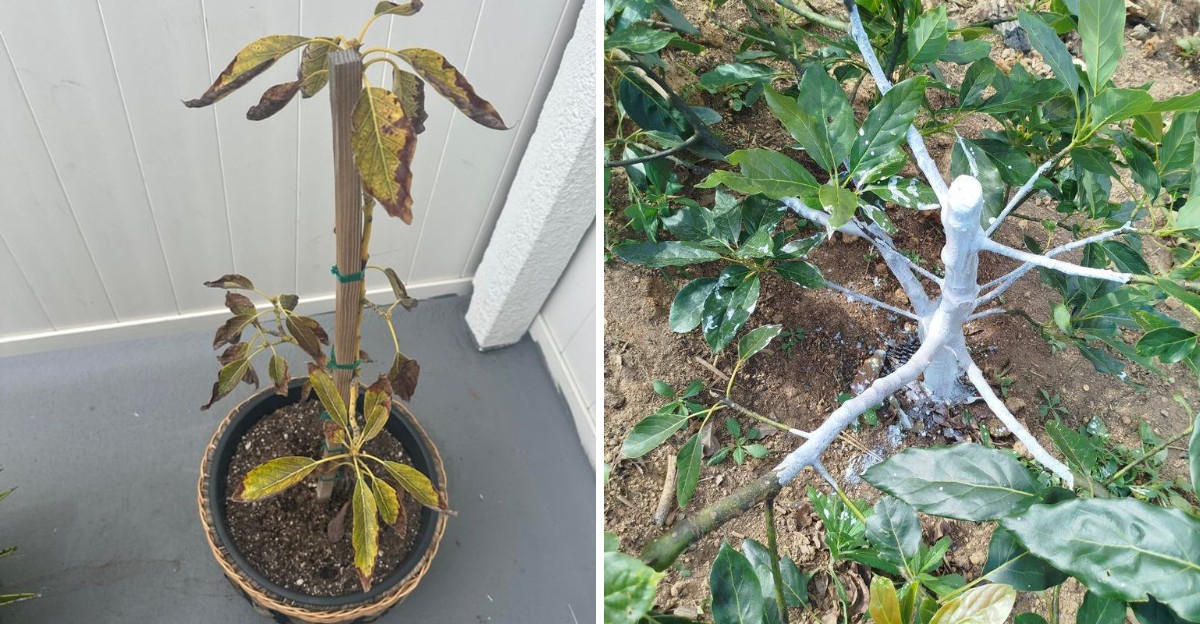
Autumn often reveals what a long, hot summer left behind. Certain trees start showing small hints, some easy to dismiss and others hard to overlook.
A few of these changes are perfectly natural. Others quietly point toward problems hidden in the soil, in the water, or somewhere out of sight on the leaves.
Telling the difference takes a careful eye and a little patience.
Guesswork tends to backfire here, while a calm look at the clues usually leads somewhere useful.
The next several weeks offer a valuable window before cold nights and winter weather arrive.
A tree that gets the right help this season often greets spring looking like a whole new plant.
1. Yellow Leaves Signal Stress Or Hunger
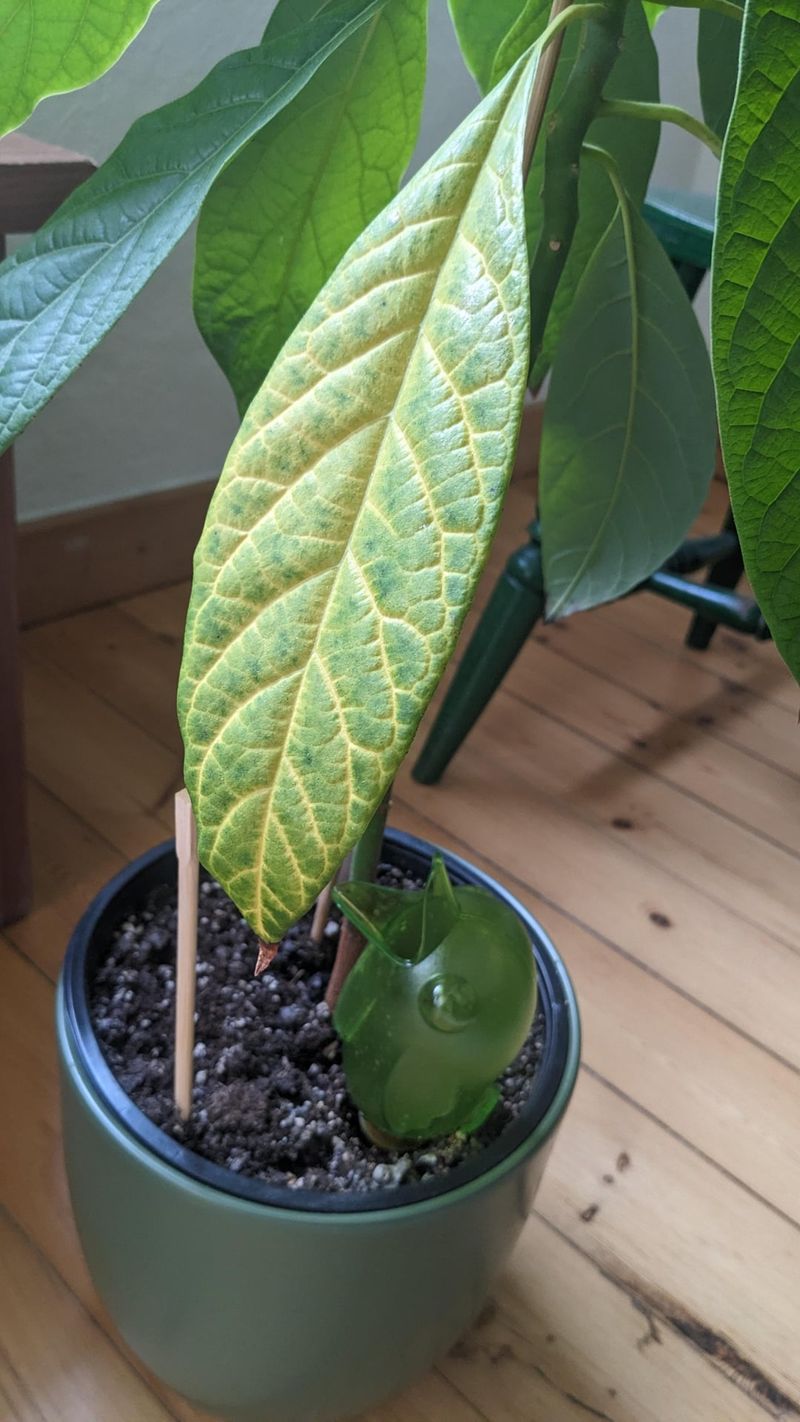
Pale, washed-out foliage works like a small warning flag. A few yellow leaves deep inside the canopy are usually old ones preparing to drop, since avocados shed leaves throughout the year.
Widespread yellowing on new growth, however, deserves a closer look. The investigation starts below ground.
Avocado roots need air, and soil that stays soggy for days can starve them of oxygen. A long screwdriver or soil probe pushed 6 to 8 inches deep near the drip line reveals plenty.
Wet, sticky soil with a sour smell points to drainage trouble rather than a feeding issue. That distinction shapes everything that follows.
Nutrient shortages can also cause yellowing. Iron or zinc problems often appear as yellow leaves with green veins, especially in alkaline soil, while nitrogen shortage tends to turn older leaves evenly pale.
Heat waves, recent transplanting, and uneven watering add stress, too. Several causes can overlap at once.
Fertilizer is best held back until the cause becomes clear. Feeding a tree with damaged roots can add salts and make matters worse.
Checking moisture first, then reviewing the watering schedule and drainage speed, usually narrows the possibilities quickly.
A soil test or leaf analysis can settle the nutrient question, and UC ANR resources explain how to take samples and read results.
Once the real cause is known, fixing drainage, adjusting water, or adding the right nutrient replaces guesswork.
2. Brown Leaf Tips Point To Salt Buildup
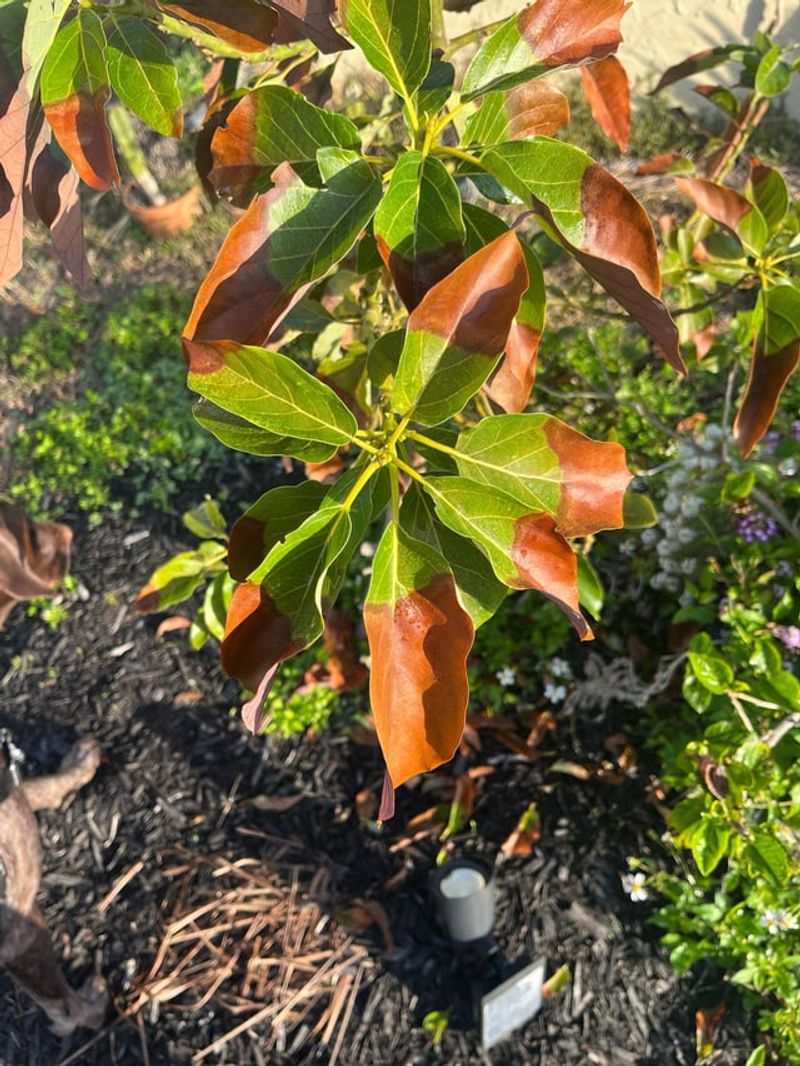
By late summer, many Southern California avocado trees look as though they tried to toast their own leaves. Tips and edges turn brown and crispy while the rest of each leaf stays green.
Gardeners call this tip burn, and salt ranks as a common culprit. Avocados are especially sensitive to chloride and sodium.
Colorado River water and some well water carry plenty of both. Each irrigation leaves salt behind in the soil as the tree draws up water.
Over a long dry season, that salt creeps into the leaves and collects at the tips. The damage builds slowly before it shows.
Fertilizer adds to the load. Heavy or frequent feeding with salty products can push a tree past its limit.
Light, shallow watering worsens the problem, since salts stay in the root zone instead of moving deeper.
Leaching offers the main fix. A periodic deep watering pushes salts down past the roots.
Your California Garden Changes Every Week. Your Plan Should Too.
Gardening in California changes quickly throughout the season. Every Friday you’ll receive a simple weekly plan showing exactly what to plant, prune, fertilize, harvest, and protect so you never miss the right timing.
Winter rain helps a great deal, but a dry year may call for an extra deep soak this fall. Wide, even watering under the whole canopy works better than a single dripper near the trunk.
A water quality report from the local water district reveals how salty the supply runs, and lighter fertilizer use helps when tip burn is heavy.
Scorched leaves won’t turn green again, but healthy new growth in spring signals the plan is working.
3. Wilting With Wet Soil Suggests Root Rot
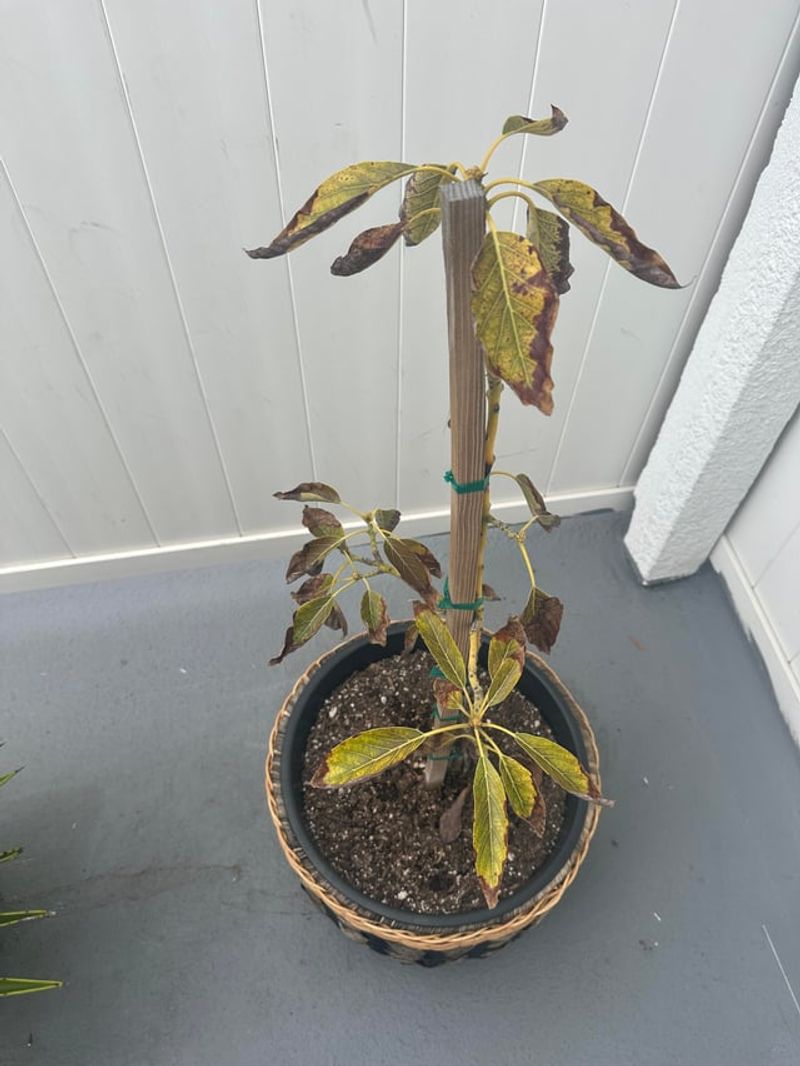
Drooping leaves above damp soil create a puzzle that fools plenty of gardeners. The tree looks thirsty, and adding water feels natural, yet that response can deepen the trouble.
Wilting in moist soil serves as a classic warning of Phytophthora root rot. A water mold called Phytophthora cinnamomi attacks the small feeder roots that absorb water.
Once those roots rot, the tree can’t drink, no matter how wet the ground stays. Leaves often turn small, pale, and droopy, and fewer new leaves appear.
Scraping away leaf litter near the drip line exposes the feeder roots for a quick check. Healthy roots look creamy white, while infected ones appear black and brittle and snap easily.
The disease spreads fastest in heavy, poorly drained soil and in yards watered too often.
Pausing irrigation until the top few inches of soil dry gives roots a chance to breathe. Mounded planting and sprinklers kept off the trunk improve conditions over time.
A thick layer of coarse wood chip mulch supports roots and encourages helpful soil life. UC research also notes that gypsum can help in some soils.
Phosphonate fungicide treatments can help trees recover. Because root rot is serious and spreads through infected soil, a certified arborist or UC IPM guidelines offer the best next step.
Professional help can confirm the diagnosis and outline treatment. Tools and shoes that touched infected soil are best cleaned before moving to other parts of the garden.
4. A Thinning Canopy Shows Weak Roots
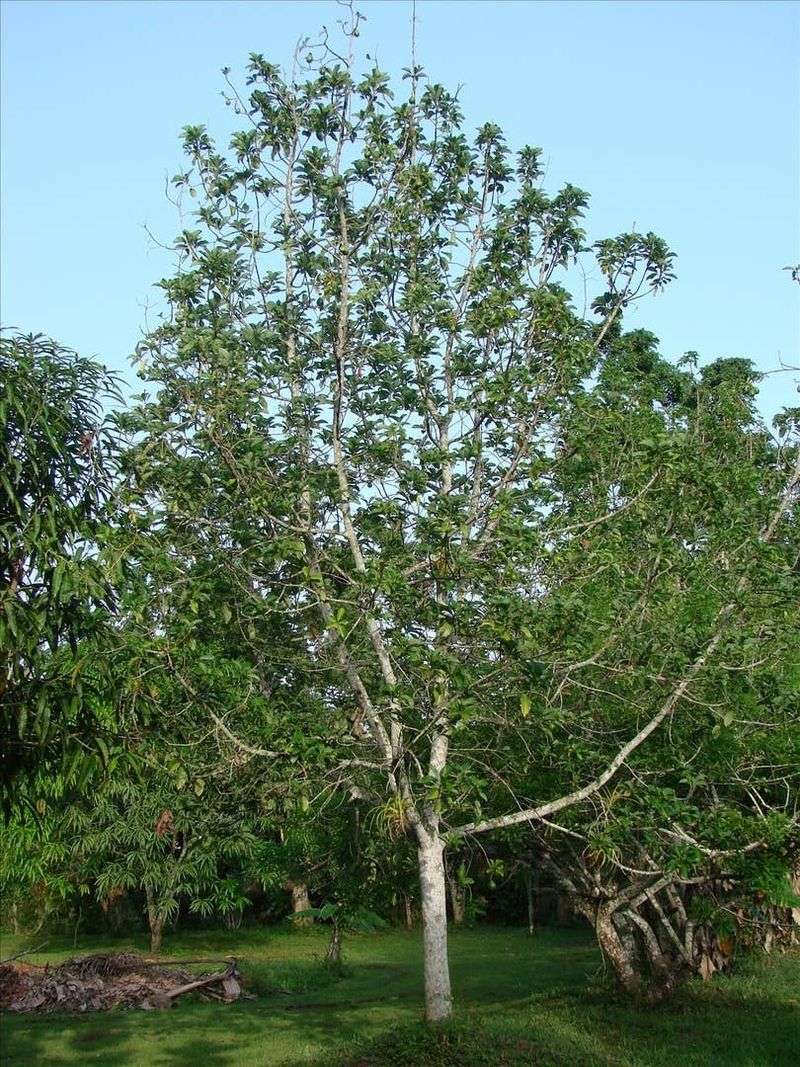
A noon glance upward through the branches tells a revealing story. A healthy avocado casts thick, dark shade with very little sky showing through.
Patchy light and plenty of blue overhead suggest something is holding the tree back. A sparse canopy usually traces back to the roots.
Leaves can only grow as well as the roots feeding them. Root rot, compacted soil, waterlogging, or long dry stretches all shrink the root system.
Fewer working roots mean fewer, smaller leaves up top. The connection runs directly from soil to canopy.
Watering mistakes play a big role. Most avocado roots sit in the top foot or so of soil, where too little water leaves them parched in hot weather.
Too much water, on the other hand, suffocates them. Both paths lead to the same thin look.
A bit of detective work helps before any action. Soil moisture checked at several spots around the tree, not just one, paints a clearer picture.
Black, brittle feeder roots near the surface deserve attention, as do lawn sprinklers, foot traffic, or a new patio crowding the root zone.
Gentle support helps roots rebuild. Three to six inches of coarse mulch spread out to the drip line, kept a few inches from the trunk, makes a strong start, and fallen avocado leaves left in place act as natural mulch.
Deep, less frequent watering follows, and a thicker canopy may take a season or two to return.
5. Bare Branch Tips Need Attention
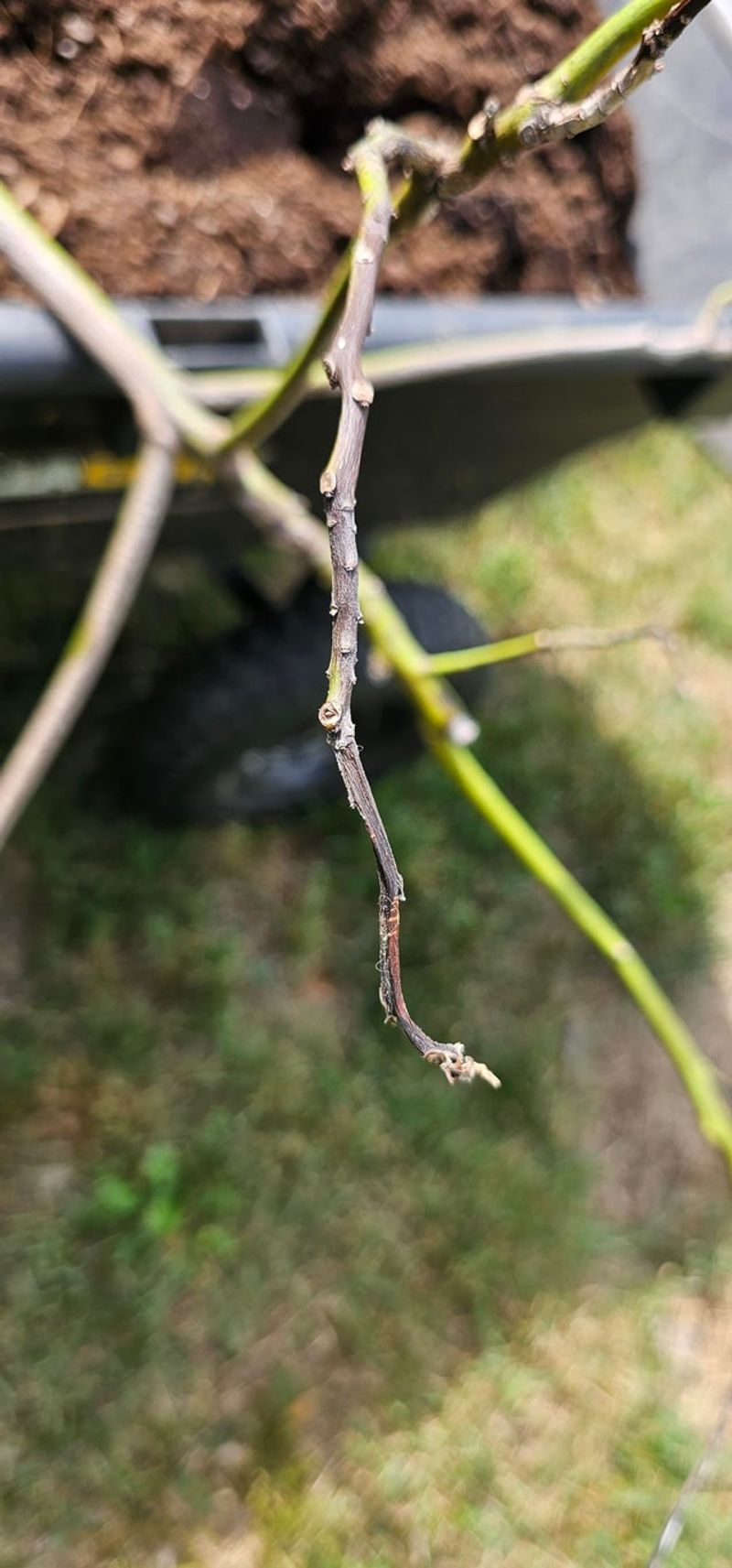
Some branches look fine near the trunk but end in bare, leafless twigs. Those naked tips are easy to overlook from the ground, yet they offer a clue worth following before winter settles in.
Several factors can strip branch tips. Root rot and heavy salt stress often show up first at the outer canopy, the parts farthest from the roots.
Sunburn on exposed limbs can damage bark and halt leaf growth. Frost from last winter may have injured tender ends as well, and fungal cankers or wood-boring pests can play a role.
A close look at a bare twig reveals plenty. A gentle thumbnail scratch on the bark shows green tissue on a living branch, while brown, dry tissue marks a section that has stopped growing.
The bark deserves inspection, too. Oozing sap, white sugary crust, cracks, or tiny holes all count as warning signs.
Sap stains with white powder can signal cankers or boring insects, including invasive shot hole borers that UC researchers track closely in Southern California.
Written notes and clear photos help track changes over time. They also make expert consultations far more productive.
Heavy fall pruning is best postponed, since cutting a stressed tree can expose more bark to sun and cold. Light removal of clearly brittle, bare wood with clean pruners works fine.
Bare tips that keep spreading call for a closer look from a certified arborist or the county Agricultural Commissioner, especially when borer holes appear.
6. Sunburned Bark Needs Protection
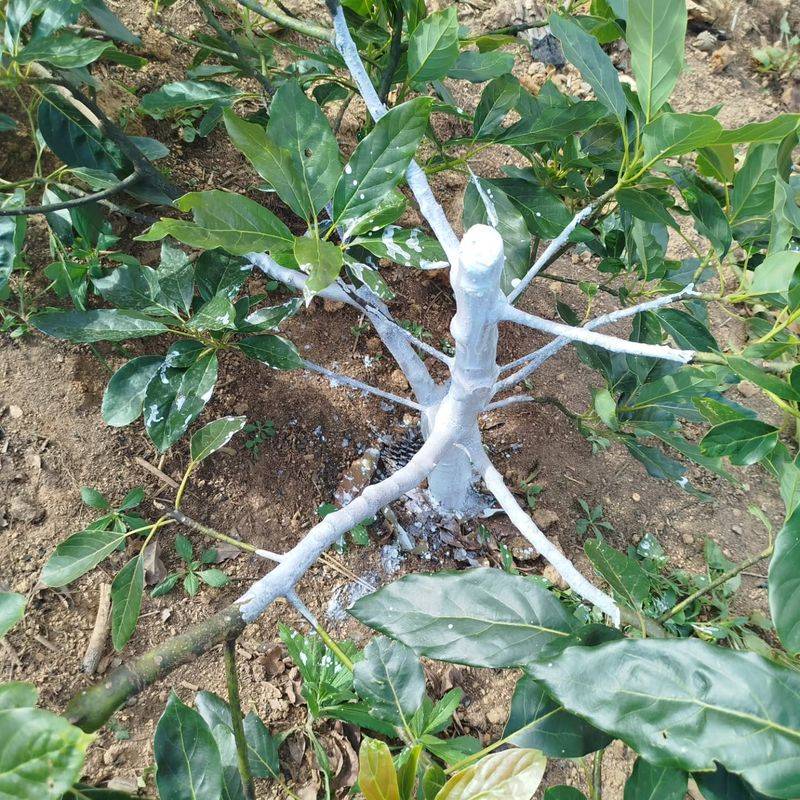
Thin bark leaves avocado trunks surprisingly vulnerable, much like skin on a beach day without sunscreen. Trunks and limbs suddenly exposed to direct sun can burn, leaving tan, yellow, or cracked patches on the sunny side.
Sunburn often follows leaf loss. A canopy thinned by root rot, salt damage, or frost no longer shades the wood beneath it.
Young trees with slender trunks face high risk, as do older trees after heavy pruning. Burned bark can crack and let in fungi and boring insects.
Whitewash offers a simple, proven fix. UC guidance recommends white interior latex paint mixed about half and half with water.
A brush coat on the trunk and any exposed main limbs, especially on the south and west sides, provides lasting protection. Oil-based paint is best avoided, since it can harm bark.
Other shade options work, too. Tree wraps or shade cloth protect young trunks, and a few low branches left in place can shield the trunk naturally.
Careful pruning plans help avoid exposing large limbs to strong afternoon sun all at once.
Fall makes a smart time to add protection. Winter sun sits lower in the sky and can still strike trunks hard through a thinned canopy.
Scorched bark won’t heal back to its original state, but whitewash keeps the damage from spreading. Fixing the root or water problem that thinned the canopy helps the tree shade itself again over time.
7. Persea Mites Speckle The Leaves
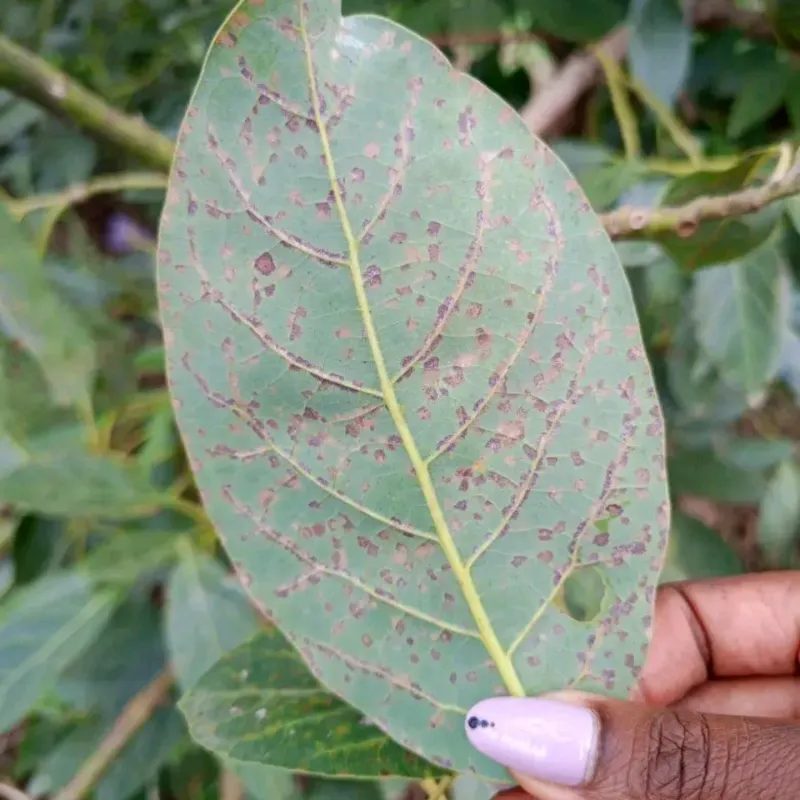
Turning a leaf over can reveal a tiny neighborhood few gardeners know exists. These pests live on the undersides of avocado leaves, so small that their damage usually appears long before anyone spots the mites themselves.
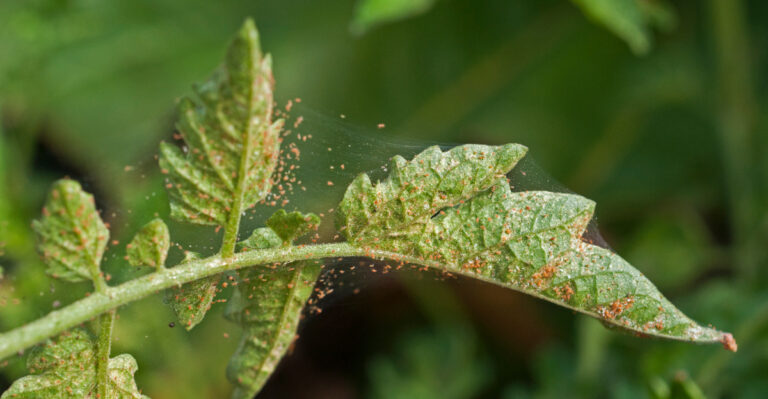
Round, yellowish or brownish spots clustered along the midrib and larger veins offer the first clue. Each spot sits beneath a delicate silk web, much like a miniature tent.
A hand lens may reveal tiny yellowish mites with dark spots moving under the webbing. From above, affected leaves look speckled or blotchy.
Hass trees are especially prone to persea mites. Populations usually peak in summer and early fall, when weather stays warm and dry.
Heavy infestations can cause early leaf drop, which thins the canopy and raises the risk of sunburn. That chain reaction makes early detection valuable.
A careful approach works best before any spraying. Natural enemies such as predatory mites often help keep persea mites in check.
Broad-spectrum sprays can sharply reduce those helpers and worsen mite problems later. Dusty trees also tend to host more mites, so a gentle rinse of the foliage can help.
UC IPM guidelines suggest checking several leaves from around the tree to gauge how widespread the infestation is.
Narrow-range horticultural oil can reduce mites when applied with thorough coverage, and releasing predatory mites offers another option.
A local nursery or licensed pest professional can help decide whether treatment makes sense this season.
8. Young Trees Need Frost Protection
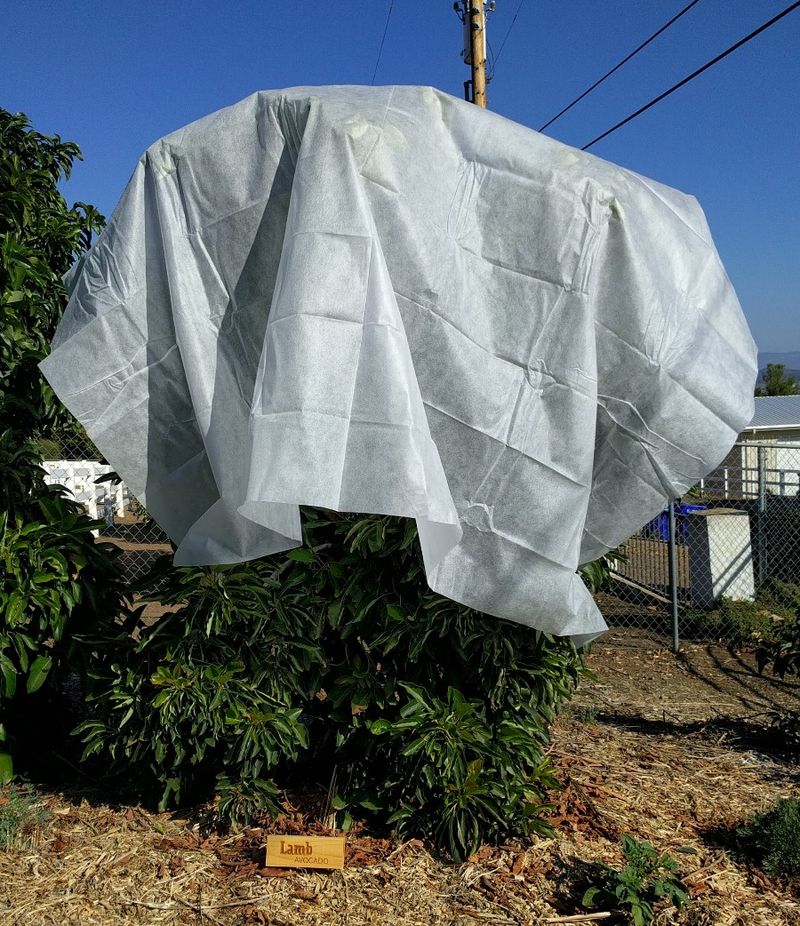
A clear, still December night can feel peaceful, yet it poses a real threat to a young avocado. Cold air settles low on calm nights, and tender trees feel it first.
Young avocados carry thin bark and soft growth with little stored energy. Temperatures near 30 degrees Fahrenheit can damage leaves and shoots, and lower readings can injure trunks.
Mexican-type varieties handle cold better than Guatemalan types, but Hass and most young trees still benefit from help. Low spots in a yard run coldest, since chilly air flows downhill and pools there.
Preparation works best before the first cold snap, which makes late October and November ideal for gathering supplies.
Watering the soil a day or two before a forecast frost helps, because moist soil holds and releases more heat than dry soil.
Clearing thick weeds and mulch from a small area lets the ground radiate warmth upward.
Frost cloth or an old sheet draped over the tree on cold nights adds protection. A cover reaching all the way to the ground traps that rising heat.
Plastic is best kept off the leaves. Old-style incandescent string lights under the cover add gentle warmth, while LED lights don’t. Foam or cardboard wrapped around thin trunks adds insulation.
Covers come off each morning so the tree gets light and air. Pruning frost-damaged growth waits until spring, when new leaves reveal which parts made it through and clean cuts become easy.