This Bamboo Stake Alternative Costs Less And Lasts Longer In Colorado
If you have ever pulled a bent tomato cage out of the mud after a spring storm, you know exactly how fast garden supports fail. Wind, rain, and freeze-thaw cycles work together to turn flimsy stakes into garbage within a single season.
There is a fix already sitting in the back aisle of most hardware stores. Rebar, the ribbed steel rod contractors use to reinforce concrete, holds its shape through weather that destroys wood and plastic stakes within weeks.
Gardeners are swapping bamboo and dowels for steel rods that cost pennies more and last for years instead of months. A single piece can anchor a tomato plant one season and support a trellis the next.
For anyone tired of restocking the same supplies every spring, rebar might be the last stake purchase they ever make.
A Sturdier Material Is Quietly Replacing Garden Bamboo
Walk down any garden aisle and bamboo stakes still dominate the shelves. But head to the building supply section, and you will find something stronger.
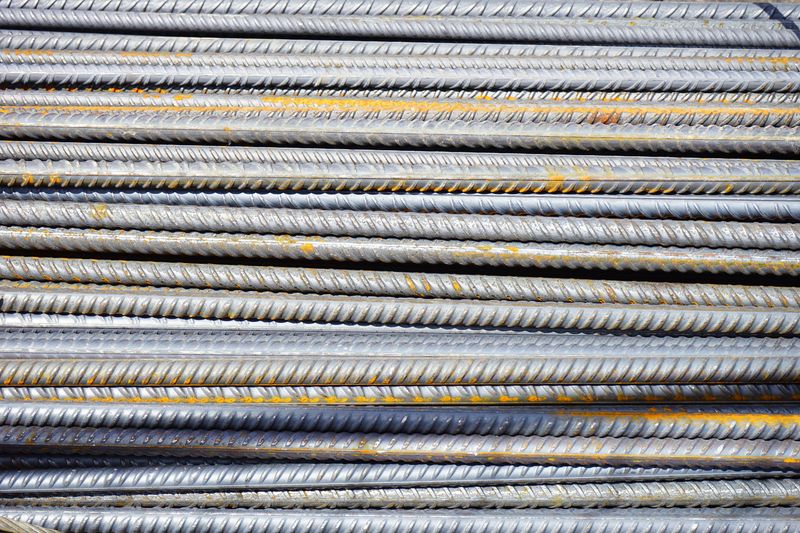
Rebar is a ribbed steel rod built to reinforce concrete structures. It handles stress that would snap bamboo like a dry twig.
More Colorado gardeners are picking up rebar for support duty as bamboo keeps failing them season after season.
The ribbed texture grips twine and plant ties better than smooth bamboo ever could. Plants stay put even when afternoon gusts roll across the Front Range.
Steel does not absorb moisture the way bamboo does. Bamboo softens, warps, and sometimes grows mold after a wet spring, while rebar just sits there and does its job.
Rebar comes in several diameters, so you can match the thickness to the plant you are supporting. Thin quarter-inch rebar works well for peppers, while half-inch rods handle tall sunflowers with ease.
Most hardware stores carry rebar in standard lengths and can cut it to size on request. You can get exactly the height you need without paying for waste.
Gardeners who switched even one season rarely go back to bamboo. The difference in durability is obvious the first time a strong wind hits your beds and nothing falls over.
Rebar Holds Up Against Colorado’s Wind And Sun
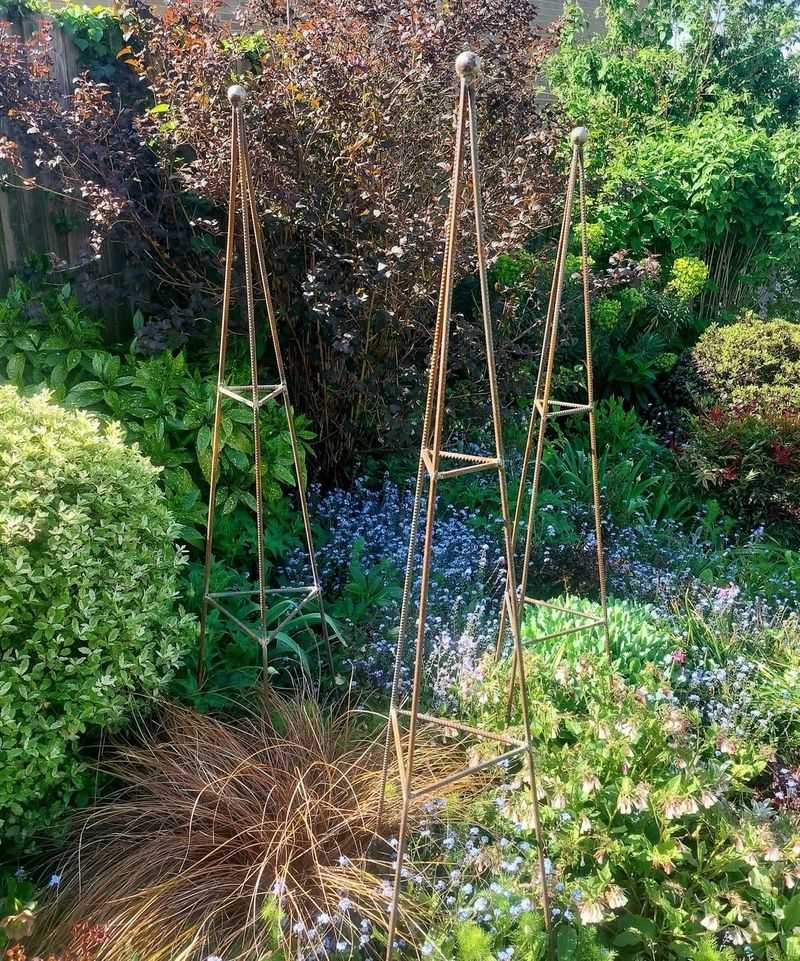
Colorado weather does not play nice with garden supplies. The region gets well over 200 sunny days a year, and UV exposure breaks down bamboo faster than most people expect.
Bamboo loses structural strength when it dries out repeatedly in direct sun. It becomes brittle, and a hard gust can crack it right at soil level.
Rebar does not care about sunlight. Steel sits in the sun all summer without losing any of its load-bearing strength.
Wind is the other big problem along the Front Range and Eastern Plains. Gusts can hit 40 to 60 miles per hour during spring windstorms in these areas.
A bamboo stake driven six inches into the ground can wobble and lean under that kind of pressure. Rebar, driven deeper with a rubber mallet, stays locked in place.
The weight of rebar itself helps anchor it during strong gusts. Bamboo is lightweight by nature, which sounds like a benefit until the wind proves otherwise.
Temperature swings also matter here. Colorado can drop 40 degrees overnight, and freeze-thaw cycles loosen soil around stakes repeatedly.
Rebar handles freeze-thaw cycles without cracking or shifting. Bamboo can split at the base when frozen soil contracts around it during a hard overnight freeze.
A single rebar stake can easily last five or more growing seasons with no visible wear. That kind of longevity changes how you plan and budget your garden each year.
One-Time Cost Beats Buying New Stakes Every Season
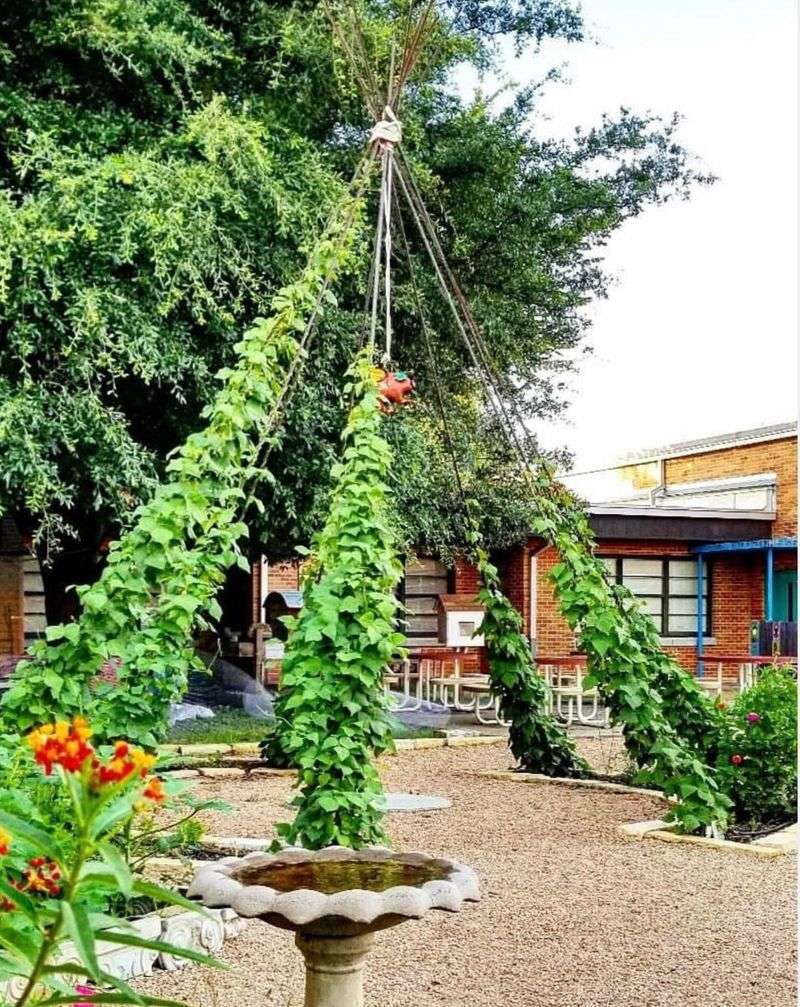
Bamboo stakes seem cheap at first glance. A bundle of 25 stakes might seem like a bargain, at least until they start failing.
But when half of them snap, warp, or rot by midsummer, you end up buying two or three bundles per season. That adds up faster than most gardeners realize.
A single four-foot piece of half-inch rebar typically costs just a couple of dollars at most hardware stores. You buy it once and use it for years.
Over several seasons, the math becomes hard to ignore. Bamboo keeps racking up replacement costs, while rebar keeps costing you the same modest amount it always did.
Some gardeners run larger operations with dozens of raised beds. For them, switching to rebar can add up to meaningful savings per growing season.
There is also the time cost to consider. Replacing broken bamboo stakes mid-season means a trip to the store and extra time in the garden fixing what should already be working.
Rebar eliminates those interruptions. Once it is in the ground, you can focus on watering, harvesting, and enjoying your plants instead of propping them back up.
Hardware stores in most Colorado towns carry rebar year-round, not just during garden season. You can stock up in winter when you have time to plan your beds.
Spending less and replacing less is a winning combination. Rebar turns a recurring seasonal expense into a one-time investment that quietly pays for itself.
Heavier Plants Get The Support Bamboo Can’t Provide
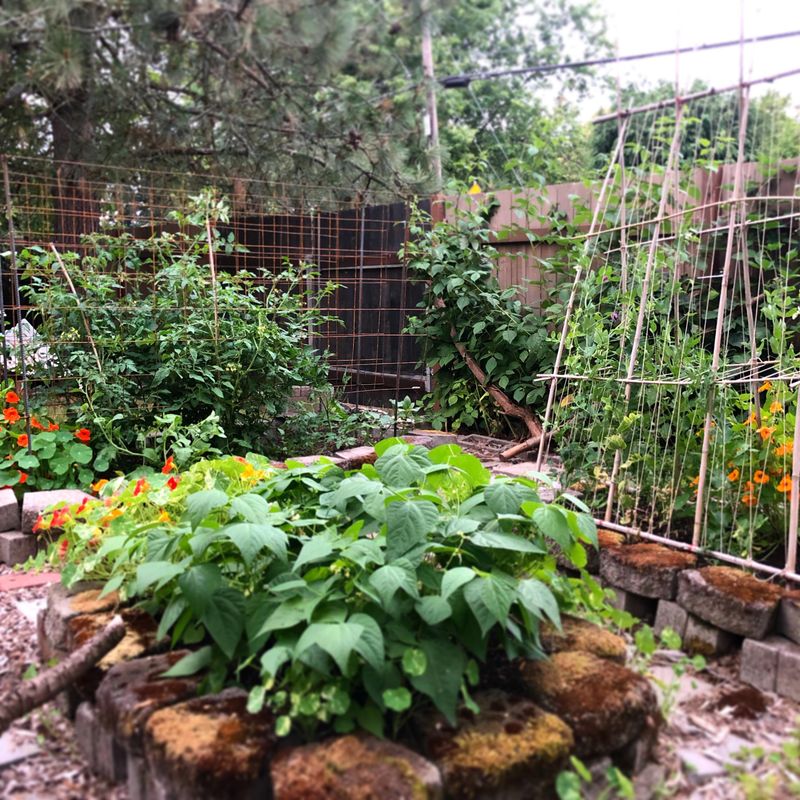
Tomatoes are the classic heavy-plant problem in home gardens. Indeterminate varieties can grow six feet tall and carry pounds of fruit at once.
Bamboo bends under that kind of weight, especially when the stake has already been weakened by sun and moisture. The whole plant can lean and eventually topple.
Rebar barely flexes under a loaded tomato plant. Half-inch rebar stays upright even when a plant is heavy with ripe fruit.
Squash and cucumber vines are another challenge. Gardeners who train these plants vertically need something that will not flex when a heavy gourd develops at the top.
Sunflowers present a similar issue. Tall varieties with large seed heads can weigh several pounds, and a single bamboo stake rarely handles that load reliably.
Corn grown in small garden plots sometimes needs staking in windy areas. Rebar handles corn stalks without any drama, even in exposed garden spots.
Dahlias are a great example from the flower garden. Exhibition-size dahlia blooms can reach dinner-plate dimensions and pull a weak stake right out of the ground.
Rebar driven twelve inches deep with a mallet holds steady even when a large dahlia bloom catches the wind. Your flowers stay upright and undamaged through the whole season.
Any plant that outgrows bamboo support is a candidate for rebar. Bigger plants simply deserve a stake that is built to match their strength and size.
A Few Tips Make Rebar Safer To Handle In The Garden
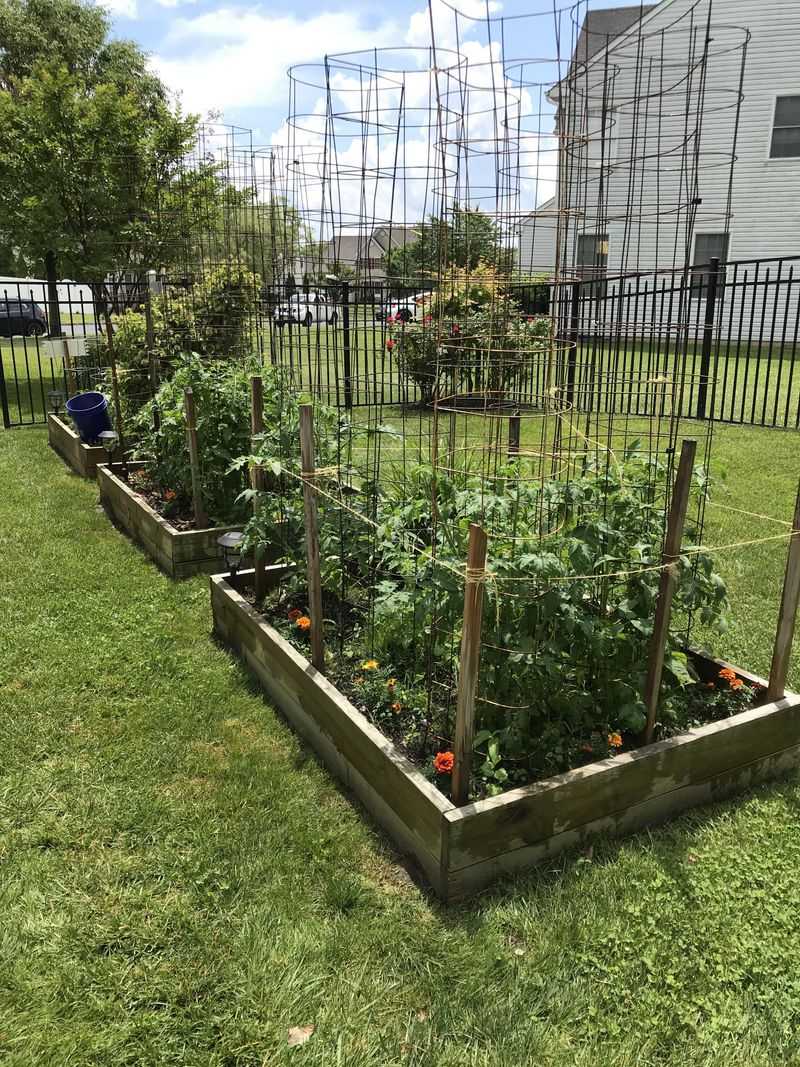
Rebar is tough, and that toughness comes with a few things worth knowing before you start using it. The cut ends of rebar are sharp and can scratch skin easily.
Always wear work gloves when handling rebar. A pair of leather or heavy-duty gloves protects your hands during cutting, carrying, and driving the stakes.
The tops of rebar stakes can be a hazard at eye level, especially when you are bending over to tend plants. This is a real concern, not just a minor inconvenience.
Plastic rebar caps solve this problem. They snap right onto the cut end of any standard rebar size.
Caps come in bright colors like orange and yellow, which also makes your stakes easier to spot. Tripping over a hidden stake is no fun, and visible caps help prevent that.
Driving rebar into hard Colorado soil requires the right tool. A rubber mallet works well for softer ground, while a steel hammer handles rocky or compacted soil.
For very hard ground, a piece of scrap pipe slipped over the rebar gives you extra leverage. Tap it down gradually rather than forcing it all at once.
Rebar can rust over time, but surface rust does not weaken the rod significantly. A light coat of rust-resistant spray paint extends the life and keeps it looking tidy.
Handle it right and rebar becomes one of the safest, most dependable tools in your garden. A little prep goes a long way.
Bamboo Still Has A Place For Lighter, Short-Term Jobs
Rebar is not the answer for every single gardening task. Knowing when bamboo still makes sense saves you money and keeps your garden flexible.
Seedlings and young transplants do not need the muscle of steel. A slender bamboo stick is perfectly suited for guiding a pepper seedling in its first few weeks of growth.
Container gardening is another area where bamboo shines. Pots are often moved around patios and balconies, and lightweight bamboo stakes make that easier without adding bulk.
Short-season crops like lettuce, spinach, and radishes rarely need staking at all. When they do, a thin bamboo stick handles the job without any fuss.
Bamboo also works well as a temporary marker. Sticking one in the ground to label a row of seeds is a classic garden trick that needs no upgrade.
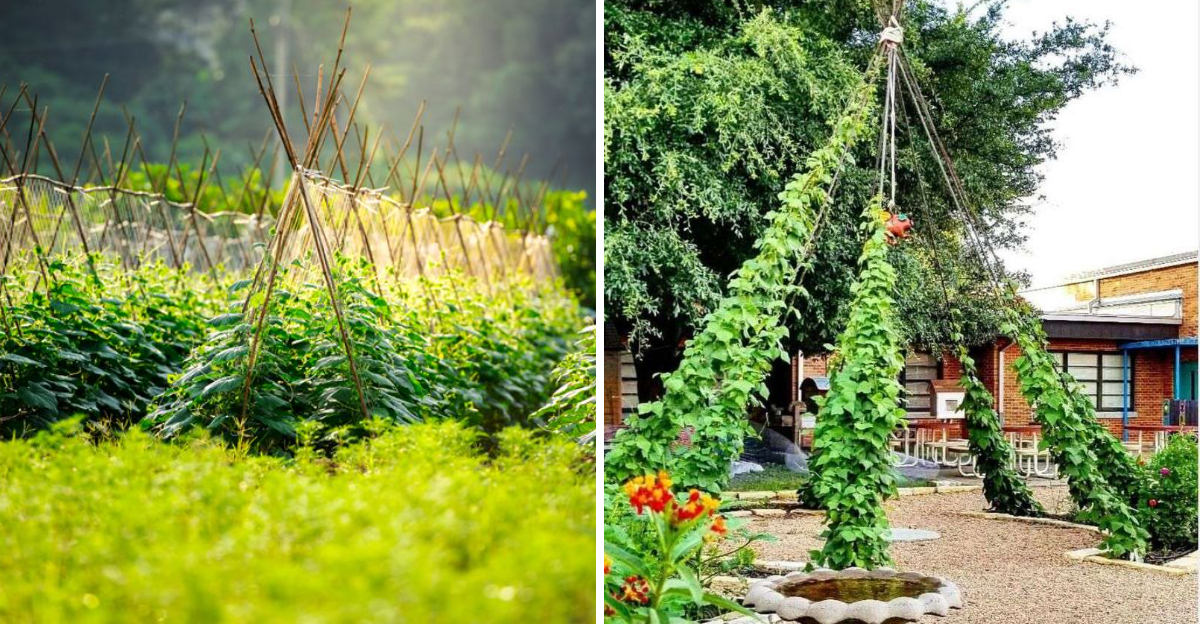
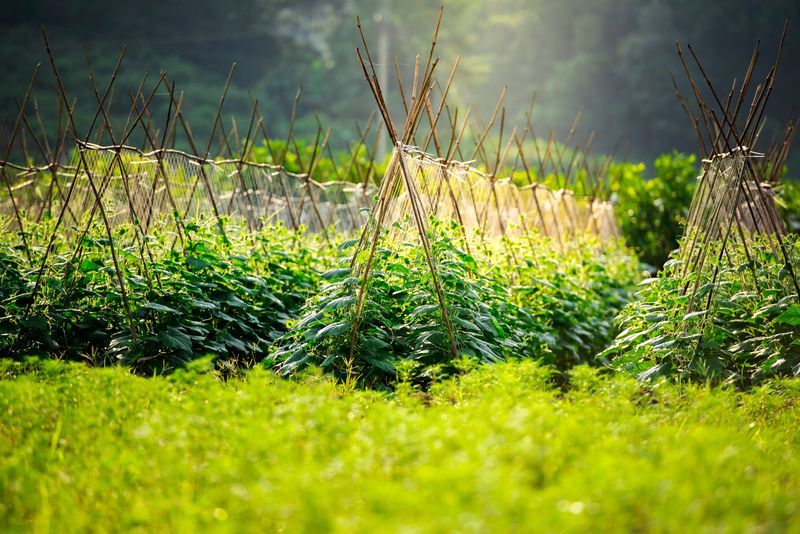
Trellises and teepee structures for beans are another bamboo sweet spot. Lightweight vines do not stress the material, and the natural look fits beautifully in cottage-style gardens.
Annual flower beds with delicate stems like cosmos or larkspur respond well to thin bamboo supports. Steel would be too much, and harder to maneuver among fragile plants.
The key is matching the tool to the task. Heavy, long-season plants need rebar, while lighter or temporary plants are perfectly happy with bamboo.
Keeping both materials on hand gives you the most versatile garden setup possible. This bamboo stake alternative works best when you know exactly where each one belongs.