6 November Mistakes North Carolina Homeowners Make With Fescue and Bermuda Lawns
A lawn can turn the color of toast after one frosty night, and that tan look is perfectly normal. Meanwhile, the yard next door might stay bright green until spring, which confuses plenty of people every fall.
North Carolina sits right in the transition zone, where cool-season and warm-season grasses grow side by side. Each type follows its own calendar, so one late fall chore can help one lawn and hurt another.
I’m still surprised by how many smart gardeners treat every lawn the same once the leaves start dropping. You can see why, since the weather feels calm and the grass looks like it needs nothing.
Small slips this time of year often show up later as thin patches and weedy spots in April.
Which of these sneaky habits might be quietly hiding in your own North Carolina yard right now?
1. Feeding Dormant Bermuda Grass A Late Nitrogen Snack
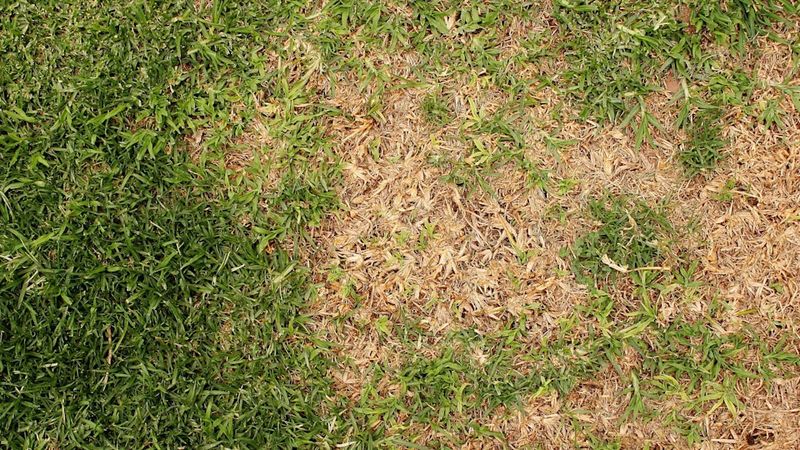
Brown Bermuda in November looks hungry, but that sleepy tan carpet is resting and not asking for dinner. Warm-season grass slows down as soil cools, and it heads into dormancy after the first hard frost.
I get the urge to perk it up with fertilizer, because a dull lawn can feel like a personal failure. Nitrogen spread now mostly feeds the winter weeds that stay active while your Bermuda naps through the cold.
Any tender new growth it does push can struggle when freezing nights arrive across the Piedmont and mountains. NC State Extension suggests ending nitrogen for Bermuda lawns by about mid-August to early September each year.
That timing gives the grass several weeks to slow down and tuck energy away in its roots and runners. Those stored reserves fuel the green-up you will enjoy once soil temperatures climb again next spring.
Potassium sometimes gets mentioned as a winter helper, and a soil test tells you if your yard needs it. Any potassium boost works best in late summer or early fall, well before the grass turns brown.
Soil test boxes and forms are available at your county Cooperative Extension office for most of the year. In North Carolina, the state lab charges a small fee during the busy winter season, so mailing early helps.
My advice is simple, so park the spreader and let that tan lawn enjoy its well-earned rest. Save your fertilizer money for late spring, when Bermuda wakes up hungry and ready to spread again.
2. Tall Fescue Misses Its Most Important Fall Meal
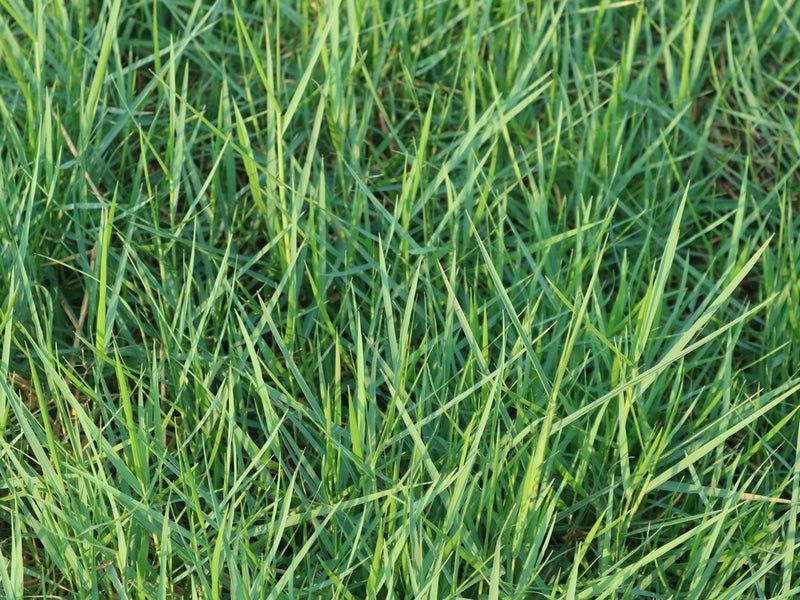
Cool November mornings feel like a vacation for tall fescue, which grows happily while the Bermuda next door sleeps. Skipping its fall feeding is like sending a kid to soccer practice without any breakfast in their belly.
NC State Extension recommends feeding tall fescue in September and again in November for strong, steady growth. Each application usually supplies about one pound of nitrogen for every 1,000 square feet of lawn.
What I find interesting is that fescue roots keep growing even after the leaf blades slow down. That late meal helps the plant store carbohydrates and thicken up before the coldest weeks of winter.
A well-fed lawn holds better color through the holidays and often greens up sooner when spring arrives. Thin, hungry fescue gives weeds plenty of open soil, and they rarely pass up that kind of invitation.
Read the bag carefully, because the first number on the label tells you the percentage of nitrogen inside. A quick calculation keeps you from guessing, and guessing is how many lawns get too much or too little.
Spread fertilizer on dry grass, then water lightly or wait for a gentle rain to move it into the soil. Sweep any stray granules off driveways and sidewalks so they stay out of storm drains and nearby creeks.
If you seeded this fall, follow the starter schedule on your soil test report for those young seedlings. Either way, a little attention now pays off with a thicker, greener lawn you can brag about later.
3. Scalping Fescue Short Before Winter Arrives
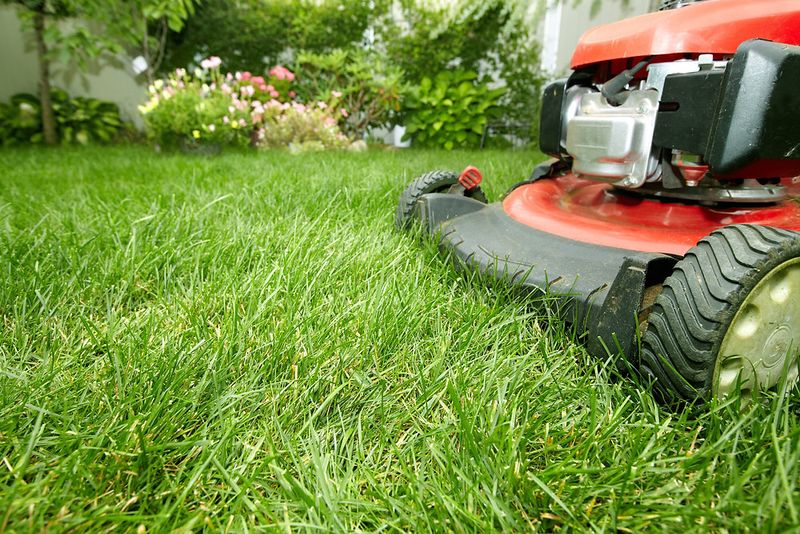
Some folks treat the last mow of the year like a buzz cut, hoping a short lawn will look tidy. Fescue sees that buzz cut very differently, because its leaves are the solar panels that feed the roots.
Tall fescue performs best at roughly 2.5 to 3.5 inches, and many lawn pros lean toward the taller side. Keep that height steady through fall instead of dropping the mower deck lower with each passing week.
Longer blades shade the soil, which makes it harder for chickweed and henbit seeds to sprout and settle in. That extra leaf cover also shields the crown, the growing point near the soil, from harsh winter winds.
I wouldn’t necessarily say you need a fancy mower, but sharp blades make a real difference this season. A dull blade tears grass tips, leaving ragged brown edges that invite disease and stress the plant.
Follow the one-third rule, which means removing no more than a third of the blade height at once. If your fescue reaches 4.5 inches, trimming it back to about 3 inches keeps things healthy and neat.
Growth slows down as days shorten, so you may only need to mow every week or two now. Keep mowing as long as the grass grows, since an overgrown lawn can mat down under winter rain.
Before you store the mower, sharpen the blade and clean the deck so it is ready next season. Your fescue will thank you with deeper roots and a fuller look when the first warm days return.
4. Running The Lawn Sprinklers On A Sleepy Bermuda Yard
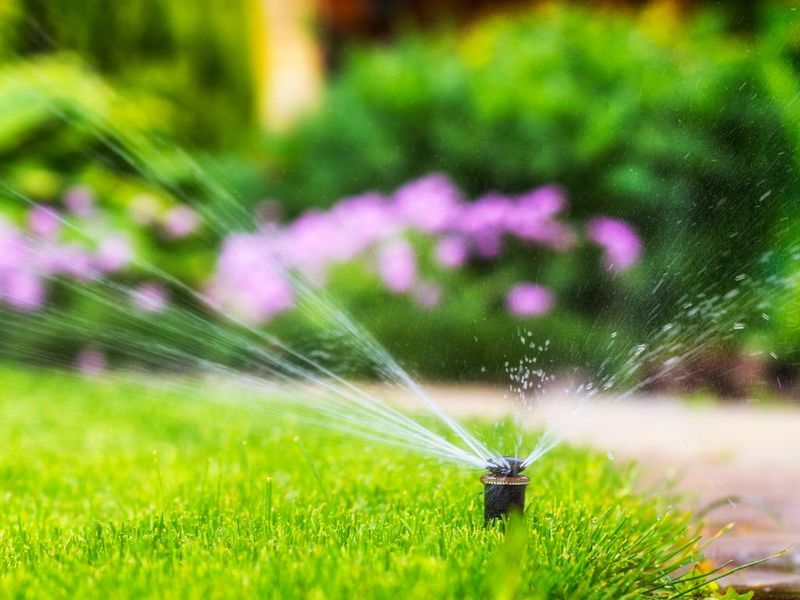
Automatic sprinkler timers have a funny habit of forgetting that summer ended weeks ago in most neighborhoods. I have seen sprinklers spraying away on chilly November mornings while the lawn looked like a soggy sponge.
Dormant Bermuda uses very little water, so regular irrigation now mostly keeps the soil wet and cold. Soggy ground can encourage root problems and fungal diseases, and it also invites winter weeds to settle in.
Fescue still grows actively, yet it needs far less water than it did during the long, hot summer. A common target is about one inch per week, and fall rain often covers most of that amount.
Timing matters too, because the hour you water can matter as much as the amount you apply. Early morning watering lets blades dry by afternoon, while evening watering keeps them damp for hours.
Before turning on the hose, push a screwdriver into the soil to see how moist it feels. If it slides in easily, the soil has plenty of moisture and you can skip watering for now.
Dormant Bermuda may appreciate a light drink during a long dry spell, but only on mild days. Water when temperatures sit above freezing, so the moisture soaks in instead of forming ice on the surface.
Switch your controller to manual mode or cut the run times now, and your water bill will shrink. Your lawn will also enter winter firmer and healthier, without that squishy feeling under your boots.
5. Henbit And Chickweed Get A Head Start From Bad Timing
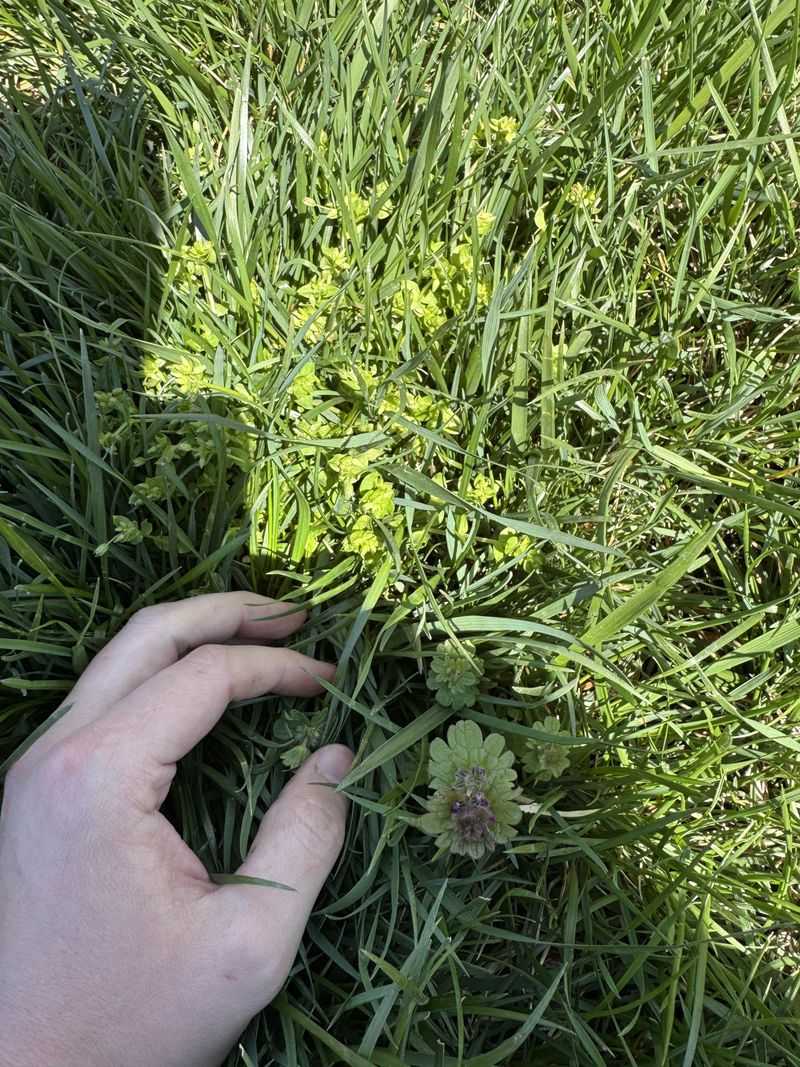
Those cute purple henbit flowers that pop up in spring actually sprouted months earlier, during the cooler fall weather. Henbit and common chickweed are winter annuals, so they germinate in autumn and grow quietly through the colder months.
You might be surprised by how early the prevention window opens, since pre-emergent herbicides work before seeds sprout. NC State Extension generally suggests applying them in late summer or early fall, often before October arrives.
Spreading a pre-emergent in November usually comes too late, because many of those weeds are already up and growing. At this point, a post-emergent broadleaf herbicide labeled for your grass type makes more sense for existing weeds.
Young weeds are easier to control than mature ones, so spot treat on mild days above about fifty degrees. Read every label closely, because some products are safe on Bermuda but can injure fescue, or the reverse.
Fescue lawns that were seeded this fall need extra caution, since young grass is sensitive to many herbicides. Most labels ask you to wait until new seedlings have been mowed several times before spraying anything nearby.
Pre-emergents also block grass seed, so skipping them on freshly seeded fescue keeps your new lawn on track. Mark your calendar for late next summer, when a well-timed barrier can stop many winter weeds early.
Hand pulling works nicely for a few scattered chickweed patches, especially after rain softens the soil a bit. It is oddly satisfying work, and it keeps you outside enjoying those crisp fall afternoons a little longer.
6. Fallen Oak And Maple Leaves Smothering The Grass
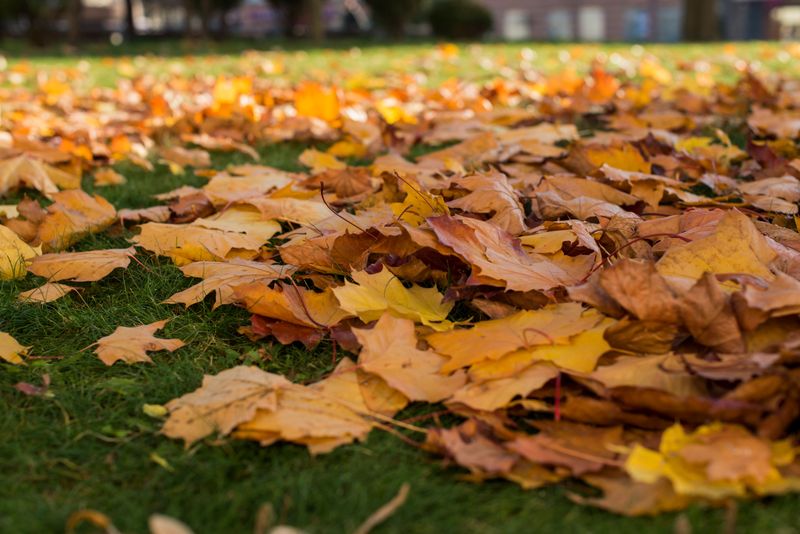
Crunchy oak and maple leaves make a lovely sound underfoot, but a thick blanket can quietly smother your lawn. When leaves pile up and get wet, they mat down and block the sunlight that fescue needs this month.
Fescue is still making food right now, so shading it under soggy leaves can thin the turf by spring. Damp mats also hold moisture against the grass blades, which can encourage fungal diseases in shady spots.
I’m a big fan of mulching leaves with the mower, and research supports the idea for lighter layers. Shredded leaves settle between grass blades and break down over time, adding organic matter back into the soil.
A good rule is that you should see grass peeking through after mulching, not a carpet of brown confetti. When the layer gets too thick, rake or bag the extra leaves and move them somewhere more useful.
Those extra leaves make wonderful compost, and they also work well as mulch around shrubs and garden beds. Some North Carolina towns offer curbside leaf collection, so check your local schedule before the pickups end.
Dormant Bermuda is less affected by shade, yet heavy leaf mats can still hold moisture and slow spring green-up. Clearing them helps the soil warm faster when the weather turns, so your Bermuda wakes up on time.
Try to tackle leaves every week or so, since a small job is far easier than one giant weekend. Grab a mug of hot cider and enjoy the crisp air while your lawn gets room to breathe again.