How Long Does It Take To Grow Onions From Planting To Harvest In Louisiana
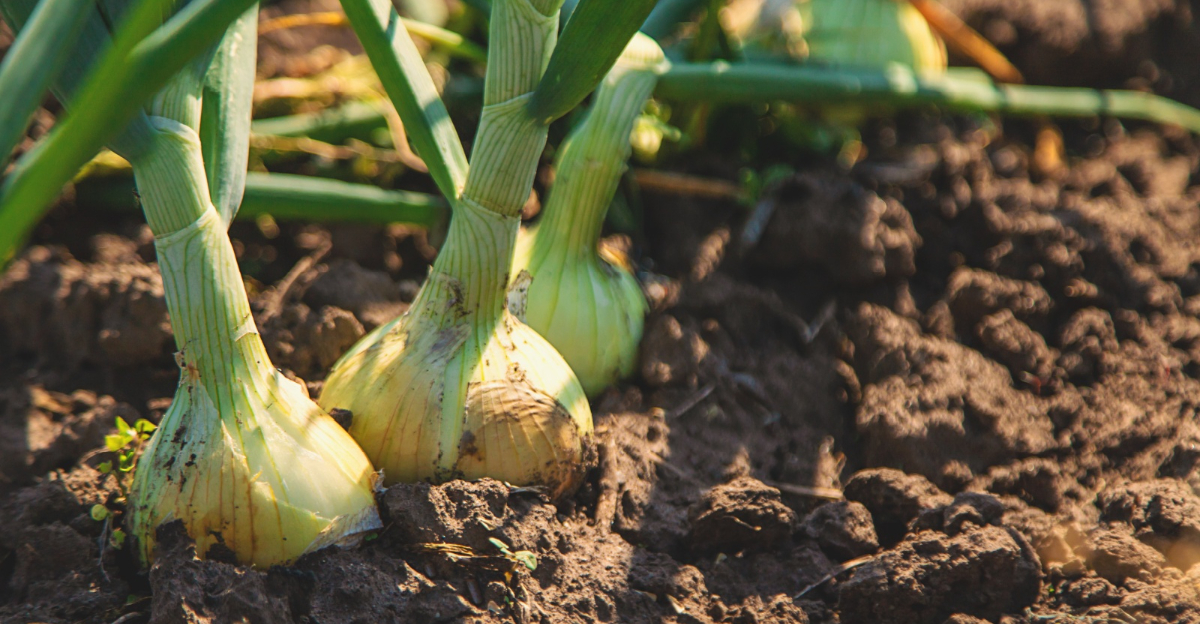
Heat changes several things you thought you knew about onions in Louisiana. Humidity here rewrites rules you once learned in cooler states.
You feel this difference the instant you touch the warm, humid soil. Daylight hours control every decision you make from planting through harvest.
Soil temperature here rises faster than you ever expect it to. Choosing the wrong variety costs you your entire growing season fast. Timing alone decides whether your entire harvest thrives or fails.
Transplants push you toward a speed that seeds simply cannot match. Growing onions in Louisiana compresses your window into a tighter stretch.
Patience helps, but urgency serves you far better here. Watching bulbs swell slowly teaches you what no book ever will.
Success depends on subtle signals your garden sends you every single day. Every single stage advances whether you’re ready for it or not. Once you grasp this rhythm, you cannot walk away.
1. Short-Day Varieties Suit Louisiana’s Climate
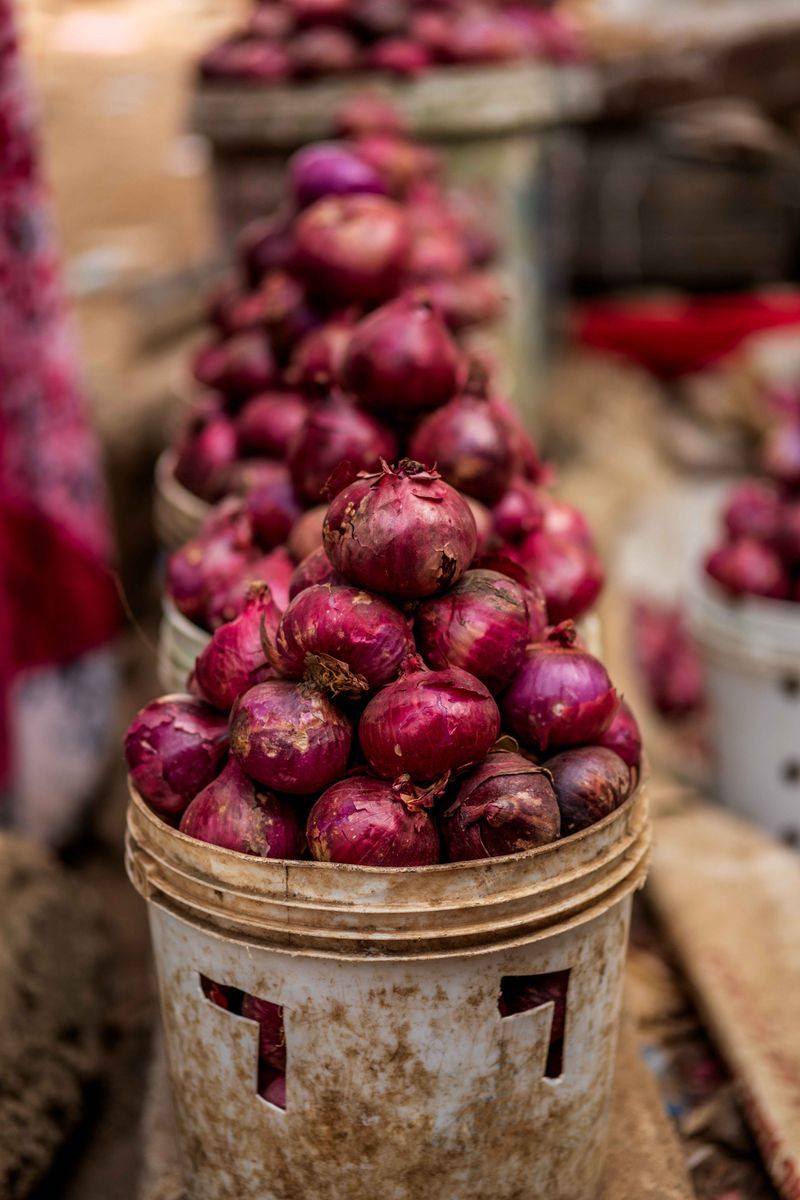
Not every onion belongs in the Deep South. Short-day varieties are the real heroes of Louisiana gardening, and understanding why makes a huge difference in your results.
Short-day onions begin forming bulbs once daylight reaches roughly ten to twelve hours. That sweet spot matches Louisiana’s spring photoperiod almost perfectly, giving your onions exactly what they need.
Bulbing typically starts much earlier here than in northern climates. Varieties like Granex, Texas Early Grano, and Southern Belle thrive in this specific environment. They were essentially bred with Gulf Coast heat and humidity in mind.
Choosing one of these names practically guarantees a smoother growing season. Long-day varieties, by contrast, need fourteen to sixteen hours of sunlight before they bulb up.
Plant those here and you will end up with tall green tops and disappointingly small bulbs. That mismatch wastes your soil and effort.
Intermediate-day types can sometimes work, but short-day selections remain the safest bet for Louisiana gardeners.
They consistently produce firm, sweet bulbs when planted right on schedule. Reliability like that matters when your growing window is already tight.
Seed catalogs sometimes label these onions as Bermuda or granex-type varieties. Those labels are a solid sign you have found a genuine warm-climate winner worth planting.
Extension experts across the Gulf South generally recommend short-day types for home gardeners. Following that guidance sets your harvest up for success from the very first day.
Choosing the right variety remains the single most important decision you make before planting anything. Get that right and the rest of the process flows naturally from there.
2. Seeds Go In During September And October
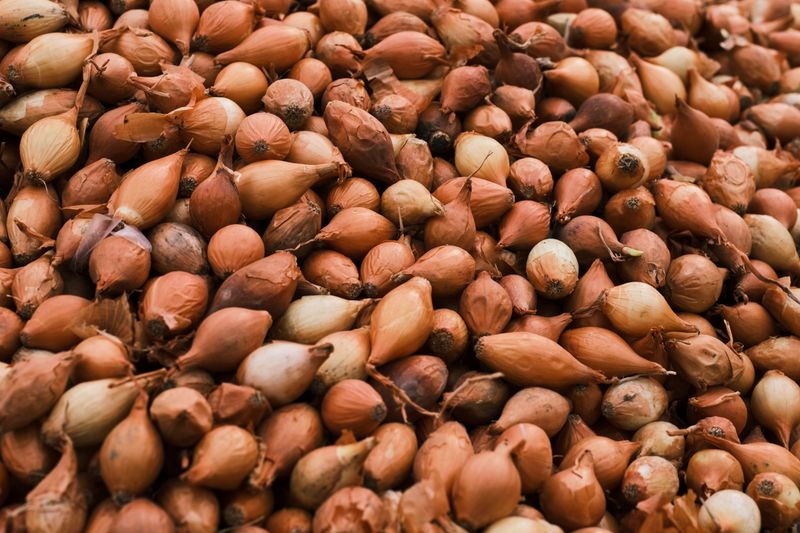
September and October feel more like summer than fall in Louisiana. But those warm weeks are exactly when onion seeds need to hit the soil, whether you’re ready or not.
Starting from seed gives you more variety options and costs less than buying transplants. The tradeoff is that seeds need about 8 to 10 weeks to become transplant-ready seedlings.
That’s a real commitment, but the payoff in variety selection makes it worthwhile for many growers.
Your Louisiana Garden Changes Every Week. Your Plan Should Too.
Gardening in Louisiana changes quickly throughout the season. Every Friday you’ll receive a simple weekly plan showing exactly what to plant, prune, fertilize, harvest, and protect so you never miss the right timing.
Sow seeds about a quarter inch deep in a well-draining seed tray or raised bed. Keep the soil consistently moist but never waterlogged during germination.
Overwatering at this stage invites rot before your seedlings even get a chance to establish themselves.
Germination typically happens within 7 to 14 days under warm conditions. Once sprouts appear, thin them to about an inch apart so each seedling has room to strengthen. Crowded seedlings compete for nutrients and often end up weak and spindly.
Seeds started in September are usually ready to move into the garden by mid-November. That timing aligns with the cooler temperatures that onions prefer for early root development.
October sowings push the window a bit later but still work well. They may take slightly longer to reach transplant size due to shorter daylight hours in November.
Fertilize seedlings lightly with a balanced liquid fertilizer every two weeks. Strong, pencil-thick seedlings transplant best and recover quickly from the move, settling into their new bed with minimal shock.
Patience is the key ingredient during this phase of growing onions from planting to harvest in Louisiana. A well-grown seedling becomes a well-formed bulb every single time you get the timing right.
3. Transplants Go In Mid-December Through January
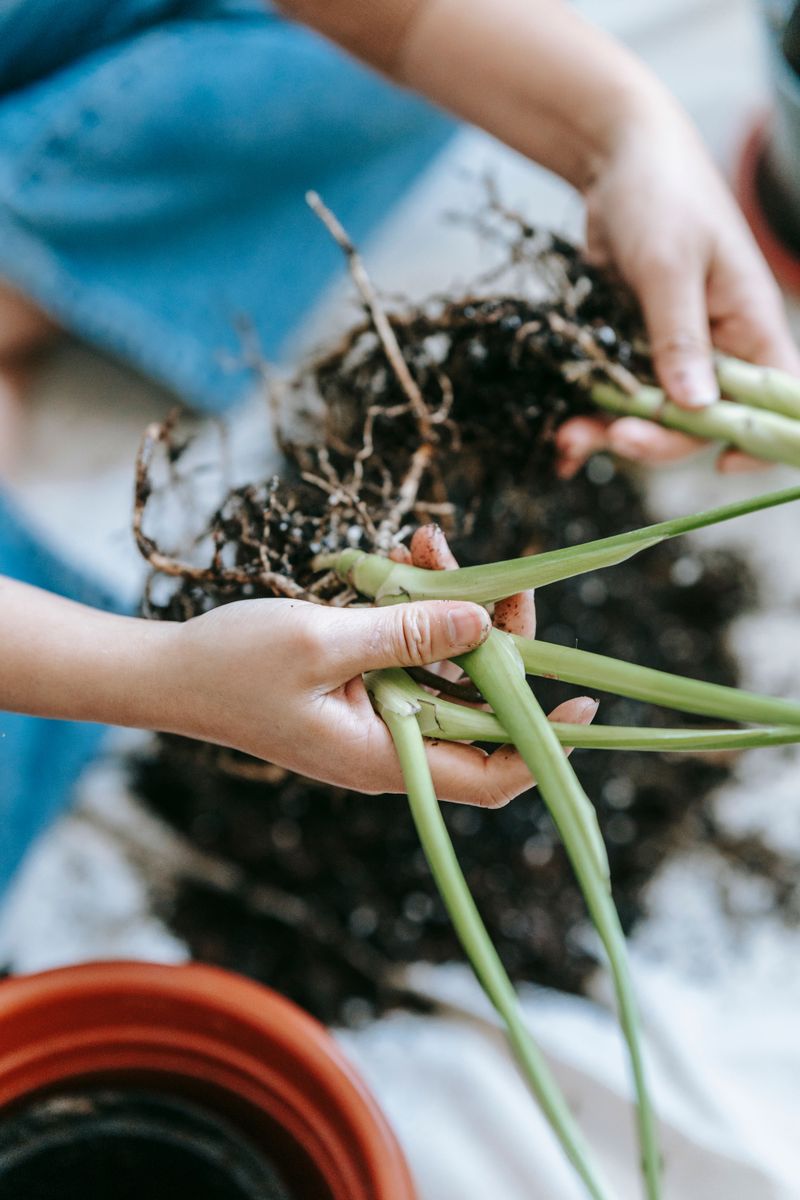
Mid-December through January is prime transplanting season for onion growers across the state.
The soil is cool enough for root establishment but rarely freezes hard enough to damage young plants. This narrow window rewards growers who plan ahead.
Space transplants about four to six inches apart in rows roughly a foot wide. Planting too close crowds the bulbs and limits their final size. Proper spacing gives each onion room to swell without competing for nutrients.
Set each transplant so the roots are covered but the base of the green shoot sits just at the soil surface. Burying them too deep actually slows bulb development later on. Getting this depth right matters more than most gardeners realize.
Water transplants in gently right after planting to close air pockets around the roots. Good soil contact from day one reduces transplant shock significantly. Skipping this step often leads to stunted, uneven growth.
January planting is perfectly acceptable if December slipped by. Onions planted in early January still have plenty of time to mature before the heat of late spring arrives. Don’t panic if you missed the earlier window entirely.
One thing to watch for during this window is a hard freeze. Temperatures below 28 degrees Fahrenheit for extended periods can damage young transplants. Young roots are especially vulnerable during these cold snaps.
Covering rows with lightweight frost cloth on cold nights protects your investment without much effort. Remove the cover during the day so plants get full sunlight. This small habit prevents costly setbacks later.
Well-established transplants develop deep root systems that support strong bulb formation. That early root work quietly determines how satisfying your harvest will be come spring.
4. Harvest Arrives Around May From Transplants
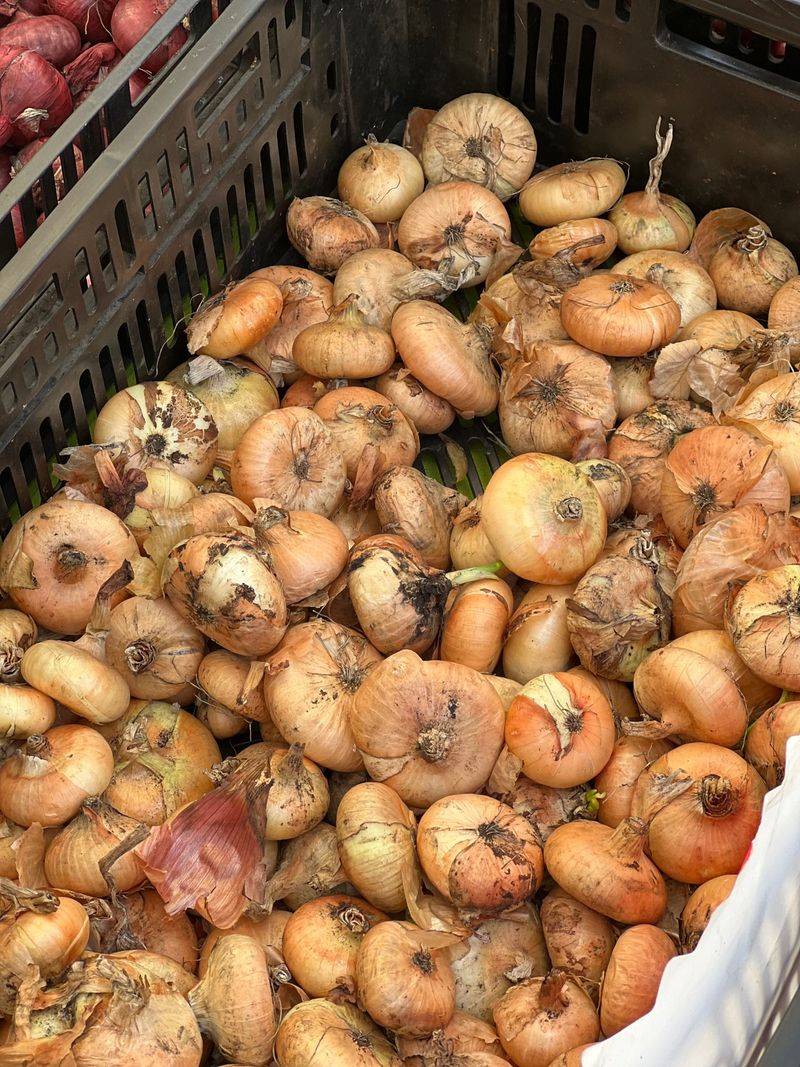
May is the month Louisiana onion growers have been waiting for since winter. Transplants set in December or January typically reach full maturity right as spring warms up.
Every week of waiting suddenly feels worthwhile once bulbs start swelling fast. That timeline puts harvest roughly 110 to 120 days after transplanting. It is a long wait, but the reward is worth every patient week.
Watching that countdown finally hit zero feels genuinely satisfying. May temperatures in Louisiana start climbing fast, which actually helps trigger the final bulbing push. Onions sense the warmth and redirect energy from tops into the bulb.
This shift happens quickly once conditions align just right. Early May harvests tend to produce slightly milder, juicier bulbs. Later May pulls, after more heat accumulates, yield onions with a sharper, more pungent flavor.
Your timing preference really does shape the final taste. Pull a test bulb in late April to gauge where things stand. If the bulb feels firm and the skin has started to paper over, you are close.
This quick check saves you from guessing blindly. Avoid waiting too long once tops begin to fall. Overripe onions left in warm, moist soil can start to rot before you even get them out of the ground.
Timing your pull matters just as much as timing your planting. Harvest during a dry stretch of weather whenever possible.
Pulling onions from soggy soil increases the risk of bruising and shortens their storage life considerably. Dry conditions also make curing afterward much easier.
May harvest is the payoff for months of careful tending, and knowing how long it takes to grow onions from planting to harvest in Louisiana makes that moment feel earned every single year.
5. Bulbing Needs 10 To 12 Hours Of Daylight
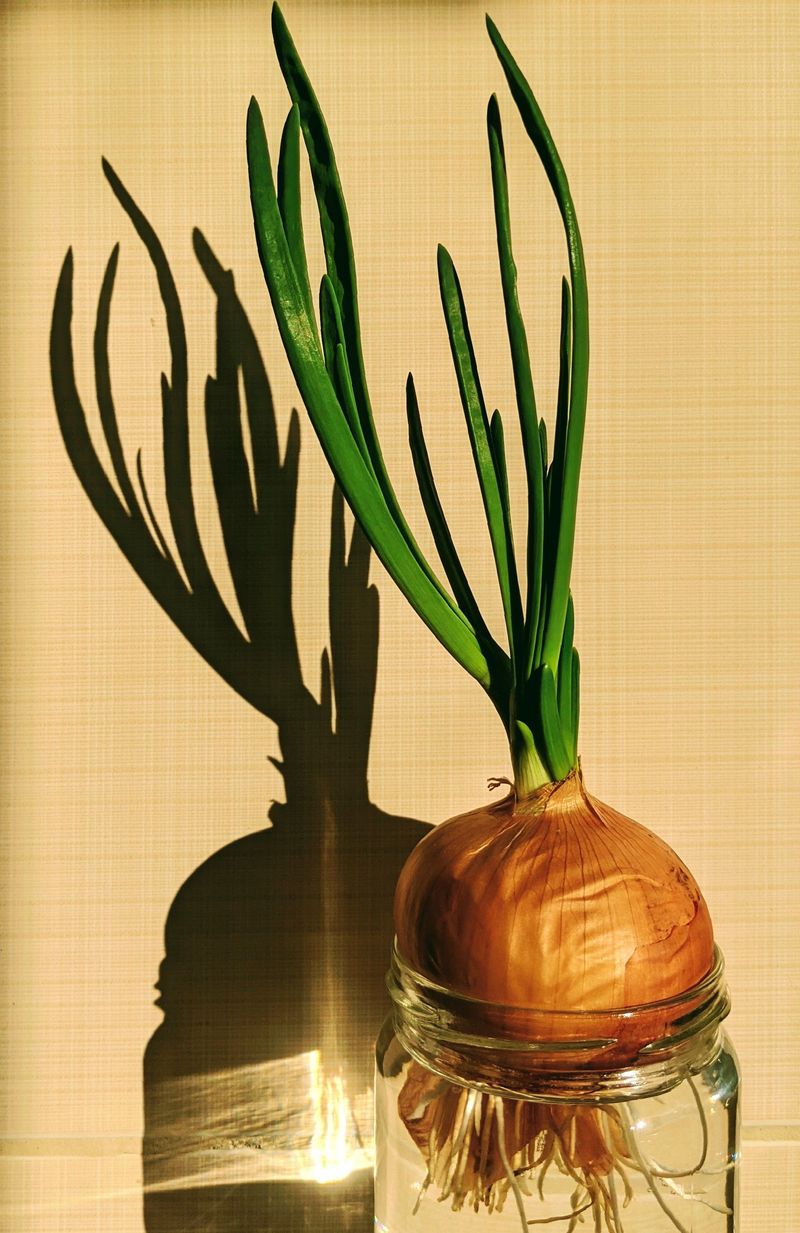
Daylight is the secret switch that tells an onion to stop growing upward and start growing outward. Short-day varieties flip that switch at 10 to 12 hours of sunlight per day.
That single mechanism explains nearly everything about your growing timeline. Louisiana’s latitude delivers those hours naturally around late February into March. That is when you will notice the base of each plant starting to swell noticeably.
This shift can feel almost sudden once it finally begins. This photoperiod response is hardwired into the plant’s biology. No amount of fertilizer or watering can substitute for the right amount of daily light.
Even perfect soil conditions cannot force an onion to bulb early. Planting in a spot that gets full sun all day is non-negotiable. Partial shade delays bulbing and often produces undersized onions that disappoint at harvest.
That disappointment is entirely preventable with better site selection. Trees, fences, or buildings that cast afternoon shade are a common obstacle to good bulb size. Scout your garden location carefully before committing to a planting spot.
A few extra minutes of planning saves months of frustration later. Once bulbing begins, the plant pulls nutrients from its own leaves to fuel that underground growth. You may notice the lower leaves yellowing slightly during this phase.
That change often surprises first-time growers. That yellowing is completely normal and not a sign of disease. It simply means the plant is redirecting resources right where you want them to go, exactly as intended.
Understanding this light-driven process helps you plan smarter and set realistic expectations from the very start. The clock keeps moving forward, and giving your onions the right conditions makes all the difference.
6. Yellowing, Falling Tops Signal It’s Ready
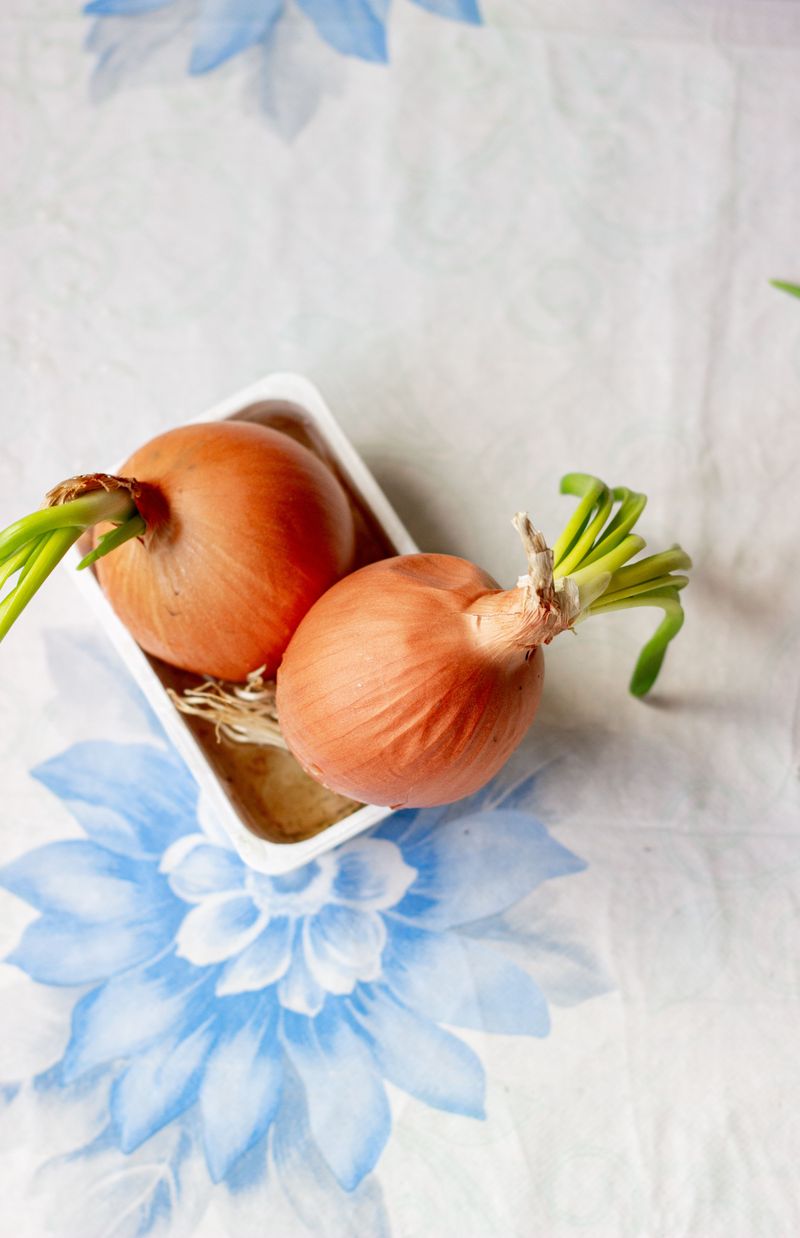
There is a moment in every onion grower’s season that feels almost theatrical. The tops, once tall and proud, begin to flop over and turn yellow almost overnight. That shift catches many first-time growers completely off guard.
That dramatic collapse is the plant’s way of signaling that its work is done. It means the bulb below has finished forming and is ready to come out. Nothing about this stage requires guesswork once you know what to look for.
About half to three-quarters of the tops will fall on their own before you need to act. Some growers gently bend the remaining upright tops to speed up the curing signal. Either approach works as long as you stay patient.
Do not harvest the moment you see the first fallen top. Give it a few more days to let the neck of the bulb dry down and tighten up.
Rushing this step can reduce the quality of weeks of careful growing. A dry, tight neck prevents moisture from entering the bulb during storage. Harvesting too early leaves the neck soft, which shortens shelf life dramatically.
That single detail separates onions that last from onions that spoil. Gently loosen the soil around each bulb with a garden fork before pulling. Yanking without loosening can snap the neck right off, which is frustrating after months of work.
A little care here protects your entire harvest. Lay harvested bulbs in a single layer in a warm, shaded, well-ventilated spot to cure for two to three weeks. Good airflow is what transforms a fresh onion into one that stores for months.
Fallen tops are a reliable harvest signal, and learning to read them makes you a far more confident grower every single season.
7. Maturity Takes Roughly 110 Days From Transplant
Mark your calendar the day you put transplants in the ground. That date plus roughly 110 days gives you a useful starting estimate for when your bulb might mature.
This single number becomes your most useful planning tool. Some varieties mature a bit faster, closer to 95 days. Others push toward 120 days, especially during unusually cool or cloudy stretches.
Knowing your specific variety helps you set realistic expectations early. The 110-day estimate applies specifically to transplants set in mid-December through January. Seeds started in fall and grown to transplant size add roughly 60 to 70 days to that total.
This extra math matters if you started from seed. That means seed-to-harvest can stretch from September all the way to late April or May. It sounds like a long commitment, but most of that time requires little active work.
Onions mostly grow on their own quiet schedule. Fertilizing every three to four weeks with a nitrogen-rich blend keeps growth steady during those months. Stop fertilizing once bulbs begin swelling at the base.
This timing detail trips up plenty of experienced gardeners. Applying fertilizer during bulbing pushes leafy top growth instead of bulb size. Knowing when to stop feeding matters just as much as knowing when to start.
Restraint here often matters more than extra fertilizer. Keep records of your planting and harvest dates each season. Over a few years, those notes become a personalized guide more accurate than any general timeline.
Your own data eventually beats every generic recommendation. Knowing how long it takes to grow onions from planting to harvest in Louisiana gives you a framework. Your garden will teach you the fine details that make each season better than the last.