What To Do With Louisiana Warm Season Turf Before The First Cool Front Arrives
Something shifts long before you ever feel it. Louisiana clings to heat through late September days. Cicadas keep humming, unaware of what’s coming. Cooler air, far north, is already heading south.
That front arrives quickly and shifts your weekend plans. It slips in fast, flips the thermostat overnight. Suddenly you’re digging through closets for a lost jacket. Your yard senses the shift weeks before you do.
Roots and leaves react quickly, quietly recalculating everything ahead. Timing matters more than people expect. Waiting too long turns simple fixes into costly projects.
Small moves now save you weeks of frustration later. Choices made now decide how Louisiana looks next spring. Skip the right moves and repairs get expensive fast.
Mosquitoes, meanwhile, still ignore the calendar’s clear signal. They still want another evening with you. You won’t want to miss what comes next.
1. Time The Last Nitrogen Feeding Of The Season
Louisiana lawns get one final nitrogen meal, and September is usually the last safe window. Feed too late and issues may appear weeks after the front passes.
Nitrogen pushes soft, leafy growth, which is wonderful in June and risky once temperatures start sliding. Tender blades that appear in late October have little time to toughen up.
Extension guidance generally suggests wrapping up nitrogen applications by mid September across south Louisiana. Northern parishes cool down sooner, so aim closer to the first week of the month.
Centipede grass is especially fussy and handles far less nitrogen than St. Augustine or bermuda. Overfeeding centipede can lead to thinning or yellowing that appears the following spring.
A half pound of nitrogen per thousand square feet is plenty for this final round. Slow release products spread the meal out instead of dumping it all at once.
Water the fertilizer in lightly so granules dissolve and reach roots instead of sitting on blades. Skip feeding during a drought unless you can irrigate afterward.
Sandy soils near the coast leak nutrients quickly, so lighter and more frequent feeding works better. Heavy clay in the north holds nutrients longer and needs less.
Keep granules off driveways and sidewalks, since rain carries them straight into Louisiana bayous and ditches. A quick sweep back onto the grass protects water quality and your wallet.
Mark the calendar once you finish, because memory fades fast during football season. Your lawn will thank you with a smoother green up next April.
2. Boost Potassium To Toughen Turf For Winter
Think of potassium as a winter coat that grass builds from the inside out. It strengthens cell walls, improves root function, and helps turf shrug off cold snaps.
Unlike nitrogen, potassium can be applied later in the fall without pushing out tender new growth. Late September and early October both work well across most Louisiana parishes.
Potassium chloride, often sold as muriate of potash, is the cheapest and most widely available source. Sulfate of potash costs more but treats salt sensitive soils more kindly.
Your Louisiana Garden Changes Every Week. Your Plan Should Too.
Gardening in Louisiana changes quickly throughout the season. Every Friday you’ll receive a simple weekly plan showing exactly what to plant, prune, fertilize, harvest, and protect so you never miss the right timing.
A soil test will confirm exact needs, but around one pound of actual potassium per thousand square feet is a common starting point. Split that into two lighter passes if your soil drains very quickly.
Sandy soils along the coast lose potassium fast through leaching after those heavy tropical downpours. Clay soils up north hold onto it much longer and need less.
A soil test erases the guesswork and shows exactly how much potassium your yard is missing. Guessing wastes money and can knock other nutrients out of balance.
Lawns that receive fall potassium usually green up faster once March sunshine returns. Roots stay active underground even while the blades above look sleepy and dull.
Skip any bag that pairs heavy nitrogen with potassium during this part of the year. Check the first and last numbers on the label before paying.
Water the granules in lightly so nutrients travel down toward the waiting root zone. Your turf gets its jacket, and you get bragging rights next spring.
3. Raise The Mower Height And Sharpen The Blade

Ask any old timer in Baton Rouge and they will tell you scalping causes misery. Taller grass in early fall means deeper roots and better shade for soil.
St. Augustine does best around three to four inches as September rolls along. Centipede prefers roughly one and a half to two inches for steady health.
Zoysia and bermuda stay shorter, yet both appreciate a slight bump before cooler weather arrives. Extra leaf surface captures sunlight that feeds roots through the quiet months.
Cut off only one third of the blade height during any single mowing session. Removing more than that stresses the plant and leaves ugly brown stubble behind.
A dull blade tears grass instead of slicing it, leaving ragged tips that turn tan. Torn edges also invite fungus, which loves Louisiana humidity a little too much.
Sharpen or swap blades at least once during the growing season, twice if you mow weekly. The job takes twenty minutes and pays you back immediately.
Leave the clippings on the lawn unless they clump into thick, soggy mats. Fine clippings return nitrogen and save you a fertilizer application later.
Mow in a different direction each time so the grass stops leaning one way. Alternating patterns also helps prevent ruts from heavy mower wheels.
Once that first front finally arrives, growth slows and mowing becomes far less frequent. Enjoy those free Saturday mornings, because you earned them honestly.
4. Scout For Fall Armyworms Across The Whole Lawn
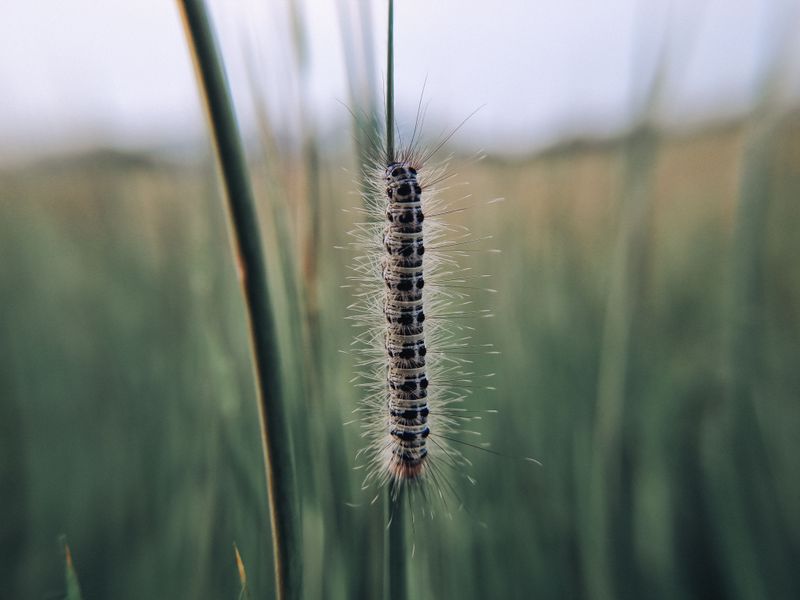
Fall armyworms can cause significant damage to a bermuda lawn in a short time, and Louisiana sees big flights most Septembers. One morning the yard looks fine, the next it may show visible feeding damage.
Caterpillars range from green to brown with stripes and a pale upside down Y on the head. They feed heaviest at dawn and dusk when heat backs off.
Birds gathering in one area of the yard can indicate larvae feeding there. Take the hint and go look closely at the grass blades.
A soap flush brings hidden larvae to the surface within a few minutes. Mix a couple tablespoons of dish soap into a gallon of water.
Pour the mixture over a square foot of suspicious turf and watch what crawls up. More than two or three caterpillars usually means treatment is warranted.
Spinosad and Bt products work well on small larvae and go easy on beneficial insects. Larger caterpillars shrug off gentle options and may need a stronger insecticide.
Treat late in the day, since these pests feed when the sun sits low. Spraying at noon wastes product and your Saturday afternoon.
Grass usually recovers if roots stay intact, though recovery slows once cooler air settles in. Water and a light feeding help damaged areas bounce back.
Keep scouting weekly until nighttime temperatures drop, because a second wave is common. Fall armyworms are persistent but predictable, so routine monitoring is effective.
5. Watch For Large Patch In Humid September Weather
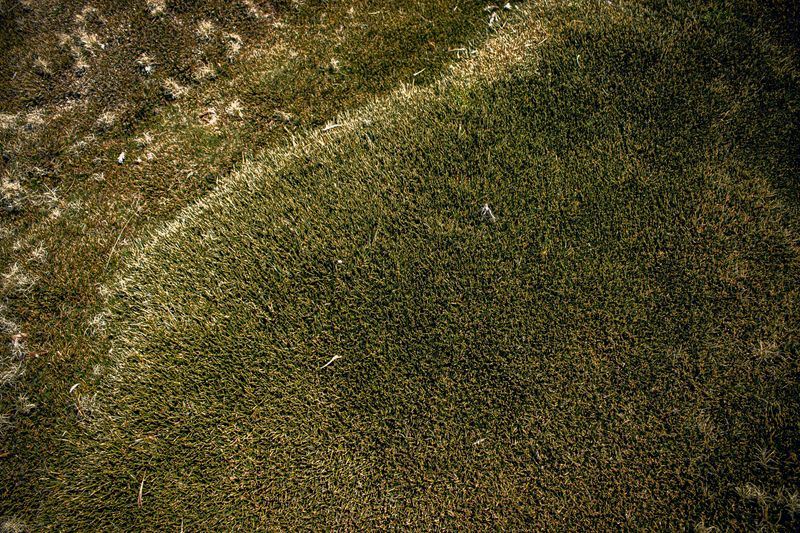
Warm days, cool nights, and heavy dew form the perfect recipe for large patch disease. St. Augustine and centipede lawns across Louisiana get hit hardest every autumn.
Circular yellow or tan rings show up, sometimes several feet across, with darker outer edges. Affected blades pull loose from the runners when you tug gently.
The fungus lives in soil year round and wakes up when nights drop into the sixties. Wet leaf blades give it the moisture it needs to spread.
Watering in the early morning lets grass dry before evening, which cuts disease pressure sharply. Evening irrigation keeps blades damp all night and invites problems.
Heavy nitrogen makes outbreaks worse, which is another reason to stop feeding by mid September. Lush growth creates favorable conditions for this fungus.
Improve airflow by trimming low shrub branches and thinning crowded beds near the lawn. Sunlight and breeze dry turf faster than any product you buy.
Preventive fungicides containing azoxystrobin or propiconazole work best when applied before any symptoms appear. Once the rings show up, treatment mostly limits further spreading.
Damaged areas usually survive, though they may stay thin until warm weather returns. Patience matters, since turf repairs itself slowly during short winter days.
Rake fallen leaves off the grass so the surface can dry between rain showers. Your lawn wants sunshine and air, not a soggy brown blanket.
6. Apply A Pre-Emergent Before Winter Weeds Sprout
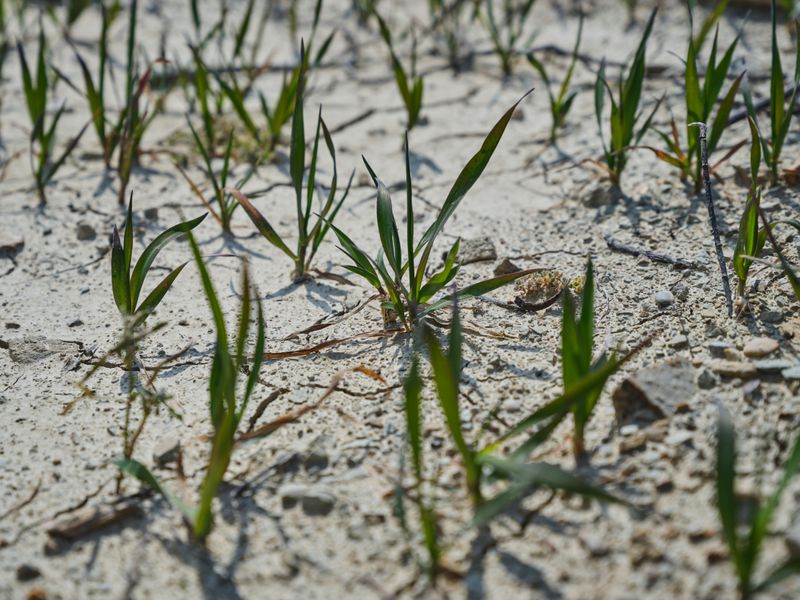
Annual bluegrass, henbit, and chickweed are already waiting in the soil for their moment. A pre-emergent applied now stops those seeds before they ever break through.
Timing hinges on soil temperature rather than the calendar hanging in your kitchen. Apply when soil at four inches holds near seventy degrees for several days.
For most of Louisiana that window opens between mid September and mid October. Southern parishes usually run a week or two behind the northern ones.
Prodiamine, pendimethalin, and dithiopyr all give solid control of common winter annuals. Read the label carefully, because centipede tolerates fewer products than bermuda does.
Water the granules in with about half an inch of irrigation after spreading. Without moisture the chemical barrier simply sits there doing nothing useful.
Skip pre-emergent on any area where you plan to overseed with ryegrass. The barrier cannot tell the difference between weed seeds and your seeds.
Applying too early burns through the product before the real weed flush begins. Applying too late means you are chasing weeds with a post-emergent instead.
A second application eight to ten weeks later extends protection through late winter. Split timing keeps stubborn annual bluegrass from sneaking in during December.
One September afternoon behind a spreader saves dozens of February hours spent pulling weeds by hand. That trade sounds fair to just about everybody.
7. Dial Back Irrigation As The Days Grow Shorter
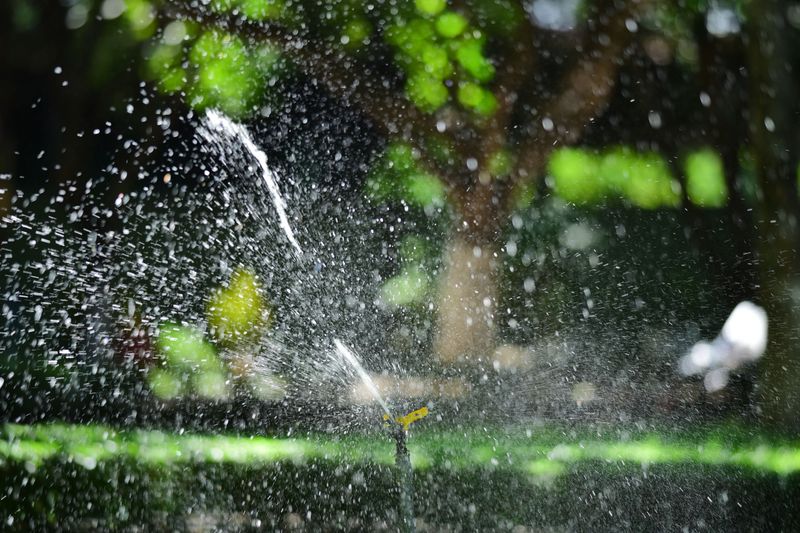
Summer watering habits stick around longer than they should, and lawns pay the price. Shorter days and cooler nights mean grass simply drinks less than it did.
Most warm season turf needs about an inch of water each week during September. Rainfall often covers part of that, especially during a wet tropical stretch.
Set out a tuna can or rain gauge to see what your sprinklers actually deliver. Many systems put out far more or less than homeowners assume.
Deep and infrequent watering beats a light daily sprinkle every single time of year. Roots chase moisture downward, which builds a much tougher plant before winter.
Morning irrigation between four and nine o’clock works best in our sticky Gulf climate. Blades dry quickly afterward, which keeps fungal diseases from gaining a foothold.
Footprints that stay visible in the grass signal thirst before any color change happens. Blue gray patches are another early warning sign worth learning.
Rain sensors cost very little and stop sprinklers from running during a downpour. Nothing looks sillier than irrigation spraying away in a September thunderstorm.
Once the first front pushes through, cut watering back further as growth slows down. Overwatering dormant turf wastes money and encourages root rot.
Check your controller settings each month instead of setting it once in May. Ten minutes of adjustment saves gallons and keeps the yard healthier.
8. Test The Soil And Fix Any pH Problems
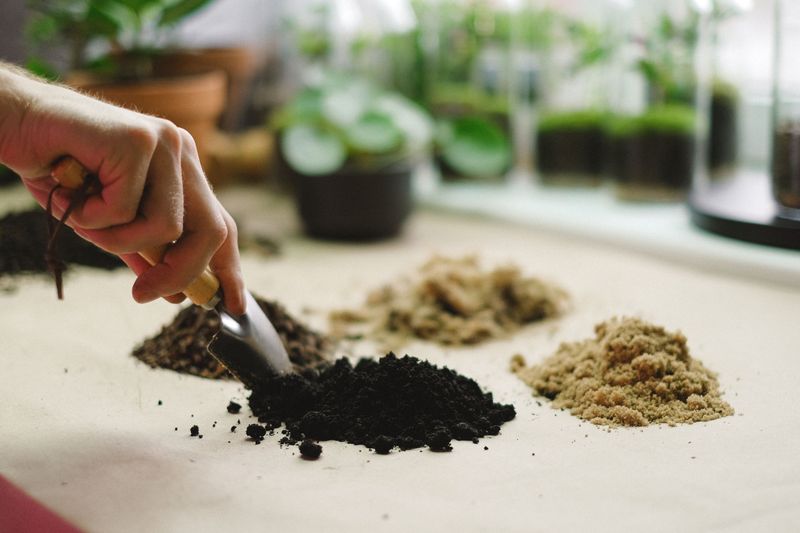
A soil test is an affordable option many homeowners overlook. LSU AgCenter offices across the state process samples and send clear recommendations, so check with your local office for current pricing.
Fall is the ideal season for testing because lime needs months to change pH. Applying lime now means spring roots will meet much friendlier soil conditions.
Centipede thrives in acidic ground between five and six, lower than most turf prefers. St. Augustine and bermuda do better closer to six or six and a half.
Adding lime to centipede without testing first can cause yellowing and a slow decline. Guesswork with soil chemistry rarely ends well for anyone involved.
Collect samples from several spots, digging about four inches deep with a clean trowel. Mix them in a plastic bucket, then fill the sample bag.
Results typically arrive within a couple of weeks, though turnaround can vary. Recommendations come in pounds per thousand square feet, which is easy to follow.
Pelletized lime spreads evenly and works faster than the dusty agricultural kind. Sulfur lowers pH when readings climb too high for your grass type.
Front and back yards often test differently, so sample them as separate areas. Shade, drainage, and buried construction debris can shift those numbers quite a bit.
Testing every two or three years keeps you from guessing at the store. Knowing beats hoping, especially when fertilizer prices keep creeping upward.