The Evening Routine Arizona Potted Plants Need During Extreme Heat
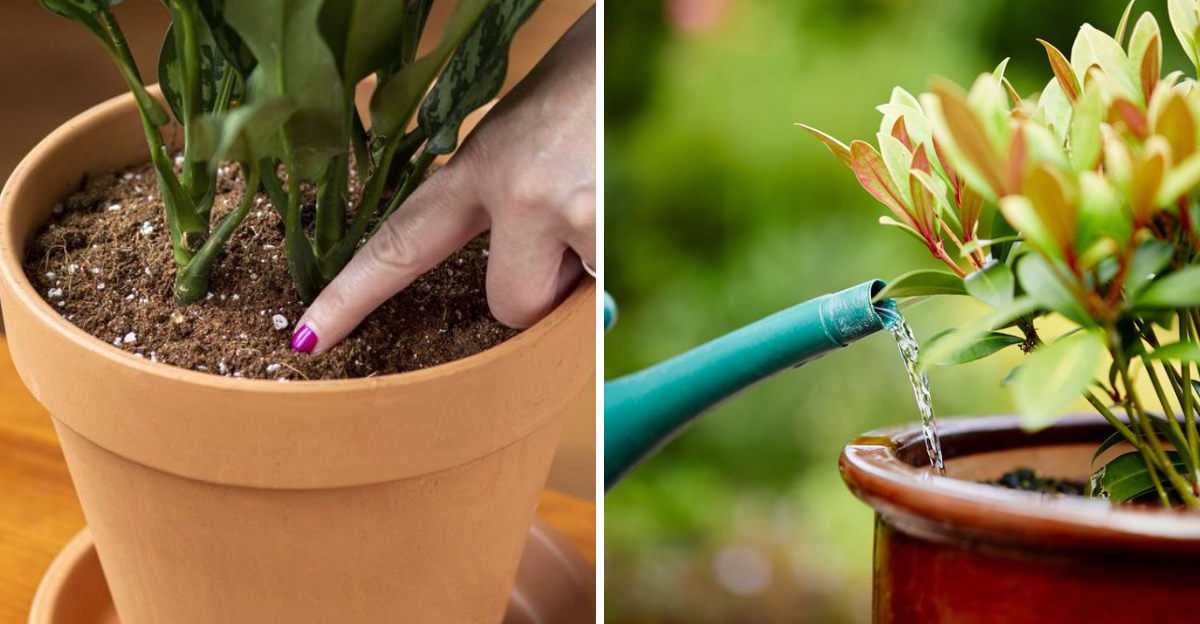
By the time evening rolls around in an Arizona summer, your potted plants have been through a lot. Hours of direct sun, heat radiating up from hot pavers, warmth bouncing off walls and fences, and air so dry it pulls moisture out of everything it touches.
Your containers have basically run a marathon today, and they did it without complaining once. Good for them.
Now it’s your turn to show up. But here’s where a lot of Arizona gardeners accidentally make things harder instead of easier.
Watering every single pot without checking the soil first, skipping drainage checks, leaving saucers sitting full of water overnight. These habits feel helpful but can create real problems on top of the heat stress your plants are already dealing with.
A smarter evening routine makes a genuinely noticeable difference.
1. Check The Top Few Inches Of Soil Before Watering
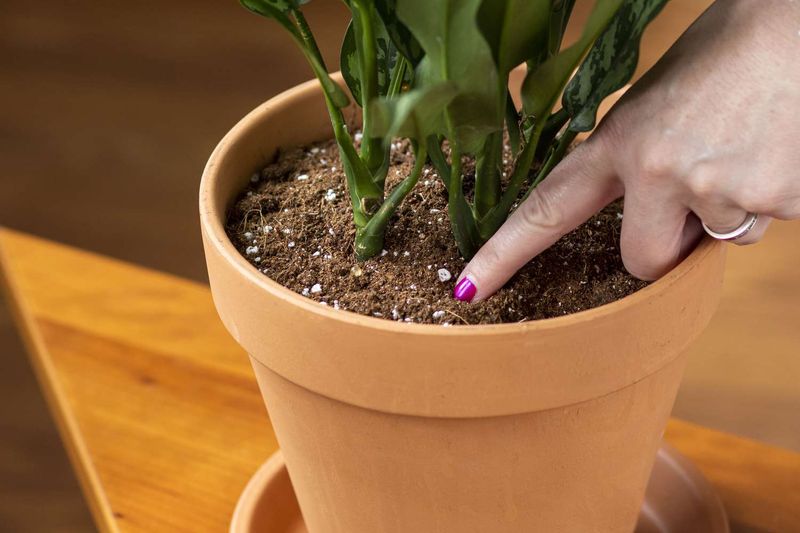
Warm patio tiles, a blazing afternoon, and a row of potted plants that look a little tired can make it tempting to grab the hose right away. Before watering anything, though, spend a minute checking the actual soil in each container.
Press your finger about two inches into the potting mix and feel whether it is still moist, slightly damp, or bone dry.
Arizona heat can make the top layer of soil look and feel dry even when moisture lingers a few inches down. Watering a pot that still has moisture deeper in the mix can lead to soggy roots and poor drainage over time.
Containers with dense or compact potting mix tend to hold moisture longer than expected, especially when they were watered the previous evening.
Checking each pot individually takes only a few seconds and gives you real information instead of guesswork. Some pots on a shaded porch corner may still feel cool and damp, while a pot sitting in full sun near a south-facing wall could be completely dry.
Getting into the habit of checking before watering is one of the most useful steps any Arizona container gardener can add to an evening routine.
2. Water Only The Pots That Are Actually Dry
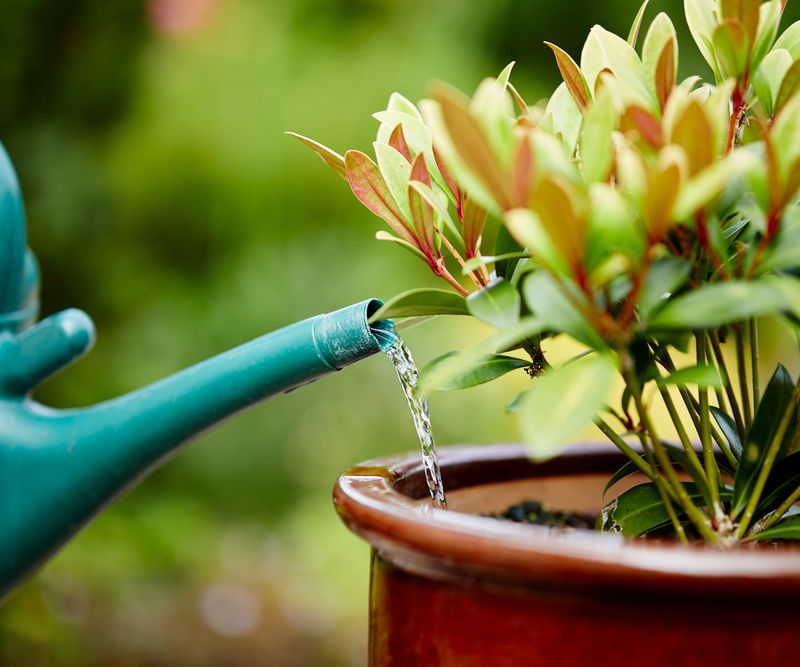
Not every pot on your Arizona patio needs water every single evening, even during extreme heat. Once you have checked the soil in each container, water only the ones that are genuinely dry two inches down.
Pots that still feel moist at that depth can wait another day without causing harm to the plant.
Overwatering is a surprisingly common problem in container gardens during summer.
Gardeners often assume that triple-digit temperatures mean every pot needs daily water, but the reality depends on pot size, plant type, potting mix, and how much sun or shade the container received that day.
A large pot with a drought-tolerant plant may hold enough moisture to skip a day, while a small herb pot in full sun could dry out quickly.
Selective watering keeps roots healthier over time and reduces the risk of drainage problems, fungal issues, and root stress from constantly saturated soil. It also saves water, which matters in Arizona where conservation is an ongoing community priority.
Your Arizona Garden Changes Every Week. Your Plan Should Too.
Gardening in Arizona changes quickly throughout the season. Every Friday you’ll receive a simple weekly plan showing exactly what to plant, prune, fertilize, harvest, and protect so you never miss the right timing.
By watering only what truly needs it each evening, gardeners give their container plants a better chance of handling the next day’s heat without added complications from waterlogged roots.
3. Water Thoroughly When A Pot Needs It
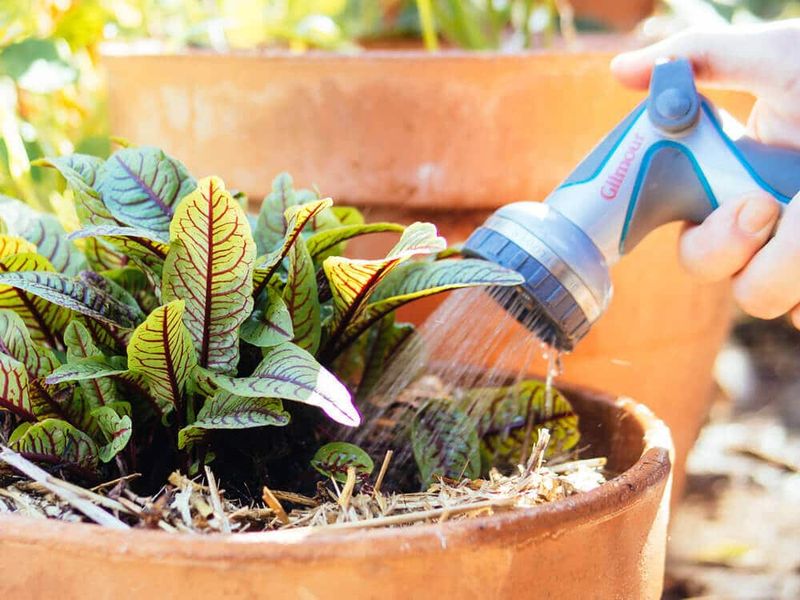
Once you have confirmed a pot is dry and genuinely needs water, a light sprinkle at the surface is rarely enough. Shallow watering encourages roots to stay near the top of the pot, where they are far more exposed to Arizona’s extreme heat and rapid soil drying.
Watering deeply and thoroughly helps moisture reach the lower root zone where it does the most good.
A thorough watering means applying water slowly and steadily until you see it begin to drain from the bottom of the container. For very dry pots, the potting mix may initially resist absorbing water, allowing it to run straight through without soaking in.
If this happens, try watering in two shorter rounds with a few minutes between each pass to give the dry mix time to absorb moisture more evenly.
Large containers holding citrus trees, vegetable plants, or flowering shrubs may need more water volume than smaller herb pots or annual flower containers. The goal is to make sure the entire root zone gets moisture, not just the top inch or two.
Thorough watering done less frequently tends to support stronger root systems than shallow watering done every evening out of habit in Arizona container gardens.
4. Make Sure Excess Water Can Drain Away
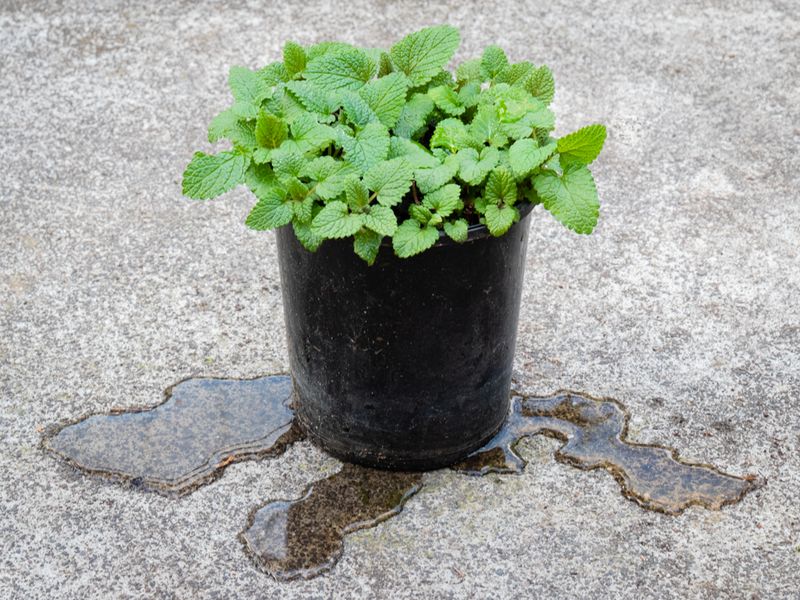
Good drainage is one of the most important factors in keeping Arizona potted plants healthy through summer.
When excess water cannot escape from a container, it sits around the roots and creates conditions that can lead to root problems, especially in warm temperatures that speed up soil-related issues.
Before relying on any pot through the heat season, confirm that its drainage holes are open and unblocked.
Some containers develop clogged drainage holes over time as roots, potting mix, or mineral buildup from Arizona’s hard water blocks the opening. Lifting a pot slightly and checking whether water flows freely after watering is a quick and useful evening habit.
Pots sitting flat on a solid patio surface may also drain more slowly because the holes have no clearance from the ground.
Elevating containers slightly using pot feet, small bricks, or purpose-made risers allows water to drain freely and prevents the bottom of the pot from sitting in pooled water. This small adjustment can reduce root stress considerably over a long summer.
Gardeners with decorative pots that have no drainage holes may want to use them as outer covers for planted containers that do drain properly, rather than planting directly into undrained vessels.
5. Empty Saucers After Watering
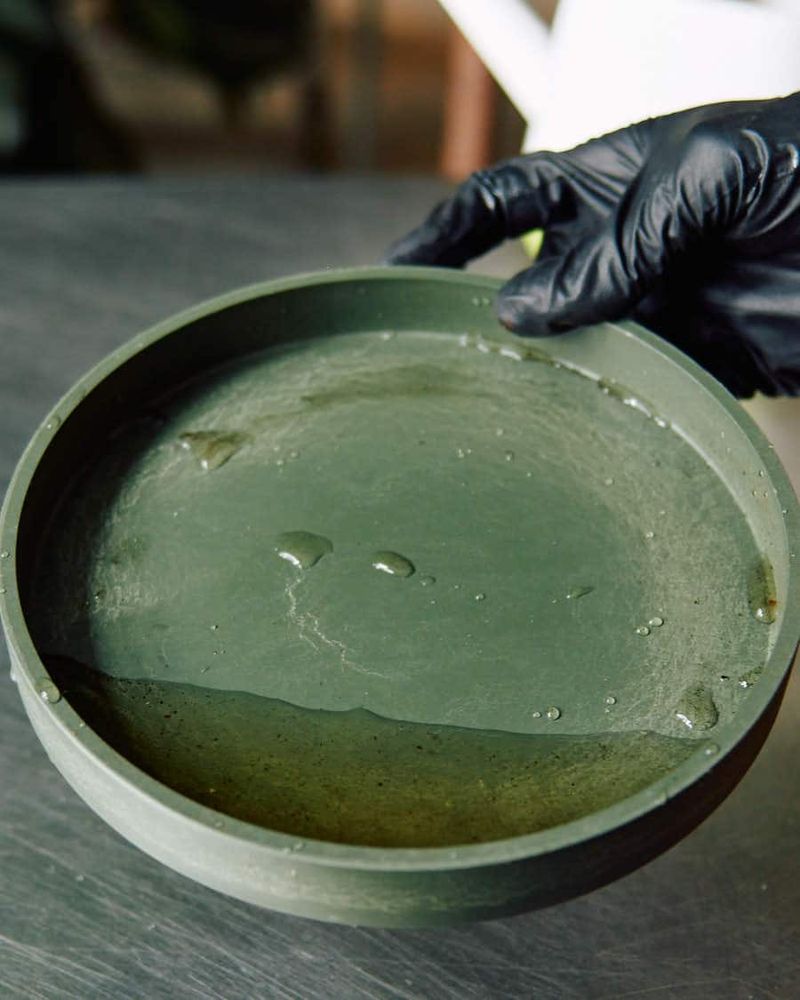
Saucers placed under containers catch overflow water and protect patios and surfaces from staining, but they can create a problem if left full for too long.
Standing water in a saucer keeps the bottom of the pot sitting in moisture, which can work against proper drainage and encourage root problems over time.
In Arizona’s warm evenings, standing saucer water also evaporates back up into the base of the pot in ways that can keep the lower potting mix wetter than the plant may prefer.
After watering each container in the evening, come back around and check every saucer. If a saucer has collected water, tip it out or use a small cup or turkey baster to remove the excess.
This step takes only a minute but makes a real difference for containers that tend to sit in pooled water overnight.
Some gardeners skip saucers entirely during the hottest months and water directly onto the patio surface, accepting that some water will run off. Others prefer to keep saucers in place for cleanliness but make emptying them a consistent part of their evening routine.
Either approach can work well in an Arizona container garden, as long as pots are not left sitting in standing water for extended periods after each watering session.
6. Move Vulnerable Pots Into Overnight Recovery Shade
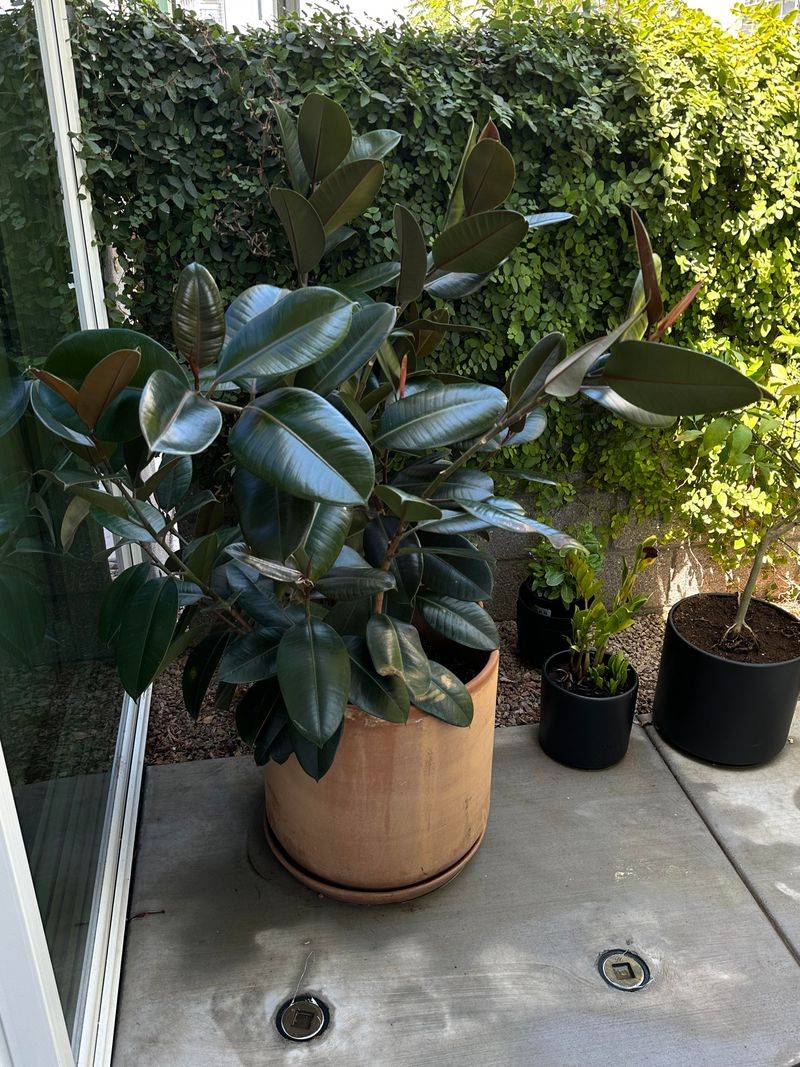
After a full day of Arizona summer heat, some containers benefit from being moved into a shadier spot for the night.
Small pots, containers holding heat-sensitive plants, and anything that spent the afternoon in direct sun near a hot wall may recover more comfortably when moved to a slightly cooler spot for the evening.
A shaded porch corner, a covered patio, or a spot near a north-facing wall where temperatures tend to stay slightly cooler overnight are all worth considering.
Moving pots in the evening is especially helpful for herbs like basil and cilantro, delicate flowering annuals, and vegetable seedlings that may show signs of heat stress such as drooping leaves, curled foliage, or faded color.
Giving these plants a few hours of gentler overnight conditions can help them stabilize before the next day’s heat arrives.
Not every pot needs to be moved each evening, and large containers holding established plants may be too heavy to shift comfortably. Focus on smaller, lighter containers or plants that showed visible stress during the day.
Placing pots on wheeled plant caddies at the start of the season makes evening moves much easier throughout the Arizona summer.
Even a few feet of distance from a hot surface or exposed wall can reduce the overnight temperature that a vulnerable container plant experiences.
7. Reduce Exposure To Hot Walls, Pavers, And Wind
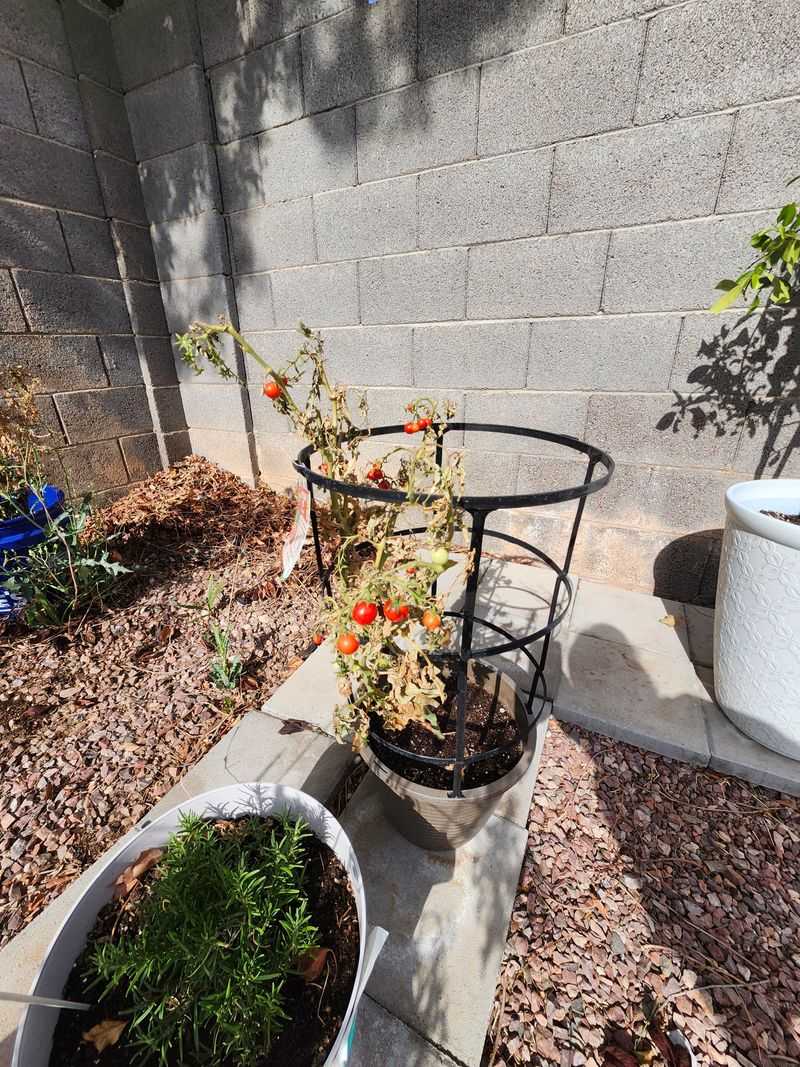
Hot stucco walls, south-facing block fences, and sun-baked concrete pavers hold heat long after the sun goes down in Arizona.
Containers placed directly against these surfaces or sitting flat on sun-heated pavers can experience significantly higher root-zone temperatures than pots positioned even a short distance away.
By evening, the radiant heat coming off a sun-facing wall or dark paver surface can still feel intense when you hold your hand near it.
Repositioning vulnerable containers a foot or two away from hot walls or moving them off pavers and onto a cooler surface can help reduce the heat load on roots overnight.
Wooden decking, shaded concrete, or a covered patio surface tends to stay cooler than open, sun-exposed pavers.
Even a simple layer of light-colored material under a pot can reduce heat transfer from below.
Wind is another factor worth considering during Arizona summer evenings. Warm, dry evening winds accelerate moisture loss from both leaves and potting soil, which can dry out containers faster than expected.
Moving pots to a more sheltered spot on a porch or near a windbreak can help reduce this effect. Reducing heat and wind exposure in the evening gives container plants a calmer overnight environment to recover from the day’s extreme conditions.
8. Skip Heavy Pruning During Extreme Heat
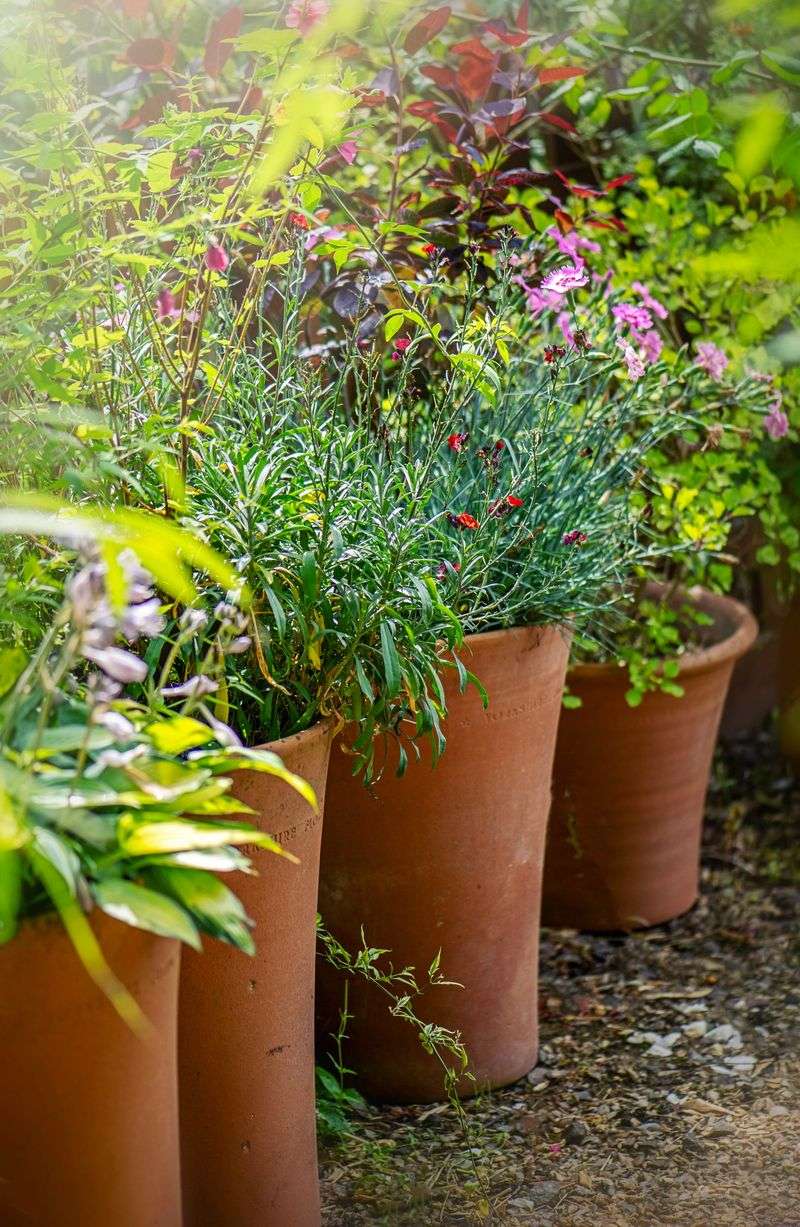
Tired foliage on a heat-stressed container plant can be tempting to tidy up in the evening, but heavy pruning during extreme heat periods is generally not the best timing.
Removing large amounts of foliage places additional demands on a plant that is already working hard to manage heat and water loss.
Significant cuts create fresh wounds that the plant then needs energy and resources to address.
In Arizona’s extreme summer heat, container plants often have less reserve energy available compared to cooler seasons.
Pruning encourages new growth, and tender new growth that emerges during a heat wave can be particularly vulnerable to sun damage and rapid moisture loss.
Light deadheading of spent flowers is generally less stressful than removing large stems or cutting back established foliage.
If a plant has damaged or clearly struggling stems that need attention, removing only the most affected portions is a more measured approach than a full shape-up session.
Saving heavier pruning for early fall, when Arizona temperatures begin to ease, gives plants a better environment to respond and recover.
Evening is not necessarily the wrong time of day to prune, but the middle of an extended heat event is a less favorable season for significant cutting back on container plants in Arizona home landscapes.
9. Avoid Fertilizing Heat-Stressed Pots At Night
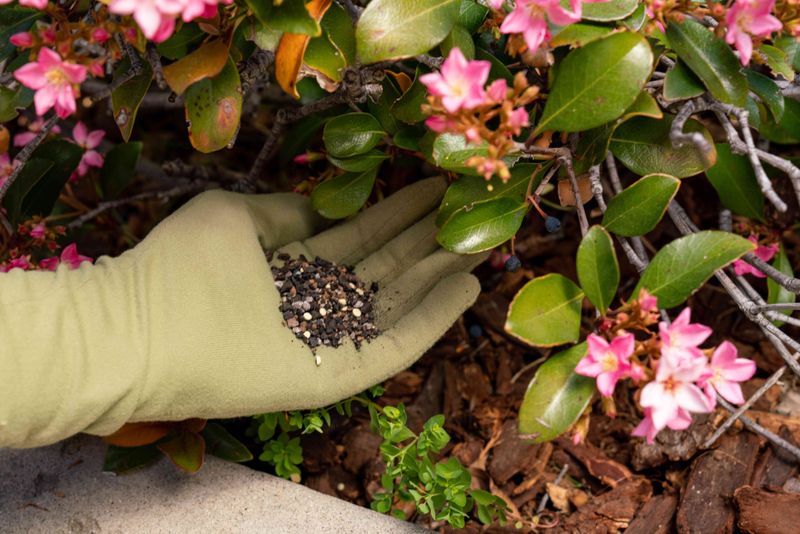
Reaching for fertilizer in the evening after a brutal Arizona summer day might seem like a way to give struggling container plants a boost, but fertilizing during heat stress can add complications rather than help.
Most fertilizers work by encouraging active growth, which increases the plant’s demand for water and places more pressure on a root system that may already be strained from high temperatures.
Liquid fertilizers applied to dry or heat-stressed root systems can be particularly harsh, and even slow-release granular products may release nutrients more rapidly in Arizona’s warm soil temperatures than they would in cooler conditions.
This can create a nutrient concentration around roots at a time when the plant is least equipped to manage it effectively.
Holding off on fertilizer until temperatures moderate in early fall gives container plants time to stabilize first. Once cooler conditions return and plants show signs of healthy active growth again, fertilizing becomes a more appropriate and effective tool.
Focusing the evening routine on soil moisture, drainage, shade positioning, and reduced heat exposure gives stressed container plants a more practical form of support during the height of an Arizona summer heat event.
Fertilizer can wait until conditions ease and plants are showing active, healthy growth again before that kind of input makes sense.