The White Mountain Native Plants Every New Hampshire Yard Could Use
The White Mountains don’t do subtle. Jagged peaks, granite ledges, and swings between bone-dry ridgelines and soggy bogs have forced plants here to get creative, and that toughness translates beautifully into a home landscape.
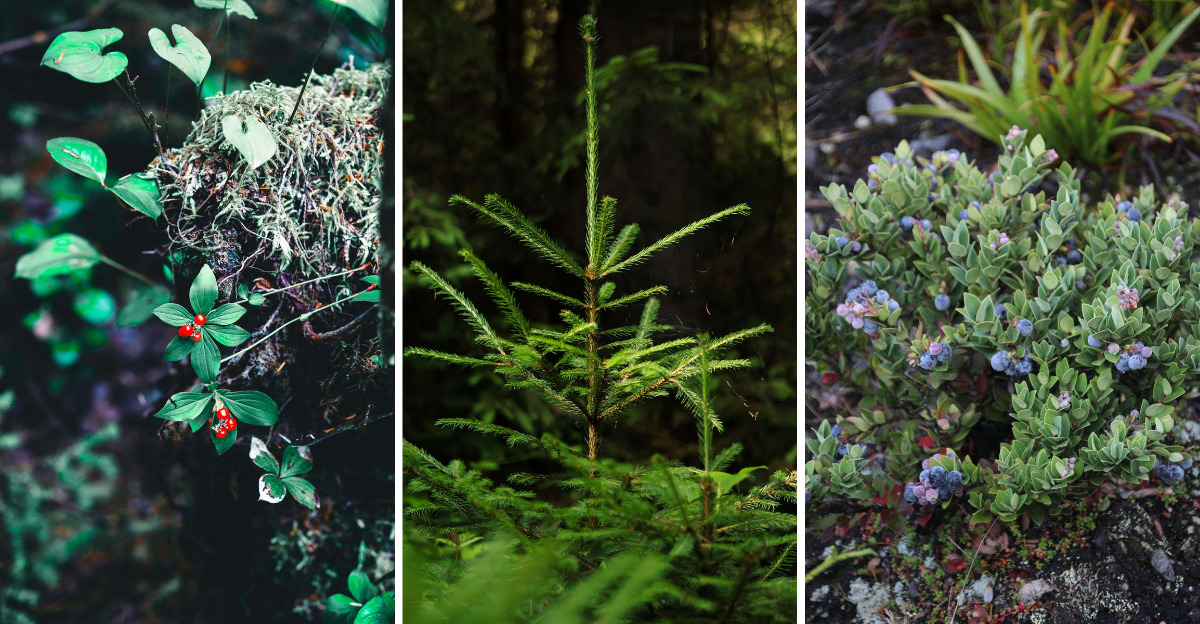
Mountain laurel shrugs off rocky, thin soil. Sheep laurel thrives in the wet, acidic pockets most gardeners dread. Bunchberry spreads a quiet carpet under trees where nothing else seems to take.
These aren’t delicate imports fussing over perfect conditions; they’re survivors, built for granite outcrops and harsh winters, so your New Hampshire yard barely notices a drought or a late frost. Bring them home and you get more than good looks.
Native bees, moths, and songbirds already recognize these plants as food and shelter, so your garden starts working as a small ecosystem instead of just a backdrop.
Less babying, more payoff. That’s the trade New England’s mountains offer anyone ready to rethink their yard.
1. Paper Birch (Betula Papyrifera)
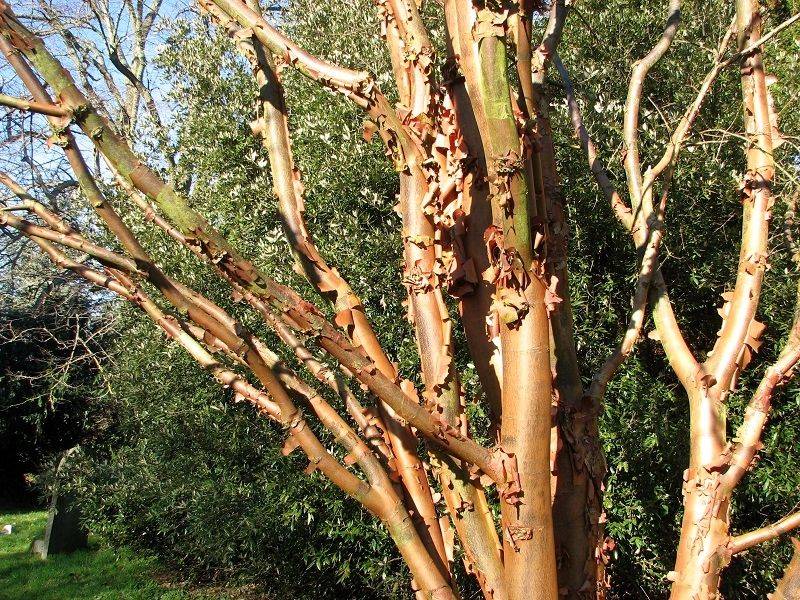
There is something almost magical about white bark glowing against a gray autumn sky. Paper Birch is one of the most iconic trees in the White Mountains, and it can bring that same wild beauty right to your property.
This tree grows fast and reaches impressive heights, often topping out between 50 and 70 feet. It thrives in full sun and prefers well-drained, slightly acidic soil, which is common across much of northern New England.
The peeling white bark is not just pretty to look at. Early settlers used it to make canoes, baskets, and even paper, which is exactly how this tree got its name.
In fall, the leaves turn a warm, buttery yellow that lights up any landscape. Birds like chickadees and woodpeckers are drawn to its trunk, making it a lively addition to any yard.
Paper Birch does best in cooler climates and may struggle in hot, dry summers farther south. Planting it in groups of three or more creates a natural grove effect that looks stunning year-round.
Keep an eye out for bronze birch borers, a common pest that targets stressed trees. Healthy, well-watered birches tend to resist infestations far better than neglected ones.
If you want one tree that delivers four seasons of visual interest, Paper Birch is your answer. It is a living piece of White Mountain native plants heritage growing right outside your window.
2. Balsam Fir (Abies Balsamea)
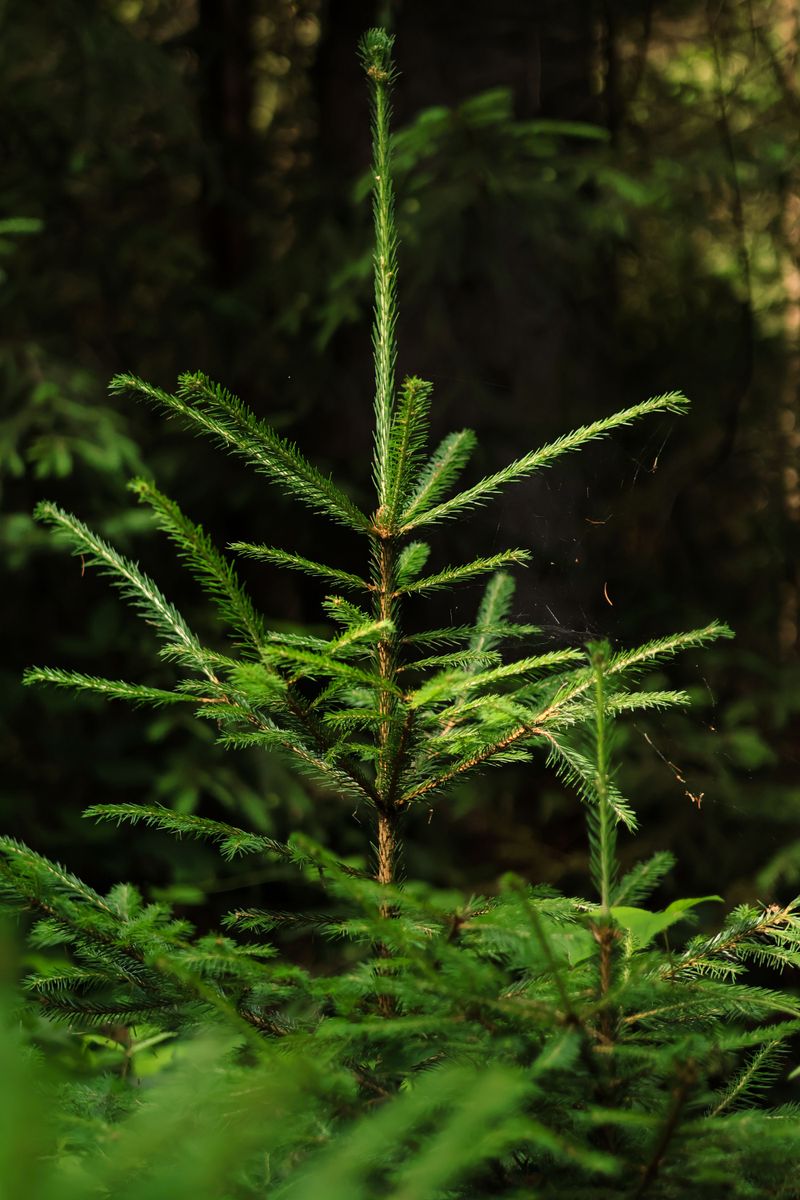
Close your eyes and picture the scent of the holidays. That clean, piney fragrance you love so much comes from Balsam Fir, one of the most beloved evergreens in the White Mountain region.
This tree is a true year-round performer in the landscape. Its deep green needles stay vibrant through the coldest winters, providing color and structure when everything else looks bare and brown.
Balsam Fir grows in a naturally neat, conical shape that requires almost no pruning. It typically reaches 40 to 60 feet tall, though younger trees stay compact for many years, making them manageable in most yards.
Your New Hampshire Garden Changes Every Week. Your Plan Should Too.
Gardening in New Hampshire changes quickly throughout the season. Every Friday you’ll receive a simple weekly plan showing exactly what to plant, prune, fertilize, harvest, and protect so you never miss the right timing.
Wildlife absolutely love this tree. Moose browse its branches in winter, red squirrels cache its seeds, and many bird species use its dense canopy for nesting and shelter.
It prefers moist, cool, acidic soils and does not do well in dry or compacted ground. If your New Hampshire yard tends to stay damp, Balsam Fir will reward you with vigorous, healthy growth season after season.
One fun fact: the resin-filled blisters on the bark were once used as a field adhesive and even as a lens cement in early microscopes. Nature really does think of everything.
Planting a Balsam Fir near a window means you get that mountain scent drifting inside on warm days. Among White Mountain native plants, few offer this kind of sensory reward all year long.
3. Mountain Laurel (Kalmia Latifolia)
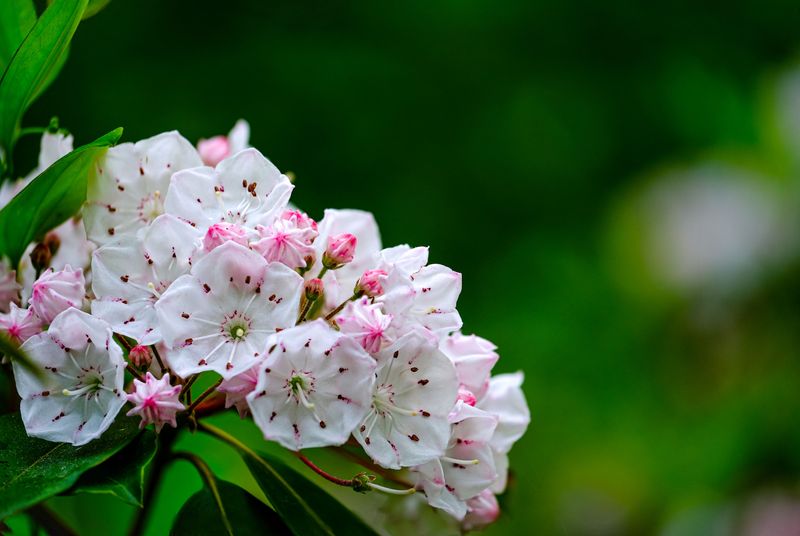
Imagine a shrub that explodes into bloom every June with clusters of pink and white flowers so intricate they look hand-crafted. Mountain Laurel is that shrub, and it is one of the most jaw-dropping flowering natives you can add to your property.
It is an evergreen, which means those glossy, dark green leaves stay put all winter long. That alone makes it a valuable addition to any yard that needs structure and color during the colder months.
Mountain Laurel grows slowly but steadily, reaching anywhere from 5 to 15 feet tall over time. It forms a dense, rounded shape that works beautifully as a hedge, a border plant, or a standalone specimen.
This plant thrives in partial shade and acidic, well-drained soil. It is perfectly at home under a canopy of oaks or pines, which makes it ideal for wooded yards common throughout northern New England.
Pollinators go absolutely wild for the flowers. Bumblebees, in particular, have a clever trick of triggering the stamens to fling pollen onto their bodies as they land.
A word of caution: all parts of Mountain Laurel are toxic to people and livestock. Plant it thoughtfully if you have grazing animals or very young children who explore with their mouths.
Once established, this shrub is remarkably low maintenance and drought-tolerant. For sheer visual drama among White Mountain native plants, Mountain Laurel is nearly impossible to beat.
4. Lowbush Blueberry (Vaccinium Angustifolium)
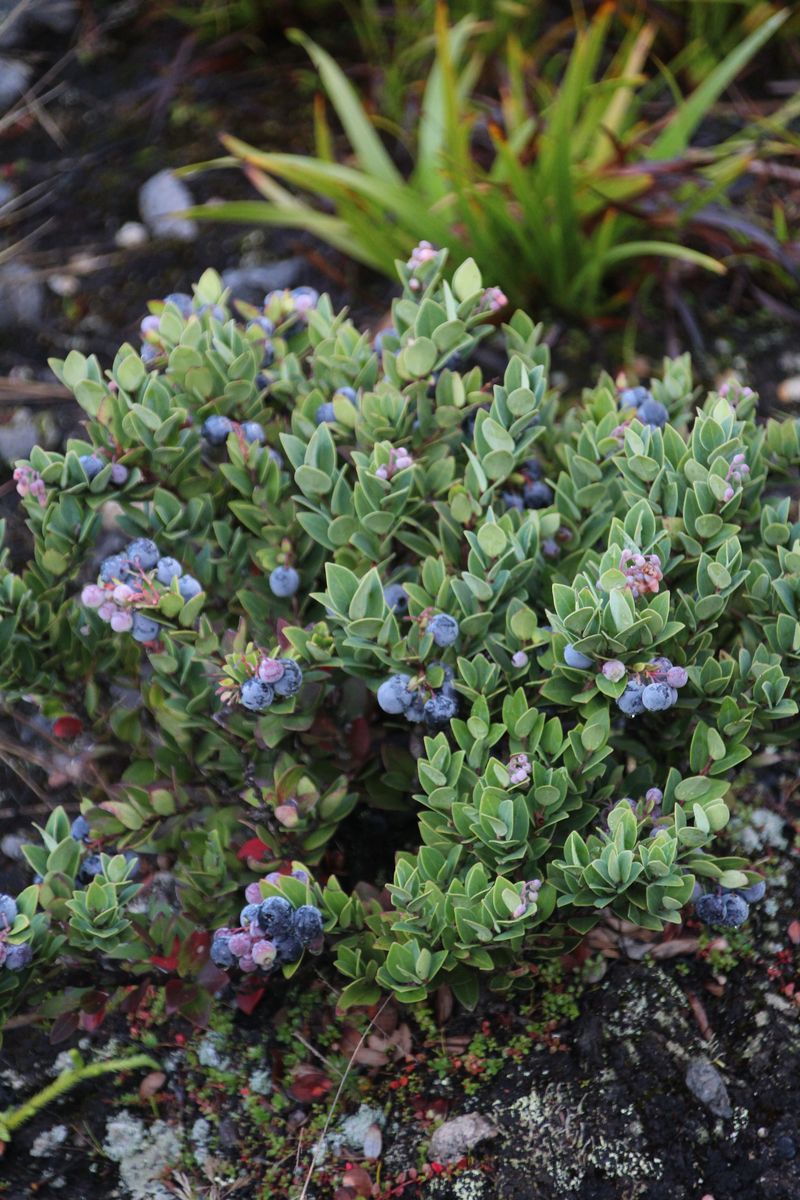
Few plants pull double duty as well as Lowbush Blueberry. It gives you brilliant fall color, supports pollinators in spring, and then rewards you with handfuls of sweet, wild berries in summer.
This compact ground cover rarely grows taller than two feet. It spreads slowly by underground stems, eventually forming a dense, weed-suppressing mat that looks great and requires very little upkeep.
Lowbush Blueberry is a staple of the White Mountain landscape, carpeting rocky slopes and open ridges with green in summer and blazing red in autumn. Bringing that look into a home garden is surprisingly easy.
It needs full sun and acidic soil with a pH between 4.5 and 5.5. A simple soil test can tell you where you stand, and adding sulfur or peat moss can quickly bring the pH down to the right range.
Plant at least two or three different varieties near each other for better berry production. Cross-pollination makes a real difference in both fruit size and overall yield each season.
Birds, bears, and countless insects depend on this plant for food. Adding it to your New Hampshire yard essentially creates a small wildlife feeding station that runs itself from June through August.
The berries are also incredibly nutritious for people, loaded with antioxidants and flavor. Among all the White Mountain native plants on this list, Lowbush Blueberry might just be the most delicious choice you can make.
5. Rhodora (Rhododendron Canadense)
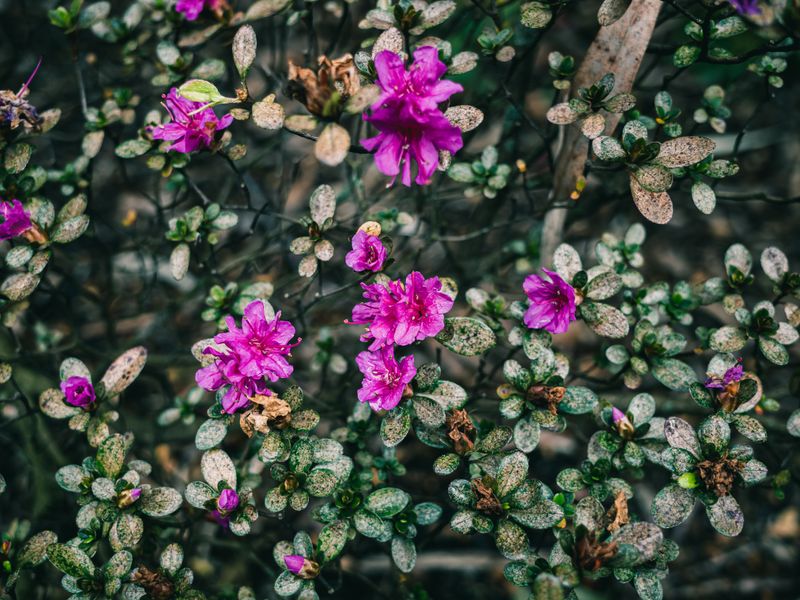
Every spring, before most plants even think about waking up, Rhodora bursts into a spectacular show of rosy-purple blooms. It flowers before its leaves appear, which means nothing blocks that gorgeous color from view.
Ralph Waldo Emerson was so taken by this plant that he wrote a famous poem about it in 1834. If it inspired a transcendentalist poet, imagine what it can do for your front yard.
Rhodora is a deciduous shrub that typically grows between two and four feet tall. It has an open, airy structure that looks wild and natural rather than stiff and formal.
This shrub loves wet, boggy conditions that many other plants simply cannot handle. If you have a low spot in your New Hampshire yard that stays soggy after rain, Rhodora will thrive where others struggle.
It pairs beautifully with other moisture-loving natives like ferns and sedges. That combination creates a lush, layered look that mimics the natural wetland edges found throughout the White Mountain region.
Native bees are among the first pollinators to emerge in spring, and Rhodora is one of the first flowers waiting to feed them. Planting it means you are supporting the whole local food web right from the start of the season.
Rhodora is also remarkably cold-hardy, surviving harsh winters without any special protection. It is a tough, stunning, and ecologically generous member of the White Mountain native plants family.
6. Bunchberry (Cornus Canadensis)
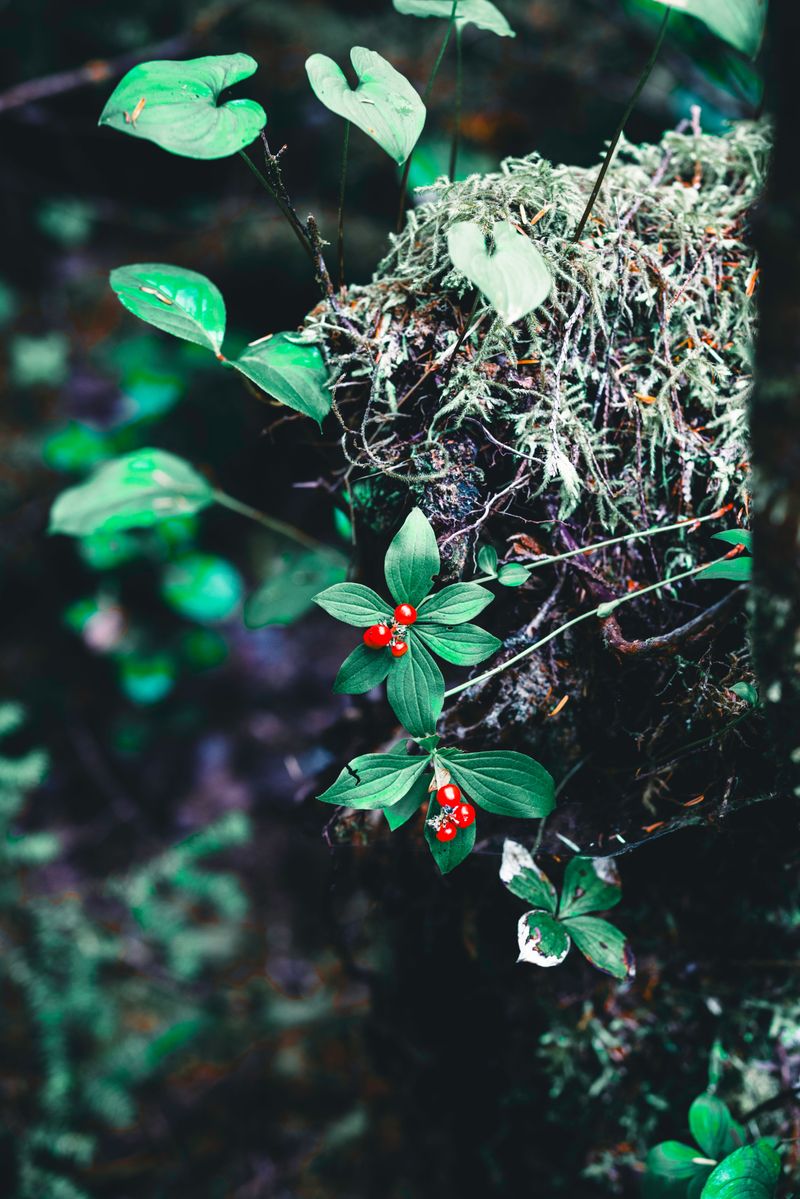
Bunchberry is proof that the best things really do come in small packages. This tiny ground cover stands only four to eight inches tall, yet it packs in flowers, berries, and fall color all in one neat little plant.
It is actually a dwarf relative of the dogwood tree, and you can see the family resemblance in its classic four-petal white flowers. Those blooms appear in late spring and are followed by clusters of bright red berries by late summer.
Bunchberry spreads slowly by underground runners to form a dense, carpet-like mat. It is an excellent choice for shaded areas where grass refuses to grow and bare soil becomes a muddy nuisance every time it rains.
This plant demands cool, moist, acidic soil and plenty of shade. It does best in spots that mimic the forest floor conditions found throughout the northern White Mountain range.
The berries are edible but quite bland on their own. Birds, however, find them irresistible, so planting Bunchberry is a great way to attract thrushes and waxwings to your New Hampshire yard in late summer.
One quirky fact: Bunchberry has one of the fastest movements in the plant world. Its stamens snap open and launch pollen in under half a millisecond when triggered by a visiting insect.
For shaded yards that need ground-level interest, Bunchberry is a standout solution. It is one of the most charming and underused White Mountain native plants available to home gardeners today.
7. New England Aster (Symphyotrichum Novae-Angliae)
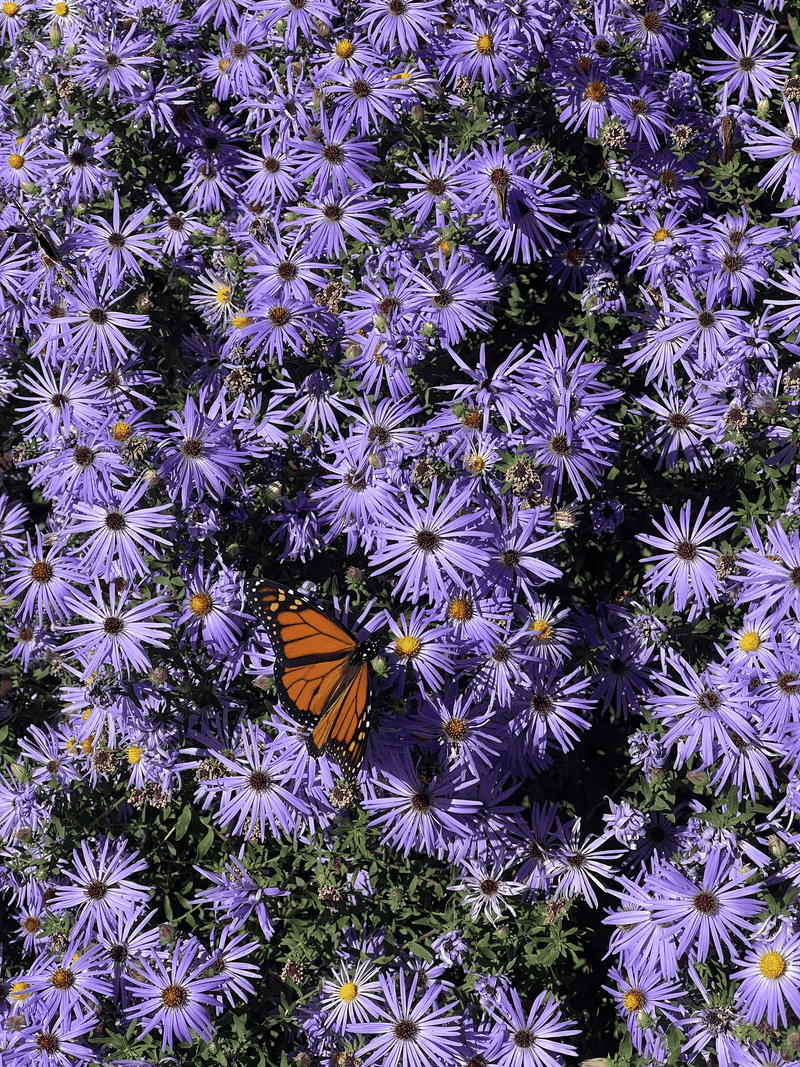
When the rest of the garden is fading in September, New England Aster puts on a show that stops people in their tracks. Its vivid purple and yellow blooms arrive just when pollinators need them most.
This native wildflower grows three to six feet tall and produces dozens of daisy-like flowers on each stem. The color ranges from deep violet to soft lavender pink, giving you options depending on your garden palette.
Monarch butterflies depend heavily on late-season flowers like this one during their long migration south. Planting New England Aster means your yard becomes a fueling station on one of nature’s most epic journeys.
It thrives in full sun and tolerates a wide range of soil types, from dry sandy ground to moist clay. That adaptability makes it one of the easiest native wildflowers to establish in a home garden.
Pinching the stems back by half in early June encourages bushier growth and more blooms. Skipping this step leads to tall, floppy plants that may need staking by late summer.
New England Aster also pairs beautifully with goldenrod, creating a classic fall combination that looks like it was lifted straight from a meadow. Together they form a powerhouse duo for late-season pollinators.
If you only add one flowering perennial to your New Hampshire yard this year, make it this one. New England Aster earns its place among White Mountain native plants with color, wildlife value, and effortless late-season charm.
8. Red Maple (Acer Rubrum)
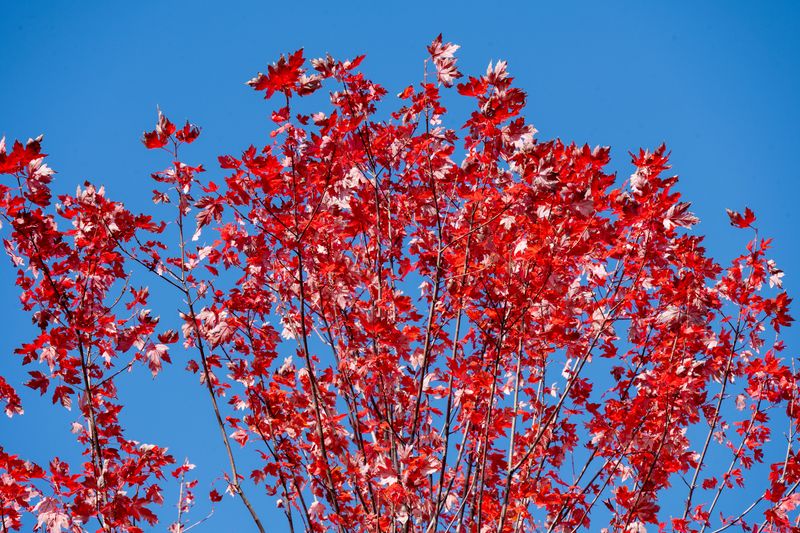
No tree announces autumn quite like Red Maple. Its leaves shift from green to a blazing mix of red, orange, and yellow faster than almost any other tree in the northeast.
Red Maple earns its name twice over. The flowers are red in early spring, the leafstalks are red through summer, and the fall foliage is spectacularly red in autumn.
This is one of the most widely adaptable native trees in the entire eastern United States. It grows in swamps, upland slopes, suburban yards, and nearly everywhere in between without much fuss.
It grows quickly, often adding two feet of height per year under good conditions. Within a decade, a young sapling can become a significant shade tree that cools your home and lowers energy costs.
Red Maple supports an enormous number of species. Over 285 species of caterpillars feed on its leaves, making it one of the most ecologically productive trees you can plant in a home landscape.
It prefers moist, slightly acidic soil but tolerates both wet and dry conditions once established. Few trees offer this level of flexibility, which is why it appears in yards across every corner of the state.
Plant Red Maple where you want shade, wildlife, and four seasons of visual interest. As a cornerstone of White Mountain native plants, it brings lasting beauty and real ecological value to any yard it calls home.