Native Ohio Plants That Grow Through Gravel Without Becoming Invasive
Gravelly spots in an Ohio yard look deceptively simple. Clean, tidy, low maintenance: what could go wrong?
Quite a bit, as it turns out, if you try to grow the wrong plants there.
Fast drainage, lean soil, extra heat baking off the surface, and shallow planting pockets that dry out almost immediately after rain: these conditions are genuinely tough, and most plants will let you know about it.
But a handful of Ohio natives were practically designed for this kind of site, and they are a lot more interesting than leaving the gravel bare.
Low mats, bright summer flowers, fine grass texture, late-season color: the right natives bring real character to rocky borders and gravel gardens without turning into a management problem.
The trick is matching the plant to the site and giving roots somewhere real to go.
1. Plantain-Leaved Antennaria Forms Low Mats
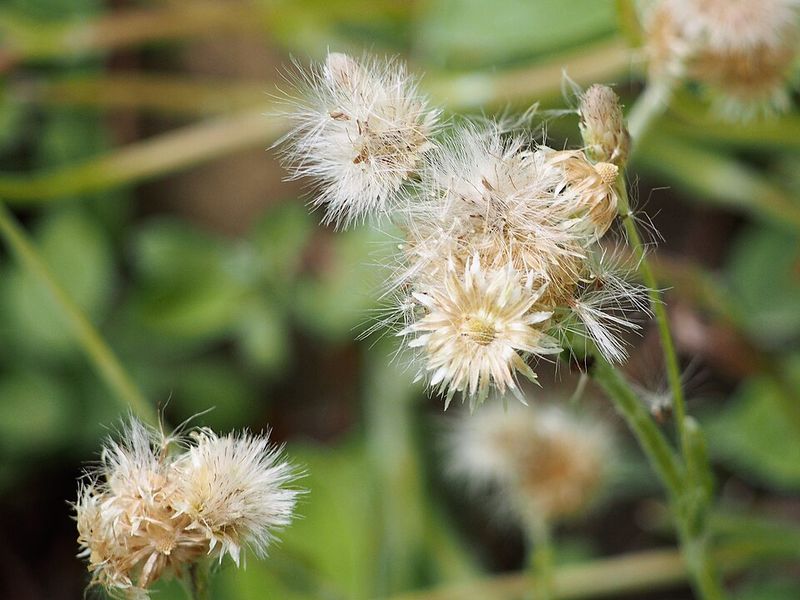
Plantain-leaved Antennaria is one of the most useful native choices for a sunny gravel edge because it stays low, spreads by runners, and prefers lean conditions instead of rich garden soil.
Its soft, silvery-green leaves form small mats that can settle into dry, open pockets along paths, gravel gardens, and rocky border fronts.
This is not a plant for deep decorative stone over landscape fabric, but it can work where gravelly soil still has real soil underneath and enough room for roots. In Ohio gardens, it is especially helpful where gardeners want something quieter than a showy perennial.
The spring flowers are small and pale, with fuzzy heads, but the foliage is the main attraction. Give it full sun to part shade and avoid heavy compost or constant irrigation.
Too much fertility can make it less tidy. Once established, it can handle dry, rocky, sandy soil better than many common garden fillers.
It may spread modestly where it is happy, but it behaves more like a low groundcover than a takeover plant. Use it near stepping stones, along gravel paths, or at the front of a dry native bed.
Water young plants until rooted, then let the site lean on the dry side. It also gives small bees a low spring flower source in otherwise spare gravel plantings.
2. Field Antennaria Spreads Through Lean Soil
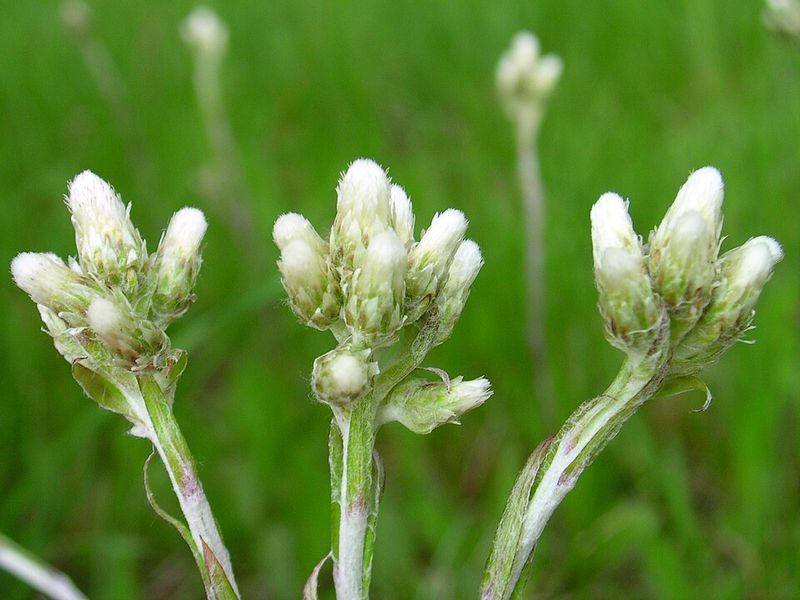
Field Antennaria brings a similar low, silver-leaved look, but it is especially worth considering where the planting area is lean, dry, and open. It grows as a small mat-forming perennial, spreading by stolons when the site suits it.
That makes it useful in gravelly Ohio beds where gardeners want living cover instead of bare soil between larger plants. The plant is not flashy in the way a coneflower or milkweed is flashy.
Its value is in the soft foliage, modest height, and ability to cope with tough ground that would be too dry for many shade-loving groundcovers. Plant it in full sun or partial sun, with well-drained soil that is not heavily amended.
Your Ohio Garden Changes Every Week. Your Plan Should Too.
Gardening in Ohio changes quickly throughout the season. Every Friday you’ll receive a simple weekly plan showing exactly what to plant, prune, fertilize, harvest, and protect so you never miss the right timing.
It can tolerate poor, rocky, or clay-influenced soil if drainage is reasonable, but it will struggle where water sits after rain.
Field Antennaria also makes sense for small pollinator-minded plantings because Antennaria species can serve as host plants for American lady butterfly caterpillars.
In a residential gravel garden, use it in small groups rather than one lonely plug. That gives the mats a chance to knit together.
It can spread, but its low habit makes it fairly easy to edit along edges. Pull small extras if they move into a path.
This makes it a practical filler around taller native perennials that need open, sunny ground.
3. Butterfly Weed Thrives In Sunny Gravel
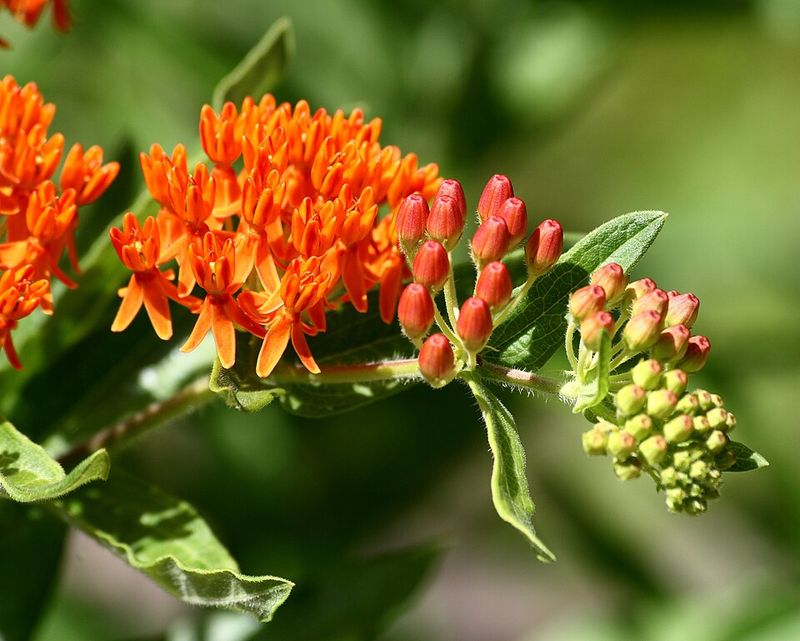
Butterfly weed is a stronger fit for sunny gravel gardens than many people expect, because it naturally favors dry, open, well-drained places.
In Ohio, this native milkweed can bring bright orange flowers to lean borders, driveway-edge beds, and gravelly planting pockets where richer, wetter soil would not suit it as well.
The key is drainage. Butterfly weed forms a deep taproot, so it resents being moved once established and should be planted where it can stay.
Choose a sunny spot with sandy, rocky, or gravelly soil that sheds water well after rain. Avoid tucking it into heavy clay that stays wet or into a spot that receives frequent sprinkler water.
During the first season, water enough to help the roots settle, but do not treat it like a moisture-loving perennial. After that, it often performs best with less fuss.
The flowers attract butterflies, bees, and other pollinators, and the foliage supports monarch caterpillars because it is a milkweed. It may take time to look full, so patience matters.
Pair it with little bluestem, lanceleaf coreopsis, or prairie dropseed for a dry, sunny planting that feels intentional rather than sparse. Leave some space around it so the taproot and crown are not crowded.
It is also a larval host plant for monarch butterflies, which adds real habitat value.
4. Lanceleaf Coreopsis Brightens Dry Borders
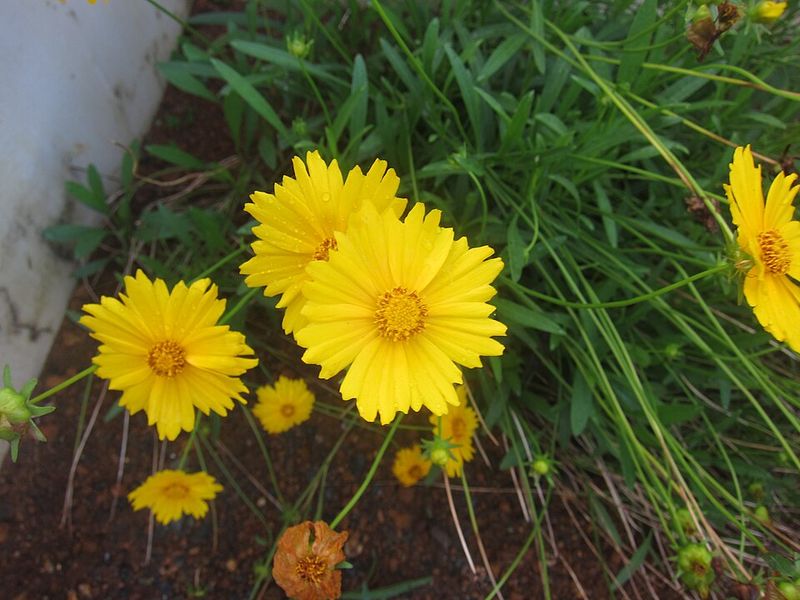
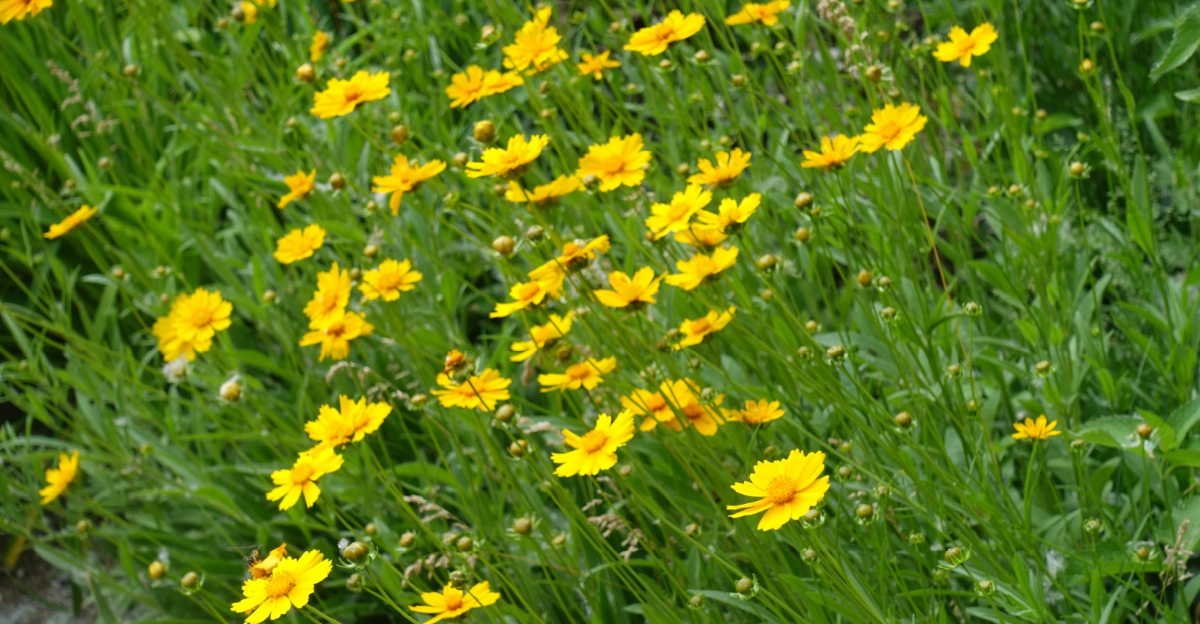
Lanceleaf coreopsis is a cheerful native perennial for sunny gravel-adjacent beds, especially where the soil is dry to medium, well-drained, and not overly rich.
Its golden daisy-like flowers can make a lean border look lively without needing the kind of moisture that thirstier perennials prefer.
In Ohio landscapes, it fits well along gravel paths, road-edge-style beds, sunny slopes, and dry native borders with enough soil depth for roots. It is not a plant for compacted stone alone, but it can handle sandy or rocky soil when drainage is good.
Full sun gives the best bloom and helps keep growth sturdier. If planted in very fertile soil, it may sprawl more than expected, so do not overfeed it.
Spent flower removal can extend the display and reduce extra seedlings if you want a tidier garden. Lanceleaf coreopsis can reseed where conditions suit it, which is useful in meadow-style plantings but may need light editing in a small front-yard bed.
Pair it with shorter grasses or low mats so the yellow flowers rise from a natural-looking base. Water during establishment, then let the plant adapt to the drier rhythm of the site.
Its easy color is a good reward for a tough, sunny spot. Its long bloom season helps bridge the gap between spring flowers and midsummer prairie plants.
5. Foxglove Beardtongue Handles Well-Drained Soil
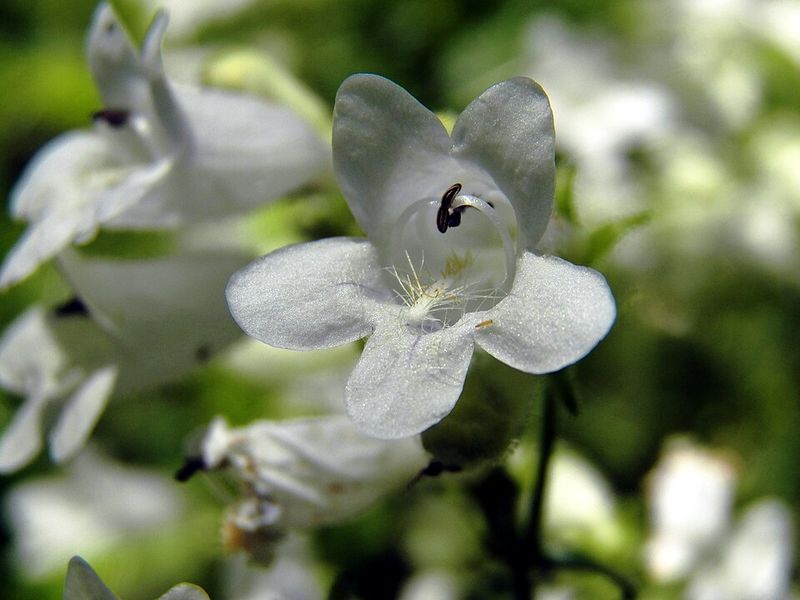
Foxglove beardtongue is a good bridge between a formal perennial and a tougher native planting. It offers upright stems, white tubular flowers, and a clean look that fits gravel-edge beds better than many taller wildflowers.
In Ohio gardens, it works best in full sun to part sun with well-drained soil. It can handle average garden conditions, but it should not sit in a soggy pocket or heavy mulch that keeps the crown too wet.
For gravelly sites, give it real soil beneath the stone and enough depth for roots to anchor. The flower stems usually appear in late spring to early summer, drawing bees and sometimes hummingbirds.
After bloom, the seed capsules can add quiet structure, or you can trim stems if you prefer a neater look. Foxglove beardtongue may reseed lightly, which can be welcome in a native border but should be watched near narrow paths.
It pairs well with low grasses, Antennaria, and other dry-border plants because its vertical flowers rise above lower foliage. Water during the first season, then reduce extra watering once the plant is established.
If your gravel area receives afternoon shade, this plant may be more forgiving than some prairie species. Good drainage is still the detail that matters most.
In a tight garden, remove extra seedlings early so the planting keeps its planned shape.
6. Ohio Spiderwort Fits Gravelly Sunny Beds
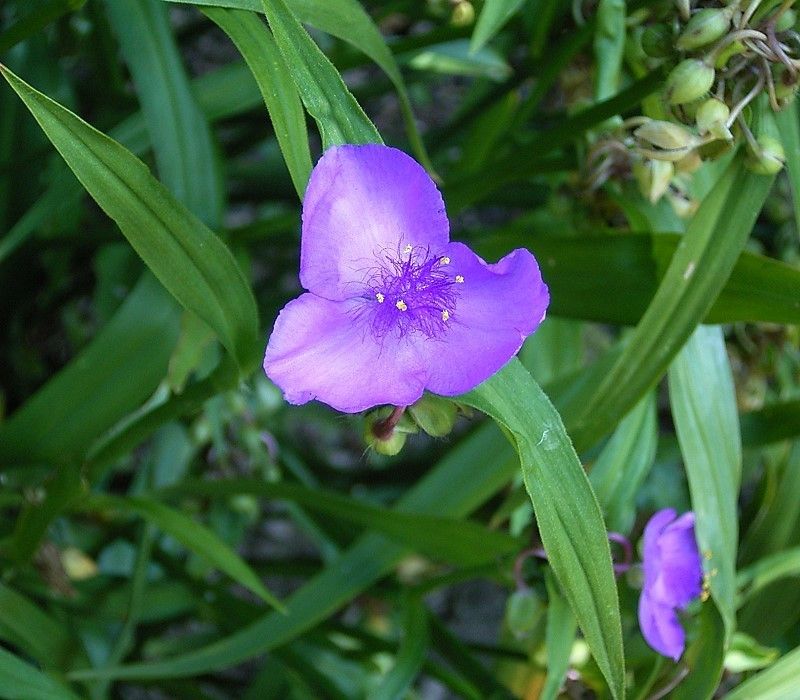
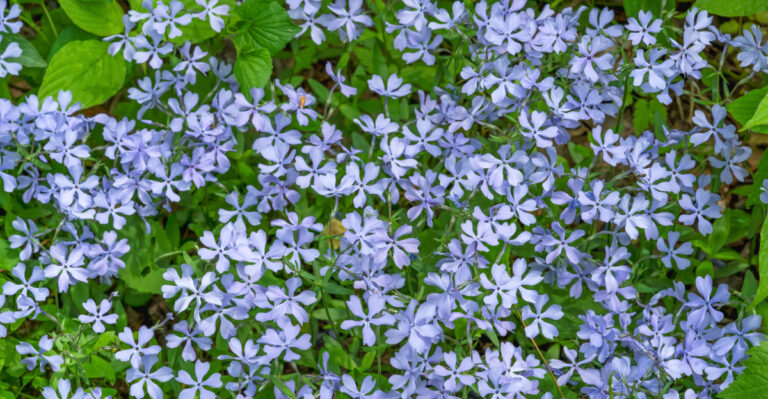
Ohio spiderwort is more adaptable than its soft blue flowers suggest. It can grow in sun to part shade and is listed for several soil types, including gravelly, sandy, loamy, and clay soils, as long as the site drains reasonably well.
In an Ohio gravel garden, it is best used where the soil is not desert-dry all summer but still leans open and well-drained. The grassy foliage and three-petaled flowers give a natural look near paths, dry borders, and sunny native plantings.
Flowers usually open in the cooler part of the day and may close as heat builds, so plant it where you will notice it in the morning. Ohio spiderwort can look less tidy after its main bloom, especially in hot weather.
Cutting the plant back to a shorter height in midsummer can encourage fresh growth and sometimes a lighter later bloom. It may self-seed, but seedlings are usually manageable in a home garden.
Use it with grasses or lower plants that can fill in as spiderwort relaxes after flowering. This is not the best plant for tiny cracks or deep stone mulch, but it works well in gravelly beds with enough soil.
Give new plants water while they settle, then adjust based on weather and soil moisture. It is a useful middle-height plant when grasses alone feel too plain or stiff.
7. Prairie Dropseed Brings Fine Texture
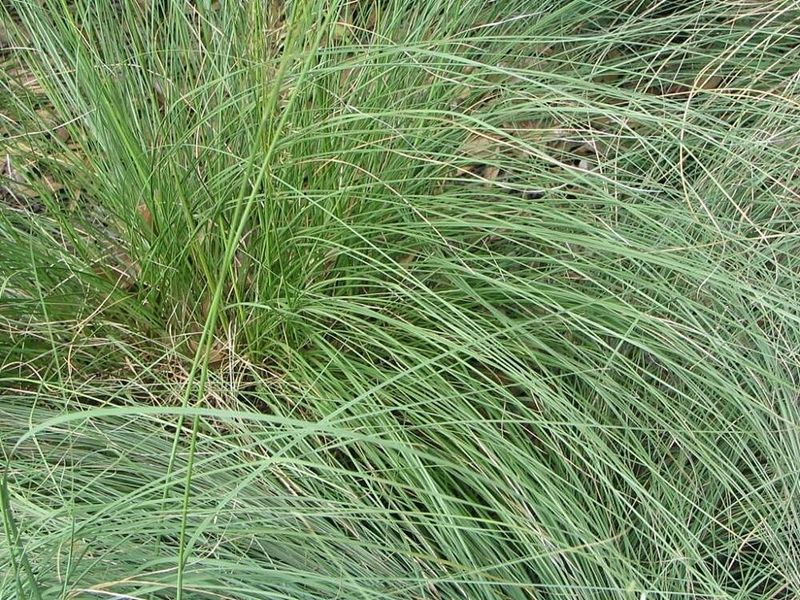
Prairie dropseed is one of the most refined native grasses for sunny, well-drained gravel gardens. Its fine leaves form tidy arching clumps, so it can soften hard stone edges without spreading aggressively.
In Ohio residential plantings, that clumping habit is useful because gravel gardens often need plants that stay in place and do not swallow a narrow path. Prairie dropseed prefers full sun and dry to medium, well-drained soil.
It is often slow to establish, so gardeners should not expect instant fullness the first season. Water young plants during dry spells until roots settle, then avoid heavy feeding and constant irrigation.
Rich soil can make many prairie grasses too lush, and this plant looks best when growth stays firm and graceful. The airy late-season seed heads bring movement, and the foliage can add warm color as the season changes.
Plant it in small drifts along a gravel path, at the front of a sunny border, or around larger perennials like butterfly weed. Leave enough room between plants so each clump can show its shape.
In a very small bed, one or two plants may be enough. Cut the old foliage back in late winter or early spring before new growth begins.
Its narrow leaves also contrast well with broad milkweed foliage and daisy-shaped flowers.
8. Purple Lovegrass Adds Airy Color
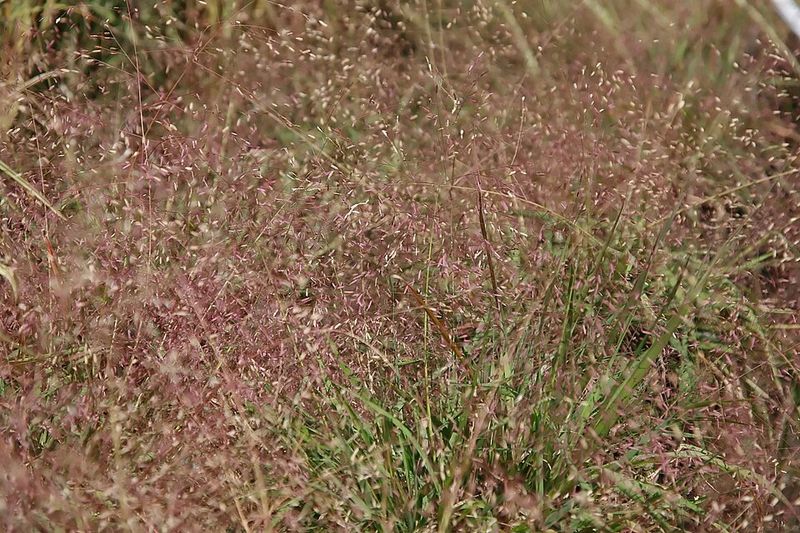
Purple lovegrass is a smart choice for gardeners who want a native grass that feels light rather than bulky.
In late summer, its airy purple-pink seed heads hover above short green foliage, creating a soft haze that looks especially good beside gravel, stone, and dry sunny borders.
It prefers full sun and well-drained soil that is on the dry or sandy side, which makes it a natural fit for lean Ohio planting areas with enough root space.
It is not meant for heavy foot traffic or compacted driveway gravel, but it can work beautifully beside paths, in gravel gardens, or on dry slopes.
Purple lovegrass grows as a bunchgrass and spreads slowly by rhizomes, so it is usually easier to manage than aggressive running grasses. Give young plants water during establishment, then keep care simple.
Too much fertility can reduce the spare, airy character that makes the plant useful. It combines well with Antennaria, butterfly weed, and lanceleaf coreopsis because it adds texture without blocking flowers.
Later in the season, the seed heads may loosen and move with the wind, which is part of its charm in a naturalistic planting. Use it where you want color, motion, and a softer edge around gravel.
It is best planted where the loose seed heads can drift visually without blocking walkways.
9. Little Bluestem Softens Gravel Garden Edges
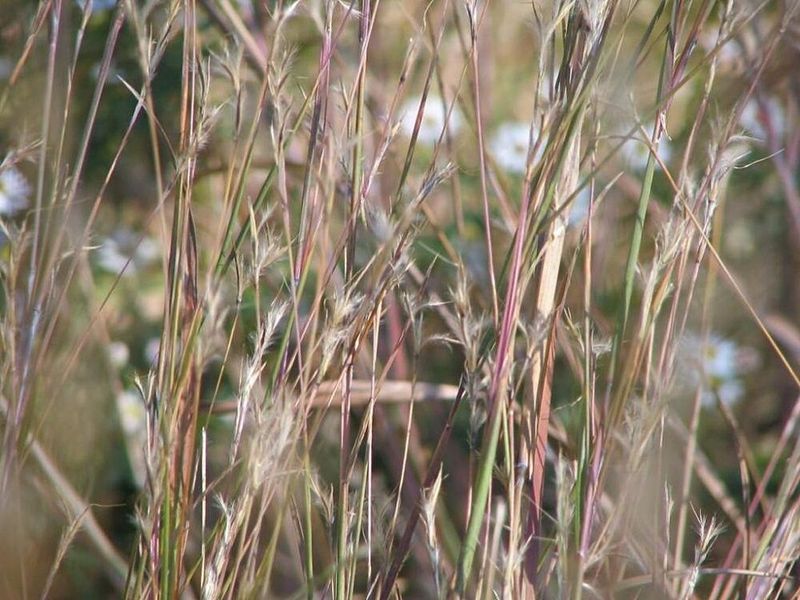
Little bluestem gives gravel gardens something flowers alone cannot provide: upright texture, late-season color, and movement.
This native warm-season grass works best in full sun and well-drained soil, and it often stays more compact in dry, lean sites than it does in rich garden beds.
That makes it a good choice for Ohio gravel-edge plantings, dry borders, and sunny slopes where plants need to handle heat and quick drainage. Young plants need watering while they establish, but mature clumps generally prefer a lighter touch.
Too much fertilizer or frequent irrigation can make the stems lean, so treat it like a prairie grass rather than a lawn plant. Its blue-green summer blades shift toward warmer tones later in the season, and the fine seed heads catch light without looking heavy.
Use little bluestem in groups of three or five along gravel paths, or mix it with butterfly weed and coreopsis for a dry native border. It is clump-forming, not a running grass, but seedlings may appear in open soil.
Those are usually easy to manage when small. Cut old growth back in late winter or early spring before new shoots rise.
It is especially helpful where a gravel bed needs structure after early flowers fade. Birds may use the seed, and the stems give winter texture if left standing.