The Underrated Texas Vegetable That Makes Summer Harvests Less Frustrating
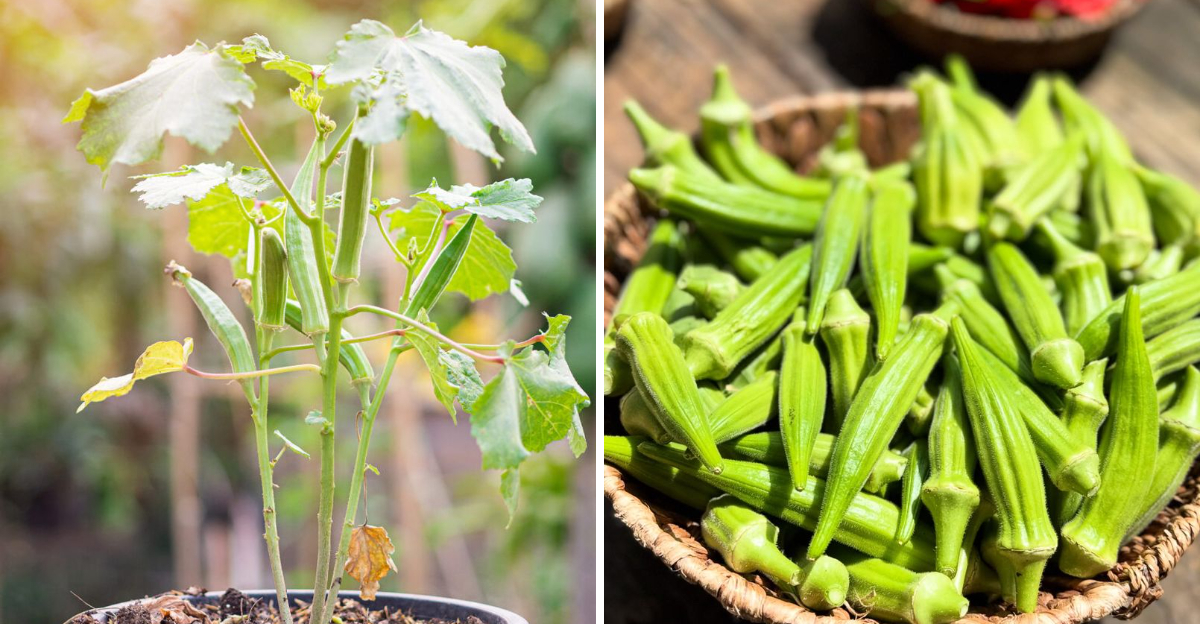
Texas summers have a way of humbling even experienced vegetable gardeners. The plants that were thriving in May start struggling in July, production drops off, and the harvest that felt so promising earlier in the season becomes a source of frustration rather than satisfaction.
Most gardeners respond by fighting harder against the heat, but there’s a smarter approach. Grow what the heat actually agrees with.
There’s one Texas vegetable that is dramatically underused in home gardens, and it happens to be one of the most reliable summer producers in the entire state. While tomatoes sulk and beans stall, this vegetable hits its stride when temperatures climb.
It loves the heat, handles drought better than almost anything else in the vegetable garden, and produces generously through the stretch of summer when most other crops are barely surviving. It’s also genuinely delicious, versatile in the kitchen, and easier to grow than most vegetables that get far more attention.
Here’s the underrated Texas summer vegetable that deserves a place in every home garden right now.
This Underrated Texas Vegetable Makes Summer Harvests Less Frustrating
Nobody talks about okra the way they talk about tomatoes or peppers, but maybe they should. While gardeners spend a lot of energy trying to keep other vegetables alive in the Texas heat, okra just keeps going.
It is one of those crops that seems almost unfazed by the kind of blazing summer days that make everything else look defeated.
Okra belongs to the mallow family, and it is closely related to hibiscus and cotton. That might explain why it looks so tough and handles heat so naturally.
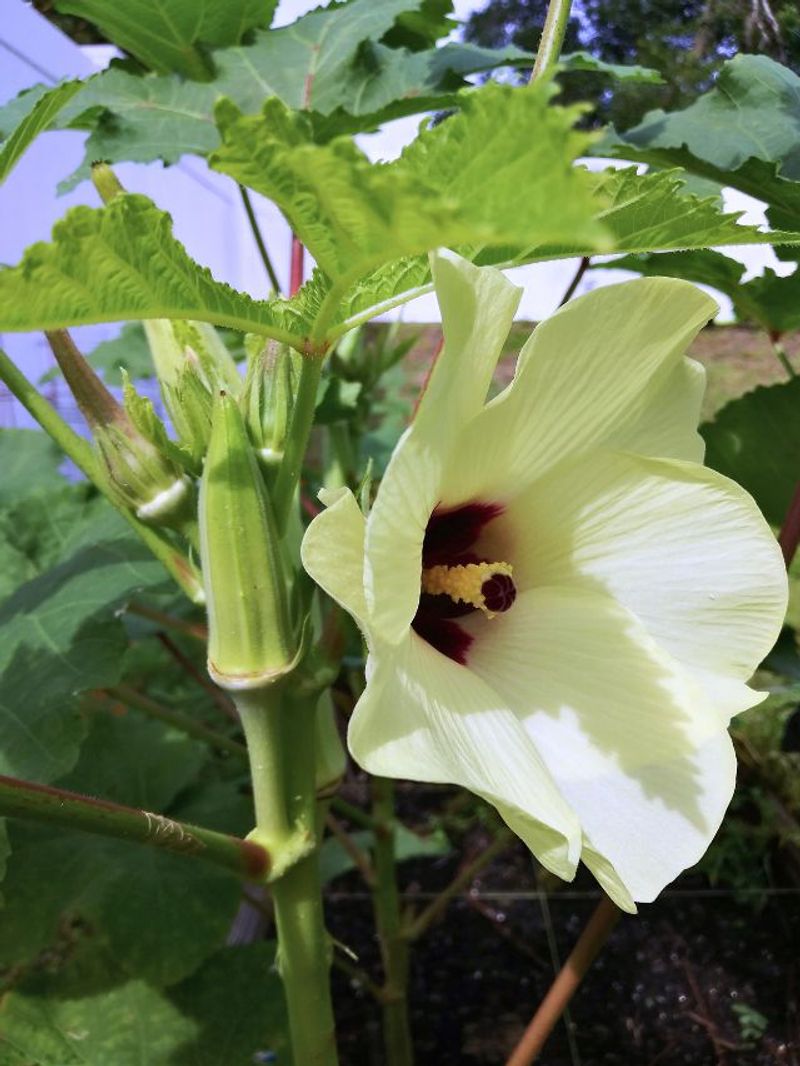
The plant can reach six feet tall or more, and its flowers are actually quite beautiful, creamy yellow with a deep purple center. Many gardeners do not even realize how good-looking the plant is until they grow it.
In Texas, where summer temperatures regularly climb past 100 degrees Fahrenheit, finding a vegetable that keeps producing is a genuine win. Okra is one of the few crops that not only tolerates those conditions but actually prefers them.
Hot soil and full sun are exactly what it needs to grow fast and produce well.
For gardeners who feel frustrated watching their summer garden slow down, okra is the answer. It fills the gap left by crops that fade in June and July.
It is productive, low-maintenance once established, and useful in the kitchen in many ways. Fried okra, stewed okra, pickled okra, and okra in gumbo are just a few options.
Planting okra in a Texas summer garden is one of the smartest decisions a home gardener can make.
Why Texas Summer Gardens Can Feel So Discouraging
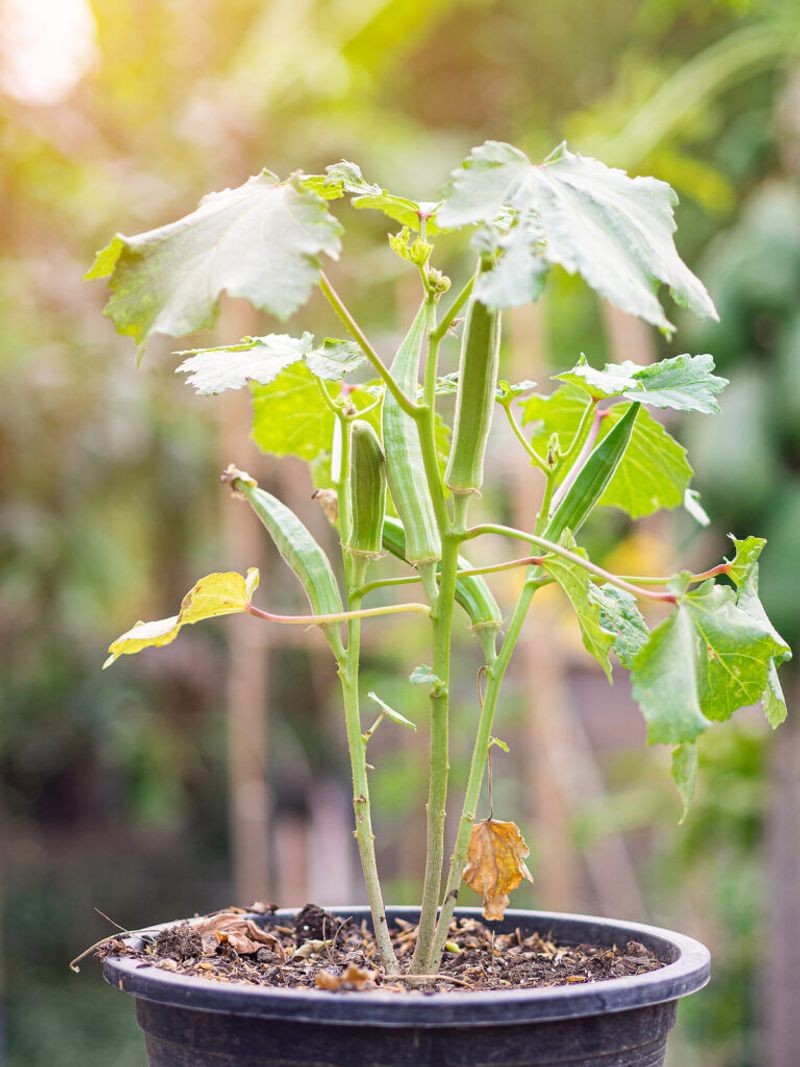
Anyone who has gardened in Texas through July knows the sinking feeling. You water carefully, you mulch, you do everything right, and still the garden starts falling apart.
The heat in Texas is not just warm, it is aggressive. Temperatures stay high day and night, and the soil can dry out within hours after watering.
Your Texas Garden Changes Every Week. Your Plan Should Too.
Gardening in Texas changes quickly throughout the season. Every Friday you’ll receive a simple weekly plan showing exactly what to plant, prune, fertilize, harvest, and protect so you never miss the right timing.
Tomatoes are one of the first to struggle. Once temperatures climb above 95 degrees consistently, tomato plants stop setting fruit.
The blossoms drop before they can develop. You can have a perfectly healthy-looking plant and still get almost no tomatoes during the hottest weeks.
That is one of the most discouraging things a gardener can experience after months of hard work.
Lettuce and spinach bolt quickly in the heat, turning bitter and sending up seed stalks almost overnight. Cucumbers slow way down and often start looking rough by midsummer.
Beans can stop producing when the heat gets intense, and cool-season crops are completely out of the picture until fall.
The problem is not that Texas gardeners are doing anything wrong. The problem is that many popular vegetables were simply not built for long, brutal Southern summers.
They come from regions with milder climates, and no amount of extra watering fully makes up for that mismatch. Gardeners end up feeling like failures when the real issue is just a crop selection problem.
That is exactly why choosing heat-tolerant crops matters so much. Picking the right vegetable for the right season can completely change how a Texas summer garden feels, and that starts with understanding what actually thrives in the heat.
Why Okra Handles The Heat So Well
Okra did not accidentally end up being a Southern staple. It earned that spot because it was built for exactly the kind of weather the South delivers.
Originally from northeastern Africa, okra evolved in a climate with intense heat, strong sun, and periods of dry weather. That history shows up in how the plant behaves in a Texas garden.
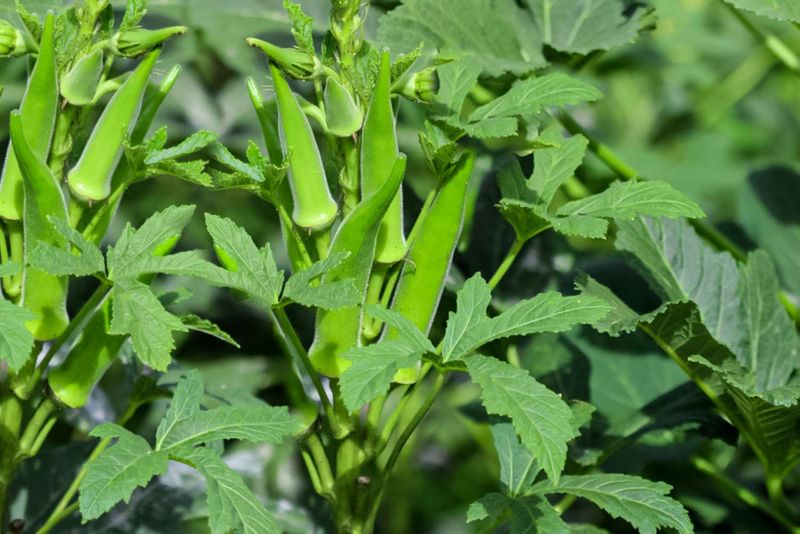
The leaves of an okra plant are large and slightly fuzzy. That texture helps the plant manage moisture and resist stress from the sun.
The root system is deep and strong, which means it can pull water from further down in the soil during dry spells. While shallow-rooted vegetables struggle when the top layer of soil dries out fast, okra keeps going because its roots go deeper.
Hot soil is actually a trigger for okra to grow faster. Seeds germinate best when soil temperatures are at least 65 degrees, and the plant really takes off when soil stays warm and consistently sunny.
In Texas, that condition arrives in late spring and stays through most of summer, giving okra a long window to produce.
Full sun is non-negotiable for okra. It wants at least eight hours of direct sunlight every day.
Shaded spots will slow it down and reduce yields noticeably. Fortunately, Texas summer gardens have no shortage of sun.
The same relentless sunshine that hurts tomatoes and cucumbers is exactly what okra is designed to absorb and use. Pairing the right plant with the right climate is the simplest gardening strategy there is, and with okra in a Texas summer, that pairing is nearly perfect.
How To Grow Okra For A Better Harvest
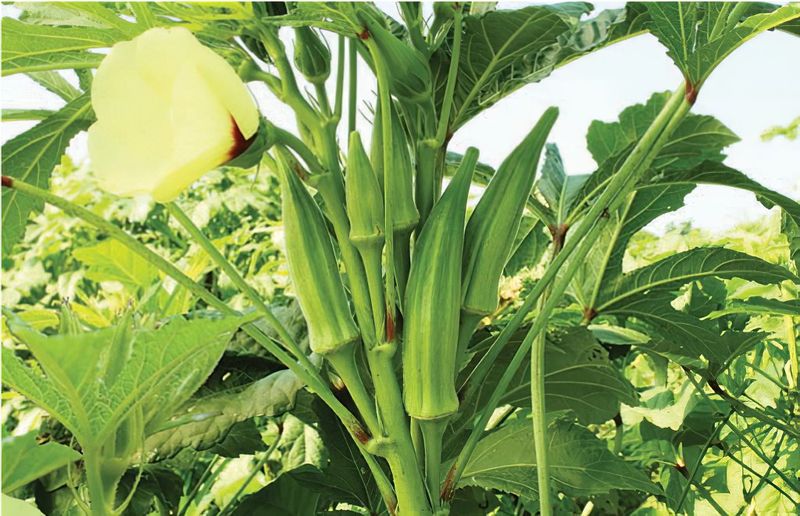
Getting okra started is not complicated, but a few smart choices early on can make a big difference in how well the plants produce all summer. Start with full sun.
Pick the sunniest spot in your garden, the place that gets direct light from morning to late afternoon. Okra planted in partial shade will grow slower and produce fewer pods.
Soil drainage matters a lot. Okra does not like sitting in waterlogged ground.
If your garden tends to hold water after rain, consider raising your beds slightly or mixing in compost to improve drainage. Well-drained, loose soil lets roots spread easily and helps prevent root rot during rainy stretches.
Spacing is another detail worth getting right. Okra plants can get big, sometimes reaching five to seven feet tall with wide leaves that spread out.
Planting them too close together creates competition and reduces airflow, which can lead to problems. Give each plant about 18 to 24 inches of space in every direction.
Water deeply during dry periods rather than giving light, frequent sprinkles. Deep watering encourages roots to grow downward, making the plant more drought-tolerant over time.
During rainy weeks, you may not need to water at all, but during dry Texas stretches, check the soil every few days.
Okra grows quickly once temperatures are warm and steady. Seeds planted in late April or May in Texas can be producing pods within 50 to 65 days.
Starting with transplants instead of seeds can speed things up by a couple of weeks if you want an earlier harvest. Either way, the payoff comes fast.
The Trick That Keeps Okra Productive
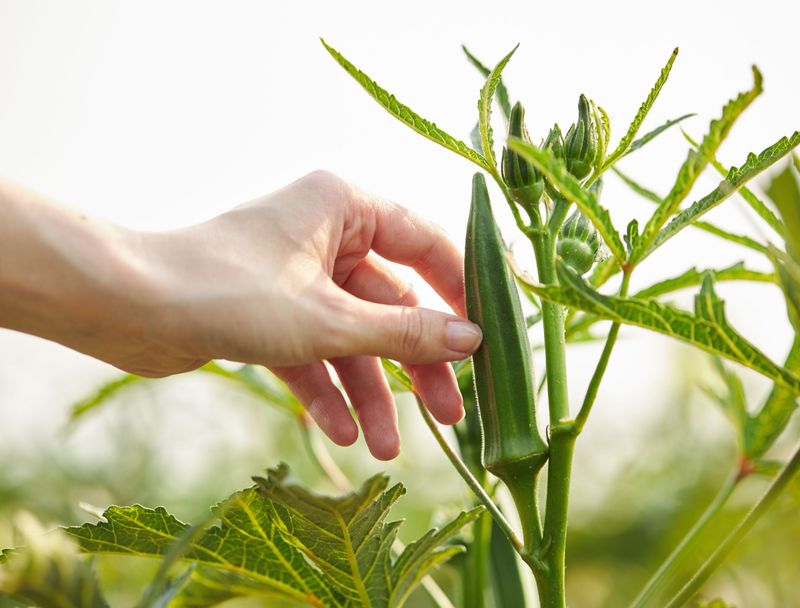
Here is the one habit that separates a gardener who gets a great okra harvest from one who ends up with a plant full of woody, oversized pods that nobody wants to eat. Pick your okra often.
That is it. That single habit keeps the plant producing all season long.
Okra pods grow fast, especially in hot weather. A pod that is the perfect size today can become too large and tough within just two or three days.
Once pods get too big, they turn fibrous and chewy, and they lose most of their appeal in the kitchen. Worse, leaving oversized pods on the plant signals to the plant that it has already done its job for that branch.
When the plant thinks its pods are mature and ready to drop seeds, it slows down or stops making new ones. But when you harvest pods while they are still young and tender, usually around two to four inches long depending on the variety, you are essentially telling the plant to keep working.
It responds by pushing out new flowers and new pods continuously.
Checking okra plants every day or every other day during peak season is a good habit. Bring a small basket or bag when you go out.
Wear gloves and long sleeves if you have sensitive skin, because the tiny spines on some okra varieties can cause mild irritation. A clean pair of garden scissors or pruning shears makes harvesting easier and cleaner than pulling by hand.
Staying on top of the harvest is the simplest and most effective way to keep your okra plants generous all summer long.
Why Okra Deserves More Respect In Texas Gardens
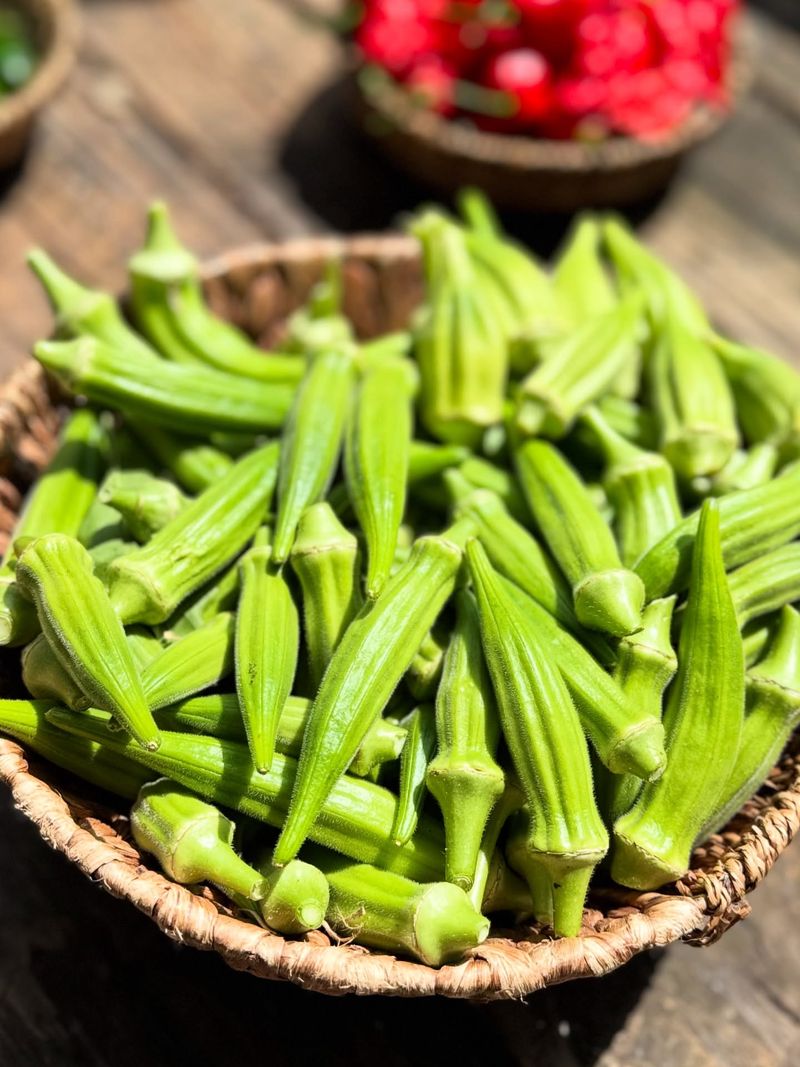
Somewhere along the way, okra got a reputation as a vegetable only certain people bother growing. Maybe it is the texture that puts some folks off, or maybe it just never got the attention it deserves.
But for Texas gardeners looking for a summer crop that actually delivers, okra is hard to beat.
Think about what a Texas summer garden needs most: something that produces consistently, handles extreme heat without complaint, and does not require constant fussing. Okra checks every one of those boxes.
While other vegetables fade or stall during the hardest weeks of summer, okra keeps flowering and fruiting week after week. That kind of reliability is genuinely valuable.
Beyond the garden, okra is useful in the kitchen in more ways than most people realize. It thickens soups and stews naturally because of its mucilaginous texture.
Roasted or grilled okra has a completely different character, slightly crispy and mild. Pickled okra is a Southern classic that works well as a snack or a side.
Breaded and pan-fried okra is a comfort food that generations of Texans grew up eating.
Nutritionally, okra brings plenty to the table too. It is a good source of fiber, vitamin C, and folate.
It is low in calories and easy to prepare. For families trying to eat more vegetables during summer, fresh okra from the garden is a fantastic option.
Any gardener who gives okra a fair chance will likely find themselves planting more of it the following year. It is the kind of crop that earns loyalty fast, especially in Texas, where the summer garden needs all the reliable help it can get.