The Georgia Composting Habit That Attracts More Pests Than It Solves
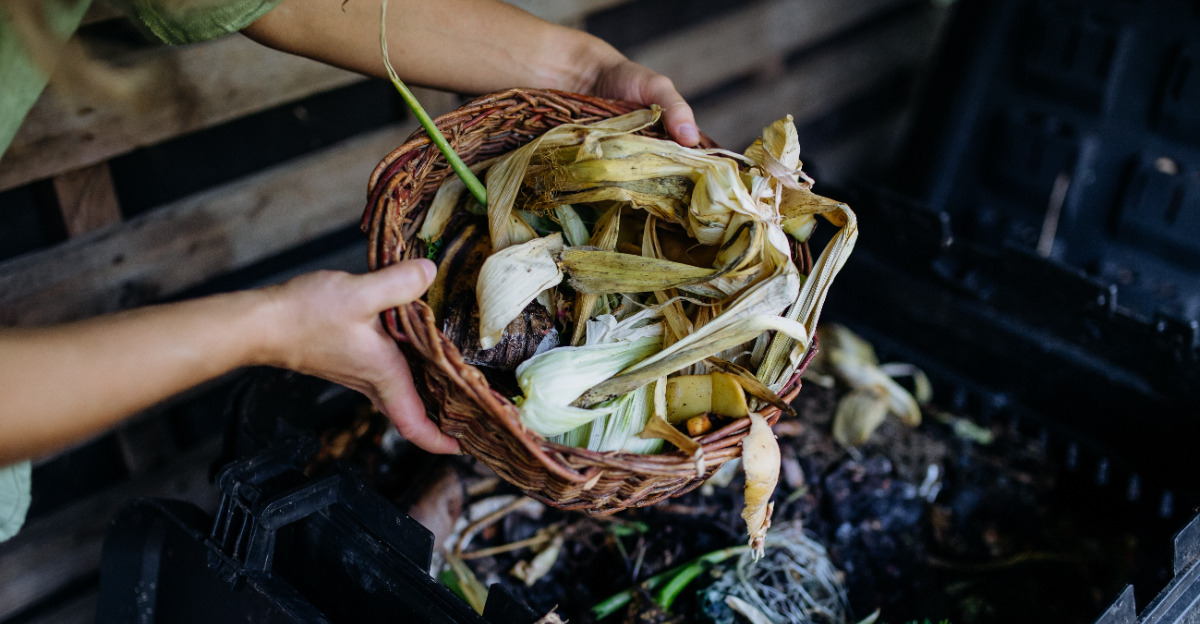
Compost should help your garden, not invite extra problems. One common habit does exactly the opposite.
It attracts unwanted visitors long before you notice anything is wrong. The good news is that fixing the problem is usually simple.
A few smarter choices can make a big difference.
Warm weather speeds up composting, but it also gives pests more opportunities to move in. Georgia gardens are especially vulnerable when food scraps stay exposed or the pile is poorly managed.
A healthy compost pile should break down naturally without becoming a feeding spot.
Learn which mistake causes the biggest trouble and how a few easy changes can keep your compost working the way it should. Your garden will be cleaner, healthier, and much easier to manage through the growing season.
1. Leaving Food Scraps Exposed Attracts Unwanted Pests
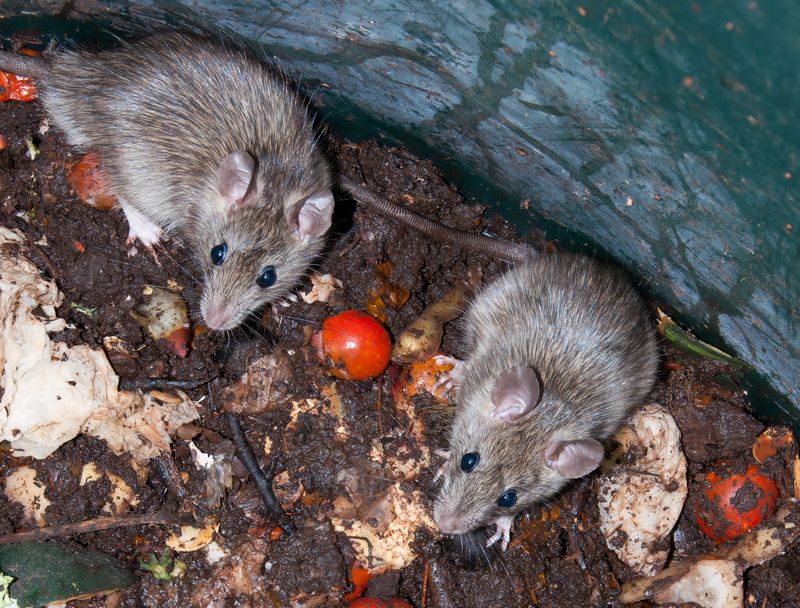
Exposed food scraps are basically an open dinner invitation for pests. Fruit flies, ants, rats, and raccoons can smell fresh organic material from surprisingly far away.
Leaving scraps sitting on top of your pile without any cover is one of the most common mistakes backyard composters make.
Warm temperatures in the South speed up decomposition, but they also speed up odor. Strong smells spread faster in heat and humidity, pulling in more pests than you would expect.
A pile that smells strongly of rotting fruit or vegetables is a red flag that scraps are sitting exposed for too long.
Burying your fresh scraps at least six to eight inches into the center of the pile helps reduce odor quickly. Cover them right away with existing compost material or a layer of dry leaves.
Doing this each time you add new scraps makes a noticeable difference within just a few days.
Pest problems from exposed scraps can build up gradually. You might not notice a serious issue until you already have a rat nest or a persistent fly swarm nearby.
Staying consistent with covering scraps each time you add them is the simplest habit that prevents most pest activity around your compost setup.
2. Cover Fresh Kitchen Scraps With Dry Materials
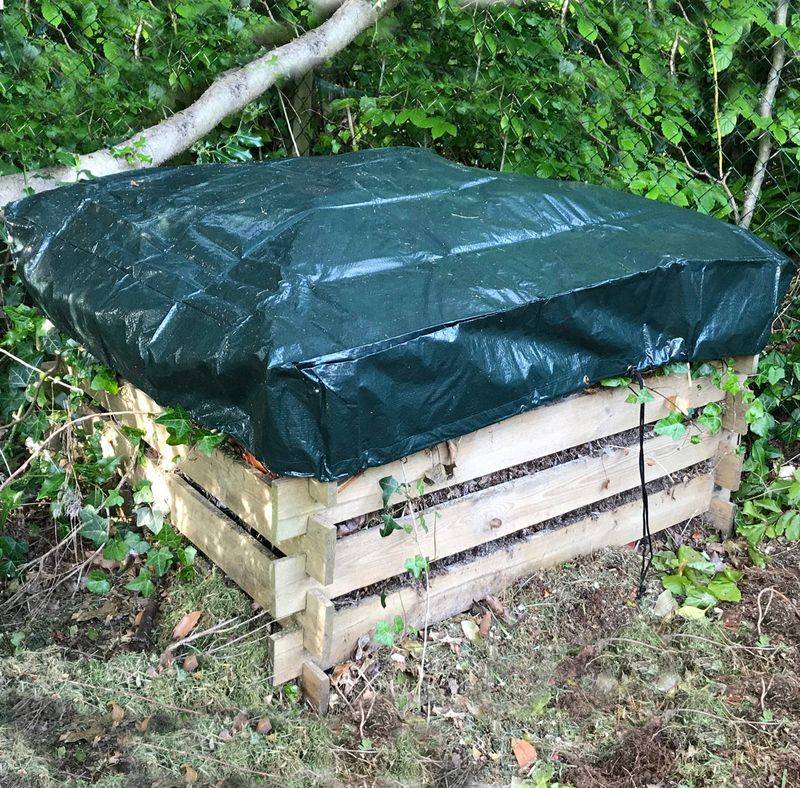
Dry materials are your best tool for keeping a compost pile from becoming a pest problem. Every time you add fresh kitchen scraps, layering dry materials on top traps odors and creates a natural barrier.
Dried leaves, straw, cardboard pieces, and wood chips all work well for this purpose.
Scraps left uncovered release strong smells almost immediately. A thin layer of dry browns, even just a few inches thick, cuts down on odor significantly.
Less smell means fewer pests sniffing around your yard looking for an easy meal.
Dry materials also help balance moisture in the pile. Fresh kitchen scraps are high in water content.
Without something dry to absorb some of that moisture, the pile can get soggy and start to smell sour. A soggy pile is also harder to turn and breaks down unevenly.
Keeping a small pile of dry leaves or straw right next to your compost bin makes the habit easier to stick with. You can grab a handful and toss it in right after adding scraps, without any extra effort.
Your Georgia Garden Changes Every Week. Your Plan Should Too.
Gardening in Georgia changes quickly throughout the season. Every Friday you’ll receive a simple weekly plan showing exactly what to plant, prune, fertilize, harvest, and protect so you never miss the right timing.
In Georgia’s hot summers, dry materials break down quickly too, so you may need to replenish your supply more often than you expect.
3. Avoid Adding Too Much Wet Organic Matter
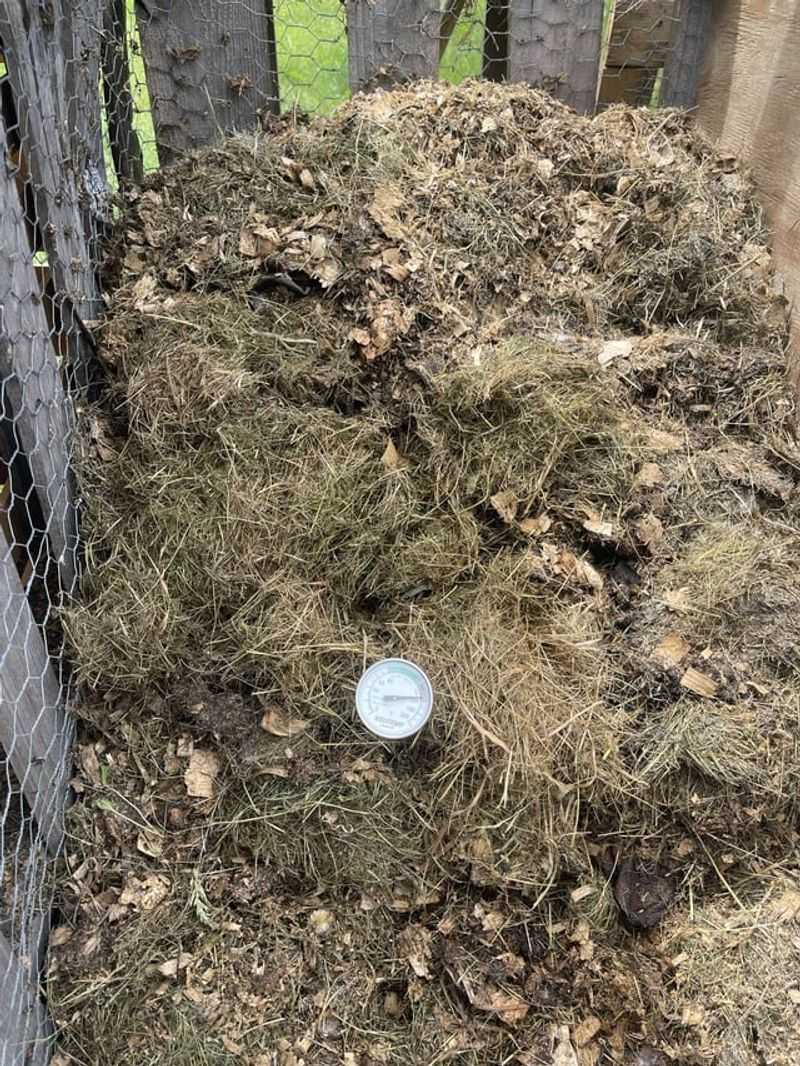
Wet compost piles are a magnet for trouble. Excess moisture creates the sour, rotten smell that draws gnats, fruit flies, and even larger scavengers.
Adding too much wet organic matter at once is one of the fastest ways to throw your compost pile off balance.
Grass clippings are a common culprit. A thick layer of fresh clippings clumps together, blocks airflow, and holds moisture like a sponge.
That wet, compacted layer creates an environment where pests thrive and beneficial breakdown slows down noticeably.
Watermelon rinds, overripe tomatoes, and other high-moisture scraps can have a similar effect when added in large amounts. Spreading them out and mixing them into the pile instead of dumping them all in one spot helps manage moisture levels more effectively.
A healthy compost pile should feel about as damp as a wrung-out sponge. If water drips out when you squeeze a handful of material, the pile is too wet.
Adding dry browns and turning the pile helps correct this faster than waiting it out. Keeping the moisture level in check is especially important during rainy stretches, which happen often across Georgia through spring and early summer.
4. Keep Meat And Dairy Out Of Backyard Compost
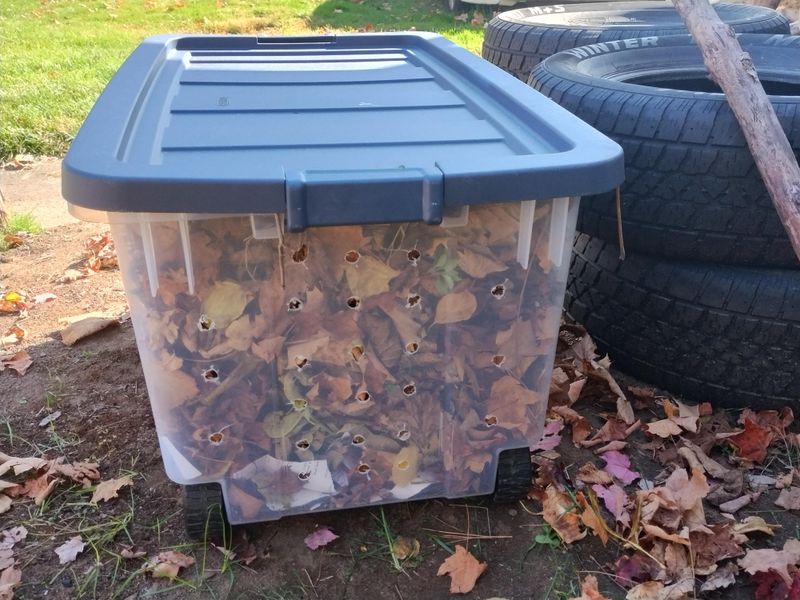
Meat and dairy do not belong in a standard backyard compost bin. Both break down slowly and release powerful odors that attract rats, opossums, raccoons, and other scavengers.
Even a small amount of meat buried in a pile can bring persistent wildlife activity to your yard within days.
Cooked meat scraps are especially problematic. Oils and fats from cooking cling to other materials in the pile and create long-lasting smells that spread widely.
Cheese rinds, butter, and leftover dairy products have a similar effect and are best kept out of the bin entirely.
Some industrial composting facilities can handle meat and dairy because they use high-temperature systems that break down materials fast.
Backyard bins rarely reach those temperatures consistently, which means meat and dairy linger much longer and create ongoing pest problems rather than useful compost.
Sticking to fruit and vegetable scraps, coffee grounds, eggshells, and yard waste keeps your pile manageable and far less attractive to wildlife. Eggshells are fine to include since they add calcium and break down without producing strong odors.
If you have meat or dairy scraps to get rid of, check whether your local municipality offers food scrap collection or a drop-off composting program.
5. Turn The Pile Regularly To Improve Breakdown
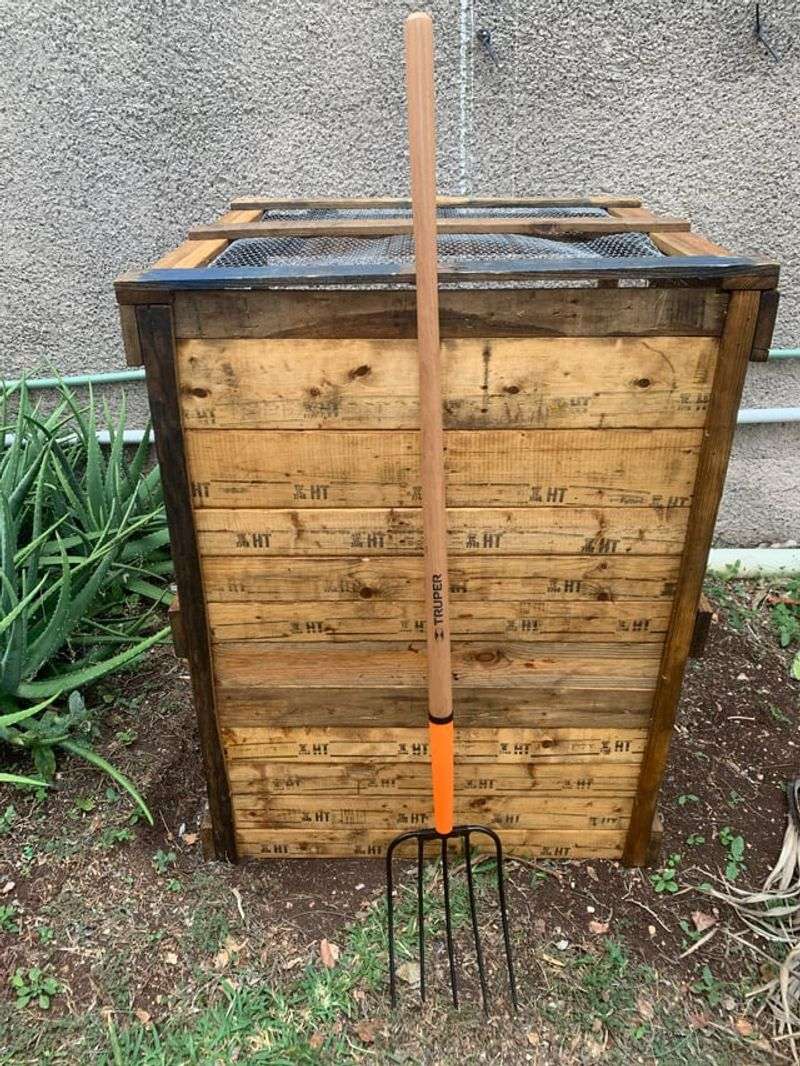
A compost pile that just sits still is a slow, smelly problem waiting to happen. Turning the pile introduces oxygen, which speeds up decomposition and reduces odors.
Less odor means fewer pests circling your yard looking for something to scavenge.
Turning also disrupts any pest activity that has already started. Fly larvae, ants, and other insects that have moved into undisturbed sections of the pile get exposed and scattered when you turn the material regularly.
It is not a guaranteed fix, but it significantly reduces the chance of a serious infestation taking hold.
Aim to turn your pile at least once a week during warmer months. Heat builds up inside an active pile, and regular turning spreads that heat evenly throughout the material.
Even heat distribution speeds up the breakdown of scraps and helps reduce the wet, cool pockets where pests tend to settle.
A pitchfork or compost aerator tool makes turning easier and faster. Moving material from the outer edges toward the center each time ensures that everything gets exposed to heat and airflow over time.
During Georgia’s long warm season, an actively turned pile can produce finished compost much faster than a neglected one.
6. Use A Covered Bin To Limit Access
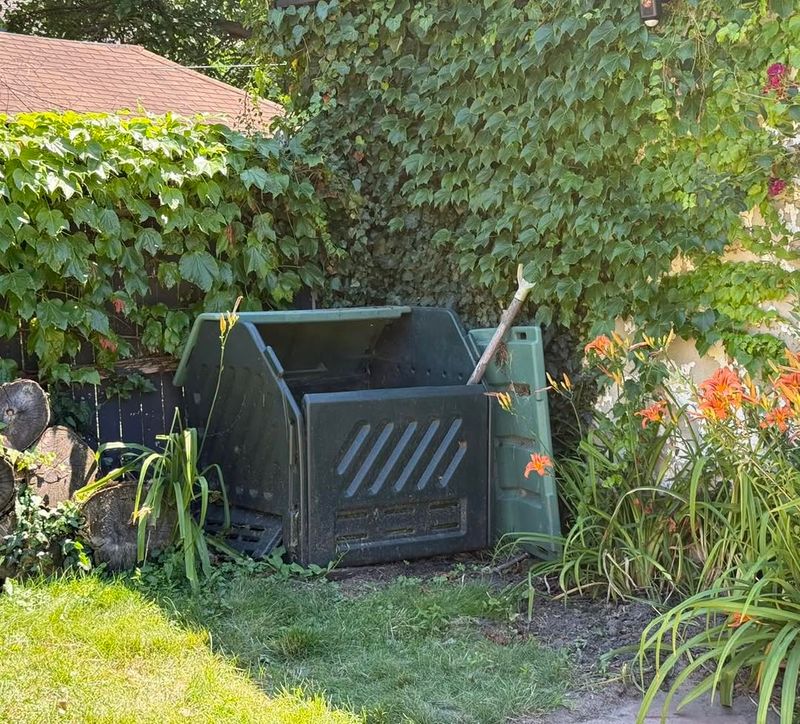
An open compost pile works fine in some situations, but in areas with active wildlife, a covered bin is a smarter setup. Raccoons, opossums, and rats are bold scavengers.
An open pile gives them easy access to fresh scraps with no effort required on their part.
Covered bins with secure lids create a physical barrier that most common backyard pests cannot easily get through.
Locking lids are especially useful in neighborhoods where raccoons are active, since raccoons are clever enough to lift basic covers without much trouble.
A bin that snaps or locks shut takes that option off the table.
Ventilation still matters even with a covered bin. Compost needs airflow to break down properly.
Look for bins with ventilation slots or holes along the sides rather than solid walls with no gaps. Airflow keeps the pile active and reduces the moisture buildup that leads to sour smells and pest attraction.
Placement matters too. Positioning your covered bin away from fences, trees, or structures that wildlife uses to travel through your yard reduces how often pests encounter it.
Keeping the outside of the bin clean and free of food residue also helps.
7. Balance Green And Brown Materials For Better Compost
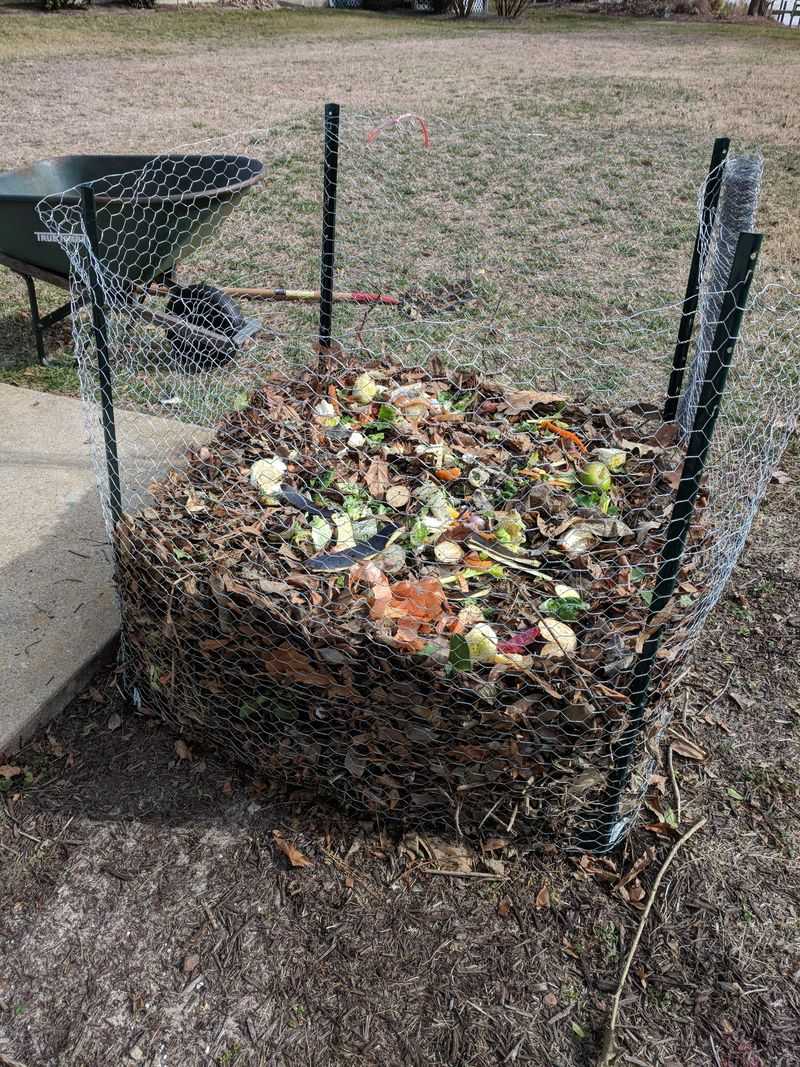
Getting the green-to-brown ratio right is one of the most practical things you can do for a healthy compost pile. Green materials bring nitrogen and moisture.
Brown materials bring carbon and structure. Without enough browns, the pile gets wet, clumped, and smelly fast.
A rough target of two to three parts brown to one part green works well for most backyard setups.
You do not need to measure precisely, but keeping that general balance in mind each time you add material makes a real difference in how the pile smells and how quickly it breaks down.
Dry leaves are one of the easiest brown materials to collect and store. Bagging leaves in fall and keeping them near the compost bin gives you a ready supply all year.
Cardboard torn into small pieces, paper bags, and wood chips also count as effective brown materials when dry leaves are not available.
Piles that are too heavy on greens tend to produce ammonia smells and attract flies in large numbers. Correcting the balance by adding a generous layer of browns and turning the pile usually improves the situation within a week or so.
Across Georgia’s growing season, gardeners often add more green material than they realize, especially when grass is growing fast.