Why More North Carolina Homeowners Are Adding Owl Houses And Watching Their Rodent Problems Vanish
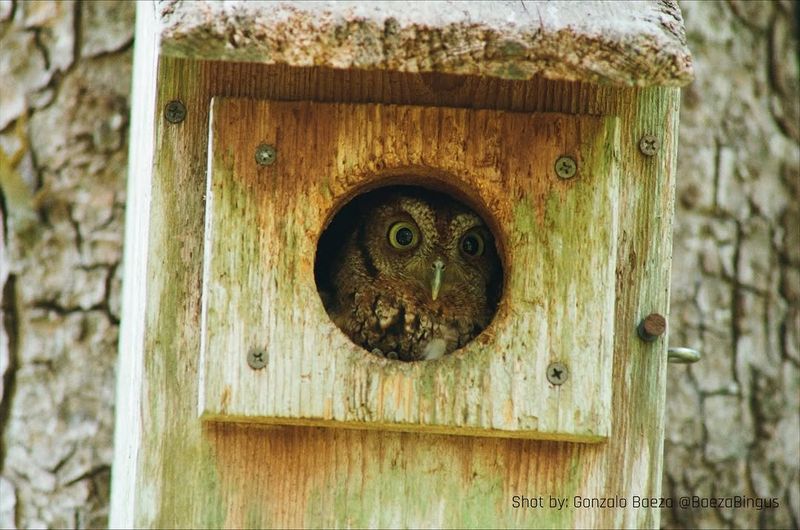
Hang a wooden box on a tree in your backyard and a wild owl might move in, hunt your yard all night, and chip away at the mice and voles making your garden a mess. That is the promise behind owl nest boxes, and it is genuinely appealing, especially for North Carolina homeowners who would rather not reach for poison. The honest version is a little more complicated, and it is actually more interesting too. A box can support native owls and add real predation pressure against outdoor rodents, but it works best as one piece of a bigger plan, not a guaranteed fix.
An Owl Box May Help, But It Cannot Erase Rodents
Somewhere between the hardware store and the backyard fence post, the idea of an owl box picks up a lot of extra promises. You will see claims about rodents vanishing overnight, about round-the-clock pest control, about a whole neighborhood’s worth of mice disappearing after one good nesting season. The actual picture is more grounded, and that is not a bad thing.
North Carolina supports several cavity-nesting owl species, including Eastern Screech-Owls, Barred Owls, and Barn Owls. Each one has real habitat preferences, prey needs, and territory requirements that determine whether a box in your yard ever becomes a home. NC State Extension’s owl management guidance recommends nest boxes as one recognized tool alongside maintaining habitat and prey-supporting cover, not as a replacement for other strategies.
A correctly designed and safely placed box may attract a native owl and add predation pressure against some outdoor rodents, especially where suitable habitat already exists nearby. The strongest research evidence comes from agricultural settings, and even there the results are conditional. A 2026 California vineyard study found barn owls were associated with a 38% to 52% reduction in measured rodent abundance across six study sites, which is meaningful, but six vineyards are not a North Carolina subdivision.
Think of an owl box as one wildlife-support layer in a broader plan. It pairs with sanitation, exclusion, secured food storage, and safe trapping to give you a genuinely stronger approach than any single method alone. The box does not make rodents vanish, but a resident owl hunting your yard on its own schedule is still something worth having.
Let Your Landscape Choose the Owl
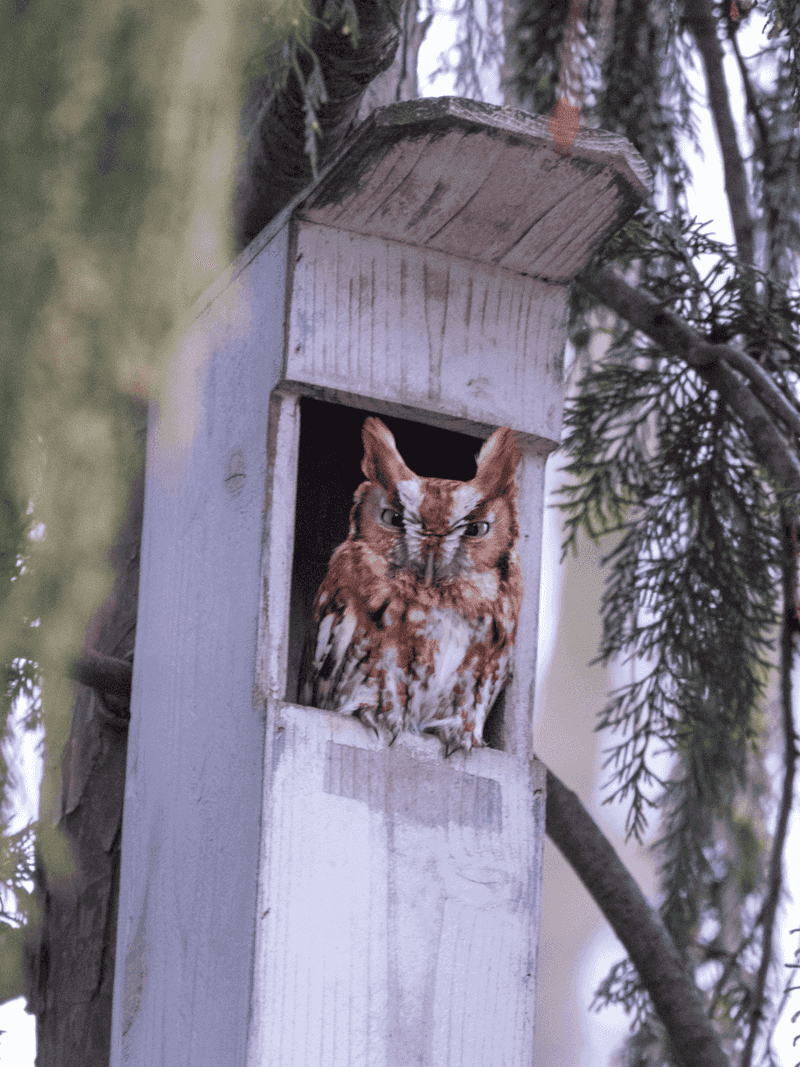
Before you buy a box, walk your yard and look at what surrounds it. The landscape around you does most of the choosing, because different owl species need very different conditions to hunt and nest successfully.
Eastern Screech-Owls are the most realistic target for many North Carolina backyards, especially in wooded Piedmont neighborhoods, suburban parks, and mixed-canopy yards from the Sandhills to the mountain foothills. Cornell Lab’s Eastern Screech-Owl life history describes a bird that uses forests, suburbs, and farmland alike, hunting a surprisingly broad menu that includes mice, rats, moles, insects, crayfish, frogs, lizards, and small birds. Do not expect rodent-only service. These birds are opportunists, and that wide diet is part of what makes them so adaptable to yards with a mix of cover.
Your North Carolina Garden Changes Every Week. Your Plan Should Too.
Gardening in North Carolina changes quickly throughout the season. Every Friday you’ll receive a simple weekly plan showing exactly what to plant, prune, fertilize, harvest, and protect so you never miss the right timing.
Barn Owls are a different story. Cornell’s Barn Owl profile describes a low-flying nocturnal hunter that needs large open areas, such as fields, pastures, marshes, and agricultural edges, to forage effectively. If you are farming in the Coastal Plain or managing a property with significant open acreage, a Barn Owl box may be worth considering. A typical suburban lot with fences, shrubs, and neighbors on three sides is not the right fit.
Barred Owls are genuinely impressive birds, but they belong to mature forest settings with large territories. They are not routine backyard pest-control candidates, and treating them as such sets up an expectation the habitat cannot meet.
Check for nearby cover, open flight paths, road traffic, bright nighttime lighting, and household activity before committing to a species. A yard that already has mice, trees, and some quiet darkness is already partway there.
Choose One Box Design and Place It Safely
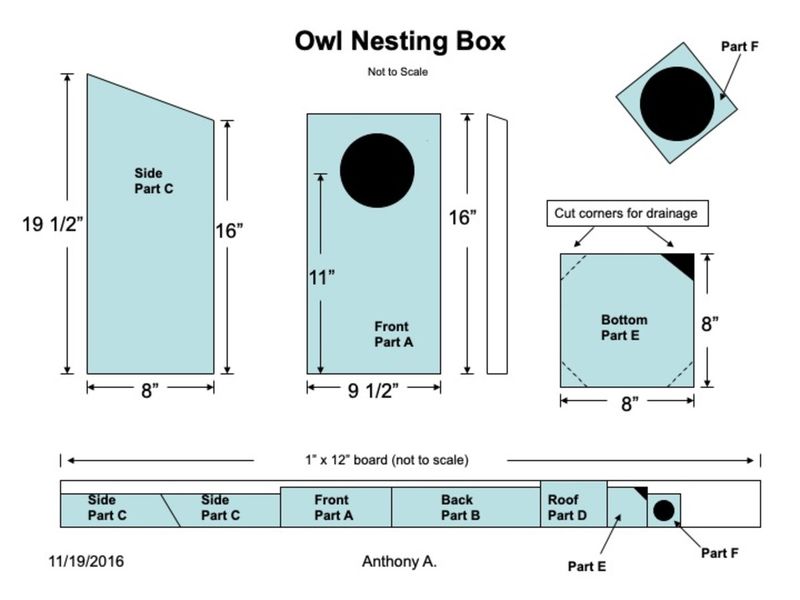
Hardware stores and wildlife supply sites sell a lot of owl boxes, and the dimensions vary more than you might expect. Mixing measurements from different species-specific plans is one of the most common ways a box ends up empty for years. Pick one authoritative design and stick with it.
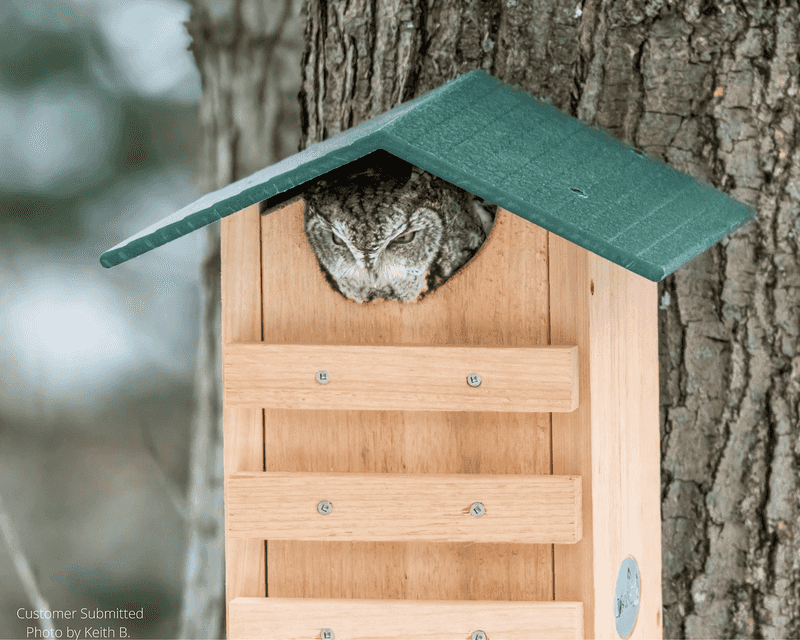
For Eastern Screech-Owls, NC State’s backyard habitat guide for birds specifies an 8-by-8-inch floor, a 3-inch entrance hole, a box height of 9 to 12 inches, and a mounting range of 10 to 30 feet. Those numbers matter. A hole that is too large invites larger birds or squirrels. A box that is too small will not be used.
Build or buy to those dimensions and you are starting on solid footing.
Construction quality counts as much as size. Use weather-resistant wood such as cedar or exterior-grade plywood, add drainage holes in the floor, slope the roof so rain runs off, and make sure the entrance is clear of branches or debris that could block a bird coming in at speed. A predator guard on the mounting pole or post keeps raccoons and climbing snakes from raiding the box.
Barn Owl boxes require a larger cavity and a different entrance size entirely, and the farmland placement guidance developed for them needs careful adaptation before applying it to a North Carolina residential property.
Utah State University Extension’s farmland wildlife guidance recommends clear flight access, a height of 15 to 30 feet, and a north- or east-facing entrance to reduce afternoon heat buildup. Those recommendations were designed for open agricultural land, so treat them as context rather than a direct prescription for a backyard.Install the box before the local breeding season gets underway, typically late winter in the Piedmont. If the box sits empty through the first spring and summer, that is not failure. Give it several seasons before reconsidering placement.
Build the Habitat Around the Box
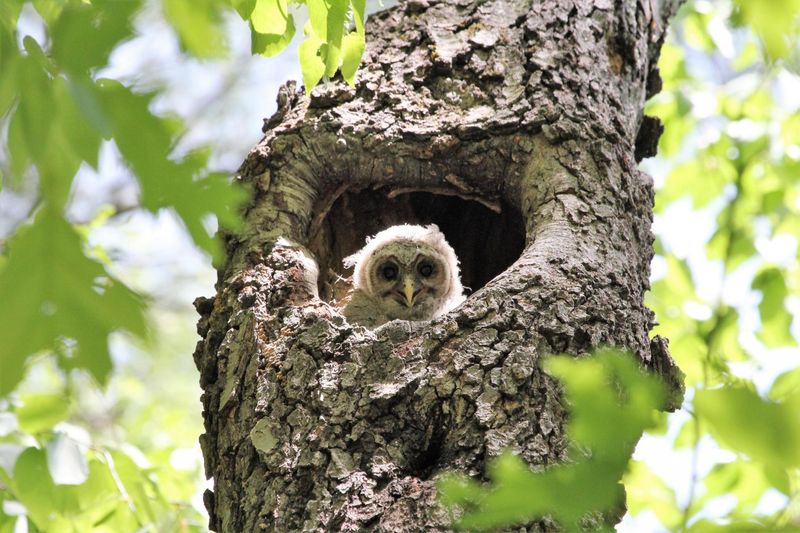
A well-built box in a tightly mowed, brightly lit, chemically treated yard is mostly a decorative item. Owls do not move into a neighborhood just because there is a cavity available. They move in because the territory offers what they need: prey to hunt, cover to roost in, and safe access to the entrance.
NC State’s owl management publication recommends maintaining a diversity of habitats, retaining safe snags where practical, and creating cover that supports the prey species owls depend on. A yard with native understory shrubs, leaf litter, a brushy edge, and a few mature trees gives a screech-owl the kind of layered environment where hunting is actually worthwhile.
This plays out differently depending on where you live in North Carolina. Wooded Piedmont suburbs with oak and hickory canopy already provide a lot of what screech-owls want. Open Coastal Plain properties near farm edges or marsh borders may be better suited to Barn Owls if the acreage supports it. Mountain woodland yards with mature forest nearby have their own mix of possibilities, though competition from natural cavities may mean a box takes longer to attract a tenant.
Here is where it gets tricky. A box mimics a natural cavity, and natural cavities attract more than owls. Squirrels, other cavity-nesting birds, or competing species may claim the box first. Utah State’s farmland wildlife guidance notes that boxes are often left unused in a given year and recommends installing more than one box when higher occupancy odds matter across a large property.
Observe from a distance and give the box time. Not every pellet on the ground below means a nesting owl, and not every nighttime call means a permanent resident. Patience is actually part of the process.
The Rodent Evidence Supports a Smaller Promise
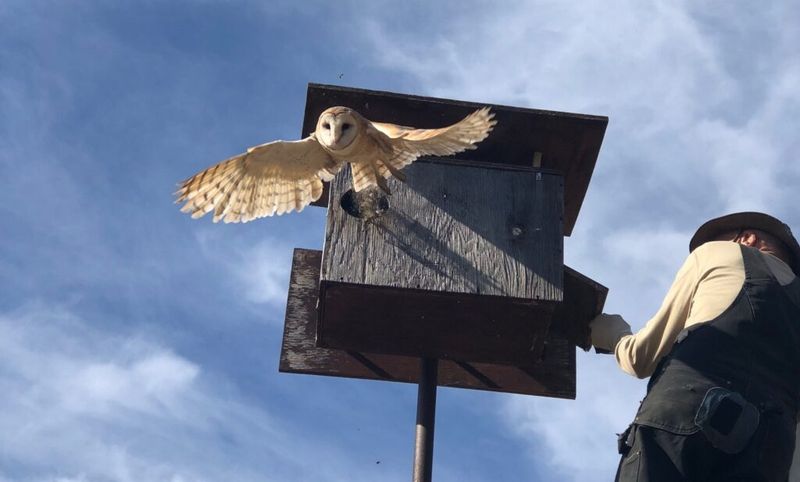
The pest-control case for owl boxes is real, but it comes with geography attached. The strongest evidence right now comes from farmland, not suburban backyards, and knowing that difference helps you set honest expectations.
A 2026 peer-reviewed study on barn owls and rodent pest suppression found that barn-owl activity was associated with a 38% to 52% reduction in measured rodent abundance across the study’s range of hunting pressure. That is a meaningful result. It was also measured across six California vineyards, not residential lots in Raleigh or Wilmington. Applying that percentage to a quarter-acre yard with a single box would stretch the finding well past what the data can support.
Earlier research adds another layer of caution. A study examining barn owl diet and vertebrate pest control implications noted that few published studies have directly measured whether artificial nest boxes produce long-term, economically meaningful rodent control. Owls genuinely consume large numbers of rodents. Reducing prey numbers is a different thing from eliminating a rodent problem, and those two outcomes are easy to conflate.
Nocturnal hunting does concentrate near a nest, especially when adults are feeding young and making many trips per night. But Cornell’s Barn Owl account makes clear that these birds need large open areas to forage effectively. A box cannot extend an owl’s range beyond what the surrounding habitat supports, and it cannot send a bird into a crawl space, a garage wall, or a kitchen cabinet.
The accurate expectation is this: a resident owl in a yard with suitable habitat and active prey may add meaningful outdoor predation pressure over time. That is genuinely useful. It is not a guaranteed percentage, a predictable timeline, or a complete solution on its own.
Keep the Box Low-Maintenance, Not Hands-Off
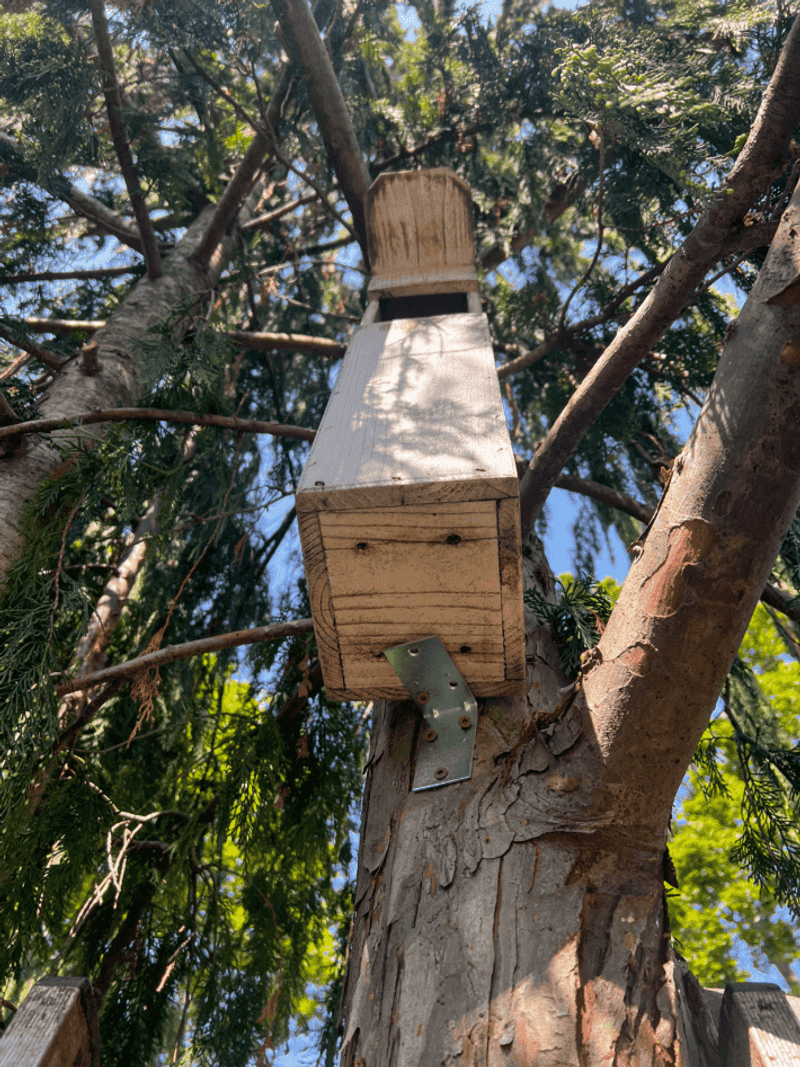
An owl box is not a set-it-and-forget-it appliance, but it is also not something you should be fussing with every month. The care it needs is minimal and well-timed, and getting the timing wrong causes more harm than skipping maintenance entirely.
Inspect, repair, and clean the box only when you are certain it is unoccupied. Late fall and early winter, after the breeding season ends and before the next one begins, is the right window for most of North Carolina. Remove old nesting material, check for rot or loose hardware, and make sure the entrance is still clear and the drainage holes are open. Utah State Extension’s farmland wildlife guidance recommends waiting several years before relocating an unused box, because a box that sits quiet for one or two seasons may still attract a bird in year three or four.
Once a box is occupied, leave it alone. Active nests, eggs, nestlings, and dependent young are protected under federal law. U.S. Fish and Wildlife Service guidance on bird nests is clear: do not disturb active nests, and seek qualified wildlife assistance if a nest creates a genuine problem you cannot work around.
That means no climbing up to peek inside during spring. No removing pellets or nesting material while birds are present. No relocating a box after residents have arrived. If owlets end up on the ground near a nest, resist the instinct to handle them.
Young owls sometimes leave the nest before they can fly well, and the parents are usually still nearby.
Keep ladders, curious kids, and pets away from the area during nesting season. A predator guard on the pole protects the birds and removes a lot of the temptation to intervene. If something genuinely goes wrong, a local wildlife rehabilitator or NC State Extension office is the right first call.
Prevent Indoor Rodents Without Poisoning Owls
An owl hunting your yard at night is a genuine asset. It cannot crawl into your attic, follow a rat through a gap behind your dryer, or patrol the inside of a garden shed. Outdoor predation and indoor rodent control are two separate problems, and they need separate solutions.
Start with the conditions that make your home inviting. NC State Extension’s wildlife management chapter recommends storing birdseed, pet food, and livestock feed in metal containers, cleaning up spilled seed promptly, securing garbage lids, and reducing clutter in outbuildings where rodents like to nest. Those steps address the food and shelter that sustain populations far more reliably than any predator can.
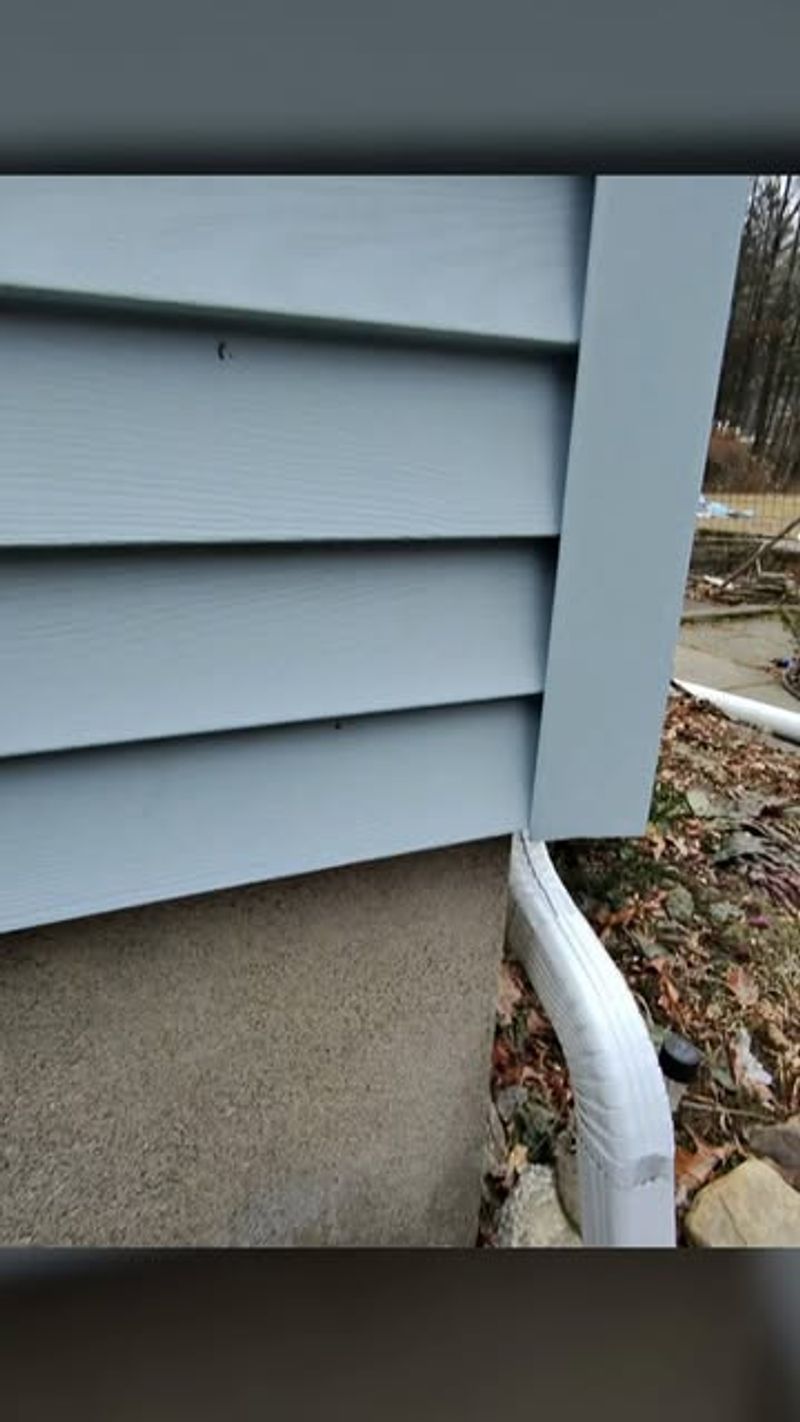
Exclusion is the other half of the equation. NC State’s rat management guidance notes that young rats can squeeze through gaps as small as one-quarter inch, and adults need only about one-half inch. Walk the foundation, check where pipes and utility lines enter the structure, and seal openings with hardware cloth, steel wool, or caulk before rodents find them. Fixing entry points is the only step that actually stops an indoor infestation from rebuilding after every removal effort.
For rodents already inside, snap traps placed where children and pets cannot reach them are the safest effective option. Avoid rodenticides anywhere near your owl box or hunting territory. The EPA’s rodenticide reregistration assessment and EPA documentation on secondary poisoning risks to barn owls both identify the exposure risk that occurs when a raptor eats a poisoned rodent. A box that attracts a healthy owl and a yard treated with anticoagulant bait are working against each other.
Put the pieces together and the picture is actually encouraging. A well-placed owl box, a yard with diverse native cover, secured food sources, sealed entry points, and carefully placed traps give you a layered approach that is stronger than any single method. The owl is a welcome part of that system, just not the part responsible for what happens inside your walls.