Never Ignore These Signs Of Heat Stress In Your North Carolina Garden This August
Heat stress can quietly damage a North Carolina garden long before wilting becomes obvious, making early signs especially important to catch.
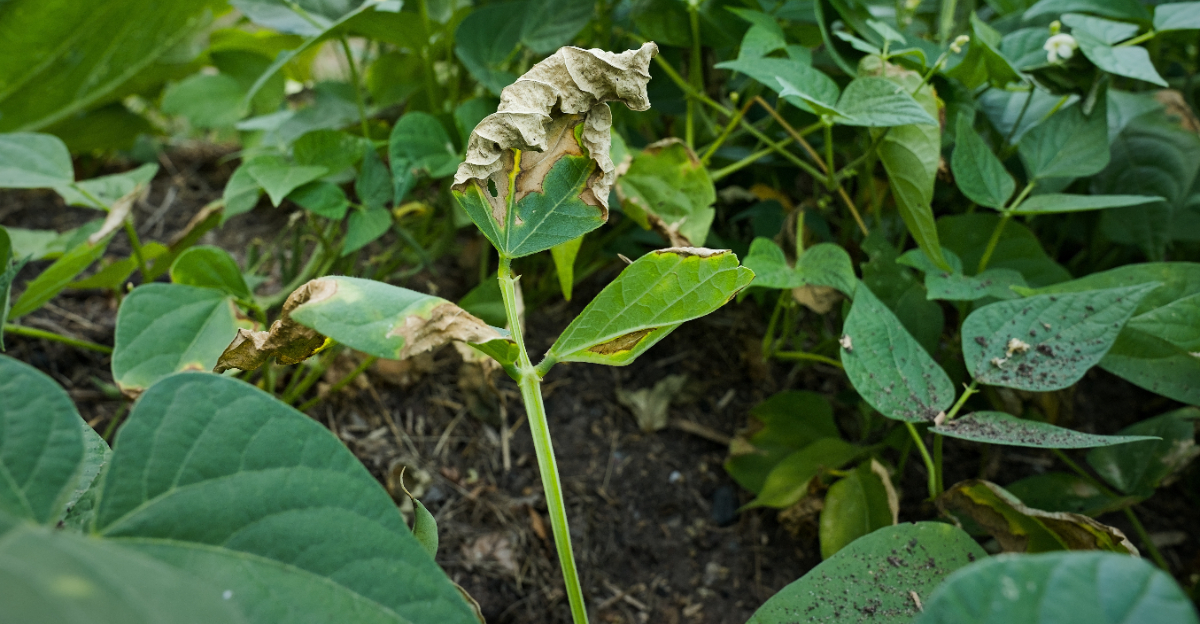
Leaves that curl inward or develop a slightly grayish tint often indicate plants are struggling to retain moisture during intense afternoon heat.
Flowers dropping before fully opening is another common sign, as plants redirect energy away from blooming during periods of extreme stress.
Soil that pulls away from the edges of a container or raised bed signals moisture loss severe enough to affect root health.
Stunted growth, even in plants receiving regular water, can point to roots overheating in soil that stays too warm throughout the day.
Checking plants during early morning, before heat sets in, often reveals stress signs more clearly than checking during peak afternoon hours.
Providing temporary shade cloth during the worst heat waves helps vulnerable plants recover more quickly. Catching these signs early prevents long term damage that becomes much harder to reverse later in the season.
1. Wilting That Continues Into The Evening Needs Attention
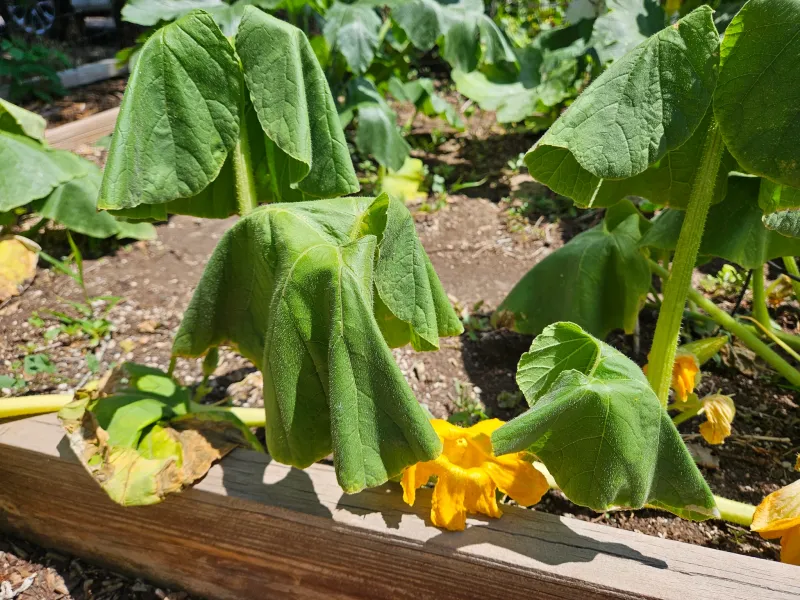
You might walk out to your garden on a sweltering August afternoon and find your plants looking completely defeated, leaves hanging low and stems going limp. That sight can feel alarming, but not all wilting is a crisis.
During the hottest part of the day, plants sometimes lose water through their leaves faster than their roots can pull it back up from the soil, causing that familiar droop.
The real signal to watch for is wilting that sticks around after the sun goes down. A healthy plant usually perks back up once evening temperatures cool things off.
If your plants are still drooping after sunset or look limp again first thing in the morning, that pattern tells you something more serious may be going on beneath the surface.
Before you reach for the hose, check your soil a few inches down by pushing a finger or a screwdriver into the ground near the root zone. Soggy soil and dry soil can both cause wilting, so knowing which one you are dealing with matters.
When the soil genuinely feels dry several inches below the surface, water slowly and deeply around the root zone rather than giving the surface a quick splash.
Deep watering encourages roots to grow downward, which actually helps plants handle future heat better on their own.
2. Brown Crispy Leaf Edges Can Signal Water Stress
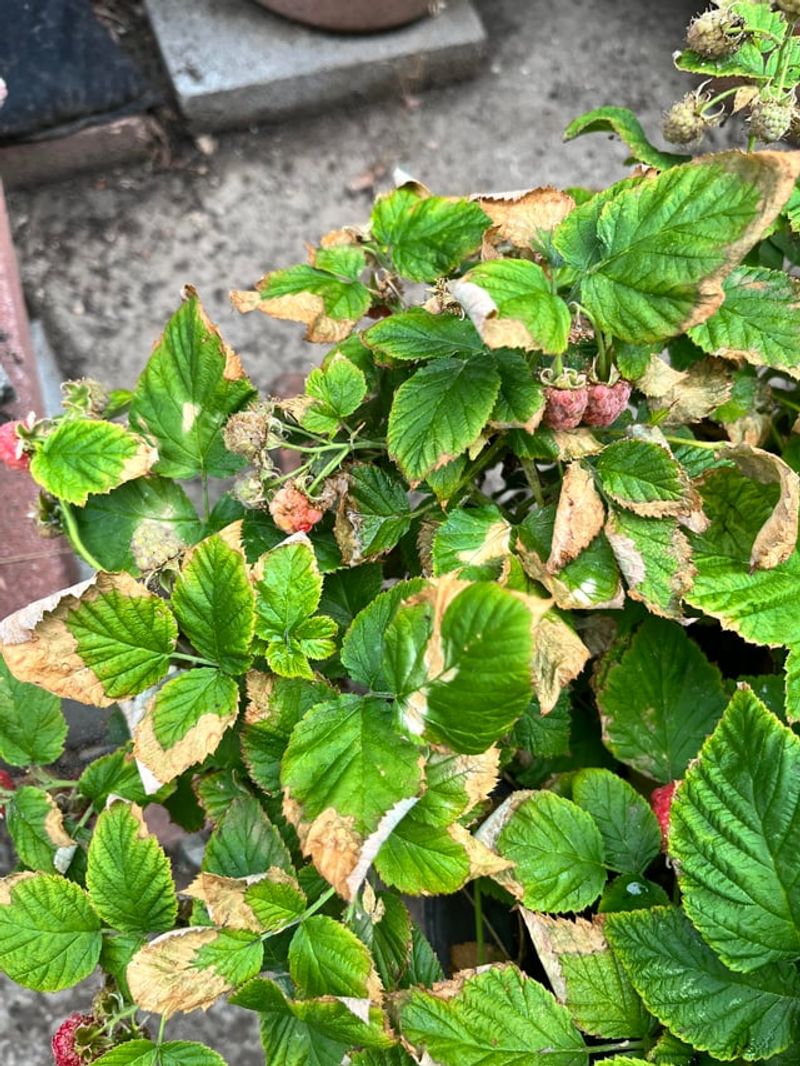
There is something unmistakable about a leaf with brown, papery edges curling inward like it has been held too close to a flame.
Gardeners call this leaf scorch, and it shows up when plants lose water faster than they can replace it during intense summer heat.
The damage starts along the tips and margins of leaves because those outer edges are the furthest from the plant’s water supply.
Trees, shrubs, vegetables, and ornamental plants can all develop scorch symptoms during a brutal North Carolina August.
Once those brown edges appear, the tissue is permanently damaged and will not turn green again, so catching moisture stress early really does matter.
Your North Carolina Garden Changes Every Week. Your Plan Should Too.
Gardening in North Carolina changes quickly throughout the season. Every Friday you’ll receive a simple weekly plan showing exactly what to plant, prune, fertilize, harvest, and protect so you never miss the right timing.
Browning at the leaf margins is the plant’s way of sacrificing its edges to protect its core. Before assuming heat and drought are responsible, take a careful look at the whole picture.
Check how often and how deeply you have been watering, inspect the root zone for any signs of rot or compaction, and think about whether you recently applied fertilizer, which can sometimes burn roots and cause similar symptoms.
Disease can also produce brown leaf margins, so ruling out other causes helps you treat the right problem.
When drought is the culprit, increase deep watering sessions and consider adding a layer of mulch around the base of plants to slow moisture loss from the soil surface between waterings.
3. Yellow Leaves And Early Leaf Drop Can Reveal Deeper Stress
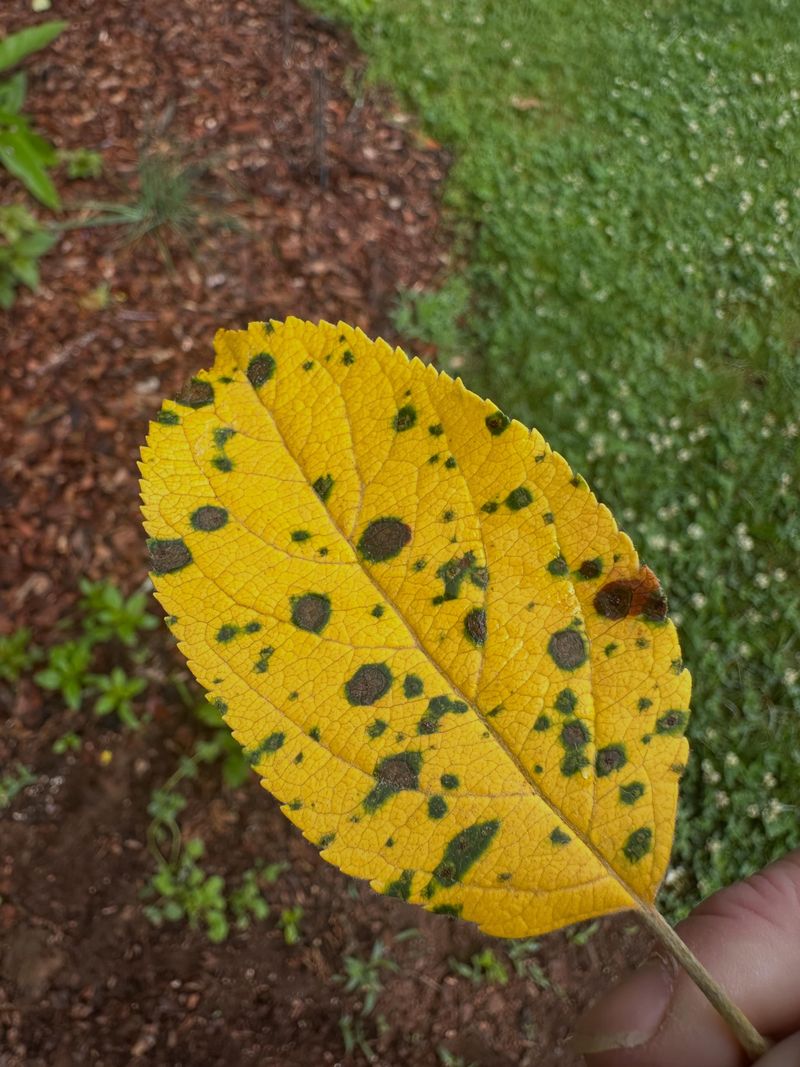
Seeing yellow leaves in August might make you think fall is arriving early, but in North Carolina, premature yellowing and leaf drop during summer often points straight to heat and drought stress.
Plants sometimes shed leaves on purpose when conditions get tough, essentially reducing the surface area they need to keep watered and cool.
It is a survival strategy, but it also signals that your plant is working harder than it should have to.
NC State notes that drought-stressed river birch and poplar trees are particularly known for developing yellow leaves and dropping them during summer dry spells. Sycamores can develop brown foliage and shed leaves earlier than normal as well.
Even plants that do not typically show early color change may start looking like autumn arrived ahead of schedule when the heat and dryness push them to their limits.
Before you write off the yellowing as seasonal change, check the moisture level across the full root zone of the plant, not just directly at the base.
Tree roots spread wide, sometimes extending well beyond the canopy edge, so watering only at the trunk may not reach where it is needed.
Slow, deep irrigation that soaks into the soil over time is far more effective than a quick surface wetting.
If the soil is genuinely dry and the plant is showing stress, consistent deep watering over several sessions can help the plant recover and hold onto more of its remaining foliage through the rest of summer.
4. Flowers And Buds Dropping Can Be A Heat Warning
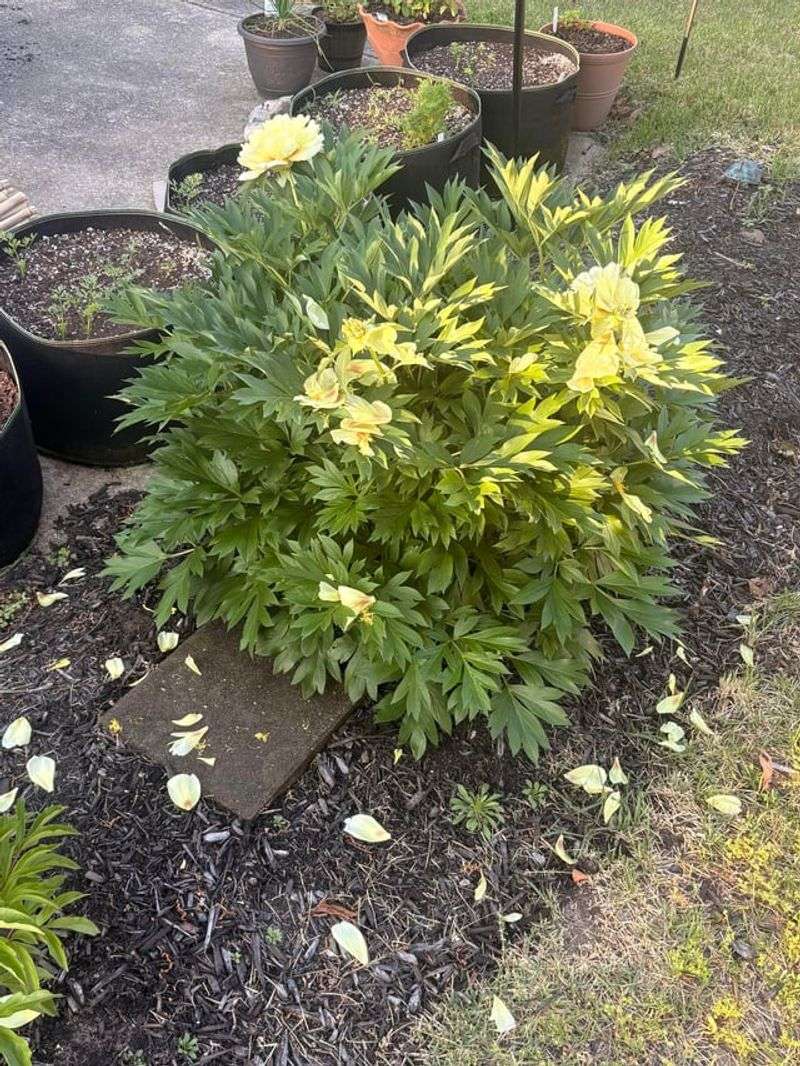
Picture walking through your garden on a hot August morning and noticing a trail of fallen petals and tiny buds scattered across the soil beneath your favorite plants. It looks discouraging, especially when the plants themselves look otherwise healthy.
Flower and bud drop is one of the more frustrating signs of heat stress because it directly affects how much fruit or how many blooms you actually get to enjoy at the end of the season.
Excessive heat and uneven moisture can push ornamental and vegetable plants to shed their flowers before they have a chance to develop.
The plant is essentially cutting its losses, prioritizing survival over reproduction when conditions feel too harsh.
Environmental stress in general, including sudden temperature swings and dry spells, can also contribute to what gardeners sometimes call flower or fruit abortion.
Keeping soil moisture consistent is one of the most effective things you can do during these periods. Letting the soil swing from bone dry to waterlogged and back again puts plants under unnecessary additional stress on top of the heat they are already dealing with.
Hold off on applying fertilizer while plants are struggling, since pushing new growth during stress can make things worse rather than better.
For particularly vulnerable plants in spots with intense afternoon sun, a temporary shade cloth can reduce heat load significantly.
Keep in mind that flower drop can also result from pollination issues, pest activity, or disease, so checking for those possibilities alongside heat stress keeps your diagnosis accurate.
5. Tomatoes And Other Vegetables May Stop Setting Fruit
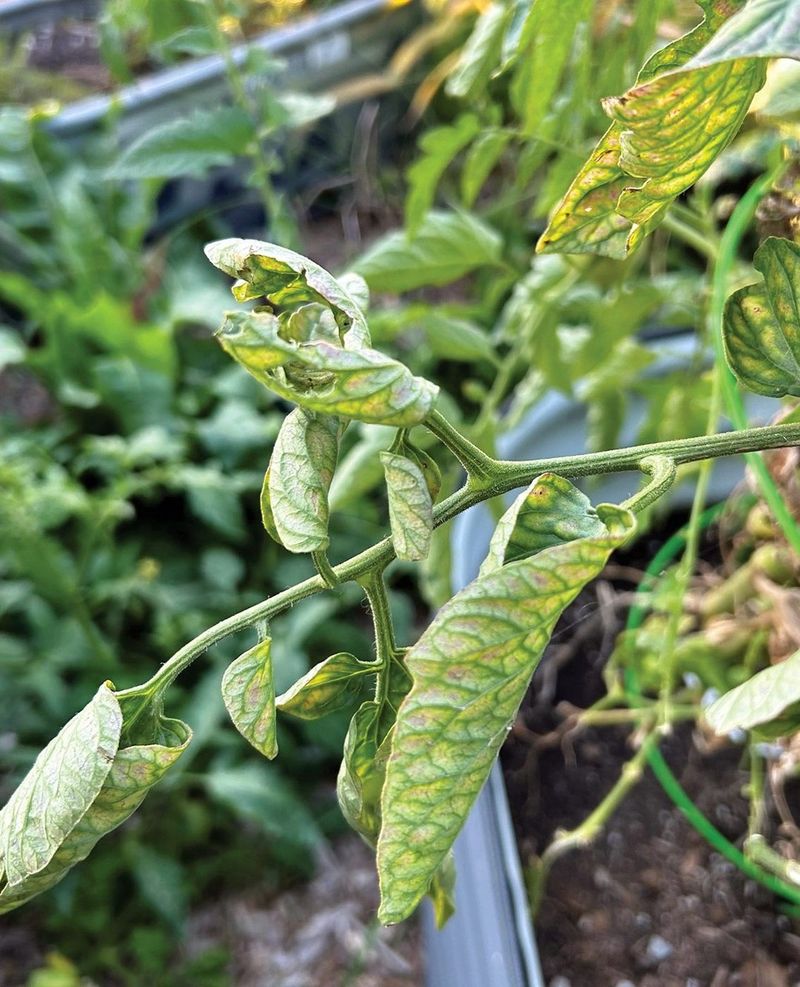
Few things are more puzzling than a tomato plant covered in bright yellow blossoms that somehow never seems to produce any actual tomatoes.
During the height of a North Carolina summer, this is a surprisingly common complaint, and heat is usually the main reason behind it.
High temperatures can interfere directly with pollen viability, making it sticky, clumpy, or simply non-functional, which means pollination fails even when the flowers look perfectly fine from the outside.
Tomatoes are the most familiar example of this problem, but peppers, beans, and other flowering vegetables can struggle with fruit set during extended hot spells as well.
Gardeners sometimes respond by adding more fertilizer, hoping to push the plants into producing, but that approach tends to backfire.
Feeding stressed plants with high-nitrogen fertilizer often encourages more leafy growth rather than fruit, and it can add stress to a root system that is already working hard just to keep the plant going.
The most practical approach is to keep plants evenly watered and as healthy as possible while waiting for temperatures to ease back into a more favorable range. Consistent moisture supports root function and keeps the plant stable.
Mulching around the base of plants helps the soil hold moisture longer between watering sessions.
Excessive heat can also reduce quality in cool-season vegetables and trigger premature bolting in crops like spinach, so paying attention to the full range of what is growing in your garden during August helps you catch problems before they spread across multiple beds.
6. Pale Bleached Patches On Fruit Can Be Sunscald
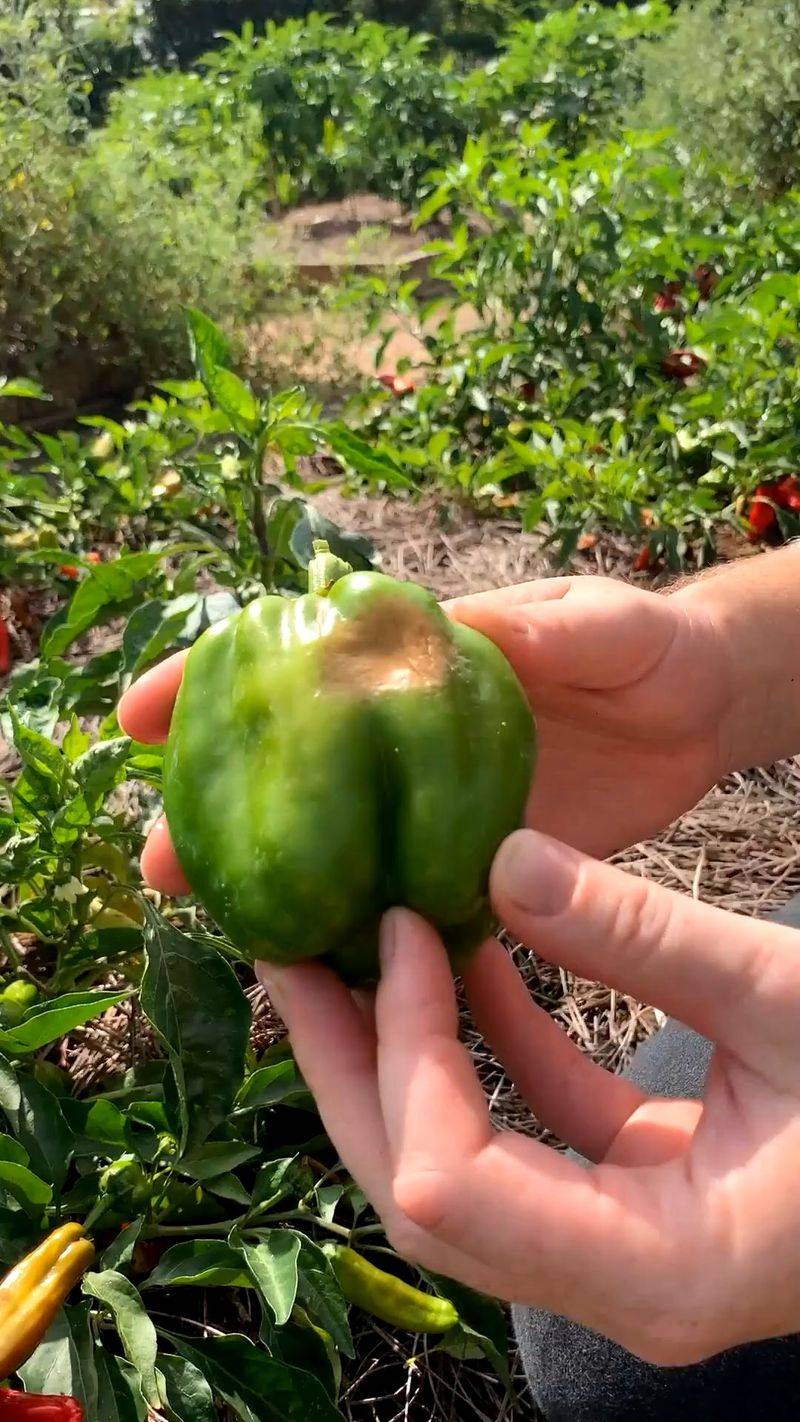
Reaching into your tomato or pepper plants and finding pale, washed-out patches on what looked like a perfectly ripening fruit is one of those August surprises nobody wants.
That bleached, papery spot is sunscald, and it happens when the skin of the fruit gets direct, intense sun exposure without enough foliage overhead to filter it.
The affected area starts out pale or whitish and can later turn tan and papery as the season continues.
Fruit becomes especially vulnerable to sunscald after foliage has been lost to disease, insect feeding, or overly aggressive pruning that strips away the natural canopy the leaves provide.
Peppers and tomatoes are the most commonly affected vegetables in North Carolina gardens, particularly during August when the sun angle and heat intensity combine for maximum impact on exposed surfaces.
Healthy leaf cover acts like a natural umbrella, and once it is gone, the fruit underneath pays the price. Preserving foliage as much as possible is the best prevention.
Avoid heavy pruning during the most intense stretch of summer heat, and focus on keeping plants well-watered so they can maintain their leaf cover. Sunscald is sometimes confused with Blossom End Rot, but the two are distinct conditions.
Blossom End Rot typically develops at the bottom tip of the fruit near where the flower was attached, and it is associated with disrupted calcium movement linked to uneven water availability.
Sunscald shows up on the sun-facing side, so the location of the damage on the fruit is your clearest clue for telling them apart.
7. Curling Leaves And Rapid Container Drying Need Fast Attention
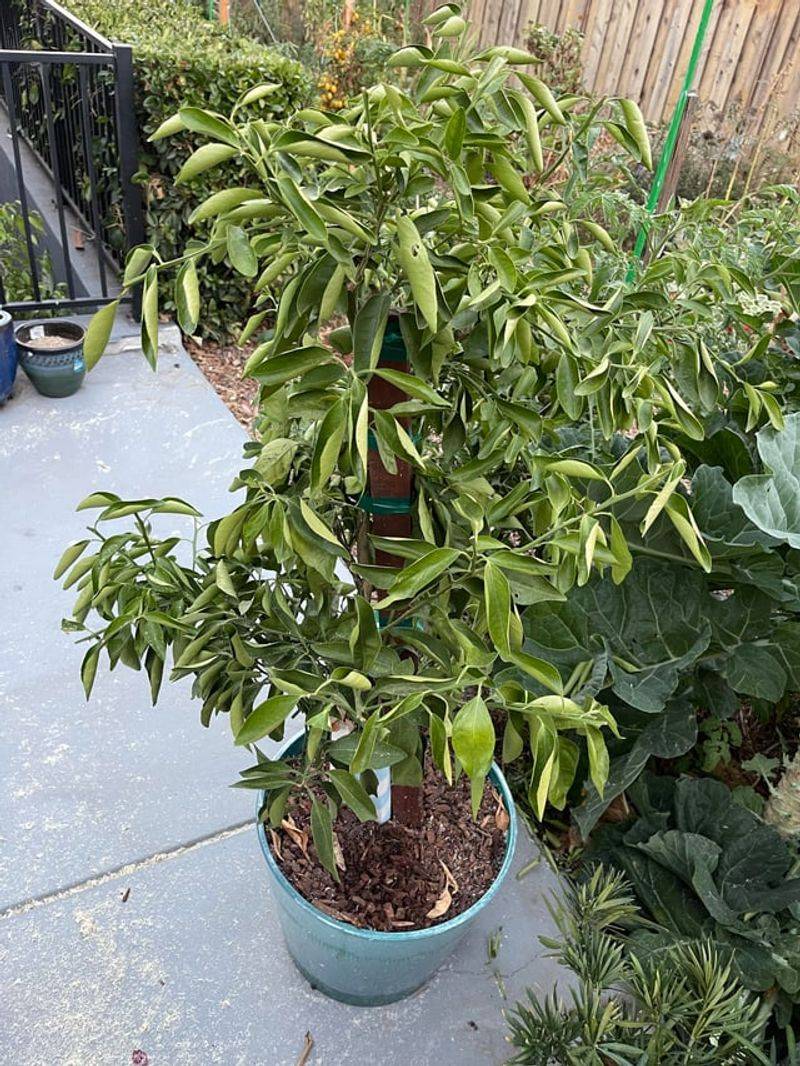
Container plants are in a tough spot during a North Carolina August. Unlike plants growing in the ground, a potted plant cannot send its roots deeper into cooler, moister soil when the heat gets intense.
Everything the plant needs has to come from whatever is packed into that limited volume of potting mix, which means moisture disappears faster and temperatures around the root zone can climb much higher than most people realize.
Curling foliage is often one of the first signs that a container plant is under heat stress. Leaves curl inward to reduce the surface area exposed to sun and hot air, which helps slow water loss.
You might also notice yellowing, dropping leaves, dry and crispy margins, or flowers falling off before they have a chance to fully open.
Large plants that have filled their containers with roots are especially vulnerable because the roots take up so much space that there is less soil to hold moisture in the first place.
Checking container moisture every single day during extreme August heat is not exaggerated, it is just smart gardening.
When you water, do it thoroughly enough that water flows freely out of the drainage holes at the bottom, which ensures the entire root zone gets reached.
Dark-colored containers and pots sitting directly on concrete or asphalt can absorb enormous amounts of heat from the surface below, essentially cooking the roots from the outside.
Moving containers away from intensely reflected afternoon heat, or placing them in a spot with some afternoon shade, can make a real and immediate difference for struggling plants.
8. A Bluish Lawn And Lingering Footprints Signal Drought Stress
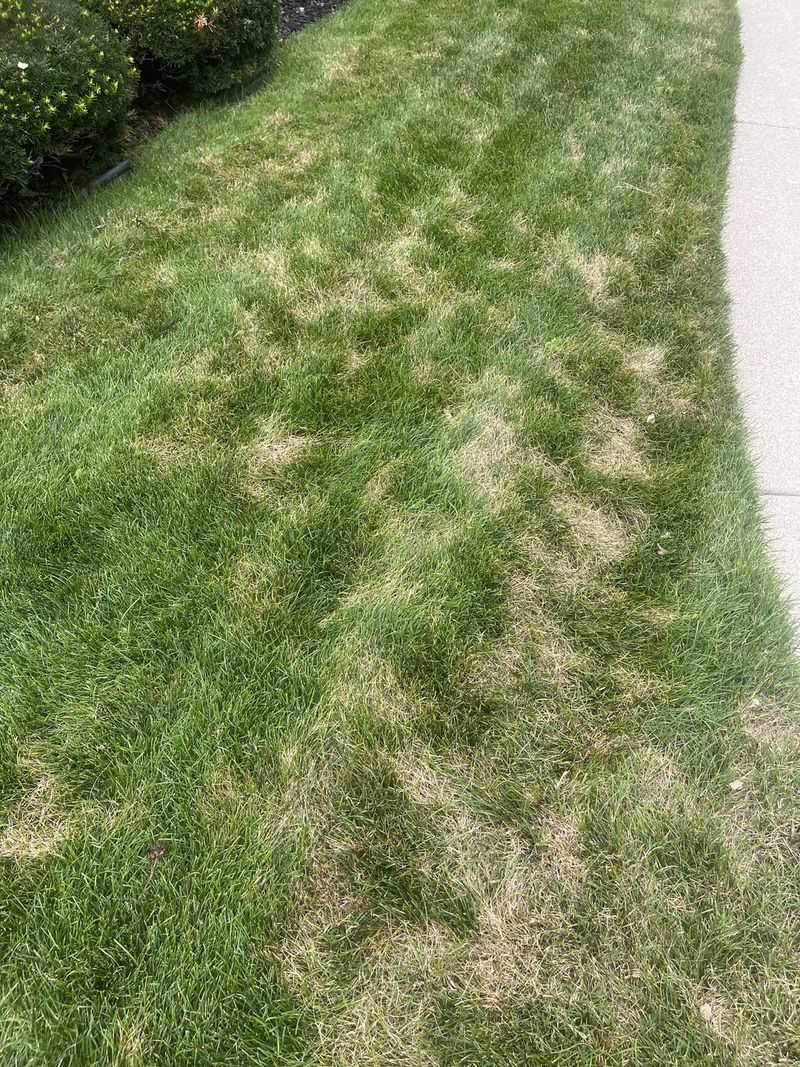
Your lawn can actually tell you it needs water before things get severe, if you know what to look for. NC State identifies a dark bluish-gray color in the grass as one of the earliest visible signs that drought stress is setting in.
It is a subtle shift from the healthy green you are used to, but once you know to look for it, it stands out clearly on a dry August afternoon.
Two other signs worth watching for are wilted or folded grass blades and footprints that stay visible long after someone has walked across the lawn. Healthy, well-hydrated turf springs back quickly when you step on it.
Grass that holds the impression of your shoes for several minutes is telling you the blades have lost enough moisture that they can no longer bounce back on their own.
Cool-season grasses like tall fescue are especially prone to summer stress in North Carolina, while warm-season grasses like bermuda and zoysia have different summer growth patterns and handle heat somewhat differently.
Watering based on what the lawn is actually showing you tends to work better than running an automatic irrigation system on a rigid daily schedule regardless of conditions.
Deep, infrequent watering that reaches the root zone is more effective than shallow daily sprinkling.
Mowing at the correct height for your grass type also helps reduce stress during hot stretches.
Keep in mind that brown or thinning turf can also result from insects or summer lawn diseases, so getting a correct diagnosis before treating ensures you are solving the right problem.