Why Your Amaryllis Isn’t Sprouting in Time for a North Carolina Christmas
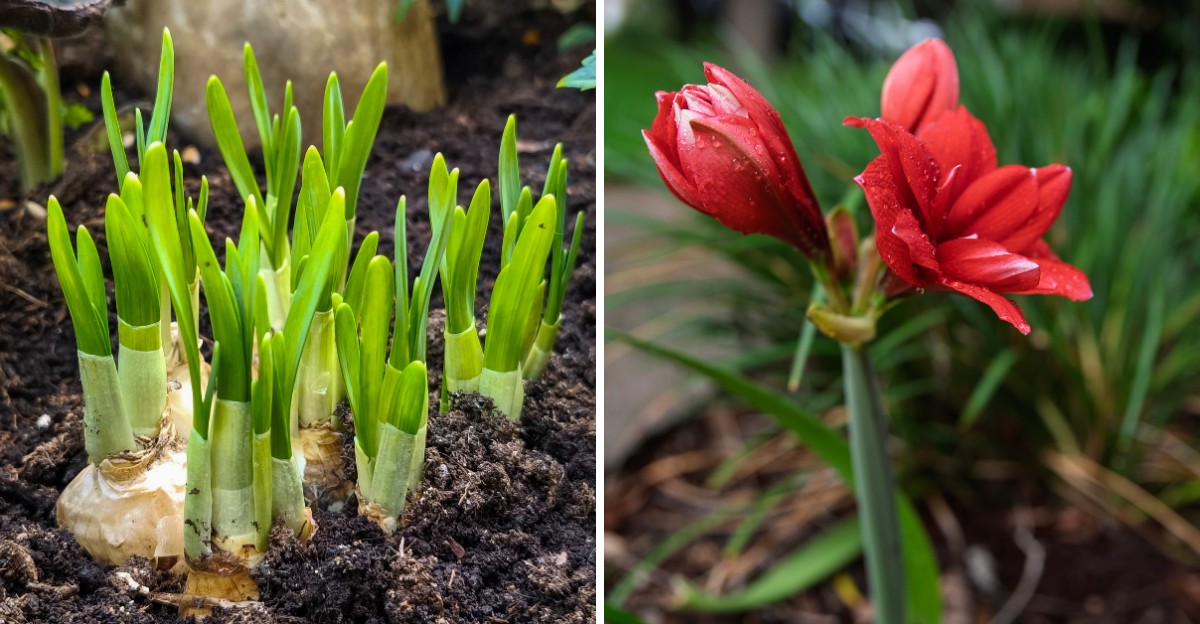
A bulb the size of a softball can take six to ten weeks to flower. That means your holiday bloom was decided back in early fall.
I love how these tropical bulbs run on a hidden calendar. They come from South America and care little about our holiday plans. You need to learn their rhythm to win this game.
In North Carolina, the timing gets tricky. Our mild autumns and chilly, dim winter windows send mixed signals to a sleepy bulb. Personally, I have waited on a stubborn pot well past New Year’s Day.
So what is really happening under that dry, papery skin? The answer hides in a few simple habits. Some of them may surprise you.
1. Your Amaryllis Bulb Might Still Be Taking Its Long Winter Nap
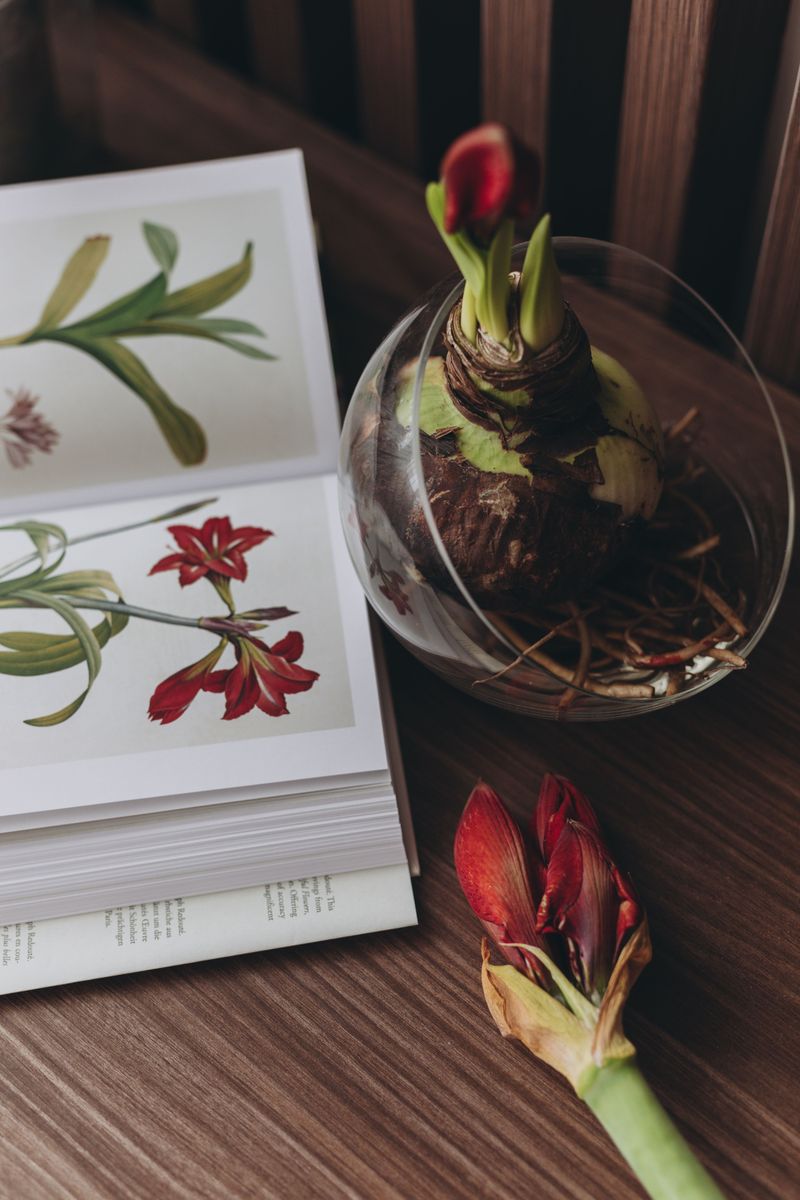
Deep inside that brown bulb, a flower bud may be waiting for a signal you have not sent yet. Amaryllis bulbs often need a resting period before they bloom again. Extension experts suggest about 8 to 12 weeks of cool, dry rest at roughly 50 to 55 degrees.
If you kept your plant growing and watered all fall, it may still be stuck in leafy mode. On the flip side, a bulb pulled out of rest too late will simply run behind schedule. Both cases can leave you staring at bare soil in December.
In North Carolina, many gardeners leave pots outside through September. Warm fall days can delay that natural slowdown. Bringing the pot into a cool garage, closet, or basement helps the bulb settle down properly.
During this rest, stop watering and let the leaves fade on their own. Cut them back once they turn yellow. Keep the bulb away from fruit like apples, since ripening fruit gives off gas that can harm flower buds.
Once the rest period ends, your bulb is ready to wake up. Skipping or shortening this step is one of the most common reasons holiday blooms show up late.
2. Six To Ten Weeks Is The Magic Window For Christmas Blooms

Count backward from December 25, and you will find your real deadline. Most amaryllis bulbs flower about six to ten weeks after you pot them and start watering. That puts the ideal planting time between late September and early November.
Plenty of folks wait until Thanksgiving weekend to start. That feels festive, but it often means flowers arrive in mid-January instead. Larger bulbs from the Southern Hemisphere sometimes bloom faster, while Dutch-grown types tend to take a bit longer.
A smart trick is to stagger your planting. Pot one bulb in early October and another two weeks later. That way, you are more likely to have something open for the holidays and beyond.
Write your planting date on a small tag tucked into the pot. It sounds silly, but it helps you track progress and plan better next year. You can also check the label from the garden center, since some cultivars list expected bloom times.
If you already missed the window, the bulb is fine. It will still put on a show, just later than planned. A January bloom can brighten the gray weeks after the holidays fade.
Your North Carolina Garden Changes Every Week. Your Plan Should Too.
Gardening in North Carolina changes quickly throughout the season. Every Friday you’ll receive a simple weekly plan showing exactly what to plant, prune, fertilize, harvest, and protect so you never miss the right timing.
3. Sprouting Amaryllis Stalks Want Warmth And Bright Sunshine
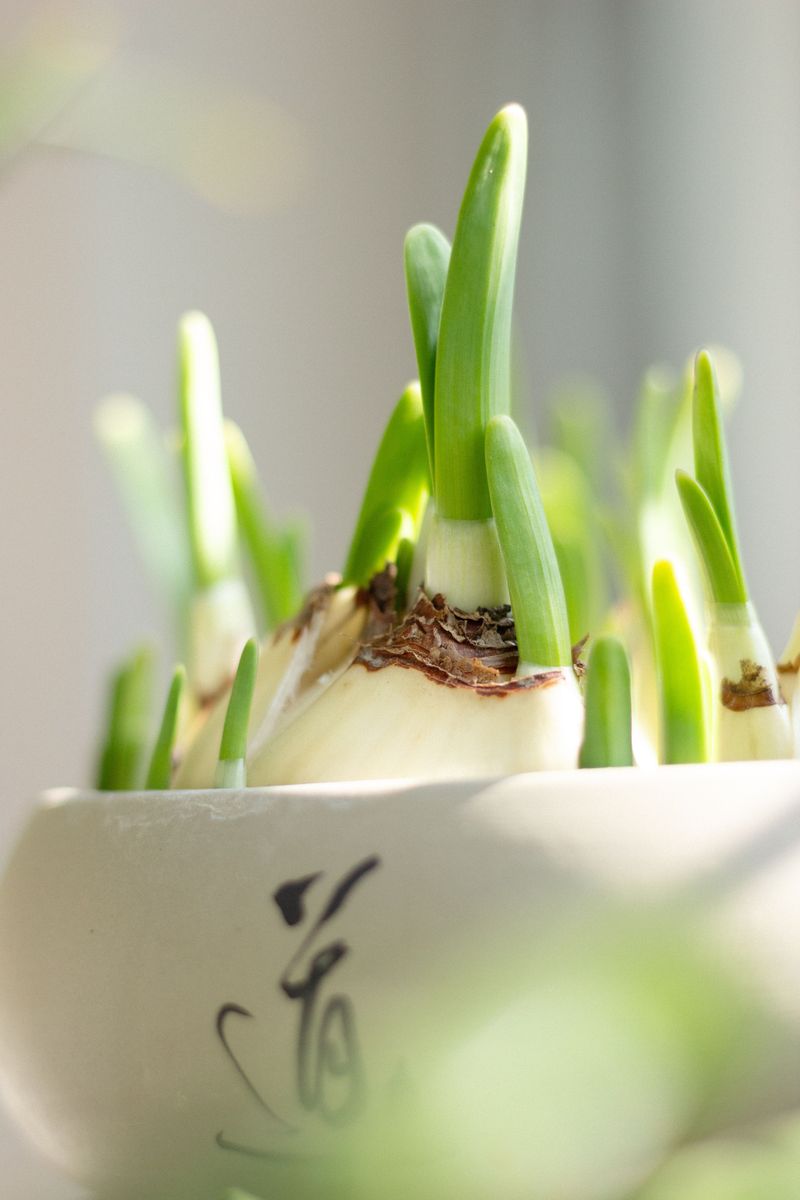
Cold toes slow everyone down, and amaryllis bulbs are no exception. Once potted, they sprout best when the soil stays around 70 to 75 degrees. A drafty window or chilly floor can stall growth for weeks.
Many North Carolina homes keep thermostats low at night to save on heating. That cooler air can make a bulb sit quietly with no visible change. Try placing the pot on top of the refrigerator or near a warm spot, away from direct heater blasts.
A seedling heat mat works wonders too. It gently warms the soil and often speeds up that first green tip. Just keep an eye on moisture, since warm soil dries out faster.
Light matters once the stalk appears. Move the pot to your brightest window, ideally facing south. Short December days mean every bit of sun counts.
Turn the pot a quarter turn every few days. Stalks lean toward light and can flop over if they stretch too far. A little rotation keeps them standing tall and straight for your holiday table.
4. Too Much Water Can Leave Your Amaryllis Bulb Soggy And Stuck
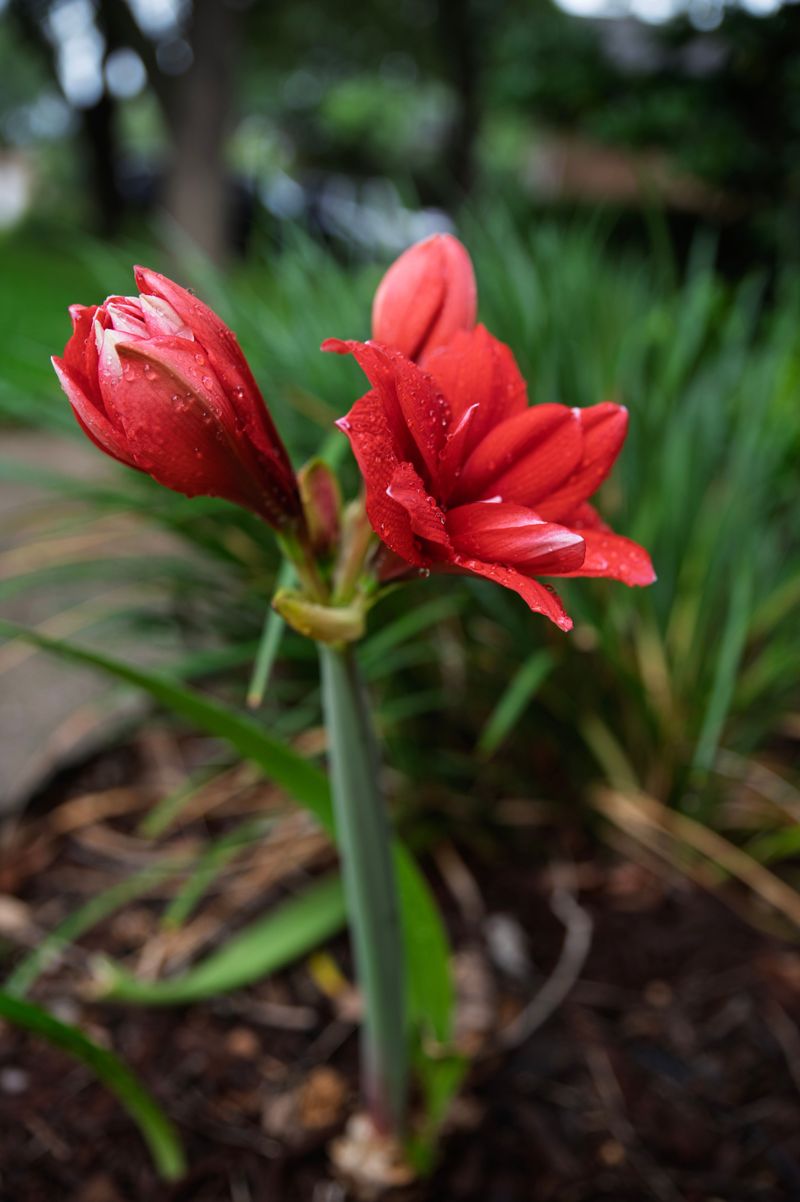
Here is a confession many gardeners share: we love our plants a little too much with the watering can. Freshly potted amaryllis bulbs have few active roots. They simply cannot drink much yet.
Water once after planting, then wait. Give only small sips until you see green growth poking out of the top. Soggy soil invites bulb rot, and a mushy bulb rarely recovers.
Check the soil by pushing a finger about an inch deep. If it feels dry, add a little water. If it feels damp, leave it alone for a few more days.
Once leaves and stalks are growing, you can water more regularly. Let the top layer dry slightly between drinks. Always empty saucers so the pot is not sitting in a puddle.
Decorative foil wraps from the store can trap water underneath. Poke a hole in the bottom or remove the wrap when you water. A healthy bulb should feel firm, like a fresh onion.
Soft spots or a sour smell are signs that moisture has become a problem, and you may need to repot in fresh, dry mix.
5. Snug Pots And Shoulder-High Planting Give Bulbs A Head Start
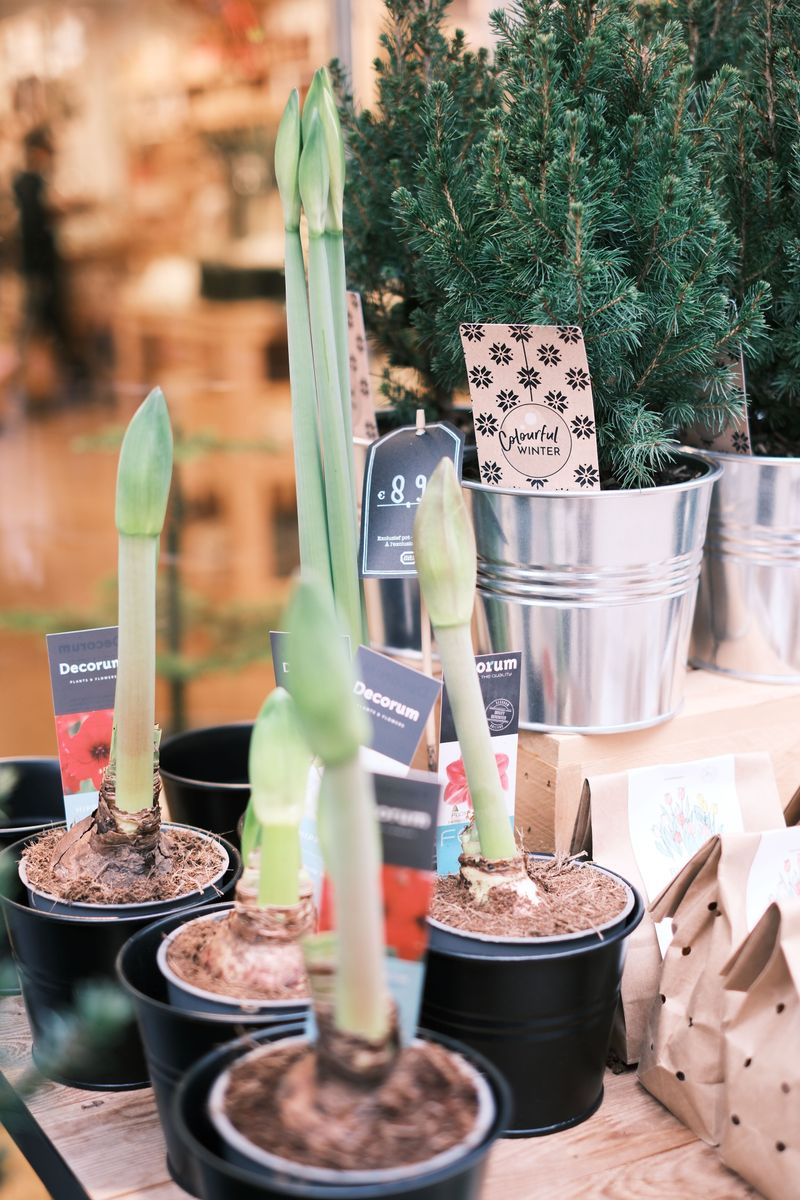
Amaryllis bulbs actually like a cozy home. A pot just one or two inches wider than the bulb is plenty. Oversized containers hold extra wet soil, which slows root growth and raises rot risk.
Planting depth matters as well. Leave the top third of the bulb, often called the shoulders, sitting above the soil line. Burying it fully can trap moisture around the neck and delay sprouting.
Choose a light, fast-draining potting mix. Heavy garden soil, like the red clay found across much of the Piedmont, packs down and holds too much water. A bagged indoor mix with some perlite works nicely.
Make sure the pot has a drainage hole. Clay pots are a solid choice because they breathe and add weight to balance tall stalks.
Fertilizer is not needed right at planting. The bulb already stores food for its first bloom. Once leaves grow, feed every few weeks with a balanced houseplant fertilizer.
That steady nutrition helps the bulb build strength for next year’s flowers, too. Think of it as packing a lunch for the months ahead, not a quick snack for today.
6. Small Or Tired Bulbs Sometimes Need An Extra Year To Shine
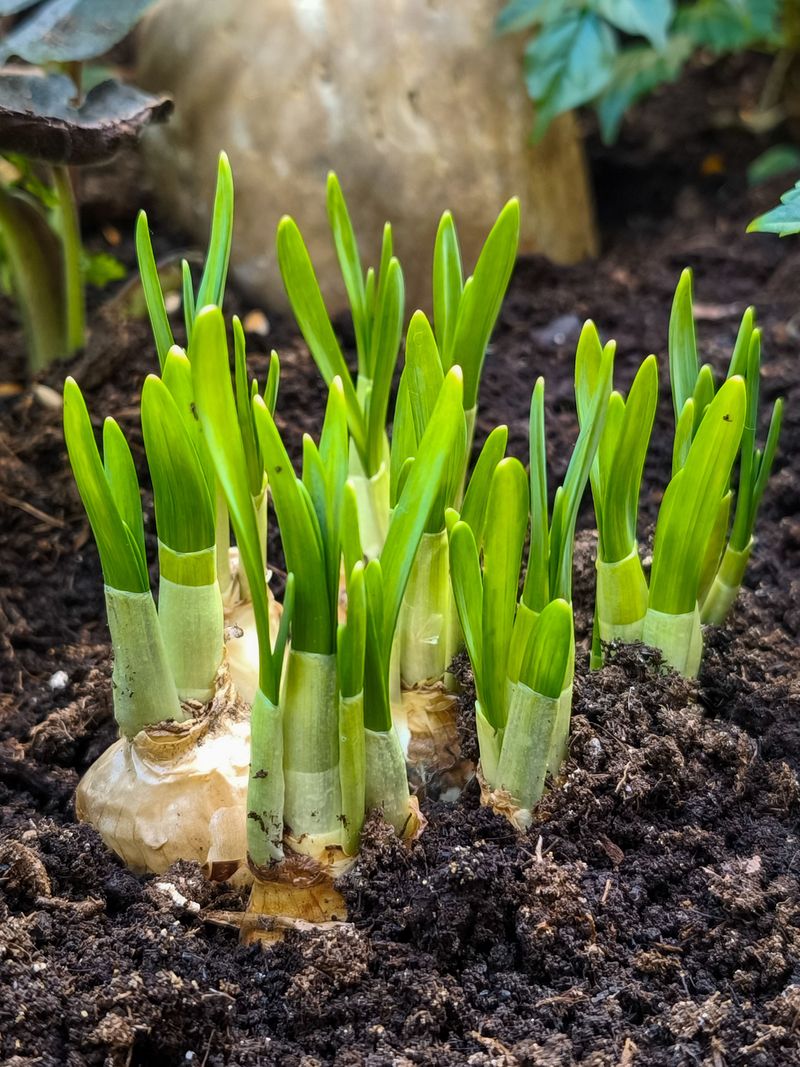
Size really does matter in the bulb world. Bigger amaryllis bulbs store more food and usually produce more flower stalks. A small or skinny bulb may only push out leaves for a season.
Bulbs sold as bargains are sometimes young or undersized. They are not bad buys, but they might need a year or two of good care before blooming well. Look for firm bulbs measuring at least 26 to 28 centimeters around for the best holiday results.
Older bulbs can also run low on energy. If last year’s plant had its leaves cut early or spent summer in deep shade, it may not have rebuilt enough strength. Leaves only, with no stalk, often points to this issue.
Variety plays a role too. Some types, like certain doubles or Cybister forms, tend to bloom later than classic red cultivars. A slow plant is not always a problem plant.
Fun fact: the plant we call amaryllis belongs to the genus Hippeastrum. The true Amaryllis is a different South African flower. Whatever you call it, patience often pays off with a spectacular show when the bulb is truly ready.
7. Summer Care Sets Up Next December’s Amaryllis Show
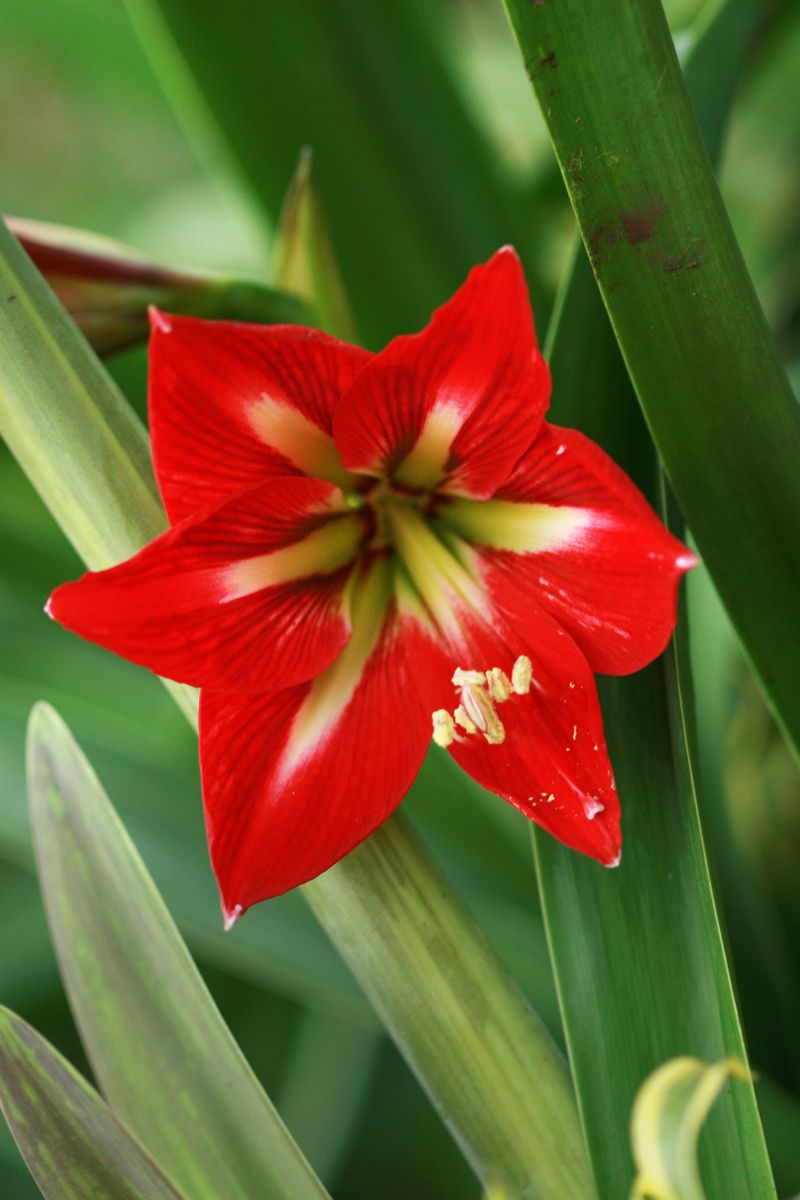
Next year’s flowers start the moment this year’s blooms fade. Snip off the spent flower stalk near the top of the bulb, but keep every leaf. Those long green straps work like solar panels, feeding the bulb for months.
Keep the plant in a bright window through late winter. After your last spring frost, which arrives around early to mid April in much of North Carolina, move the pot outdoors. Ease it into sunlight over a week or so to prevent leaf scorch.
Summers in the state are hot and humid, so morning sun with afternoon shade works well. Water regularly and feed with balanced fertilizer every few weeks. Healthy leaves now mean bigger buds later.
By late August or early September, bring the pot inside and start that rest period. Stop watering and let the leaves yellow naturally. This sets up the timing for a fresh round of holiday color.
Mark the dates on your calendar. Rest begins in early fall, potting and watering resume around mid-October, and blooms should follow by Christmas. A little planning turns a lucky bloom into a yearly tradition.