The Mulching Mistake That Can Overheat Georgia Garden Beds
Mulch is one of the best things you can add to a garden, but more is not always better. Many gardeners pile it on, hoping it will protect plants through summer.
That simple mistake can trap extra heat, reduce airflow, and create problems around the roots. A layer that is too thick can also keep water from reaching the soil as easily.
In Georgia, garden beds already deal with long stretches of hot weather. The wrong mulching habit can make those conditions even tougher for vegetables, flowers, and shrubs.
The good news is that fixing the problem is simple. A few small changes help the soil stay cooler while still holding moisture.
Using mulch the right way keeps plants healthier through the hottest weeks of summer.
1. Applying Thick Layers Traps Excess Heat
Piling on mulch feels productive, but too much of it can quietly stress your plants. A thick layer acts like a blanket that traps heat instead of blocking it.
Soil temperatures underneath heavy mulch can climb significantly during peak summer afternoons.
Some gardeners assume more mulch means better protection. That logic works in cooler climates, but in the South, it can backfire fast.
When mulch depth passes four inches, heat builds up and has nowhere to escape.
Roots sitting in overheated soil struggle to absorb water properly. Even if you water regularly, the uptake slows down when soil stays too warm for too long.
Plants may look wilted even on days when moisture levels seem fine.
Organic mulches like wood chips absorb and hold heat during the day. At night, they release it slowly, which means soil never fully cools down between watering cycles.
That cycle wears plants out over weeks.
Thick mulch also creates the perfect hiding spot for pests and fungal issues. Moisture gets trapped close to the soil surface, and that warm, damp environment encourages rot.
Stems near the base are especially vulnerable.
Keeping your mulch layer reasonable is a simple fix with noticeable results. Aim for a modest depth that insulates without smothering.
2. Leave Space Around Plant Stems
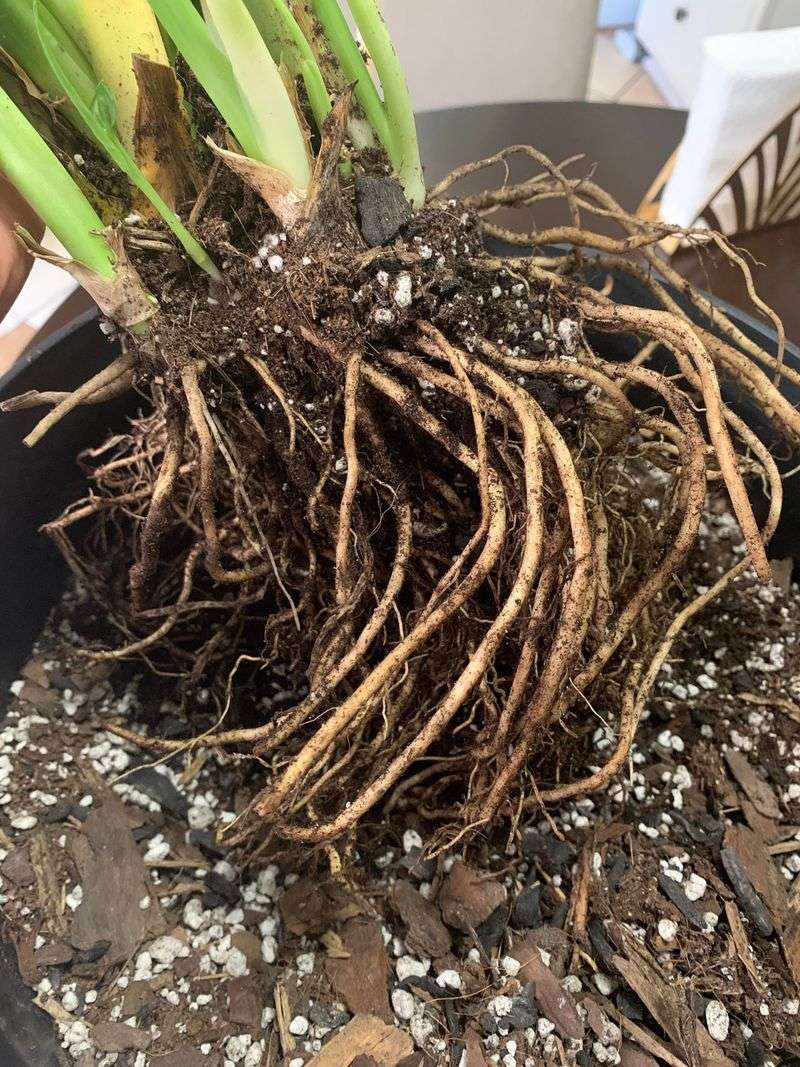
Mulch pressed tight against a plant stem is one of the most overlooked problems in home gardening. It looks tidy from a distance, but it creates serious trouble up close.
Moisture and heat combine right at the base, which is exactly where plants are most vulnerable.
Stems need airflow to stay healthy. When mulch buries them, that airflow disappears.
Fungal problems can develop quickly in that warm, moist space, and by the time you notice damage, it may have already progressed.
Keeping a small gap of a few inches around each stem makes a real difference. It lets the base breathe and reduces the chance of rot setting in.
That small ring of bare soil around each plant is worth maintaining throughout the growing season.
Volcano mulching, where mulch is piled up like a cone around a plant, is a common sight in many yards. It looks intentional, but it causes more harm than it prevents.
Your Georgia Garden Changes Every Week. Your Plan Should Too.
Gardening in Georgia changes quickly throughout the season. Every Friday you’ll receive a simple weekly plan showing exactly what to plant, prune, fertilize, harvest, and protect so you never miss the right timing.
Roots can even start growing upward into the mulch pile instead of down into the soil.
Shallow roots are weaker roots. Plants with upward-creeping roots have less stability and less access to the deeper moisture reserves in the soil.
That becomes a real problem during dry stretches.
Pull mulch back a few inches from every stem before each new growing season. It takes only minutes and protects the plant where it matters most.
3. Aim For A Two To Three Inch Layer
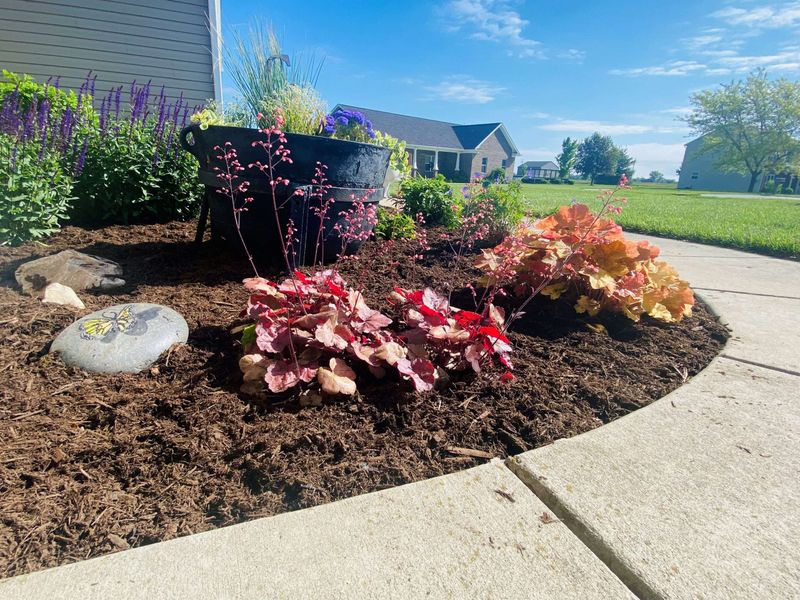
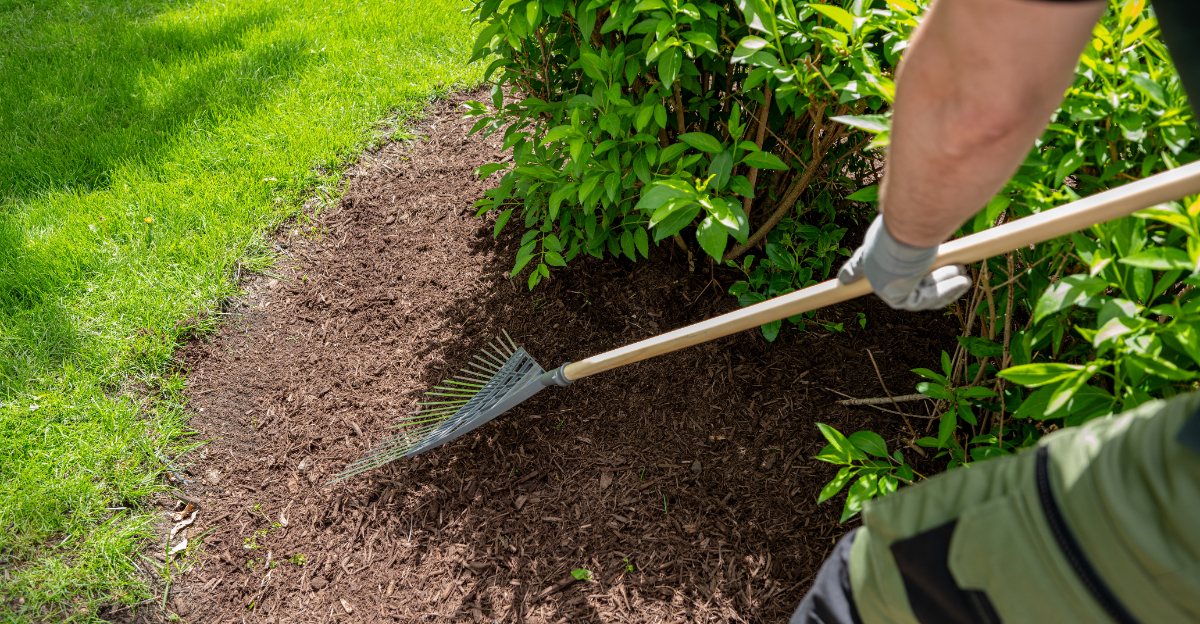
Two to three inches sounds like a small window, but it hits a practical sweet spot. At that depth, mulch keeps soil moisture from evaporating too fast without trapping dangerous levels of heat underneath.
It also stays manageable and easy to refresh each season.
Go shallower than two inches and the mulch breaks down fast, especially in summer rain. Weeds push through more easily, and moisture retention drops off quickly during dry spells.
You end up reapplying more often than necessary.
Go deeper than three inches and you risk the problems covered earlier. Heat accumulates, airflow drops, and roots can start behaving in ways that weaken the plant long-term.
More is not better when conditions are already extreme.
Measuring is easier than it sounds. Use a stick or ruler after spreading to check a few spots across the bed.
Adjust where needed before watering everything in. Spending two extra minutes on this step saves real trouble later.
Freshly spread mulch also settles over time. What looks like three inches after application may compress to two inches within a few weeks, especially after heavy rain.
Keeping that in mind helps you avoid under-mulching without overcorrecting.
Gardeners in Georgia who stick to this range tend to see more consistent results through the hottest months.
4. Choose Materials That Stay Cooler In Summer
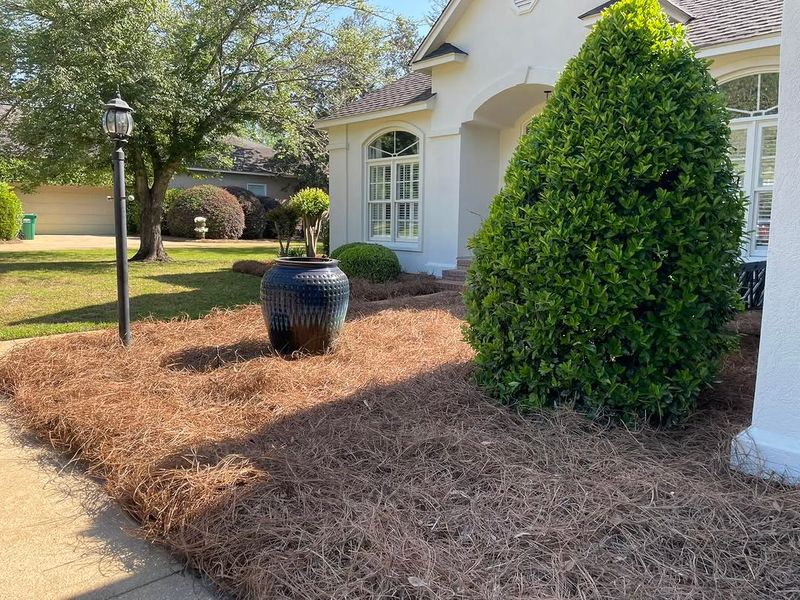
Not all mulch behaves the same way under a hot sun. Dark materials absorb more heat during the day and release it slowly overnight.
Light-colored or coarser materials reflect more sunlight and tend to stay cooler at the surface.
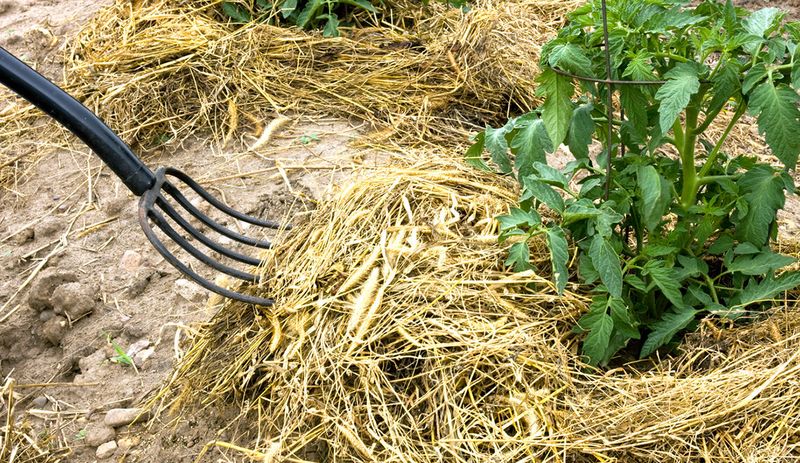
Pine straw is a popular choice across the Southeast for good reason. It stays relatively loose, which allows some airflow through the layer.
It also breaks down gradually and adds mild acidity to the soil, which suits many common garden plants well.
Shredded hardwood mulch works well but can compact over time. Once it compresses, airflow drops and heat retention increases.
Fluffing it occasionally with a rake keeps it from forming a dense mat that holds too much warmth.
Black dyed mulch looks sharp in landscape beds, but color matters in a hot climate. Darker surfaces absorb more radiant heat from direct sun.
If your beds get full afternoon exposure, lighter natural mulch may serve your plants better through the peak of summer.
Straw, untreated grass clippings, and shredded leaves are low-cost options that stay relatively cool. They break down faster, so they need more frequent refreshing, but they rarely trap the kind of heat that causes problems during extended warm spells.
Matching your mulch material to your specific conditions takes a little trial and observation. What works well in a shaded bed may not perform the same way in full sun.
5. Water The Soil Before Covering It
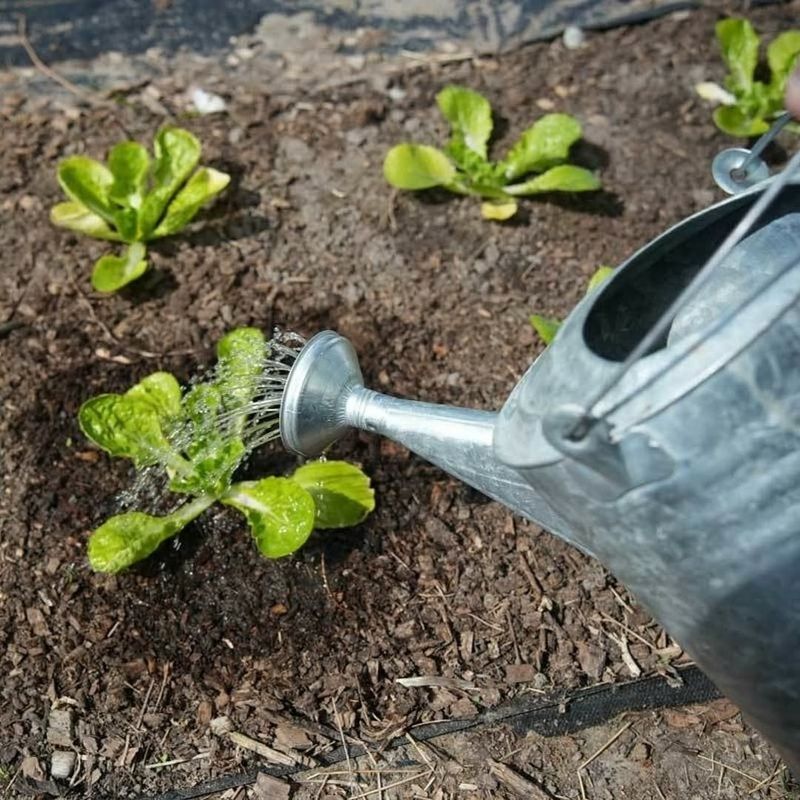
Spreading mulch over dry soil locks the problem in place. Mulch slows moisture movement in both directions, meaning it keeps water from escaping but also makes it harder for new water to reach roots quickly.
Starting dry makes that situation worse from day one.
Watering deeply before you mulch gives roots a full reservoir to draw from right away. The mulch then holds that moisture in place instead of sealing out a layer of air.
That small step changes how well the whole system works.
Dry soil also tends to stay dry under mulch longer than expected. Water applied on top of a thick layer often spreads sideways or runs off before penetrating deeply.
Getting moisture into the soil first removes that barrier before it forms.
Timing matters here too. Water the night before or the morning of your mulching day.
Give the soil a chance to absorb the moisture before you cover it. Surface water that has not soaked in yet can create a muddy layer that encourages fungal issues.
A simple finger test works well. Push a finger two inches into the soil before spreading mulch.
If it feels moist at that depth, you are ready to cover. If it feels dry or barely damp, water first and wait a few hours before mulching.
6. Replace Only What Has Broken Down
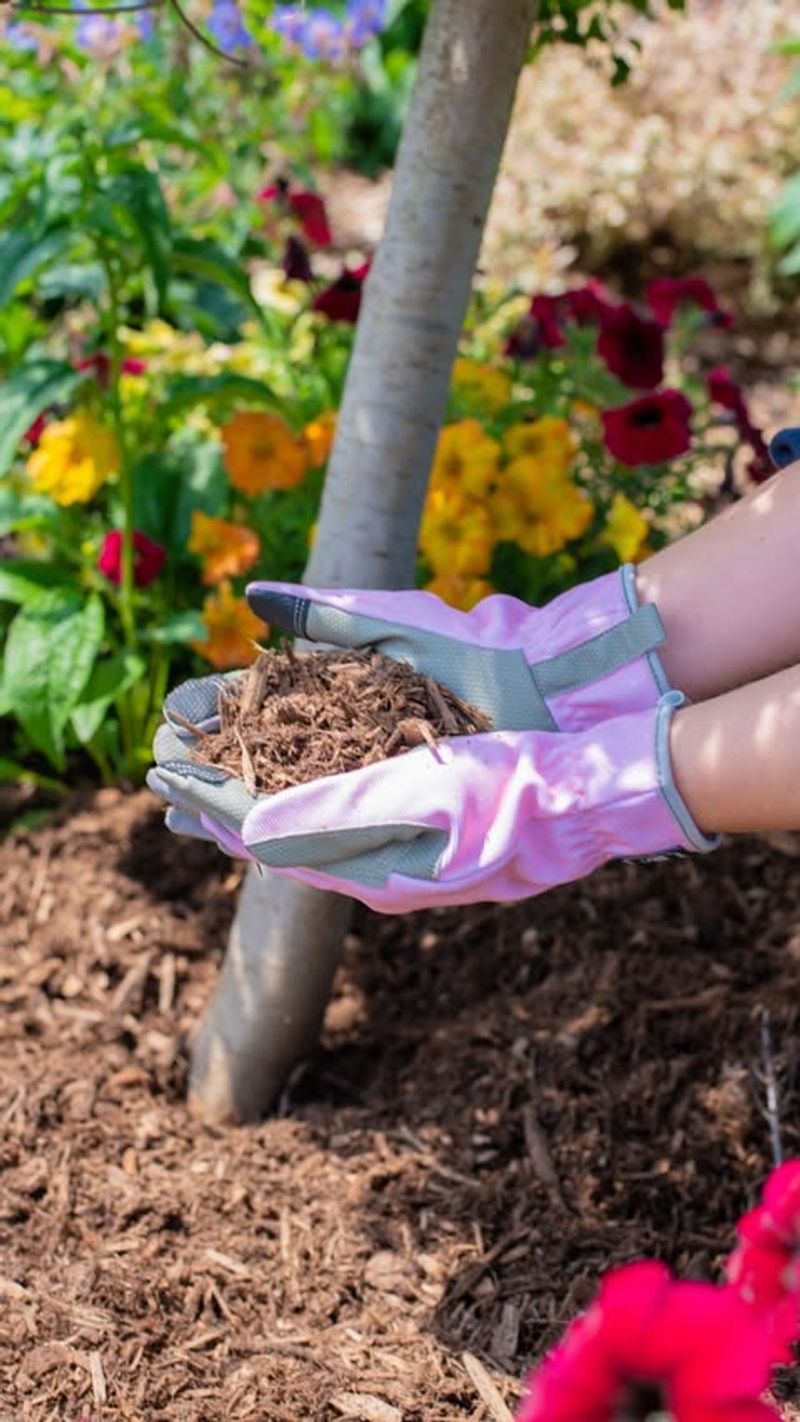
Adding fresh mulch on top of old mulch every season sounds like good maintenance. Over time though, those layers stack up and the depth grows far beyond what plants actually need.
Eventually you end up with a thick, compacted mass that holds heat and blocks water.
Check what you already have before buying new bags. Scrape back the surface and look at what is underneath.
If the lower layer has broken down into a dark, crumbly material, that is finished compost, not active mulch. Remove it or work it into the soil before adding anything fresh.
Active mulch is the top layer that still holds its original texture. Bark chips still look like bark chips.
Pine straw still looks like straw. That is the layer doing the actual work of moisture retention and temperature regulation.
Only replace what has lost that structure.
Removing decomposed material also prevents buildup that can create a water-resistant crust. That crust can cause rain and irrigation to run off instead of soaking in.
Breaking it up or pulling it out keeps the soil surface open and receptive.
Refreshing only the broken-down portion keeps total depth in that ideal two to three inch range without guesswork. You add just enough to restore function without overshooting.
It also saves money, since you are not buying more than the bed actually needs.
7. Check Garden Beds During Hot Weather
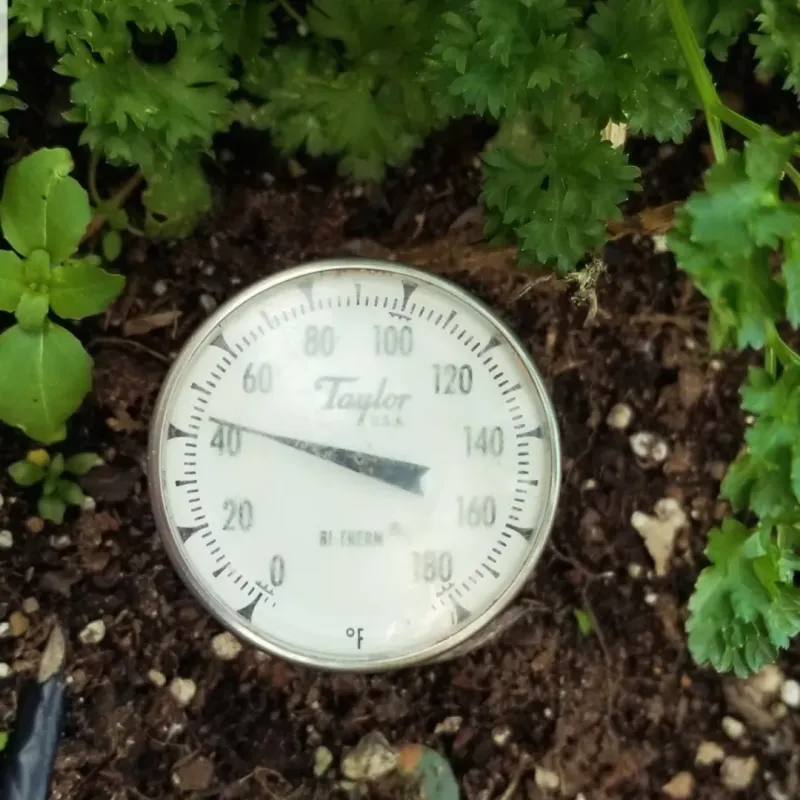
Hot stretches reveal problems that cooler weather hides. Mulch that looked fine in spring may be compacting, drying out unevenly, or trapping too much heat once temperatures stay elevated for several days in a row.
Regular checks during hot spells catch these shifts early.
Soil temperature is worth measuring directly. A basic soil thermometer costs very little and gives you real information about what roots are experiencing.
Most vegetables and flowering plants prefer soil temperatures below 85 degrees Fahrenheit. Above that, stress builds noticeably.
Look at the mulch surface during the hottest part of the afternoon. If it feels hot to the touch several inches down, that heat is reaching your soil.
Lighter or looser mulch, or a slightly thinner layer, may help in that specific bed.
Watch plant behavior too. Wilting in the early morning, before the sun has had time to stress leaves, often points to a root-level problem rather than surface heat.
Overheated soil can cause that kind of persistent drooping even when watering seems adequate.
In Georgia summers, a week of extreme heat can shift conditions fast. What worked well in June may need a small adjustment by late July.
Staying observant rather than assuming everything is fine keeps plants from falling behind.