Why Missouri Hydrangea Blooms Turned Green And Papery This Month
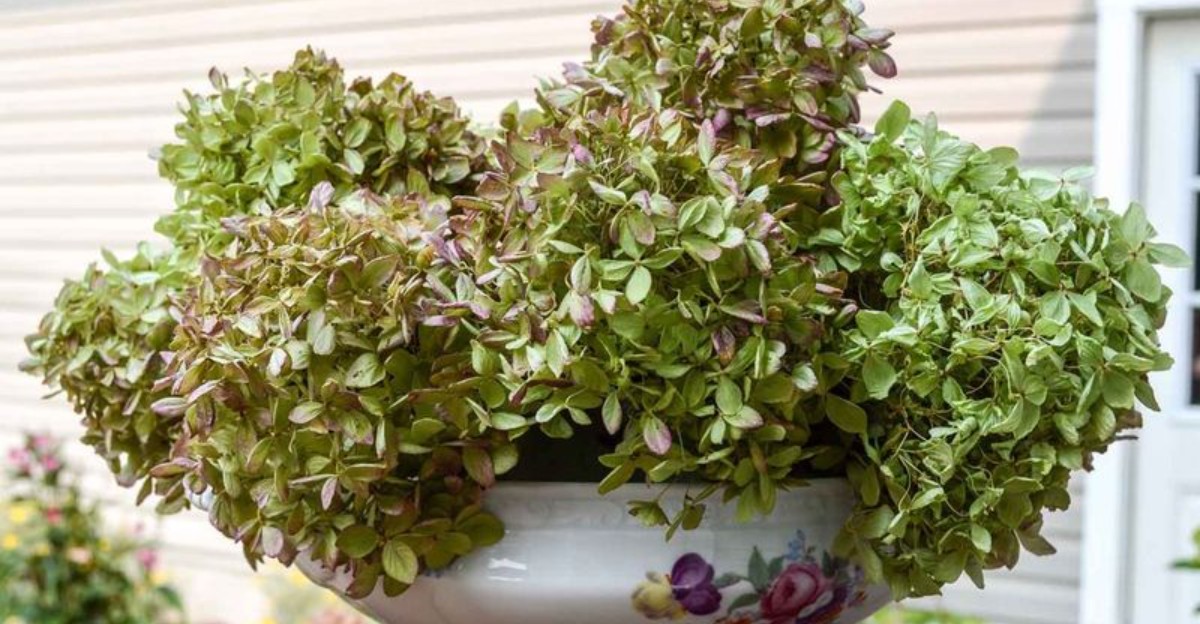
Something odd happened in Missouri gardens this month, and half the neighborhood stopped to stare at it. Those big summer flower heads traded their bright party colors for a quiet, dusty green.
Touch one now and it crackles like tissue paper left too long inside a forgotten gift bag. Gardeners from St. Louis to Springfield keep squinting at their shrubs, quietly wondering what went wrong.
Take a breath before you reach for the pruners, because this isn’t the disaster it looks like. Missouri’s long, stingy August, plus weeks of baking heat, pushed things along.
Seasons shift, colors soften, and even the showiest blooms eventually dress down once September rolls into town. Think of it as the garden trading a sequined ball gown for a comfy flannel shirt.
The Natural Phase Behind The Color Change
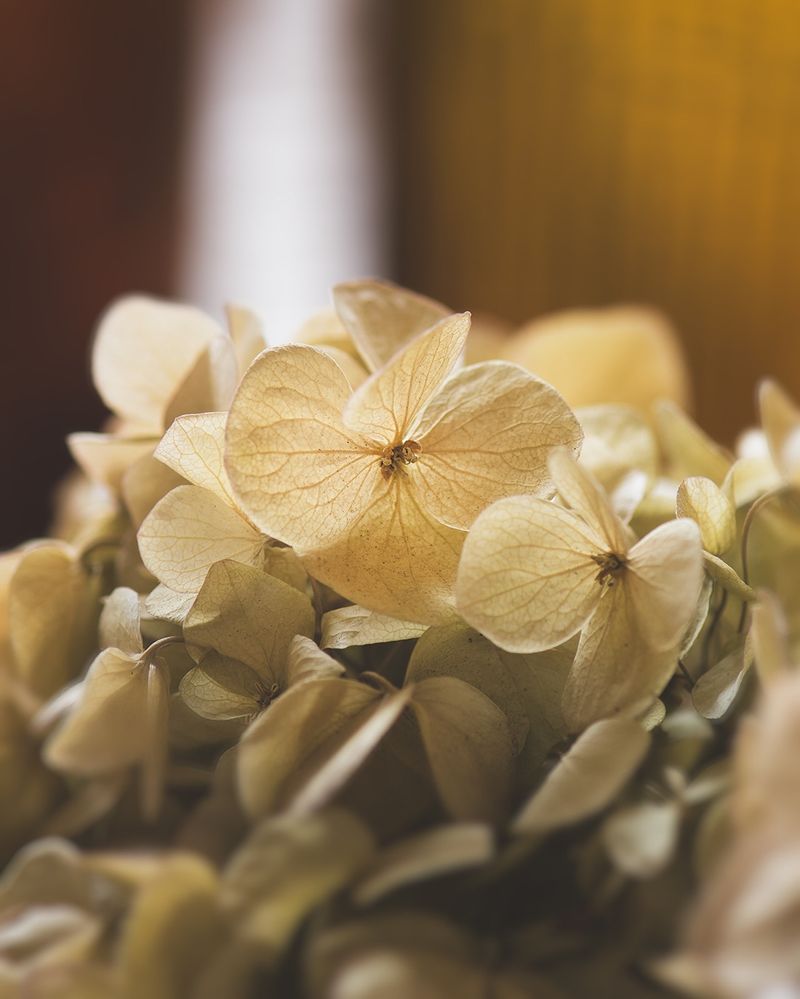
Since those colorful flower heads were not petals at all. They are sepals, tough modified leaves that hold pigment far longer than a true petal could.
As summer winds down, the pink and blue pigments break apart, and green chlorophyll shows through again. Florists call this the antique stage, and they happily pay good money for armloads of it.
Bigleaf types like Endless Summer and Nikko Blue do it every year, right on schedule. Panicle types such as Limelight and Little Lime shift toward dusty rose, then tan parchment.
The papery feel comes from moisture leaving the sepal tissue as the bloom matures and firms up. Think of it as the flower head curing itself, much like hay in a field.
Missouri gardeners often notice the shift first on the hottest, sunniest side of the shrub. Blooms facing south bake longer each day, so they reach that parchment stage several weeks early.
Nothing about the whole process signals poor health, and the root system below ground stays fine. Leaves that stay green and firm confirm the shrub is simply following its yearly rhythm.
Cut one open and you will find tiny true flowers tucked in the center. Those little bits finished their job weeks ago, once the bees made their rounds.
Give the blooms a gentle squeeze before you worry about them at all. Firm, crisp, papery heads mean graceful aging, while mushy brown ones point toward a moisture problem.
Missouri Heat, Drought, And The September Clock
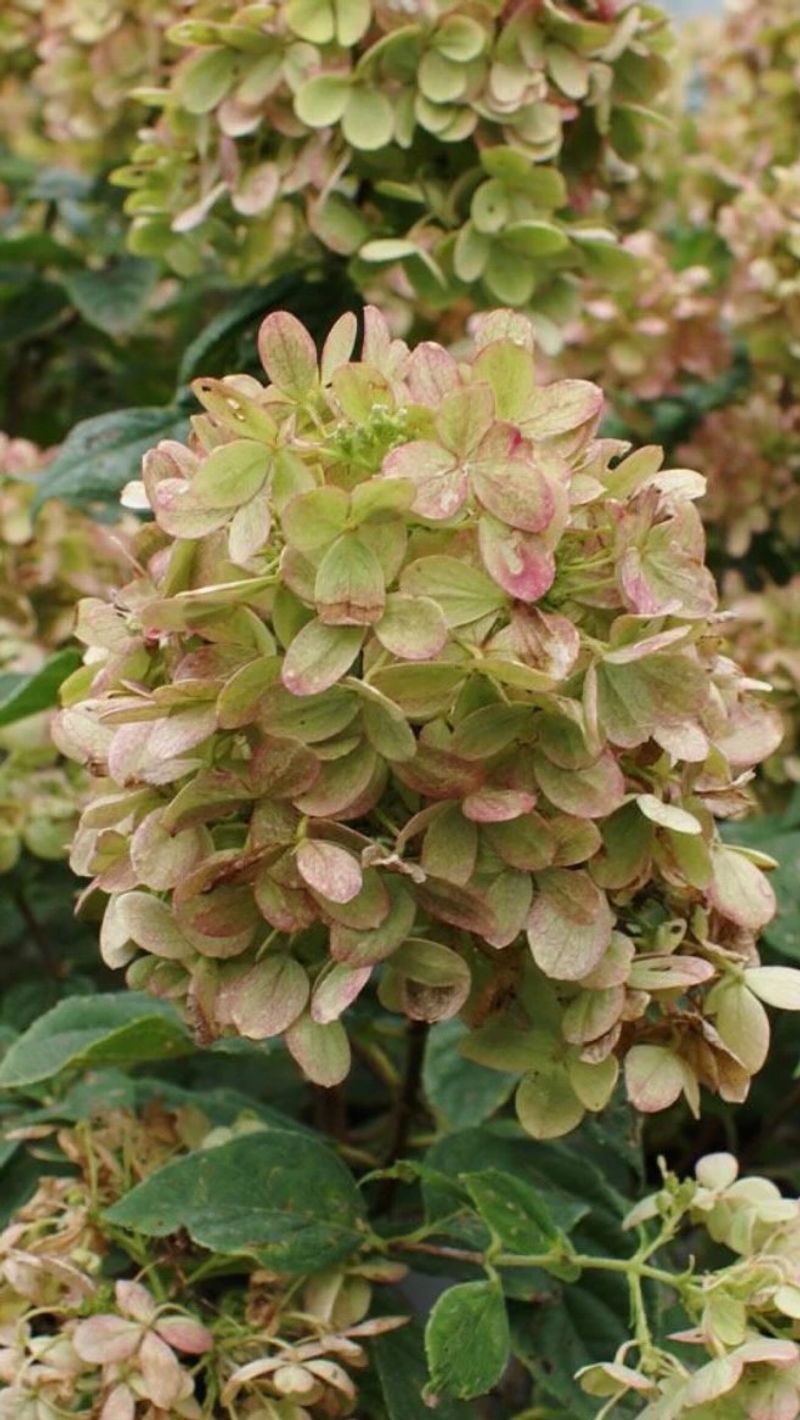
August gave much of Missouri a punishing run of upper nineties and barely any rain. Heat like that speeds up flower aging the same way it wilts a picnic salad.
Most bigleaf blooms opened here back in early June, so they are now twelve weeks old. Flowers that old have earned their wrinkles, and September simply puts them on display.
Shorter days matter too, since the shrub now sends sugars toward roots and buds instead of petals. Fading blooms are a signal the plant is packing up for winter.
Missouri sits across zones five b through eight a, so timing shifts a bit statewide. Gardens in warmer pockets of the state often turn papery a week or two ahead of cooler ones.
Your Missouri Garden Changes Every Week. Your Plan Should Too.
Gardening in Missouri changes quickly throughout the season. Every Friday you’ll receive a simple weekly plan showing exactly what to plant, prune, fertilize, harvest, and protect so you never miss the right timing.
Clay soil common around central Missouri holds water oddly, staying soggy then cracking hard during dry spells. Roots riding that roller coaster push blooms toward their papery finish faster.
Cool nights arriving in mid September can deepen the green tones into surprising jade and lime shades. Warm nights, by contrast, tend to leave blooms a plain, tired beige.
Late summer thunderstorms bring their own twist, since heavy rain marks up tired sepals. Brown speckles often appear the morning after a storm rolls across the state.
Watch your rain gauge rather than the calendar for the clearest read on timing. Weeks under one inch of water almost guarantee an early papery show.
Gardeners who mulched deeply in spring usually report the color holding a little longer. Moisture in the soil buys extra days of pink, blue, and white.
Common Missteps That Turn Papery Into Crispy
A neighbor once fed her shrubs a heavy dose of lawn fertilizer in August. Her blooms browned within ten days, and her next June brought hardly any flowers.
High nitrogen late in the season pushes soft leafy growth the plant cannot support. Skip the feeding after early July and let the shrub settle into its rhythm.
Shallow sprinkles are another classic slip, wetting only the top inch of soil. Roots stay thirsty below, and blooms crisp at the edges within days.
Pruning right now is the costly one for bigleaf varieties around Missouri. Those shrubs set next summer’s buds in late summer, so autumn cuts erase the show.
Midday overhead watering wastes moisture and can scorch petals under strong afternoon sun. Aim the hose at the soil early in the morning instead.
Container grown shrubs dry out twice as fast as ones planted in the ground. Pots on a hot Missouri deck may need water every single morning through September.
Full afternoon sun is a tough spot for bigleaf types, no matter how much you water. Morning light with afternoon shade keeps color richer far longer.
Forgetting mulch ranks high on the regret list. Two or three inches of shredded bark cools the root zone.
Some gardeners yank the papery heads off the moment they fade, which is harmless but hasty. Leaving them on adds winter interest and a little protection for tender buds.
Guessing about soil moisture rounds out the usual errors. Push a finger four inches down before turning on the hose.
Water, Shade, And Mulch Rescue Moves
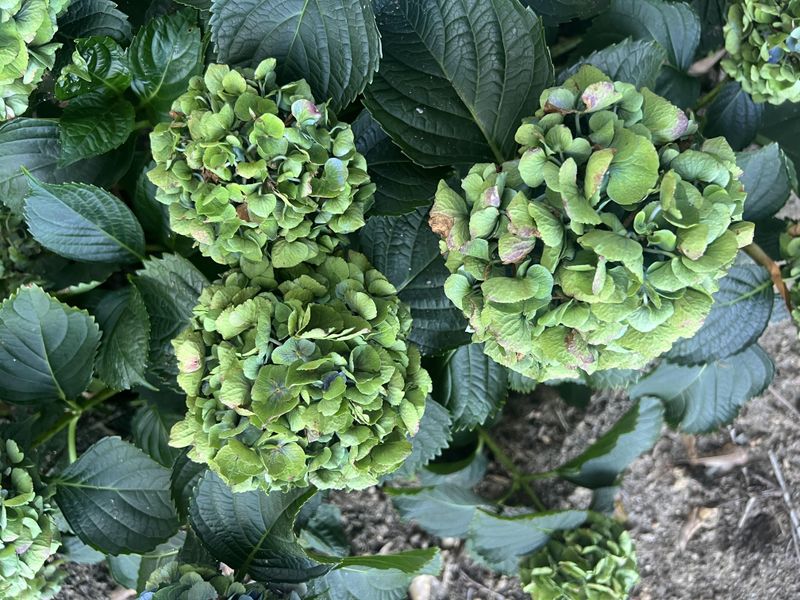
Reaching for the pruners is tempting, but the hose is the better tool this month. A deep soak does more for a tired shrub than any haircut could.
Give each plant about one inch of water per week, delivered slowly at the base. A soaker hose running thirty minutes usually gets the job done.
Morning is the smartest time, since leaves dry before evening and fungal spots stay away. Evening watering leaves foliage damp overnight, which invites trouble.
Refresh mulch now if the layer has thinned to bare dirt in spots. Keep it a few inches back from the stems so the crown breathes.
Temporary shade helps shrubs baking on a western wall through late afternoon. An old bedsheet on stakes for a week can ease real heat stress.
Hold off on fertilizer, since feeding now pushes growth that frost will nip. Wait until spring, when new leaves actually need the boost.
Mushroom compost spread thinly over the root zone feeds soil life without forcing growth. Earthworms handle the mixing while you sip your coffee.
Wilting at two in the afternoon is not an emergency during a Missouri heat wave. Check again after sunset, and water only if leaves still droop.
Leave the papery heads right where they are for now. They shade developing buds slightly and look lovely once frost outlines them.
One last tip worth remembering involves the calendar rather than the garden shed. Mark late March for pruning, and your future self will thank you.
Dried Antique Blooms And Their Second Life
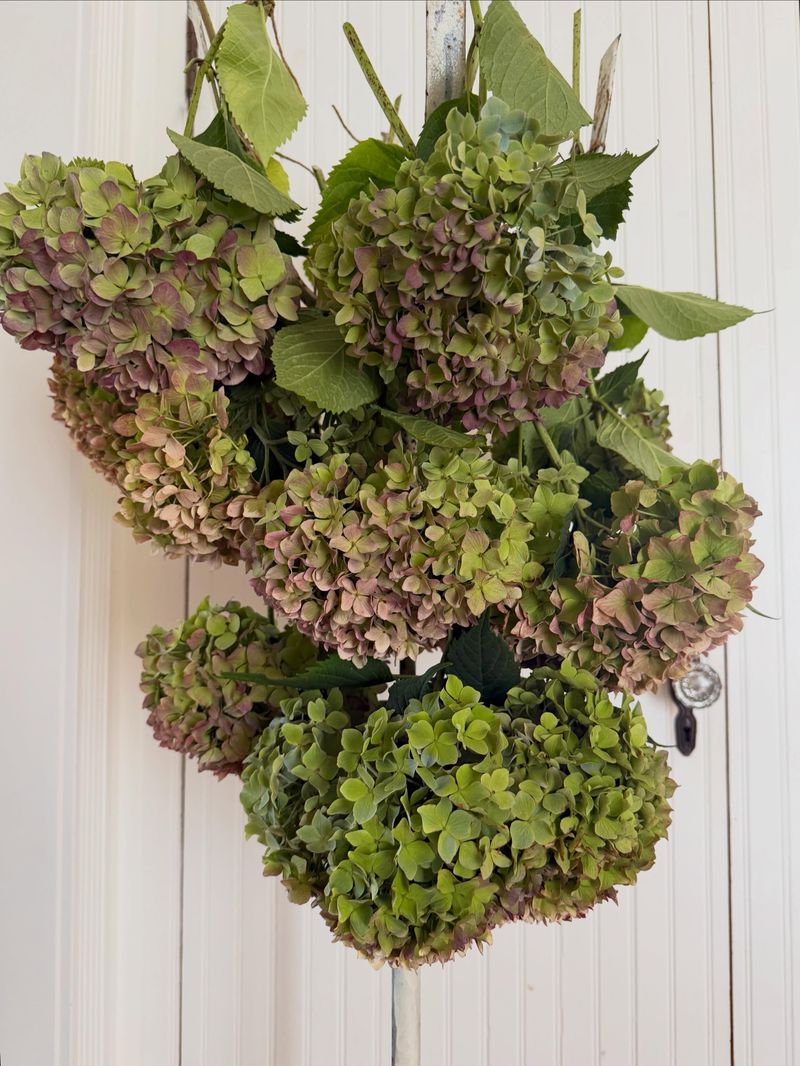
Crafters wait all year for the stage your shrubs just reached. Papery blooms hold their shape for months, which makes them prized for wreaths and centerpieces.
Timing the cut matters more than any fancy technique you might read about. Snip when the head feels like thin cardboard and rustles between your fingers.
Cut stems in the morning, strip the leaves, and stand them in two inches of water. As the water disappears, the blooms dry slowly and keep their color.
A dim closet or a spare bedroom works better than a sunny kitchen window. Direct light bleaches the green right out within a couple of weeks.
Limelight heads often dry to soft antique rose, while Endless Summer leans toward jade. Oakleaf types, a Southern native long at home here, finish in warm cinnamon tones.
Missouri farmers markets in fall sell these dried heads for real money. A single wreath can fetch a solid price at a local craft booth.
Hairspray, oddly enough, is the trick many crafters swear by for shedding. A light mist keeps tiny bits from scattering across the table.
Children love the crackle, so hand them a few heads and a glue stick. Pressed and framed, they make a gift grandparents keep forever.
Blooms left outside also earn their keep through the colder months. Snow settling on those papery domes turns a bare bed into something worth photographing.
Storage is simple once the heads feel light and rigid. A cardboard box in a dry closet beats plastic, which traps damp air.
Fall Groundwork For Fuller Blooms Next Summer
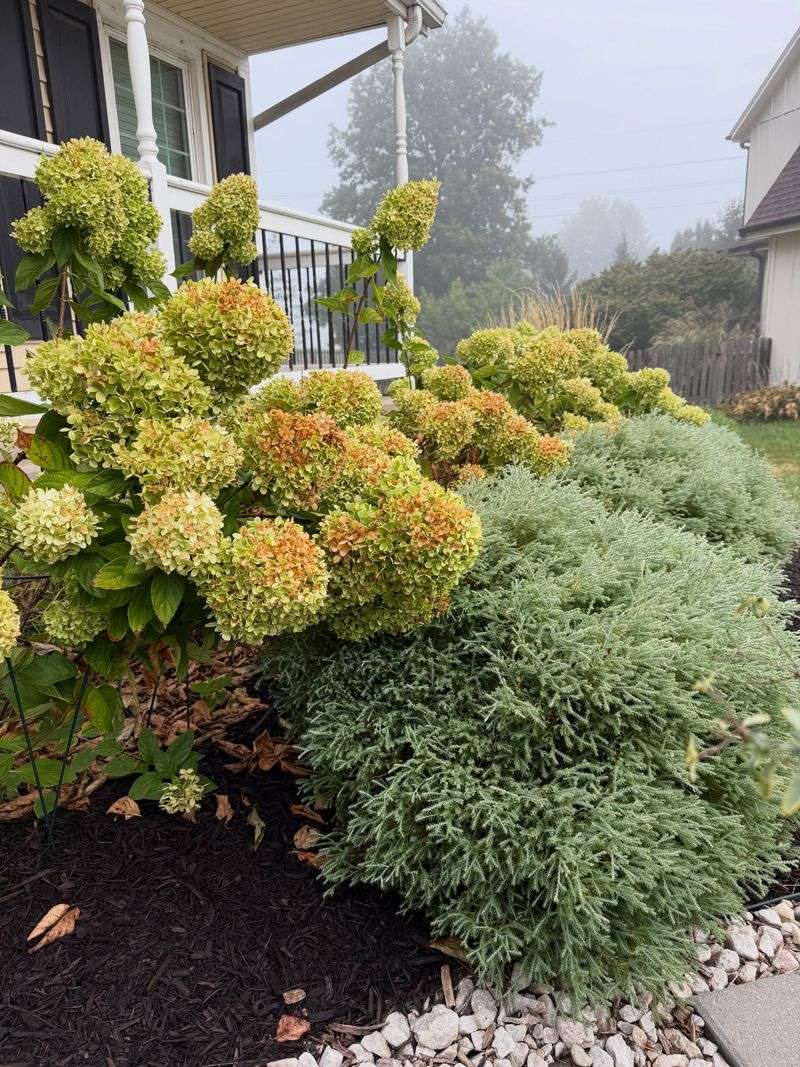
Next June’s flowers are being decided right now, inside buds you cannot see. What you do in September and October shapes that show more than spring care does.
Keep watering until the ground freezes, especially during a dry Missouri autumn. Hydrated roots handle winter cold far better than parched ones.
Wait for a few hard frosts before piling on winter mulch around the crown. Mulching too early keeps soil warm and confuses the plant.
Leave the pruners in the shed until buds swell in late March or April. Then remove only the woody stems that show no green inside.
Late spring freezes are the real troublemaker in Missouri, not summer heat. A bedsheet thrown over the shrub on an April frost night saves the season.
Consider a soil test this fall through your county extension office. Results cost little and explain both flower color and stubborn feeding problems.
A ring of compost spread in November feeds soil through the thaw. Skip the granular fertilizer until new leaves appear in spring.
Planting new shrubs in October gives roots a head start before the ground hardens. Pick a spot with morning sun, afternoon shade, and decent drainage.
Reblooming varieties bred for the Midwest flower on both old and new wood. Gardeners burned by spring freezes tend to appreciate that safety net.
Come next August, the papery finish will show up again right on cue. By then you will recognize it as a curtain call rather than a crisis.