Why Old Pressure Treated Wood Can Be A Problem In Georgia Raised Beds
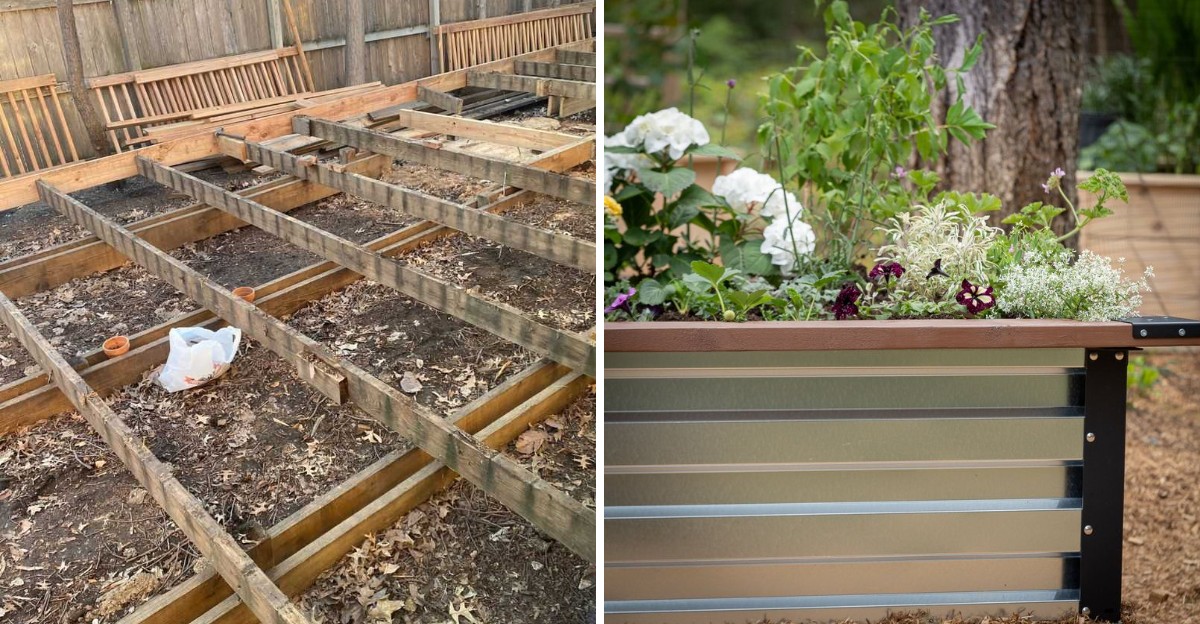
Plenty of backyard raised beds were built from leftover deck boards or lumber that sat behind a garage or in a shed for years.
Reusing that wood seems like a smart way to save money, especially when new lumber keeps getting more expensive.
The trouble is that older pressure treated boards were made with a different chemical mix than the lumber sold today.
Some of what went into that treatment can slowly move out of the wood and into the soil where your vegetables are growing.
Frequent rain and warm, humid weather in Georgia keep those boards damp for long stretches, which can speed up that process.
If you are not sure how old the boards around your garden are, it is worth figuring that out before you plant again.
1. The Age Of The Boards Makes A Big Difference
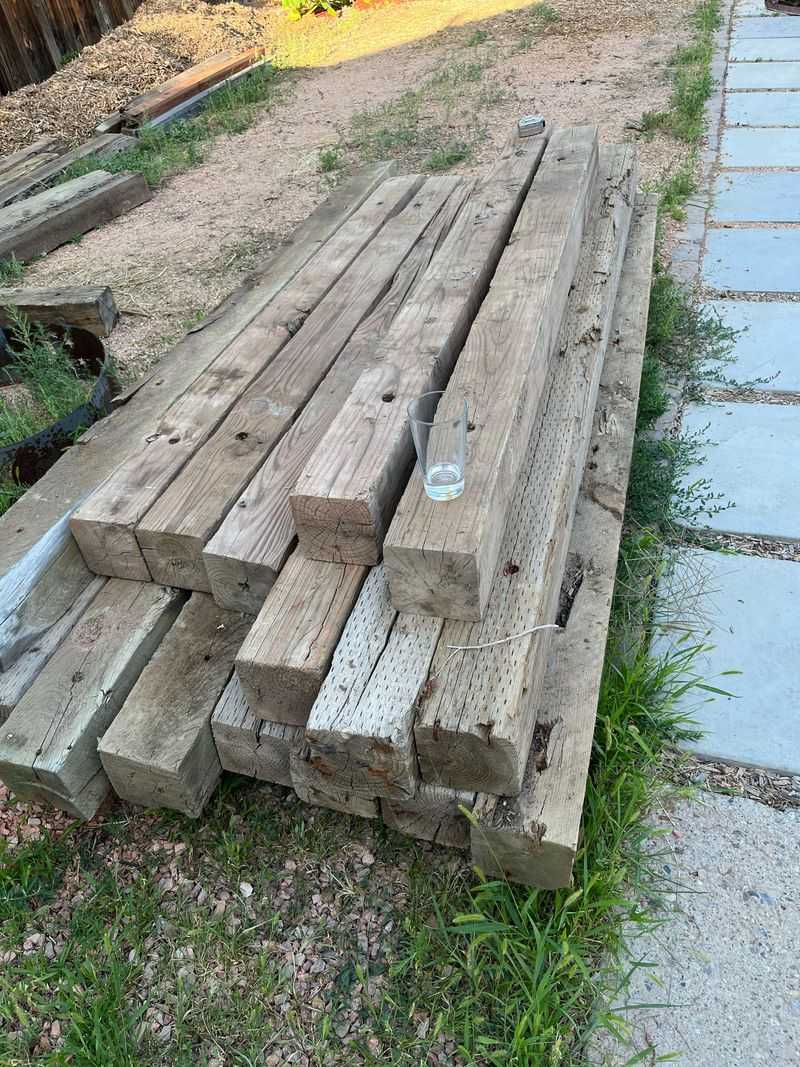
Lumber has birthdays, and they matter more than most gardeners expect. Wood treated before 2004 was commonly made with a preservative called chromated copper arsenate, or CCA.
That date comes from a voluntary agreement between manufacturers and the EPA, which phased CCA out of most residential lumber.
After the change, most treated wood sold for homes switched to copper-based formulas. Boards bought at a store in recent years are usually one of these newer types.
Older decks, fences, and playsets are a different matter, especially around homes built before the switch.
Plenty of Georgia backyards still have structures from the 1980s and 1990s. When those get torn down, the wood often ends up reused as raised bed walls.
Knowing roughly when the wood was built or bought is your best first clue.
Try asking a previous homeowner, checking old receipts, or looking at when a deck was added. Even a rough guess narrows things down quite a bit.
If the answer points to before 2004, treat the boards as likely CCA unless you can prove otherwise.
Guessing the other way creates unnecessary risk for your vegetables. A little detective work now can save you from pulling apart a finished bed later.
2. Older Treatments Contained More Concerning Ingredients
Arsenic sounds like something from a mystery novel, yet it was a normal part of lumber for decades. CCA used arsenic along with chromium and copper to stop rot and insects.
Copper fights fungi, while arsenic helped keep termites and other wood-eating pests away.
Chromium worked as a binder, helping lock the other ingredients into the wood fibers. In a humid Georgia climate, that protection made boards last a long time outdoors.
Arsenic is a known health concern, which is a big reason residential use was phased out.
Chromium in its more harmful form is also watched closely by health agencies. How much actually leaves a board depends on age, weather, and how the wood was treated.
None of this means touching an old fence post will make you sick.
Risk grows with repeated exposure, like handling sawdust, letting kids play near crumbling boards, or growing food in contact with them. Garden beds create exactly that kind of steady, long-term contact.
Your Georgia Garden Changes Every Week. Your Plan Should Too.
Gardening in Georgia changes quickly throughout the season. Every Friday you’ll receive a simple weekly plan showing exactly what to plant, prune, fertilize, harvest, and protect so you never miss the right timing.
If you do handle older boards, wear gloves and wash your hands afterward.
Skip cutting or sanding them without a mask, since the dust is the easiest way to breathe particles in. And do not burn old treated wood in a fire pit or grill.
3. Soil Contact Is Where The Concern Begins
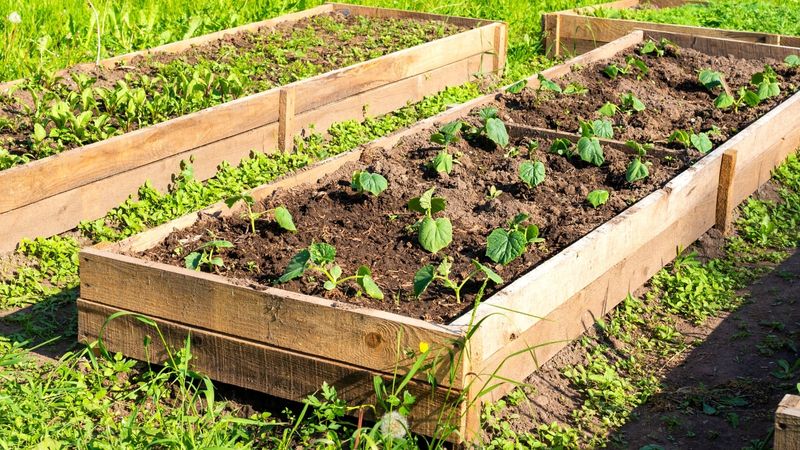
Wood sitting on a porch is one thing, but wood hugging damp soil is another story. Raised beds keep boards wet for months, and moisture helps some preservative move out of the wood.
Testing around older CCA structures has found higher arsenic levels in soil right next to the boards.
Levels usually drop quickly a short distance away from the wood. Still, the root zone of a lettuce or carrot sits right in that nearby area.
Our warm, rainy weather speeds up the process in ways a drier state might not see.
Frequent summer storms and long humid stretches keep the boards soaked. By September, a bed has usually been through many months of that soaking and drying.
Plants take up arsenic in small amounts, and root crops and leafy greens tend to pick up more than fruiting crops.
That matters since fall is prime time for collards, kale, radishes, and turnips. Those are exactly the crops you might tuck close to the bed edges.
If you already have an older bed, plant away from the edges and keep soil pH near neutral.
Peel and wash root crops well, and rinse greens thoroughly. Adding a plastic liner along the inside walls can reduce direct contact, though it is not a perfect barrier.
4. Weathered Boards Can Be Difficult To Identify
Sun and rain turn almost every board the same silvery gray. After enough seasons, old treated wood and plain pine can look nearly identical.
Fresh CCA lumber often had a greenish tint, but that color fades with years of weather.
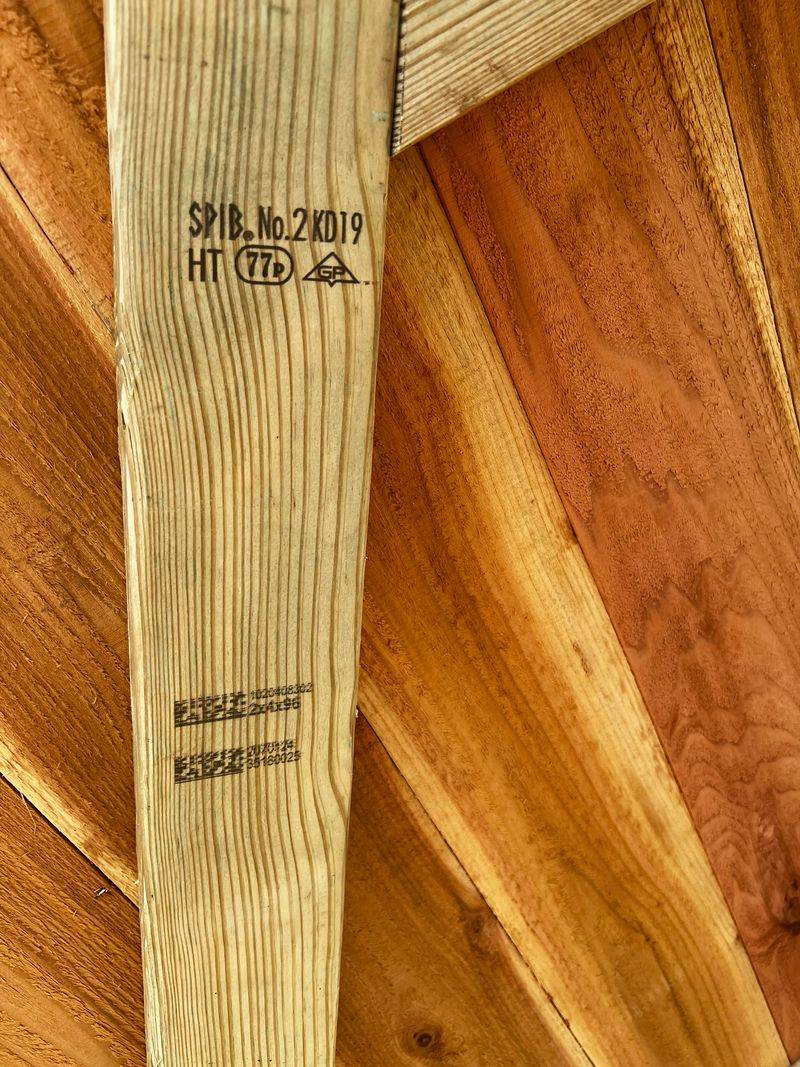
Some boards carry an end tag or ink stamp showing the treatment type. Look for letters like CCA, ACQ, or CA, although tags often fall off or wash away.
Small slit-like marks along the surface, called incisions, suggest the wood was treated, though they do not reveal which chemical was used.
A board that stayed solid for twenty years in direct ground contact is a clue too. Untreated pine in Georgia humidity usually rots or gets chewed by termites far sooner.
Home test kits for arsenic in wood exist, and some state labs or extension offices can point you to testing options.
Results vary by kit, so read the directions carefully and treat any result as a helpful guide. If testing seems like too much hassle, that is a perfectly reasonable answer too.
When the history is unclear, the safest call is to use that wood for something other than food.
A compost bin frame or a path edging far from crops puts it to work without the worry.
5. Reclaimed Lumber Deserves Extra Caution
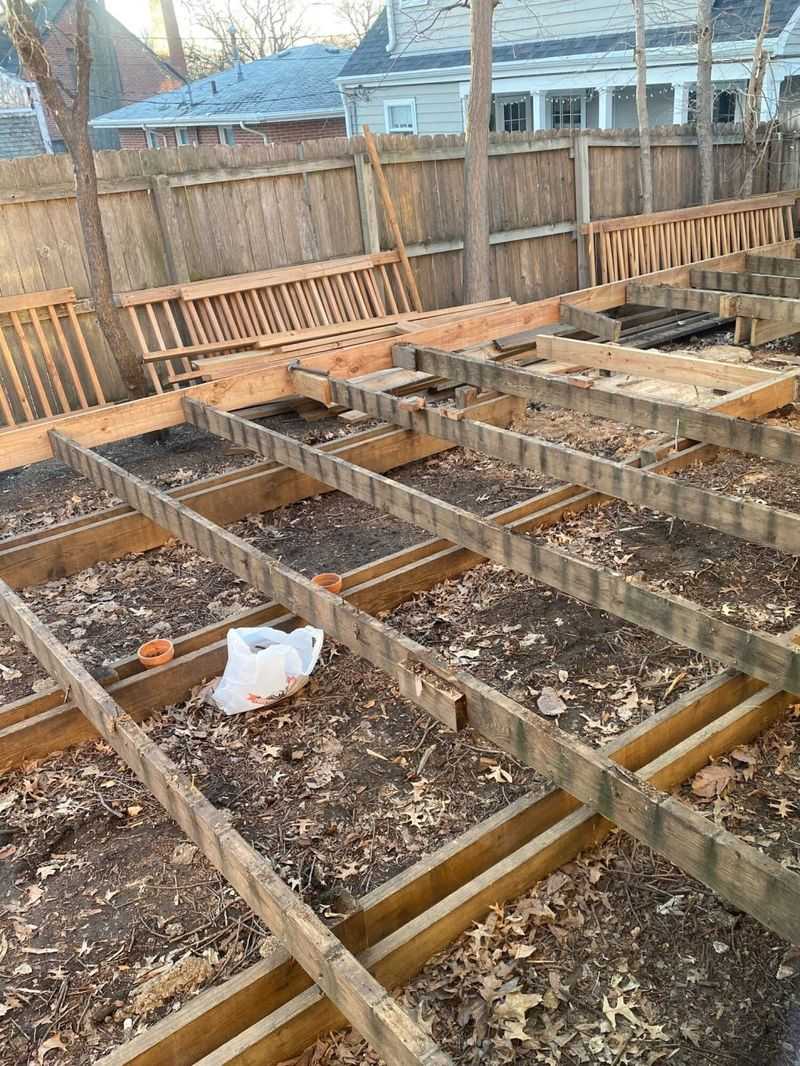
Free wood is a gardener’s favorite phrase. Torn-out decks, old fences, and farm leftovers show up on curbs and online listings all the time.
Here is the catch, though, since reclaimed lumber rarely comes with any paperwork.
A deck built in the late 1990s very likely used CCA boards. Split-rail fences and old playground frames from that era often did as well.
Rural parts of Georgia have plenty of aging barns and sheds, and landscape timbers and fence posts from that era are worth extra scrutiny.
Railroad ties are another common find, and they usually carry creosote, which is a poor match for vegetable beds. Utility poles can be treated with strong preservatives too.
Before hauling anything home, ask the owner when it was built and what it was used for.
A vague answer is a reason to pass, not a reason to hope. Old nails, paint, and stains can add their own unknowns on top of the treatment.
Plenty of reclaimed wood is still useful for projects that do not touch food.
Think benches, tool racks, or trellis frames that sit away from soil you plan to eat from. Keeping reclaimed boards out of your beds lets you enjoy the bargain without second-guessing every harvest.
6. Newer Treated Wood Is Not The Same
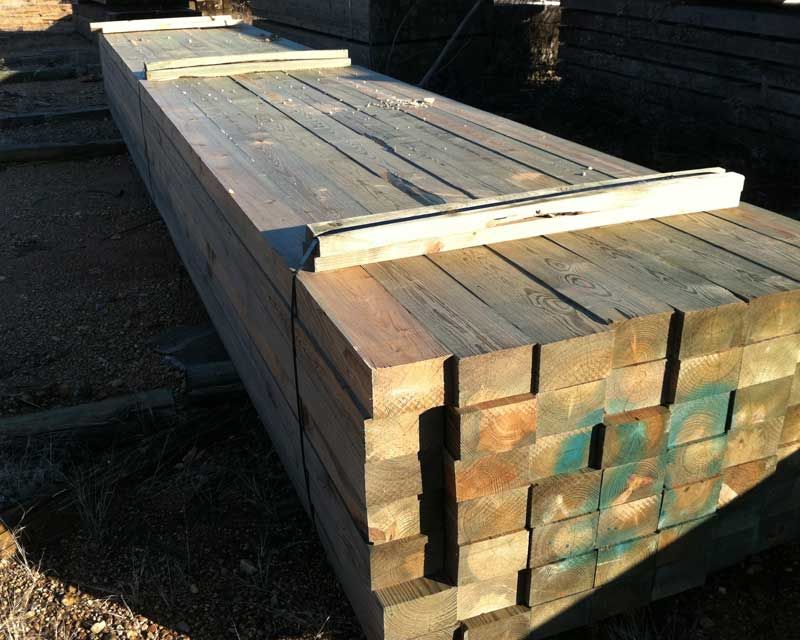
Walk into a lumber aisle today and the treated boards look fresh, but the chemistry inside has changed. Modern residential lumber mostly uses ACQ or copper azole, often labeled CA.
Neither of these contains arsenic, which was the main worry with older CCA wood.
They do contain more copper, and copper can move into nearby soil over time. Plants need a little copper, but too much can bother roots and soil life.
Many university extension services consider modern treated wood reasonable for raised beds, while some organic programs still restrict it.
Your comfort level is a fair part of the decision. If you sell produce as certified organic, check the rules before building with treated boards.
Look for tags marked for ground contact, since those boards are made for soil and moisture exposure.
In Georgia, the long warm season means termites and fungi stay busy much of the year. Ground contact ratings help the wood hold up in those conditions.
A liner along the inner walls can add peace of mind with newer wood too.
Wear a dust mask when cutting any treated lumber, and sweep up the sawdust instead of mixing it into the soil. Small habits like that keep things tidy and sensible.
7. Safer Materials Remove The Guesswork
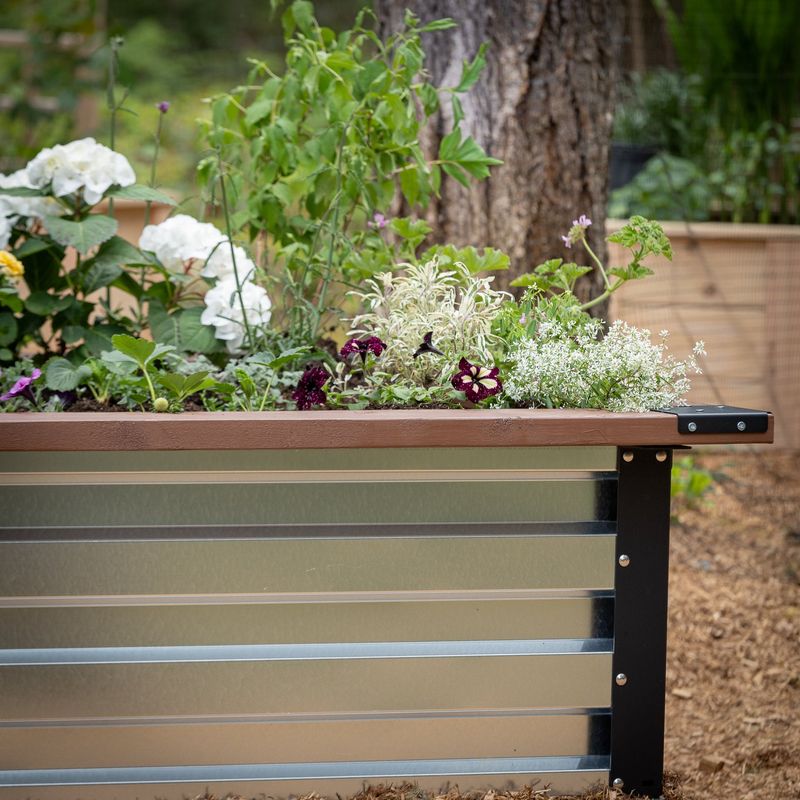
Sometimes the simplest fix is picking a different board entirely. Untreated cedar is a popular choice because its natural oils help it resist rot.
Cedar costs more than pine, but it can last several years, depending on moisture and soil contact.
Cypress is another option with a long history across the South. Look for heartwood when possible, since it tends to hold up better than the lighter sapwood.
Galvanized steel beds have become common in Georgia gardens, and they avoid wood rot entirely.
Metal can warm up in strong afternoon sun, so light colors or partial shade may help in summer. By September, that extra warmth can be a small bonus for fall seedlings.
Concrete blocks, stone, and brick make sturdy walls that will not rot or feed termites.
Fresh concrete can raise soil pH slightly, so a soil test every year or two is a smart habit. Your county extension office can help with testing for a modest fee.
Plain untreated pine is cheap and works fine if you expect to replace it in a few seasons.
Early fall is a great time to build, since cooler days make the work pleasant. Your fall greens will not care what the walls cost, only that they feel safe.