Stop Doing This To Your Pennsylvania Trees When The Air Quality Drops
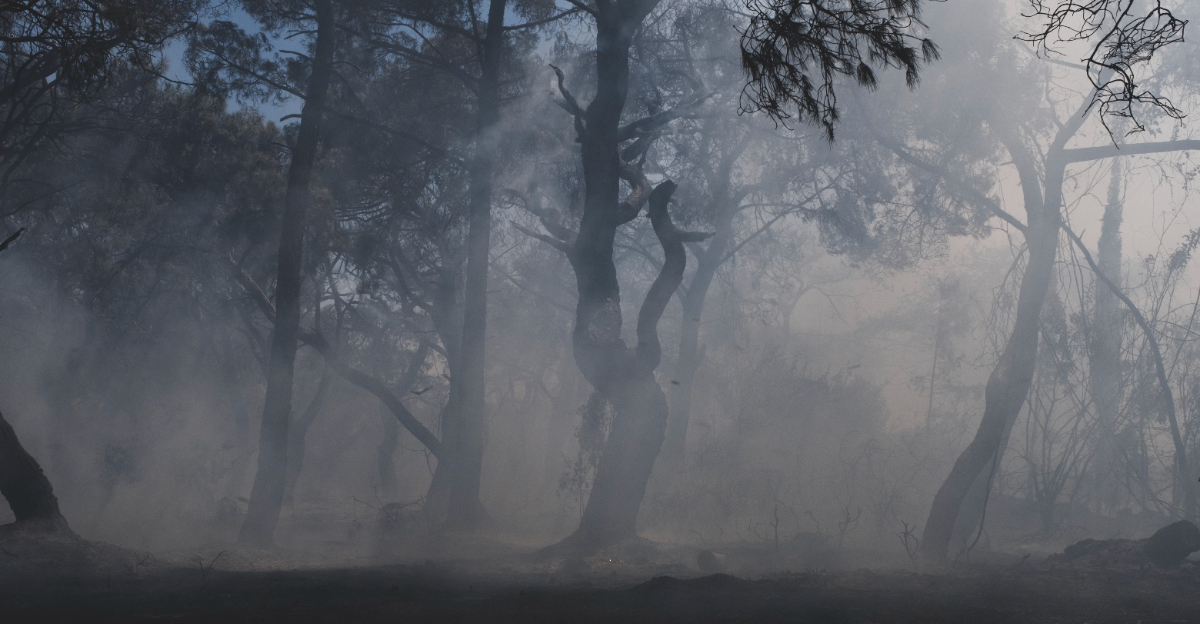
Smoke drifts in from hundreds of miles away and settles over Pennsylvania backyards for days. Homeowners check air quality apps and close their windows, often forgetting something standing right outside.
Trees standing right outside, the maple, the oak, that young dogwood, pull in every particle floating through the haze. Routine yard habits during smoky weeks can quietly add strain to trees that are already under pressure.
Pennsylvania’s smoky stretches are becoming a regular part of summer, not a rare event. The good instinct is there, it just needs better direction.
Fertilizing Adds Stress Trees Can’t Handle Right Now
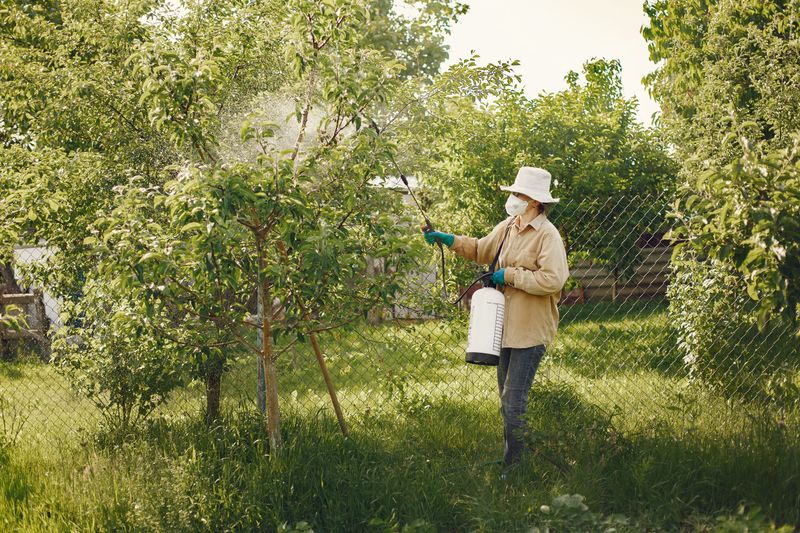
Your instinct to feed your trees is good. But timing matters more than intention.
When air quality drops, trees shift into survival mode. They slow down photosynthesis and reduce the work they do above ground.
Fertilizer pushes new growth, and new growth demands energy. During poor air quality days, your tree simply does not have that to spare.
Forcing fresh leaf growth during a smoke event is like asking someone to run a marathon while breathing through a wet cloth. The tree cannot keep up with the demand you are creating.
New leaves are also more vulnerable than older, established ones. Smoke particles cling to tender growth more easily, blocking sunlight and clogging the tiny pores trees use to breathe.
Those pores are called stomata, and they are the tree’s main tool for gas exchange. When they get coated in ash or fine particulate matter, the whole system slows down fast.
Nitrogen-heavy fertilizers are especially risky right now. They trigger rapid green growth at exactly the wrong moment in the season.
Phosphorus and potassium-based products are gentler, but even those should wait until air quality improves. Giving your tree a break is not neglect, it’s smart care that protects long-term health.
What Smoke And Ash Actually Do To Tree Leaves
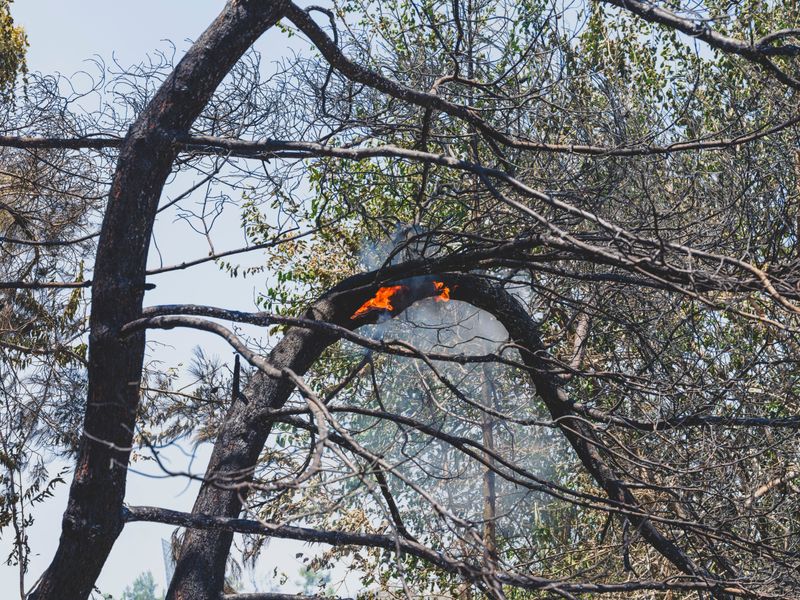
Picture a window caked in dust, then imagine trying to see through it clearly. That is exactly what your tree is dealing with right now.
Smoke particles are incredibly tiny. They float into leaf surfaces and settle into every crease and pore without washing away easily.
Ash is heavier and coats the top of leaves like a thin gray blanket. Both substances block the sunlight trees need to produce food through photosynthesis.
When photosynthesis slows, the tree gets less sugar. Less sugar means less energy for root growth, immune response, and seasonal prep work.
Leaves also absorb some airborne chemicals directly into their tissue. Ozone, nitrogen dioxide, and sulfur compounds can damage cell walls inside the leaf itself.
That internal damage is invisible at first. You might not notice anything wrong until leaves start dropping early or showing unusual brown patches weeks later.
Conifers common across Pennsylvania, like pines and spruces, are especially vulnerable because their needles stay on the tree year-round.
Deciduous trees get a bit of a break when they shed leaves in fall. But repeated smoke exposure across multiple seasons weakens even the toughest hardwoods.
Your Pennsylvania Garden Changes Every Week. Your Plan Should Too.
Gardening in Pennsylvania changes quickly throughout the season. Every Friday you’ll receive a simple weekly plan showing exactly what to plant, prune, fertilize, harvest, and protect so you never miss the right timing.
Understanding what is happening at the leaf level helps you make smarter choices. Protecting your trees starts with knowing exactly what they are up against during every smoky stretch across the state.
Signs Your Trees Are Already Struggling To Breathe
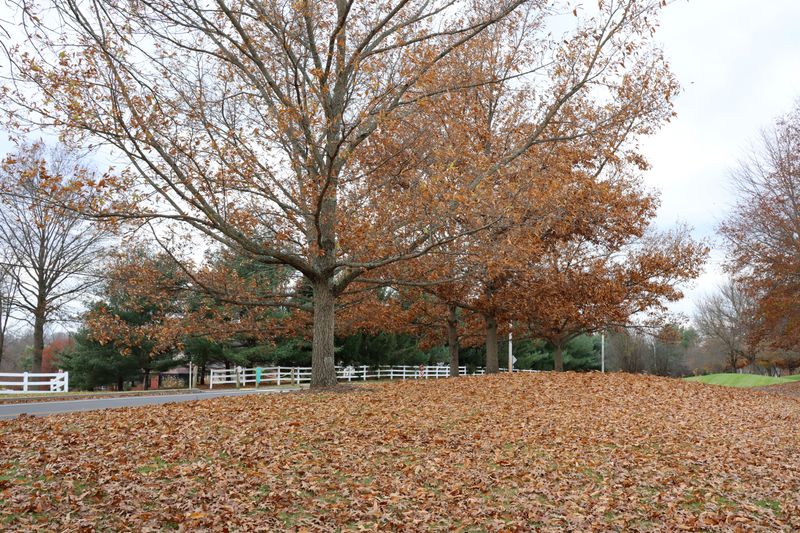
Trees cannot cough or wheeze, but they do send distress signals. You just have to know where to look.
Early leaf drop is one of the clearest signs. If leaves are falling in midsummer and there has been no drought, smoke stress is a likely culprit.
Yellowing between the veins can also appear, though this is more often tied to nutrient uptake problems that smoke stress can trigger indirectly.
Wilting without dry soil is confusing to most homeowners. But it can mean the stomata have closed up to protect the tree from absorbing more pollutants.
Closed stomata also mean the tree is not releasing water vapor efficiently. That throws off the whole internal moisture balance, even on days when the ground is wet.
Look for scorched-looking leaf edges with no signs of fungal infection or insect damage. That browning often points to oxidative stress caused by ozone exposure in the air.
Bark that looks unusually dry or cracked during a normally moist season can also signal that root function has been compromised. Roots and leaves work together, so stress in one place shows up everywhere.
Younger Pennsylvania trees and recently transplanted ones show stress faster than established specimens. Check them more often during air quality alerts and document any changes with photos.
Catching these signs early gives you a real chance to respond. Waiting too long can let the damage become permanent or too costly to reverse.
Better Ways To Support Trees During Poor Air Days
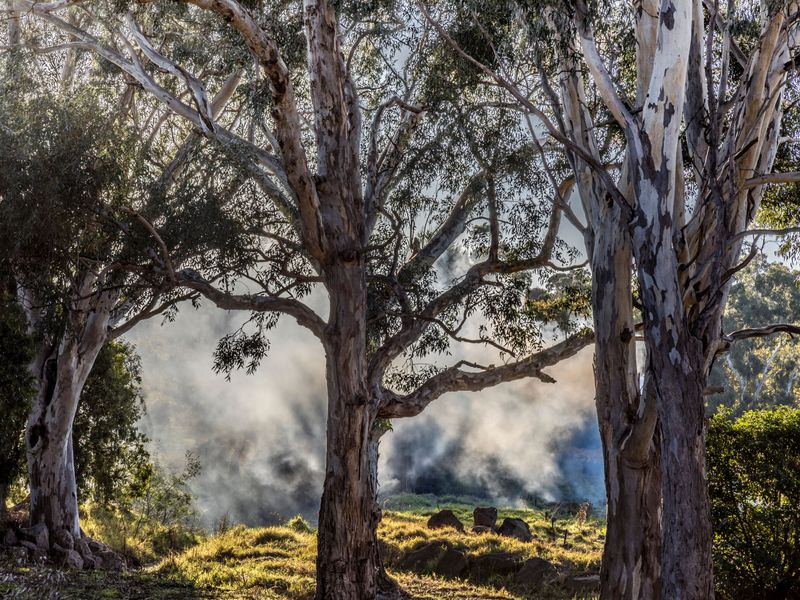
Smoke in the air does not mean you are helpless. There are smart, low-intervention things you can do right now.
Deep watering at the root zone is one of the most effective things you can offer a stressed tree. Moist soil helps roots stay active even when above-ground activity slows down.
Water slowly and deeply rather than giving a quick surface soak. Shallow watering encourages shallow roots, which makes trees less stable and less drought-resilient long-term.
Avoid spraying water on the leaves during smoky periods. Wet foliage traps airborne particles and can make the coating on leaves worse rather than better.
Pull back any mulch that is piled against the trunk. Volcano mulching, where mulch is heaped up against the bark, traps moisture and invites disease even in normal conditions.
Spread a two to three inch layer of organic mulch in a wide ring around the tree instead. This keeps soil cool, retains moisture, and protects shallow feeder roots from heat stress.
Skip pruning during this stretch. Fresh cuts create open wounds, and trees under air-quality stress have less energy to seal those wounds quickly and effectively.
Avoid any soil compaction near the root zone. Heavy foot traffic, parked equipment, or construction activity near trees limits the oxygen their roots need to function.
Small, thoughtful actions add up fast. Giving your trees calm, consistent support during rough air days builds the resilience they need to outlast every smoky season ahead.
Waiting For The Right Time To Resume Feeding
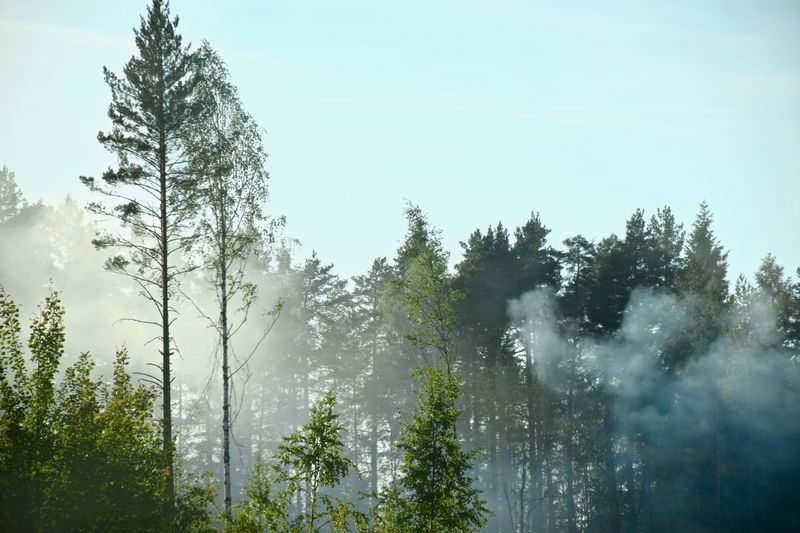
Patience is one of the most underrated tools in tree care. Knowing when to act is just as valuable as knowing how.
Air quality index readings are your best guide for timing. When the AQI drops back below 100 and stays there for a few days, conditions are improving.
Wait until air quality stays good for several consecutive days before resuming any fertilizing routine. Trees need time to reopen their stomata and restart normal metabolic activity.
A soil test is a great next step once conditions stabilize. It tells you exactly what nutrients are missing rather than guessing and adding products the tree does not need.
Soil tests are inexpensive and widely available through Penn State Extension offices across the state. Results give you a targeted plan instead of a broad-spectrum approach that could backfire.
When you do resume feeding, start with slow-release organic options. They feed gradually and gently, which matches the pace at which a recovering tree can actually absorb nutrients.
Liquid fertilizers move fast through the soil and can overwhelm roots that are still recalibrating after a stressful stretch. Granular options give you more control over the rate of release.
Watch for new, healthy leaf growth as a signal that the tree is rebounding well. Fresh green growth with good color is the clearest sign the system is back online.
Resuming care at the right moment is what separates good tree stewardship from guesswork. Timing, not too early and not too late, is what costs people money in the long run.
Long-Term Tree Health After Repeated Smoke Events
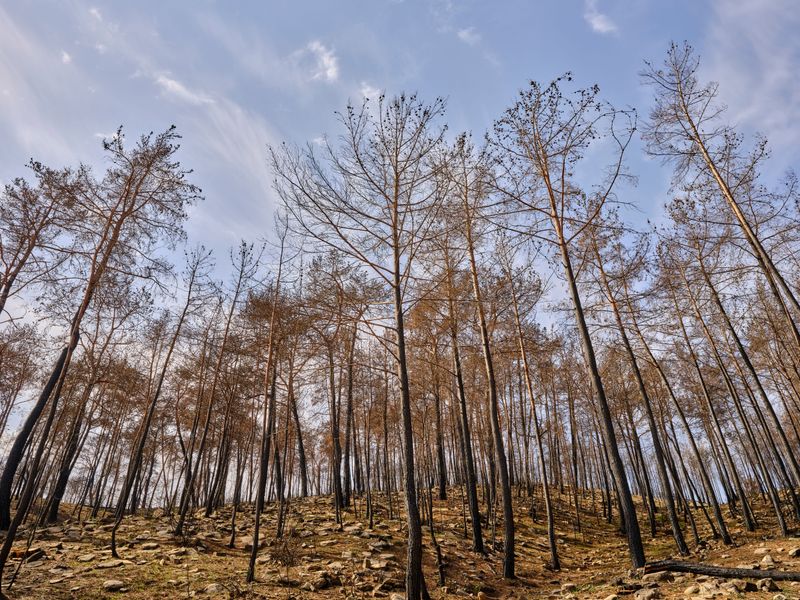
One bad air quality week probably will not break a healthy tree, but repeated smoke events across multiple seasons are a different story.
Cumulative stress is the real threat. Each smoky stretch chips away at the tree’s energy reserves, immune response, and ability to resist pests and disease.
Trees that experience repeated oxidative stress from ozone and particulates become more susceptible to secondary problems. Bark beetles, canker diseases, and root rot all move in faster on weakened hosts.
Building long-term resilience starts with soil health. Rich, biologically active soil supports stronger root systems that can sustain the tree through environmental stressors year after year.
Adding compost around your tree every fall improves soil structure. It also feeds the microorganisms that help roots absorb water and nutrients more efficiently.
Choosing species native to Pennsylvania for new plantings is a smart move going forward. Native trees evolved alongside local conditions and tend to bounce back from regional stress events more effectively.
Regular checkups with a certified arborist help you catch early warning signs before they become expensive problems. Annual inspections are especially worthwhile for older or larger specimens.
Document your trees with photos each season so you have a visual record of changes over time. Patterns become obvious when you can compare images from year to year.
Protecting your Pennsylvania trees through repeated smoke events is a long game. Consistent, informed care is what keeps them standing strong for decades to come.