How Short Is Too Short For Ohio Grass Before A 90-Degree Weekend
Mowing before a 90-degree Ohio weekend feels responsible. Get ahead of the growth, keep the yard looking sharp, check one thing off the list before the heat makes outdoor work miserable.
That instinct is understandable and potentially one of the more damaging things a lawn goes through before a heat spike. Grass height is not cosmetic during extreme heat.
It is functional. The blade length that seemed fine in May creates a completely different set of conditions in August when soil temperatures are already elevated and the lawn has less margin for stress than it did earlier in the season.
Cut too short before a 90-degree weekend and the lawn spends the heat event cooking from the top down with no canopy to protect the root zone. The damage shows up after the weekend in ways that take weeks to reverse.
There is a height that protects. There is a height that does not.
1. Two Inches Sits At The Bottom Of The Safe Mowing Range
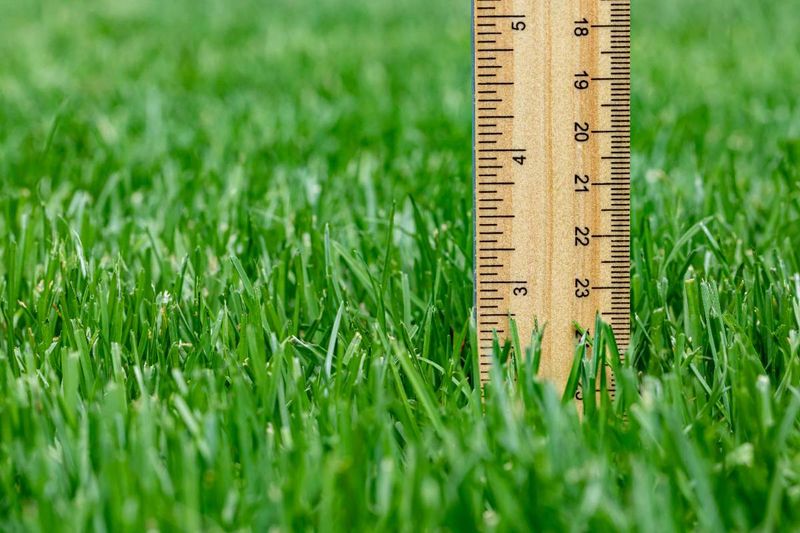
Somewhere around two inches, you reach the lower boundary of what most Ohio lawn care guides consider acceptable for common cool-season grasses. For tall fescue, recommended mowing heights generally run from 3 to 4 inches in summer.
Perennial ryegrass is often maintained between 1.5 and 3 inches depending on the situation. Fine fescues can tolerate a slightly lower cut, while Kentucky bluegrass is typically kept between 2.5 and 3.5 inches during hot weather.
Cutting at the absolute low end of a species range leaves almost no margin if heat and dry weather arrive quickly. A lawn sitting at two inches has less leaf area to shade the soil and less green tissue to support root activity.
That does not mean two inches automatically harms every lawn, but the timing matters a great deal. A shaded lawn with good soil moisture and dense perennial ryegrass may handle a two-inch cut fairly well.
A sunny Kentucky bluegrass lawn already showing stress may respond much differently.
Accidental scalping is a separate concern. Scalping happens when the mower removes most of the green leaf tissue in one pass.
Cutting at the low end of a recommended range is not the same as scalping, but repeated low cuts before summer heat can push a lawn closer to that edge. Lawn condition, recent rainfall, turf density, and species all shape the outcome.
2. Three To Four Inches Gives Grass More Protection From Heat
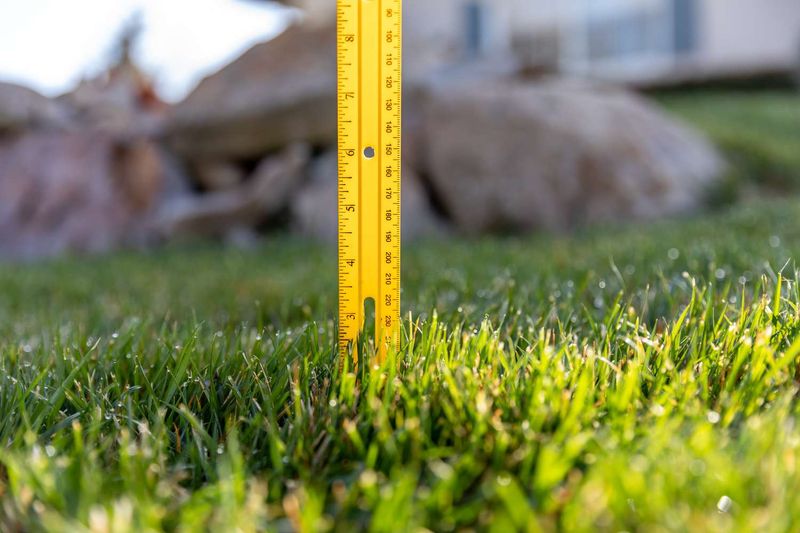
Raising the mowing deck during summer is one of the most consistent recommendations you will find in Ohio turfgrass guidance.
Many cool-season lawns across the state benefit from being kept toward the taller end of their recommended range once temperatures climb.
Tall fescue is a prime example. Its recommended summer height of 3 to 4 inches gives it a larger canopy that supports both photosynthesis and root function during heat stress.
More leaf area means the plant can capture sunlight and produce more of the sugars it needs to sustain roots through a difficult stretch. Roots that are better supported tend to reach deeper into the soil, where moisture lingers longer.
Your Ohio Garden Changes Every Week. Your Plan Should Too.
Gardening in Ohio changes quickly throughout the season. Every Friday you’ll receive a simple weekly plan showing exactly what to plant, prune, fertilize, harvest, and protect so you never miss the right timing.
Perennial ryegrass maintained at 2.5 to 3 inches in summer follows a similar logic, though it does not need quite as much height as tall fescue to stay comfortable.
Taller turf can also shade out some weed seedlings by reducing the light reaching the soil surface. Research does support some weed competition benefit from taller mowing, though it is not a complete solution on its own.
A thicker, taller stand combined with healthy soil and proper watering practices creates conditions where many common weeds struggle to get started.
Four inches is not a universal target for every species, so identifying your turf type first helps you land on the right height for your specific lawn.
3. Taller Blades Help Shade Soil Through A 90-Degree Weekend
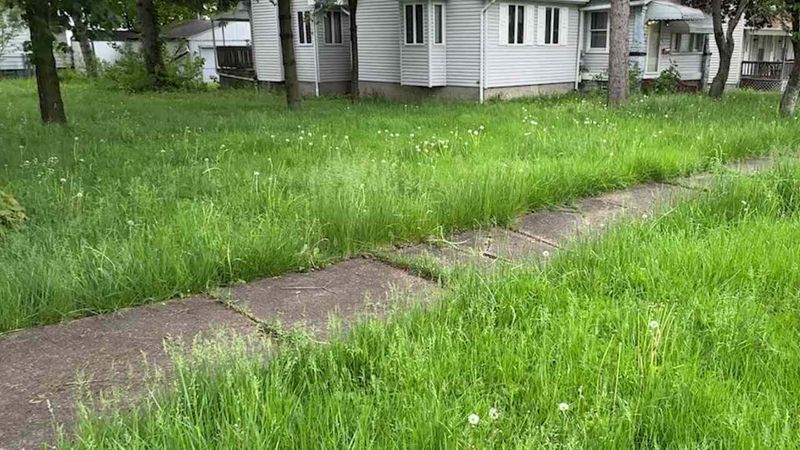
A taller grass canopy acts like a partial umbrella over the soil. When blades are longer, they overlap and lean slightly, blocking some of the direct sunlight that would otherwise bake the ground beneath.
Cooler soil holds moisture a bit longer, which can help roots stay hydrated during a stretch of hot days. Sun angle, wind speed, soil type, and turf density all influence how much benefit the canopy actually provides.
The 90-degree reference used in lawn care conversations is really shorthand for a period of intense heat stress, not a precise biological trigger. Grass does not suddenly behave differently the moment a thermometer hits 90.
The stress builds gradually as temperatures stay high, soil dries out, and the plant works harder to stay cool through transpiration. Removing a large portion of leaf area just before that kind of weather makes the plant’s job harder at exactly the wrong time.
Taller turf will not prevent drought stress on its own. A lawn that goes without water for several days during a heat wave will eventually show stress regardless of mowing height.
Taller blades simply give the plant a slightly better starting position. They reduce how quickly the soil surface dries and give the grass a larger surface area for the cooling process it uses naturally.
Keeping that canopy intact before a hot weekend is a low-cost way to support the lawn through a tough stretch.
4. The One-Third Rule Prevents A Stressful Scalping
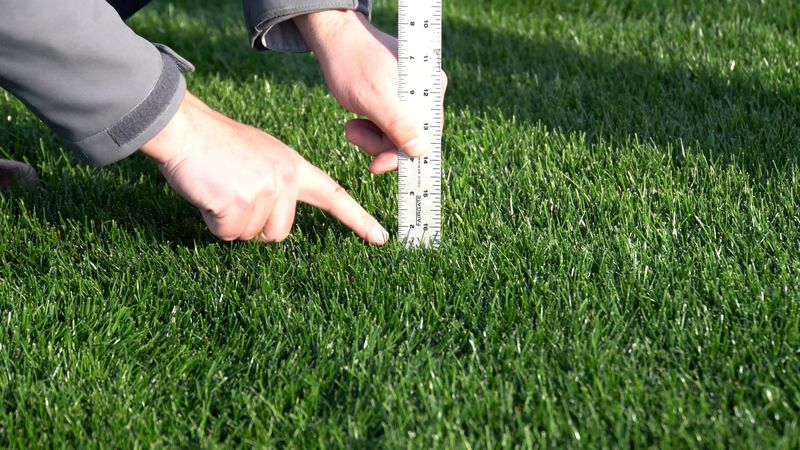
Turf specialists have long recommended avoiding the removal of more than about one-third of the leaf blade in a single mowing session. The practical logic is straightforward.
If you are maintaining a lawn at three inches, you should mow before it reaches four and a half inches. Cutting from four and a half inches back down to three removes exactly one-third, which keeps stress at a manageable level for the plant.
Removing more than that triggers a rapid response in the grass. The plant shifts energy away from roots and toward rebuilding leaf tissue as quickly as possible.
That kind of energy redirection is taxing under normal conditions. Before a hot weekend, it can leave the lawn in a weakened state right when it needs to be at its strongest.
An overgrown lawn sometimes tempts homeowners to cut it back to normal height in one pass. A better approach is to lower the height gradually over two or three mowings spaced a few days apart.
Each cut stays within the one-third limit, and the lawn recovers between sessions. The one-third principle is a helpful guide rather than an unbreakable rule for every situation, but it applies especially well when summer heat is approaching.
Following it consistently through the season also helps avoid the buildup that makes the rule harder to follow in the first place.
5. Drought-Stressed Grass Is Better Left Unmowed
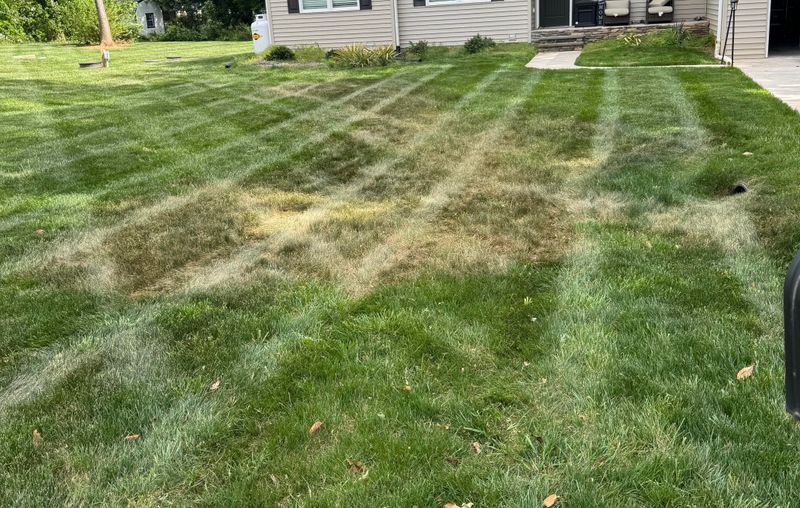
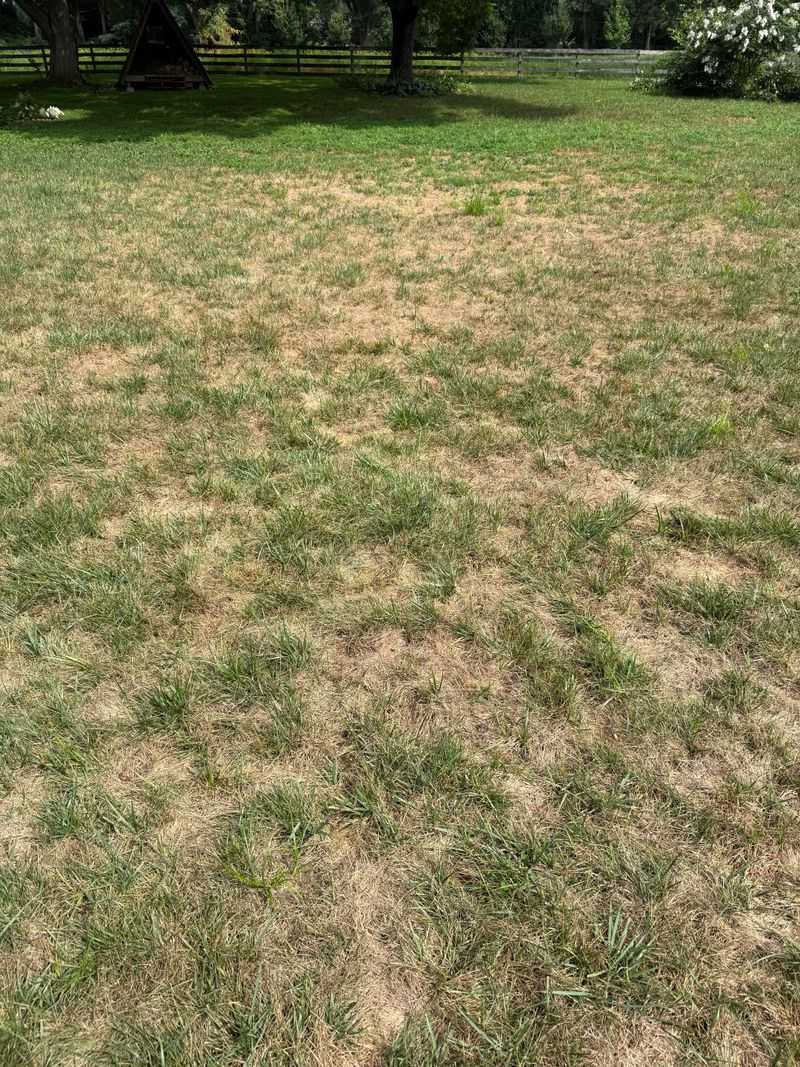
Footprints that stay visible for several minutes after you walk across the lawn are a classic early signal that the turf is moisture-stressed.
A bluish-gray color replacing the normal green shade and leaf blades that appear rolled or folded are other signs worth watching for.
No single symptom tells the whole story, so looking at a combination of clues gives a more reliable picture of what the lawn actually needs.
Running a mower over already stressed turf adds another layer of strain. The mowing process itself causes minor physical injury to leaf tissue.
Under normal conditions the plant recovers quickly. When the lawn is already struggling with heat and dry soil, that recovery takes longer and draws on energy reserves the plant cannot easily spare.
Growth slows significantly during hot, dry periods, which means the lawn may not need mowing as often as it does during cooler, wetter stretches of the season.
Waiting for conditions to improve before mowing is usually the smarter call. Once temperatures drop slightly or the lawn receives meaningful rainfall or irrigation, the turf can bounce back and handle a mowing session with much less stress.
Mowing immediately after irrigation is also worth avoiding. Wet grass clumps under the deck, cuts unevenly, and can leave ruts in softened soil.
Patience during a heat wave is genuinely one of the more helpful things a homeowner can offer a stressed lawn.
6. Kentucky Bluegrass Struggles Faster When Cut Too Low
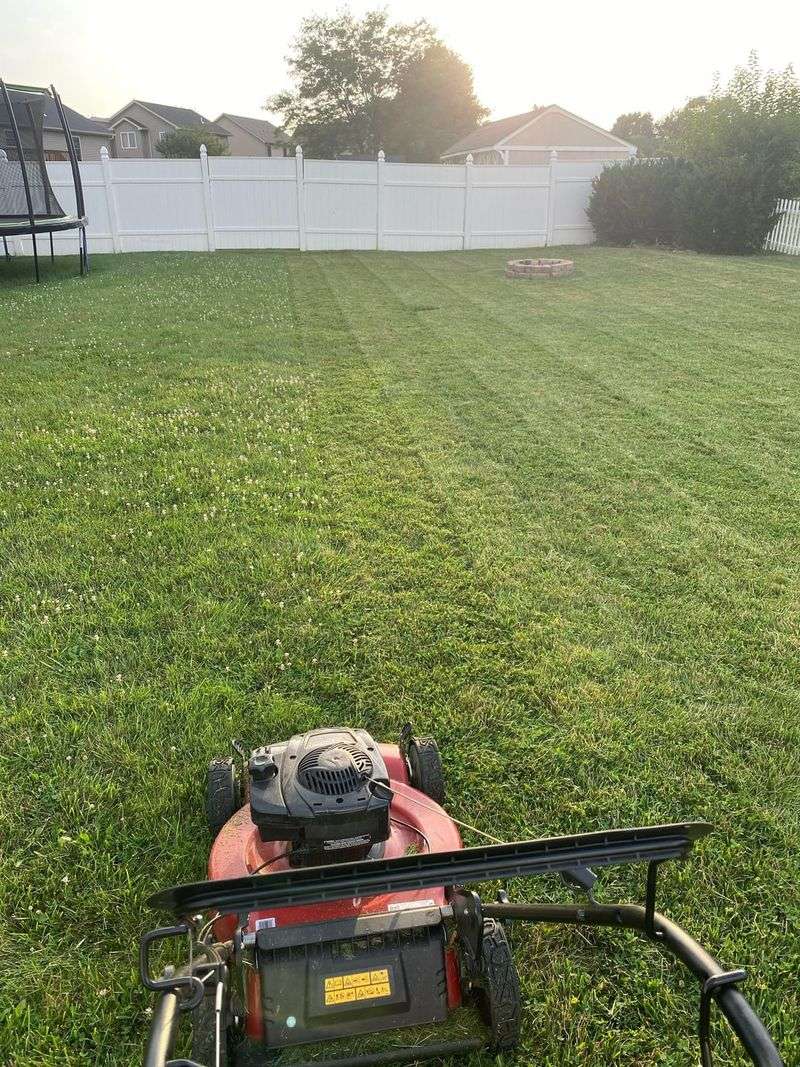
Kentucky bluegrass is one of the most popular lawn grasses in Ohio, and it is also one of the more sensitive cool-season species during summer heat. Its recommended mowing height in summer generally falls between 2.5 and 3.5 inches.
Cutting it toward the lower end of that range before several hot days reduces the leaf area available for photosynthesis. It also leaves less tissue to shade the root zone.
During extended heat and dry conditions, Kentucky bluegrass may slow its growth noticeably, lose some color, or enter a period of summer dormancy. Dormancy is the plant conserving resources, not a permanent setback.
A lawn that goes tan or straw-colored during a July heat wave can green up again when cooler temperatures and adequate moisture return.
Mowing a lawn that has already slowed growth or gone partially dormant can add unnecessary stress and slow that recovery.
Tall fescue handles summer heat somewhat better than Kentucky bluegrass because of its deeper root system and wider leaf blade. It does not share the same tendency toward summer dormancy under typical Ohio conditions.
Homeowners with Kentucky bluegrass should keep the mower deck higher as summer heat builds. They should also resist applying heavy nitrogen fertilizer to force green growth during a heat wave.
Feeding heavily during peak heat can stress the plant further rather than help it.
7. Sharp Mower Blades Matter More During Summer Stress
A clean cut and a ragged cut look similar from a distance, but up close the difference is easy to spot. A sharp mower blade slices through the grass blade cleanly, leaving a smooth, flat tip.
A dull blade tears and shreds the tissue, leaving the top of each grass blade frayed and slightly brown within a day or two of mowing. That brown haze across the lawn surface after mowing is often a sign the blade needs attention.
Torn tissue exposes more surface area to hot, dry air. That can increase the rate at which the cut ends lose moisture, which adds a small but real layer of stress to a lawn already coping with summer heat.
A dull blade does not automatically cause lawn disease. However, its ragged cuts look less tidy and can reduce the turf’s overall appearance through the summer months.
Checking blade condition a few times during the mowing season is a reasonable habit. If the tips of the grass blades look brown and frayed a day or two after mowing, the blade may need sharpening or replacement.
Always follow the mower manufacturer’s safety procedures before removing or inspecting the blade. Disconnecting the spark plug wire on gas mowers is a standard safety step before any blade work.
Keeping the blade sharp is a small effort that pays off in cut quality, especially when the lawn is already under summer stress.
8. Raise The Mower Deck Until Cooler Weather Returns
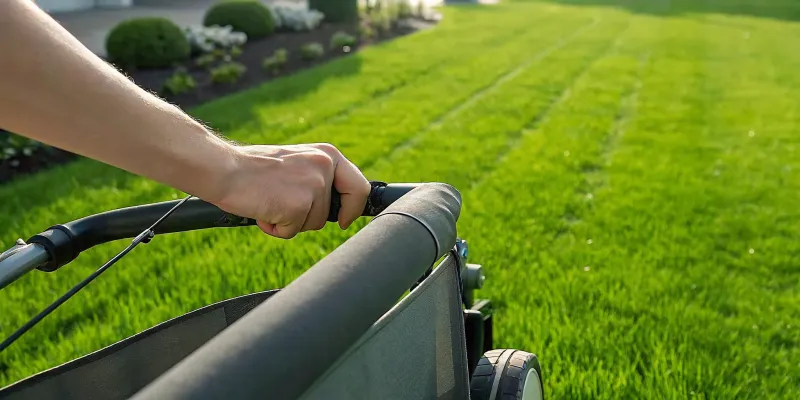
Raising the mower deck before a stretch of hot weather is practical for most Ohio cool-season lawns. The correct setting, however, depends on your specific turf type.
Tall fescue owners might aim for the 3.5 to 4-inch range during summer. Kentucky bluegrass lawns generally do well at 3 to 3.5 inches.
Perennial ryegrass can be kept around 2.5 to 3 inches. Fine fescues often tolerate a slightly lower cut, but raising the deck still helps during peak heat.
Mowing frequency should follow actual growth rather than a fixed schedule. During hot, dry weeks, cool-season grasses often slow down significantly.
If the lawn has not grown much since the last mowing, skipping a week is completely reasonable. Mowing a lawn that has barely grown just because Saturday is the usual mowing day does not help the turf and adds unnecessary wear on the plant.
Height changes are best made gradually. Jumping from a low setting to a high one in a single pass can leave the lawn looking uneven and may still remove more leaf tissue than intended.
Moving the deck up one notch at a time over two or three mowings is a gentler approach. When fall arrives and temperatures cool, you can gradually return to the lower end of your species’ recommended range.
Before a hot weekend, the safest move is almost always to avoid cutting shorter than usual and to let the lawn hold onto as much leaf area as possible.