How To Save Rotting North Carolina Tomatoes When The Summer Rain Just Won’t Stop
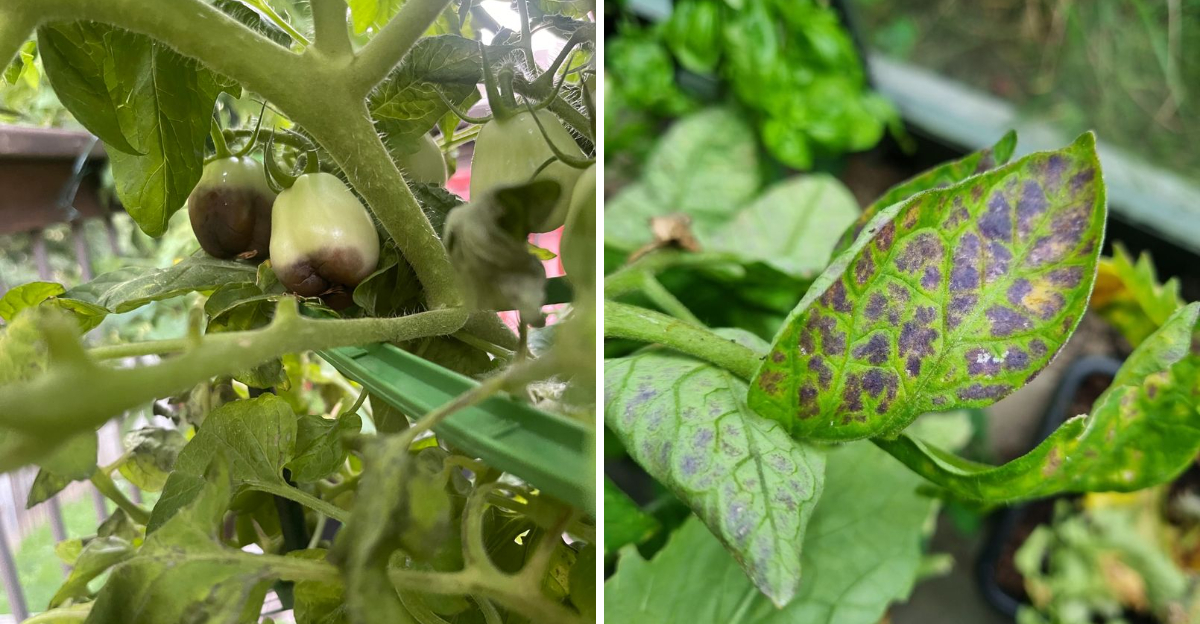
North Carolina summer rain can turn a promising tomato patch into a soggy mess in only a few days.
Fruit splits. Soft spots appear. Lower leaves pick up dark marks, and tomatoes that looked perfect before the storm suddenly seem determined to fall apart at once.
The tricky part is that rain causes several different problems.
A cracked tomato needs a different response from one with active rot. Mud-splashed fruit points toward another issue, while a plant sitting in saturated soil may be struggling from the roots upward.
So what should you tackle first?
Start with the fruit closest to harvest, then work downward through the canopy and soil. Remove damaged tomatoes, support low branches, stop unnecessary irrigation, and keep rain from bouncing soil onto leaves and fruit.
The goal is not to make the garden dry overnight.
It is to reduce the extra moisture, contamination, and physical damage that keep problems spreading after every storm.
A few quick moves can save plenty of fruit before the next cloudburst arrives.
1. Pick Ripe Tomatoes Before The Next Storm
A tomato does not need to reach full red color on the vine to finish ripening well.
That matters during a wet North Carolina summer.
Fruit that has reached the breaker stage, when the first blush of color appears, can come indoors before another round of heavy rain. Taking it early removes one of the easiest targets for cracking, bruising, and fruit rot.
Rapid water uptake is the big concern.
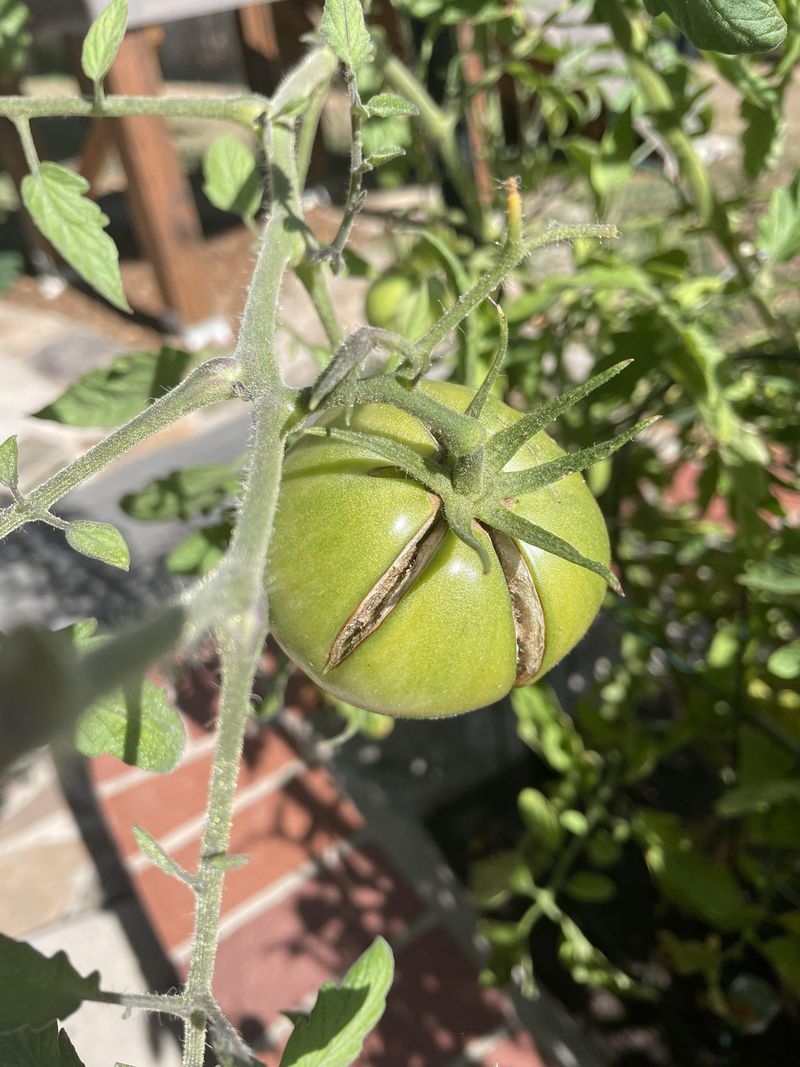
A tomato that swells quickly after a dry spell can split because the inside expands faster than the skin can stretch. Once the skin opens, warm humid weather gives decay organisms an easy entrance.
Walk the garden before the next storm.
Harvest ripe fruit first, then collect tomatoes that have begun changing from solid green toward pink, orange, or red. Leave very immature fruit on the plant to keep developing.
Set harvested tomatoes in a single layer indoors.
A shaded counter or tray works better than a sunny windowsill. Keep them at room temperature and check them daily as color develops.
Skip the refrigerator during ripening.
Cold storage can flatten flavor and leave the texture less appealing.
Picking early can feel like cheating when you spent weeks waiting for vine-ripened tomatoes. During endless rain, it is closer to good timing. The kitchen counter is much safer than a branch getting hammered by three more thunderstorms.
2. Remove Split And Soft Fruit Quickly
One damaged tomato can become a very busy little disease station.
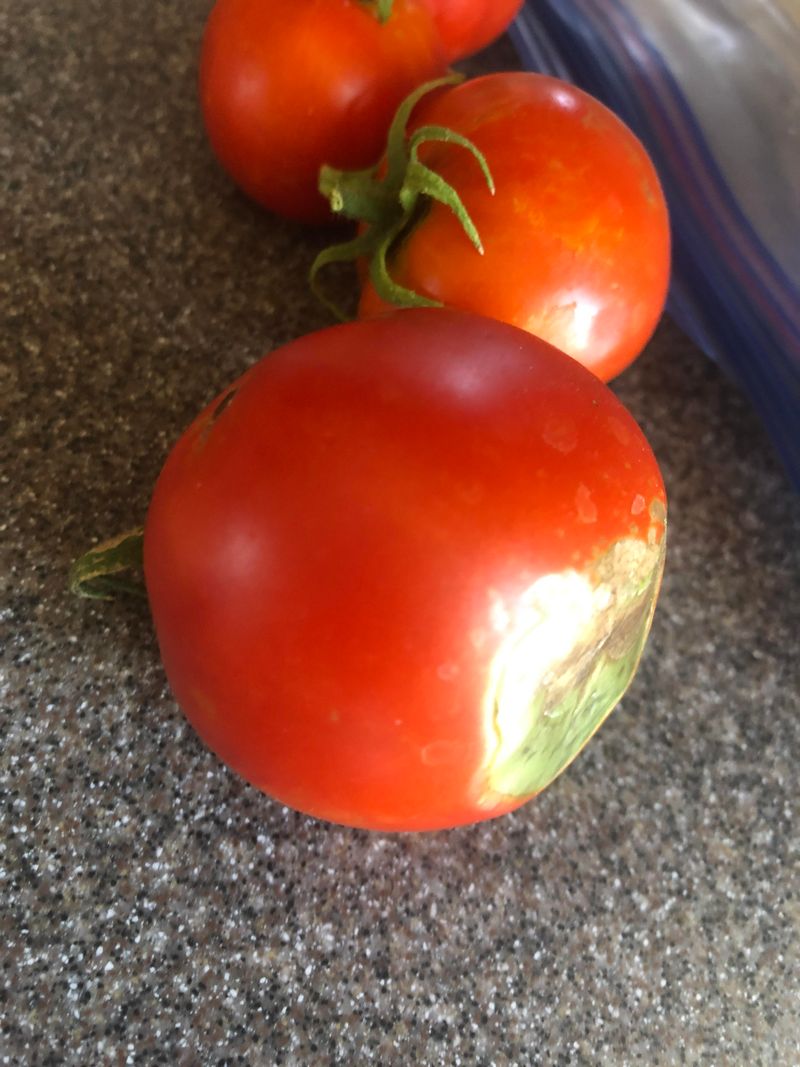
After heavy rain, inspect every plant closely and remove fruit with deep cracks, leaking flesh, fuzzy growth, or obvious soft spots.
Those tomatoes are unlikely to improve, and leaving them attached gives insects and decay organisms more material to work with.
Shallow cracking deserves judgment.
A fresh surface crack on otherwise firm fruit may still be usable after harvest once the damaged area is trimmed away. Deep splits with exposed flesh are much riskier in warm, humid weather and should come off immediately.
Your North Carolina Garden Changes Every Week. Your Plan Should Too.
Gardening in North Carolina changes quickly throughout the season. Every Friday you’ll receive a simple weekly plan showing exactly what to plant, prune, fertilize, harvest, and protect so you never miss the right timing.
Test soft areas gently.
Healthy ripe fruit should have some give without feeling watery or collapsed. A sunken, mushy patch suggests tissue is already breaking down.
Do not leave damaged fruit on the soil.
A tomato hidden beneath the canopy can continue deteriorating there while attracting insects and adding more decaying material to an already wet bed.
Move badly affected fruit away from the vegetable garden.
Heavy rot and visible mold do not belong in a cool, soggy compost pile beside the tomatoes. Dispose of that material where it cannot keep cycling through the planting area.
Then wash your hands and clean cutting tools before working on healthy plants.
Rain already gives pathogens plenty of help. Prompt sanitation takes away one of their easiest advantages and keeps a small fruit problem from turning into the theme of the whole row.
3. Lift Low Fruit Away From Wet Soil
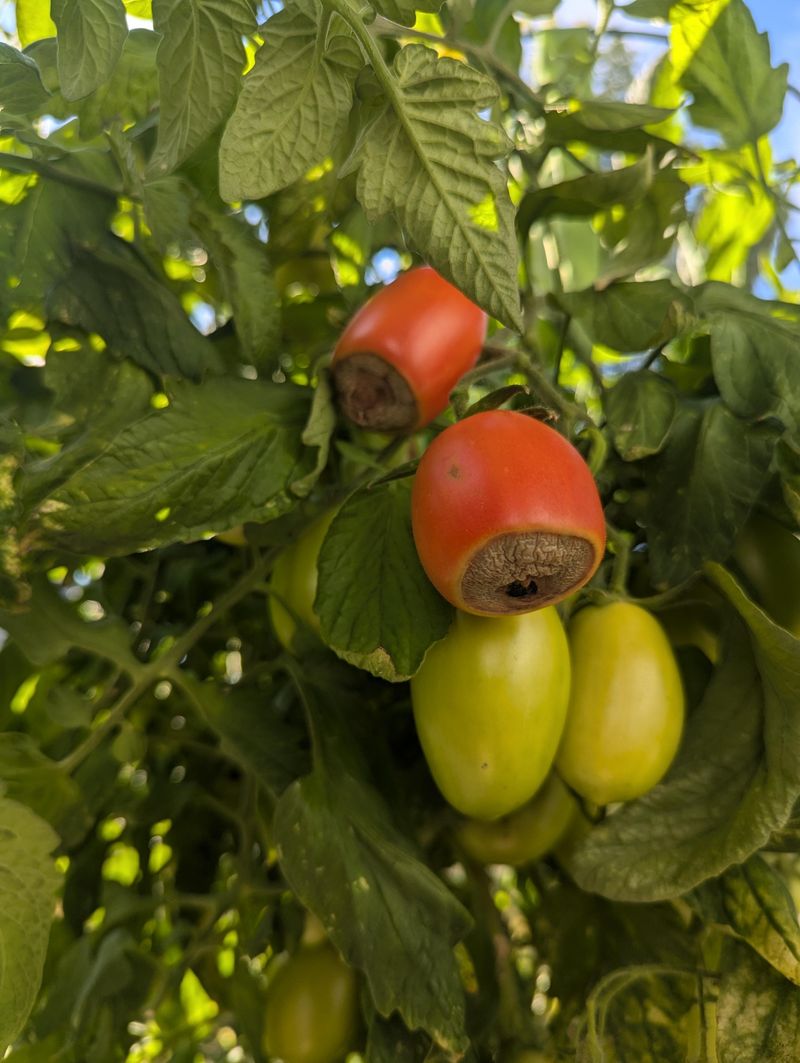
A heavy fruit cluster can end up much closer to the ground after three days of rain.
Wet branches sag. Cage sections shift. Soft soil lets stakes lean, and suddenly a tomato that hung safely above the bed is resting on damp mulch or bare earth.
Lift those clusters as soon as conditions allow.
Use soft plant ties to secure heavy branches to a sturdy cage, stake, or trellis. Support the stem beneath the fruit rather than tying directly around a tomato cluster.
Ground contact creates several problems at once.
The fruit stays wet longer, mud sticks to the skin, and soil particles can splash onto nearby leaves and stems. Small abrasions also become more likely as fruit rubs against rough soil, mulch, or support materials.
Check the lowest third of every plant.
That zone receives the most splash during storms and often holds the fruit gardeners miss during a quick inspection from above.
Mulch adds another layer of protection.
Spread two to three inches of straw, shredded leaves, or pine bark across exposed soil beneath the canopy. Leave several inches clear around the main stem so damp material does not stay pressed against the base.
The goal is simple separation.
Tomatoes belong on the vine, not marinating in a muddy garden bed. Getting the lowest clusters back into open air can prevent a lot of unnecessary soft spots before the next soaking rain arrives.
4. Stop Overhead Watering During Rainy Stretches
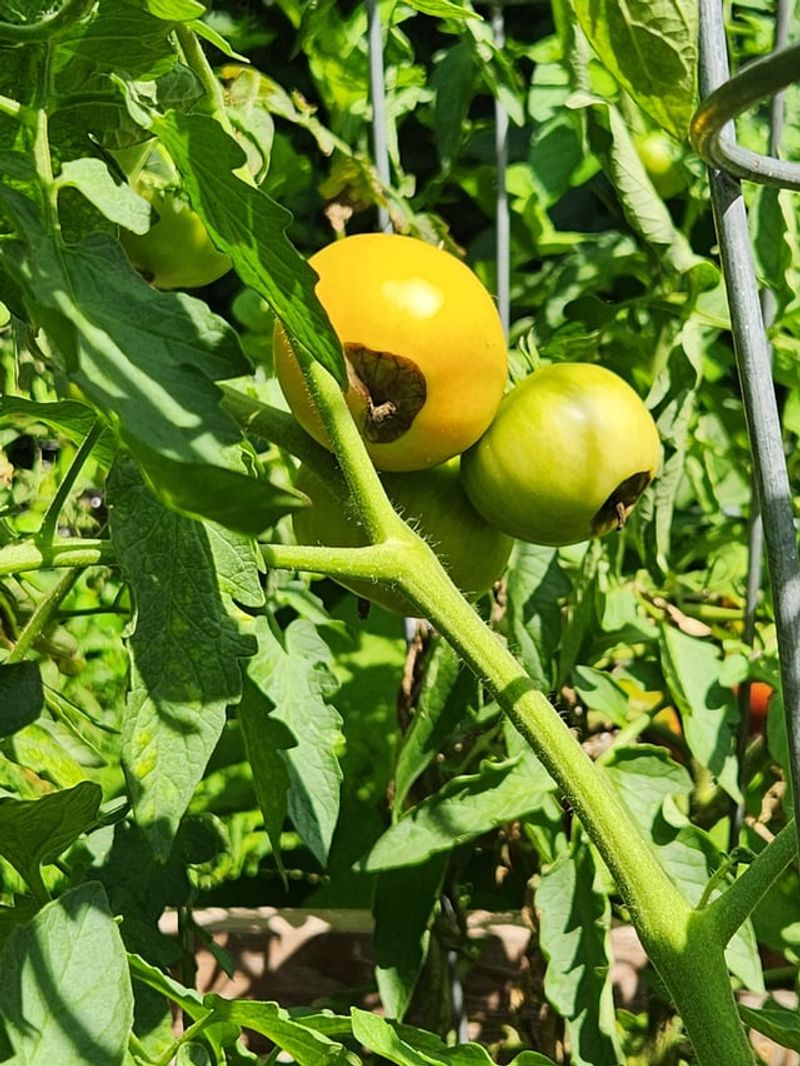
An automatic sprinkler does not know that your tomato bed already received four inches of rain.
That is the gardener’s job.
Turn off scheduled irrigation during wet stretches and leave it off until the root zone actually begins drying. Adding water to already saturated soil keeps roots short on oxygen and extends the humid conditions that favor disease.
Check below the surface before restarting anything.
Push a finger, wooden dowel, or soil probe several inches into the bed. Damp soil at root depth means the tomatoes still have access to moisture.
Do not judge by dusty-looking mulch or a dry crust on top.
The surface can change quickly while heavier soil underneath remains soaked.
Overhead watering deserves extra caution.
It wets leaves, fruit, stems, and soil all at once, extending the period that plant surfaces stay damp. Drip irrigation or soaker hoses keep future water closer to the roots once the rainy stretch finally breaks.
Run them only when the soil needs water.
Tomatoes benefit from consistent moisture, but consistent does not mean permanently wet.
North Carolina summer storms are perfectly capable of taking over irrigation duty for a while. Let them.
There is no gardening medal for running a sprinkler during a thunderstorm. Save the water, give the root zone a chance to breathe, and wait until the soil rather than the calendar asks for another drink.
5. Mulch To Keep Soil From Splashing Up
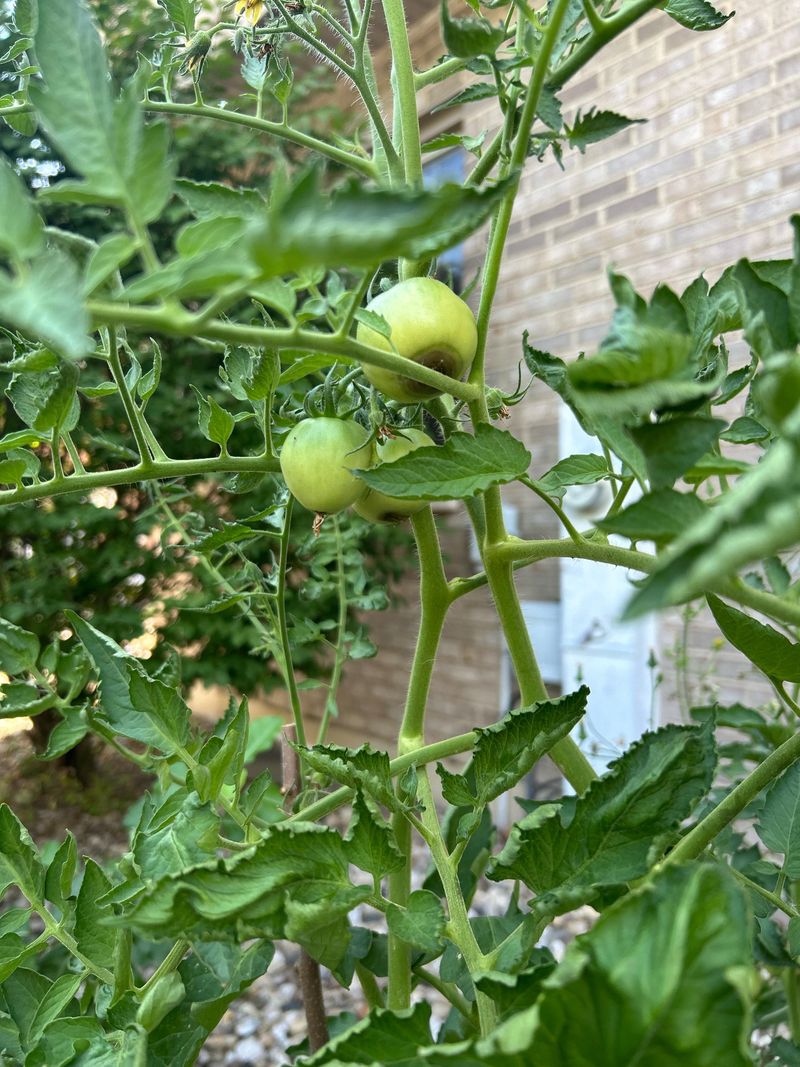
Rain does more than soak the ground.
Every hard drop that strikes bare soil can send tiny particles upward onto lower tomato leaves, stems, and fruit. Those particles may carry organisms that contribute to leaf spots and fruit problems during humid weather.
Mulch interrupts the launch.
A two- to three-inch layer of straw, shredded leaves, or pine bark absorbs much of the impact before soil can splash upward. That creates a simple physical barrier between the ground and the lowest part of the plant.
Cover the wider area beneath the canopy.
One tiny mulch ring around the stem will not protect branches hanging two feet away. Spread the material wherever rain can hit exposed soil below tomato foliage.
Keep the main stem clear.
A small open space around the base prevents wet organic material from remaining pressed against the crown.
Watch mulch depth after repeated storms.
Heavy rain can flatten straw, move bark, and expose patches of soil. Redistribute the layer once the bed is firm enough to walk beside without compacting it.
Avoid thick mats of fresh grass clippings.
They can compress into a wet layer that holds more moisture than you want during an already soggy week.
Good mulch does not stop the rain.
It simply prevents every downpour from turning the soil surface into a tiny mud sprinkler aimed directly at your tomatoes.
6. Open Dense Growth For Better Airflow
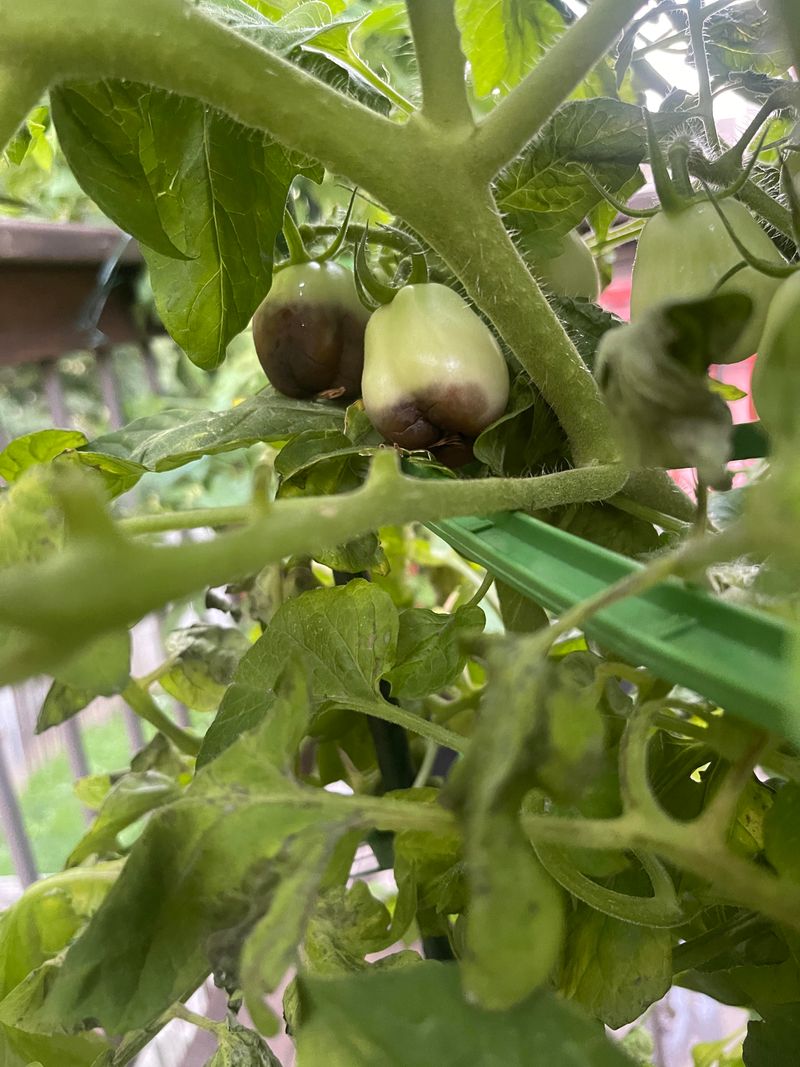
A tomato jungle can stay wet long after the clouds disappear.
Overlapping leaves trap humid air, shaded stems dry slowly, and the center of the plant can remain damp while the outside foliage already looks normal.
That prolonged leaf wetness gives common tomato diseases more opportunity to spread.
Start with the lowest leaves.
Remove foliage that is yellow, heavily spotted, damaged, or touching the soil. Then take out a few crowded interior stems where airflow is clearly blocked.
Keep the pruning conservative.
A tomato plant still needs plenty of healthy leaf area to fuel fruit development and shade ripening tomatoes from intense summer sun. Stripping the canopy after a rainy week can trade one problem for sunscald and additional stress.
Use clean pruners and work once foliage has dried.
Wet leaves tear more easily, and moving from a diseased plant directly to a healthy one can carry contaminated material on hands or tools.
Check plant ties while you work.
Branches knocked inward by wind and rain can create new crowded pockets even in a plant that was well trained earlier in the season.
Good airflow does not require a bare vine.
You only need enough space for leaves to dry faster after the next storm.
A little strategic thinning turns the canopy from a humid green tent back into a plant that can actually air itself out.
7. Hold Irrigation Until The Roots Need It
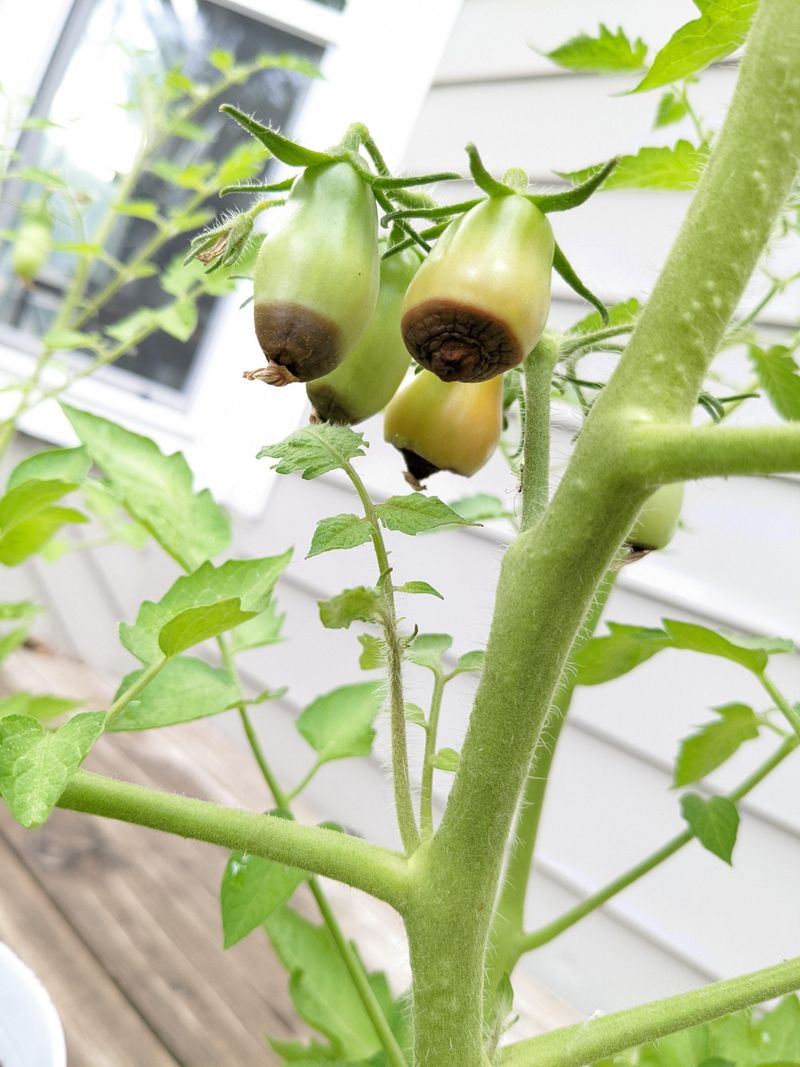
Wet weather can create a strange tomato problem above ground.
Leaves may droop or look stressed while the soil underneath is still loaded with moisture. That does not mean the plant needs another drink.
Roots need oxygen too.
Prolonged saturation fills the soil spaces that normally hold air, leaving roots less able to function. Heavy North Carolina clay can stay wet particularly long after repeated summer storms.
Give the bed time.
Avoid digging, cultivating, or walking heavily around saturated plants. Wet soil compacts easily, and damaged structure can make future drainage even slower.
Check raised beds and containers separately.
They may dry faster than in-ground clay, especially during a hot break between storms. Use actual soil moisture rather than assuming every tomato in the yard needs the same schedule.
Container saucers should stay empty.
Water trapped beneath a pot keeps drainage holes submerged and can leave the bottom of the root ball saturated after the rain ends.
Once the soil begins drying, resume watering based on need.
Deep, less frequent irrigation usually supports a more stable root zone than repeated surface splashes.
The important distinction is between consistent moisture and constant saturation.
Tomatoes like the first. Endless rain can deliver far too much of the second.
Let the roots have some air before you decide the hose needs to contribute anything else to the situation.
8. Scout Early For Mold And Leaf Spots
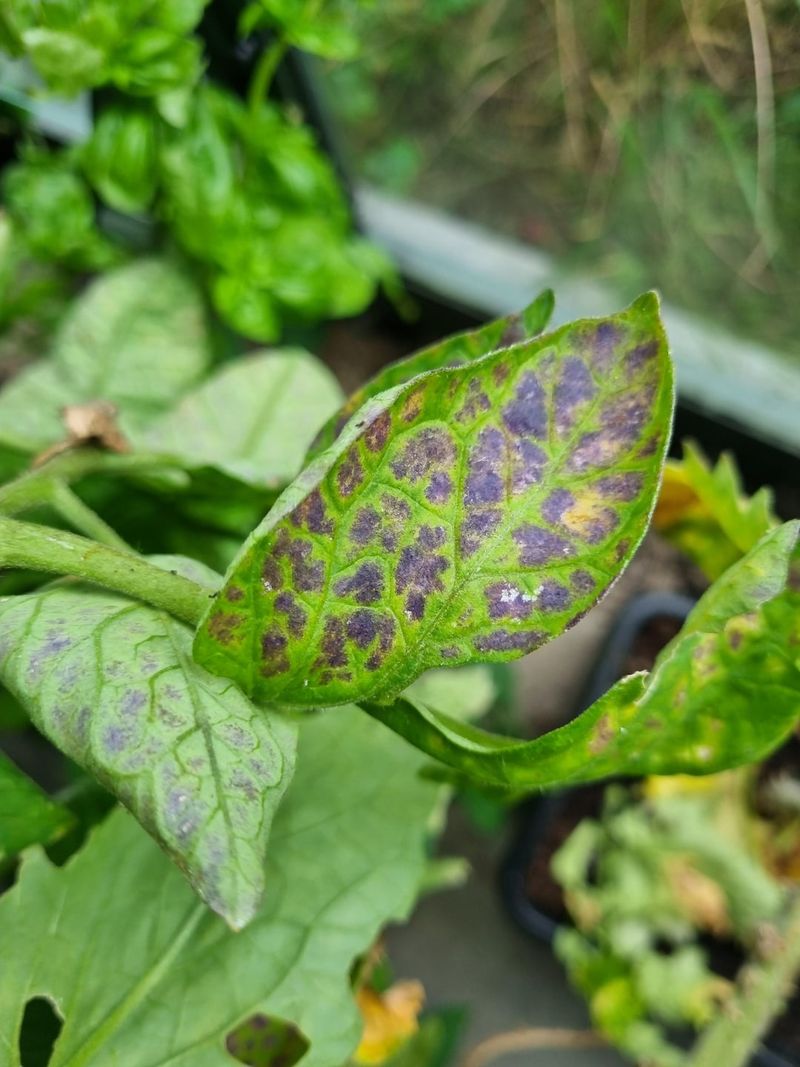
The day after a storm is a good time for detective work.
Start low on the plant, where splash and lingering moisture create the greatest disease pressure. Look for brown spots, yellowing around lesions, dark patches on stems, fuzzy growth, and fruit areas that seem to expand from one day to the next.
One spot is a clue, not a diagnosis.
Several tomato diseases can look similar in their early stages, especially after a warm, wet week. Treating every brown mark as the same problem can waste time and lead to the wrong response.
Remove clearly damaged leaves first.
Bag heavily affected material rather than leaving it beneath the plant. Clean your pruners before moving to another tomato.
Then watch the pattern.
New spots appearing rapidly on higher foliage suggest the problem is progressing. Fruit lesions that enlarge, soften, or develop mold deserve quick removal.
Take clear photos while symptoms are fresh.
Record where the damage started, how fast it moved, and what the recent weather has been like. Those details make professional diagnosis much easier when the problem becomes severe or confusing.
Avoid spraying random products simply because rain stopped.
Different diseases require different management, and some problems cannot be corrected with a fungicide after infection is established.
The garden often leaves clues before it leaves answers. Catching those clues early gives you more room to respond before every tomato starts telling the same unpleasant story.