This Sudden Wilting On Your Pennsylvania Pumpkin Vines Means Trouble
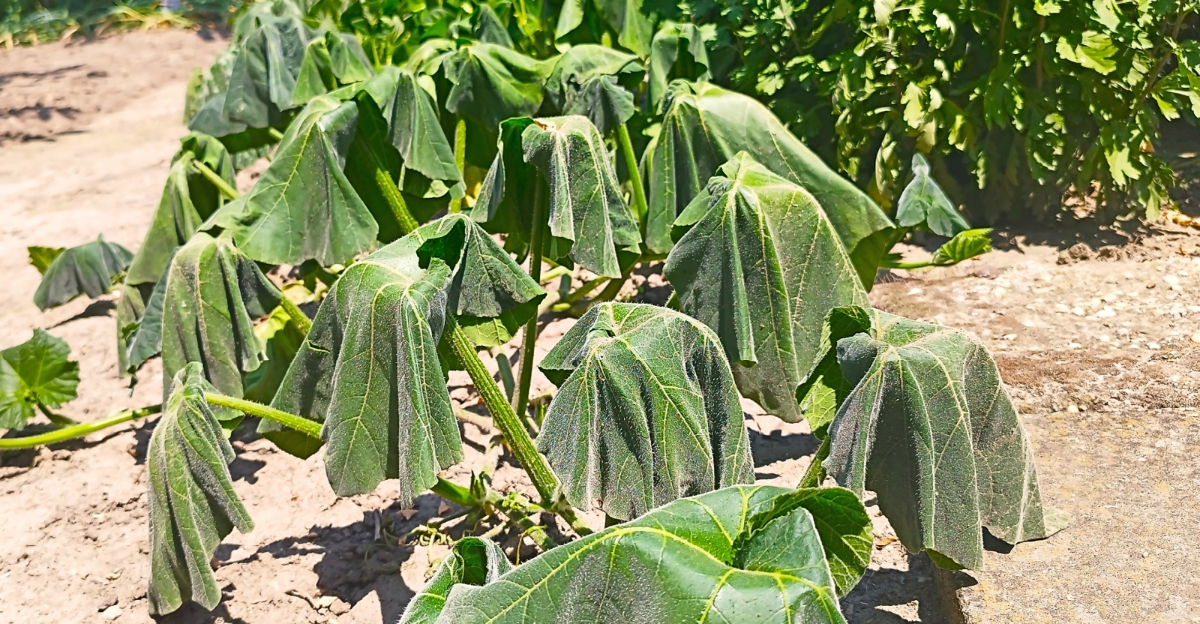
Something is deeply wrong, and you feel it before you even see it. Overnight, you watched a thriving vine fade into limp decline.
Pennsylvania gardeners like you know this moment well. Urgency builds fast, but worry won’t save your pumpkins. Underneath your soil, a struggle is already underway.
Bacteria, fungi, or insects could already be weakening your plant’s life. Roots might already be struggling while your stems stay outwardly calm. Vines can wilt suddenly from disease, drought stress, or borer harm.
That Pennsylvania soil hides clues you probably never think to check. Weather swings this entire season have stressed your plants hard.
Timing matters more than you think, because wilting spreads fast. Every hour you wait, the trouble compounds beneath the surface.
Confusion only helps whatever is quietly troubling your vine right now. Knowledge changes everything, and you’re about to get it. You won’t walk away from this without answers.
What Sudden Wilting Signals In Pumpkin Vines
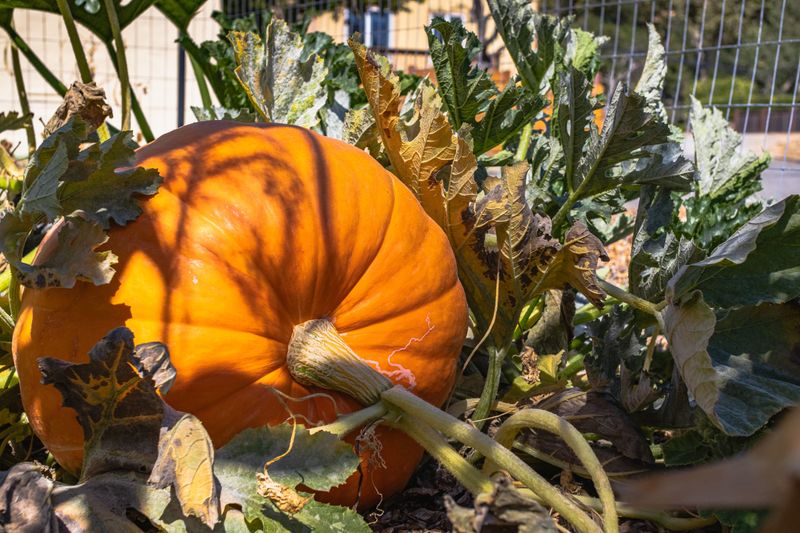
Your pumpkin vine looked healthy at sunrise. By noon, it had fully wilted. Sudden wilting on pumpkin vines is almost never about thirst. Even after a good rain, affected vines droop fast and dramatically.
The culprit behind this collapse is usually bacterial wilt, a serious plant disease. It targets cucurbit crops like cucumbers and melons most aggressively, though pumpkins and squash can also be affected.
Bacterial wilt is caused by a bacterium called Erwinia tracheiphila. It clogs the plant’s internal water-moving system like a blocked pipe.
Once that system shuts down, water cannot reach the leaves. The plant wilts even when the soil is perfectly moist.
What makes this especially frustrating is how deceptive it looks at first. Many gardeners assume the plant just needs a drink.
They water it, wait, and watch nothing improve. That wasted time lets the infection spread further into the vine.
Recognizing the real signal early is the most powerful tool you have. Sudden wilting in pumpkin vines is a red flag, not a routine problem.
The bacteria do not live in the soil on their own. They need a carrier to get from plant to plant.
That carrier is a tiny, damaging insect that most Pennsylvania gardeners already know to watch for. Catching this signal early could save your entire harvest this season.
How Cucumber Beetles Spread The Disease
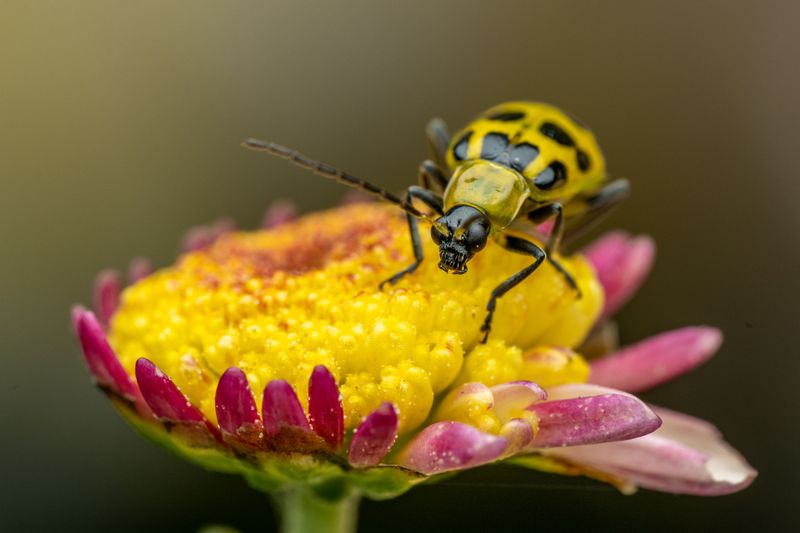
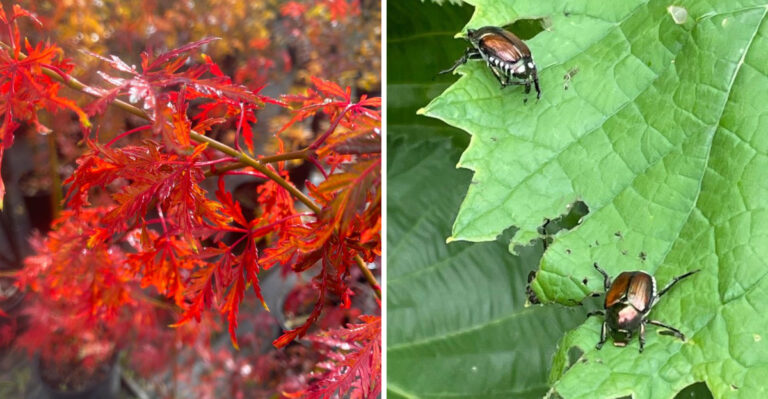
Cucumber beetles are small, but they carry significant damage with them. These yellow-and-black insects are the main delivery system for bacterial wilt.
There are two types to know: the striped cucumber beetle and the spotted cucumber beetle. The striped beetle is the more efficient carrier, though the spotted beetle can transmit the disease too.
When a beetle feeds on an infected plant, it picks up the bacteria in its gut. It then carries that bacteria to every plant it visits next.
The bacteria survive inside the beetle through winter. Come spring, those same beetles emerge ready to infect a brand-new garden.
A single beetle can infect multiple plants in just one afternoon of feeding. That is how fast a healthy patch can turn into a struggling one.
Your Pennsylvania Garden Changes Every Week. Your Plan Should Too.
Gardening in Pennsylvania changes quickly throughout the season. Every Friday you’ll receive a simple weekly plan showing exactly what to plant, prune, fertilize, harvest, and protect so you never miss the right timing.
Beetles are most active during warm, dry stretches of Pennsylvania summers. They tend to cluster on young, tender vine growth first.
Gardeners often do not notice the beetles until the wilting has already started. By then, the infection is already inside the plant.
Controlling cucumber beetles is the single most effective way to prevent bacterial wilt. Fewer beetles mean fewer entry points for the disease.
Row covers placed over young plants can physically block beetles from feeding. Removing the covers at flowering allows pollinators to do their job.
Yellow sticky traps placed near the garden help monitor beetle populations early. Knowing when beetles arrive gives you the chance to act before pumpkin vines suddenly wilt.
Why Wilting Spreads So Fast Once Infected
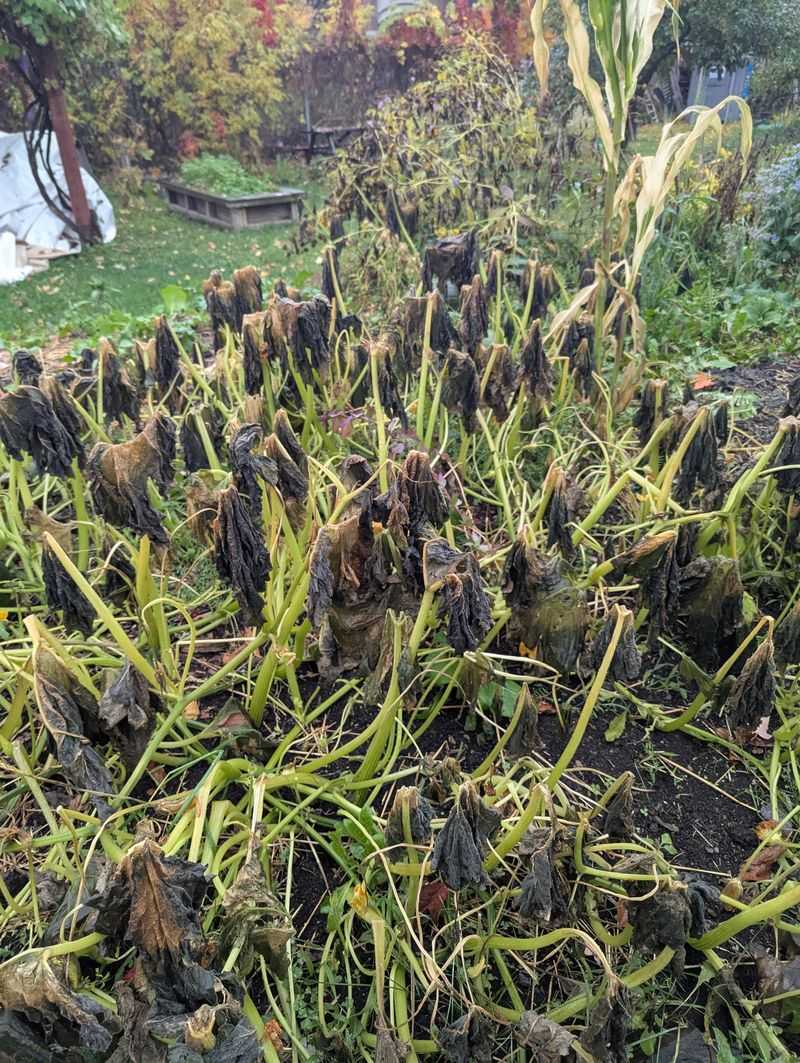
Speed is what makes bacterial wilt so alarming. One vine wilts today, and two more follow by the weekend.
The bacteria multiply rapidly inside the plant’s vascular system. Think of it like a traffic jam that keeps growing in both directions.
Once inside, the bacteria block the xylem, which is the tissue that moves water upward. The plant cannot hydrate itself no matter how wet the soil gets.
As the infection advances, it moves from the original feeding wound outward. It travels through connecting vines and shared root zones.
Plants growing close together are at higher risk for rapid spread. Dense plantings give the bacteria more pathways to travel through.
Beetles continue feeding and moving across the patch during this time. Each new feeding wound creates another entry point for fresh infection.
Warm temperatures tend to accelerate bacterial growth inside the plant. Pennsylvania’s humid July and August conditions are ideal for fast spread.
There is no systemic treatment that stops the bacteria once inside. The infected tissue cannot be saved with fertilizer or fungicide sprays.
Removing infected vines quickly reduces the number of bacteria-carrying beetles in your garden. Fewer infected host plants means fewer beetles staying nearby to feed.
The speed of spread is not random. It follows the beetle’s feeding path, which means controlling the insect is the only real way to slow this down before more pumpkin vines collapse.
The Ooze Test Gardeners Use To Confirm It
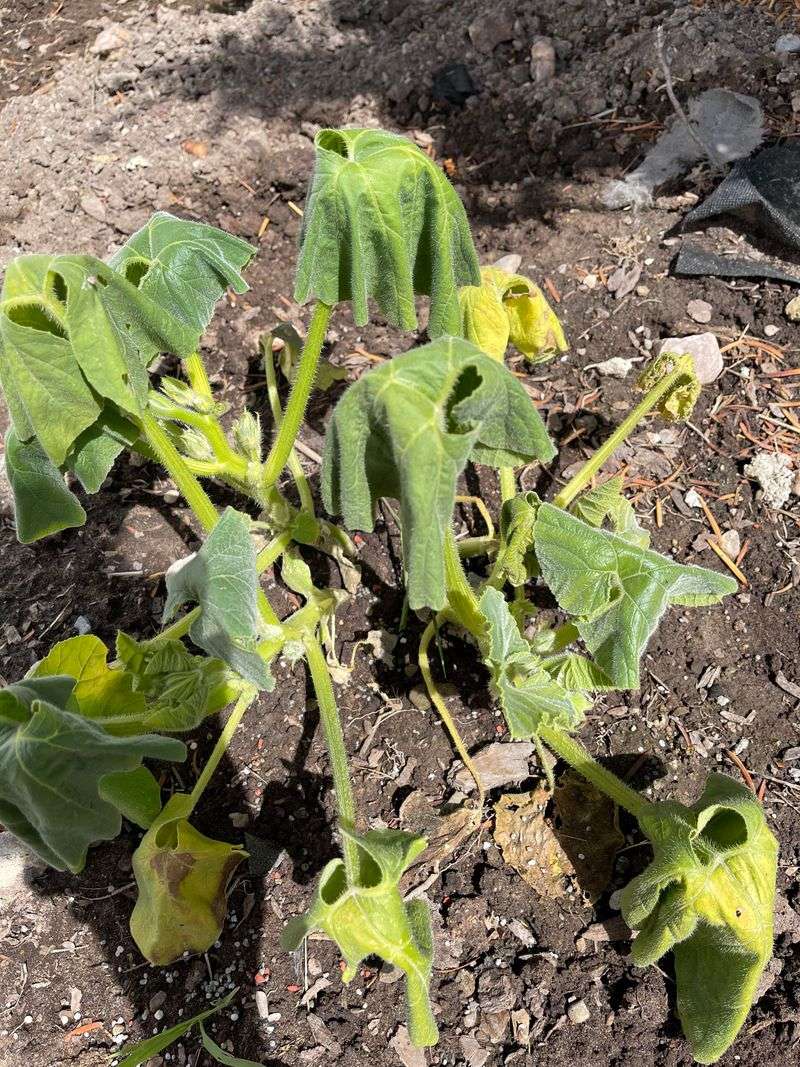
Before you pull anything out of the ground, confirm what you are dealing with. The ooze test is a simple, hands-on way to identify bacterial wilt.
Cut a wilted stem near the base with a clean knife. Press the two cut ends together firmly, then slowly pull them apart.
If you see a thin, sticky thread stretching between the two cut surfaces, that is your confirmation. That stringy ooze is a telltale sign of Erwinia tracheiphila bacteria.
Healthy stems do not produce any thread when pulled apart. The ooze test takes about fifteen seconds and costs nothing.
This matters because other problems can also cause wilting. Vine borers, root rot, and drought stress all look similar from a distance.
Vine borers leave sawdust-like frass near the base of the stem. Root rot usually shows soft, discolored tissue at the soil line.
Bacterial wilt produces that distinctive ooze and nothing else. Knowing which problem you have determines exactly what action to take next.
Some gardeners use a magnifying glass to see the thread more clearly. Good lighting also helps when checking in the field.
Repeat the test on two or three stems before making any decisions. A single inconclusive result is not enough to act on.
Once confirmed, you can move forward with targeted steps to protect the rest of your pumpkin vines from the same fate.
Steps To Protect Remaining Pumpkin Vines
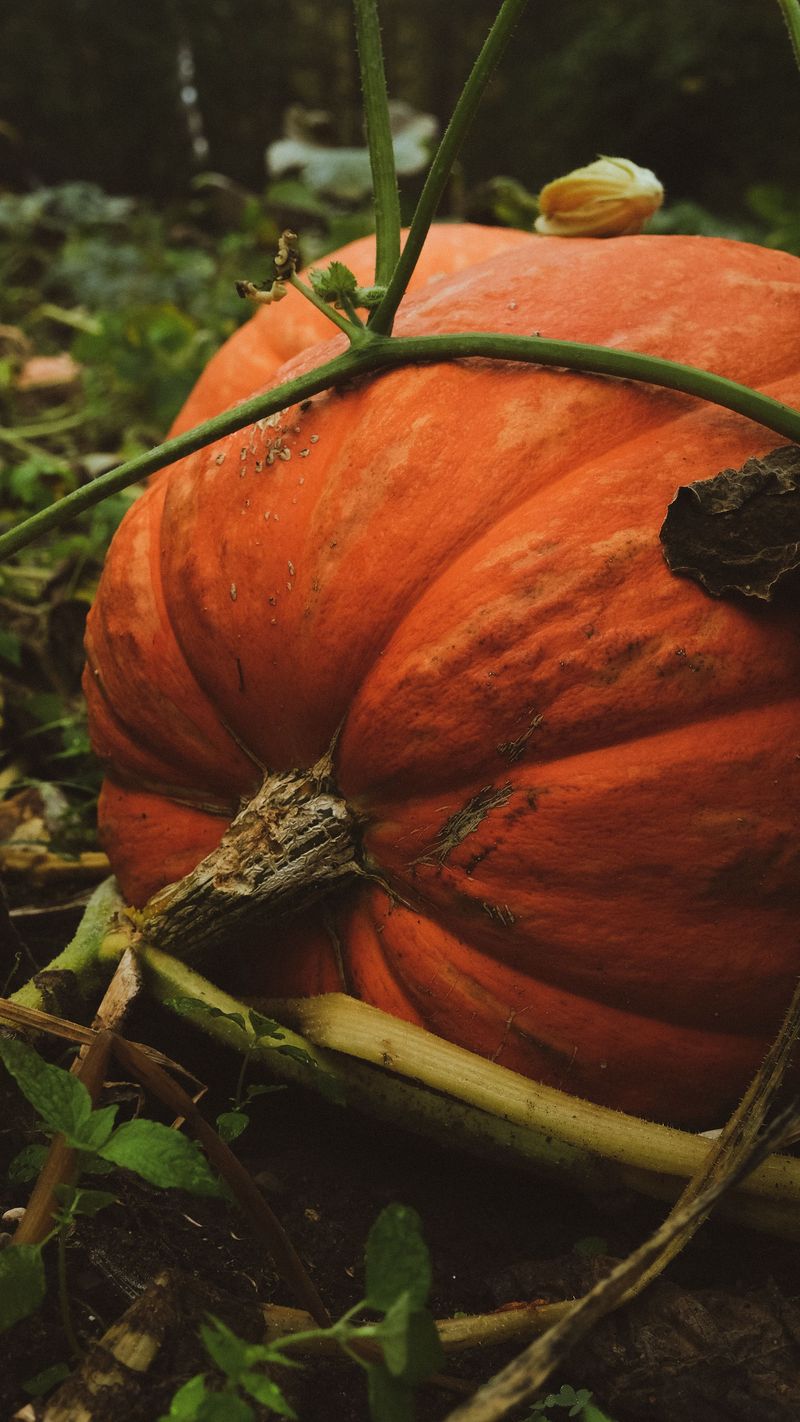
Acting fast is everything once you confirm bacterial wilt in your patch. Every hour counts when beetles are still moving through the garden.
Remove infected vines immediately and place them in sealed bags. Do not compost them, as the bacteria can persist in plant debris.
Next, focus on reducing the beetle population around surviving plants. Kaolin clay, applied as a spray, creates a physical barrier on leaves that beetles dislike.
Neem oil-based sprays may help deter feeding for some gardeners, though results vary. Reapply after rain to maintain their effectiveness on vine surfaces.
Floating row covers placed over uninfected plants block beetle access entirely. Secure the edges with soil or garden staples to prevent gaps.
Inspect your garden every morning during peak beetle season. Early detection of feeding damage lets you respond before infection sets in.
Companion planting with nasturtiums or radishes may help repel beetles naturally. These plants are not foolproof, but they add another layer of defense.
Avoid overhead watering in the evening, as wet foliage attracts more insects. Water at the base of plants in the morning instead.
If you are starting fresh next season, choose wilt-resistant squash varieties when available. Certain hybrid pumpkin varieties are bred with improved resistance to bacterial wilt, so check variety descriptions before planting.
Rotate your crops each year, though keep in mind cucumber beetles can still fly in from nearby areas regardless. Protecting your remaining pumpkin vines now sets you up for a far better harvest ahead.
Sudden Wilting On Pumpkin Vines Signals Hidden Damage
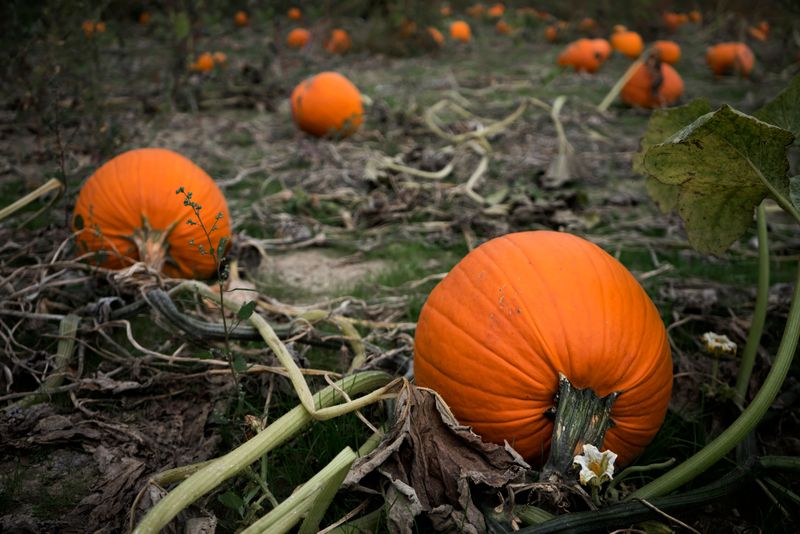
Sudden wilting on your pumpkin vines is not just a plant problem. It is a signal that your whole garden ecosystem needs attention.
When a vine wilts overnight, it means a beetle fed on it and introduced a fast-moving bacterium. That chain of events started well before you noticed anything wrong.
The deeper message is about timing and observation. Gardens reward the people who pay close attention early in the season.
Catching cucumber beetles in June is far easier than managing bacterial wilt in August. Prevention costs less effort than damage control.
For Pennsylvania gardeners, the late summer window is especially critical. Warm, humid conditions create the perfect environment for both beetles and bacterial spread.
Losing a vine or two does not mean the season is over. Focused action on the remaining plants can still produce a meaningful harvest.
Gardening always involves setbacks, and bacterial wilt is one of the most common for cucurbit growers. Understanding it takes away some of its power over your patch.
The ooze test, early beetle monitoring, and physical barriers are all tools within reach. None of them require expensive equipment or professional help.
Your pumpkin patch is worth protecting, one smart step at a time. The sudden wilting on your pumpkin vines is an important signal, and also a learning opportunity.