These Are The Pennsylvania Plants Japanese Beetles Target First
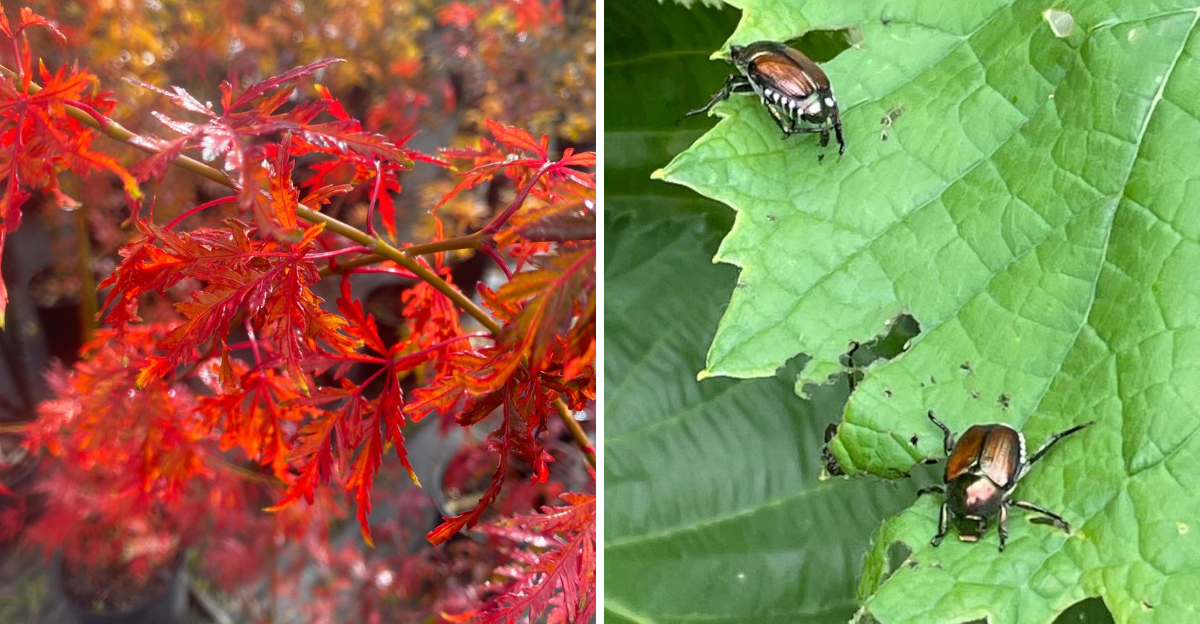
Japanese beetles in Pennsylvania operate on a predictable schedule, and the plants they go for first are not random choices.
These insects have strong preferences, and once they locate a preferred host plant the aggregation happens quickly, with more beetles drawn in by the feeding activity of the ones already there.
By the time a plant looks seriously damaged, the population on and around it has usually built up well beyond what a casual inspection would suggest.
Pennsylvania gardeners who know which plants sit at the top of the Japanese beetle preference list are in a much better position to monitor the right places at the right time and intervene before a minor infestation becomes a significant one.
If you have any of the primary target plants in your yard, knowing that ahead of time changes how you approach the next few weeks of the season in a practical and immediately useful way.
1. Rose
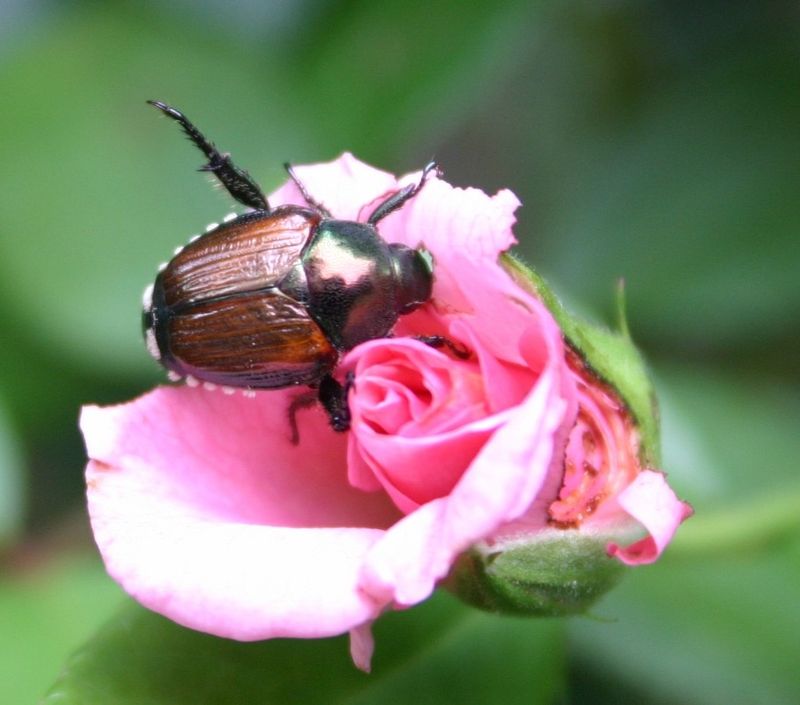
Few sights in a garden are more heartbreaking than a beautiful rose bush covered in Japanese beetles. Roses are like a five-star restaurant for these insects.
Adult beetles swarm them quickly, often showing up in large groups that can strip a plant in just a few days.
The beetles feed on both the flowers and the leaves. They chew the soft tissue between the leaf veins, leaving behind a lacy, skeletonized look.
The flowers get eaten too, turning brown and ragged almost overnight. This feeding damage weakens the plant and makes it look terrible.
Japanese beetles release a scent called a pheromone when they feed. This scent attracts even more beetles to the same plant, so the problem can snowball fast.
That is why you might see dozens of beetles on one rose bush while a nearby plant looks perfectly fine.
To protect your roses, check them daily during beetle season, which runs from late June through August in Pennsylvania.
Knock beetles into a bucket of soapy water early in the morning when they are slow and easy to catch. Row covers can also help shield your plants during peak feeding times.
Some gardeners choose beetle-resistant rose varieties to reduce problems in the future. Neem oil sprays and kaolin clay are popular organic options that deter feeding without using harsh chemicals.
Acting fast is key because the longer beetles feed on a rose, the more friends they invite to the party.
2. Grapevine
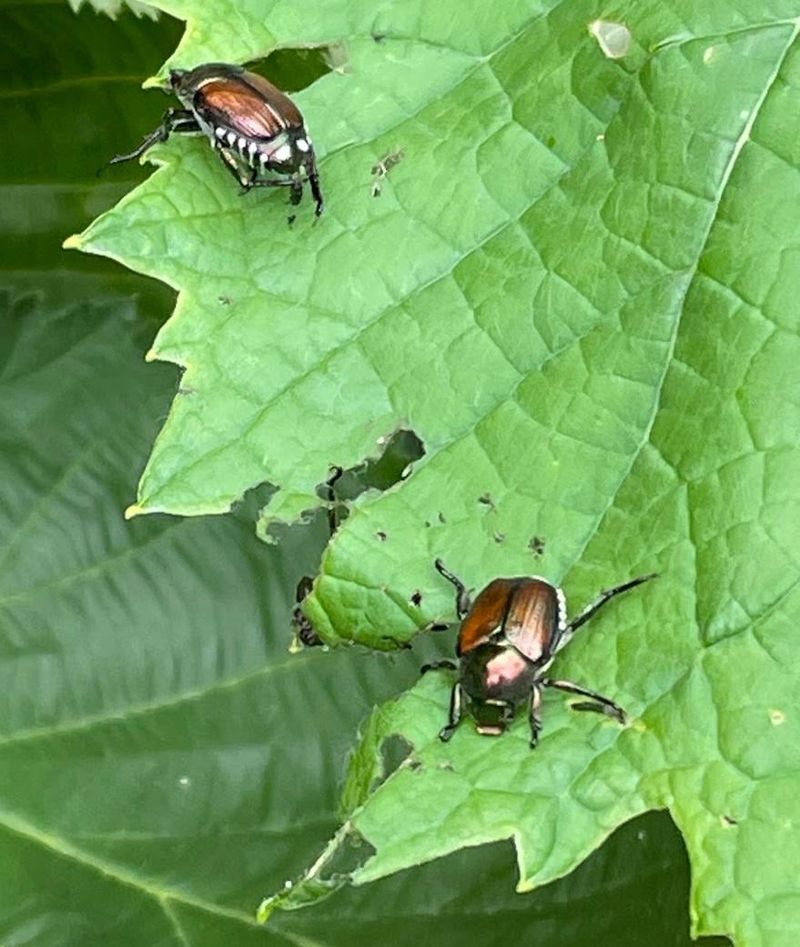
Imagine spending all spring tending to your backyard grapevines, only to watch Japanese beetles shred the leaves in a matter of weeks.
For home gardeners and small vineyard owners in Pennsylvania, this is a very real frustration. Grapevines are one of the beetles’ absolute favorite targets, and the damage can be severe.
Adult beetles go straight for the leaves and young shoots. They eat the soft green tissue between the veins, leaving the leaf looking like a skeleton.
When feeding is heavy, entire sections of the vine can lose most of their leaf coverage. Less leaf surface means less photosynthesis, which weakens the plant and can reduce fruit production.
Your Pennsylvania Garden Changes Every Week. Your Plan Should Too.
Gardening in Pennsylvania changes quickly throughout the season. Every Friday you’ll receive a simple weekly plan showing exactly what to plant, prune, fertilize, harvest, and protect so you never miss the right timing.
Young grapevines are especially vulnerable because they have not yet built up a strong root system. A heavy beetle infestation on a young vine can set back growth significantly.
Even established vines can suffer if beetle populations are large enough. Handpicking beetles early in the morning is one of the most effective ways to manage them on grapevines. Dropping them into soapy water works well at small scales.
For larger plantings, insecticidal sprays labeled for use on grapes can provide more thorough protection.
Timing matters a lot with grapevines. Start scouting for beetles as soon as late June arrives and do not wait until damage is already visible.
Protective netting can also be placed over smaller plants to physically block beetles from getting to the leaves. Staying consistent with monitoring throughout the summer will make a big difference in keeping your grapevines healthy and productive.
3. Linden / Basswood
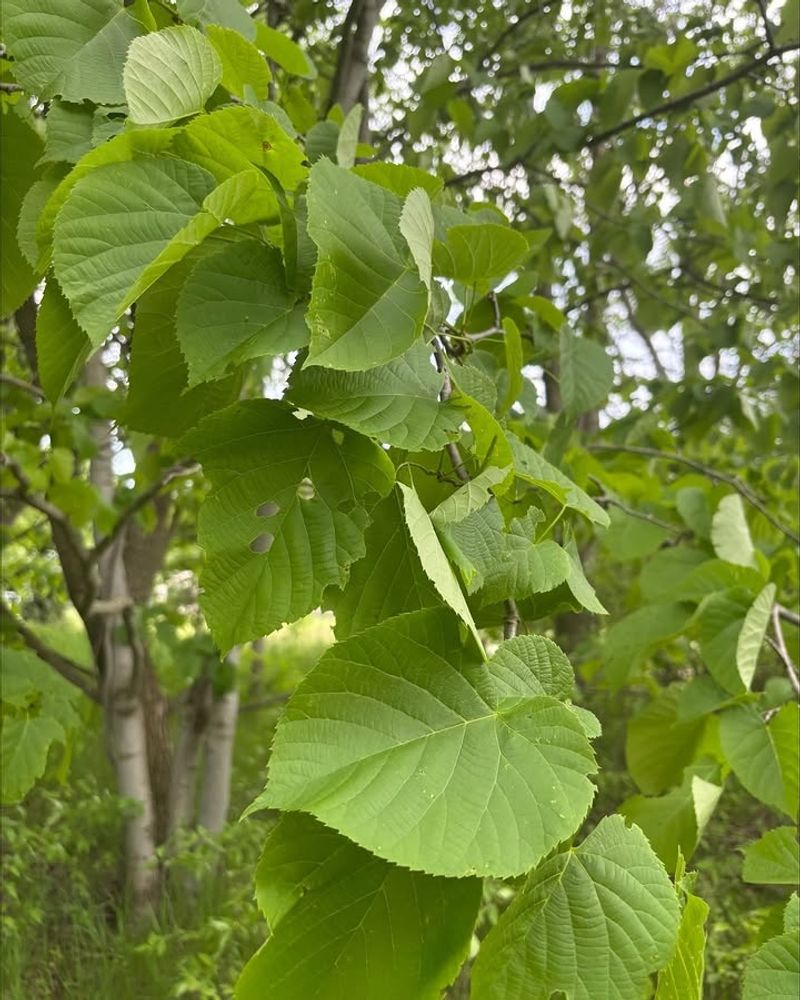
Walk past a linden tree in early summer and you might catch its sweet, honey-like fragrance drifting through the air. Unfortunately, Japanese beetles love that smell just as much as people do.
Linden trees, also called basswood, are among the most heavily attacked large trees in Pennsylvania during beetle season.
The beetles zero in on the broad, heart-shaped leaves and begin feeding right away. Skeletonization spreads quickly across the canopy, giving the tree a brown, burnt appearance by midsummer.
From a distance, a heavily infested linden can look like it is going through a drought even on a rainy week.
One reason linden trees get hit so hard is their size and fragrance. A large, fragrant tree is basically a beacon for Japanese beetles.
Once a few beetles land and start feeding, the pheromone signals they release draw in many more, creating a feeding frenzy in the canopy.
Treating large trees is trickier than treating small garden plants. Handpicking is not practical when the leaves are 30 feet up in the air.
Soil-applied systemic insecticides can be effective for large trees because the plant absorbs the treatment and it moves through the tissue that beetles eat.
If you have linden trees in your yard, apply soil treatments in late spring before beetles emerge for the best results. Keep the trees well-watered and healthy so they can recover from feeding damage more easily.
Healthy, well-established lindens can bounce back from a season of beetle damage, but repeated yearly infestations can weaken them over time.
4. Japanese Maple
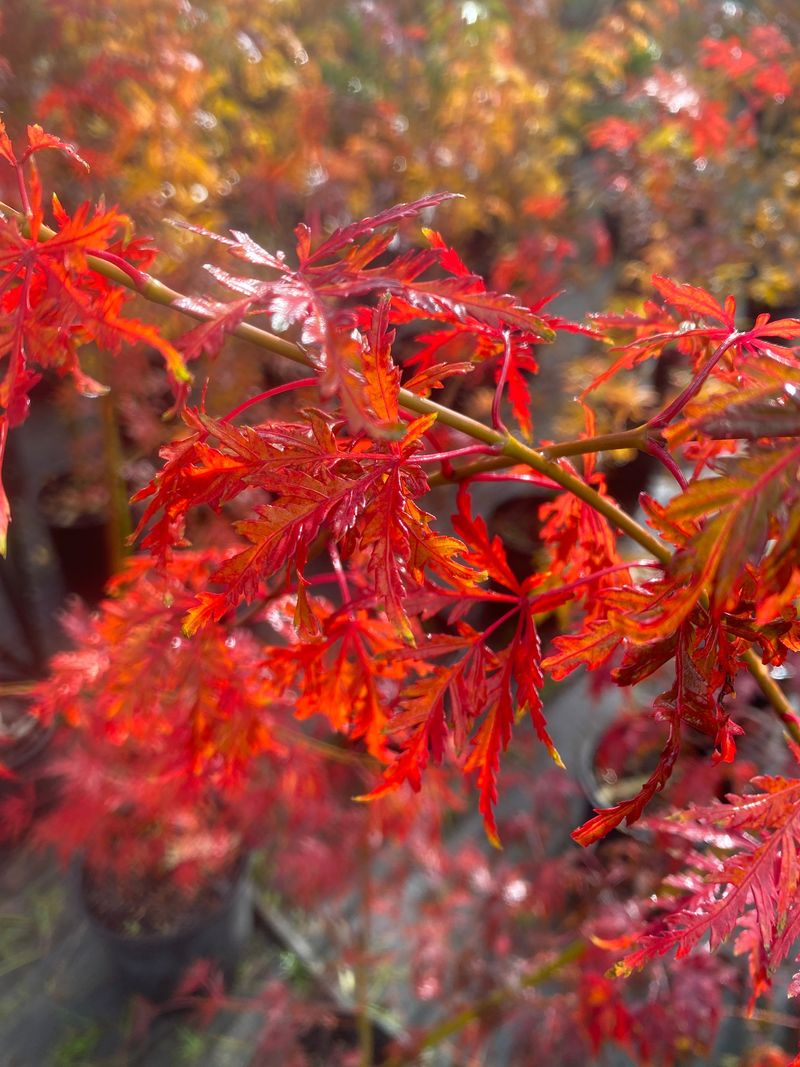
There is something almost ironic about a pest called the Japanese beetle attacking a Japanese maple. But that is exactly what happens every summer in Pennsylvania gardens.
These ornamental trees, prized for their stunning foliage and elegant shape, are highly susceptible to Japanese beetle feeding, especially when they are young.
The beetles are drawn to the tender, lacy leaves that make Japanese maples so beautiful. Young growth is particularly attractive because it is soft and easy to chew through.
Large beetle populations can gather on a single tree and cause noticeable damage in just a few days of heavy feeding.
What makes this especially frustrating is that Japanese maples are often the centerpiece of a garden design. Homeowners invest a lot of money and time into these trees.
Seeing the foliage riddled with holes or skeletonized is both disappointing and stressful.
Younger trees that have been recently planted are at greater risk than established ones. A tree that is still getting settled in its new location has fewer reserves to draw on when it is under stress from pest feeding.
Extra care during the first few summers after planting is really important. Neem oil is a popular choice for treating Japanese maples because it is gentle on the plant while still deterring beetles. Spray it in the early morning or evening to avoid leaf burn.
Physical barriers like fine mesh netting can also protect smaller trees. Make sure to check your Japanese maple regularly from late June onward so you can respond quickly if beetles show up.
5. Crabapple
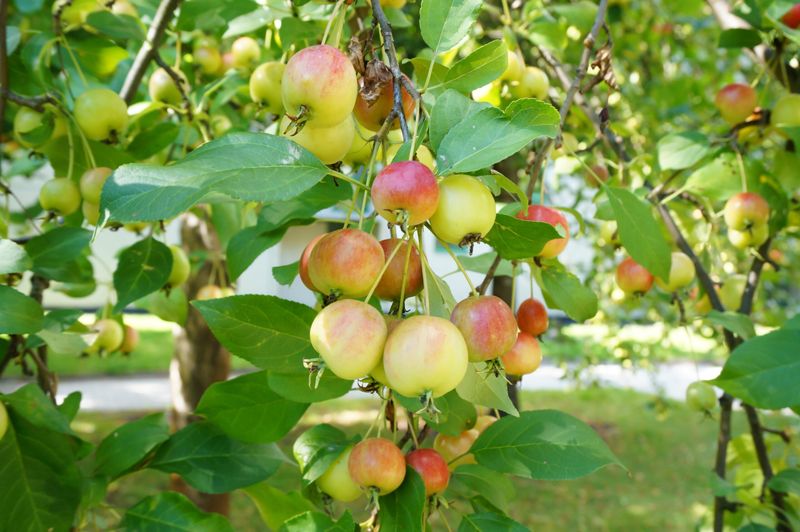
Crabapple trees are a beloved part of many Pennsylvania yards, known for their gorgeous spring blooms and bright fall fruits. But come summer, they face a serious threat.
Japanese beetles are strongly attracted to the lush, dense foliage that crabapples produce, and they can cause heavy damage across the entire tree.
The feeding pattern is the same as with other plants. Beetles chew away the soft leaf tissue between the veins, leaving behind a skeleton of brown, dried material.
On a crabapple with thick canopy growth, this damage can spread rapidly because beetles congregate in large numbers and continue feeding day after day.
What makes crabapples a little different from other targets is that the flowers can also be affected. When beetles are present during bloom or just after, they may nibble on flower petals and buds.
This affects not just the look of the tree but also the fruit set later in the season. Keeping your crabapple healthy year-round makes it more resilient when beetle season hits.
Proper watering, mulching, and annual pruning all contribute to a stronger tree that can handle stress better.
A well-maintained tree recovers more easily from feeding damage than one that is already struggling.
For treatment, insecticidal soap sprays can reduce beetle numbers on smaller trees. For larger crabapples, contact insecticides or systemic treatments applied to the soil may be more practical.
Always follow label directions and try to spray in the early morning to protect pollinators. Starting treatment at the first sign of beetles helps prevent the damage from getting too widespread.
6. Birch
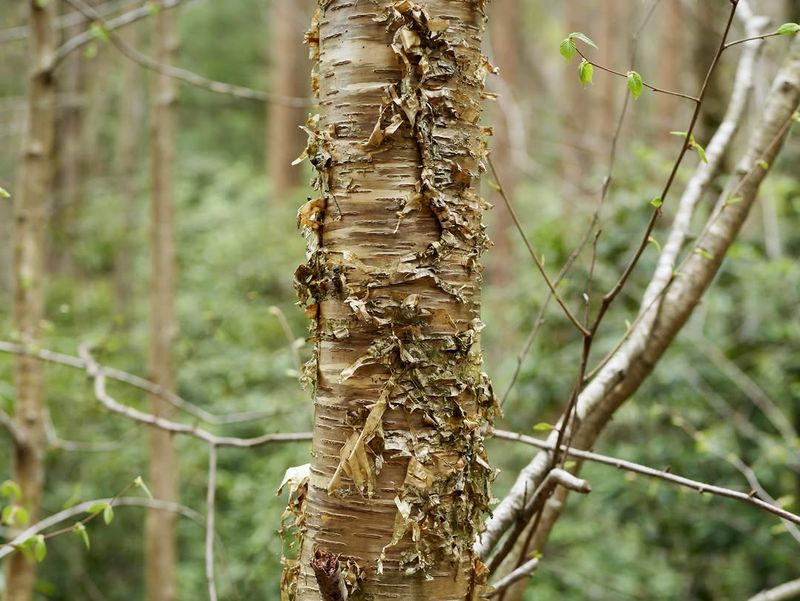
Birch trees have a quiet elegance about them, with their white papery bark and gently rustling leaves. They are a common sight across Pennsylvania landscapes, and sadly, they are also one of the first trees Japanese beetles target when the season begins.
Birch leaves are thin and easy for beetles to chew through, making them a go-to early feeding spot.
The damage on birch trees often shows up before many other plants in the yard start showing signs of infestation.
If you notice skeletonized leaves on your birch in late June or early July, that is a strong signal that beetle populations are building in your area. Early detection on birch can help you prepare defenses for other plants nearby.
Birch trees are already prone to stress from heat and drought, which is common during Pennsylvania summers. Adding beetle feeding pressure on top of environmental stress can push a tree toward serious decline.
Keeping birch trees properly irrigated during dry spells gives them a better chance of handling beetle damage without too many setbacks.
River birch is one of the more common species found in Pennsylvania yards and tends to attract beetles just as readily as other varieties.
If you have a birch in your landscape, start inspecting it closely as soon as June arrives. Catching the first wave of beetles early makes management much easier.
Systemic insecticides applied to the soil in spring can provide season-long protection for birch trees. Foliar sprays are another option for smaller trees.
Combining good cultural care with timely pest management gives your birch the best shot at staying strong through beetle season.
7. Daylilies
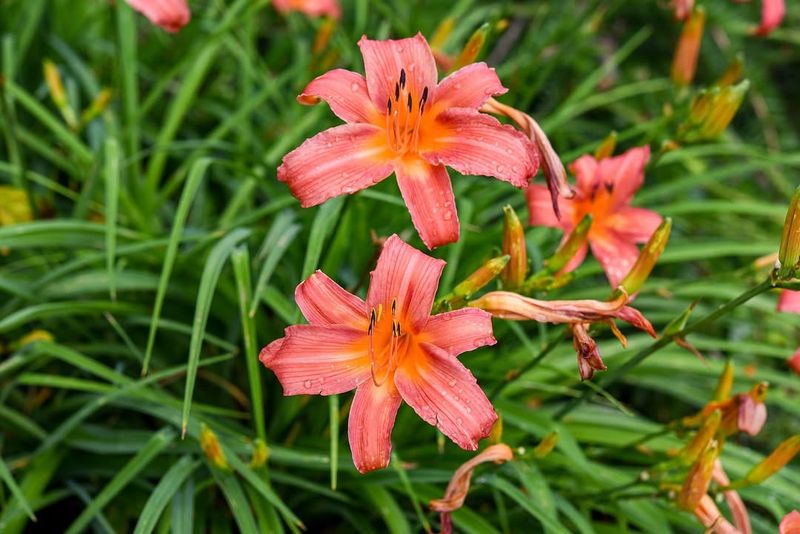
Daylilies are the workhorses of the summer garden. They are colorful, tough, and easy to grow, which is why so many Pennsylvania gardeners rely on them for season-long beauty.
But their bright blooms and tender foliage are also a magnet for Japanese beetles, and early summer feeding can take a real toll on these beloved perennials.
Beetles are attracted to the vibrant flowers just as much as the leaves. They chew through petals, leaving ragged edges and discolored patches that ruin the look of the blooms.
Since daylilies bloom in waves, repeated beetle feeding throughout the season can prevent new flowers from opening properly and shorten the overall display.
The good news is that daylilies are tough plants. Even after heavy beetle feeding, they tend to push out new growth and continue blooming.
But that does not mean you should ignore the problem. Repeated heavy infestations can weaken the clumps over time and reduce flowering in future seasons.
Handpicking beetles from daylilies is very effective because the plants are low to the ground and easy to access. Go out in the early morning when beetles are cooler and less active, and knock them into a container of soapy water.
This simple method can dramatically reduce beetle numbers without any chemicals at all. For heavier infestations, neem oil or pyrethrin-based sprays can help. Apply them in the evening to avoid harming bees that visit the flowers during the day.
Deadheading spent blooms regularly also removes some of the attractants that draw beetles in. A little consistent attention goes a long way with daylilies during Japanese beetle season.