This Cilantro Harvest Technique Can Make A Big Difference In How Long It Lasts In New Mexico
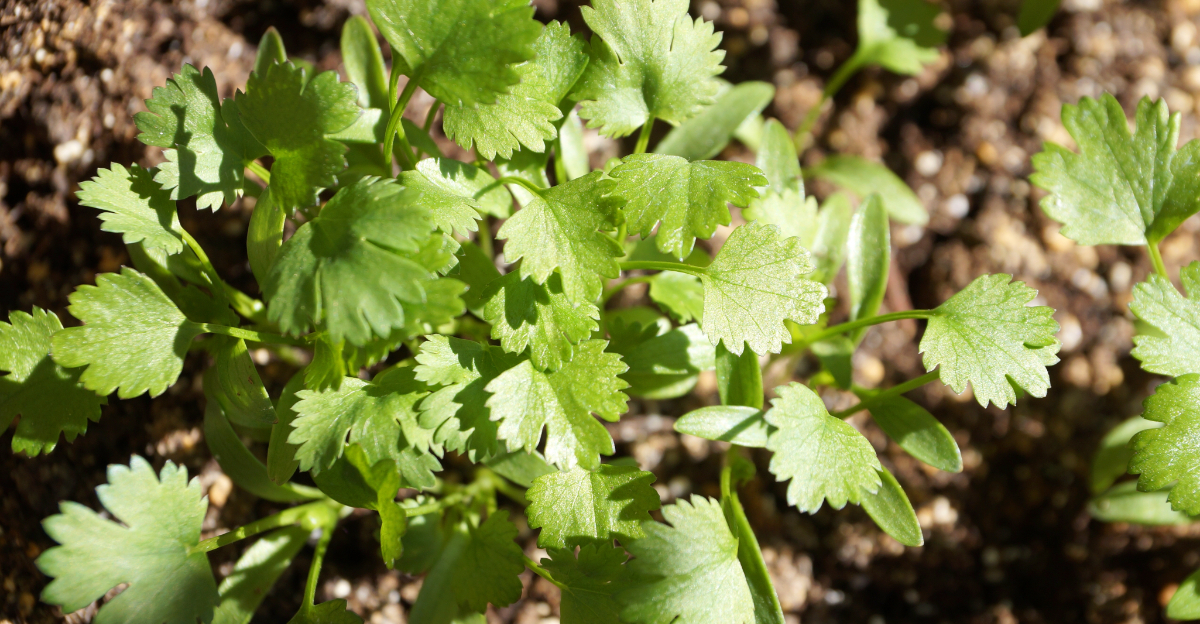
New Mexico cilantro has a short memory for kindness. Cut it wrong once, and the plant reads that as a signal to rush toward flowers instead of leaves.
The high desert sun speeds up growth, so one careless harvest can end your cilantro season early. Most gardeners miss this: the plant cares exactly where and how you cut, not how much.
Snip in the right spot, at the right angle, on the right stems, and cilantro rewards you with fresh growth for weeks. Snip carelessly, and you’ll watch the same plant shoot up a flower stalk within days.
Your cilantro does not know if it is in an Albuquerque raised bed or a Santa Fe container. It only knows how you cut it, and that is exactly what we are trying to fix here.
Cutting From The Outside Leaves Keeps Plants Producing Longer
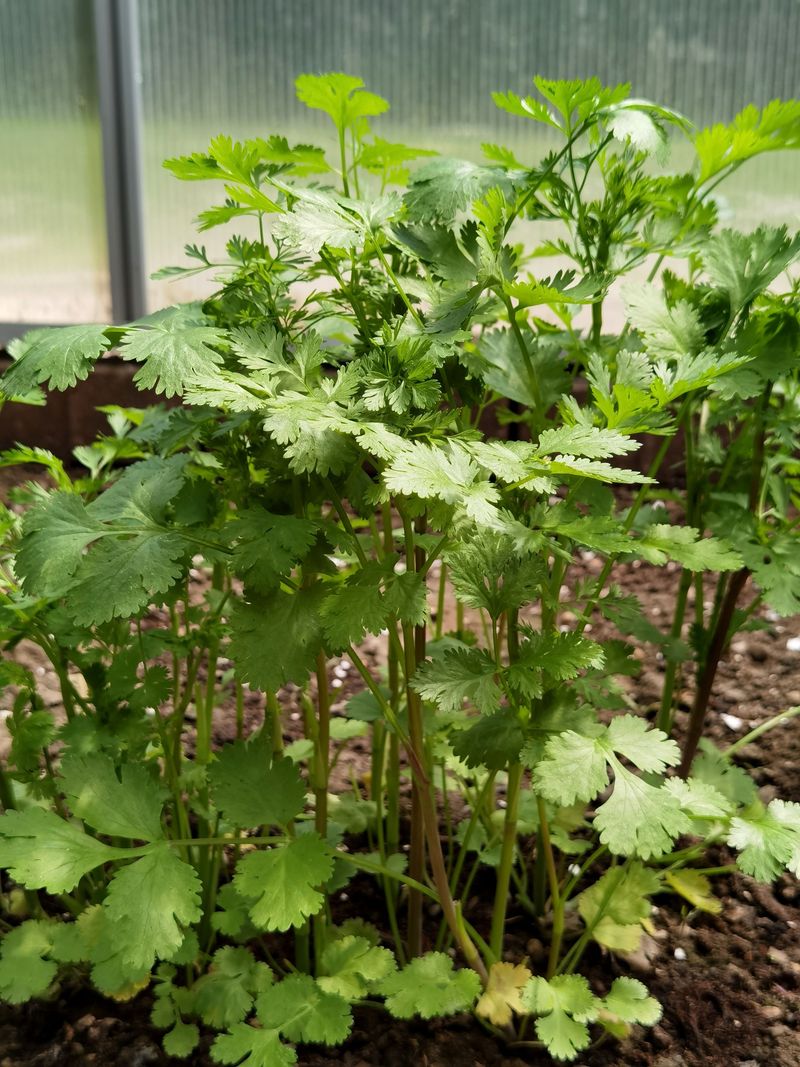
Most people grab from the top and wonder why their plant stops growing. Outer leaves are older and ready to go, while inner growth is the plant’s future.
When you snip from the outside, you protect the central growing tip. That tip is the engine of your whole plant, pushing out new leaves every few days.
Removing outer stems also improves airflow around the base. Better airflow means less moisture buildup, which reduces the chance of mold or rot in humid monsoon weeks.
Think of it like a haircut that starts at the sides. You shape the plant without touching the core, and the core responds by growing stronger and faster.
Outer-leaf harvesting tends to produce noticeably greener, more aromatic new growth over time.
Each time you harvest this way, you are essentially training the plant to keep producing. It becomes a rhythm, not a one-and-done situation.
Start by identifying the three or four oldest stems on each plant. Those are your targets every single session, and the rest can wait their turn.
Harvesting from the outside is one of the simplest shifts you can make. It costs nothing and gives your cilantro a genuinely longer, more productive life in your garden.
Timing Your Cut Matters Before New Mexico’s Heat Hits
Early morning is when cilantro is at its best. The leaves are plump with moisture, and the oils that give cilantro its bold flavor are most concentrated before the sun climbs high.
Cutting in the afternoon, especially during a New Mexico summer, stresses the plant immediately. Warm-weather harvesting causes the cut stems to wilt faster and triggers bolting signals in the plant.
Aim to harvest before 9 a.m. whenever possible. That small window makes a real difference in both the quality of your cuttings and the plant’s ability to recover quickly.
Bolting is the biggest challenge for cilantro growers across the Southwest. Once a plant shifts its energy toward flowering, leaf production drops off fast and the flavor turns sharp and unpleasant.
Harvesting in the cool morning hours slows that bolting response. The plant experiences less stress, which means it stays in leaf-production mode longer than it otherwise would.
Your New Mexico Garden Changes Every Week. Your Plan Should Too.
Gardening in New Mexico changes quickly throughout the season. Every Friday you’ll receive a simple weekly plan showing exactly what to plant, prune, fertilize, harvest, and protect so you never miss the right timing.
Keep a consistent schedule so your plant adapts to the rhythm. Plants respond to regular, predictable harvests much better than random or infrequent cutting sessions.
If you miss the morning window, wait until evening when temperatures drop again. Avoid midday cuts no matter how tempting it is to grab a handful for dinner prep.
Timing your cilantro harvest technique around the desert climate is one of the smartest moves a home gardener can make. Your taste buds and your plant will both thank you.
Tools And Grip That Prevent Damage To The Root Base

Yanking cilantro stems out by hand seems harmless, but it is one of the fastest ways to loosen the root system. A damaged root base means a weaker plant that bolts earlier than it should.
Sharp scissors or small pruning snips are the right tools for this job. Clean cuts heal faster and leave the remaining plant structure intact and ready to keep growing.
Dull blades crush the stem instead of slicing through it. That crushing action creates an entry point for bacteria and slows the plant’s recovery between harvest sessions.
Your grip matters just as much as your tool choice. Hold the stem gently about an inch above the soil level before cutting, so you do not accidentally tug the root system upward.
Sanitizing your scissors between plants is a smart habit. It prevents the spread of any fungal issues, which can move quickly in the warm, sometimes humid conditions of a monsoon-season garden.
Lightweight garden snips with a spring-loaded handle reduce hand fatigue during longer harvests. That comfort factor encourages more frequent, careful harvesting rather than rushed grab-and-go sessions.
After each cut, check the base of the plant for any pulled or exposed roots. Gently press the soil back around the base if anything looks disturbed.
Good tools paired with a careful grip protect the foundation of your plant. A strong root base is what keeps your cilantro producing fresh leaves all the way through the season.
Harvest Frequency That Won’t Weaken The Plant
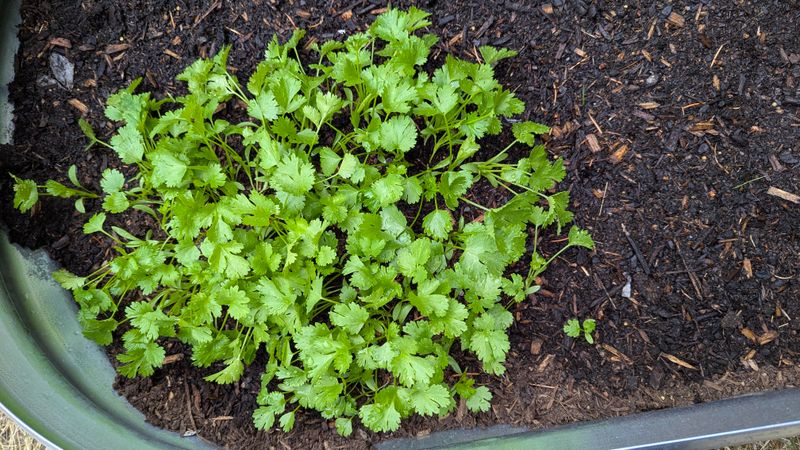
Harvesting too often strips the plant before it can recover. Harvesting too rarely lets the outer leaves get tough and pushes the plant toward flowering ahead of schedule.
The sweet spot for most cilantro plants is once every seven to ten days. That window gives new leaves enough time to develop without letting the older ones go past their prime.
Each harvest session should remove no more than one-third of the plant’s total leaf mass. That rule keeps the plant balanced between giving and growing without tipping it into survival mode.
In New Mexico’s shorter cool seasons, you may want to harvest every six days. The plant grows quickly when temperatures are mild, and staying on top of it prevents premature bolting.
During hotter stretches, ease back to every ten or twelve days. Leaf growth slows in the heat even as bolting speeds up, so the plant needs extra recovery time between cutting sessions.
Keeping a simple harvest log helps you track the rhythm without relying on memory. A sticky note on your garden shed door with the last harvest date is all you need.
Consistent frequency also trains you to notice changes in the plant’s growth rate. If new leaves are coming in slower than usual, that is a sign to adjust your schedule or check soil moisture.
Finding the right harvest frequency is less about following a rigid rule and more about reading your plant. Pay attention, stay flexible, and your cilantro will keep rewarding you with steady, flavorful growth.
Post-Harvest Handling That Locks In Freshness
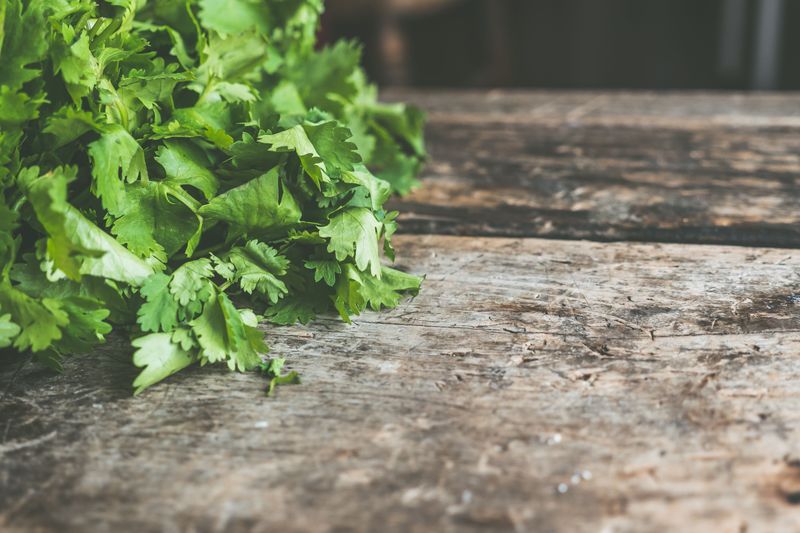
What you do right after cutting cilantro determines how long it stays fresh. Leaving cut stems on a hot counter is a fast track to wilted, flavorless leaves.
Place freshly cut stems into a glass of cool water immediately after harvesting. Treat them like a bouquet of flowers, and they will stay crisp and bright for up to two weeks.
Cover the leaves loosely with a plastic bag before placing the jar in the refrigerator. That combination of water and cool air keeps the cilantro in near-garden condition for days.
Change the water every two days to prevent bacterial buildup at the base of the stems. Fresh water keeps the stems from getting slimy and extends the usable life of your harvest significantly.
If you prefer flat storage, wrap the stems in a barely damp paper towel before sealing them in a bag. Squeeze out excess moisture from the towel first, because too much dampness speeds up decay.
Avoid washing cilantro until right before you plan to use it. Washing early adds surface moisture that promotes wilting and shortens the leaves’ shelf life.
For gardeners in dry climates, the refrigerator’s humidity drawer is a good storage spot. It provides just enough ambient moisture to keep the leaves from drying out between uses.
Handling your harvest with care after cutting is the final step in the cilantro harvest technique that truly locks in flavor and longevity all season long.
Signs Your Technique Needs Adjusting As Temperatures Rise
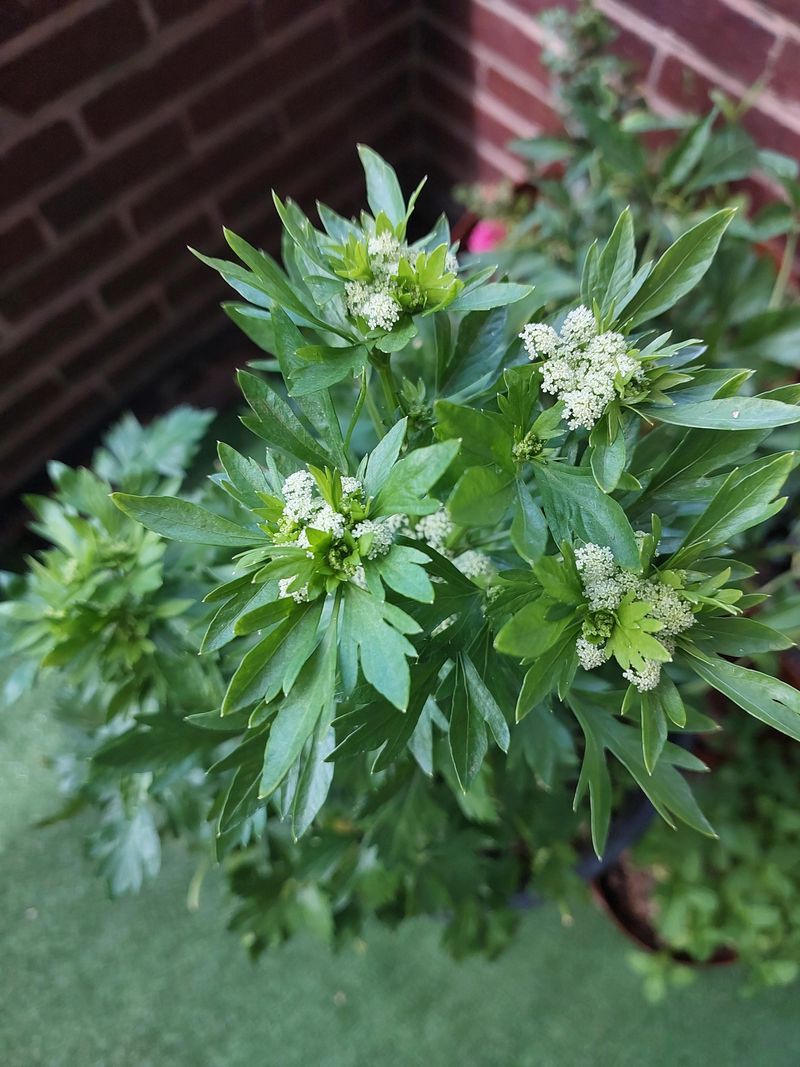
Your plant will tell you when something is off. Knowing how to read those signals early can save your harvest before the season slips away.
Flower stalks shooting up from the center are the clearest sign that bolting has begun. Once you see those stalks, the plant is shifting away from leaf production and toward seed development.
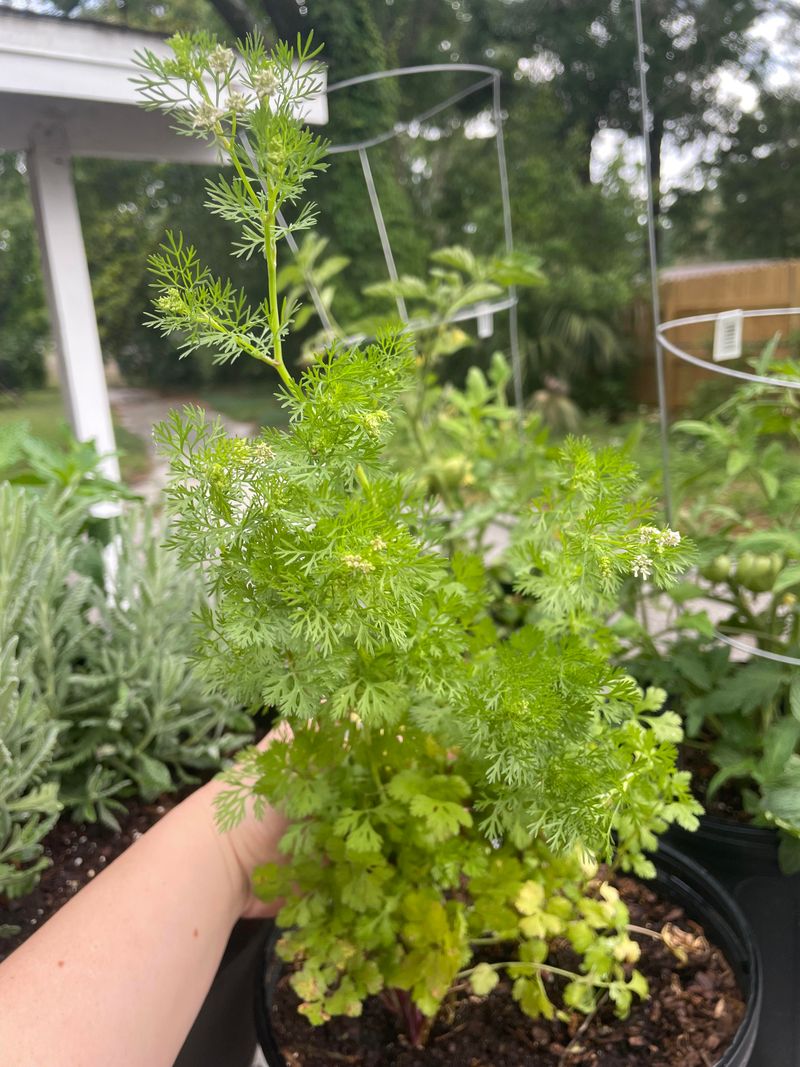
Leaves that look narrow and feathery instead of broad and flat are another early warning. That shape change signals that the plant is preparing to flower, even if no stalks are visible yet.
If new growth seems sparse after a harvest, your cutting frequency may be too high. Give the plant an extra few days before the next session and see if growth picks back up.
Yellowing at the base of the plant usually points to overwatering or poor drainage. New Mexico soil can be tricky, and waterlogged roots struggle to support healthy leaf production.
A sudden drop in flavor intensity is worth paying attention to. Bland or bitter leaves often mean the plant is under heat stress or has been harvested too aggressively in recent sessions.
Leggy, stretched stems reaching toward light indicate the plant needs more sun or better spacing. Crowded plants compete for resources and tend to bolt faster than well-spaced ones.
Adjusting your cilantro harvest technique based on these signs keeps you one step ahead of the heat. A responsive gardener generally gets more out of the season than one who sticks to a rigid routine.