Cut Back Oregon Raspberries This Way Right After Harvest For Bigger Canes
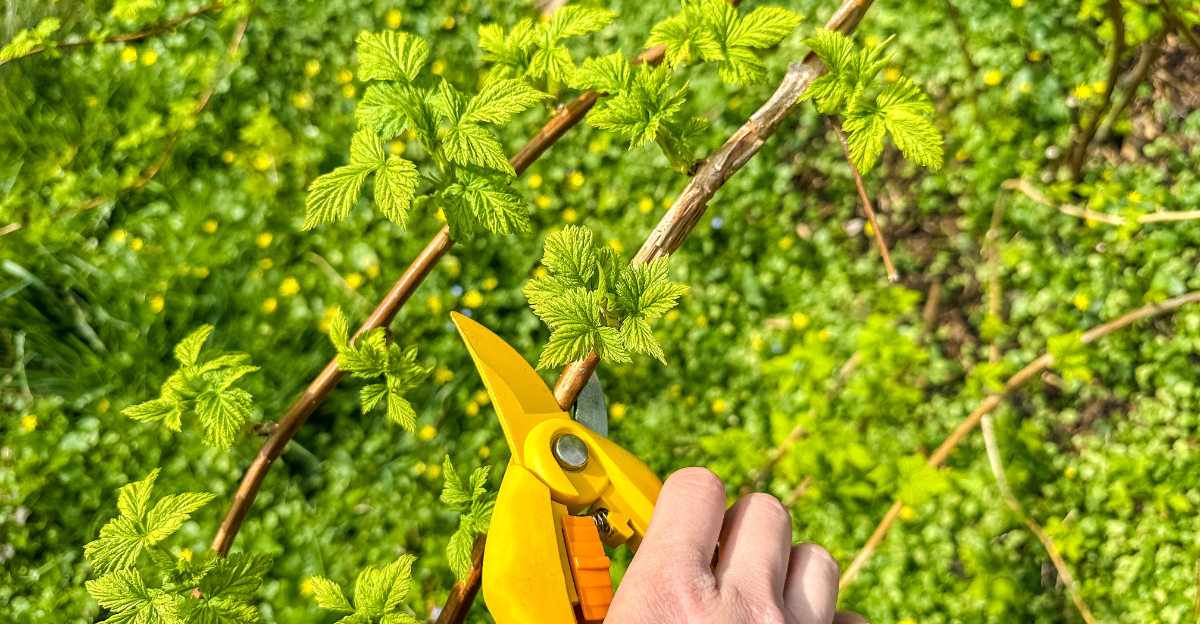
Late summer in Oregon turns raspberry canes into a tangled mess almost overnight. The window right after harvest is when pruning does the most good for next year’s cane growth.
Wait too long and the plant pours energy into old wood instead of building strong new canes. The result shows up next season: thin stems, tangled rows, and a harvest that falls flat.
Cut back the spent canes now and the plant redirects its energy exactly where it needs to go. New growth thickens, rows stay open enough for air and light to move through, and the whole patch stands sturdier heading into fall.
A few smart cuts this month can be the difference between a so-so season and canes loaded with fruit next summer. Oregon’s mild, wet climate makes timing even more important here than in drier states.
Cutting Spent Floricanes To The Ground Boosts New Cane Growth
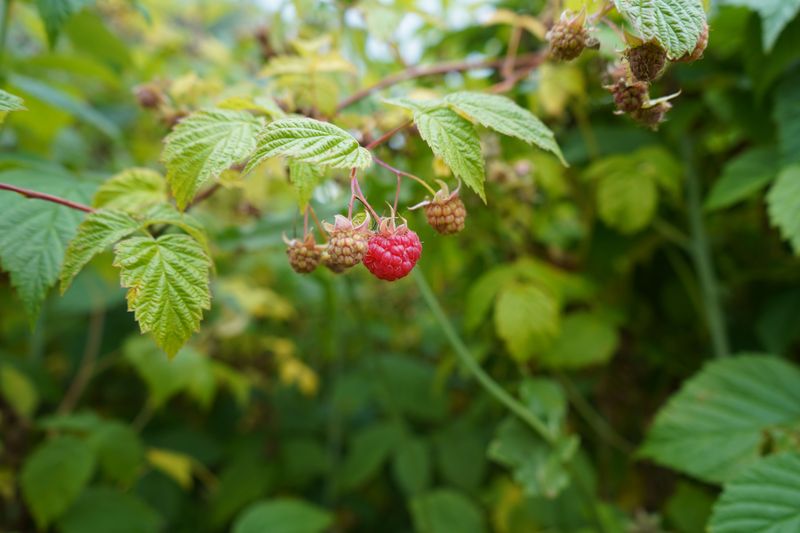
Brown, woody canes sticking up after harvest are not decoration. Those are floricanes, and they are done producing fruit for good.
Floricanes are the two-year-old canes that fruited this season. Once they bear fruit, they won’t produce fruit again.
Cutting them all the way to the ground is the single most important pruning move you can make. Leaving even a few stumps invites fungal problems and insect nesting.
Use sharp bypass pruners or loppers to cut each spent cane flush with the soil. A clean cut heals faster than a ragged one.
When you remove those old canes, you free up a lot of energy. The plant stops wasting resources on bare wood and redirects everything toward new primocanes.
Primocanes are the current-season green canes that will become next year’s fruiters. Protecting and encouraging them starts the moment you remove the old growth.
Some gardeners leave a short stub thinking it helps the plant. It does not; stubs rot and become entry points for disease.
Work systematically down each row, pulling removed canes out as you go. Piling spent canes in the bed creates unnecessary moisture and disease risk.
Bag or compost floricanes away from the raspberry patch. This simple habit keeps fungal spores from cycling back into your soil.
Stronger cane growth kicks in once those old floricanes come out. Your future harvest is already forming in those green primocanes waiting for their moment.
Prune Right After Harvest To Prevent Disease Spread
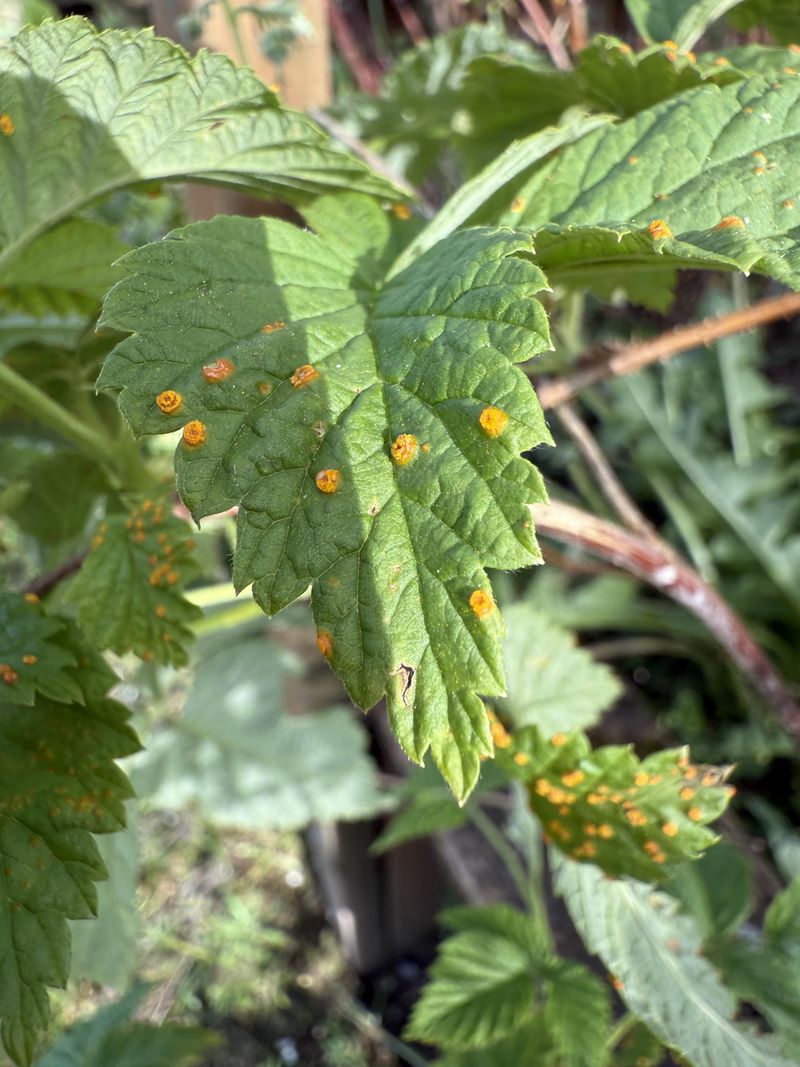
Timing matters more than most gardeners think. Waiting even a few weeks after harvest gives fungal spores a head start on your healthy canes.
Oregon summers bring warm days and cool nights, which is a perfect recipe for raspberry diseases. Botrytis, cane blight, and orange rust all thrive in lingering plant debris.
Pruning right after harvest removes the primary hosts where these pathogens live. You essentially pull the welcome mat out from under them before they spread.
Spur blight is one sneaky problem that starts on lower leaves and climbs upward. Removing floricanes quickly stops that spread in its tracks.
Your Oregon Garden Changes Every Week. Your Plan Should Too.
Gardening in Oregon changes quickly throughout the season. Every Friday you’ll receive a simple weekly plan showing exactly what to plant, prune, fertilize, harvest, and protect so you never miss the right timing.
Anthracnose is another fungal issue common in the Pacific Northwest. It causes dark, sunken lesions on canes and spreads rapidly through water splash and wind.
Inspect every cane as you prune and look for discoloration, lesions, or unusual spotting. Any suspicious cane should be removed and bagged, not composted at home.
Disinfect your pruning tools between plants using a diluted bleach solution or a disinfecting spray made for garden tools. This one habit prevents you from accidentally spreading pathogens from plant to plant.
Clean tools are not optional; they are part of the pruning process itself. A contaminated blade undoes all the careful work you just did.
Pruning Oregon raspberries right after harvest gives your patch a clean slate. Healthy canes going into fall means a far stronger start when spring arrives.
Air Flow And Sunlight Improve When You Thin Remaining Canes
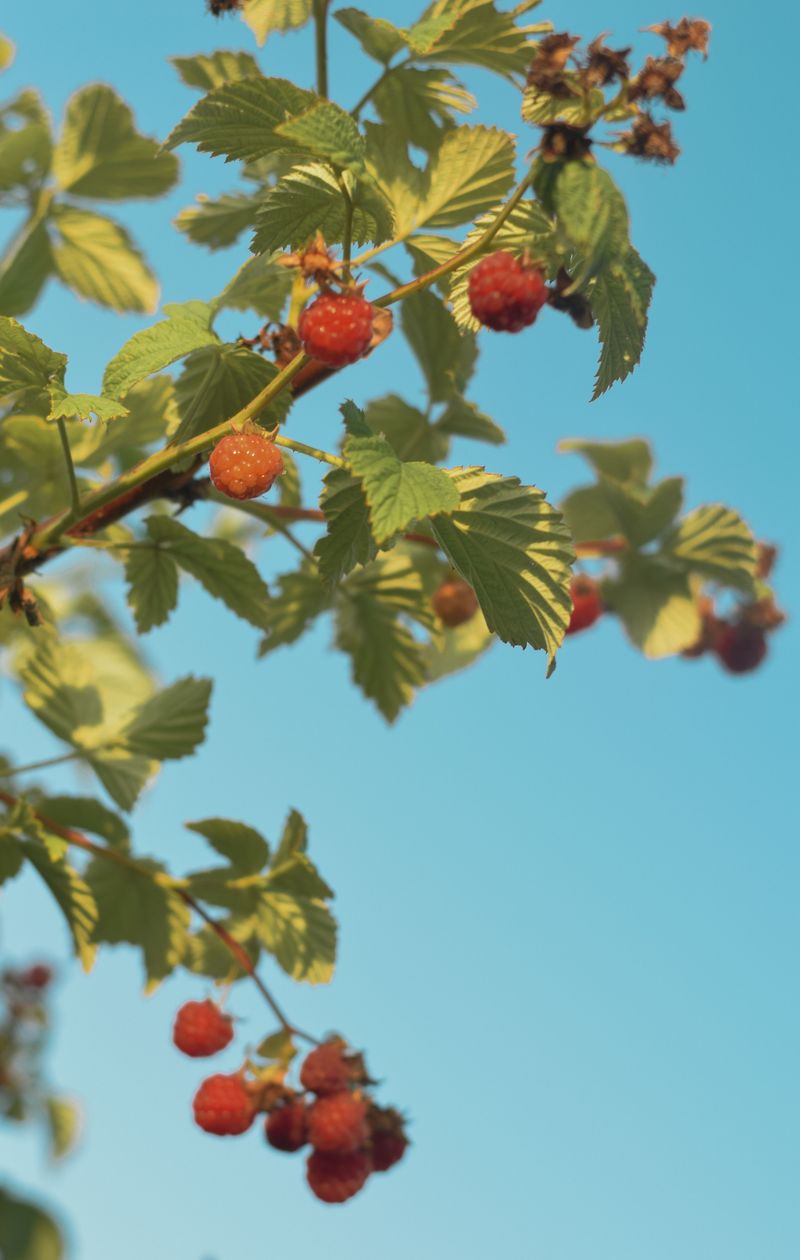
Crowded canes are a recipe for trouble. When canes press against each other, moisture gets trapped and disease finds the perfect home.
After removing floricanes, look at what remains and count your primocanes. Most experts recommend keeping only four to six of the strongest canes per linear foot of row.
Weak, spindly canes will not produce well no matter how carefully you tend them. Removing them now means the survivors get more water, light, and nutrients.
Thinning also noticeably improves airflow through the entire planting. Good airflow is one of the most underrated defenses against fungal disease in a raspberry patch.
Sunlight penetration matters just as much as airflow. Canes that receive full sun exposure throughout the day develop sturdier growth and set fruit buds more reliably.
When selecting which canes to keep, choose the thickest, most upright ones. Avoid canes that are already leaning heavily or showing any signs of damage.
Spacing remaining canes evenly along your trellis wire spreads sunlight exposure across the whole row. Bunched canes, even healthy ones, shade each other out unnecessarily.
A well-thinned row also makes the following year’s harvest much easier to pick. You can reach fruit without fighting through a tangled wall of canes.
Think of thinning as giving your best canes a promotion. They earned more space, and they’ll deliver when fruiting season rolls around again.
The Right Tools Help Canes Heal And Regrow Faster
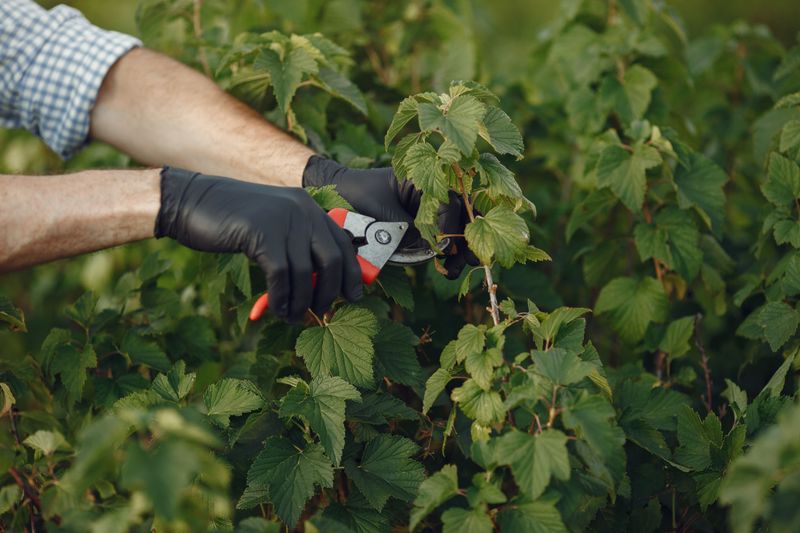
Dull blades crush plant tissue instead of cutting it cleanly. Crushed tissue takes far longer to heal and creates wide-open wounds for pathogens.
Sharp bypass pruners are the gold standard for raspberry cane work. They make a precise scissor-like cut that seals much faster than a crushed or torn edge.
Anvil pruners, which crush the cane against a flat surface, are not ideal here. Save those for clearing dry, brittle branches in other parts of the garden.
For thicker, older floricanes, a pair of long-handled loppers gives you extra leverage without straining your wrists. Forcing small pruners through thick wood damages both the tool and the plant.
A narrow pruning saw comes in handy when a cane base is especially woody and stubborn. A few quick strokes beats wrestling with undersized pruners.
Keep a small spray bottle of a garden-tool disinfectant in your apron pocket while working. Spritz your blades between plants to avoid carrying pathogens across the row.
Gloves with good grip protect your hands from thorns while giving you enough dexterity to work quickly. Thick leather gloves often make it hard to feel what you are cutting.
After your pruning session, clean and oil your tools before storing them. Rust and dried plant sap on blades will dull them faster than regular use alone.
Great tools make pruning Oregon raspberries feel much easier. Investing in quality equipment pays off in cleaner cuts and faster cane recovery every single season.
Feed Raspberries After Pruning For Stronger Cane Development
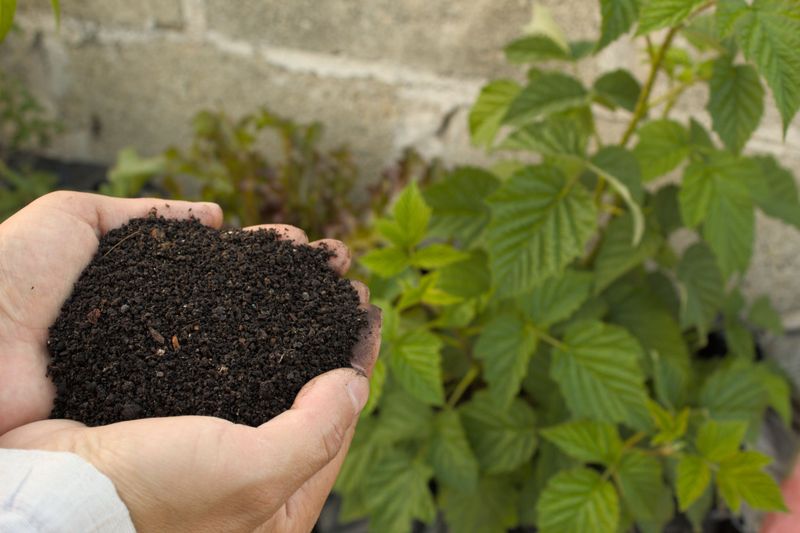
Pruning sends a signal to the plant that growth is the priority now. Feeding right after pruning amplifies that signal with the nutrients canes need most.
Nitrogen is the big driver of cane development in late summer and early fall. A balanced fertilizer with a moderate nitrogen level supports strong, upright primocane growth without pushing excessive soft tissue.
Too much nitrogen late in the season can backfire badly. Overly lush, soft growth going into fall is more vulnerable to cold damage when Oregon temperatures drop.
A 10-10-10 granular fertilizer applied at the rate recommended on the package is a solid, reliable starting point. Work it gently into the soil around the drip line, not directly against the cane base.
Compost is another excellent post-pruning amendment that feeds slowly and improves soil structure at the same time. A two-inch layer spread between rows works beautifully as both a nutrient source and moisture retainer.
Water thoroughly after applying any fertilizer to help nutrients move down to the root zone. Dry fertilizer sitting on top of soil does almost nothing for the plant.
Soil pH matters more than most gardeners realize with raspberries. Oregon soils can be acidic, and a pH between 5.6 and 6.2 gives roots the best access to available nutrients.
A quick soil test from your local extension office takes the guesswork out of amendments. Feeding smart after pruning Oregon raspberries builds the foundation for next season’s strongest cane growth.
Avoid These Common Pruning Mistakes With Oregon Raspberry Canes
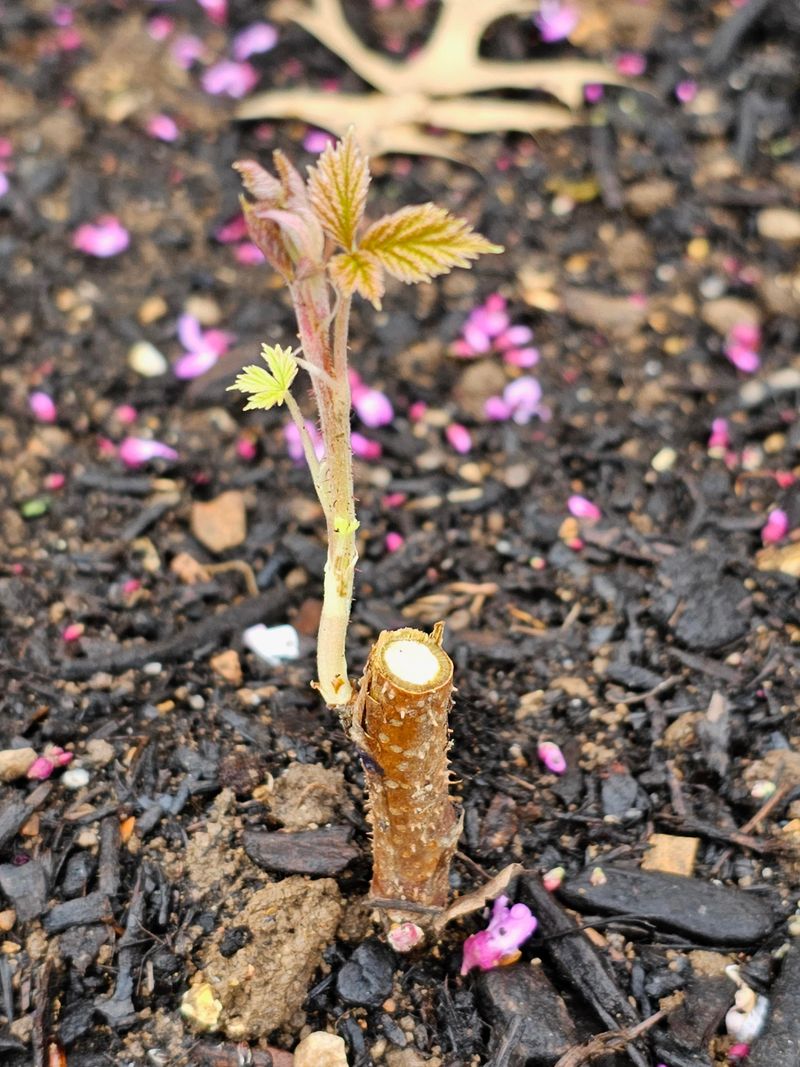
Even experienced gardeners make pruning mistakes that quietly cost them next year’s harvest. Knowing what to avoid is just as powerful as knowing what to do.
One of the most common errors is pruning too late in the season. Waiting until fall gives disease and insects extra weeks to establish themselves in spent cane debris.
Another frequent mistake is leaving stubs above the soil line. Those stubs do not re-sprout; they just rot and become a spot where disease takes hold near your healthy canes.
Confusing primocanes with floricanes trips up newer growers every season. Floricanes are brown and woody; primocanes are green and flexible, and they shouldn’t be cut back to the ground after harvest, only thinned if the row is overcrowded.
Cutting too many primocanes in an effort to thin aggressively is a real risk. Removing more than two-thirds of your new growth leaves the plant without enough energy-producing foliage heading into fall.
Skipping tool sanitation between plants is a small mistake with large consequences. One infected plant can contaminate every plant in the row through a dirty blade.
Pruning when canes are wet is another habit worth breaking. Wet conditions help fungal spores transfer easily from cut surfaces to healthy tissue nearby.
Composting diseased canes in your backyard pile sounds efficient but spreads problems. High home compost temperatures rarely get hot enough to neutralize all raspberry pathogens.
Avoiding these mistakes while pruning Oregon raspberries keeps your patch thriving. Small habits compound into big results when harvest season finally comes back around.