Why Most Privacy Hedges Fail In Oregon (And What Actually Works Instead)
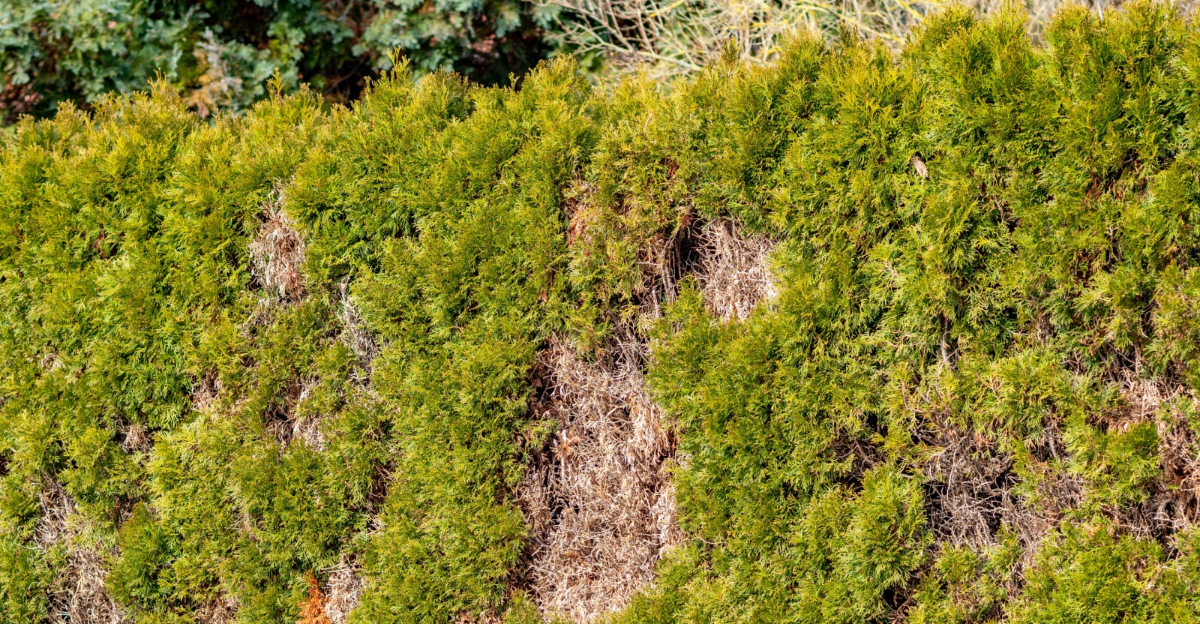
Your hedge looks troubled before it even reaches your fence line. You planted with hope, yet something already feels wrong.
Roots struggle first, long before you slowly notice yellow leaves. Oregon winters soak your clay soil until roots weaken.
Summer then hardens that same soil into stubborn concrete. Nobody warns you about this seasonal reversal beforehand.
Nurseries sell you plants suited for entirely different climates. Wrong species end up in countless yards near your home.
Growth slows, confidence fades, and you start doubting yourself. Neighbors nod sympathetically while quietly judging your struggling hedge.
Real rewards come once you understand Oregon’s true demands. Timing, drainage, and species choice keep your progress moving forward.
Failure follows patterns, and patterns are exactly what you’ll learn. Every choice you make now shapes years of privacy ahead.
Understanding these forces turns confusion into a workable plan. What happens next truly determines whether your hedge thrives.
Planting Species Unsuited To Oregon’s Wet Winters
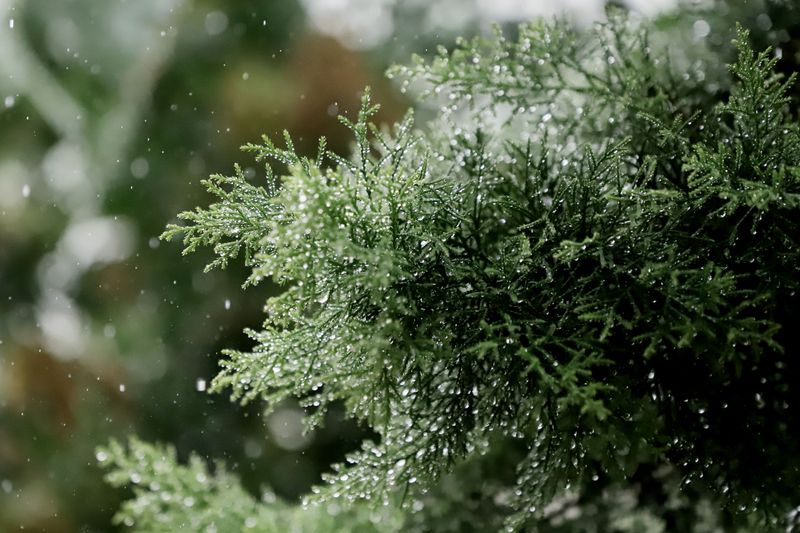
Some plants just were not built for this place. Oregon’s wet winters are legendary, and certain hedge species simply cannot handle months of soggy, cold ground.
Leyland cypress is a classic example of a plant sold everywhere but suited for almost nowhere in the Pacific Northwest. It looks great at the nursery, but Oregon’s persistent winter rain creates the perfect storm for root rot and fungal collapse.
Many homeowners also try English laurel, thinking its lush leaves signal toughness. In reality, prolonged wet spells cause bacterial leaf scorch and brown patches that spread fast across the whole hedge.
Arborvitae varieties bred for drier climates are another common mistake. They sit in waterlogged clay for months, slowly weakening while gardeners wonder what went wrong.
The Pacific Northwest has its own rhythm of weather. Plants that thrive in the Midwest or Southeast are not automatically suited for western Oregon’s maritime conditions.
Before buying any hedge plant, check its drainage requirements carefully. If a tag says “well-drained soil required,” treat that as a red flag for most Oregon yards.
Choosing the wrong species wastes years of waiting and hundreds of dollars. Matching the plant to Oregon’s actual climate is the foundation of every successful privacy hedge.
Ignoring Poor Drainage In Heavy Clay Soil
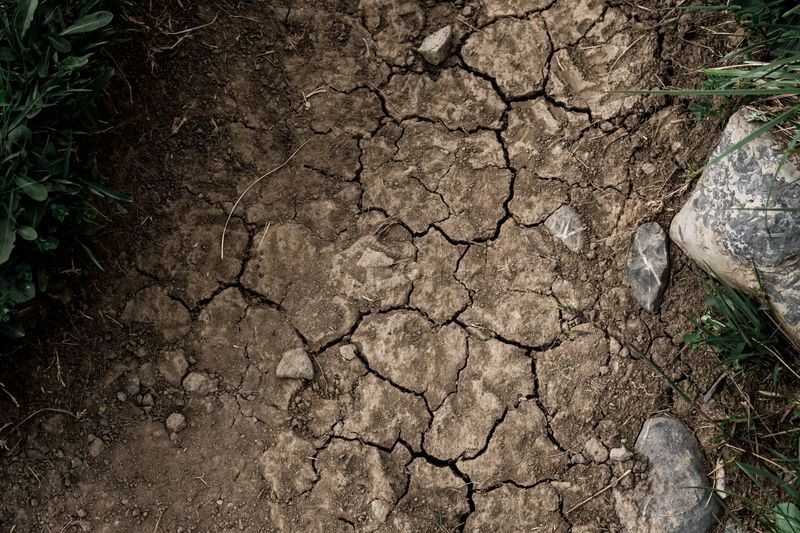
Oregon clay soil is a common but often overlooked cause of hedge decline that most gardeners never see coming.
It looks fine on the surface, but beneath that top layer, water sits and deprives roots of oxygen for weeks.
Most of the Willamette Valley and surrounding areas sit on heavy clay deposits left behind by ancient floods. That clay holds moisture beautifully in summer but becomes a saturated trap during the rainy season.
Roots need oxygen as much as water to survive. When soil stays waterlogged, roots cannot breathe, and the plant slowly declines from the ground up even while the top looks okay.
A simple drainage test can save you a lot of heartache. Dig a hole about twelve inches deep, fill it with water, and check how long it takes to drain.
Your Oregon Garden Changes Every Week. Your Plan Should Too.
Gardening in Oregon changes quickly throughout the season. Every Friday you’ll receive a simple weekly plan showing exactly what to plant, prune, fertilize, harvest, and protect so you never miss the right timing.
If water sits for more than an hour, you have a drainage problem worth solving before planting.
Raised planting beds and berms are two of the most effective fixes. Elevating your hedge row just six to eight inches above grade can make a dramatic difference in root health.
Adding coarse compost and grit to clay soil helps break up its dense structure. This creates air pockets that allow both water and oxygen to move freely through the root zone.
Fixing drainage before planting is not extra work. It is the single most impactful thing you can do for long-term hedge success in Oregon’s challenging soil conditions.
Overlooking Pest And Disease Pressure From Too Little Airflow
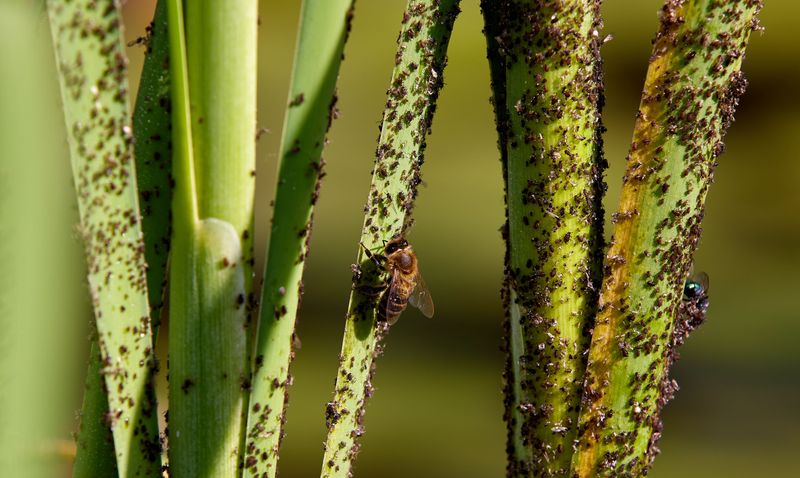
A hedge that is packed too tight sounds like a success story. But when air cannot move through the foliage, moisture lingers and fungal diseases set up permanent residence.
Oregon’s cool, wet climate already creates ideal conditions for mildew, blight, and root-level fungal infections. Poor airflow inside a dense hedge turns that risk into a near certainty over time.
Phytophthora root rot is one of the most destructive diseases in Pacific Northwest landscapes. It thrives in wet, stagnant conditions and can seriously damage an unprotected hedge row over time.
Aphids and spider mites also love sheltered, humid environments with no wind disruption. A poorly ventilated hedge becomes an environment favorable to pest buildup, with populations growing because natural predators cannot easily access the interior.
Pruning is not just about shape. Strategic thinning opens up the hedge’s interior structure, allowing airflow to reduce moisture buildup and make the environment less hospitable for disease.
Selecting disease-resistant varieties from the start also reduces pressure significantly. Some cultivars have been specifically bred to handle the fungal challenges common in maritime climates like Oregon’s.
Treating a sick hedge is expensive, time-consuming, and often unsuccessful. Building airflow into your hedge design from the beginning is a far smarter and simpler long-term strategy for Pacific Northwest gardeners.
Choosing Native Or Well-Adapted Evergreen Varieties
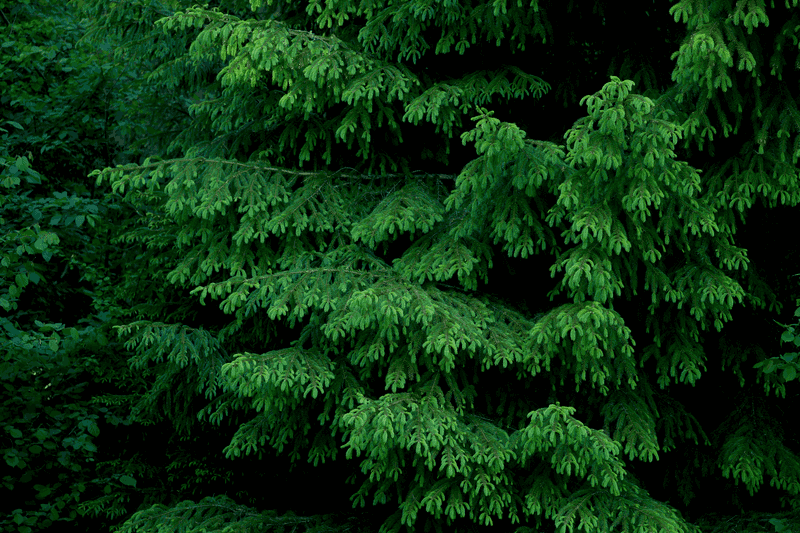
Not every hedge has to be a struggle. Some plants are practically born for Oregon’s rain-soaked winters and mild, cloudy summers.
Western red cedar is a standout option for tall privacy screens in the Pacific Northwest. It is native to the region, tolerates wet soil far better than most conifers, and grows into a dense, aromatic barrier that wildlife loves.
Photinia x fraseri, commonly called Red Tip Photinia, is another popular option in western Oregon.
Its red new growth turns glossy green and holds color for much of the year, though it can be prone to leaf spot disease in consistently wet conditions, so good airflow and drainage are essential.
Skip laurel is a smarter alternative to English laurel for wetter sites. It handles moisture better, resists disease more reliably, and still grows into a full, dense screen with bold, shiny foliage.
For a more naturalistic look, Thuja plicata cultivars like Green Giant are excellent. They grow fast, stay green through winter, and shrug off the kind of wet conditions that destroy Leyland cypress.
Oregon grape, while shorter, works beautifully as a lower hedge layer. Its spiny leaves deter foot traffic and browsing deer, and yellow spring flowers add seasonal charm.
Choosing well-adapted plants is not settling for less. It is working smarter, and in Oregon’s climate, smart choices are what separate thriving hedges from underperforming ones that fall short of expectations.
Testing And Amending Soil Before Planting
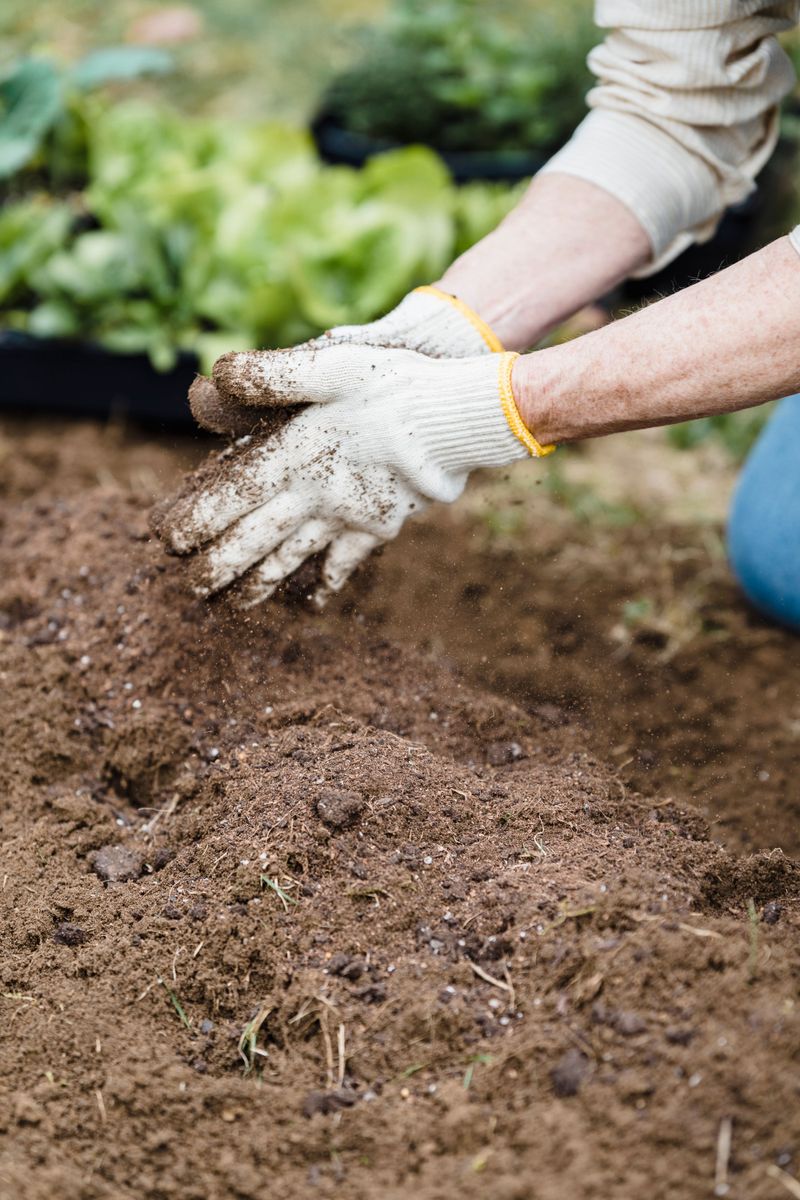
Skipping a soil test before planting a hedge is like building a house without checking the foundation. You might get lucky, but the odds are not in your favor.
Oregon soils vary wildly depending on your location. Coastal areas tend toward sandy, acidic soils, while the Willamette Valley is known for dense clay with pH levels that can lock out essential nutrients.
A basic soil test typically costs a modest amount at most garden centers or through your local OSU Extension office. Check current pricing before booking.
It tells you pH, nutrient levels, and organic matter content, giving you a clear picture of what your soil needs.
Most privacy hedge shrubs prefer a slightly acidic to neutral pH, generally in the range of 6.0 to 7.0, though optimal pH varies by species.
Adding lime typically raises pH gradually over one to two seasons, though the exact timeline depends on soil type and application rate.
Sulfur brings it down if your soil tests alkaline, which is less common in Oregon but does occur in some eastern areas of the state.
Compost is the universal soil improver that works regardless of your starting conditions. It improves drainage in clay, adds water retention in sand, and feeds the microbial life that keeps roots healthy long-term.
Amended soil gives your hedge a running start. The difference between treated and untreated ground shows up clearly within the first growing season of a privacy hedge.
Spacing Shrubs According To Mature Width
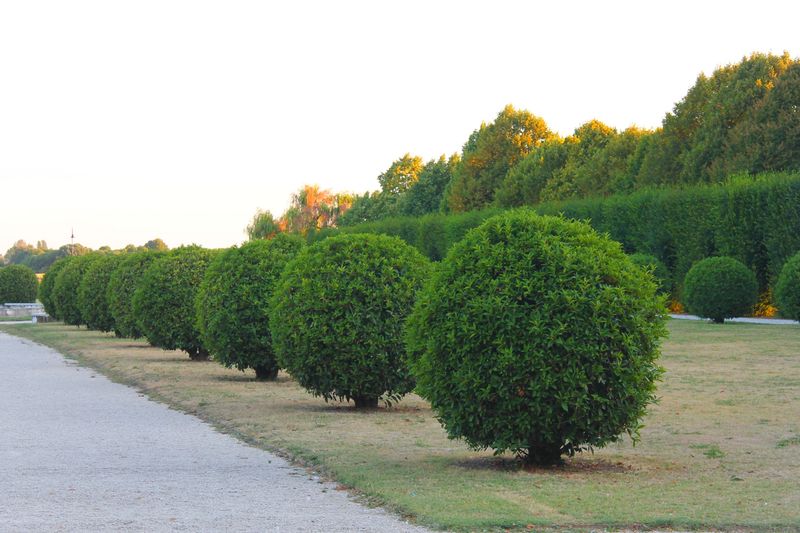
Gaps in your hedge are not just ugly. They defeat the entire purpose of planting one in the first place.
Most nursery tags list a plant’s mature spread, and many gardeners use that number as their spacing guide.
That logic sounds reasonable, but it guarantees a hedge full of holes for the first five to ten years.
The key is understanding a plant’s mature canopy width, not its size at purchase. A six-inch pot does not tell you much about where the roots and branches will eventually reach.
As a general guideline, plant shrubs at roughly sixty to seventy percent of their mature width apart. A shrub that spreads six feet wide at maturity should be spaced three to four feet apart.
Tight spacing encourages plants to grow upward and outward together, knitting into a solid wall of foliage. When spaced too far apart, each plant grows as an individual specimen rather than part of a unified screen.
Western red cedar, for example, typically spreads eight to twelve feet wide at maturity. Planting those at five to six feet apart creates a dense, interlocking canopy within a few seasons.
Photinia and skip laurel have a similar story. Their mature widths of six to eight feet mean spacing them four to five feet apart gives you coverage without a long wait for gaps to close.
Oregon’s overcast summers also mean gaps take longer to close than in sunnier regions, so closer planting compensates for that slower pace.
Mark your spacing with stakes and string before digging a single hole. Spending a little more on extra plants upfront pays off in a full, lush screen years sooner than the alternative allows.
Pruning Regularly To Encourage Thick Growth
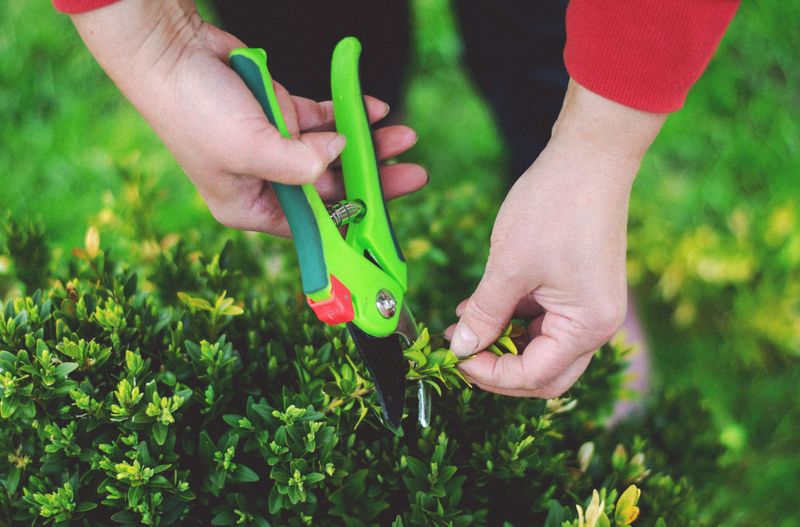
Pruning sounds counterintuitive when you want more growth. But cutting back a hedge at the right time actually triggers it to branch out and fill in faster.
When you trim the tips of a shrub, the plant responds by pushing energy into side buds. Those buds become new branches, and more branches mean denser, thicker foliage across the entire hedge line.
Oregon’s mild springs and long growing seasons make late winter to early spring the ideal pruning window. Cutting before new growth flushes gives plants the whole season to respond and fill gaps left by winter damage.
Avoid pruning in late summer or early fall. Cutting at that time encourages tender new growth that does not have enough time to harden before Oregon’s cold, wet winters set in.
A light shearing two to three times per year produces better results than one heavy annual cut. Frequent light pruning keeps the hedge tidy and constantly stimulates new branching from top to bottom.
Tapering the hedge slightly narrower at the top than the bottom is also smart. That shape, called a batter, allows sunlight to reach the lower branches, which prevents the sparse lower growth so common in neglected hedges.
Regular pruning is how good hedges become great ones in Oregon’s climate. A well-maintained hedge rewards consistent attention with the kind of lush, dense privacy that makes every backyard feel like a private, enjoyable outdoor space.
Mulching To Protect Roots And Regulate Moisture
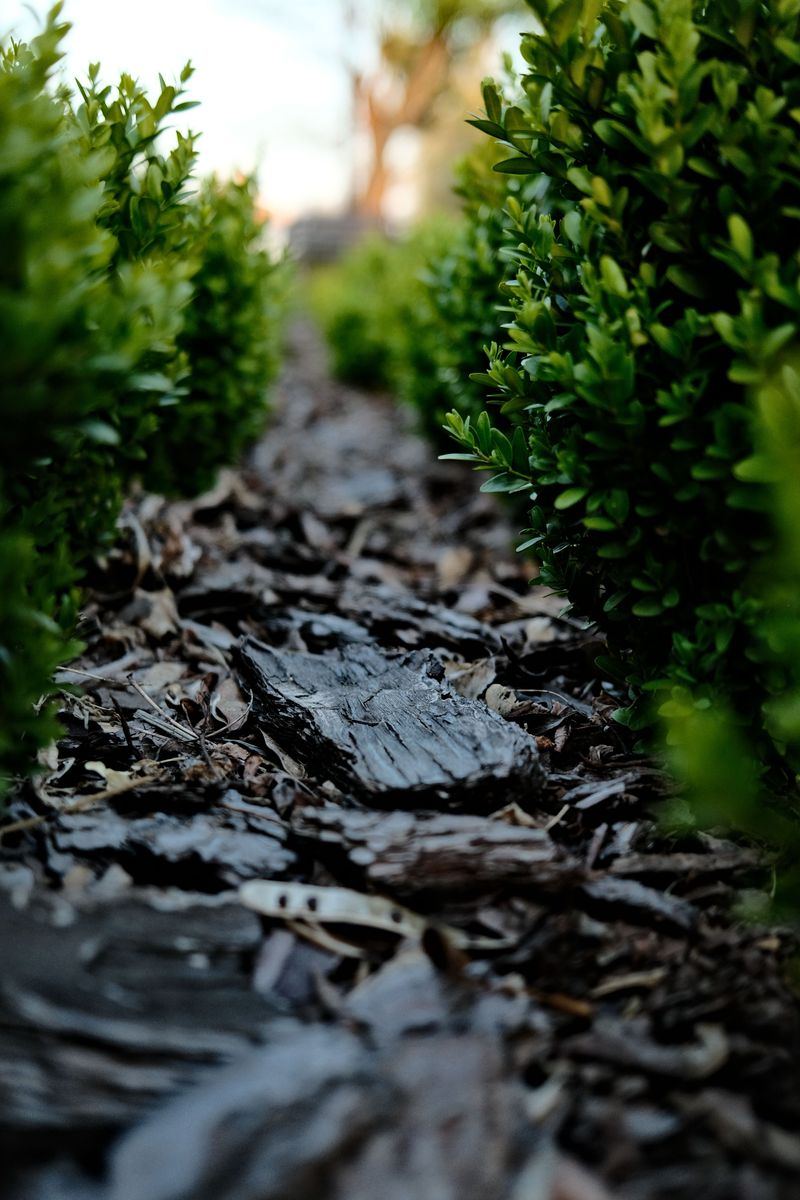
Mulch does more work than most gardeners realize. A properly mulched hedge row establishes faster and handles Oregon’s extremes with far less stress.
Bare soil around new plantings dries out quickly during summer and compacts hard during winter rain. A two to three inch layer of mulch buffers both extremes, keeping root zones consistently moist and workable.
Organic mulch also feeds the soil as it breaks down. Wood chips, shredded bark, and composted leaves slowly release nutrients while improving structure in Oregon’s heavy clay.
Temperature swings are gentler under mulch too. Roots stay cooler during summer heat spikes and better insulated during sudden winter cold snaps, both common in western Oregon.
Weed competition drops significantly with a solid mulch layer. Fewer weeds mean less competition for water and nutrients during a hedge’s critical first few years.
Timing and application matter as much as the mulch itself. Apply it after planting, keep it a few inches away from stems, and avoid piling it against trunks or bark.
Volcano mulching, where mulch is stacked directly against the stem, traps moisture against bark and invites rot. This mistake is common and easily avoided with a simple donut shape instead.
Refresh mulch once or twice a year as it breaks down. Fall application before winter rains offers extra insulation, while spring application locks in moisture before summer dryness begins.
Mulching costs little compared to replacing failed plants. For the effort involved, it remains one of the highest-value steps in establishing a resilient privacy hedge in Oregon’s demanding climate.