What It Really Means When Leaf-Footed Bugs Show Up On Your Texas Tomatoes
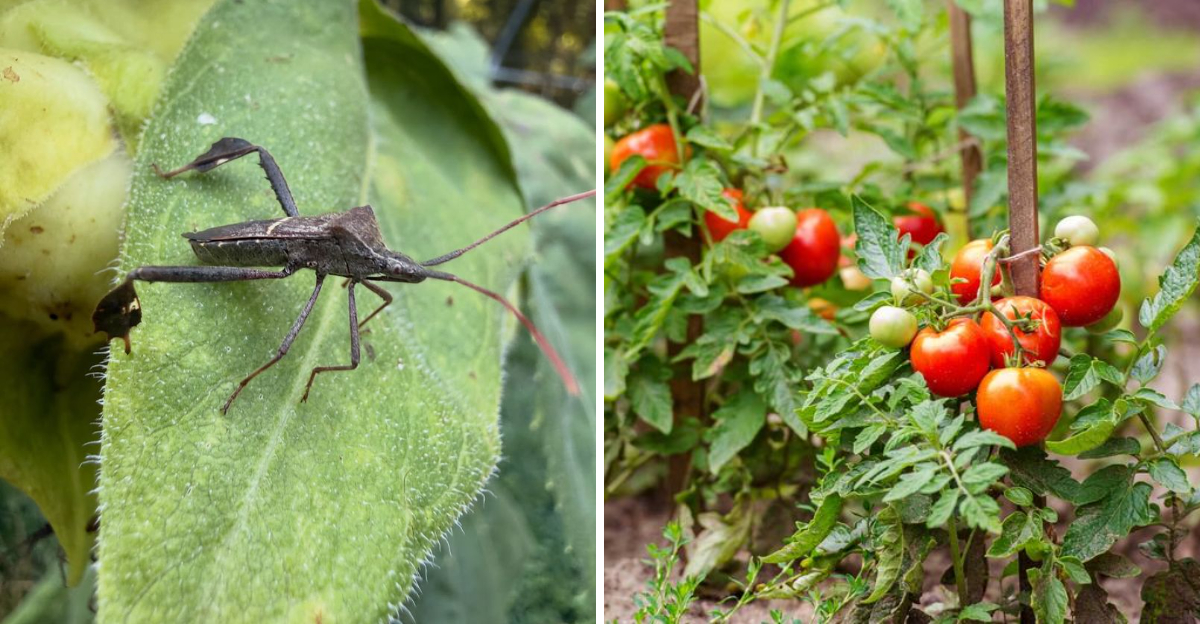
You’re checking your tomato plants and there they are. Large, angular insects with those distinctive flattened, leaf shaped hind legs, clustered on your fruit and stems like they own the place.
Leaf footed bugs are one of those garden visitors that are impossible to mistake once you know what you’re looking at, and if they’ve found your Texas tomatoes, your first reaction is probably not a good one.
That reaction is justified. These bugs are a genuine problem for tomato growers. But leaf footed bugs on your tomatoes are also telling you something more than just “we found your garden.”
Their presence, the timing of their arrival, the parts of the plant they’re targeting, and the numbers you’re seeing all communicate specific things about your garden conditions and what’s likely to happen next if you don’t respond.
Understanding what you’re actually dealing with makes the difference between an effective response and one that looks busy but doesn’t actually solve the problem.
Here’s what leaf footed bugs on your Texas tomatoes really mean and exactly what to do about it.
1. Your Tomatoes Are Entering Their Most Vulnerable Stage
Fruit set is one of the most exciting moments in any tomato garden. You have been waiting weeks for those little green tomatoes to appear, and now they are finally coming in.
But here is the thing nobody tells you upfront: that is also when your plants become the biggest target for leaf-footed bugs.
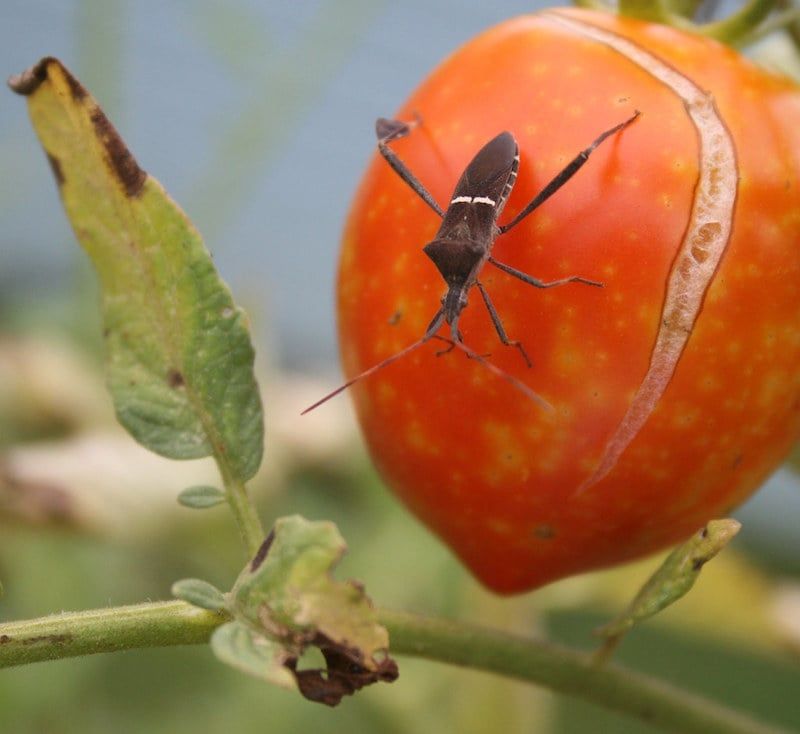
Leaf-footed bugs use a sharp, needle-like mouthpart to pierce through tomato skin and suck out the juice inside. It sounds dramatic, but the damage it causes is very real.
You might notice white or yellowish speckling on the surface of the fruit. Some tomatoes develop hard, corky patches under the skin that make the flesh unpleasant to eat.
Cloudy spots are another common sign. These areas look pale or washed out compared to the rest of the fruit.
They happen because the bug’s saliva interferes with normal cell development inside the tomato. The fruit may still ripen, but the quality takes a real hit.
Scarring on the outside of the tomato is also possible. This happens when younger fruit is attacked early in its development.
The wound heals over, but it leaves a rough or sunken mark that stays even after the tomato turns red.
The timing matters a lot here. Leaf-footed bugs tend to move onto tomatoes right when the fruit starts to size up. That makes the fruiting stage the period when you need to pay the closest attention.
Walking through your garden every morning during this window is one of the simplest and most effective things you can do to catch problems early and keep your harvest looking and tasting its best.
2. The Damage May Look Like A Disease At First
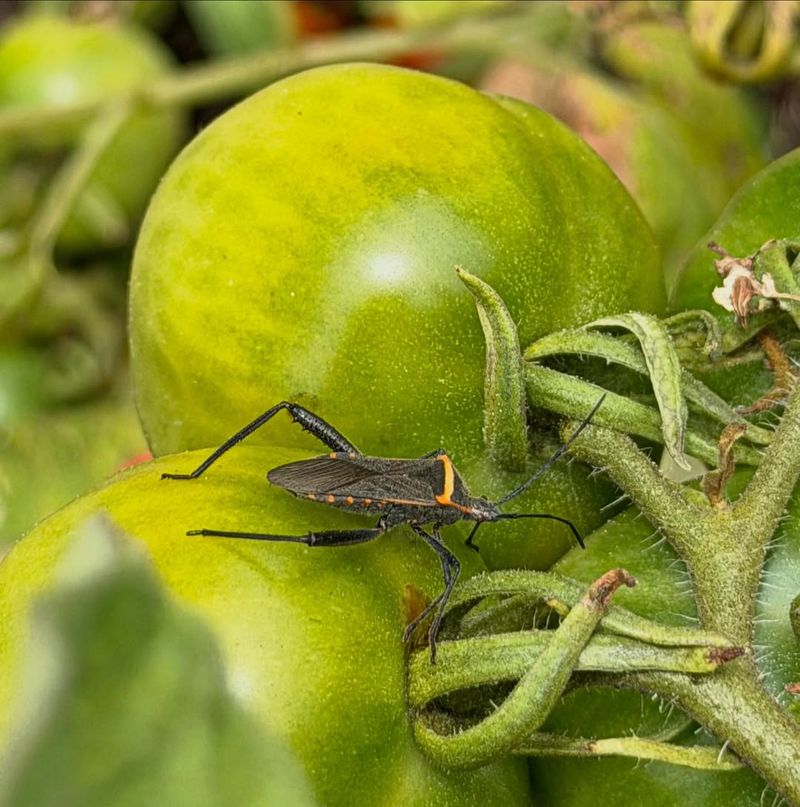
Spotting brown patches, pale areas, or strange corky textures on your tomatoes can send any gardener into panic mode.
The first thought is usually that a fungal disease has moved in, or maybe a bacterial infection is spreading through the plant. It is an easy mistake to make because the symptoms really do look similar at first glance.
Your Texas Garden Changes Every Week. Your Plan Should Too.
Gardening in Texas changes quickly throughout the season. Every Friday you’ll receive a simple weekly plan showing exactly what to plant, prune, fertilize, harvest, and protect so you never miss the right timing.
But before you reach for a fungicide or start pulling plants, take a closer look at what is actually going on. Leaf-footed bug feeding damage and plant disease can look almost identical on the surface.
The key difference is in the details. Disease usually spreads in a pattern across multiple leaves or fruit clusters.
Bug damage tends to be more random and scattered, showing up wherever the insect decided to feed.
Another clue is the presence of the bugs themselves. Flip over leaves, check along stems, and look near fruit clusters.
If you spot the bugs or their shed skins, feeding damage becomes the more likely explanation. Leaf-footed bugs are large enough to see with the naked eye, so a careful inspection usually reveals them pretty quickly.
Treating for a disease that does not exist wastes time and money. Worse, it can expose your garden to unnecessary chemicals that may harm helpful insects. Getting the diagnosis right from the start saves you a lot of trouble.
If you are still unsure after inspecting the plant, your local Texas A&M AgriLife Extension office can help.
They offer free or low-cost plant diagnostics and can tell you whether you are dealing with a pest problem or an actual disease. Getting a second opinion is always a smart move when your tomato crop is on the line.
3. Nearby Weeds Or Overgrown Areas May Be Hosting Them
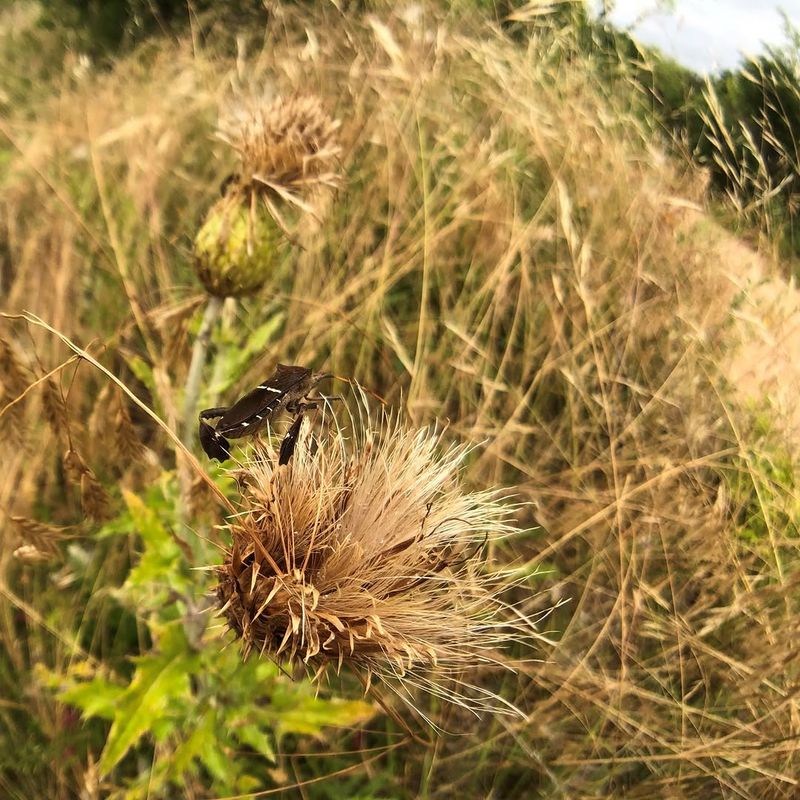
Leaf-footed bugs rarely appear out of nowhere. Most of the time, they have been living somewhere nearby, feeding on wild plants, weeds, or overgrown vegetation before they found their way to your tomatoes.
Understanding where they come from is one of the most useful things you can know as a gardener.
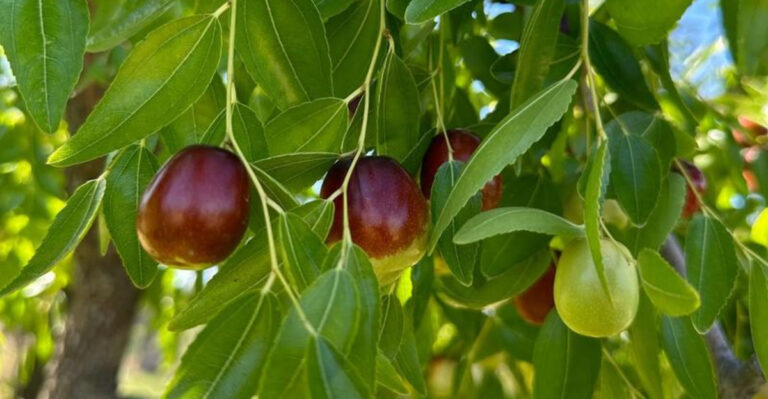
Common host plants include elderberry, pomegranate, juniper, and a wide variety of wild seeds and berries. Tall grass, brushy fence lines, and weedy patches along garden borders are prime hangout spots for these insects.
They breed and feed in these areas, and when those food sources dry up or get disturbed, they start looking for something better. Your ripe tomatoes are a very attractive option.
If leaf-footed bugs suddenly appear in large numbers, take a walk around the perimeter of your garden.
Look for overgrown spots, weedy clusters, or wild shrubs that could be acting as a launching pad. Sometimes the source is just a few feet away from your garden beds.
Cleaning up those areas can make a real difference. Mowing tall grass, pulling weeds near the garden edge, and trimming back overgrown shrubs removes the shelter and food sources these bugs depend on.
It will not eliminate them completely, but it can reduce how many make their way into your tomato patch.
Timing your cleanup also matters. Doing it early in the season, before populations build up, gives you a head start.
If you wait until summer when the bugs are already active and multiplying, the job gets harder. A clean garden perimeter is one of the best long-term strategies for keeping leaf-footed bug numbers manageable throughout the Texas growing season.
4. The Nymphs Mean The Problem Is Growing Fast
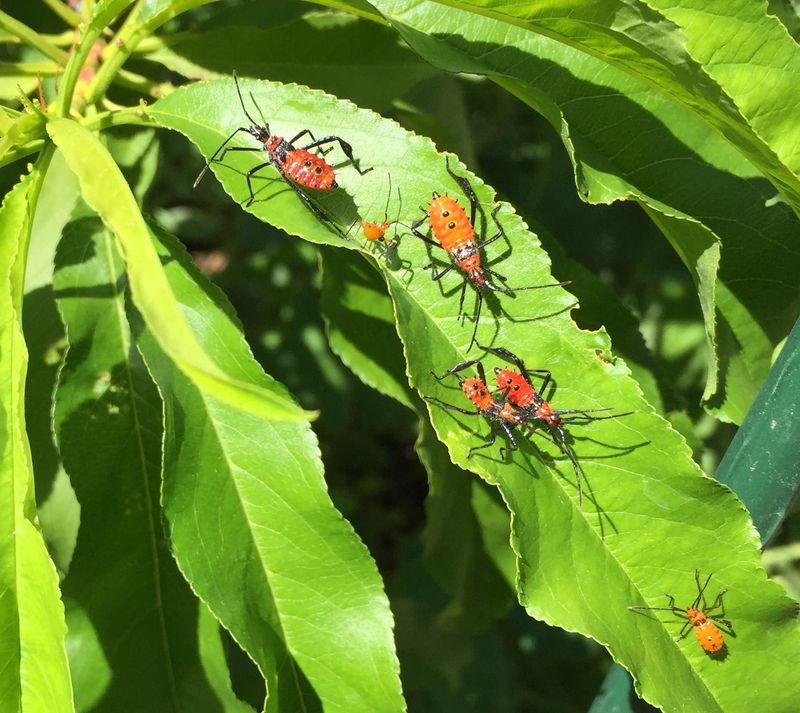
Seeing one or two adult leaf-footed bugs on your tomato plants is concerning. But spotting a cluster of small, reddish-orange nymphs?
That is a completely different level of warning. Nymphs are the juvenile stage of the bug, and their presence means reproduction has already happened nearby. The situation is moving faster than you might think.
Young nymphs look very different from adults. They are smaller, brighter in color, and tend to stay grouped together rather than spreading out.
This group behavior actually makes them easier to spot, but it also means they are feeding in concentrated bursts. A cluster of nymphs hitting one section of a tomato plant can do a surprising amount of damage in a short period of time.
Nymphs go through several molting stages before becoming adults. During that time, they are constantly feeding to fuel their growth.
Each stage brings them closer to full adulthood and full reproductive ability. If you ignore them, you can go from a small problem to a large one within a matter of weeks, especially during the warm Texas summer.
The good news is that nymphs are easier to manage than adults. They move more slowly and tend to cluster in one spot, which makes physical removal much more practical.
A firm shake of the plant over a bucket of soapy water can knock dozens of them loose at once. Act quickly when you see nymphs. Do not wait to see how things develop.
Early action during the nymph stage gives you the best chance of keeping the population from exploding. Check your plants every single day once nymphs appear, because they grow up fast in Texas heat.
5. Your Tomatoes Need Daily Inspection Now

Once leaf-footed bugs have been spotted in your garden, casual weekly check-ins are no longer enough. Daily inspection becomes the new standard.
These insects are mobile and quick. A plant that looked clear yesterday can have a dozen bugs on it by the next morning, especially if there is a nearby population that has not been fully addressed yet.
Knowing where to look makes your inspection faster and more effective. Start with the undersides of leaves, which is where bugs like to rest during the heat of the day.
Then check along the main stem and any fruit clusters. Do not forget to look at your tomato cages, stakes, and nearby weeds, because bugs often rest on these surfaces between feeding sessions.
Hand-picking adult bugs is one of the most reliable removal methods available to home gardeners. Drop them into a container of soapy water to prevent them from flying back to the plant.
Wear gloves if you are bothered by the strong smell these bugs release when disturbed. It is not harmful, just unpleasant.
For nymphs, a firm shake over a bucket of soapy water works well. You can also use a hand vacuum designed for garden pests if you prefer not to touch them directly.
The key is consistency. Removing a few bugs each day adds up quickly and keeps numbers from bouncing back.
Morning is the best time for inspections because bugs are slower when temperatures are cooler. Make it part of your daily garden routine, just like watering.
A few minutes of focused attention each morning can save your entire tomato harvest from serious setbacks during the peak of the Texas growing season.
6. Spraying Is Not Always The First Or Best Move
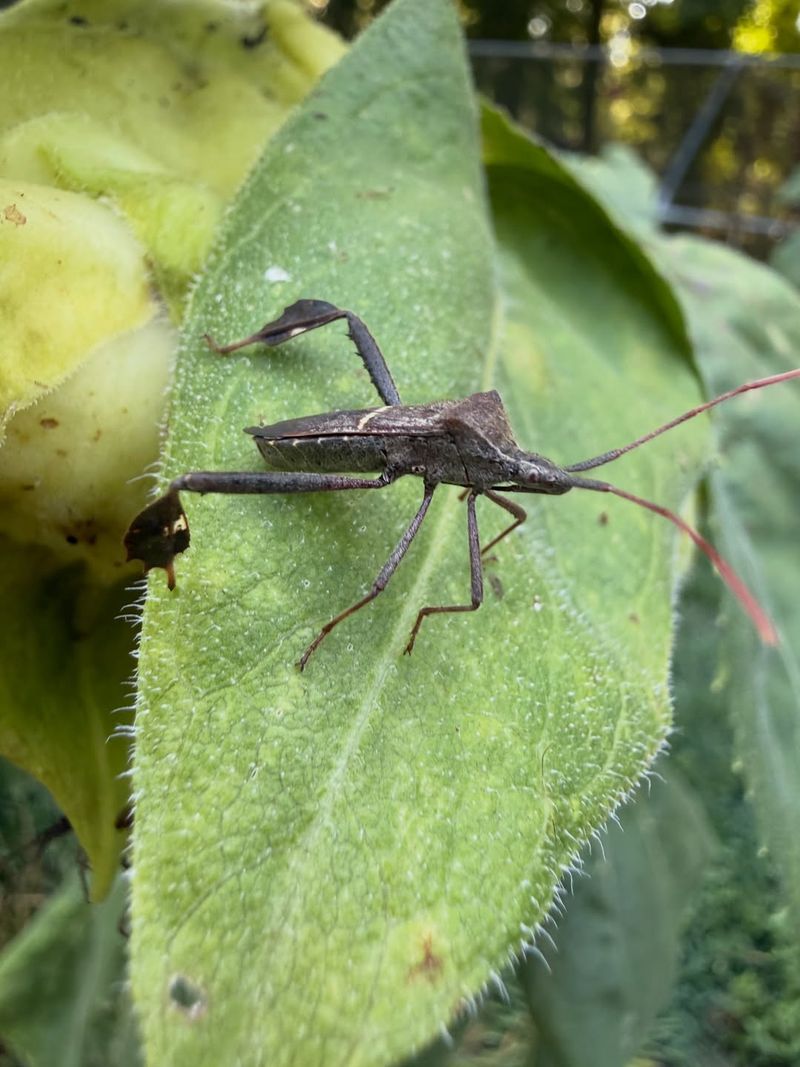
Reaching for a spray bottle feels like a fast solution when pests show up. It makes sense. You want to do something immediate and decisive.
But with leaf-footed bugs, broad chemical sprays often create more problems than they solve, and they are not always as effective as you might hope.
Leaf-footed bugs are highly mobile. They fly away when disturbed and come back once conditions calm down.
Sprays that are not specifically timed and targeted often miss a large portion of the population. Meanwhile, those same chemicals can harm bees, wasps, and other beneficial insects that your garden depends on for pollination and natural pest control.
Starting with non-chemical strategies is almost always the smarter first step. Hand removal, weed cleanup around the garden perimeter, and daily scouting give you a lot of control without any of the downsides.
Row covers placed over young transplants before bugs arrive can prevent them from accessing the plants in the first place, which is even better than reacting after the fact.
Picking off damaged fruit also helps. Rotting or wounded tomatoes attract more insects, so removing them reduces the overall appeal of your garden.
Keeping the area tidy is part of the management strategy, not just a cosmetic choice.
If populations become very large and physical removal is not keeping up, there are pesticide options labeled for leaf-footed bugs that are less harmful to beneficial insects. Kaolin clay and spinosad are two options worth researching.
Always read the label carefully and apply only as directed. Spraying in the early morning or evening reduces contact with active pollinators.
Smart, targeted use of any treatment gives you the best results with the least collateral damage to your garden ecosystem.