7 North Carolina Perennials That Triple In Size Their First Season In The Ground
You buy a scrawny little perennial in a quart pot, tuck it into your red clay bed one April weekend, and half expect it to just sit there sulking. Instead, by the time the September cookout rolls around, that same plant has swelled into a leafy mound three times its starting size. North Carolina summers, with their muggy heat and pop-up afternoon storms, actually push certain perennials into overdrive their very first year. Pick the right ones for your zone, and you get a full bed fast, without spending a fortune or babysitting anything all season.
1. Joe Pye Weed
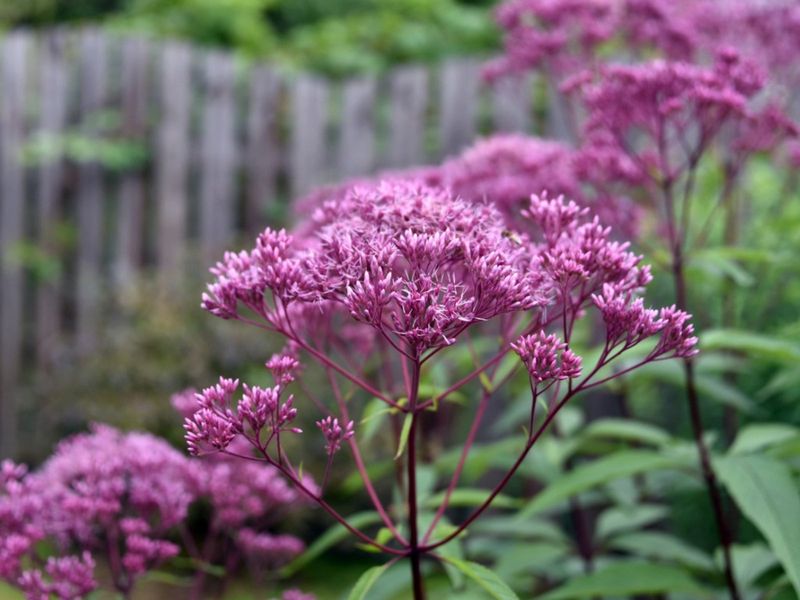
Picture a plant that shows up to your yard as a knee-high stick in spring and towers over your shoulder by August. Joe Pye weed (Eutrochium purpureum) genuinely does this, and it does it in one season across most of North Carolina.
Here is where it gets good. This native loves the same wet feet our afternoon storms deliver, so those muggy Piedmont summers that stress other plants just feed it. Give it steady moisture and it can push from 18 inches to over 5 feet by late summer, fanning out into a wide clump.
The dusty pink flower heads open right as fall monarchs move through, and they pull in butterflies like a magnet by the porch. Plant it in spring after your last frost, roughly mid-April in the Piedmont, and space clumps about 3 feet apart because they fill in fast.
Give the roots a deep soak twice a week the first month while they settle. NC State Extension lists it as a strong native for pollinator borders, and it earns that spot. But be honest with yourself about placement, this one wants the back of the bed. Set it up front and it will happily photobomb everything shorter.
Tuck it against a fence and you get a living wall of blooms by your first Labor Day.
2. Black-Eyed Susan
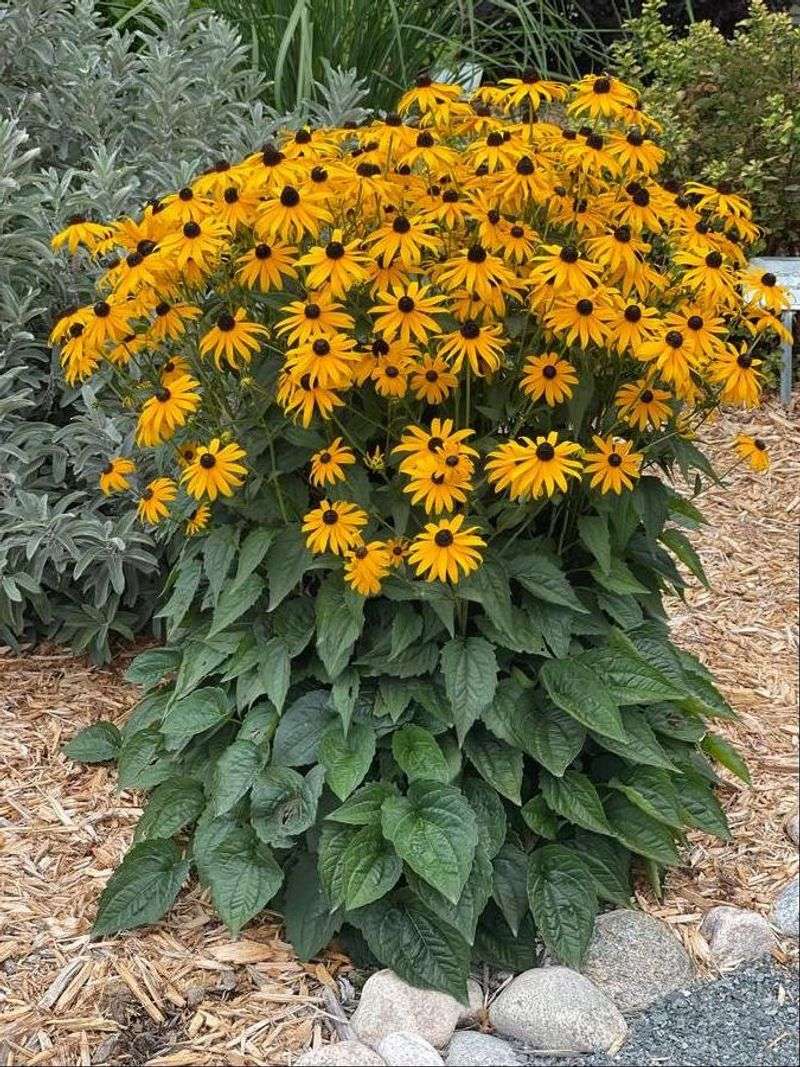
Most folks meet black-eyed Susan (Rudbeckia fulgida) as a couple of shy leaf rosettes hugging the ground. Turn your back for a summer and you have got a golden thicket wide enough to hide a garden hose.
What makes this one triple so reliably is its love of heat and its total indifference to our clay. Rudbeckia shrugs off the sticky Coastal Plain humidity that flattens fussier flowers, spreading by both roots and self-sown seed into a mound that can double or triple across its first year.
Set transplants out in spring, about 18 inches apart, and water them in well for the first three weeks. After that they mostly fend for themselves, which is the whole point when the water bill climbs in July.
The daisy-shaped yellow blooms with dark centers keep coming from June clear into October. Bees and small songbirds work them over, and the seed heads feed goldfinches into fall if you leave them standing. So resist the urge to tidy up too early. A quirky bonus, deer tend to pass these by, which matters if you garden near the woods anywhere from the Sandhills to the mountains.
Your North Carolina Garden Changes Every Week. Your Plan Should Too.
Gardening in North Carolina changes quickly throughout the season. Every Friday you’ll receive a simple weekly plan showing exactly what to plant, prune, fertilize, harvest, and protect so you never miss the right timing.
First-year gardeners love how quickly a few little plants read as a real, intentional flowerbed.
3. Swamp Milkweed
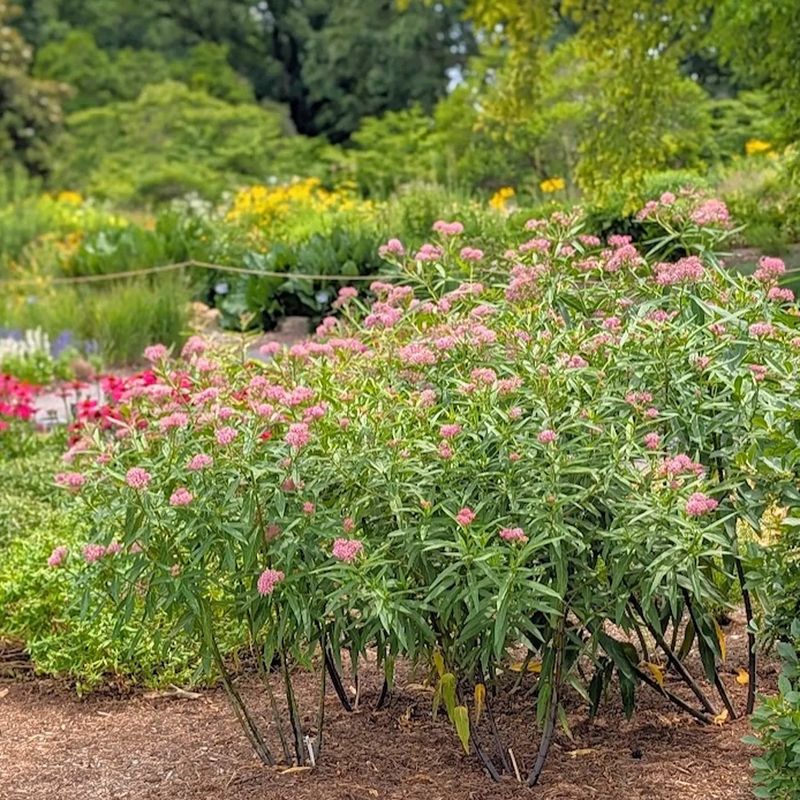
Flea beetles and aphids have tricks, but so does swamp milkweed (Asclepias incarnata), and its trick is growing so fast it outruns the damage. Drop a small plant in the ground in April and it can rocket to 4 feet tall by mid-summer.
Do not let the name scare you into thinking you need a swamp. It will grow in ordinary garden soil that stays a little moist, which describes a lot of NC yards after our summer downpours. In its first season it bulks up from a single skinny stem into a bushy clump with several flowering shoots.
Here is the part that matters. Monarch caterpillars eat milkweed and nothing else, so a plant that triples in size means triple the fuel for the fall migration through North Carolina.
Plant it in full sun to part shade, space clumps 2 feet apart, and keep the soil damp the first month. The clusters of soft pink flowers smell faintly sweet on a still porch evening, and they buzz with bees by day. NC State Extension recommends native milkweeds for supporting monarchs, and this is one of the easiest to establish. Watch one caterpillar strip a leaf and you will feel like you actually did something for the yard.
4. Purple Coneflower
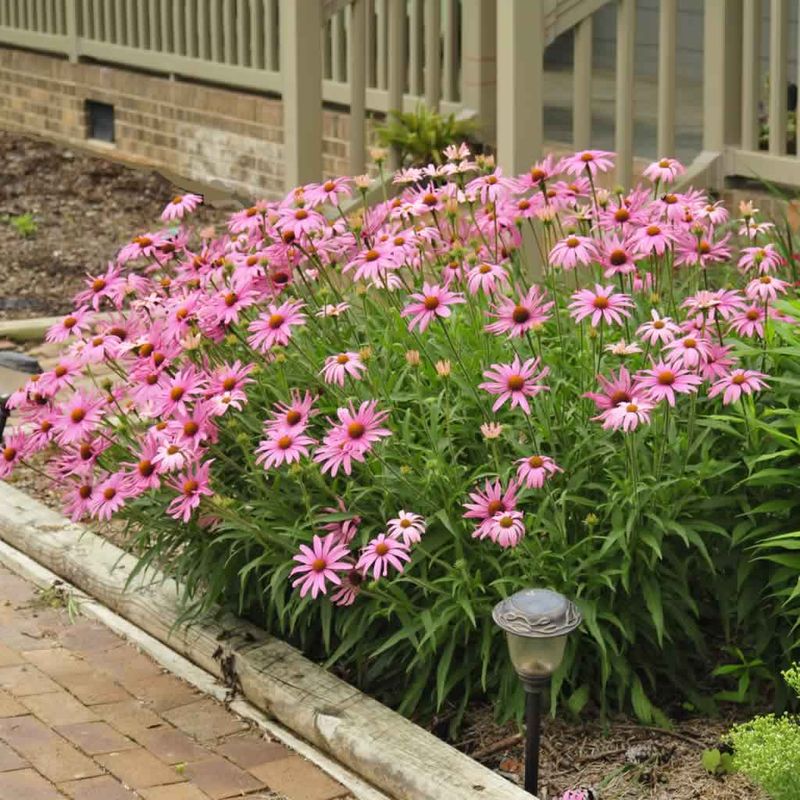
You plant three little coneflowers along the walkway thinking they look a bit lonely. By the cookout, they have knit together into one full drift and neighbors are asking what they are.
Purple coneflower (Echinacea purpurea) is a Piedmont workhorse that sinks a deep taproot fast, and that root is the secret to its first-year growth spurt. Once it hits water down in the clay, the top of the plant responds by tripling out in a season, throwing up a dozen or more stiff stems.
The rosy-purple daisies with copper cones bloom from early summer into fall and stand up to our surprise cold snaps and dry spells alike. Space plants 18 to 24 inches apart in full sun, and water deeply once a week the first month while that taproot digs in.
Butterflies land on the wide flower faces all summer, and goldfinches cling to the spiky seed heads once blooms fade. Leave the cones standing through winter and you feed birds while the bed still has structure. A little history for you, Echinacea gets its name from the Greek word for hedgehog, thanks to those prickly centers. Once established it barely asks for anything, the kind of plant that makes a first-year gardener look seasoned.
5. Bee Balm
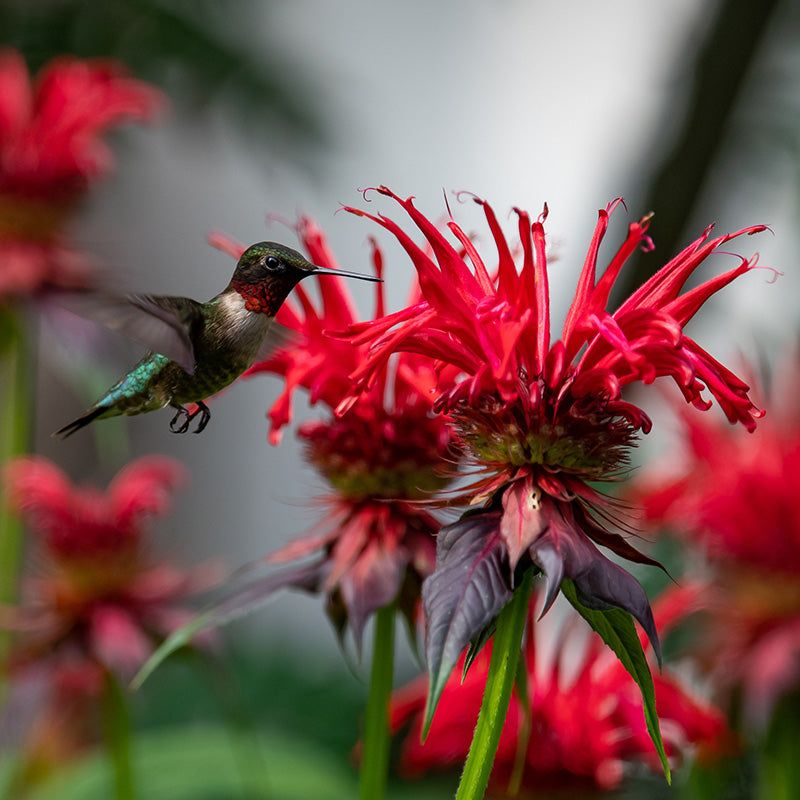
Give bee balm (Monarda didyma) a foothold in a moist spot and it treats your flowerbed like open country to conquer. In one North Carolina season a single plant can spread its roots outward and triple its footprint, no exaggeration.
The shaggy red, pink, or lavender flowers look like tiny fireworks frozen mid-burst, and hummingbirds cannot leave them alone. On a still summer evening the patch practically hums. Crush a leaf and you get a clean, minty scent, which makes sense because Monarda is a cousin of mint, right down to that eager spreading habit.
Plant it in spring, 18 inches apart, in full sun to light shade with soil that holds some moisture. Water the first three weeks, then let our afternoon storms do the heavy lifting.
One honest heads-up. Bee balm can get powdery mildew, that dusty white film on leaves, in our humid stretches, so give it room for air to move between plants. Thin it every couple of years or it will keep marching outward. It is not a tidy little clumper, it is a joiner.
But if you want a hummingbird show and fast coverage in a damp corner, few natives fill in quicker or reward you sooner.
6. Goldenrod
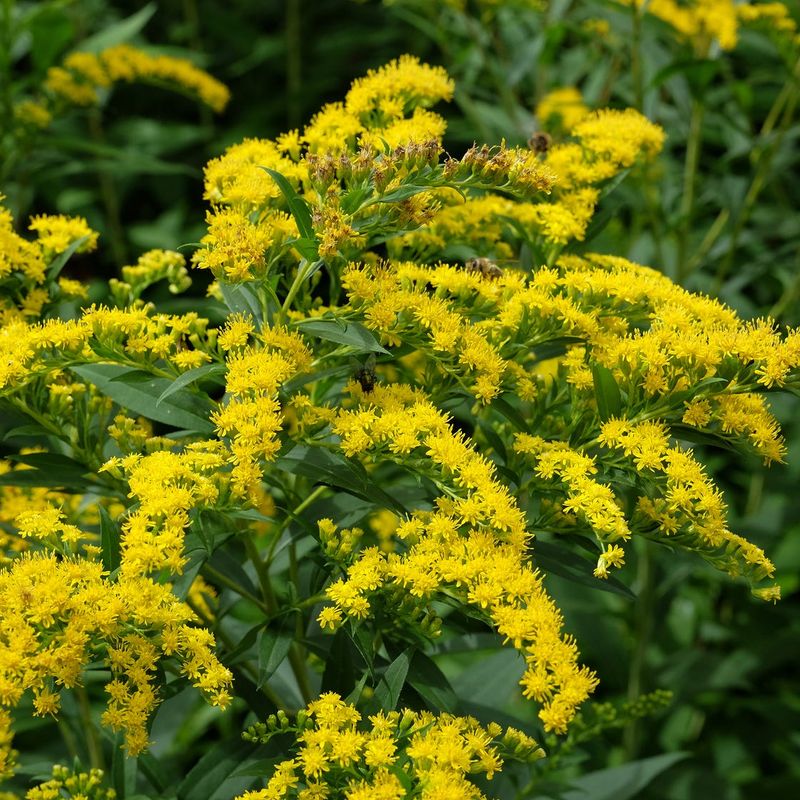
Goldenrod (Solidago) has spent decades taking the blame for fall allergies it never caused. The real culprit is ragweed blooming at the same time, while goldenrod just stands there looking gorgeous and getting slandered.
Set that grudge aside, because this native is one of the fastest fillers you can plant across North Carolina, from the Sandhills to the mountains. A modest spring transplant can triple into a wide golden clump by its first autumn, thriving in poor, dry, sandy soil where pampered plants would sulk.
The plumes of tiny yellow flowers open in late summer and early fall, right when most of the garden is winding down. That timing is genuinely valuable, because goldenrod becomes a critical last meal for bees and for monarchs fueling up before they head south.
Plant it in full sun, space clumps 2 feet apart, and water only during the first month, since it truly prefers to be left thirsty. Look for well-behaved types like ‘Fireworks’ if you want the color without an aggressive sprint across the bed. Let it flower near your porch and you will catch the low autumn light glowing through gold. For a plant that asks for almost nothing, it gives back a whole season of pollinator traffic.
7. Autumn Sage
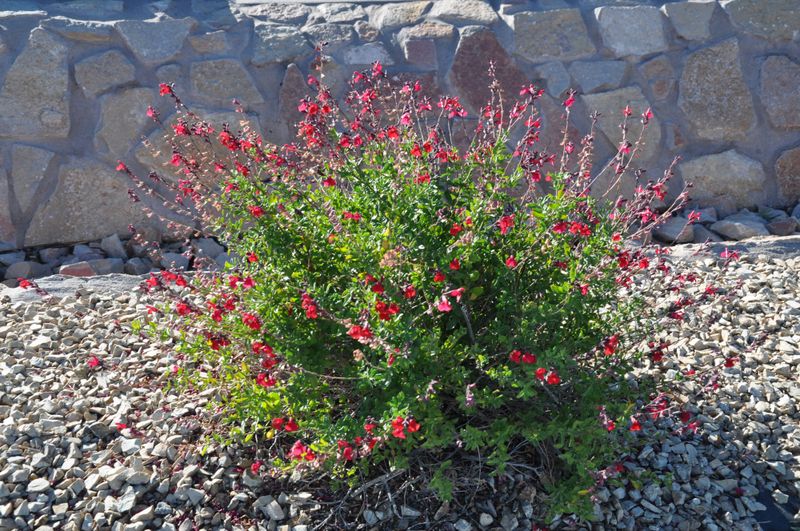
Down in the warmer corners of the state, autumn sage (Salvia greggii) behaves less like a perennial and more like a shrub in a hurry. A one-gallon plant can bush out to triple its size in a single Coastal Plain season, especially where winters stay mild in zones 8a and 8b.
It laughs at drought once it settles, which is a rare and welcome trait when July turns the yard crispy and the water bill starts to sting. The small tubular flowers come in red, coral, pink, and white, and they keep opening from spring straight through the first frost.
Hummingbirds treat a healthy autumn sage like a personal feeder, dropping by all day long. Plant it in full sun with fast-draining soil, and if you garden in heavy Piedmont clay, work in some grit or plant on a slight mound so the roots never sit soggy.
Space plants about 2 feet apart and give a light shearing midsummer to keep the blooms rolling. Water weekly the first month, then back way off. It is not fully reliable in the coldest mountain counties, so treat it as an annual up high or bring it through winter with a thick mulch. Everywhere warmer, it delivers a nonstop show its very first year.