Skip High-Maintenance Edging Along North Carolina Walkways And Plant This Native Border Instead
Crisp walkway edging looks sharp for about a week in North Carolina before the heat, rain, and growth rate of summer makes it look like it needs attention again.
Maintaining that edge through July and August is a recurring time commitment that adds up fast over a long Southern growing season. One native plant changes that maintenance relationship entirely.
It forms a natural, low border along walkways that stays tidy without repeated trimming, handles foot traffic proximity without complaint, and looks genuinely intentional rather than neglected.
North Carolina gardeners who have replaced their high-maintenance edging with this native describe it as one of the most satisfying simplifications they have made to their entire outdoor routine.
1. Carolina Green And Gold Is Native To North Carolina
Not every pretty plant belongs in a North Carolina garden, but Carolina Green and Gold genuinely does.
Known scientifically as Chrysogonum virginianum, this cheerful ground cover is native to the eastern United States, including many parts of North Carolina. That matters more than most gardeners realize at first.
When a plant is native, it already understands the local soil, the seasonal rainfall, and the summer heat that can wear out non-native plants fast.
Carolina Green and Gold did not need to be adapted to North Carolina conditions because it grew here naturally long before anyone started planting formal garden borders.
That built-in toughness is a real advantage along walkways where conditions can get tough.
Woodland-style paths, shaded front borders, and naturalistic garden designs all benefit from plants that blend in rather than stand out awkwardly.
Carolina Green and Gold fits those spaces the way a native plant should, looking like it belongs rather than looking like something imported from a garden catalog.
It softens the edge between a walkway and the surrounding yard without needing to be forced into a shape it was never meant to hold.
Choosing native plants also supports the local ecosystem in ways that non-native edging plants simply cannot.
Birds, insects, and other wildlife that evolved alongside Carolina Green and Gold can find food and habitat in it.
Planting it along your walkway is a small but meaningful way to bring a little piece of authentic North Carolina nature right to your front path.
2. It Works Best Along Shady Or Partly Shaded Walkways
Many popular edging plants are sun lovers, which makes them a poor fit for walkways that run under trees, along porch edges, or through woodland-style yards. Carolina Green and Gold is different.
It genuinely thrives in shade and partial shade, making it one of the best choices for exactly the kind of walkways where other plants struggle and fade.
North Carolina yards often have plenty of shaded spots, especially in neighborhoods with mature oaks, pines, and other large trees.
Those shaded walkways can be tricky to edge because the light conditions make it hard for most ornamental grasses or sun-loving perennials to survive.
Carolina Green and Gold steps in as a reliable solution, staying green and healthy even when direct sunlight is limited for much of the day.
Your North Carolina Garden Changes Every Week. Your Plan Should Too.
Gardening in North Carolina changes quickly throughout the season. Every Friday you’ll receive a simple weekly plan showing exactly what to plant, prune, fertilize, harvest, and protect so you never miss the right timing.
Partial shade is actually where this plant tends to look its best. It keeps its foliage rich and full without the stress that full sun can sometimes cause during hot North Carolina summers.
Walkways near porches, fences, or the north-facing side of a house are all excellent candidates for a Carolina Green and Gold border.
Gardeners who have struggled to find something that works in those frustratingly shaded spots often feel relieved once they try this native ground cover.
It fills in steadily, stays low, and gives shaded walkway edges the finished, cared-for look that was missing before. Shade is not a problem for this plant. For Carolina Green and Gold, shade is simply home.
3. It Forms A Low Green Mat Instead Of A Stiff Edge
Formal edging has a very specific look. Clean lines, sharp angles, and a clipped border that signals someone spent serious time keeping everything in order.
That look has its fans, but it also has a cost in time, tools, and ongoing effort.
Carolina Green and Gold offers something completely different and, for many North Carolina gardeners, something far more appealing.
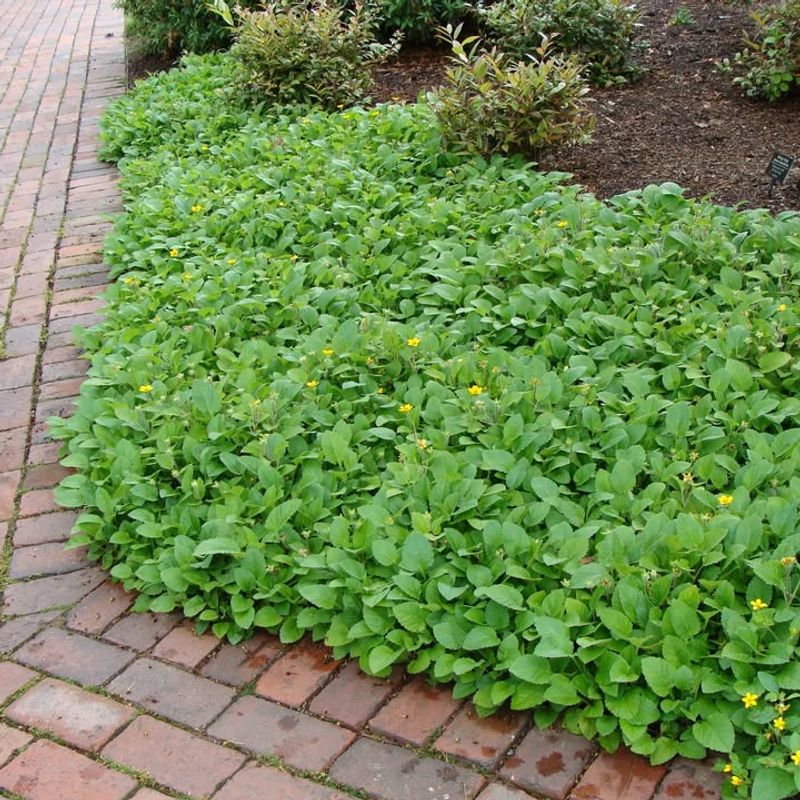
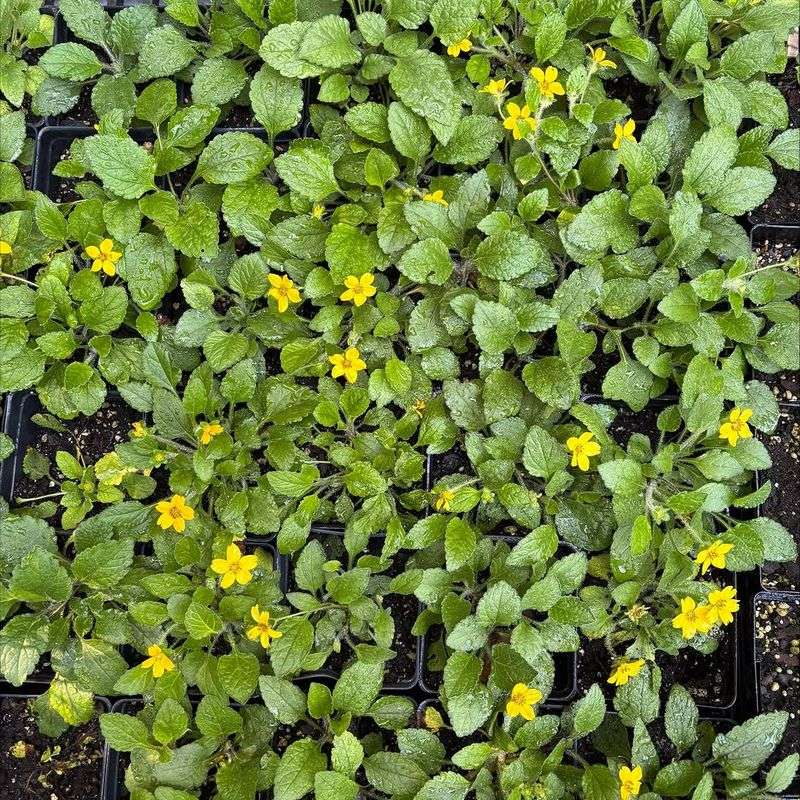
Rather than creating a stiff, geometric line, this native ground cover forms a relaxed, low mat of green foliage that softens the transition between a walkway and the surrounding garden. The effect is natural and welcoming rather than rigid.
It looks like the garden grew that way on purpose, which is exactly the kind of effortless style that takes years to achieve with clipped edging but comes naturally with the right plant.
The foliage of Carolina Green and Gold stays relatively low, typically reaching around six to nine inches in height.
That keeps it from blocking the walkway or flopping over in an untidy way. It hugs the ground in a way that guides the eye along the path rather than stopping it abruptly.
For gardeners who are tired of pulling out the edging tool every few weeks, this softer approach feels like a genuine relief. The mat-forming habit means the plant does the design work for you.
Over a single growing season, a few starter plants can knit together into a flowing green border that looks intentional, relaxed, and completely at home along a North Carolina walkway.
4. It Spreads By Stolons To Fill Bare Spots
Bare soil along a walkway edge is an open invitation for weeds. Every exposed patch of ground is a spot where unwanted seedlings can sprout, take hold, and start competing with everything around them.
Carolina Green and Gold has a clever natural strategy for dealing with that problem, and it starts with stolons.
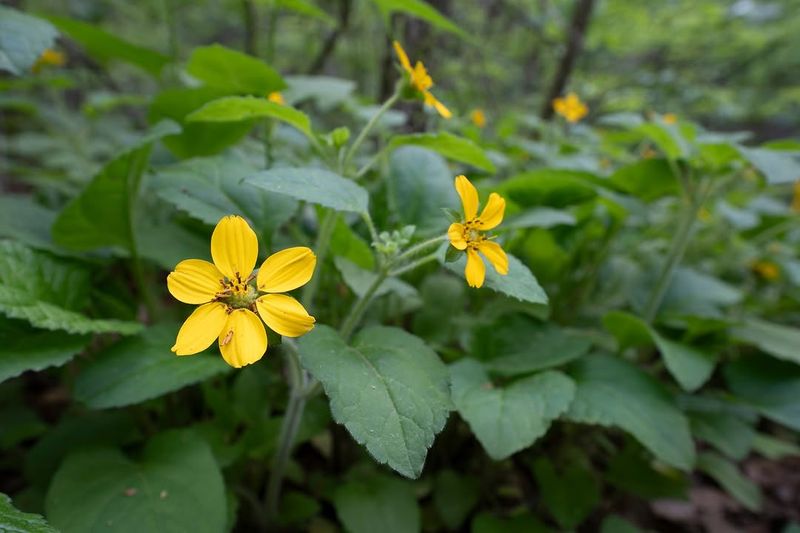
Stolons are horizontal stems that the plant sends out along the soil surface, rooting as they travel and producing new growth wherever they touch down.
Think of them as the plant quietly expanding its territory, filling in gaps without any help from the gardener.
Over one or two growing seasons, those stolons can turn a patchy, uneven border into a more complete and connected ground cover along the entire walkway edge.
This spreading habit makes Carolina Green and Gold especially useful in spots where the soil is a little uneven or where planting a perfect row of starts is not practical. The plant figures out where there is room to grow and moves in that direction on its own.
Gardeners who plant it a bit sparsely at first are often pleasantly surprised by how thoroughly it fills in without any intervention.
The stolon-based spread is also manageable. Carolina Green and Gold is not an aggressive spreader that takes over the entire yard.
It moves at a reasonable pace, filling the walkway border gradually without jumping into the lawn or crowding out neighboring plants.
That makes it a trustworthy, low-stress option for gardeners who want coverage without chaos along their paths.
5. It Can Suppress Weeds Along The Path
Walkway edges collect weeds like a magnet. The narrow strip of soil between a path and a garden bed is often the first place that crabgrass, chickweed, and other uninvited plants show up.
Keeping that strip clean is one of the most repetitive tasks in yard maintenance, but a well-established ground cover can change that dynamic significantly.
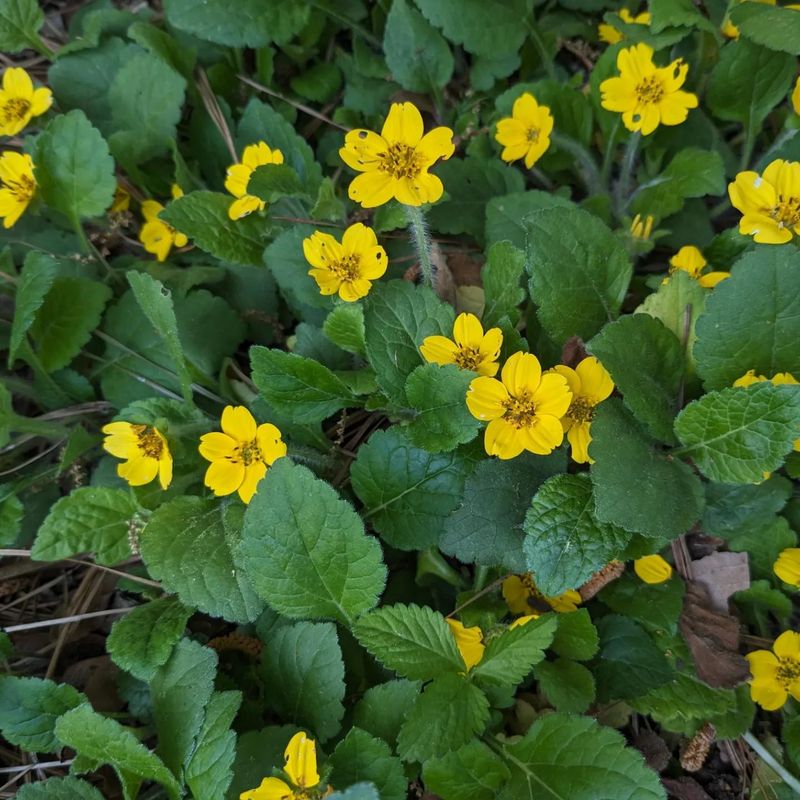
Carolina Green and Gold helps suppress weeds by covering the soil with a dense layer of foliage.
When the ground is covered, weed seeds have a harder time finding the bare soil they need to sprout and establish.
The plant does not eliminate weeds entirely, especially during the early stages when gaps still exist, but a mature mat of Carolina Green and Gold makes a real difference in how many weeds manage to get a foothold along the walkway edge.
The key is getting the plants established enough to form that continuous coverage. During the first season, some hand weeding may still be needed in the open spaces between new plants.
Mulching around the young starts can help bridge that gap and keep weeds down while the ground cover fills in. Once the mat closes up, the maintenance load drops noticeably.
Gardeners who have spent years pulling weeds from the same strip of ground along a path often find that switching to a spreading native ground cover like this one feels like a genuine upgrade.
Less bare soil means fewer weeds, and fewer weeds means more time enjoying the garden rather than fighting it. That is a trade worth making.
6. It Brings Yellow Spring Flowers To The Walkway
Spring in North Carolina is one of the most exciting times in the garden, and Carolina Green and Gold makes sure your walkway gets in on the action.
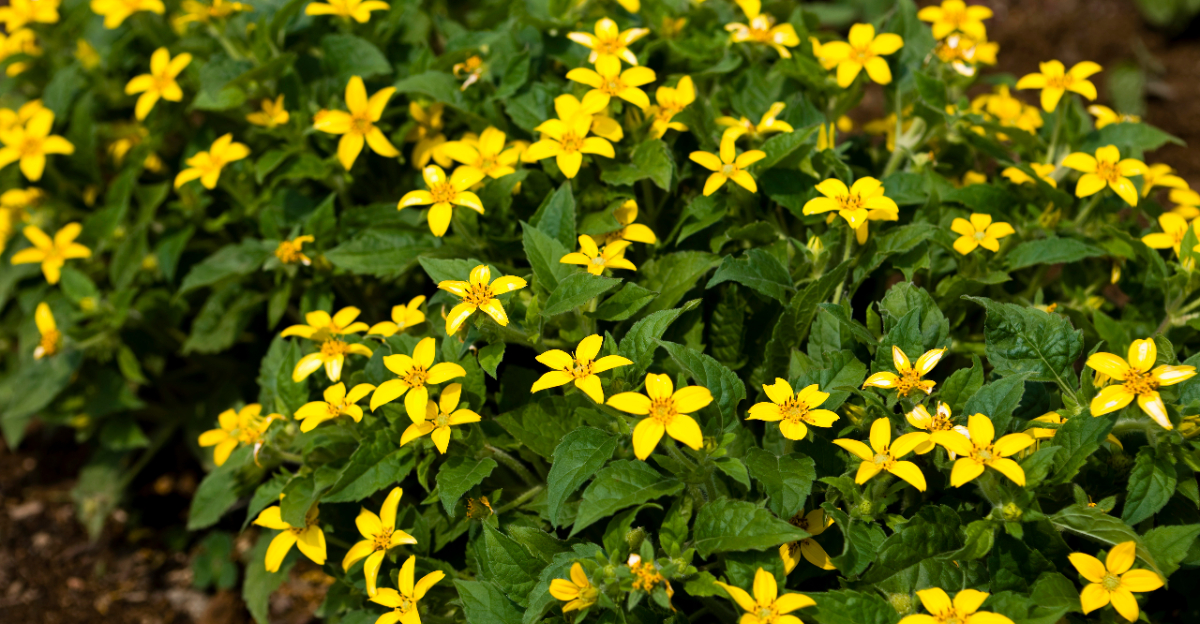
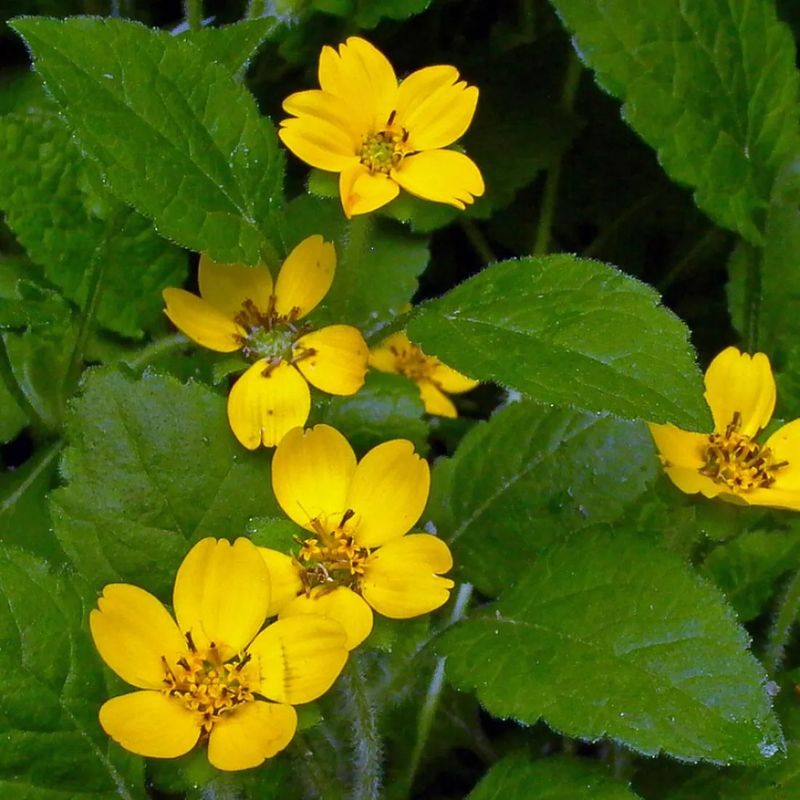
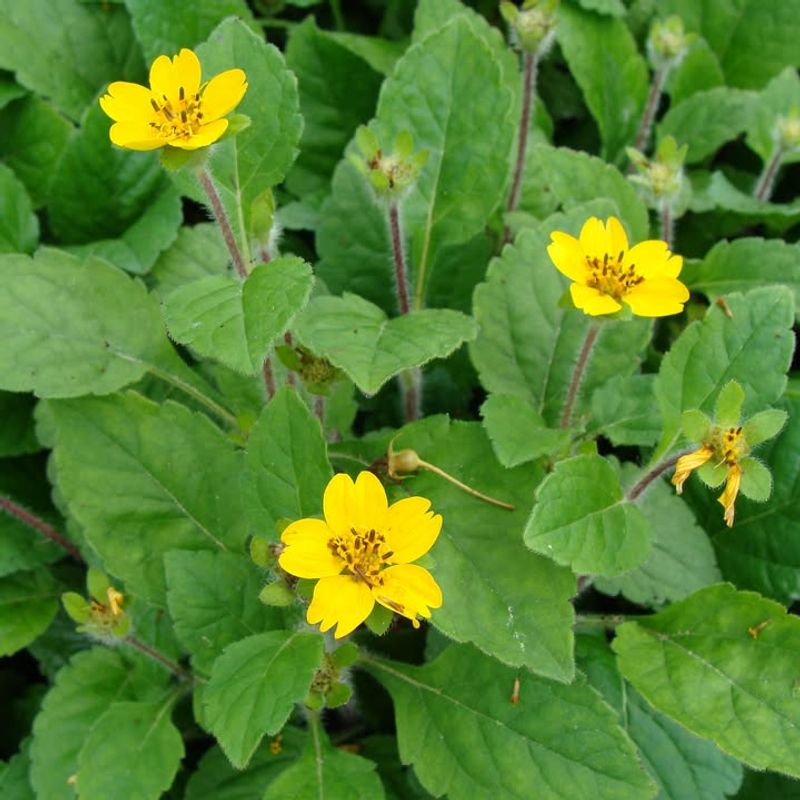
Starting in early spring and continuing through much of the season, this native ground cover sends up cheerful yellow flowers that rise just above the green foliage like tiny bursts of sunshine along the path edge.
The flowers are small but eye-catching, with a daisy-like shape that gives the border a playful, natural quality.
In a shaded walkway where color options are often limited, those yellow blooms stand out beautifully against the surrounding greenery.
They bring seasonal interest without requiring any special care, deadheading, or fertilizing to perform well.
What makes the flowering habit of Carolina Green and Gold especially appealing is its duration.
Unlike some spring bloomers that put on a brief show and disappear, this plant tends to flower over a longer stretch, sometimes continuing into summer in shadier spots where temperatures stay cooler.
That extended bloom period keeps the walkway looking fresh and colorful well beyond the first spring flush.
For gardeners who have relied on clipped flower borders to add seasonal color to their paths, this native option offers a much simpler alternative.
The flowers arrive on their own schedule, right when the garden is waking up and the walkway is getting more foot traffic again.
No fussy planting, no replanting each year. Just steady, reliable yellow color from a plant that knows exactly what it is doing.
7. It Still Needs Well Drained Soil
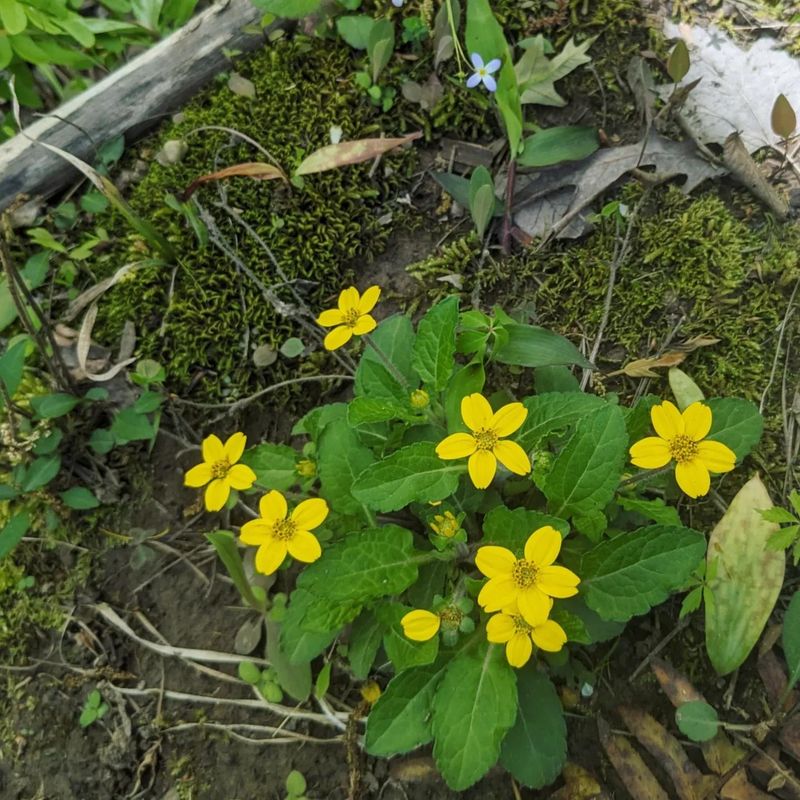
Carolina Green and Gold is forgiving in a lot of ways, but there is one condition it simply will not tolerate for long: soggy soil.
Poor drainage is one of the fastest ways to run into trouble with this plant, so it is worth understanding what it needs before putting it in the ground along your walkway edge.
North Carolina has plenty of heavy clay soils, especially in the Piedmont region, where water can pool after heavy rain and stay near the surface for days.
Walkway edges are also common collection points for runoff, where water flows off the path and settles into the adjacent soil.
That combination of clay and runoff can create the waterlogged conditions that Carolina Green and Gold struggles with most. The good news is that soil improvement is not complicated.
Working compost into the planting area before you start helps break up compacted clay and improves drainage noticeably.
Raising the planting area slightly, even by just a few inches, can also help redirect water away from the root zone.
These are simple steps that make a big difference in how well the plant settles in and spreads.
Gardeners who plant Carolina Green and Gold in well-prepared, well-drained soil are usually rewarded with strong establishment and steady growth.
Those who skip that step and put it in waterlogged ground often find the plants looking stressed or failing to spread as expected.
A little soil prep before planting saves a lot of frustration later and sets this native border up for long-term success.
8. It Attracts Pollinators While Softening The Walkway Edge
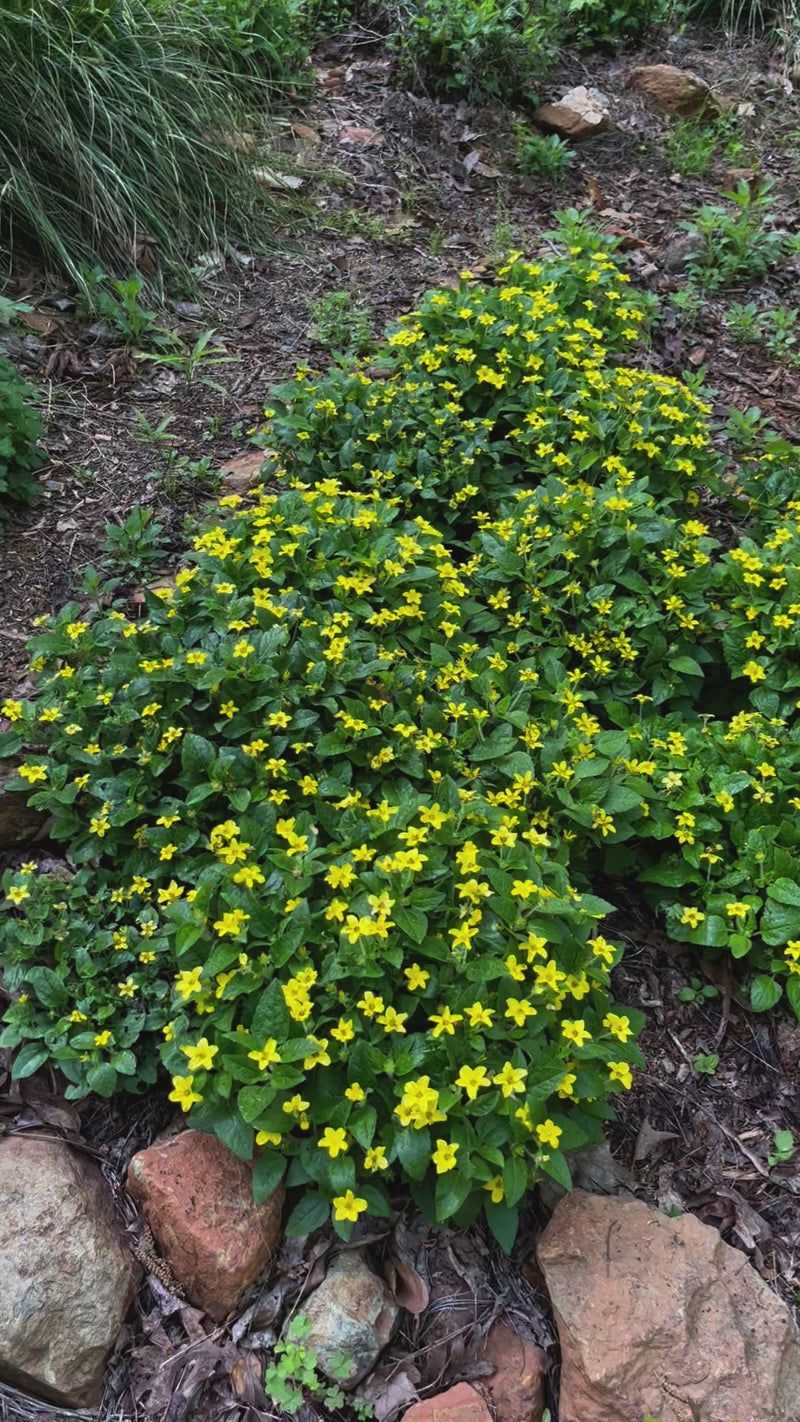
A walkway border that pulls double duty is always worth planting. Carolina Green and Gold does not just look good along a path.
It actively supports the local ecosystem by attracting pollinators, making it one of the most rewarding native ground covers a North Carolina gardener can choose for a low-care path edge.
The yellow spring flowers draw in native bees, small butterflies, and other beneficial insects that are looking for early-season nectar sources.
In a garden where pollinators are welcome, having a flowering ground cover right along the walkway means visitors can enjoy watching the activity up close.
It turns a simple path edge into something genuinely alive and interesting during the spring months. Beyond the pollinator benefits, the foliage itself plays an important visual role.
Hard walkway materials like concrete, brick, and stone can feel cold and sharp in a garden setting.
Carolina Green and Gold softens those edges with its spreading mat of textured green leaves, creating a transition that feels intentional and relaxed rather than abrupt.
The path looks more inviting, and the garden feels more connected as a result. For gardeners who want a lower-care path edge without sacrificing beauty or ecological value, this native ground cover checks every box.
It requires far less attention than traditional edging, rewards the surrounding environment with pollinator support, and gives the walkway a finished look that actually improves over time as the plant spreads.
Choosing Carolina Green and Gold is one of those gardening decisions that keeps paying off season after season.