Why More Dragonflies Around Your Georgia Yard Is A Good Sign
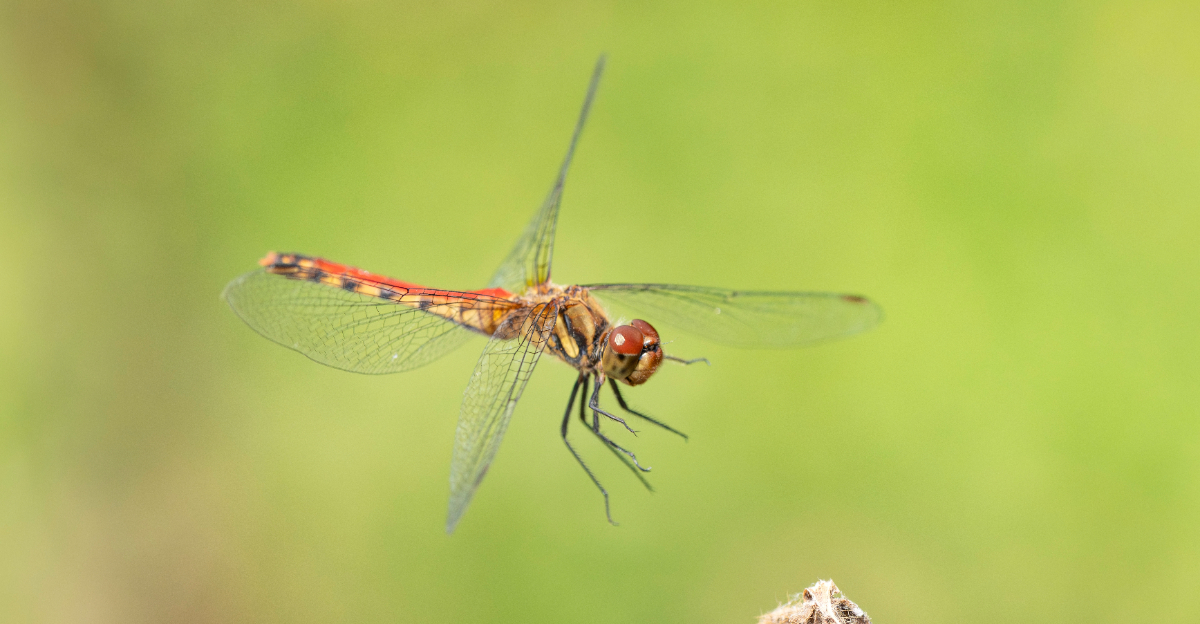
Noticing more dragonflies gliding through your yard can feel like a random summer change, but it usually points to something positive.
These fast fliers show up where food is plentiful and the surroundings support their daily hunting.
Instead of brushing them off as another seasonal visitor, pay attention to what they’re telling you. Healthy pockets of insect life and nearby water sources often make an area more attractive to dragonflies.
Your landscape doesn’t have to be perfect to benefit from their presence. In Georgia, summer conditions help them stay active for weeks.
Once you understand why they’re visiting, those graceful flights become much more meaningful.
You’ll start noticing them in a completely different way and appreciate the natural balance they often reflect in your outdoor space throughout the season ahead.
1. Dragonflies Feed On Mosquitoes And Other Flying Insects
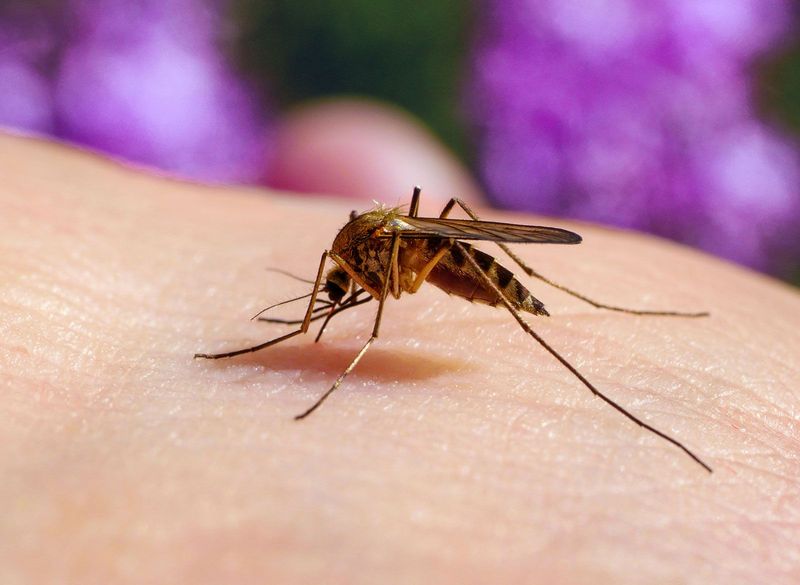
Forget bug spray for a moment. Dragonflies are some of the most effective hunters in the insect world, catching up to 95% of the prey they chase.
Mosquitoes, gnats, and small flies are all on the menu.
A single dragonfly can consume dozens of mosquitoes in one day. That adds up fast over a warm Georgia summer.
Dragonflies help keep mosquitoes and other small flying insects in check as part of a healthy backyard ecosystem.
They spot prey mid-flight and adjust their path with incredible speed and accuracy. Watching one hunt is almost like watching a tiny aerial predator in slow motion.
No chemicals are involved. No traps to set up or maintain.
Dragonflies handle pest control the natural way, without leaving residue on your plants or soil.
Encouraging dragonflies near your yard can reduce your reliance on sprays and foggers. That is better for your garden, your pets, and the other beneficial insects you want to keep around.
Supporting natural predators is one of the smartest moves a backyard gardener can make.
Even a few regular dragonfly visitors are a welcome sign that your yard offers valuable habitat.
Supporting them helps strengthen the natural balance that keeps gardens thriving.
2. Their Presence Often Points To A Healthy Ecosystem
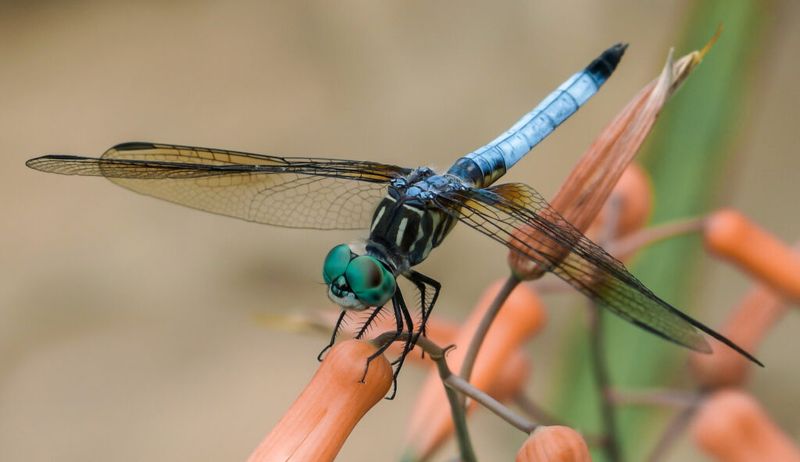
Dragonflies do not show up just anywhere. Healthy habitat draws them in, and seeing several around your yard is a strong signal that your outdoor space supports real biodiversity.
Balanced ecosystems have layers. Predators, prey, plants, and decomposers all work together.
When dragonflies appear regularly, it often means that balance is working in your favor.
Pollinators, birds, frogs, and beneficial insects tend to thrive in the same conditions dragonflies prefer. A yard with dragonflies often has more going on beneath the surface than you might realize.
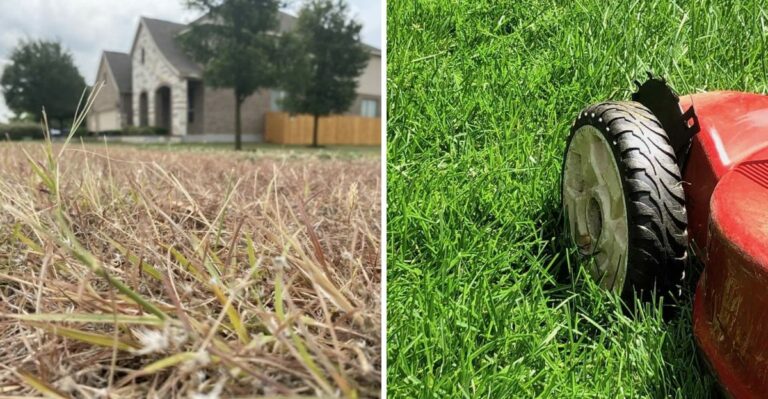
Monoculture lawns with heavy chemical use rarely attract dragonflies. Yards with diverse plantings, water features, and minimal pesticide use tend to see far more of them.
That contrast says a lot about what these insects need.
Paying attention to which species visit your yard can be genuinely interesting. Georgia is home to dozens of dragonfly species, each with slightly different habitat preferences.
Your Georgia Garden Changes Every Week. Your Plan Should Too.
Gardening in Georgia changes quickly throughout the season. Every Friday you’ll receive a simple weekly plan showing exactly what to plant, prune, fertilize, harvest, and protect so you never miss the right timing.
Noticing which ones appear gives you clues about what your yard is doing well and where you might improve things further.
Over time, regular dragonfly activity becomes one of the easiest signs that your yard is supporting a healthy mix of wildlife. They may not be the only indicator, but they are often one of the most noticeable.
3. Clean Water Supports Their Early Life Stages
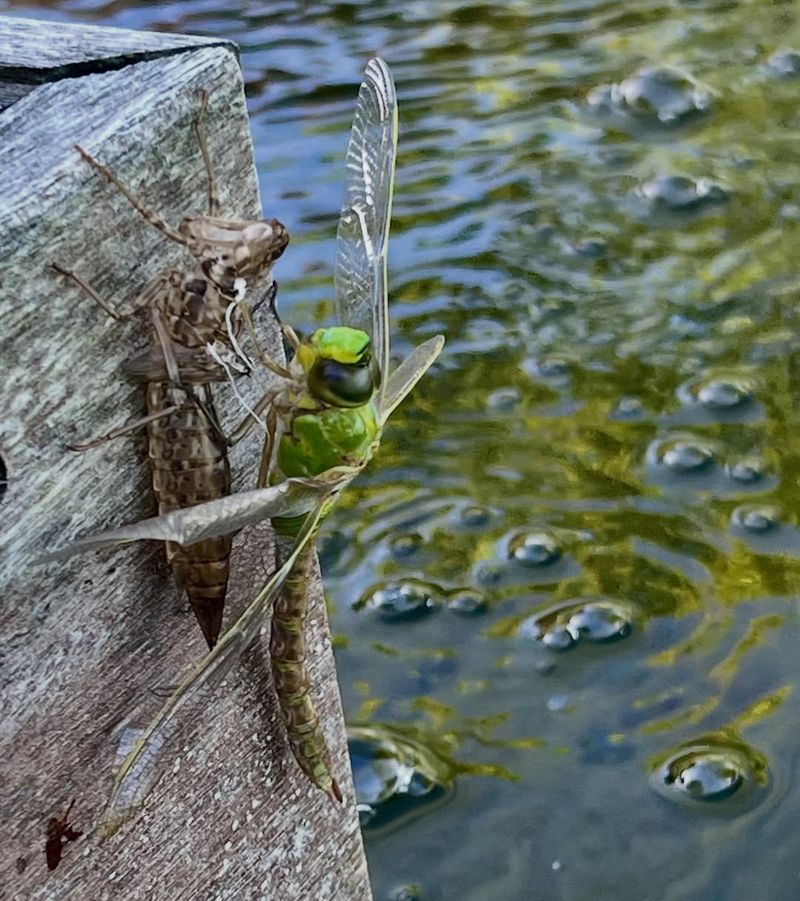
Before dragonflies ever take flight, they spend months or even years underwater. Larvae hatch in ponds, slow streams, and shallow water features, feeding on aquatic insects and growing steadily.
Water quality matters enormously during this stage. Heavy pollution, runoff from fertilizers, or stagnant water with low oxygen can limit larval survival.
When adult dragonflies are thriving near your yard, it often means nearby water is in decent shape.
Backyard ponds can support dragonfly larvae if kept clean and planted with native aquatic vegetation. Even a small container pond can work if it gets sunlight and has some plant cover.
Avoid using fish in small ponds since they tend to eat larvae before they mature.
Dragonfly larvae are also predators themselves. They feed on mosquito larvae, which makes them valuable even before they grow wings.
Supporting clean water near your property supports both life stages at once.
If you notice more adult dragonflies appearing over several seasons, that suggests the water sources nearby are holding up well. Consistent presence across years points to stable, supportive habitat rather than just a lucky season.
4. Native Plants Provide Resting Places
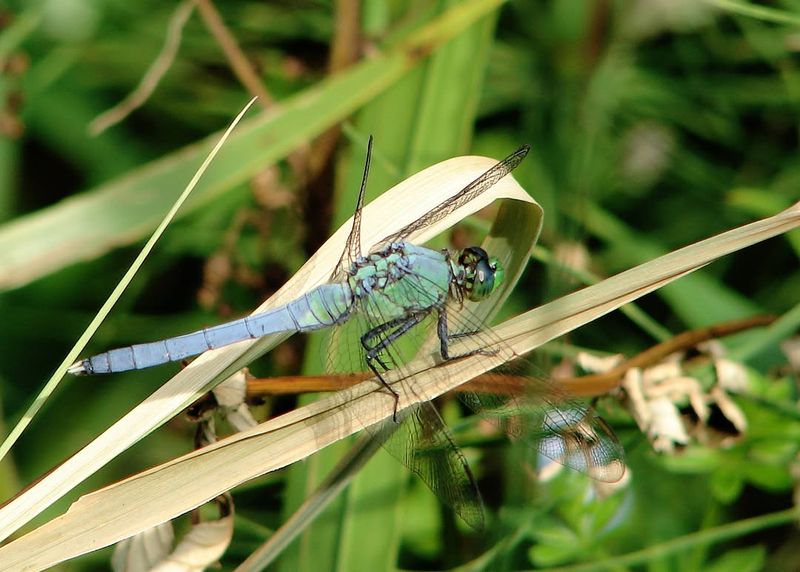
Dragonflies need places to land. Native plants with sturdy stems and open sunny spots give them exactly that.
Without good resting spots, they move on to yards that offer better structure.
Plants like coneflowers, black-eyed Susans, and native grasses are excellent choices. Dragonflies perch on vertical stems to warm up, scan for prey, and guard territory.
Flat, open lawns with no vertical structure offer very little of what they need.
Native plants also support the insects dragonflies feed on. When your yard has a diverse mix of native flowering plants, it builds a food web that sustains predators like dragonflies over time.
Switching even a portion of your lawn to native plantings can make a noticeable difference. A small pollinator bed near a water source is often enough to attract and hold dragonflies through the warmer months.
Georgia has a wide range of native plants suited to different yard conditions. Sunny spots, shaded edges, and wet areas each support different species.
Matching the right plants to the right spots in your yard gives dragonflies more reasons to stay and fewer reasons to leave.
5. Sunny Areas Help Them Hunt More Easily
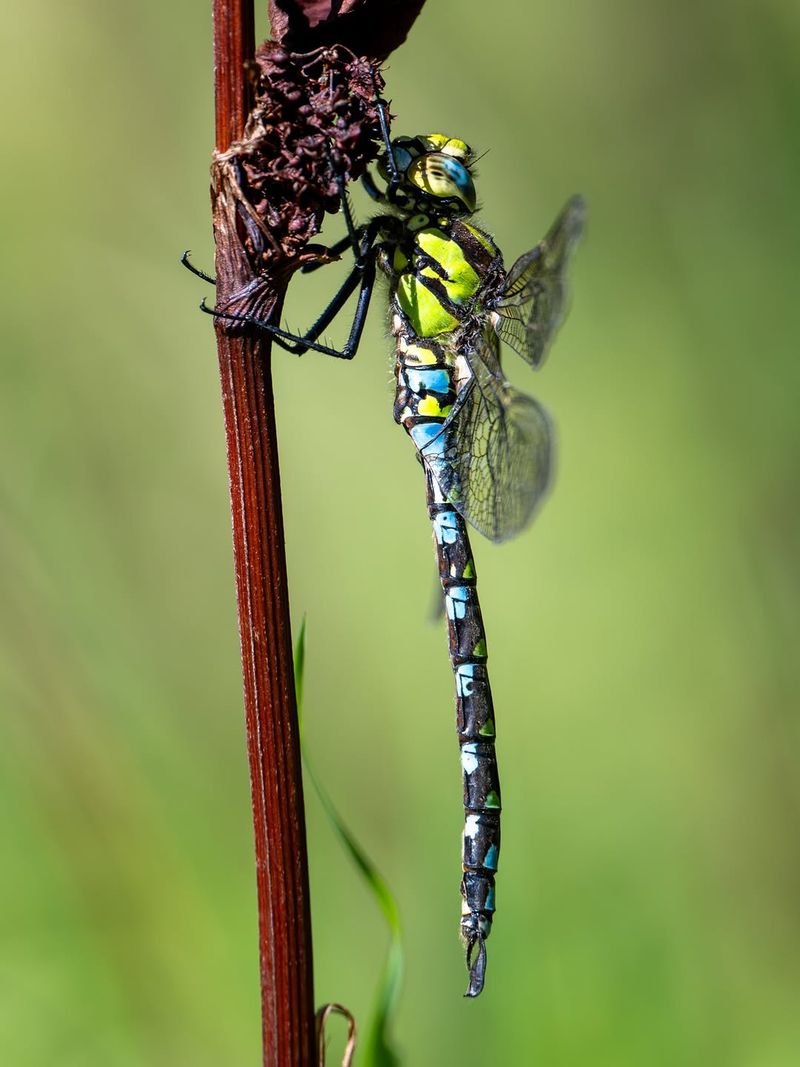
Dragonflies are cold-blooded, so sunlight is not just pleasant for them. It is essential.
Warm muscles allow faster flight and sharper hunting. Shaded, cool yards offer far less appeal to these insects.
Open sunny patches near water or vegetation are prime hunting grounds. Dragonflies patrol these zones in looping flight paths, scanning for anything that moves.
A yard with several sunny clearings gives them room to work effectively.
Trimming back overgrown shrubs that block sunlight can open up usable space. Even a modest patch of sun near a garden bed or water feature may be enough to attract patrolling dragonflies during peak hours.
Morning and early afternoon tend to be peak activity times. Dragonflies bask first, then hunt once their body temperature rises enough to support sustained flight.
Yards that stay sunny through midday see the most activity.
Positioning a small pond or water basin in a sunny spot rather than a shaded corner can significantly increase dragonfly visits.
Sunlight warms the water, encourages aquatic plant growth, and makes the area more attractive to hunting adults looking for both food and warmth.
6. Fewer Insecticides Leave More Food Available
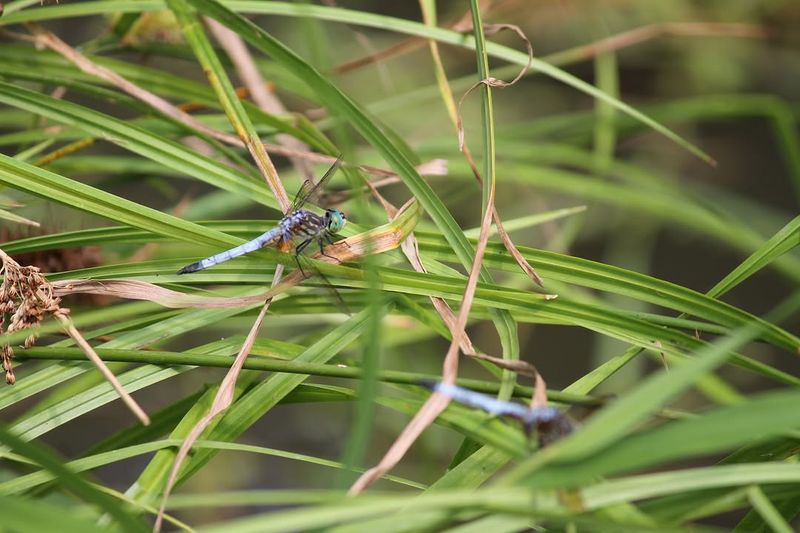
Heavy insecticide use wipes out far more than the target pest. Beneficial insects, pollinators, and the small flies dragonflies depend on for food all take a hit when broad-spectrum sprays are applied regularly.
Yards with reduced chemical use tend to have more insect diversity overall. More insect diversity means more food for dragonflies.
That connection is straightforward, but easy to overlook when you are focused on eliminating one specific pest.
Spot treatments are far less disruptive than blanket applications. Targeting problem areas directly rather than spraying entire zones preserves more of the insect life that supports your yard’s food web.
Dragonflies benefit from that restraint.
Switching to physical controls or biological options where possible can reduce chemical load over time. Companion planting, row covers, and hand removal of pests are slower but leave the surrounding insect community intact.
Yards that have scaled back insecticide use often notice an increase in dragonfly activity within a season or two. The food supply rebounds, and predators like dragonflies follow.
It is not an overnight change, but the shift tends to build momentum once it starts moving in the right direction.
7. Tall Plants Give Adults Safe Places To Rest
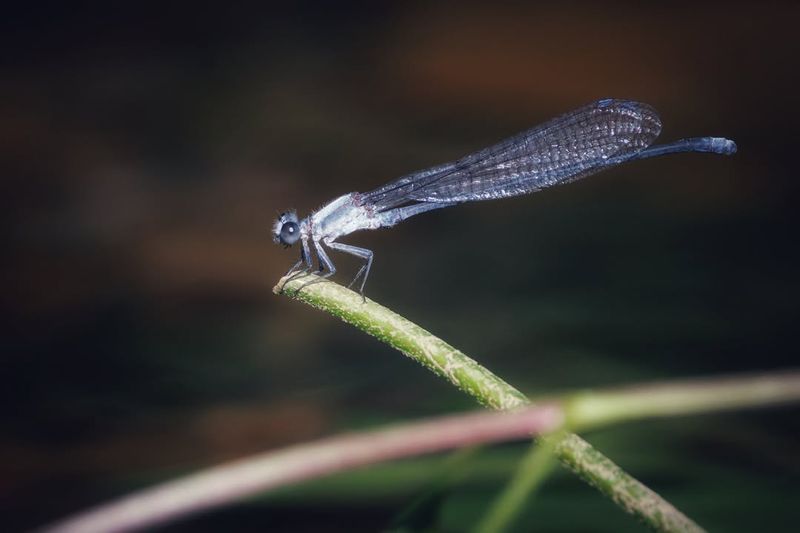
Dragonflies are territorial. Males in particular spend a lot of time perching on elevated stems, watching over a patch of ground or water.
Tall plants are not just decoration. They are functional habitat.
Native grasses, Joe-Pye weed, ironweed, and tall goldenrod all provide the kind of vertical perches dragonflies prefer. Plants that sway slightly in the breeze but hold firm at the base work especially well for resting adults.
Perching behavior is tied to reproduction as well as hunting. Males use high vantage points to spot rivals and attract mates.
A yard with good perch options becomes a place dragonflies return to repeatedly throughout the season.
Cutting back tall plants too aggressively can remove these resting spots before the season ends. Leaving seed heads and tall stems standing through late summer gives dragonflies habitat well into fall, especially during Georgia’s long warm season.
Planting a mix of heights in your yard creates a layered structure that supports multiple behaviors at once. Low plants near water support larvae.
Mid-height plants support hunting. Tall stems support resting and territory.
Together, that range of structure gives dragonflies everything they need to stick around through the warmest months of the year.