The One Thing That Decides If A New Tree Survives Its First Arizona Summer
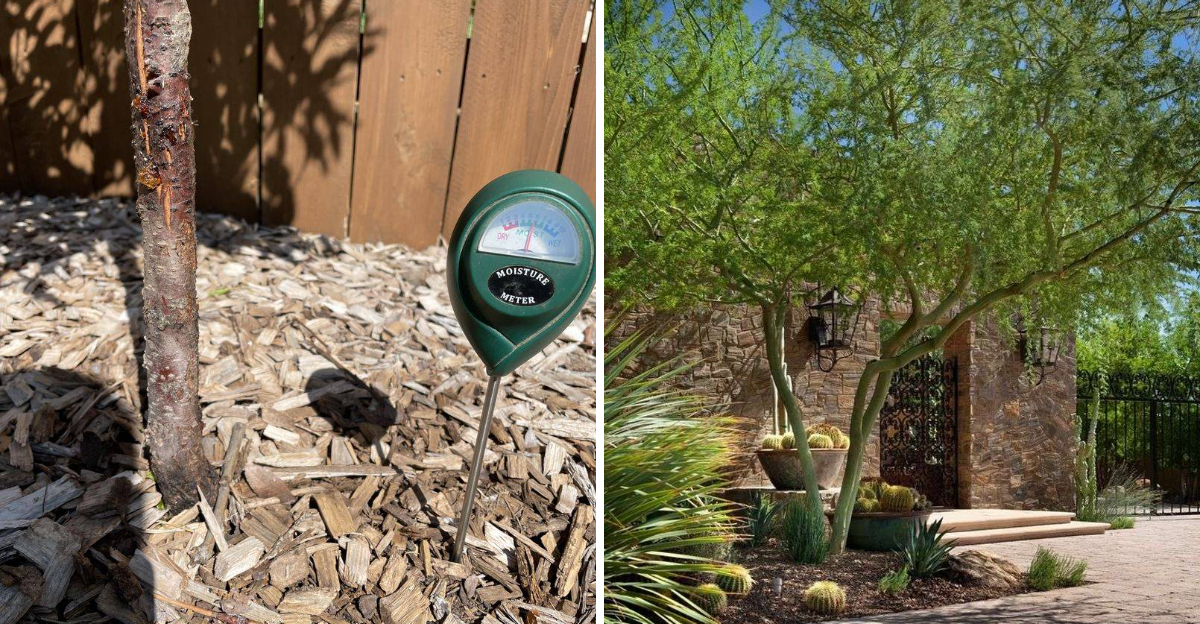
Planting a new tree is the easy part. Getting it through its first Arizona summer is where many landscapes succeed or fail.
One simple factor has a bigger impact than almost anything else, yet it’s often overlooked until the tree begins to struggle.
If you’re adding a tree this season, don’t assume occasional watering is enough. Young trees face intense heat before they have a chance to establish deep roots.
Giving them the right care during those first critical months can determine whether they settle in or slowly decline.
The encouraging news is that this isn’t complicated. Once you understand the one practice that matters most, you’ll give your tree a much better chance of thriving through its first summer.
A little attention now can make the difference between replacing a tree next year and enjoying its shade for decades.
1. Strong Roots Decide Summer Survival
Root depth is the real game-changer for any new tree facing a brutal desert summer. A shallow root system cannot pull moisture from deeper, cooler soil layers when the surface dries out in hours.
Roots that spread wide and reach down give a tree a real fighting chance.
When you first plant a tree, the roots are confined to the original nursery root ball. Outside that ball, the surrounding soil is unfamiliar territory.
Roots need weeks, sometimes months, to push outward and anchor properly in native desert ground.
Watering deeply and infrequently trains roots to grow downward. Frequent shallow watering keeps roots near the surface where heat is most intense.
Letting the soil dry slightly between waterings encourages roots to search deeper.
Loose, well-aerated soil helps roots expand faster. Compacted ground slows root growth significantly.
Breaking up hard caliche layers before planting gives roots room to spread without hitting a wall.
A tree with a strong root system can better handle heat stress, recover from dry spells, and resist wind. Root health is not something you can see, but you can absolutely influence it through smart watering and soil prep.
2. Water The Root Ball Instead Of The Lawn
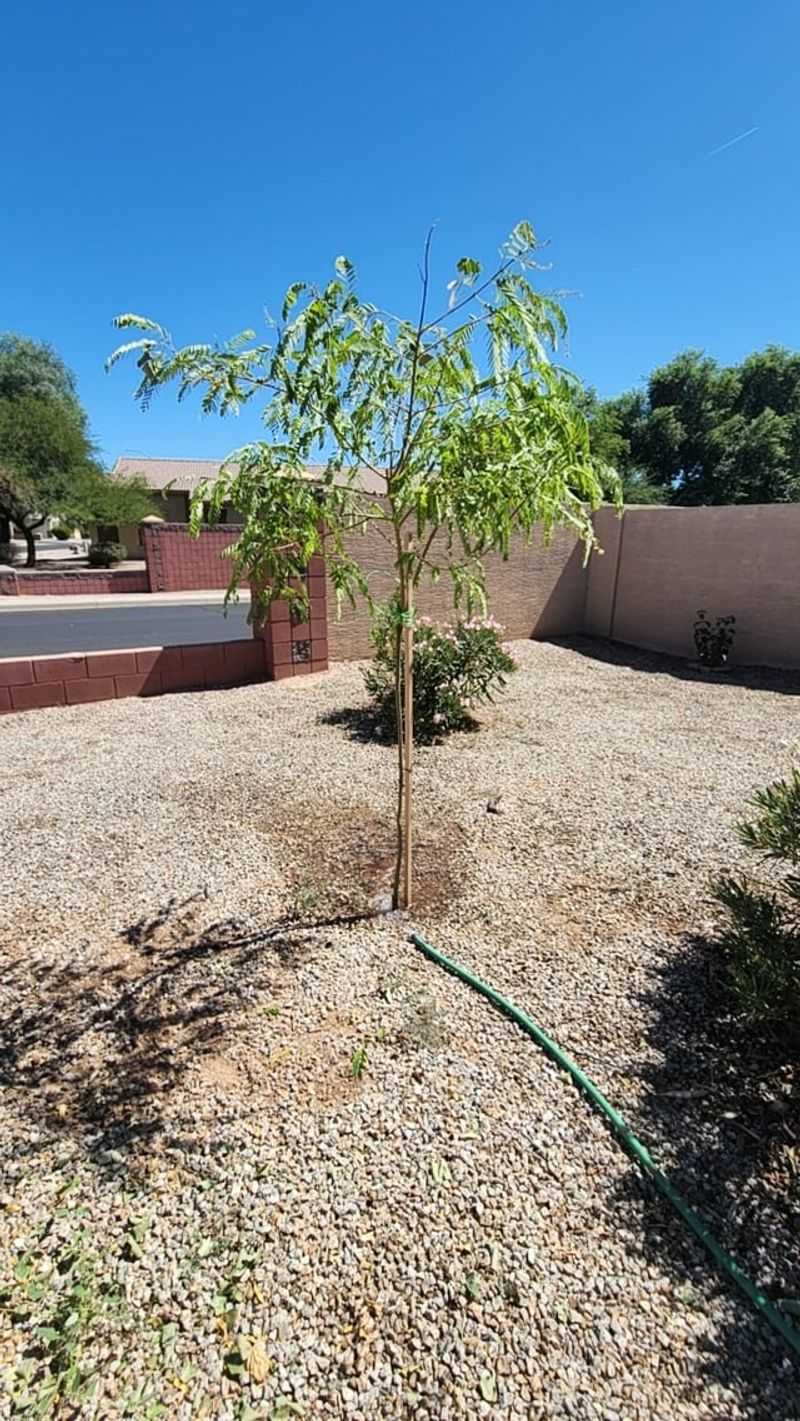
Watering the wrong spot is one of the most common mistakes new tree owners make. Spraying the surrounding lawn or soil several feet away from the trunk does almost nothing for a newly planted tree.
Water needs to reach the root ball directly, right where the roots currently live.
Right after planting, the root ball is a compact zone roughly the same size as the original container. Roots have not yet spread beyond that area.
Watering outside that zone is essentially watering ground the tree cannot access yet.
A slow, deep soak directly at the base works far better than a quick spray across a wide area. Drip emitters placed just above the root ball are effective and efficient.
Hand watering with a hose set to a slow trickle for 20 to 30 minutes also gets moisture where it counts.
As weeks pass and roots begin spreading outward, you can gradually widen your watering zone. Moving the water source further from the trunk over time encourages roots to follow.
Your Arizona Garden Changes Every Week. Your Plan Should Too.
Gardening in Arizona changes quickly throughout the season. Every Friday you’ll receive a simple weekly plan showing exactly what to plant, prune, fertilize, harvest, and protect so you never miss the right timing.
Expanding the zone slowly mimics how natural rainfall encourages root exploration.
In Arizona summers, trees can need deep watering two to three times per week during the hottest months. That schedule depends on tree species, soil type, and sun exposure.
3. Protect The Trunk From Hot Afternoon Sun
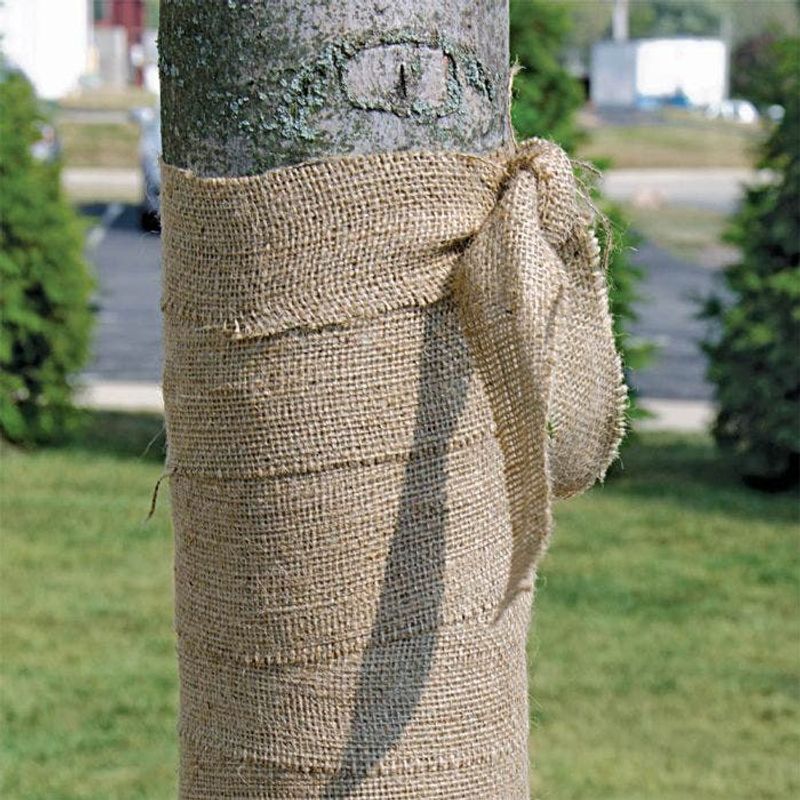
Sunscald on a young tree trunk is more common in desert climates than most people expect. When intense afternoon sun hits thin bark directly, the outer layer can crack and peel.
That kind of damage opens the tree up to pests and moisture loss.
Young trees have not yet developed thick, protective bark. Established trees build bark density over years of exposure.
A newly planted tree is essentially bare-skinned in one of the hottest environments in the country.
White tree wrap or light-colored trunk guards reflect sunlight rather than absorbing it. Wrapping the trunk from the soil line up to the first major branch provides solid protection.
Check the wrap monthly to make sure it is not cutting into the bark as the trunk grows.
Planting on the east side of a structure or near an existing shade tree can reduce afternoon sun exposure naturally. West-facing planting spots receive the harshest heat of the day.
Positioning matters more in Arizona than in most other regions.
Avoid dark-colored wraps or materials that absorb heat. Plastic bags and black rubber tubing can trap heat against the bark and cause more harm than good.
Light, breathable materials work best for summer trunk protection.
4. Keep Mulch Away From The Trunk
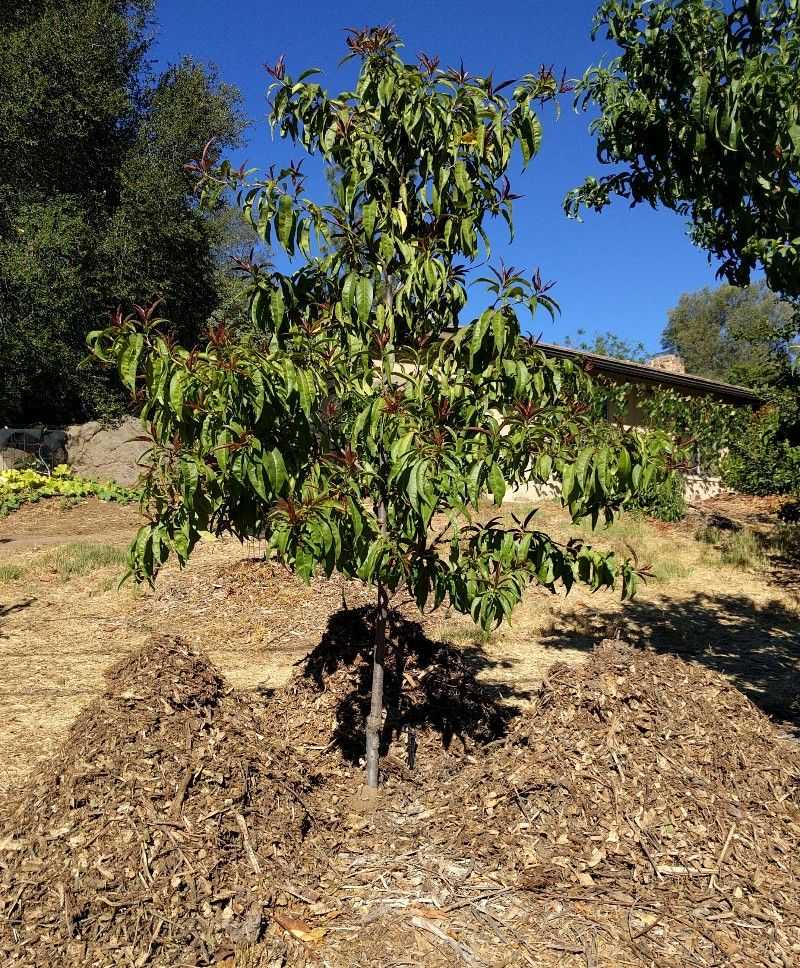
Mulch piled up against a tree trunk traps moisture against bark that needs to stay dry. Wet bark softens over time and becomes vulnerable to rot and fungal issues.
Keeping mulch pulled back a few inches from the trunk solves this problem before it starts.
A common mistake is building a “mulch volcano” where the material is mounded up high around the base. It looks tidy but does real harm over time.
Bark is not designed to stay constantly moist at ground level.
Spread mulch in a wide, flat ring instead. A ring three to four feet wide and two to three inches deep is a practical target for most young trees.
Flat mulch rings hold moisture in the soil while still allowing the trunk base to breathe.
Wood chips are a popular and effective mulch choice in desert yards. Shredded bark and coarse compost also work well.
Avoid rubber mulch and fine-textured materials that can compact and block water from reaching the soil.
Mulch does several useful things at once. It lowers soil temperature significantly during summer, slows evaporation between waterings, and suppresses weeds that compete for moisture.
During an Arizona summer, soil under mulch can stay noticeably cooler than exposed bare soil nearby.
Refreshing mulch once or twice a year keeps it doing its job.
5. Wait Until Fall To Fertilize
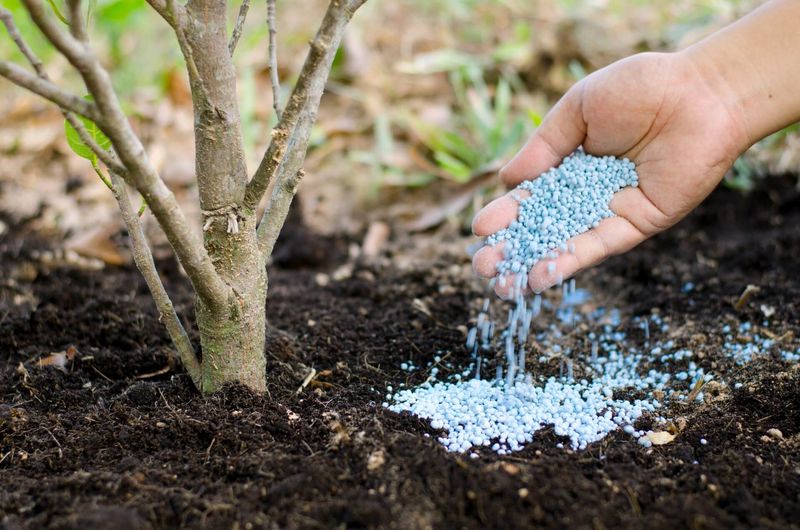
Fertilizing a new tree during summer seems helpful but can actually stress it out. Fertilizer pushes new growth, and new growth needs water.
In peak summer heat, a tree struggling to stay hydrated cannot support a sudden flush of tender new leaves.
Soft new growth is also more vulnerable to heat damage. Leaves that emerge during extreme temperatures often scorch before they can harden off.
Waiting for cooler weather gives new growth a better environment to develop properly.
Fall is a much smarter window for that first fertilizer application. Temperatures drop enough that trees can use nutrients without being overwhelmed.
Root growth also continues into fall even after above-ground growth slows, so nutrients applied in fall feed the roots directly.
A slow-release granular fertilizer is a practical choice for young desert trees. It breaks down gradually over several weeks rather than releasing a concentrated dose all at once.
Fast-release fertilizers can burn roots if the soil is dry, which is common in desert conditions.
Soil in many desert yards is naturally low in nitrogen and organic matter. A soil test before fertilizing tells you what the tree actually needs rather than guessing.
Over-fertilizing is a real issue and can harm roots over time.
Most newly planted trees do not need fertilizer at all in their first season.
6. Check The Soil Before Watering Again
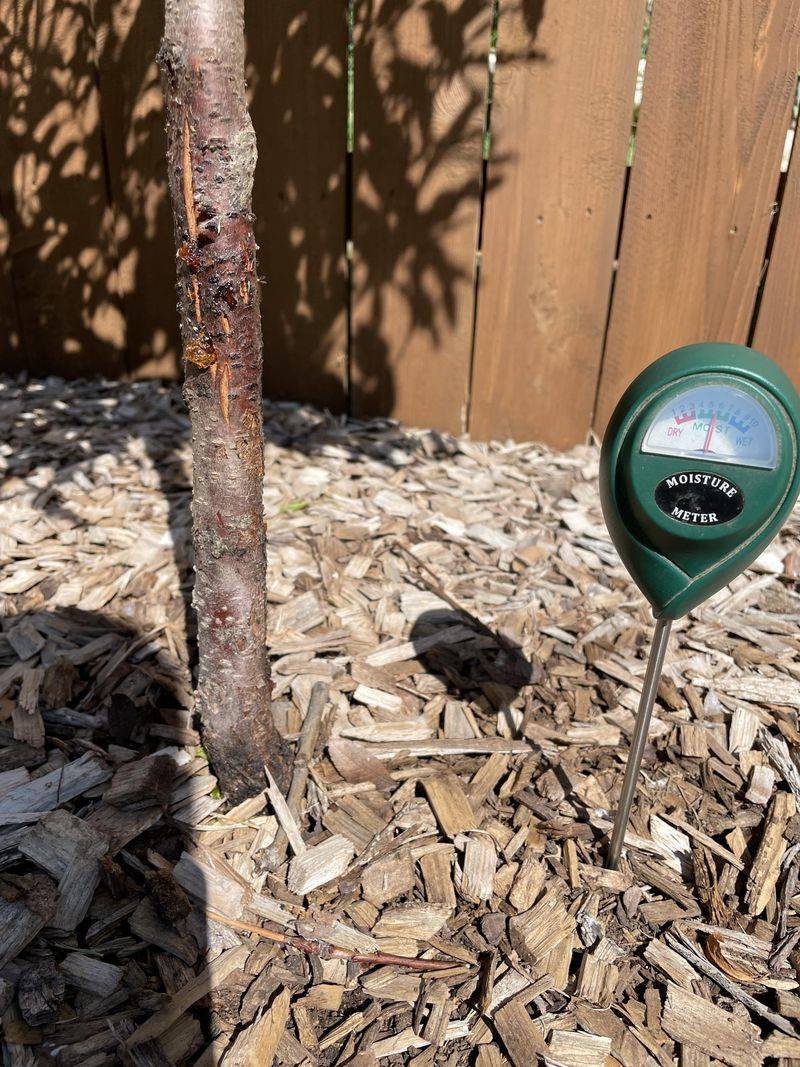
Overwatering is a bigger problem for new desert trees than most homeowners expect. Roots sitting in waterlogged soil cannot get oxygen, and root health drops fast in those conditions.
Checking soil moisture before watering again takes about ten seconds and can prevent real problems.
Push a finger or a thin wooden dowel two to three inches into the soil near the root ball. If it comes out damp, hold off on watering.
If it comes out dry and crumbly, the tree is ready for a deep soak.
Soil type affects how fast moisture drains. Sandy desert soil drains quickly and may need watering more often.
Clay-heavy or caliche-dense soil holds moisture longer and needs less frequent watering. Knowing your soil type helps you build a smarter schedule.
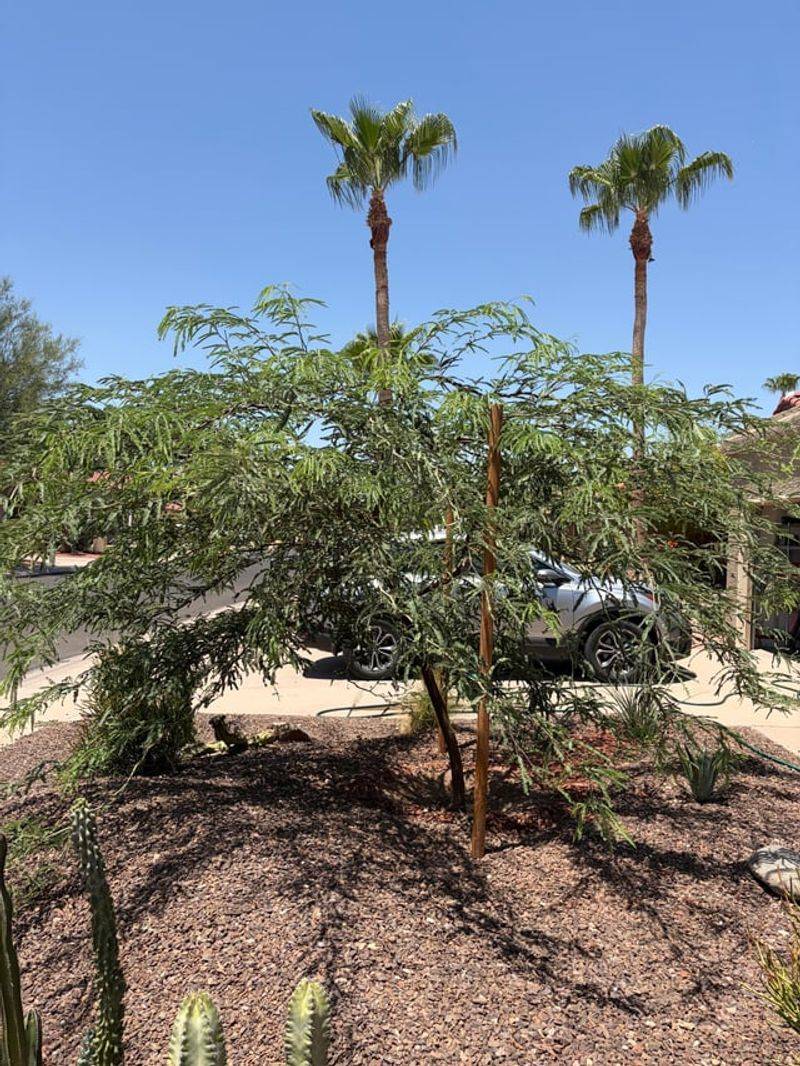
A moisture meter is a low-cost tool that removes the guesswork entirely. Insert the probe near the root zone and read the dial.
Readings in the dry to slightly moist range are generally the right time to water.
Watering on a fixed schedule without checking soil conditions often leads to either overwatering or underwatering. Neither is good for a tree still getting established.
Flexible, soil-based watering decisions are more reliable than a rigid calendar approach.
In Arizona’s monsoon season, natural rainfall can reduce how often you need to water.
7. New Leaves Show The Tree Is Settling In
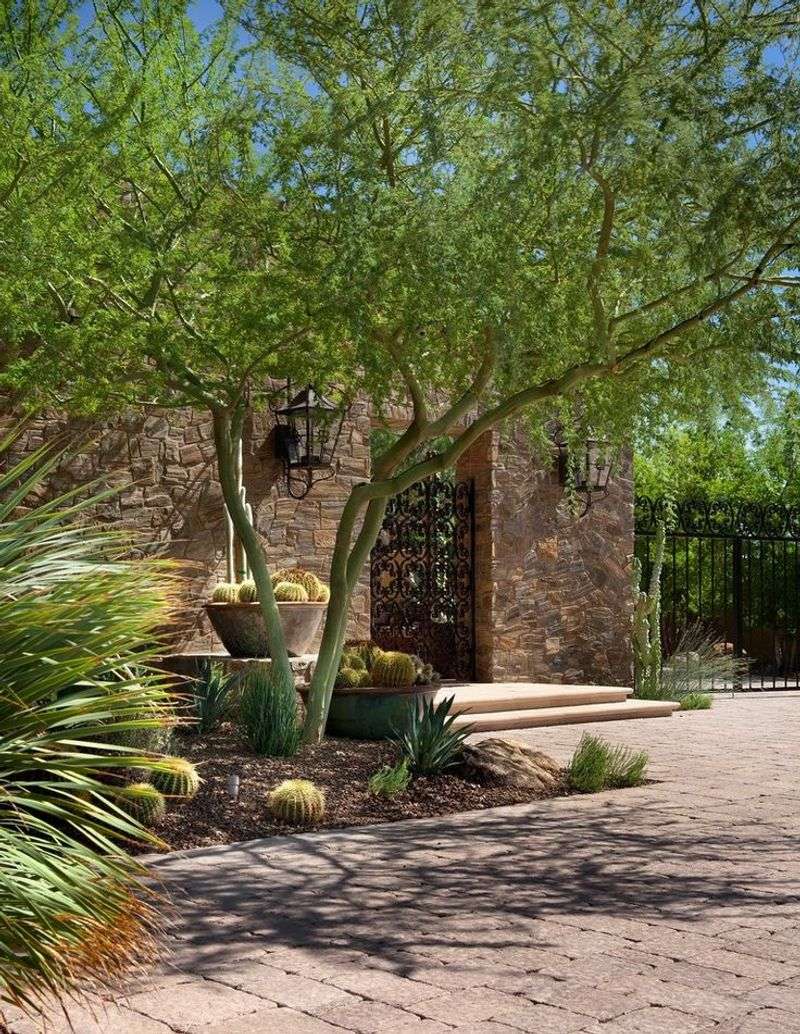
Spotting new leaf growth on a young tree after a rough summer stretch feels genuinely rewarding. Fresh leaves pushing out from branch tips signal that the root system has gained enough footing to support above-ground growth.
It is one of the clearest signs a tree is adjusting.
New growth does not mean the tree is fully established, though. A single flush of leaves early in the season can be followed by stress later if watering slips or temperatures spike unexpectedly.
Staying consistent with care even after seeing new growth matters.
Leaf color tells you a lot. Bright green, firm leaves are a positive indicator.
Yellow or pale leaves can point to overwatering, nutrient gaps, or root stress. Crispy brown edges usually signal heat stress or inconsistent moisture.
Some trees push out new leaves quickly after planting, while others take weeks before showing any visible growth. Slower-growing species like native desert trees often establish quietly below ground before showing much above the surface.
Patience is part of the process.
Watching how a tree responds to its environment over the first summer gives you real information. A tree that holds its leaves through peak heat, even without looking lush, is doing reasonably well.
Leaf drop during extreme heat is sometimes a normal stress response rather than a sign of serious trouble.