Why Turnips Are One Of The Smartest July-Seeded Crops For Michigan Fall Gardens
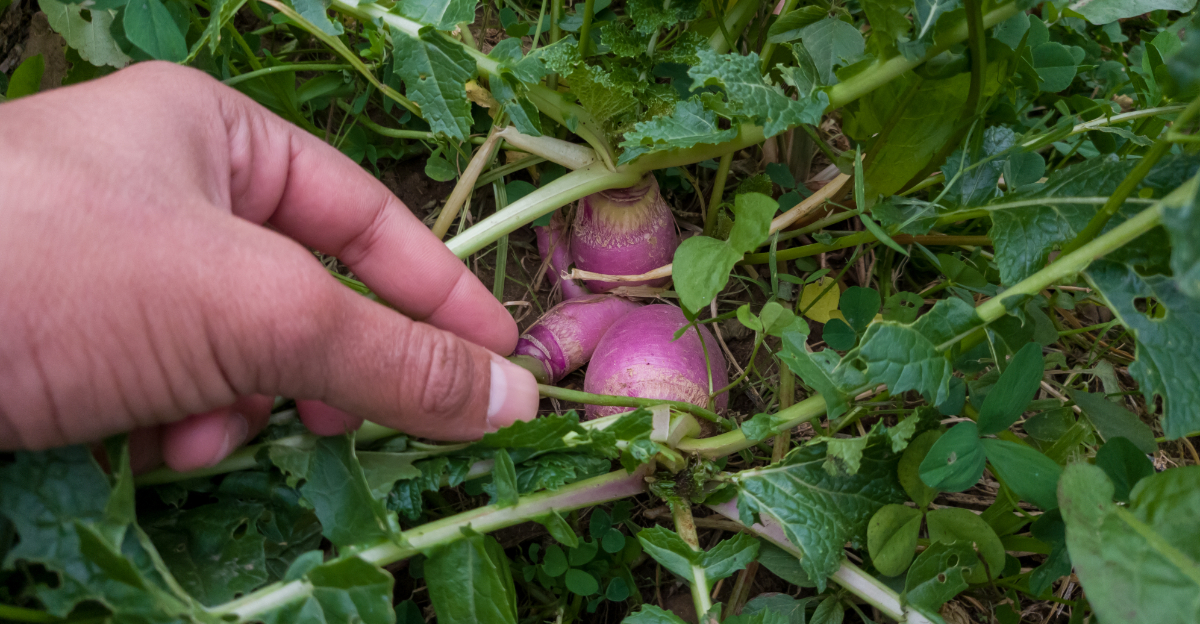
Turnips are often overlooked, but seeding them in July makes them one of the smartest choices for a Michigan fall garden. These root vegetables grow quickly, often ready to harvest in just six to eight weeks after planting.
Cooler fall temperatures actually improve their flavor, softening the sharp bite turnips can have in warmer months. Both the roots and the leafy greens are edible, giving gardeners two harvests from a single planting.
Turnips also tolerate Michigan’s unpredictable early frosts without much trouble. Their fast growth makes them perfect for filling empty garden space after summer crops finish producing.
Consistent watering during germination helps seeds sprout evenly in warm July soil. For a low effort, high reward fall crop, turnips are hard to beat in Michigan gardens.
1. July Planting Fits The Michigan Fall Calendar
Timing is everything in your garden, and July is the sweet spot for getting fall turnips off to a strong start. Michigan State University Extension recommends starting fall cool-season crops, including turnips, by the middle of July.
That window gives your plants the growing days they need before colder temperatures and shorter daylight hours begin to slow things down in the garden.
Think of it this way: turnips need a steady stretch of warm days to germinate and establish, followed by cool fall conditions to finish strong. A mid-July sowing lines up perfectly with that natural pattern.
Wait too long, and you risk running out of season before the roots reach a harvestable size.
Your specific location within Michigan also matters. A gardener in the Upper Peninsula faces earlier frost dates than someone growing in the southern Lower Peninsula.
Checking your local average first frost date before you plant helps you work backward and confirm that your chosen variety has enough time to mature fully.
Seed packets are a great starting resource. Most list the days to maturity right on the label, giving you a simple way to calculate whether your planting date makes sense for your area.
Turnip varieties also differ in how quickly they develop, so matching the right variety to your available growing season is a smart move.
July planting gives gardeners a real advantage by aligning the crop’s natural growth cycle with the state’s fall weather pattern.
2. Turnips Produce A Harvest Relatively Quickly
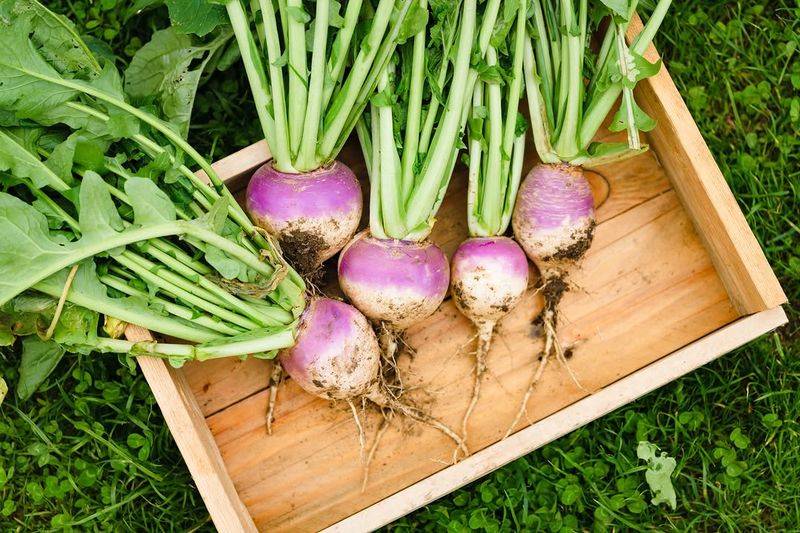
Speed matters when fall is coming and the growing season has a firm deadline. Turnips are one of the faster-maturing vegetables you can grow, which makes them a genuinely smart pick for Michigan’s shorter fall window.
Turnip greens are commonly ready to harvest around 30 to 40 days after sowing, while the roots generally need about 60 to 70 days to reach a good size for the table.
A July planting works well with both of those timelines. You can start gathering young, tender leaves in late August or early September while the roots continue to develop underground.
That staggered harvest means you are pulling food from your garden for weeks rather than waiting for one single moment when everything is ready at once.
Your Michigan Garden Changes Every Week. Your Plan Should Too.
Gardening in Michigan changes quickly throughout the season. Every Friday you’ll receive a simple weekly plan showing exactly what to plant, prune, fertilize, harvest, and protect so you never miss the right timing.
Young greens picked early in the season are mild and tender, and they work well in salads, stir-fries, or as a simple sauteed side dish.
As the season cools and the roots fill out, you have a completely different harvest waiting for you without ever planting a second crop.
Always check the maturity information printed on your seed packet before you plant. Different turnip varieties mature at slightly different rates, and knowing that number helps you plan your July sowing with confidence.
Some varieties lean toward faster green production, while others are bred for larger, meatier roots.
Matching the variety to your goals and your available weeks in the season is one of the easiest ways to make your fall garden more productive and satisfying.
3. One Crop Provides Both Greens And Roots
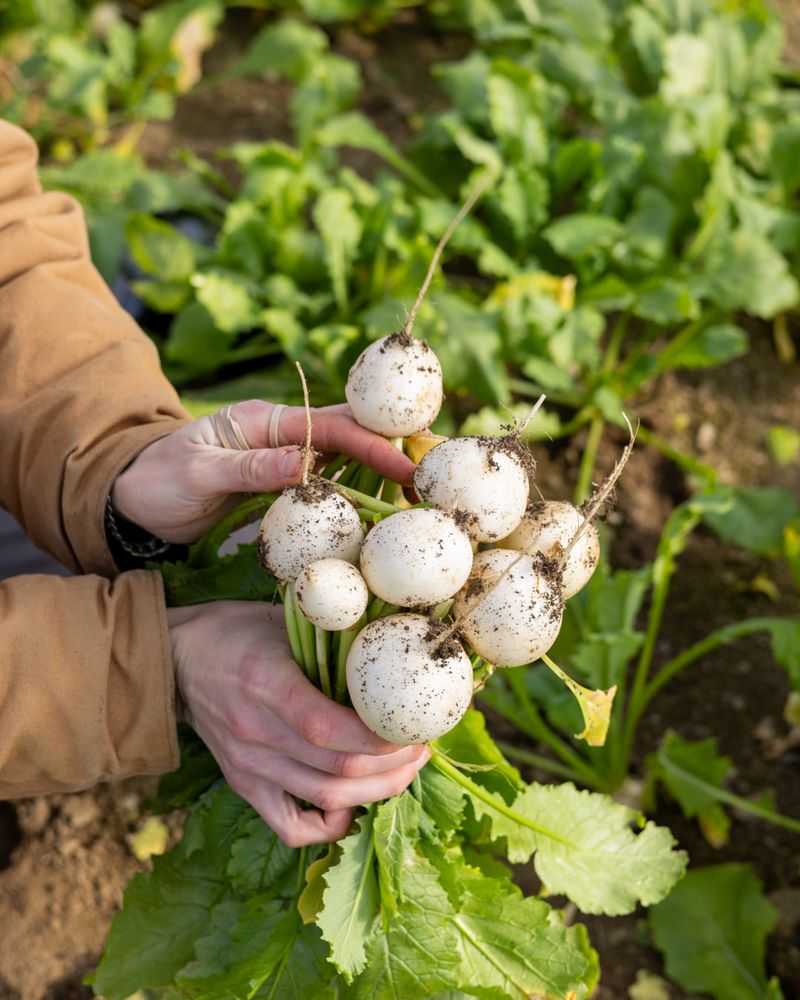
Not many vegetables give you two completely different harvests from one planting, but turnips pull it off with ease.
Gardeners can gather selected young leaves throughout the growing season while leaving enough foliage on each plant to keep supporting root development below the soil.
That balance between picking greens and protecting future root growth is easier to manage than it sounds.
A good rule of thumb is to avoid removing more than one-third of the leaves from any single plant at one time. Taking too many leaves at once can stress the plant and slow root development.
A light, steady approach to harvesting greens keeps the plant healthy and productive throughout the whole season.
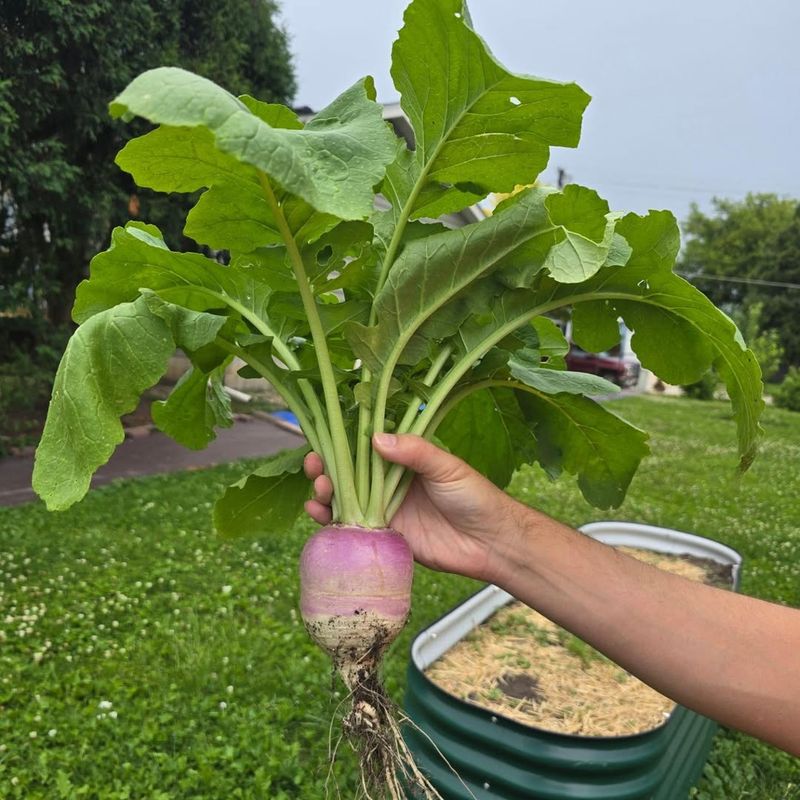
Once the roots reach the size you prefer, usually somewhere between a golf ball and a tennis ball depending on the variety and your taste, you can pull them and enjoy a completely different ingredient than the greens.
Roots can be roasted, mashed, added to soups, or eaten raw in slaws and salads. Choosing the right variety for your goals makes a real difference here. Some turnips, like Seven Top, are bred specifically for leafy green production and produce smaller roots.
Others, like Purple Top White Globe, are grown primarily for their large, flavorful roots. Varieties like Hakurei are popular for both purposes.
Knowing what you want from your harvest before you plant helps you pick the variety that will deliver the most value from a single July sowing in your Michigan garden.
4. Turnips Transition From Summer Into Cooler Weather
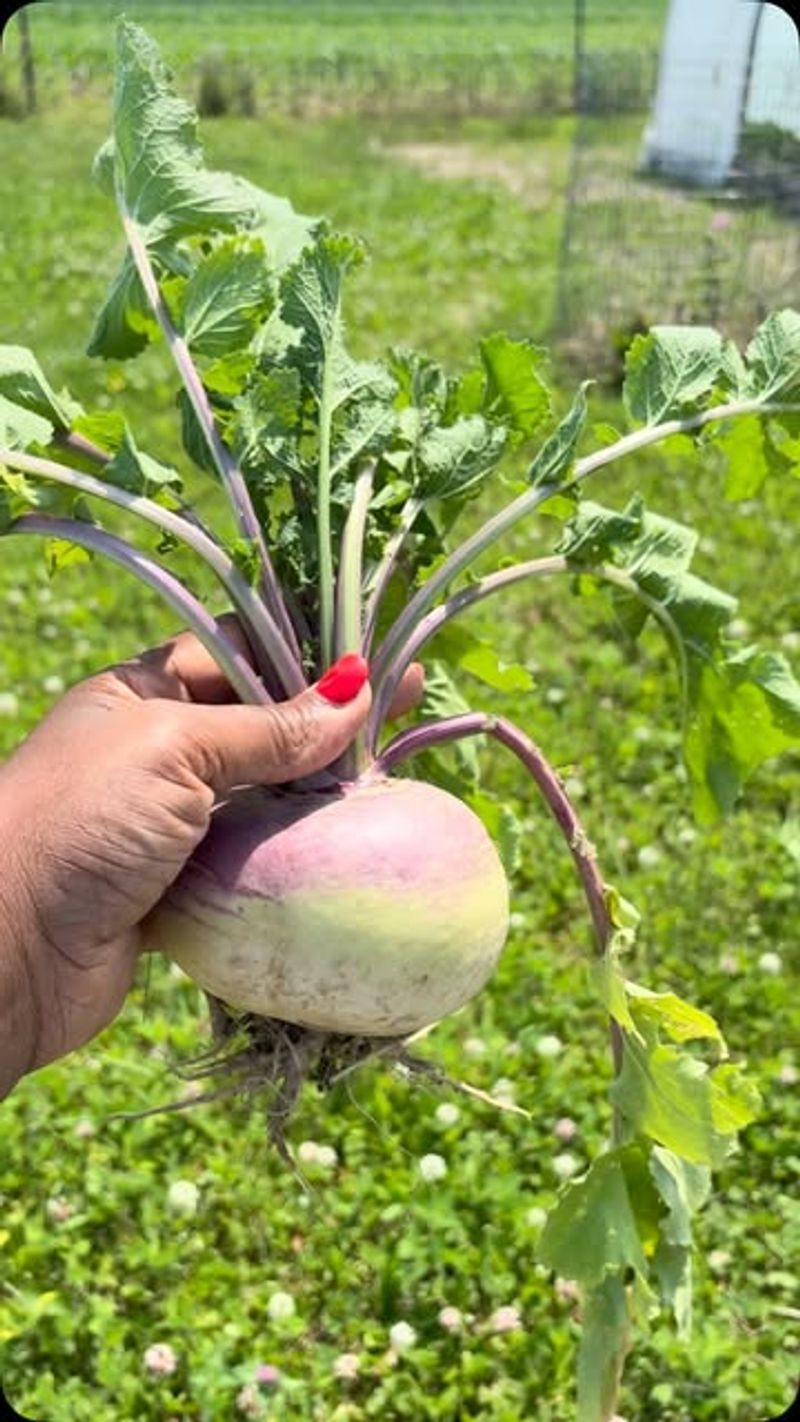
Turnips carry a reputation as a cool-season crop, which sometimes makes gardeners wonder whether July is too warm to start them. The good news is that turnips handle summer heat better than many other cool-season vegetables.
Michigan State University Extension notes that turnips tolerate heat better than radishes and rutabagas, which gives them a real advantage when starting out during the warmer weeks of July.
Seedlings that go into the ground in July begin growing while conditions are still warm and long-dayed.
As Michigan moves through August and into September, temperatures naturally ease off, and the plants shift into their preferred cool-weather growing mode.
That gradual transition from summer warmth into fall cool is actually a favorable progression for turnips rather than a problem to work around.
Keeping the soil consistently moist during July and early August is one of the most important things you can do for young turnip plants. Dry soil during hot spells stresses the crop and can slow germination or stunt early growth.
Watering regularly and mulching around seedlings helps hold moisture and keeps soil temperatures a bit more stable.
During stretches of unusually intense heat, a lightweight shade cloth placed over the bed during the hottest afternoon hours can protect young seedlings without blocking the light they need to grow.
This simple, low-cost step makes a noticeable difference in how well your plants establish during the first few weeks after sowing.
Once the plants are a few inches tall and the season cools, they rarely need extra protection and tend to grow steadily on their own.
5. Cooler Conditions Support Fall Crop Quality
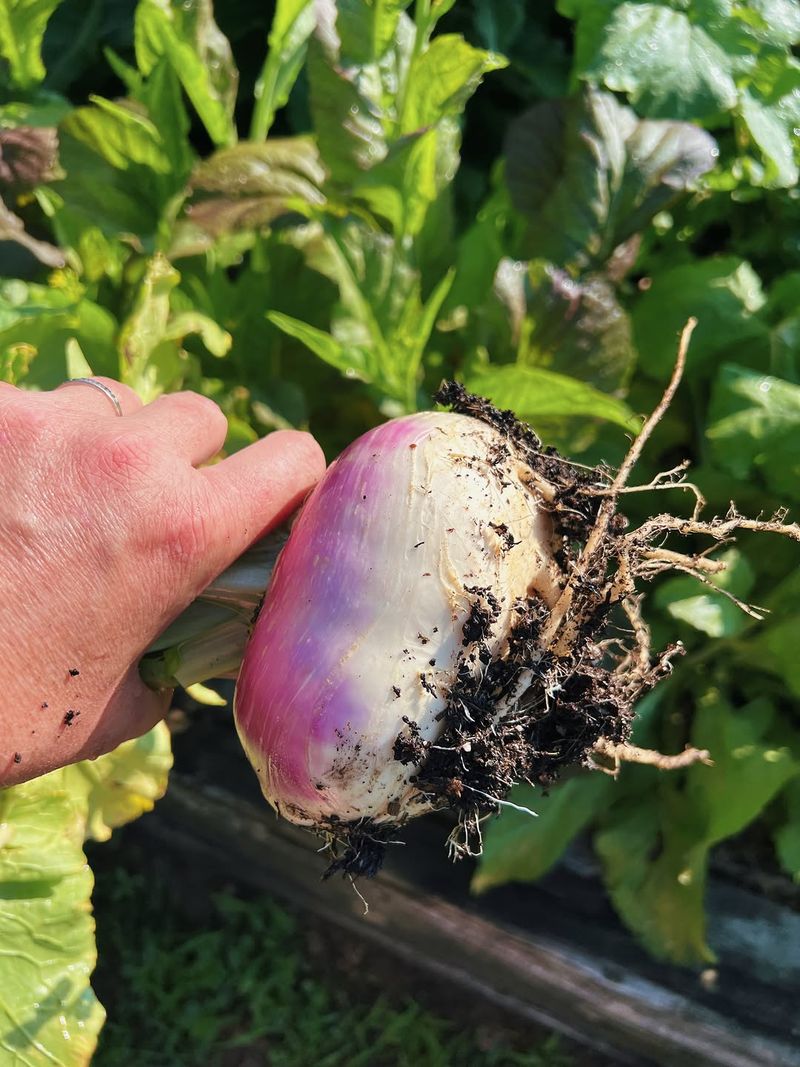
There is a quiet magic that happens in a cool fall garden, and turnips are one of the crops that benefit most from it.
Cool-season vegetables like turnips generally perform well during Michigan’s fall weather, developing steadily as nights grow longer and temperatures drop.
Many experienced gardeners notice that turnips harvested after a stretch of chilly fall weather have a noticeably different quality than those pulled earlier in the season.
Exposure to cooler temperatures can encourage some turnip varieties to convert stored starches into sugars, which may soften the sharpness that raw turnips sometimes carry.
The result is often a milder, slightly sweeter flavor that works beautifully in roasted dishes, soups, and mashes. That shift in flavor is one reason fall-grown turnips have such loyal fans among home gardeners.
It is worth noting that variety, soil moisture, harvest size, and overall growing conditions all play a role in the final flavor and texture of your turnips. Not every planting will respond the same way, and results can vary from garden to garden and season to season.
Harvesting roots at a smaller size, often between two and three inches in diameter, tends to produce more tender, milder-tasting results regardless of temperature.
Paying attention to your crop as fall progresses gives you the best chance of catching roots at their peak. Check a few plants regularly as they approach maturity, taste-test a small root, and adjust your harvest timing based on what you find.
Growing conditions in Michigan vary enough that your own observations are often the most reliable guide you have.
6. Direct Seeding Makes Planting Simple
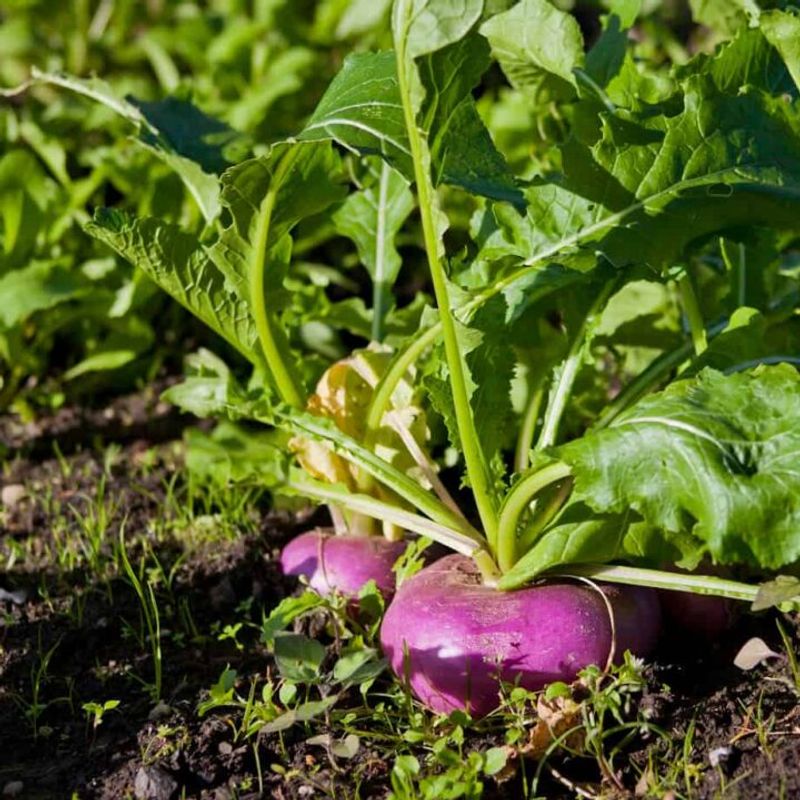
One of the most practical things about growing turnips is how straightforward the planting process actually is.
Turnips are sown directly into the garden where they will grow, which means there is no transplanting involved and no need to start seeds indoors weeks ahead of time. You simply prepare your bed, sow your seeds, and let the soil and sun do the work.
Direct seeding also protects the developing roots from unnecessary disturbance. Turnip roots grow best when they are not moved after germination, so planting them exactly where they will stay gives them the best possible start.
Preparing the soil well before seeding makes a big difference in how the roots develop as the season progresses.
Loose, well-worked soil free of rocks and large clumps allows roots to expand evenly and reach their full size without obstruction. Remove stones and break up any hard clods before you sow.
Plant seeds at the depth listed on your seed packet, typically about a quarter to half an inch deep, and water the bed gently but thoroughly after planting to encourage even germination.
Keeping soil moisture consistent during the first week or two is especially important while seeds are sprouting. Once seedlings are a few inches tall, thinning crowded plants to about four to six inches apart gives each root the space it needs to grow properly.
Skipping the thinning step is one of the most common reasons home gardeners end up with small or misshapen turnip roots. A little attention early in the season pays off in a much better harvest later on.
7. Successive Plantings Can Extend The Harvest
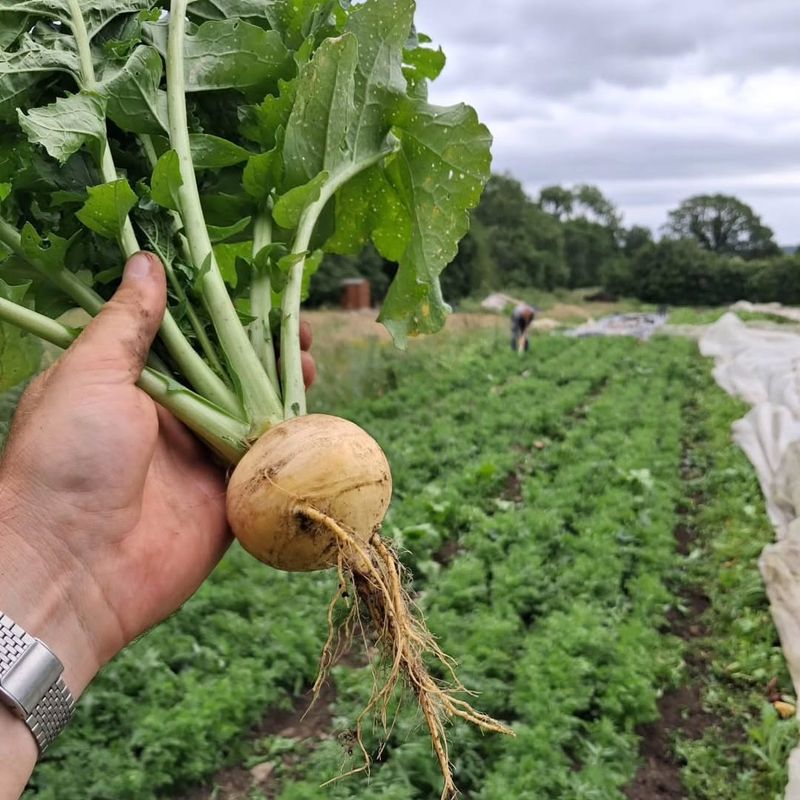
Harvesting a huge pile of turnips all at the same time sounds productive, but it can quickly become more vegetables than you know what to do with.
Spreading your planting out over several weeks is a simple strategy that keeps a steady supply coming into your kitchen rather than one overwhelming rush.
Michigan State University Extension recommends successive turnip plantings at approximately three-week intervals for a more continuous crop throughout the fall season.
The idea is straightforward. Instead of sowing all your seed at once in July, you plant a small batch, wait about three weeks, and then plant another small batch.
Each round of plants matures a few weeks apart, which spreads out your harvest window and reduces waste. It also gives you flexibility to try different varieties in each sowing if you want to experiment with flavor or size.
Successive planting does require some forward planning, particularly in Michigan where fall arrives on a firm schedule.
Later sowings need to be completed early enough for the variety you chose to fully mature before your local first frost date brings the season to a close.
A variety that needs 65 days to produce roots cannot be sown in late September in most parts of Michigan and still deliver a full harvest.
Counting backward from your expected first frost date is the most reliable way to figure out the latest date you can still sow and expect a good root harvest.
Greens-focused varieties with shorter maturity windows give you a bit more flexibility for those later rounds.
Planning each sowing date with that frost date in mind keeps your successive planting strategy realistic and productive throughout the season.
8. Regional Timing Makes July Especially Valuable
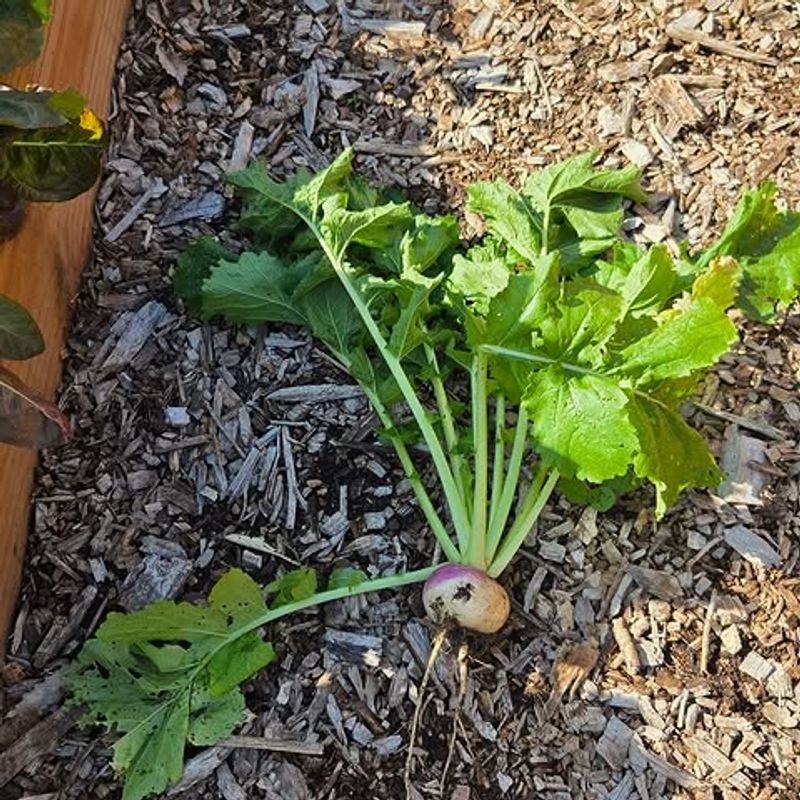
Michigan is a big state, and planting dates that work perfectly in one region can be off by weeks in another.
The difference between growing in the Upper Peninsula and the Lower Peninsula is significant enough that gardeners in those two areas follow noticeably different fall planting schedules.
Understanding where your garden fits within the state is one of the most useful things you can know as a Michigan vegetable grower.
Current MSU Extension guidance places most Upper Peninsula fall vegetable planting from July through early August. Frost can arrive noticeably earlier in the UP, which means the window for getting a fall crop established and matured is shorter.
July planting is not just smart for UP gardeners, it is practically essential for root-producing crops like turnips that need the full 60 to 70 days to finish properly.
Lower Peninsula gardeners generally have a broader fall planting period, with warmer temperatures holding on longer into autumn in many areas.
That extra time creates a little more flexibility, but root-producing turnips still need enough days to reach a harvestable size before cold shuts the season down.
Relying on that extra window without actually counting your days is a common mistake that leads to underdeveloped roots at the end of the season.
The most reliable approach for any Michigan gardener is to count backward from your local average first frost date using the days-to-maturity listed on your seed packet.
That simple calculation tells you exactly how late you can plant and still expect a full root harvest.
Factoring in both your region and your variety before settling on a sowing date makes July planting far more intentional and far more likely to succeed.