This Is The Foundation-Smart Garden Bed Michigan Homeowners Should Build
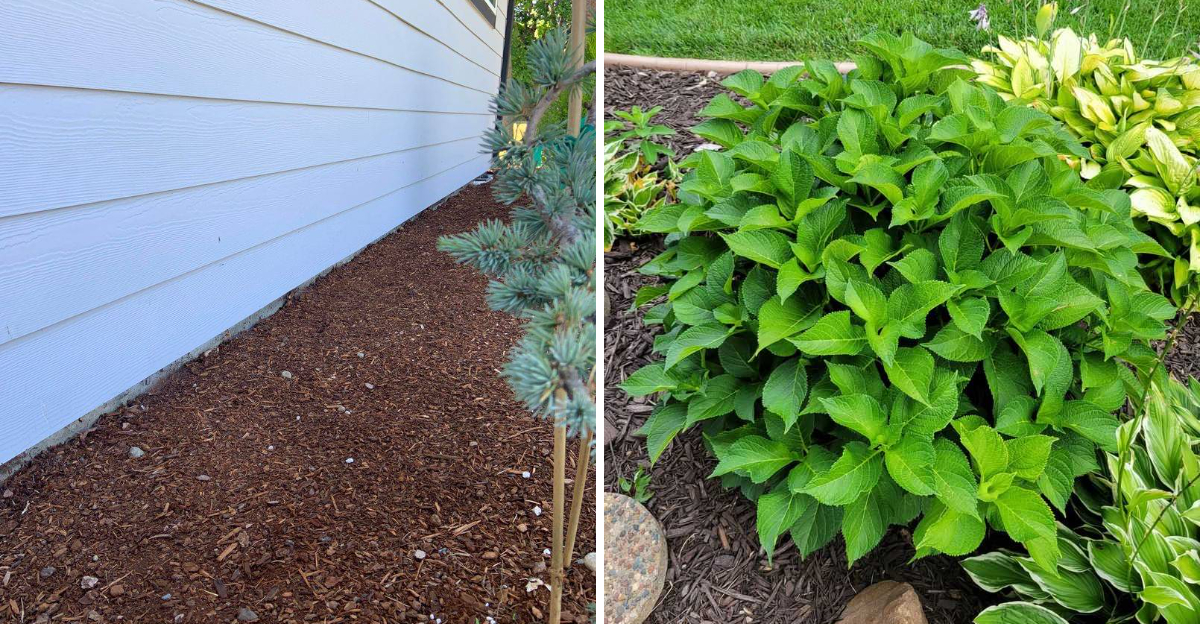
Michigan foundation beds can look harmless while sending water the wrong way.
After a hard spring rain or one fast March thaw, that pretty strip beside the house may start acting less like a garden and more like a wet sponge pressed against the basement wall.
Not ideal. Not subtle. Not cheap, either.
Clay-heavy soil holds moisture, flat mulch traps it, and a bed shaped toward the house can guide every storm exactly where you do not want it. Gutters may get blamed first, but the planting bed itself often deserves a very suspicious look.
That is where a raised berm bed changes the story.
Built with the right slope, soil, mulch, and plant choices, it can move water away from the foundation while still giving the yard a polished, planted edge.
So how do Michigan homeowners build one without creating a bigger drainage problem?
Start with grade, not flowers. The shape of the bed decides where the water goes.
Build A Raised Berm Bed
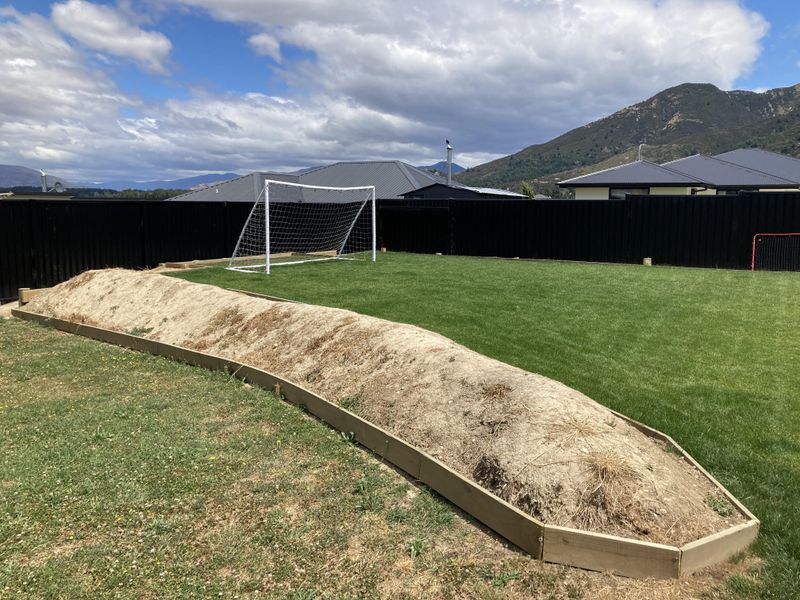
A soggy strip of soil running along a Michigan foundation after a hard April rain is a problem that starts with the shape of the ground itself.
That low, flat ground collects water and holds it right where you least want it.
A raised berm bed fixes this problem by changing the shape of the ground before you plant a single thing.
A berm is simply a mounded planting area.
You build it up higher in the center or near the back and let it slope naturally downward toward the yard.
Unlike a flat bed, a berm gives water a clear path to travel away from your home.
Michigan State University Extension recommends positive grading around foundations, meaning the ground should drop at least six inches over the first ten feet away from the house.
Building the berm starts with adding clean fill soil, not pure compost, since compost alone settles too fast and can hold extra moisture.
A blend of native topsoil and a small amount of compost gives you a stable, workable mound.
Aim for a gentle rise of six to eight inches at the highest point near the house side of the bed. Pack it lightly so it stays firm after rain.
Once the shape is set, you have a foundation-smart base ready for plants, mulch, and long-term water management.
Getting the shape right from the start saves you a lot of re-grading work later on.
Start Away From The Foundation
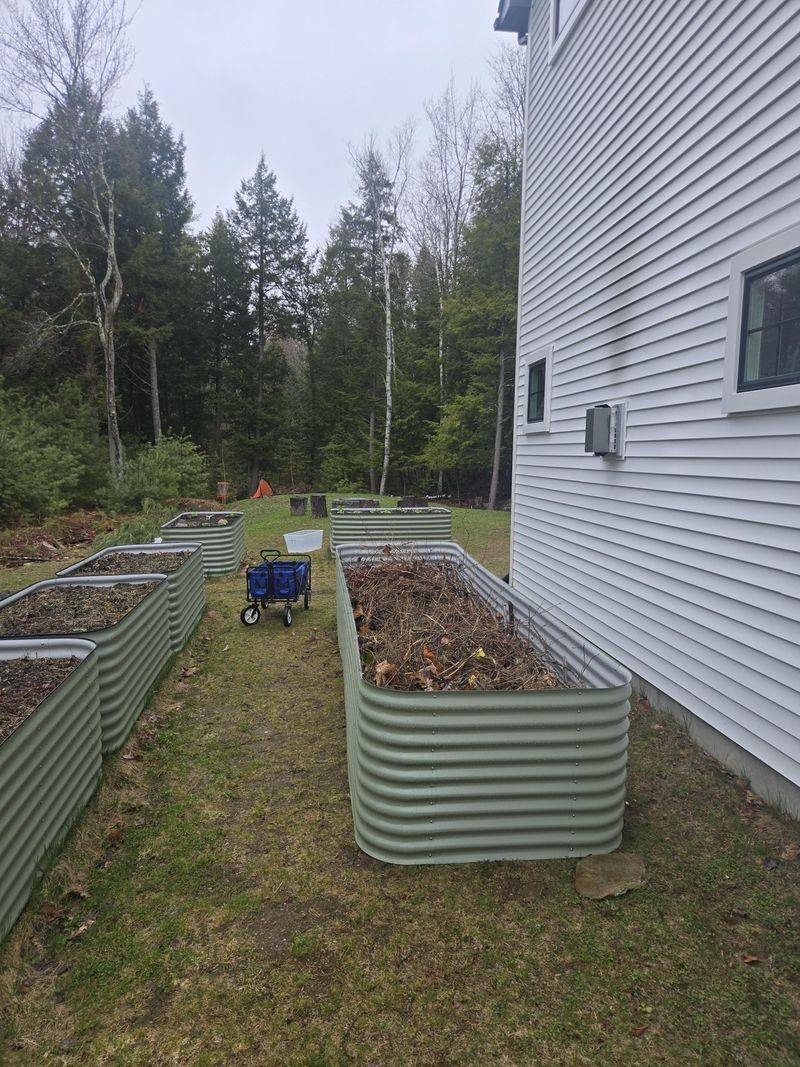
A downspout dumps water, but so does a garden bed that starts too close to the wall.
One of the most common mistakes Michigan homeowners make is planting right up against the foundation.
Soil and mulch pressed against the wall trap moisture and give pests like carpenter ants a soft place to settle in.
Leave a gap of at least twelve inches between the house wall and the start of any planting material, including mulch and soil.
Some extension sources suggest keeping that bare zone clear all the way to eighteen inches for older homes with block or stone foundations.
Your Michigan Garden Changes Every Week. Your Plan Should Too.
Gardening in Michigan changes quickly throughout the season. Every Friday you’ll receive a simple weekly plan showing exactly what to plant, prune, fertilize, harvest, and protect so you never miss the right timing.
This gap lets air circulate, lets the wall dry out after rain, and gives you a clear view of any cracks or moisture issues forming at the base.
Marking this boundary before you dig saves a lot of guesswork.
Use a garden hose or spray paint to lay out the edge. Then build your berm starting at that marked line and rising gently as it moves away from the house.
The highest point of the berm should sit a foot or more out from the foundation, not right against it.
Check this clearance each spring after frost heave or settling has had a chance to shift the soil around the base of the wall. Keeping it intact every season is just as important as getting it right the first time.
Slope Soil Away From Walls
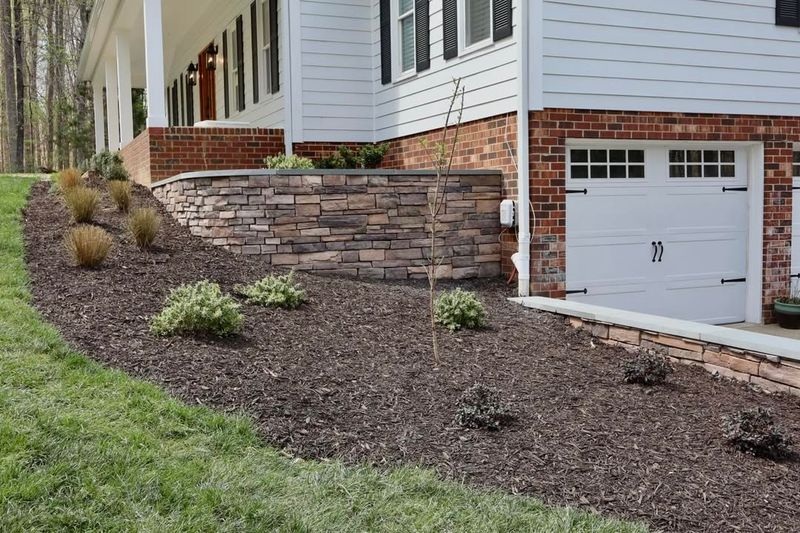
Grading sounds like a construction term, but it is really just about making sure the ground tilts in the right direction.
Soil that slopes toward your foundation acts like a funnel, sending every inch of rainfall and snowmelt straight to your basement wall.
Soil that slopes away does the opposite and sends water out into the yard where it belongs.
Michigan State University Extension guidance on stormwater and foundation drainage consistently points to positive grading as one of the most effective ways to keep basements dry.
The standard target is a six-inch drop over the first ten feet of ground moving away from the house.
That is not a steep slope. It is a gentle, barely visible tilt that makes a big difference during a heavy rain event.
When building your berm bed, use a long level or a simple line level on a string to check your grade as you work.
Start by placing the highest soil at the back of the bed near the foundation clearance line and taper it downward toward the lawn.
Avoid creating a low spot or bowl shape anywhere in the bed, since water will collect there and sit.
After a good rain, walk out and watch how water moves through the bed. If it pools anywhere near the house side, add a bit more soil and recheck the slope.
Catching a grading problem early is much easier than dealing with a wet basement later.
Keep Mulch Below Siding
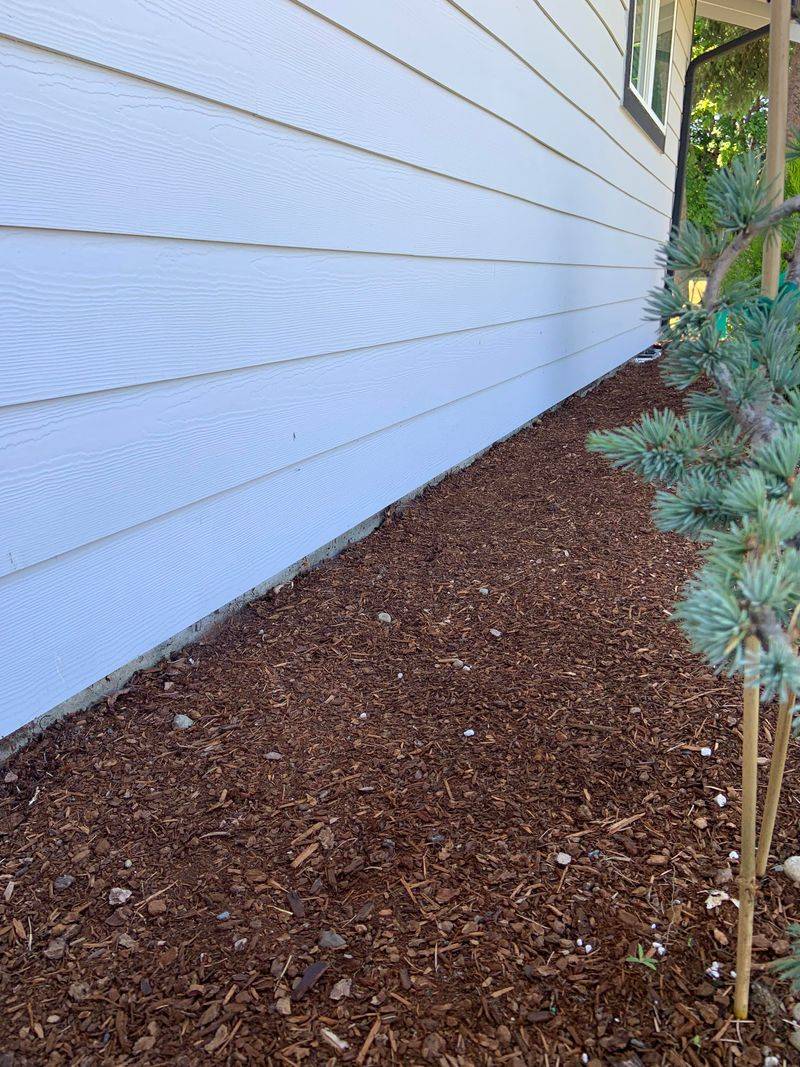
Mulch is one of the best tools a gardener has, but it can cause real trouble when it piles up too close to siding.
Wet mulch pressed against wood, vinyl, or fiber cement siding holds moisture for days after rain.
That trapped moisture softens the siding material, encourages mold growth, and gives wood-boring insects a comfortable entry point into your home.
The general recommendation from extension and building professionals is to keep mulch at least two inches below the bottom edge of siding.
Some sources suggest four to six inches of clearance for wood siding specifically. This gap lets the siding breathe and dry out between rain events.
It also makes it much easier to spot any early signs of insect activity or moisture damage at the base of the wall.
Mulch depth in the bed matters too.
A two-to-three-inch layer is plenty for weed control and moisture retention in the planting area. Going deeper than three inches can hold too much water and slow the drying of soil near the foundation.
Every spring, check your mulch line against the siding.
Frost heave and settling through winter can push soil and mulch upward or shift the clearance you carefully set last fall. A quick check and a light raking in April keeps everything in proper position before the wet season gets going.
Extend Downspouts Past The Bed
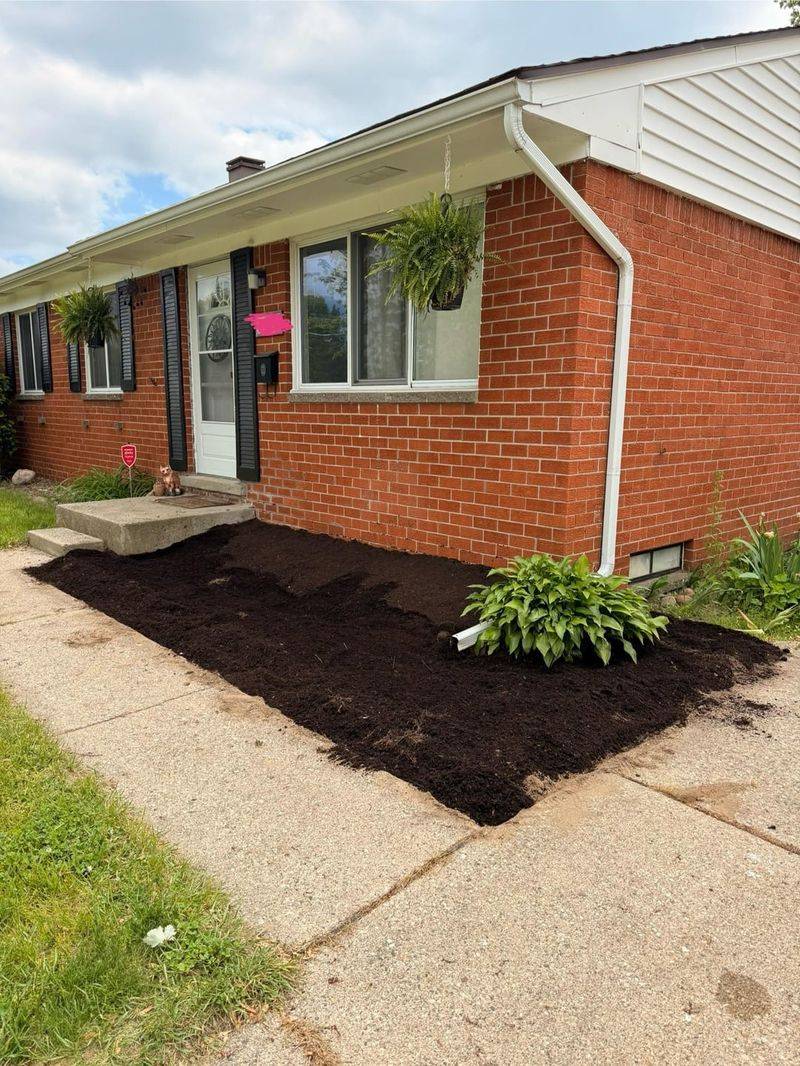
Roof water is a big deal in Michigan.
During a one-inch rainfall event, a modest 1,500-square-foot roof can shed nearly 1,000 gallons of water.
All of that water funnels down through gutters and exits at your downspouts, often right at the edge of your foundation planting bed.
If a downspout empties into or just behind your berm bed, all the careful grading you did can be overwhelmed in minutes.
The volume of roof runoff coming off a downspout is far greater than what the soil can absorb quickly. That water has to go somewhere, and without an extension, it often ends up pooling at the foundation.
Adding a downspout extension is a straightforward fix.
Flexible plastic extenders are inexpensive and connect directly to the existing downspout. Direct the extension so it deposits water at least four to six feet beyond the edge of your planting bed, ideally onto lawn or a gravel splash zone.
Michigan State University Extension stormwater resources note that extending downspouts away from the foundation is one of the highest-impact steps a homeowner can take to reduce basement moisture.
Check each downspout every spring to make sure extensions are still connected and aimed properly.
A disconnected extender after a hard winter freeze can undo months of careful drainage work around your foundation bed.
Use Plants That Hold Soil

Roots are your best underground allies in a berm bed.
The right plants anchor the mounded soil so it does not wash away during heavy Michigan downpours.
A berm without good plant cover can erode quickly, losing its shape and sending loose soil toward the foundation instead of protecting it.
Deep-rooted native perennials are ideal for this job.
Plants like coneflowers, black-eyed Susans, wild bergamot, and native ornamental grasses such as little bluestem develop strong root systems that hold soil firmly in place.
Their roots reach down several inches to a foot or more, binding the berm soil together through the freeze-thaw cycles that are common in Michigan winters.
Low-growing shrubs with fibrous root systems, like native spirea or native viburnums kept at a safe distance from the wall, can anchor the outer edges of the berm.
Groundcovers like creeping phlox or native sedges fill gaps between taller plants and prevent bare spots where erosion tends to start.
Avoid planting anything with aggressive spreading roots directly against the foundation, since those roots can eventually work into small cracks.
Mulching between plants helps hold soil while new root systems get established in the first growing season.
By the second year, a well-planted berm holds its shape through even the wettest Michigan spring without much intervention from you.
Skip Water Loving Shrubs Nearby
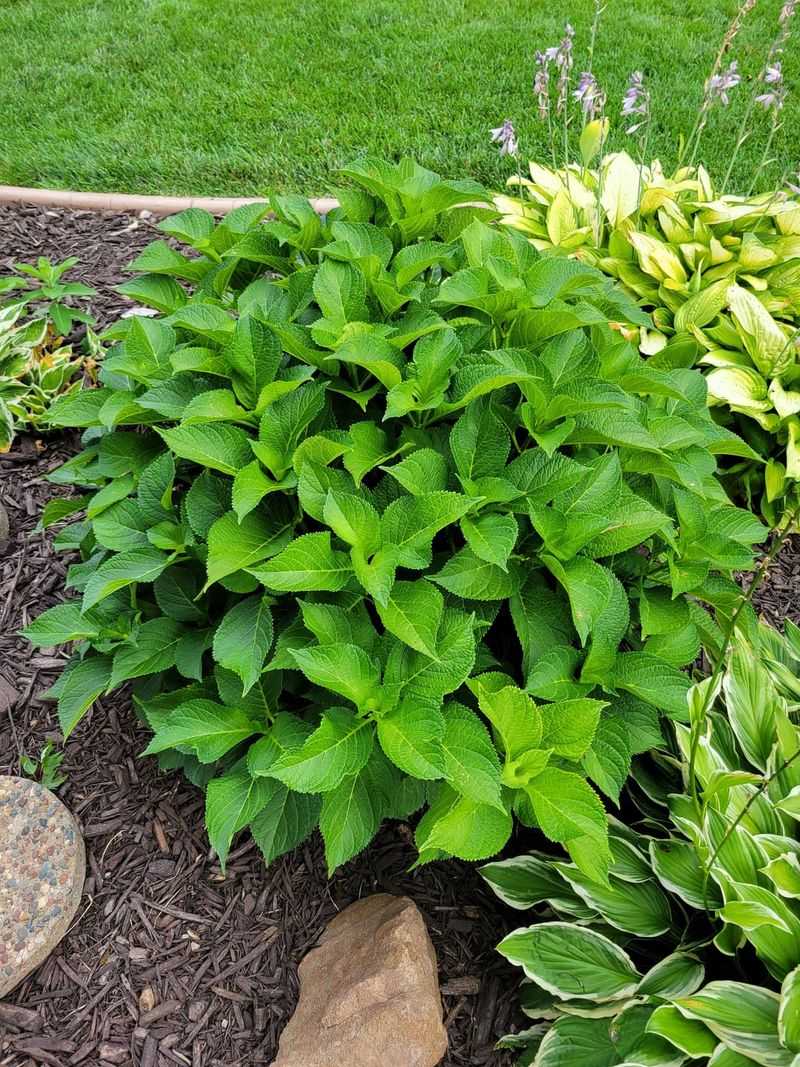
Some of the most popular shrubs in Michigan yards are also the thirstiest.
Big-leaf hydrangeas, arborvitae, and yews planted right against the foundation look great at the nursery but create a watering habit that works against your drainage goals.
Keeping these plants healthy requires regular watering, and all that extra water applied right at the foundation edge adds up fast.
Think about what happens every time a sprinkler or a hose soaks a thirsty shrub planted three feet from the basement wall.
The water that the roots do not absorb immediately soaks into the surrounding soil and travels toward the foundation.
Over a whole summer, repeated watering sessions near the house can contribute to the same moisture problems you were trying to prevent with your grading and berm work.
Choose plants for the foundation bed that tolerate Michigan’s natural rainfall without needing extra watering once established.
Native shrubs like native ninebark, native serviceberry kept trimmed, or compact native viburnums are tougher and far less demanding once their roots settle in.
Drought-tolerant perennials also reduce the need to run a hose near the house.
Placing any plants that need regular watering farther out in the yard, away from the foundation zone, keeps your moisture management plan working the way it should.
A simple rule to remember: if a plant needs a drink every week in summer, it probably does not belong in the first ten feet next to your house.