The One August Lawn Task California Homeowners Skip That They Always Regret
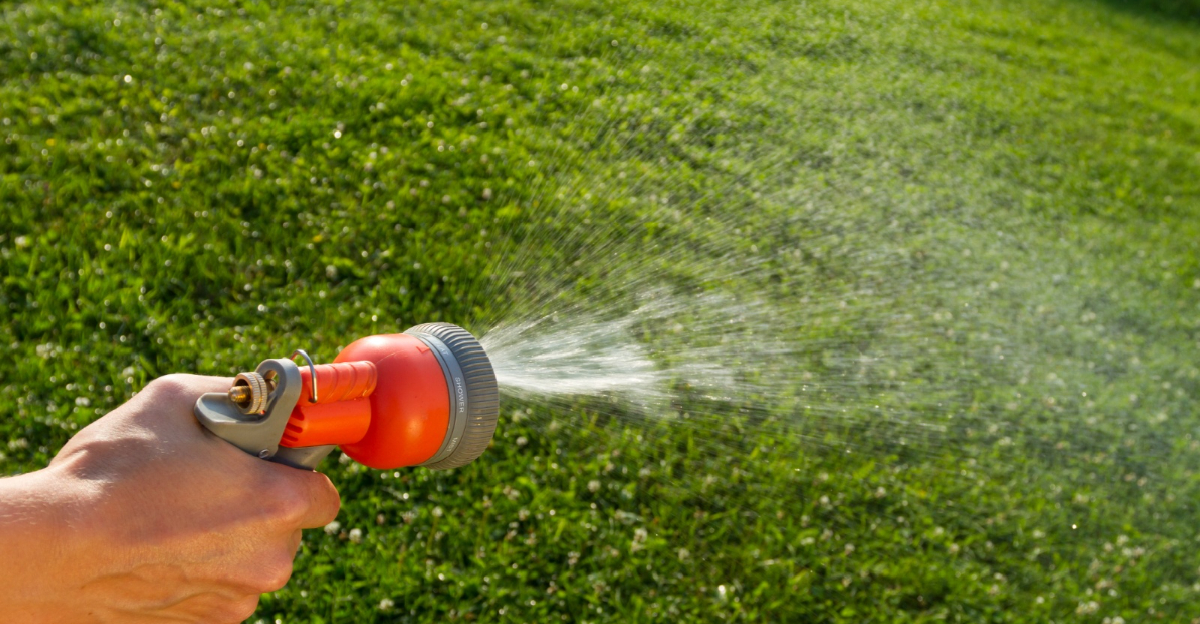
Heat exposes every weakness hiding beneath your lawn. California soil turns hostile the instant August lands.
Your instinct says water more, yet instinct misleads you. Frequent sprinkles feel responsible while quietly weakening your roots.
Shallow roots creep toward the surface chasing quick moisture. Depth matters more than frequency will.
Grass blades stay green while roots grow fragile underneath. Summer heat waves across California reveal that fragility fast.
Surface roots struggle instantly when temperatures rise without mercy. Established roots hold on; shallow ones simply cannot compete.
Roots need encouragement to travel downward, not upward. Every watering choice guides your lawn toward strength or struggle.
Smart adjustments now prevent difficult surprises later this season. Timing, depth, and restraint separate thriving lawns from struggling ones.
Nothing about this problem ever stays still for long. Momentum builds daily, whether your roots deepen or weaken. You cannot afford to look away from what comes next.
The Hidden Cost Of Skipping Deep Watering In August

Skipping deep watering in August feels harmless at first glance. But the real damage happens underground, where roots become undersized and weak.
Shallow roots cannot reach the cooler, moist soil layers deeper down. They stay stuck near the surface, where August heat significantly warms the top inch of dirt.
When roots lack depth, the whole lawn becomes fragile fast. A single missed watering day can cause visible grass decline that takes weeks to fix.
The August lawn mistake nearly every California homeowner makes begins right here. Light sprinkling feels productive, but it only wets the top layer, which evaporates before noon anyway.
Water that evaporates before roots absorb it is wasted effort and wasted money. Your sprinkler runs, your bill climbs, and your lawn still struggles because the moisture never reached where it was needed.
Deep watering pushes moisture six to eight inches below the surface. That depth is where strong, heat-resistant roots live and thrive during the harshest summer months.
Lawns with deep roots stay green longer between watering sessions. They also recover faster after heat spikes because they have a reservoir of moisture to pull from.
Skipping deep watering is not just a lawn care shortcut. It is a costly risk that often leads to bare patches, higher water bills, and a frustrating fall recovery season ahead.
Why Homeowners Default To Light, Frequent Watering
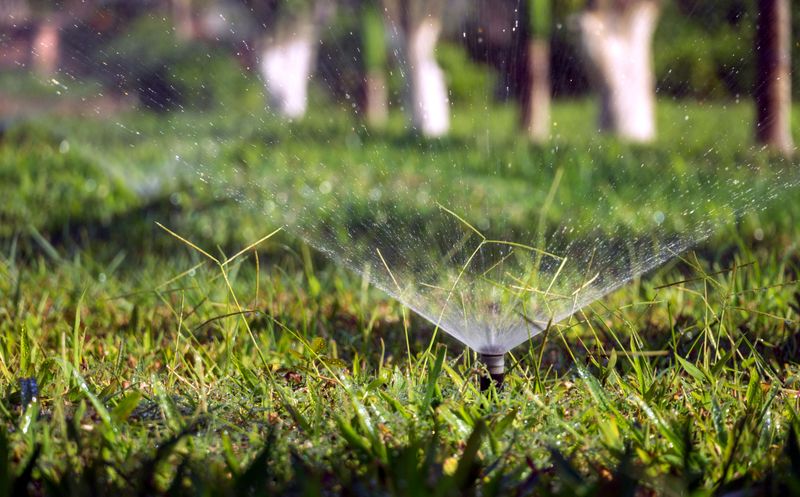
Most people water the way they were taught growing up. A quick sprinkle every morning feels like responsible lawn care, and it looks like it is working at first.
The grass stays green for a while, which reinforces the habit. Nobody questions a routine that appears to be delivering results on the surface.
Busy schedules also play a huge role here. Setting a sprinkler for fifteen minutes each morning is easy, automatic, and forgettable in the best possible way.
But convenience is not the same as effectiveness. Light, frequent watering trains grass roots to stay shallow because moisture is always available just an inch or two down.
Your California Garden Changes Every Week. Your Plan Should Too.
Gardening in California changes quickly throughout the season. Every Friday you’ll receive a simple weekly plan showing exactly what to plant, prune, fertilize, harvest, and protect so you never miss the right timing.
Roots follow water. When water never goes deep, roots never go deep either, and that is a setup for failure during peak August heat.
There is also a psychological factor at work. Seeing wet soil on the surface after watering feels satisfying, even when the moisture has not penetrated far enough to matter.
Homeowners also fear overwatering, so they pull back too much. That fear is valid, but the solution is not less water. The solution is smarter water delivery, less often but much deeper.
Breaking the light-watering habit requires a mindset shift. Once you understand that roots chase depth, not frequency, the whole approach to lawn care in August starts to make a lot more sense.
Signs Your Lawn’s Roots Are Dangerously Shallow
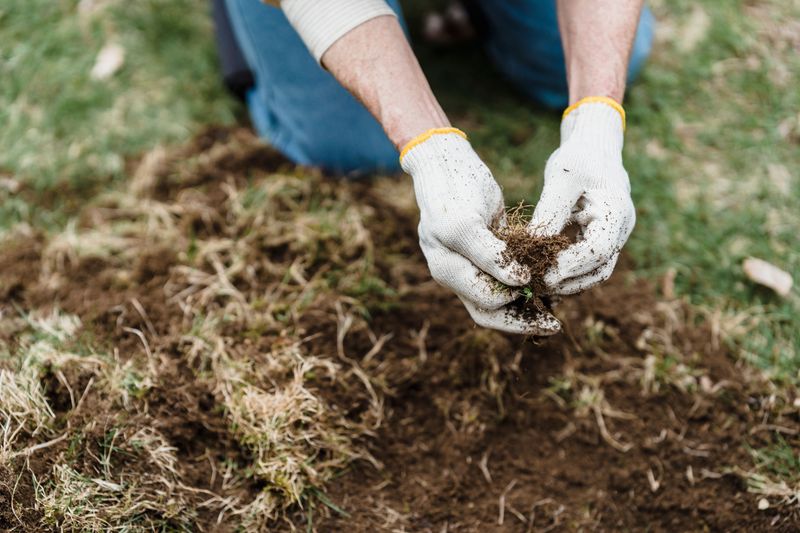
Your lawn is already sending signals, and most homeowners just do not know how to read them. Catching these signs early can save your grass before August does its worst.
One of the clearest signs is footprint persistence. Walk across your lawn and look back. If your footprints stay visible for more than a few seconds, the grass lacks the root strength to spring back.
Wilting by midday is another red flag. Grass with shallow roots runs out of moisture fast because it cannot pull water from deeper, cooler soil layers below the surface.
Patches of blue-gray color appearing in the afternoon heat are a stress signal most homeowners mistake for a watering schedule issue. It is actually a root depth issue hiding in plain sight.
Try the screwdriver test for a fast, reliable check. Push a standard screwdriver into your lawn after watering.
If it only goes two to three inches before hitting resistance, your soil is not absorbing water deeply enough. Thatch buildup can also point to shallow roots.
A thick layer of decomposing grass material near the soil surface blocks water from penetrating and forces roots to cluster at the top.
Bare spots that appear suddenly during a heat wave often signal root systems that simply gave up. Shallow roots have no buffer when temperatures spike above normal levels.
Recognizing these signs early gives you the chance to act before the August lawn mistake becomes significant lawn damage requiring repairs.
The Right Way To Water Your Lawn Deeply
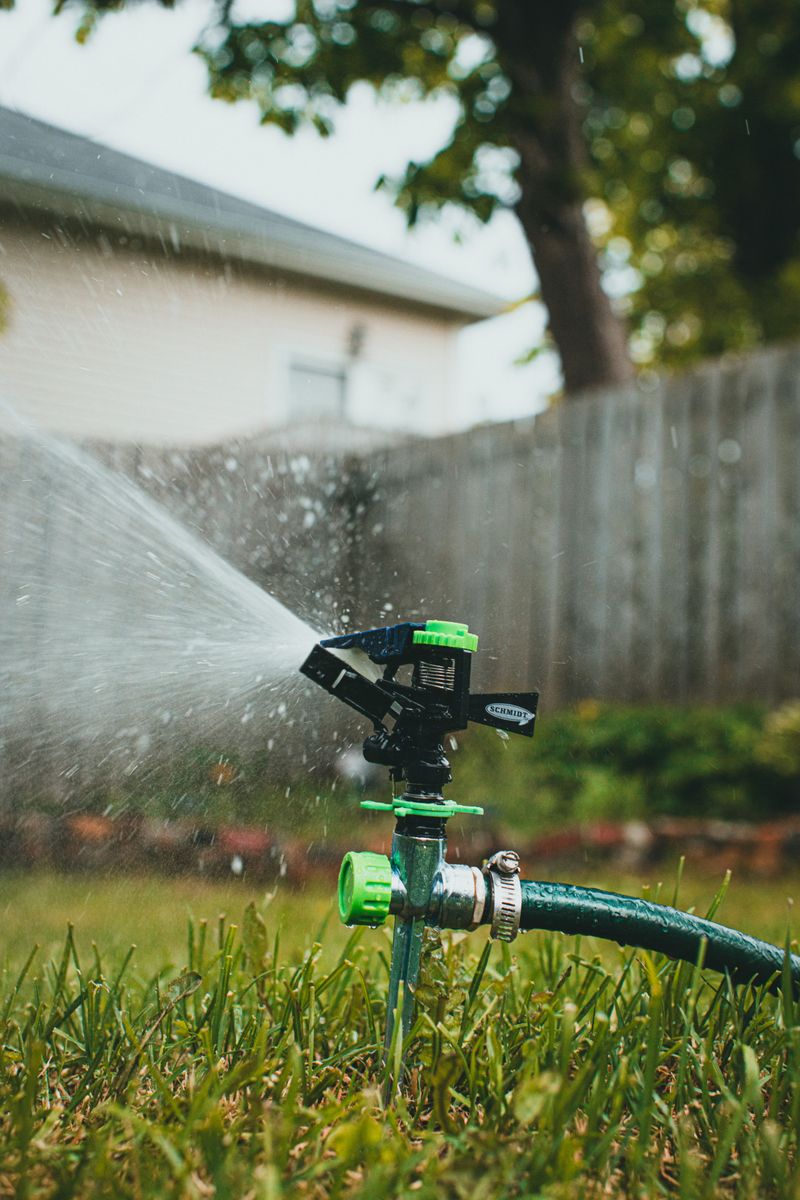
Deep watering sounds complicated, but the process is straightforward once you know the steps. Getting it right the first time makes every session after that much easier.
Start by watering one zone until the soil begins to show signs of runoff, then stop and let it soak in. Letting water soak in before adding more prevents runoff and gives the soil time to absorb properly.
After the soak, move to the next zone and repeat the process. This cycle-and-soak method is one of the most effective ways to push moisture deep into compacted soil.
Aeration is a powerful partner to deep watering. Poking small holes in the lawn with an aerator tool allows water to bypass compacted surface layers and reach the root zone faster.
Check your soil after each deep watering session using the screwdriver test. You want the tool to slide in six to eight inches with minimal resistance, which confirms proper penetration.
Adjust your sprinkler heads to deliver water slowly and evenly. Fast-spray heads create runoff before absorption can happen, which wastes water and leaves the lower soil layers bone dry.
Applying a thin layer of compost to your lawn helps the soil hold moisture longer between deep watering sessions. That moisture retention means your deep watering sessions stay effective for more days between cycles.
Following these steps consistently through August builds the kind of root system that makes the August lawn mistake a thing of the past, and your lawn a genuine point of pride.
When And How Often To Water For Best Results
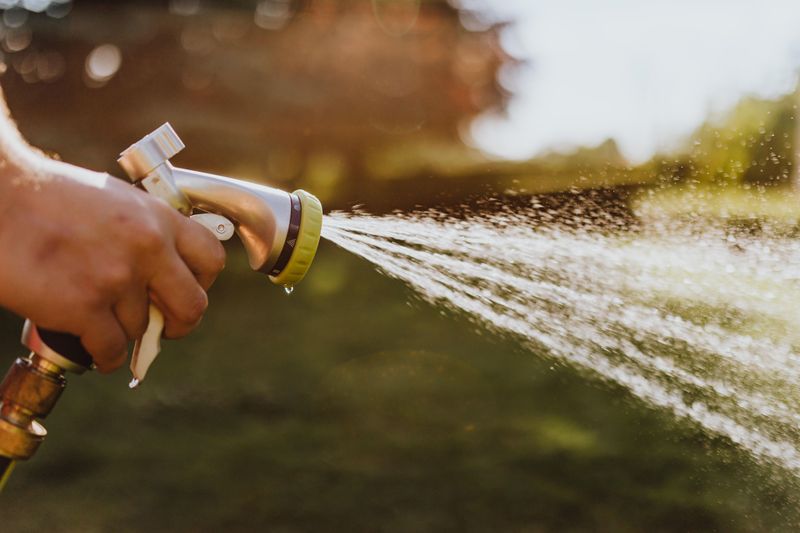
Timing your watering sessions can be just as powerful as the depth you achieve. Getting both right is the combination that transforms struggling August grass into a resilient lawn.
Early morning is the gold standard for lawn watering. Watering between five and nine in the morning gives moisture time to soak in before the sun starts pulling it back out.
Evening watering is tempting but risky. Wet grass sitting overnight increases the risk of fungal growth, which adds a whole new problem to an already stressed lawn.
Midday watering wastes water through evaporation before it ever reaches the roots. The sun is simply too strong during peak hours to let moisture penetrate the way it needs to.
For deep watering to work, you need to cut back on frequency. Watering two to three times per week, deeply each time, beats watering lightly every single day without exception.
Warm-season grasses like Bermuda and zoysia, common across California lawns, can handle three deep sessions per week in August without issue. Cool-season grasses may need slightly more frequent attention during peak heat.
Watch the weather and adjust your schedule accordingly. A stretch of overcast days or a rare summer rain is your signal to skip a session and let natural moisture do the work.
Mastering the when and how often is the final piece that turns the August lawn mistake into a distant memory and your yard into the envy of the neighborhood.
Setting Your Lawn Up For A Strong Fall Recovery
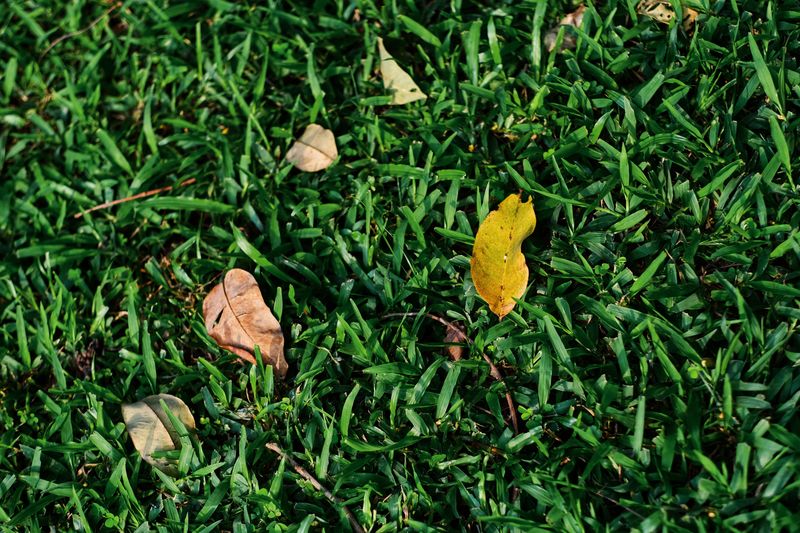
August is not just about surviving the heat. It is about setting the stage for a fall lawn that looks genuinely impressive when the cooler weather finally arrives.
Lawns that received consistent deep watering through summer enter fall with root systems that are already conditioned for growth. Those roots spread faster and anchor more firmly when temperatures drop.
September brings relief from the intense heat, and a well-rooted lawn jumps on that opportunity immediately. Grass that struggled through summer on shallow roots often misses that recovery window entirely.
Overseeding in early fall is far more successful when the soil below is already loose and moist from months of proper deep watering. Seeds germinate faster and establish more evenly across the yard.
Fertilizing in fall also lands better on a lawn with healthy roots. Nutrients can travel down to where they are needed most instead of sitting near the surface and washing away.
Reducing watering frequency slightly as September cools down helps the lawn transition naturally. Grass that is already deep-rooted handles that adjustment without showing any visible signs of stress.
Avoiding the August lawn mistake this season means you will spend far less time and money on fall repairs. Your lawn may recover faster than lawns without deep roots.
A little discipline in August creates a lawn that carries momentum straight into fall, looking healthy, feeling resilient, and rewarding the choices made during a demanding month.