Control Squash Bugs Fast With These Simple Steps To Protect Your Nebraska Harvest
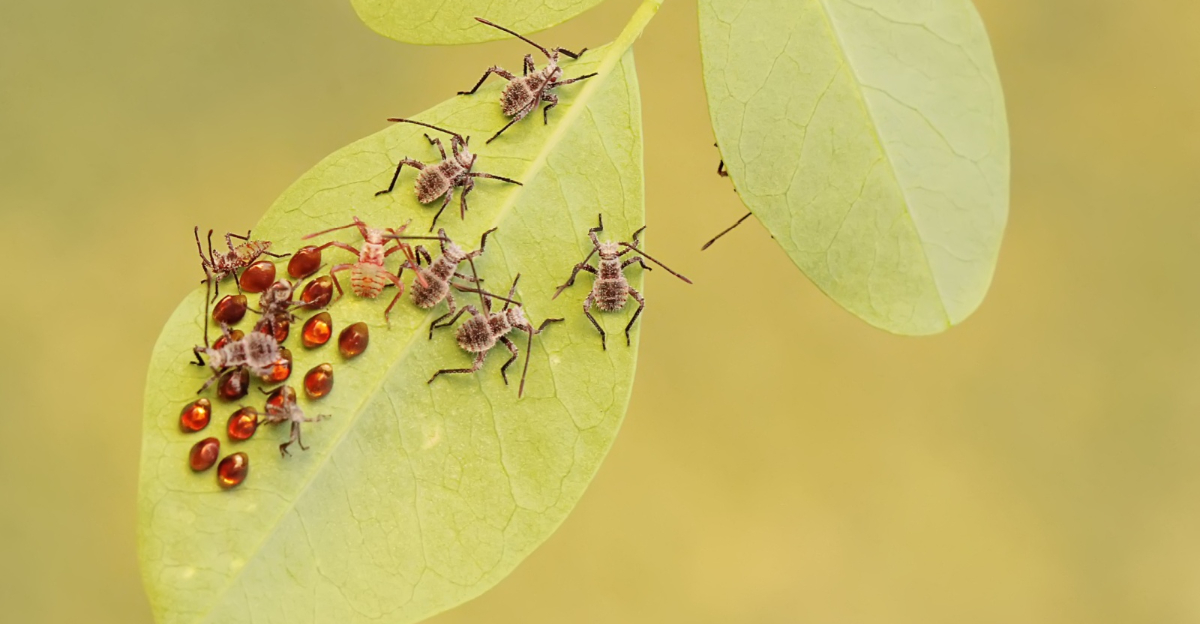
A hidden egg cluster can end your squash season overnight. Nebraska heat turns your garden into fertile ground for them.
Nymphs hatch within days and spread across your vines fast. Leaves on your plants yellow, then wilt completely.
Adults hide beneath your foliage, unseen until trouble spreads. Ignoring a cluster invites hundreds into your garden fast. Gardeners across Nebraska lose entire patches every season.
Speed matters more than anything else in your garden. Waiting even a day can cost you your harvest.
Eggs multiply fast, and nymphs mature within days. Confidence and quick action can protect your entire harvest. Nothing about this pest waits around. Every hour adds to your challenge.
Patience becomes risky once these pests settle in. Your harvest depends entirely on what you do next.
Understanding their behavior now shapes your entire outcome. You cannot afford to wait another single moment before this challenge fully takes hold.
1. Inspect Leaves Daily For Egg Clusters
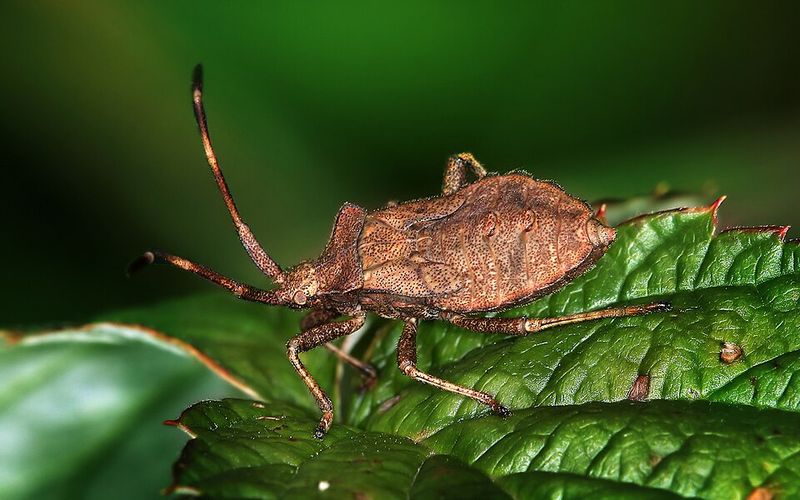
Flip every leaf and look hard. Squash bug eggs are small, bronze-colored, and arranged in tidy clusters on the undersides of leaves. Spotting them early is your single most powerful move against an infestation.
Most gardeners miss eggs because they only glance at the tops of leaves. The undersides are where squash bugs prefer to lay, tucked away from sunlight and predators. Make it a morning habit to check every leaf.
Start near the base of the plant and work outward. Eggs are often found where the leaf meets the stem, a favorite hiding spot. A flashlight helps on cloudy days when shadows make them harder to spot.
Consistent daily checks give you a serious advantage. Squash bugs can lay eggs for weeks, so one missed inspection can set you back fast. Treat each check like a scouting mission with real stakes on the line.
The earlier you catch egg clusters, the fewer nymphs you deal with later. Young nymphs are far harder to manage once they scatter across the plant and spread. Catching eggs before they hatch keeps your whole garden safer and stronger.
Even five minutes of focused inspection each morning can change your entire season for the better.
Keep a small container nearby to collect what you find during each check. Your harvest depends entirely on how sharp your eyes stay all summer long.
2. Remove Eggs By Hand Immediately
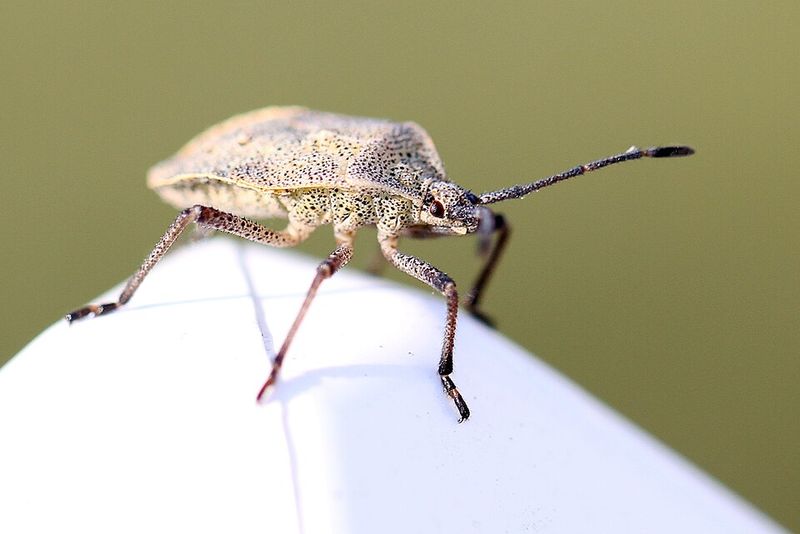
Once you find those eggs, act fast. Every cluster you remove is dozens of future pests you will never have to fight. Speed matters more than perfection here.
The easiest removal method is a strip of duct tape or packing tape. Press it firmly against the egg cluster and peel it away in one smooth motion. The eggs stick right to the tape without needing any chemicals.
You can also scrape eggs off with a butter knife or your fingernail into a container of soapy water. The soap breaks the surface tension and prevents any eggs from surviving the process. Seal the container before tossing it in the trash.
Your Nebraska Garden Changes Every Week. Your Plan Should Too.
Gardening in Nebraska changes quickly throughout the season. Every Friday you’ll receive a simple weekly plan showing exactly what to plant, prune, fertilize, harvest, and protect so you never miss the right timing.
Some gardeners prefer to cut off the entire leaf section carrying the eggs. This works well when clusters are large or too embedded to scrape cleanly away. Just make sure the leaf section goes into a sealed bag immediately.
Never leave removed eggs on the ground near your Nebraska garden. Squash bugs are resilient, and some eggs may still hatch even after being detached from the plant. Distance from your plants is always the goal.
Removing eggs by hand costs nothing and requires no special equipment to get started. It is one of the most effective organic strategies available to home gardeners this season.
Make it part of your daily routine and watch your pest pressure drop significantly over time.
3. Remove Adult Bugs Whenever Spotted
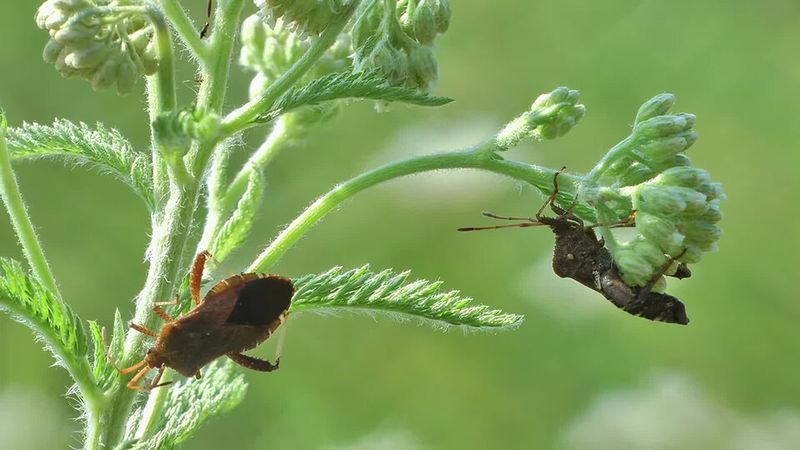
Squash bugs are fast, flat, and frustrating to catch. But when you spot one, do not hesitate for even a second. Immediate action prevents them from escaping and reproducing further.
Adult squash bugs release a foul odor when threatened, a common defense trait among many true bugs. That smell is your signal that you found one. Gloves make the job less unpleasant and protect your skin from irritation.
Press them firmly between two rocks or against a hard surface to dispatch them quickly. Some gardeners drop them into a jar of soapy water instead. Both methods are effective and require no special products.
Early morning is the best time to hunt adults. Squash bugs are slower when temperatures are cool and are less likely to flee. A quick walk through your garden at sunrise can catch several before they warm up.
Focus especially around the base of plants and under leaf debris. Adults love to hide in dark, sheltered spots during the heat of the day. Disturbing those areas forces them into the open where you can act.
Staying consistent with manual removal keeps populations from surging out of control. One adult female can lay hundreds of eggs over her lifetime.
Taking out adults early in the season means far fewer eggs to deal with as summer rolls on, protecting your Nebraska garden from a full-scale takeover.
4. Place Boards Nearby To Trap Them Overnight
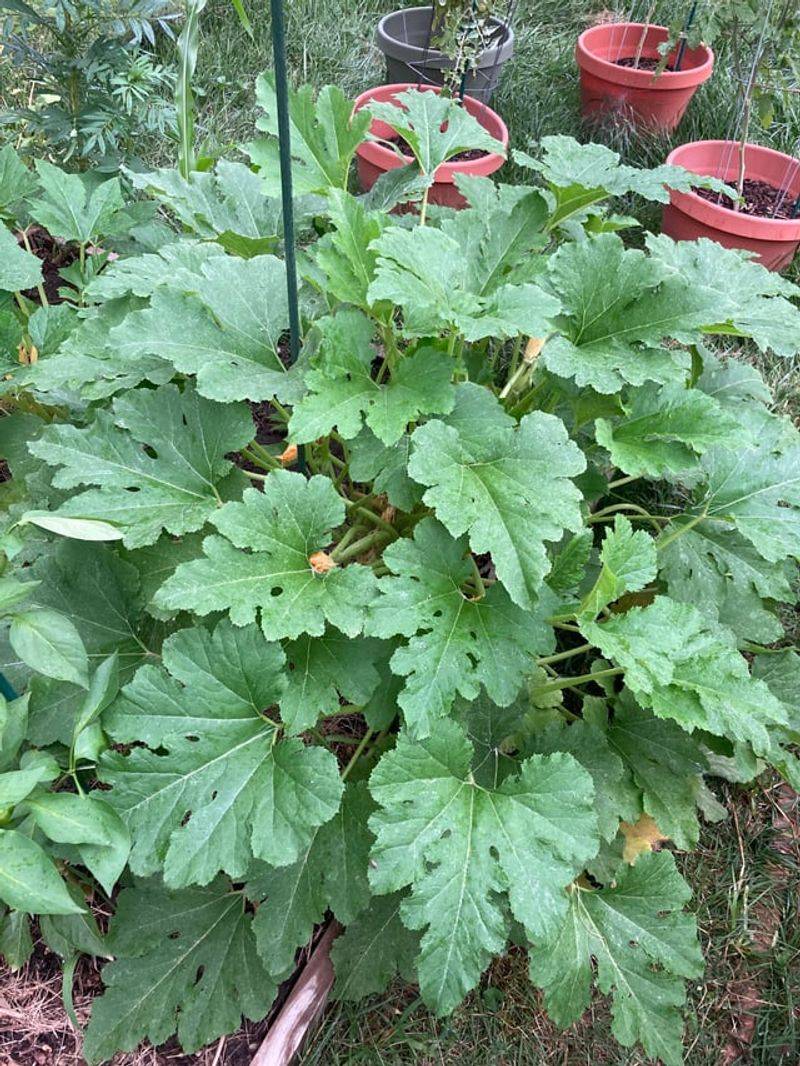
Squash bugs love dark, damp hiding spots. You can use that against them with a remarkably simple trap. Lay flat boards, cardboard, or burlap near your squash plants before sundown.
Overnight, adult bugs crawl under these materials seeking shelter from the cooler air. By morning, dozens may be hiding right under your trap. You just need to flip it over and collect them all.
Bring a container of soapy water with you each morning when you check the boards. Knock the bugs directly into the water for a quick and chemical-free solution. This method is surprisingly effective and costs almost nothing to set up.
Old wooden planks work especially well because they hold moisture and warmth. Squash bugs are drawn to exactly those conditions when temperatures drop at night. The trap mimics the natural hiding spots they would seek out anyway.
Reset the trap each evening for consistent results throughout the season. Rotate the location slightly every few days to cover more ground. Moving traps also prevents the bugs from learning to avoid specific spots over time.
This strategy works best when combined with daily egg removal and manual pest control. No single method controls squash bugs entirely on its own.
Layering multiple approaches gives you the best chance of protecting your harvest before the bugs become fully established in your garden.
5. Apply Insecticidal Soap Directly On Nymphs
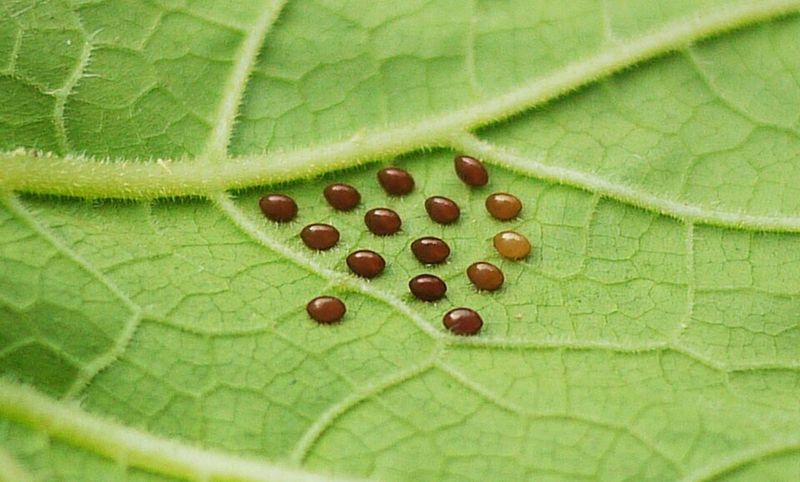
Young squash bug nymphs are soft, green, and vulnerable. That is exactly when insecticidal soap works best against them. Timing your spray during the nymph stage makes all the difference.
Insecticidal soap works by breaking down the outer coating of soft-bodied insects. Direct contact is essential since the soap must touch the bug to work. Spraying leaves where bugs are not present does very little.
Mix a ready-made insecticidal soap solution according to label instructions before heading out. Apply it in the early morning or late evening to avoid harming beneficial insects. Midday application in hot sun can also burn plant leaves.
Focus your spray on the undersides of leaves where nymphs cluster together. They tend to stay grouped in early stages, making them easier to target. Once they scatter as they grow, treatment becomes much harder.
Reapply every few days, especially after rain washes the soap away. Consistency matters more than the strength of any single application. A light, steady approach beats one heavy spray followed by days of neglect.
Insecticidal soap is generally safe for most vegetables and breaks down quickly in the environment, though it should be applied carefully to avoid affecting beneficial insects.
For gardeners who prefer to control squash bugs without harsh chemicals, this is one of the most reliable tools in your entire pest management plan.
6. Introduce Beneficial Insects Like Tachinid Flies
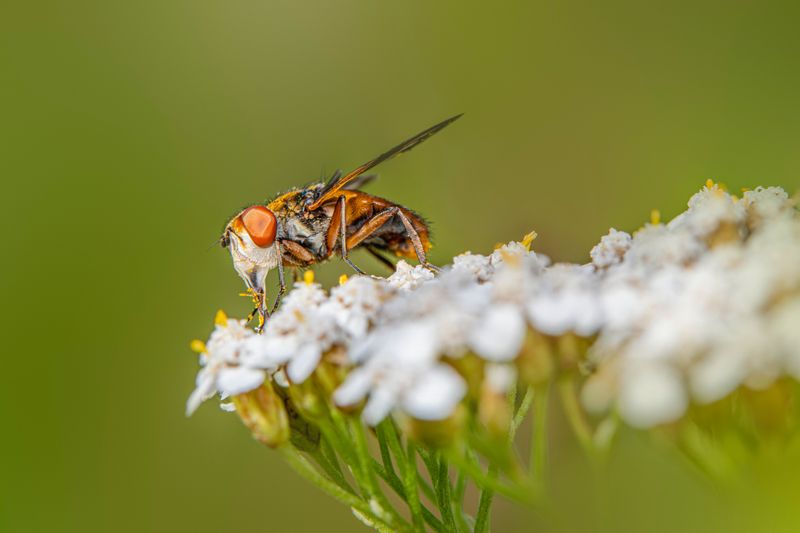
Tachinid flies are among nature’s most effective natural predators of squash bugs. These bristly, housefly-sized insects are natural parasites of squash bugs.
Encouraging them in your garden is a long-term strategy worth every effort. Tachinid flies lay their eggs on or near squash bugs. When the larvae hatch, they parasitize the host bug from the inside out.
This process benefits your garden by providing free, ongoing pest management naturally. Attract tachinid flies by planting their favorite nectar sources nearby. Dill, cilantro, fennel, and sweet alyssum are all excellent choices.
These flowering plants act like a welcome sign for beneficial insects passing through your yard.
Avoid broad-spectrum pesticides that wipe out everything indiscriminately in your garden. Many beneficial insects are more sensitive to chemicals than the pests you are targeting.
Protecting beneficial insects is just as important as managing harmful ones. Tachinid fly populations build naturally over time when habitat is provided consistently.
You may not see dramatic results in your first season, but the investment pays off. Within a couple of seasons, your Nebraska garden can have a healthy population working for you.
Pairing beneficial insect attraction with other manual control methods creates a balanced system. No single strategy beats squash bugs alone without support.
Building a self-sustaining garden ecosystem is the smartest long-term approach you can take.
7. Rotate Crops To Disrupt Their Life Cycle
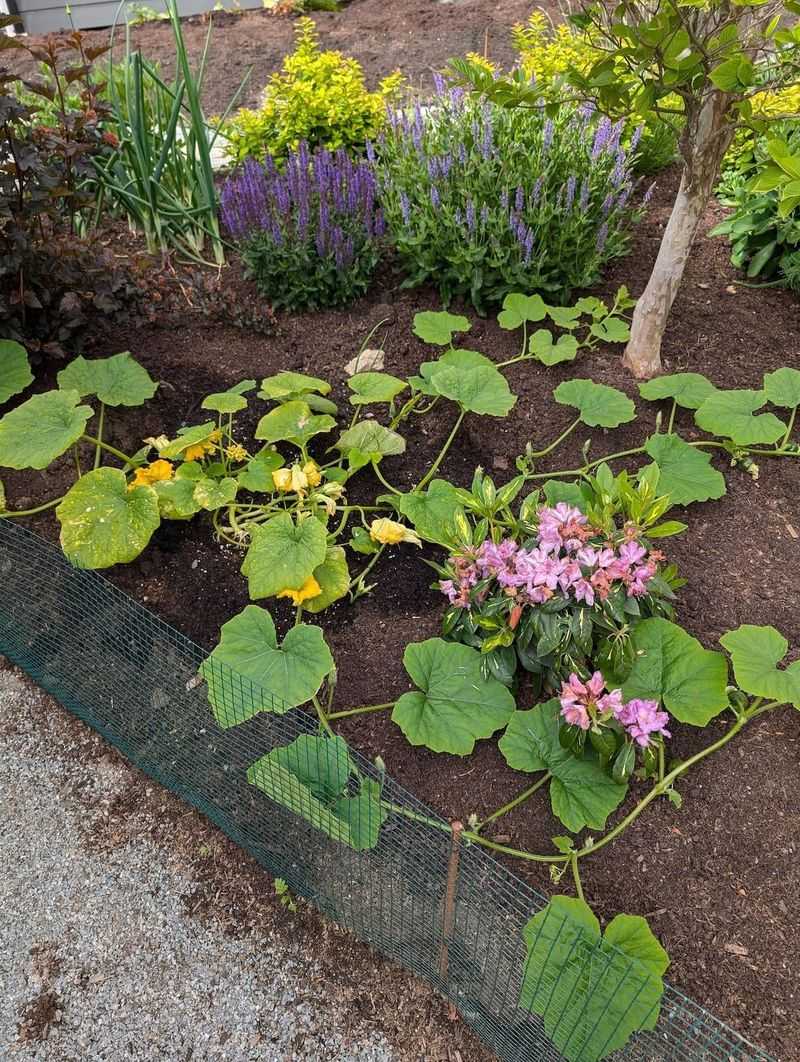
Squash bugs are creatures of habit. They overwinter in the same spots year after year and emerge expecting to find squash plants right where they left them.
Crop rotation breaks that expectation completely. Moving your squash to a different bed each season forces surviving bugs to search for new food. Many never find it in time to reproduce successfully.
That search costs them energy and time they cannot afford. Plan a three to four year rotation for best results. Avoid planting any cucurbit family crops, including cucumbers and pumpkins, in the same location consecutively.
Squash bugs target the entire cucurbit family, not just squash alone. Draw a simple map of your Nebraska garden beds each spring to track what grew where. It does not need to be fancy, just accurate enough to guide your planting decisions.
A basic sketch on paper is all you need. Rotating crops also improves soil health by preventing nutrient depletion in one area. Healthy soil grows stronger plants that resist pest pressure more effectively.
Two benefits from one smart decision is a gardener’s dream. Combine rotation with fall cleanup for maximum disruption to squash bug populations. Bugs that cannot find their overwintering spots struggle to survive the winter.
Controlling squash bugs through rotation is one of the most effective preventive steps you can take before next season begins.
8. Clear Garden Debris Where They Overwinter
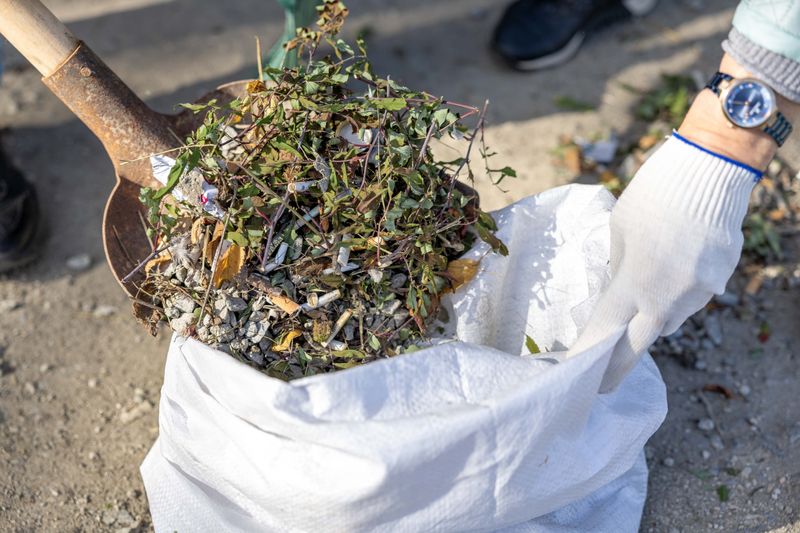
When autumn arrives, squash bugs do not disappear. They hunker down under fallen leaves, old vines, and garden clutter waiting for spring.
Removing that shelter is one of the most impactful things you can do all year. Start your fall cleanup as soon as your squash plants finish producing. Pull out all spent vines and stems and bag them immediately.
Do not compost squash debris if you suspect pest activity in it. Rake away fallen leaves from around your Nebraska garden beds thoroughly. Squash bugs hide in thick leaf layers surprisingly well through cold winters.
Even a modest pile of debris can shelter dozens of adults until March. Turn your soil after clearing the surface debris. Exposing hidden bugs and eggs to cold air and birds speeds up natural population reduction.
A hard frost does the rest of the work for you. Store wooden boards, bricks, and garden tools away from beds during winter. These objects create the exact dark, protected spaces squash bugs seek out.
Removing those spots leaves them with nowhere safe to wait out the cold season. A clean garden in fall means fewer bugs emerging in spring, plain and simple. Controlling squash bugs starts long before you plant your first seed.
Time spent clearing debris in October can significantly reduce pest pressure by the time your plants emerge in June.