Do This To Ohio Lawn Bare Spots Before July Ends Or They Become Weed Patches
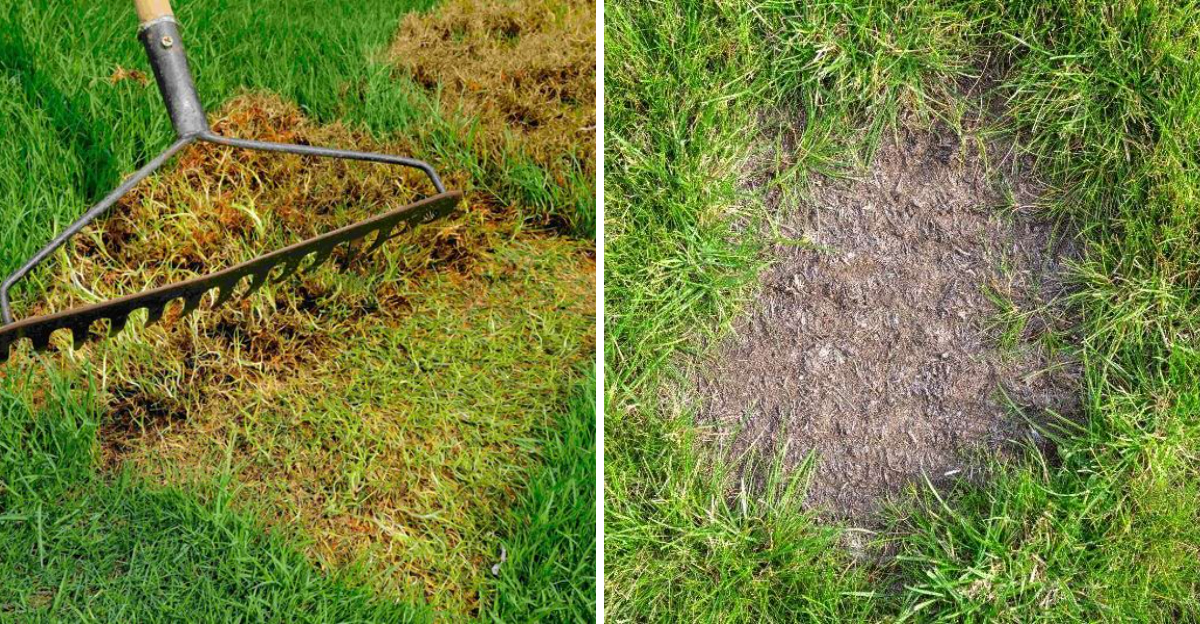
Bare spots in an Ohio lawn have a shelf life, and it is shorter than most homeowners realize. Leave one unaddressed through the end of July and the decision about what grows there stops being yours.
Weeds make that call fast, they make it permanently, and reversing it takes significantly more effort than filling the spot ever would have. July is the last comfortable window for addressing bare spots before the season tips in the wrong direction.
The soil is warm, conditions support establishment, and grass planted now has exactly enough time to root before fall arrives and closes the window entirely.
Most Ohio homeowners look at a bare spot, think about addressing it, and push it to next weekend until next weekend becomes October.
By then the weeds have been there long enough to feel like residents. This is the week.
The spot is not going to fix itself.
1. Cover Bare Soil Before Weeds Move In
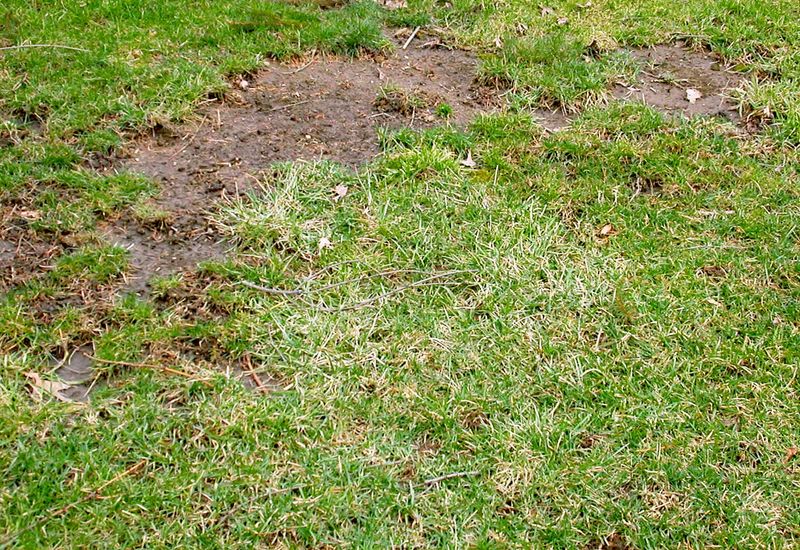
A dusty patch by the sidewalk does not stay empty for long in July. Open soil is essentially an invitation for summer annual weeds.
When turf is already thin, opportunistic plants like crabgrass can begin germinating in just a few days of warm, exposed conditions. OSU Extension turf guidance notes that bare soil warms faster than covered ground, and hotter soil can accelerate weed seed germination during peak summer heat.
The practical fix right now is temporary protection, not permanent repair. A very light layer of clean straw, weed-free compost, or a thin topdressing of suitable material can help stabilize exposed soil.
It can also reduce surface temperature. The goal is to cover the ground without smothering nearby healthy grass blades.
Keep any cover thin enough that existing turf can still breathe and receive light.
Do not expect a light cover to block every weed seed that drifts in from neighboring yards or blows across the lawn. Weed pressure depends on your local seed bank, soil exposure, turf density, and summer weather patterns.
Covering bare spots now is a protective step, not a guarantee. Think of it as buying time so those areas stay manageable until proper late-summer seeding conditions arrive.
Then real turf repair can begin with a much better chance of success.
2. Pull Young Weeds Before They Drop Seed
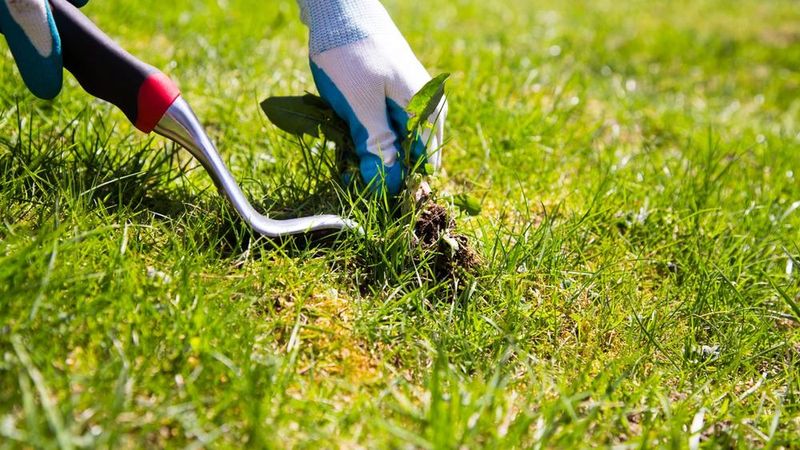
Catching a weed when it is still small makes a real difference. Young weeds have shallower roots and produce no seed yet.
They are far easier to remove cleanly than mature plants that have anchored themselves deep into compacted summer soil.
The window between germination and seed production is shorter than most people expect, especially for fast-growing summer annuals like crabgrass and spurge.
Pulling after rain or after a watering session is the smart move. Softer soil lets you grip the whole root instead of snapping the plant off at the surface.
Leaving roots behind often means the weed regrows, especially with perennial species. Try to disturb the surrounding soil as little as possible while pulling, since fresh soil disturbance can actually bring dormant weed seeds closer to the surface where they germinate more easily.
Your Ohio Garden Changes Every Week. Your Plan Should Too.
Gardening in Ohio changes quickly throughout the season. Every Friday you’ll receive a simple weekly plan showing exactly what to plant, prune, fertilize, harvest, and protect so you never miss the right timing.
Identification matters here because different weeds behave differently. Some summer annuals spread by seed alone, while others can root from stem fragments if pieces are left on the soil.
University extension sources and local OSU Extension offices can help you identify what is growing in your bare spots.
If weed pressure across your lawn is severe or the population is hard to manage by hand, consult extension guidance or a qualified turf professional before considering any chemical control options.
Timely removal now can prevent a much larger problem by the time fall arrives.
3. Rake Withered Grass So Seed Can Touch Soil Later
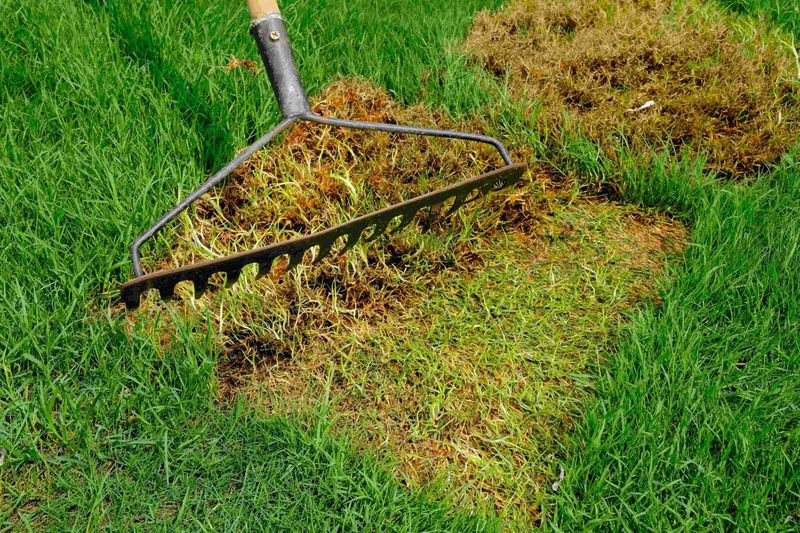
Matted withered grass sitting over a bare spot looks harmless, but it can quietly block future seed from ever reaching the soil surface.
When late-summer seeding time arrives, good seed-to-soil contact is one of the most important factors for successful germination.
Turfgrass guidance consistently points out that seed resting on top of thatch, clippings, or deceased material often dries out quickly and fails to establish properly.
A light raking now can remove loose deceased material, break up matted clippings, and expose the actual soil surface without causing major damage. The key word is light.
Aggressive raking in July heat can tear up surrounding healthy grass, expose more bare soil than you started with, and stress the turf at the worst possible time of year.
Work carefully around the edges of each bare spot and focus on removing only the material that is clearly withered or blocking the surface.
Keep healthy grass intact as much as possible. The surrounding turf provides shade that slightly cools the soil and helps reduce further weed germination near the repair area.
Lawn renovation guidance advises Ohio homeowners to prepare seedbeds gradually rather than all at once during midsummer stress periods.
Think of this raking step as clearing the runway so that when late-summer seeding conditions arrive, your seed has the best possible chance of making firm contact with ready soil and germinating successfully.
4. Loosen Compacted Spots Before Late Summer Seeding
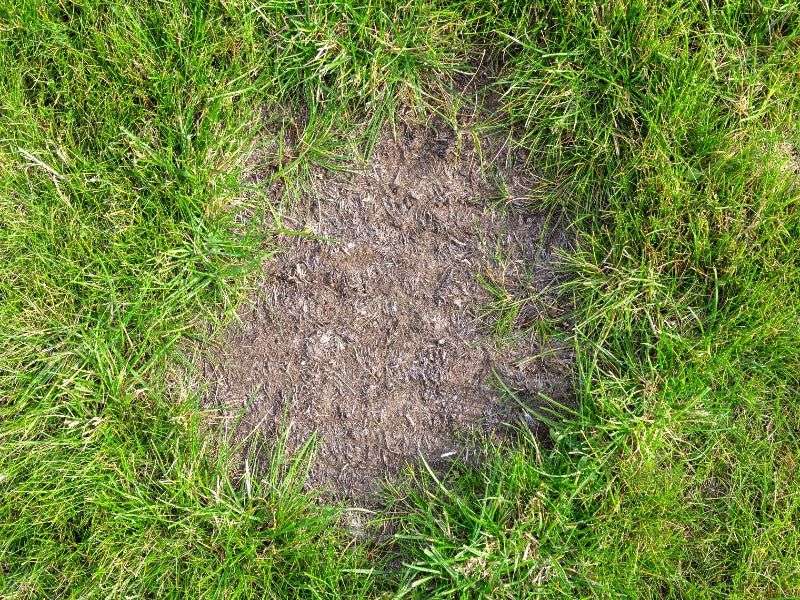
Hard ground tells a story. That worn path across the corner of the yard, the withered strip under the downspout, and the bare oval where the dog runs all share one thing in common.
The soil underneath has been pressed tight over time. Compaction pushes air pockets out of the soil, making it harder for roots to grow, water to move through, and seed to establish after planting.
Gently loosening small compacted areas with a hand cultivator or garden fork can improve conditions without requiring major renovation in midsummer heat. Work the tool a few inches into the soil, being careful near tree roots or underground utilities.
The goal is to create a slightly looser surface that will accept seed and allow root penetration when late-summer seeding begins. Avoid deep tillage in July, which can dry out the soil even faster and stress nearby grass.
If compaction is widespread across your Ohio lawn rather than limited to a few bare spots, plan for core aeration during the late-summer or early fall renovation window instead.
OSU Extension turf guidance recommends aeration as part of a broader lawn renovation approach for heavily compacted lawns.
Addressing small spots now with simple hand tools keeps things manageable. It sets those areas up for better results once cooler weather and improved moisture conditions make seeding practical and productive for your specific site.
5. Topdress Thin Areas Without Burying The Lawn
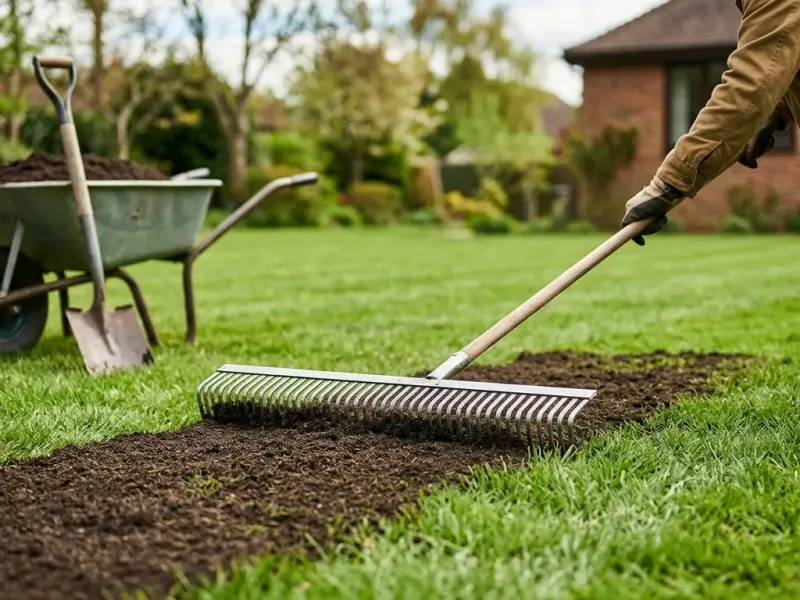
A thin layer of the right material can do a lot of good for a struggling bare spot. Topdressing with a suitable compost or sandy loam mix can help smooth uneven surfaces and add organic matter to depleted soil.
It can also create a slightly more receptive seedbed for late-summer planting. The improvement is gradual, but even small changes in soil texture and nutrient availability can support better grass establishment later.
The trick is restraint. Too much topdressing material applied at once can smother existing grass blades, block light, and create a suffocating layer that actually harms nearby turf.
Lawn renovation guidance advises keeping topdressing applications thin enough that grass blades remain clearly visible above the material. A light pass with a rake or broom helps work the compost into the soil surface rather than letting it pile up on top of the grass.
Topdressing is not a fix for drainage problems, deep ruts, or severe grade issues. If a bare spot sits in a low area that collects standing water after rain, filling it with compost will not solve the underlying drainage challenge.
Address those situations separately with proper grading or drainage improvements. For typical thin or slightly uneven bare spots, a careful topdressing application in late July can prepare the area nicely.
It can do this without creating new problems or setting back the surrounding healthy turf that anchors your Ohio lawn through the rest of summer.
6. Water Lightly To Keep Dusty Spots From Crusting
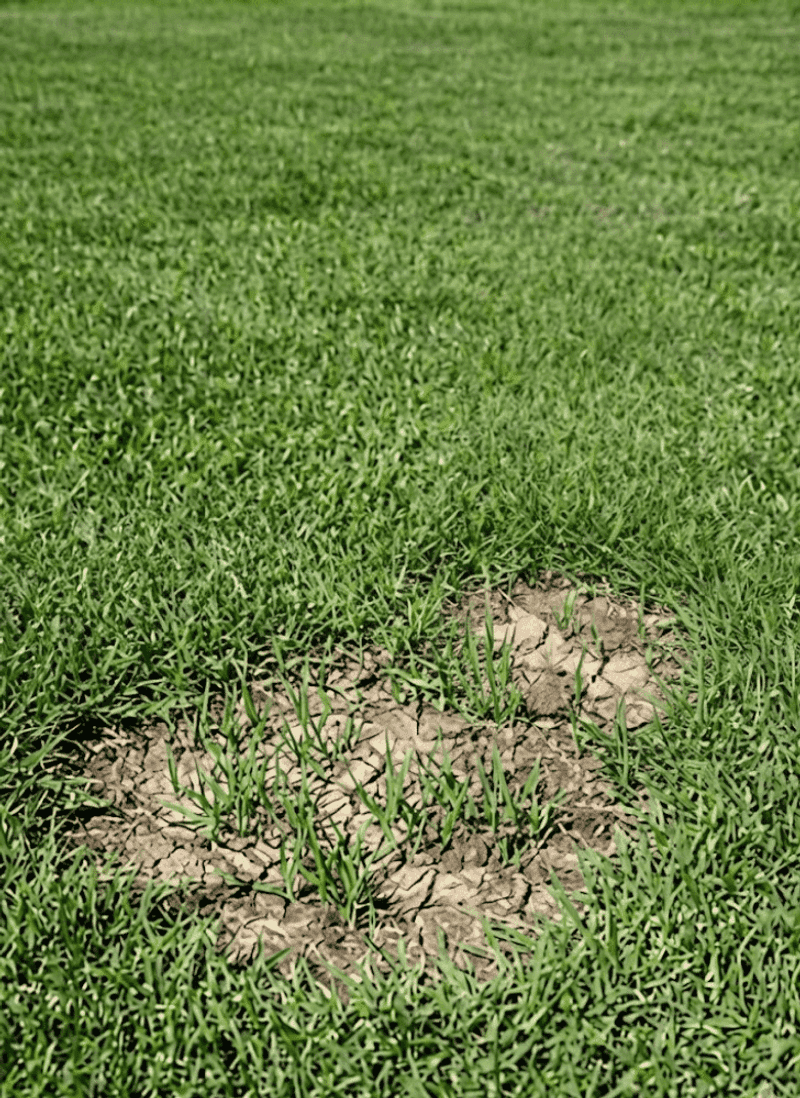
On a hot July afternoon, bare soil can bake into a hard crust that sheds water like pavement. That crusted surface makes future seeding harder because seed cannot make proper contact with the soil, and roots struggle to push through a sealed surface layer.
Keeping bare spots from drying out completely is a practical step that costs very little effort and makes late-summer repair significantly easier.
Light, occasional watering helps settle dust and softens the surface slightly. It also keeps temporary cover material like straw or compost from blowing away on dry, windy days.
The goal here is moisture management, not deep soaking. Bare soil does not need the same watering treatment as established turf.
Overwatering exposed ground can cause runoff, create muddy patches, and actually compact the soil surface further when water hits it hard and fast.
A gentle spray from a hose nozzle a few times a week during dry stretches is usually enough to prevent severe crusting without creating new problems. Watch the soil surface rather than following a rigid schedule.
If the ground looks cracked and powdery, a light drink of water helps. If the soil still feels slightly cool and moist an inch below the surface, hold off.
Weather, shade, soil type, and local conditions all affect how quickly bare spots dry out, so stay flexible and let the actual soil condition guide your watering decisions throughout the rest of July.
7. Wait For Late Summer Before Overseeding Cool Season Grass
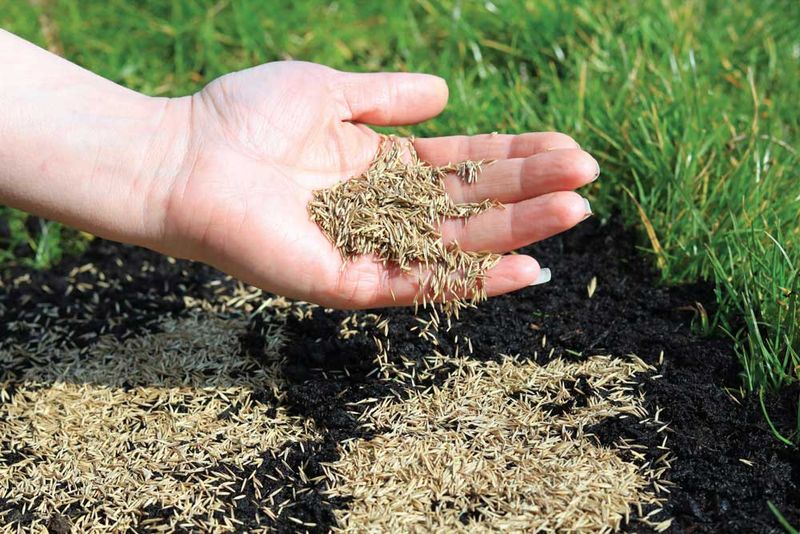
Cool-season grasses like tall fescue, Kentucky bluegrass, and perennial ryegrass thrive in moderate temperatures, and seeding them during the hottest stretch of July is a risky move in most situations. Young seedlings are fragile.
They need consistent moisture and mild enough temperatures to push roots down before stress sets in. When soil surface temperatures are at their peak, new seed can dry out within hours if irrigation is not perfectly timed and consistent.
OSU Extension turf guidance points to late summer as the most favorable window for overseeding cool-season lawns. In many parts of Ohio, that usually means late August through mid-September.
Cooler nights, gradually decreasing day temperatures, and more reliable soil moisture all work in the seed’s favor during that period.
Weed competition also tends to ease as summer annuals begin to slow down and annual weeds approach the end of their growth cycle.
Timing can shift depending on your region, elevation, irrigation setup, and local weather patterns. Northern regions of the state may see favorable seeding conditions arrive a bit earlier than southern regions.
The preparation work you do in July matters because it puts those areas in the best possible condition for seeding. That includes loosening soil, removing debris, and covering bare spots before a good window opens.
Seed chosen to match your site conditions, shade level, and soil type will also give you a stronger start once cooler weather finally arrives and real repair can begin.
8. Seed Fast Once Cooler Weather Opens The Window
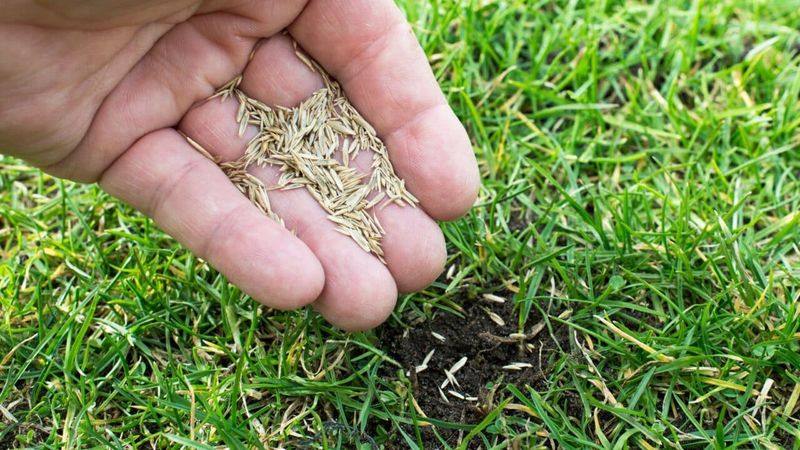
All the July preparation pays off the moment late-summer conditions shift in your favor. When nighttime temperatures begin to drop and the soil surface holds moisture more reliably, that is your signal to move quickly.
Seeding promptly once the window opens gives cool-season grass the longest possible growing season before winter arrives. That gives root systems enough time to establish before cold ground sets in.
Choose a seed mix that fits your specific site. Shaded areas need shade-tolerant varieties.
High-traffic zones benefit from tougher, wear-resistant blends.
Matching seed to your actual conditions rather than grabbing the nearest generic bag makes a meaningful difference in how well new grass fills in and competes with any remaining weed pressure.
Turfgrass guidance recommends using seed from reputable sources with current germination rate information on the label.
After seeding, keep the seedbed consistently moist during the germination period. Light, frequent watering prevents the seed from drying out before roots can anchor.
As seedlings emerge and grow, protect the area from foot traffic and mowing pressure until the new grass is tall enough to handle its first cut.
A bare spot that you covered, cleaned, loosened, and prepared through July is far less likely to still be a weed patch when fall arrives.
That kind of patient, stepwise approach turns July damage into a stronger, denser lawn that heads into autumn ready to thrive.