8 Hidden Ohio Gardens That Are Still Worth Visiting In The Heat Of July
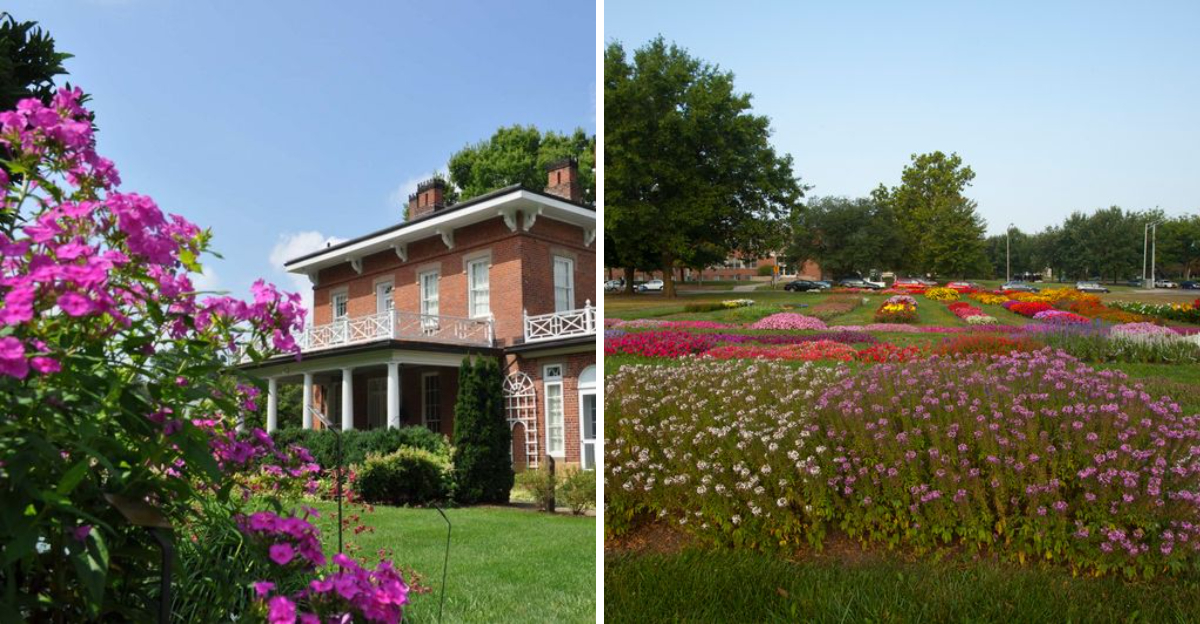
Ohio summers can be brutal, but the right garden makes the heat feel like part of the adventure.
July brings long days, vivid blooms, and the kind of green that only shows up when the sun is working overtime.
Many people retreat indoors and wait for September. The ones who know about these gardens do something different.
Some of these places hide in plain sight on college campuses or tucked inside metro parks that locals drive past without stopping.
Others are well-known but still feel like a discovery when you arrive and find the perennial beds at full peak, the butterfly gardens buzzing with wings, and the paths cool enough to make you forget what the thermometer said when you left the car.
All of them reward visitors who show up with sunscreen, a water bottle, and a willingness to wander slowly.
Plan your visit for early morning or late afternoon when the light is softer and the air is a little more forgiving.
One of them might become your new favorite place in Ohio, and you probably drove past it a dozen times without knowing it was there.
1. Inniswood Metro Gardens Keeps July Cooler
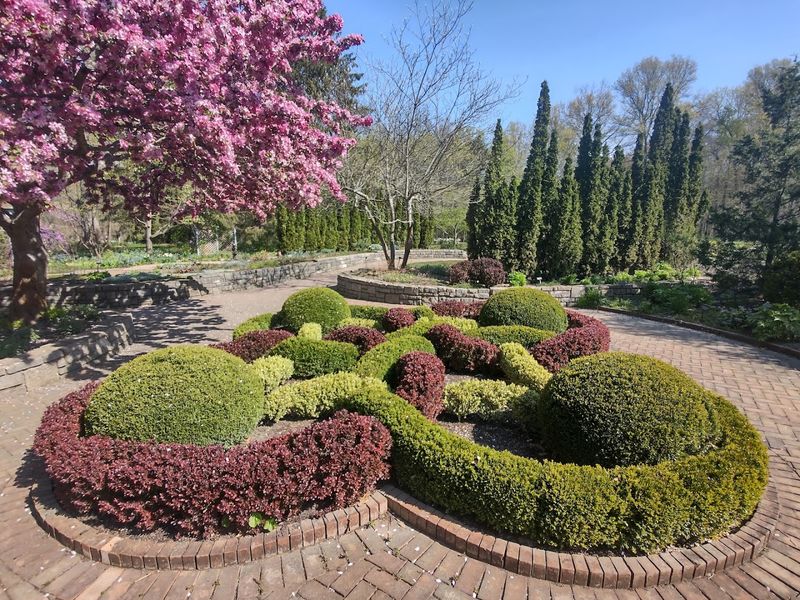
Step off the sun-baked sidewalk and into a place that feels like it was designed with July in mind.
Inniswood Metro Gardens at 940 S. Hempstead Road in Westerville is one of central Ohio’s best-kept secrets for summer visits, thanks to its generous tree canopy and winding paths that stay noticeably cooler than the surrounding streets.
The garden covers about 122 acres, so there is always a shaded corner waiting for you.
July brings the herb garden to full aromatic life, and the rock garden shows off textures and colors that photograph beautifully in morning light.
The formal rose garden still holds late-season blooms, and the woodland trails offer a genuinely peaceful escape from the heat.
Families love the wide open lawn areas, and the paved paths make it accessible for strollers and wheelchairs.
The garden is free to enter, which makes it an easy choice for a spontaneous weekday morning outing.
Arrive before 9 a.m. to enjoy the paths before the midday heat peaks.
Check the official Metro Parks Columbus website for current hours and any seasonal programming before you go, as schedules can shift during summer months.
2. Kingwood Center Gardens Brings Big Summer Color
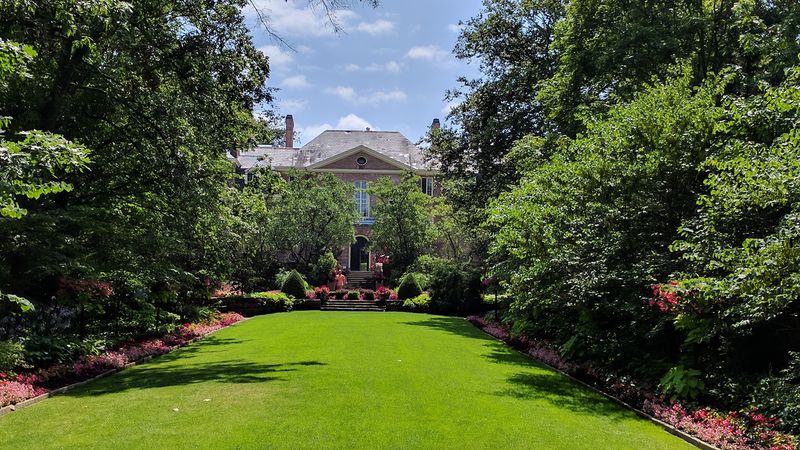
Few gardens in Ohio pack as much visual energy into a single visit as Kingwood Center Gardens in Mansfield.
Located at 50 N. Trimble Road in Mansfield, the formal beds burst with color in July, layering annuals and perennials in combinations that feel both bold and carefully considered. It is the kind of place that makes you stop mid-path just to take it all in.
The estate sits on about 47 acres and includes a restored historic mansion that adds a storybook quality to every photo you take.
The greenhouse complex is worth a slow walk-through even on hot days since it stays climate-controlled and houses some genuinely unusual plant specimens.
Your Ohio Garden Changes Every Week. Your Plan Should Too.
Gardening in Ohio changes quickly throughout the season. Every Friday you’ll receive a simple weekly plan showing exactly what to plant, prune, fertilize, harvest, and protect so you never miss the right timing.
July visitors will find dahlias, zinnias, and ornamental grasses performing at their peak.
The paths are well-maintained and easy to navigate, making the garden approachable for all fitness levels. There is a small admission fee for adults, with discounts available for children and members.
The garden shop near the entrance sometimes carries hard-to-find plants that make excellent souvenirs from your visit.
Always check the official Kingwood Center Gardens website for updated hours and admission prices before heading out, especially since summer hours can differ from the rest of the year.
3. Fellows Riverside Gardens Has Roses And Shade
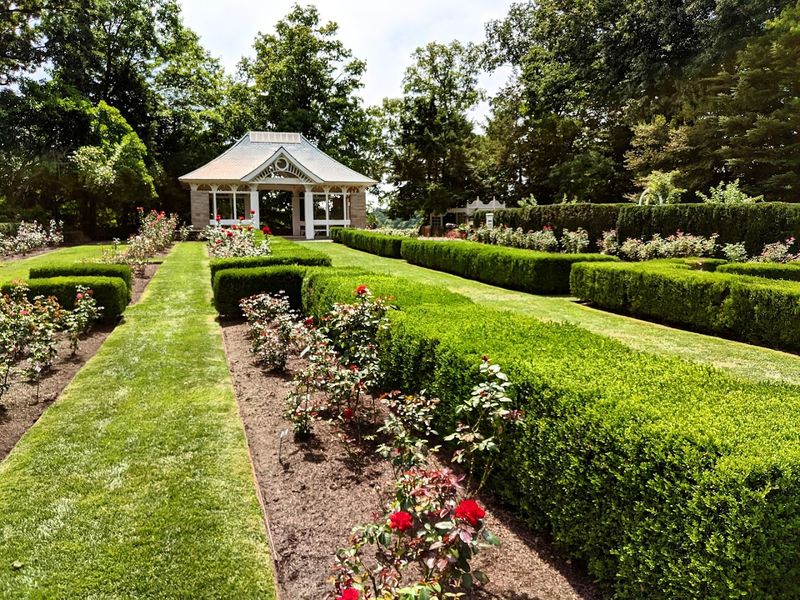
Tucked inside the sprawling Mill Creek MetroParks system in Youngstown, Fellows Riverside Gardens at 123 McKinley Ave. is one of those places that locals treasure but out-of-towners rarely find.
The formal rose garden is the centerpiece, and July brings a second flush of blooms that fills the air with a scent that is genuinely hard to describe until you are standing right in the middle of it.
Beyond the roses, the garden features well-structured formal beds, a conservatory, and shaded pergola walkways that offer real relief from the afternoon sun.
The views over Lake Glacier from the garden terraces are some of the most quietly beautiful in northeast Ohio.
The surrounding Mill Creek Park adds miles of additional trails for visitors who want to extend their walk into a half-day adventure.
The gardens themselves are free to enter, which makes Fellows one of the most generous garden experiences in the state.
The pergola on the west side of the formal garden catches the best morning light for photography, so plan your rose photos for before noon.
Check the Mill Creek MetroParks website for current hours and any special summer events happening at the conservatory during your visit.
4. The Dawes Arboretum Rewards Slow Wandering
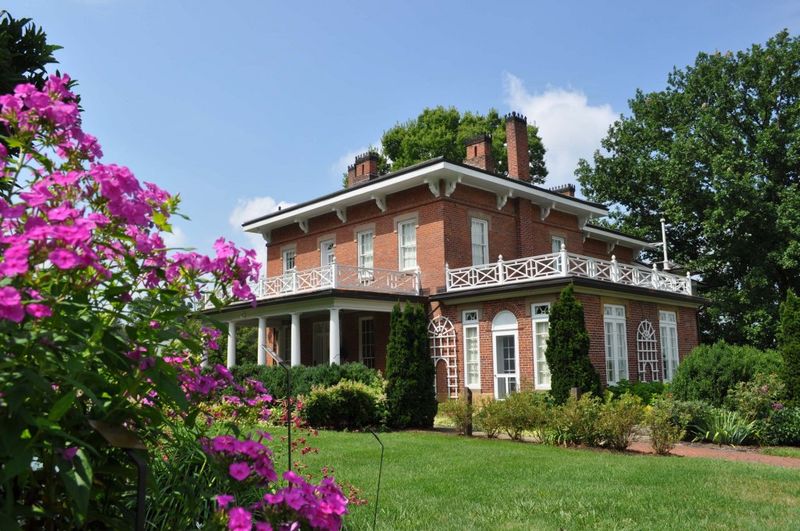
There is something almost meditative about a morning at The Dawes Arboretum in Newark.
The property at 7770 Jacksontown Road in Newark covers nearly 1,800 acres, which sounds overwhelming until you realize that the open space is exactly the point.
July here is about taking your time, finding a tree you have never noticed before, and letting the scale of the place reset your sense of pace.
The Japanese garden is one of the arboretum’s most photographed spots, with a wooden bridge and carefully shaped plantings that look especially lush in summer.
The holly collection, one of the largest in North America, offers deep green shade on hot days. The bald cypress swamp is a genuinely surprising feature that feels almost otherworldly when morning mist lingers over the water.
The arboretum also has a nature center with exhibits that add educational context for families visiting with children.
The driving tour option makes it accessible for visitors who prefer not to walk long distances in the heat.
Download the arboretum map from the official Dawes Arboretum website before your visit so you can plan which collections to prioritize.
There is an admission fee, and hours can vary by season, so always confirm current details before making the drive to Licking County.
5. Cox Arboretum Makes Heat Feel Worth It
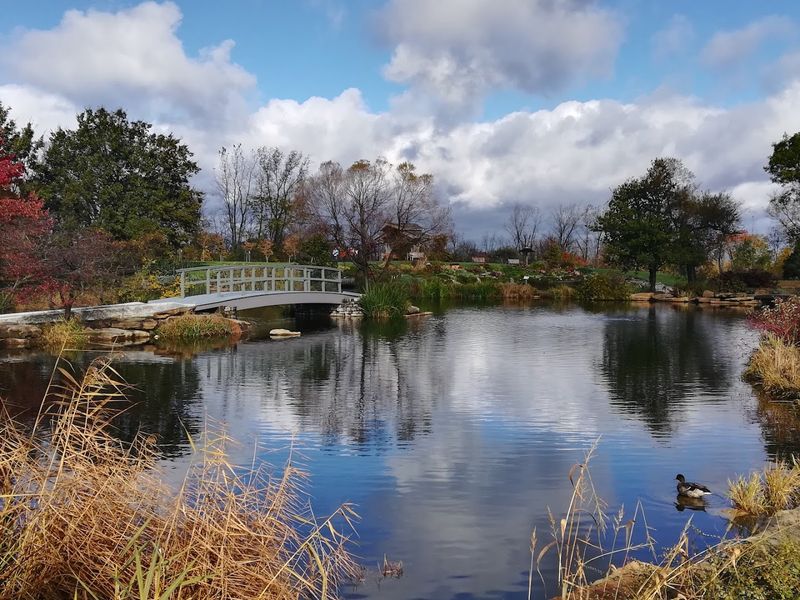
On a hot July morning in Dayton, Cox Arboretum MetroPark at 6733 Springboro Pike has a way of making you forget you ever complained about the weather.
The butterfly garden alone is worth the trip, drawing dozens of species to its native plantings in a display that feels genuinely alive in a way that manicured flower beds sometimes do not.
Monarchs, swallowtails, and fritillaries move through the blooms in a constant, colorful rotation.
The arboretum covers about 189 acres and includes a treehouse tower that gives visitors an elevated view of the canopy, a feature that children absolutely love and adults secretly enjoy just as much.
The edible landscape garden is a creative highlight, showing visitors how food plants can be both productive and beautiful.
The meadow areas peak in July with native grasses and wildflowers that shift color as the light changes through the day.
Cox Arboretum is part of Five Rivers MetroParks and is free to visit, which makes it one of the most accessible garden destinations in the Dayton region.
The treehouse tower is popular with families, so visit it early in your walk before groups arrive.
Check the Five Rivers MetroParks website for current programming, guided walk schedules, and any seasonal closures before your visit.
6. Chadwick Arboretum Hides In Plain Sight
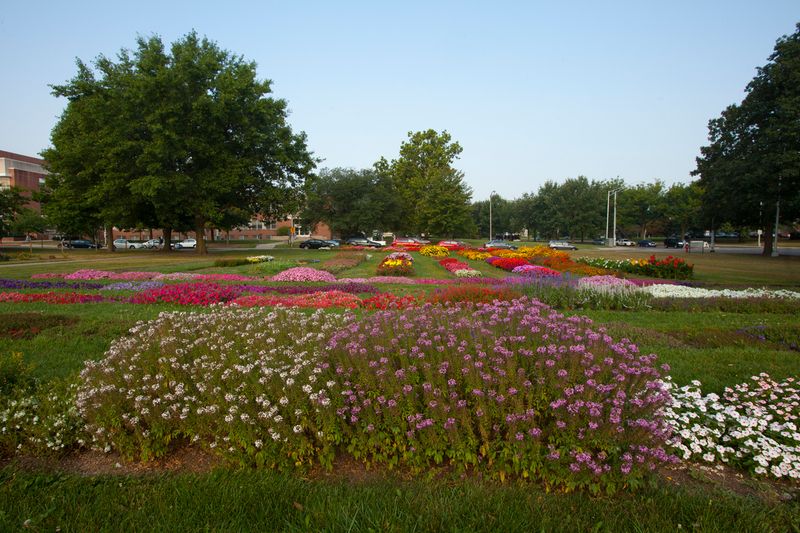
Many people drive past Chadwick Arboretum without realizing what they are missing.
Sitting right on the Ohio State University campus in Columbus, with its main visitor address listed as 152 Howlett Hall, 2001 Fyffe Court, this 85-acre collection of trees, shrubs, and ornamental plantings functions as both a teaching garden and a genuinely enjoyable outdoor space.
The fact that it is free and open to the public makes it one of Columbus’s most underrated summer destinations.
July is a strong month here because the ornamental grass collections begin their late-season surge and the perennial beds carry bold color into the heat.
The entry garden near Carmack Road is especially photogenic, with layered plantings that create depth and texture in almost any light.
The arboretum connects to the broader OSU campus green spaces, so a visit can easily expand into a longer walk through one of the most beautifully landscaped university grounds in the Midwest.
Early morning visits reward you with quiet paths and softer light before campus activity picks up for the day.
The Chadwick Arboretum website offers a self-guided tour map that helps you find the most visually rewarding sections without wandering in circles.
Parking near the arboretum can be limited on weekdays, so a weekend morning visit is often the most relaxed option for exploring at your own pace.
7. Secrest Arboretum Gives Plant Lovers Space
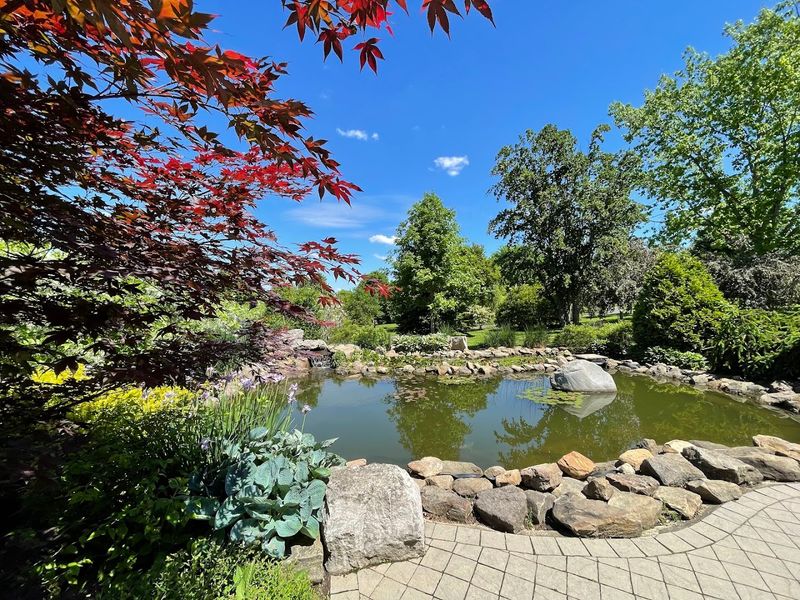
Plant enthusiasts who make the drive to Wooster for Secrest Arboretum often describe it as the kind of place that changes how you think about trees.
Located at 2122 Williams Road in Wooster and connected to the Ohio Agricultural Research and Development Center, Secrest holds one of the most diverse woody plant collections in the state.
It is serious about plants in the best possible way.
The arboretum covers about 110 acres and features collections of conifers, oaks, hollies, and flowering trees that provide structure and shade throughout the property.
July visitors will find the ornamental grass and perennial trial garden areas performing well, and the large specimen trees offer genuinely impressive shade on hot afternoons.
The scale of some of the mature plantings here is hard to fully appreciate until you are standing underneath them.
Secrest is free to visit and relatively uncrowded compared to more widely promoted destinations, which means you can often have entire sections of the arboretum to yourself on a weekday morning.
The conifer collection on the east side of the property photographs beautifully in late afternoon light when the shadows lengthen and the textures of the bark and needles become much more defined and vivid.
8. Stan Hywet Gardens Feels Grand In Summer
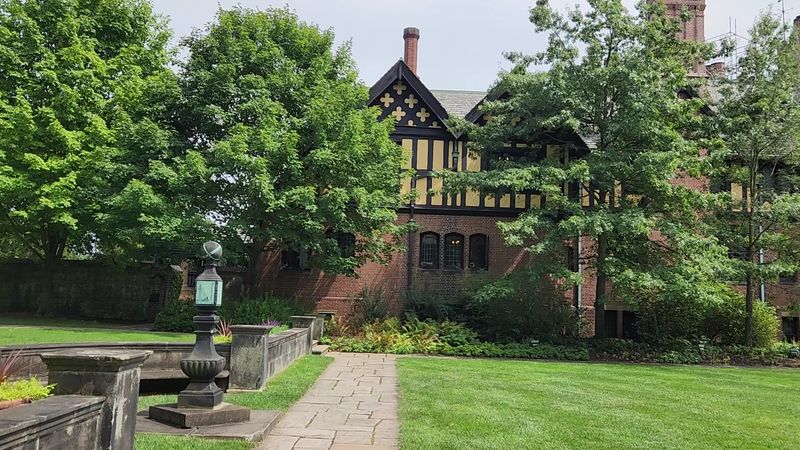
Walking into the English Garden at Stan Hywet Hall and Gardens at 714 N. Portage Path in Akron feels like stepping into a postcard from another century.
The formal design, the clipped hedges, and the stone walls create a sense of order and grandeur that few Ohio gardens can match.
In July, the roses and perennials fill the geometric beds with color that photographs beautifully from almost any angle.
Stan Hywet was built in 1915 as the estate of Goodyear Tire co-founder F.A. Seiberling, and the landscape was designed by renowned landscape architect Warren Manning.
That history adds a layer of significance to every garden path you walk.
The birch-tree allée that leads toward the manor house is one of the most elegant garden features in the entire state, offering filtered shade and a sense of arrival that feels genuinely theatrical.
The Japanese garden, the cutting garden, and the west terrace overlook are additional highlights that reward visitors who take their time rather than rushing through.
Admission includes access to both the gardens and the historic house, making it a full half-day experience for most visitors.
The walled English Garden is most photogenic in the morning before direct overhead sun flattens the shadows and contrast.
Check the Stan Hywet Hall and Gardens website for current admission prices, seasonal hours, and any summer events before planning your visit, as programming changes throughout July and August.