Oregon Plants That Attract More Kestrels And What That Does To The Vole Problem In Your Yard
Voles are outsmarting your quiet lawn right now. Tunnels spread while you sleep. Mounds multiply and healthy grass fades quickly in visible patches nearby.
Poison and traps fail more often than they succeed. Oregon offers a completely different solution, and it has wings. American kestrels hunt small voles with remarkable precision.
These falcons swoop, target, and clear rodent highways fast. You just need to give them a real reason to stay. Native plants create perfect perches, wide sightlines, and rich insect activity kestrels crave.
Height matters, openness matters, and movement matters most. Every single plant choice pulls a hunter closer to your soil. Yards landscaped this way across Oregon rarely see voles return.
Predators do what poison simply cannot, quietly and effectively. Power over this problem belongs to you now.
Landscaping quickly becomes strategy, not decoration, once kestrels enter the picture. Nothing about this next part lets you look away.
Fescue Keeps Sightlines Open And Clear
Tall, dense grass shelters voles and blocks a kestrel’s clear view of the ground. When vegetation gets too thick, kestrels simply cannot see what is moving below.
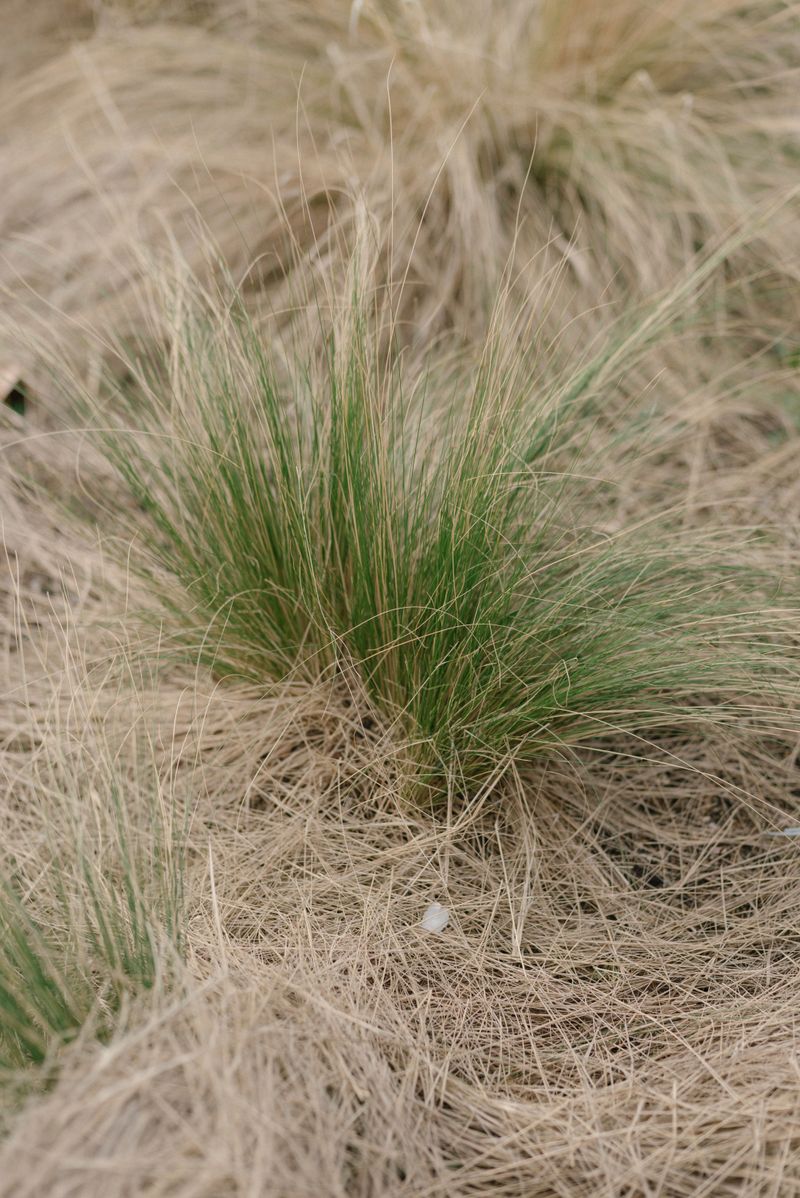
Idaho fescue and red fescue are two native Oregon grasses that grow in low, clumping forms. They add texture and beauty without creating the dense mat that hides rodent activity.
Kestrels rely on sight and sometimes ultraviolet light to locate voles. Some research suggests these birds may be able to detect vole trails using ultraviolet vision, though the exact mechanism is still debated.
Open, short grass makes those trails visible and gives kestrels a clean approach angle. Fescue planted in clumps rather than solid sheets maintains just enough openness for a successful hunt.
Beyond the hunting advantage, fescue is drought-tolerant and low-maintenance once established. It fits beautifully into Pacific Northwest landscapes without demanding much from the gardener.
Mixing fescue with other native groundcovers creates a layered look that still preserves visual access to the soil. Think of it as designing your yard with the kestrel’s eyes in mind.
Fescue also supports a healthy seed and insect base that draws in small invertebrates. Those invertebrates add to the kestrel’s food options between vole sightings.
Avoid overseeding with thick turf grasses if you want hunting birds to stick around. The goal is an open, native-style meadow feel rather than a conventional lawn.
Fescue is one of the simplest and most affordable ways to make your yard work harder against the vole problem.
Camas Draws In Insects For Kestrels
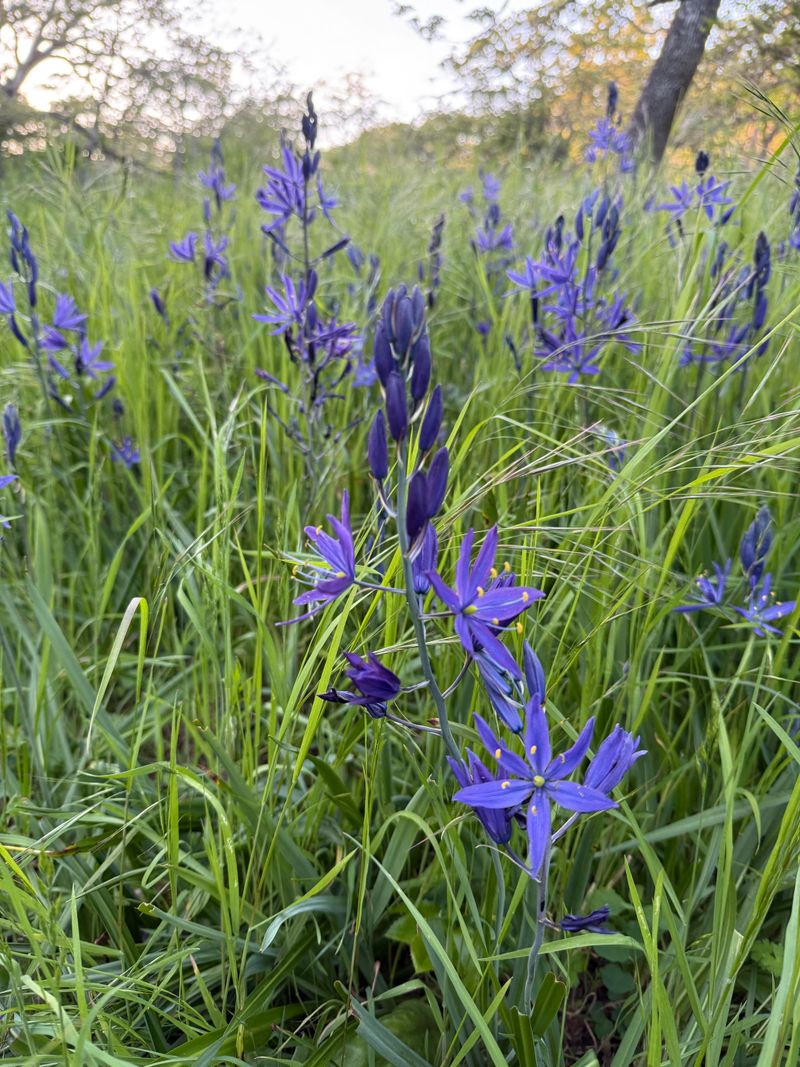
Camas is one of the most iconic wildflowers of the Pacific Northwest, and it does something remarkable for kestrel habitat. Its bright blue blooms draw in a wide range of native insects during spring.
Kestrels eat more than voles. They regularly snack on large insects like grasshoppers, beetles, and dragonflies between rodent meals.
Planting camas in your yard creates a seasonal insect buffet that keeps kestrels interested and active in your space. A bird that feeds regularly in one location will also hunt there more consistently.
Your Oregon Garden Changes Every Week. Your Plan Should Too.
Gardening in Oregon changes quickly throughout the season. Every Friday you’ll receive a simple weekly plan showing exactly what to plant, prune, fertilize, harvest, and protect so you never miss the right timing.
Camas grows best in moist, well-drained soil and thrives in the Willamette Valley where it historically covered entire prairies. Restoration plantings of camas have become popular in native garden design across the state.
The flowers bloom in April and May, right when kestrel pairs are establishing territories and raising chicks. Timing matters, because a food-rich yard during nesting season becomes a priority hunting ground.
Insects attracted to camas blooms also serve as prey for the insects kestrels hunt. This creates a cascading food web that supports the entire predator-prey relationship you want in your yard.
Camas bulbs are available from native plant societies and specialty nurseries throughout the Pacific Northwest. They naturalize over time and spread gradually, increasing their impact season after season.
A small patch of camas can punch well above its weight when it comes to attracting aerial hunters. Plant it near open lawn space for the best combined effect on the local vole population.
Oak Trees Give Kestrels A Natural Perch
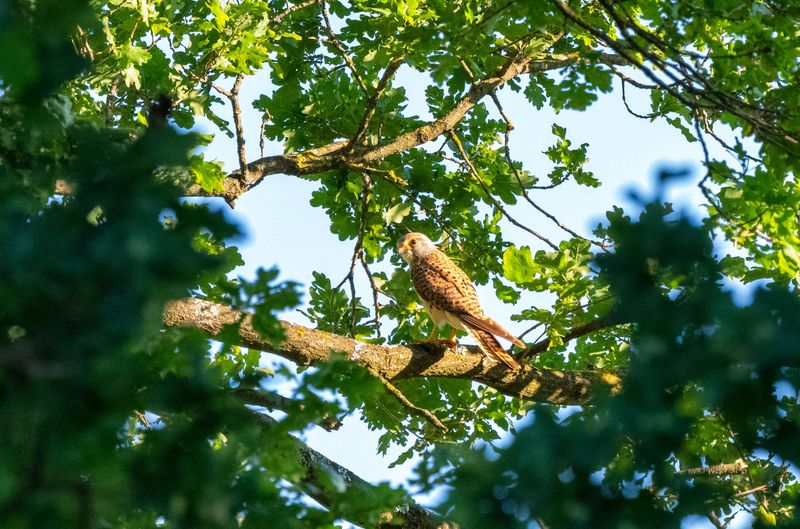
Kestrels do not hunt from the sky alone. They need high, exposed perches to scan open ground for movement below.
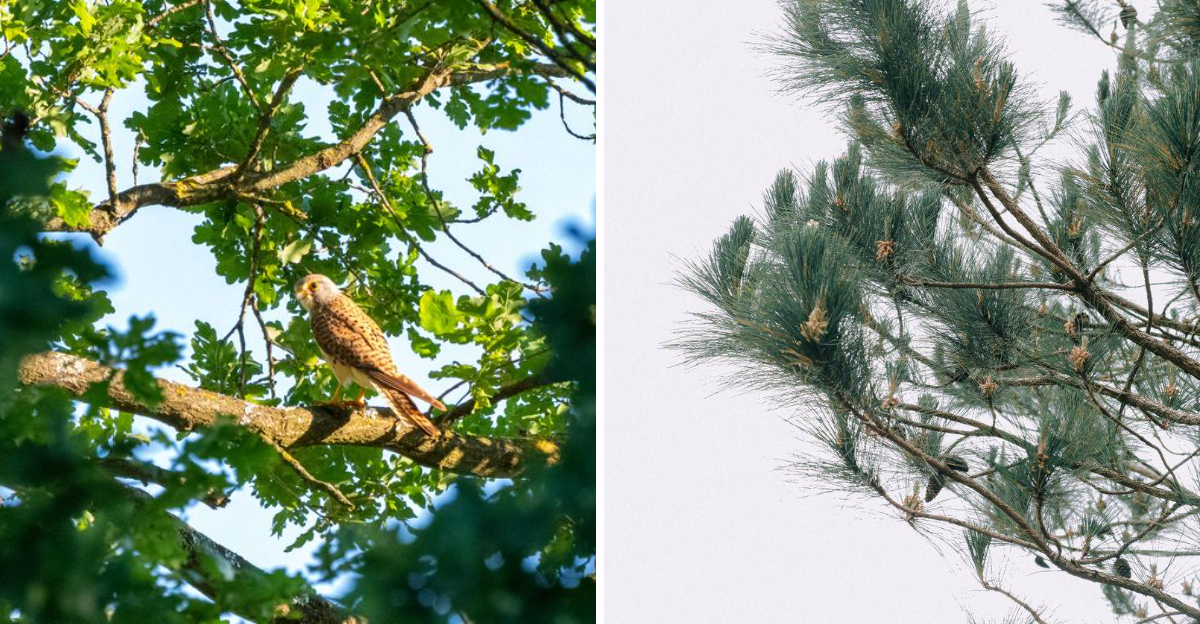
Oregon white oak is one of the best trees you can plant for exactly this purpose. Its broad canopy and strong horizontal branches create ideal lookout spots for hunting birds.
Kestrels perch on the outermost branches, watching for the slightest twitch in the grass. A single oak in a yard can become a regular hunting post over time.
Beyond perching, oaks support an enormous web of insect life. That insect activity draws in more prey, which keeps kestrels coming back again and again.
Oregon white oak is also a slow-growing but long-lived native species. Once established, it needs very little water and thrives in the Willamette Valley and surrounding regions.
Planting one near an open lawn area gives kestrels the combination they love most. They want height, visibility, and prey all within a short glide from their perch.
Young oaks can be found at most native plant nurseries across the state. Look for Oregon white oak, also called Quercus garryana, when shopping for your yard.
Homeowners who already have mature oaks nearby are already ahead. Adding a nest box nearby can seal the deal and encourage a mating pair to move in permanently.
The presence of Oregon plants that attract more kestrels starts with giving these birds a reason to land in the first place.
Pines Offer Scattered Hunting Posts
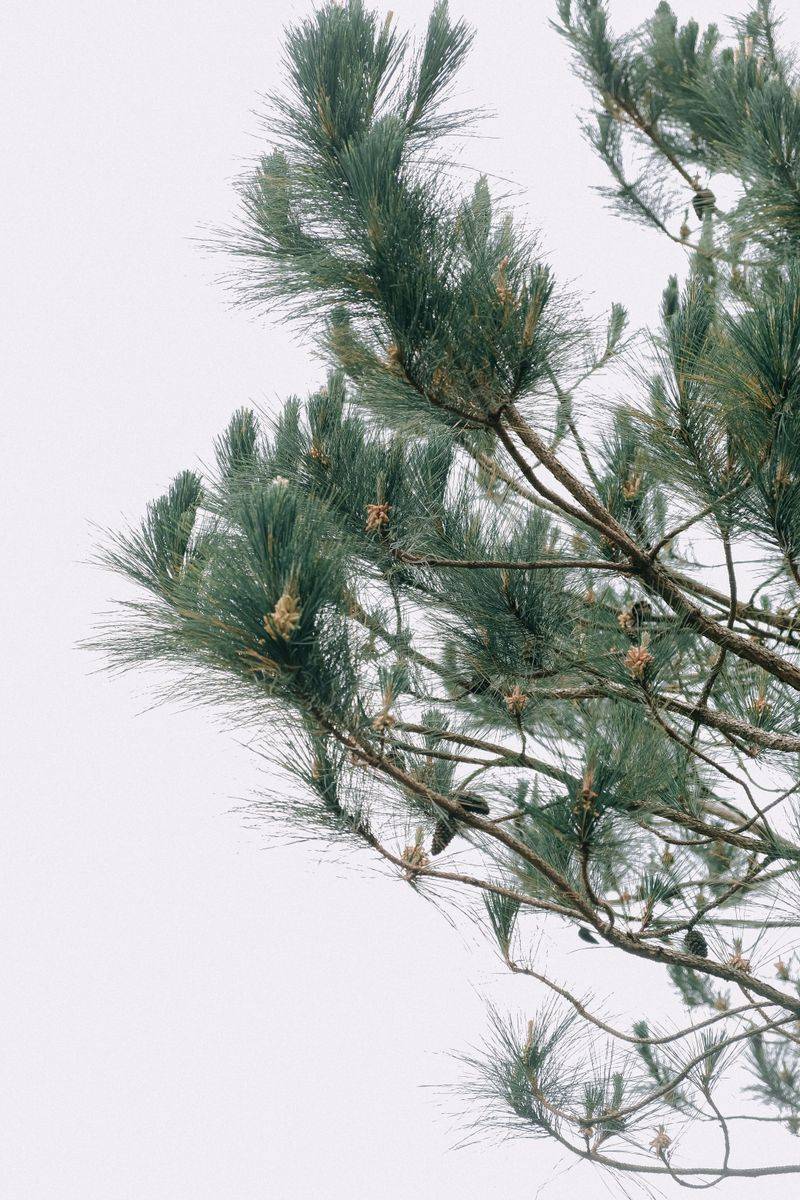
Not every yard has room for an oak, but many Oregon homeowners already have pines growing nearby. Ponderosa pine and lodgepole pine both offer something kestrels genuinely appreciate: height with open sight angles.
Kestrels prefer perches that sit above dense vegetation. Pine trees with high, open crowns give them exactly that elevated advantage.
Scattered pines across a property create multiple hunting posts. A kestrel can move from tree to tree, covering a wide swath of ground without much effort.
This matters because voles do not stay in one place. They tunnel and forage across large areas, so a bird with multiple vantage points can intercept them more effectively.
Pines also attract specific insects that kestrels enjoy as a snack between bigger meals. Bark beetles, wood-boring insects, and moths all gather around pine bark and needles.
When you have insect activity near your perch trees, kestrels linger longer. A bird that lingers is a bird that hunts more, which means fewer voles survive the week.
Planting native Oregon pines is a long-term investment in your yard’s ecosystem. They grow relatively quickly compared to oaks and begin offering perch value within a few years.
Space pines with enough distance between them to preserve open sightlines. Kestrels need clear views of the ground, so dense planting works against your goal.
A thoughtfully placed pine can become the centerpiece of a kestrel-friendly yard that handles the vole problem naturally.
Yarrow Feeds The Bugs Kestrels Hunt
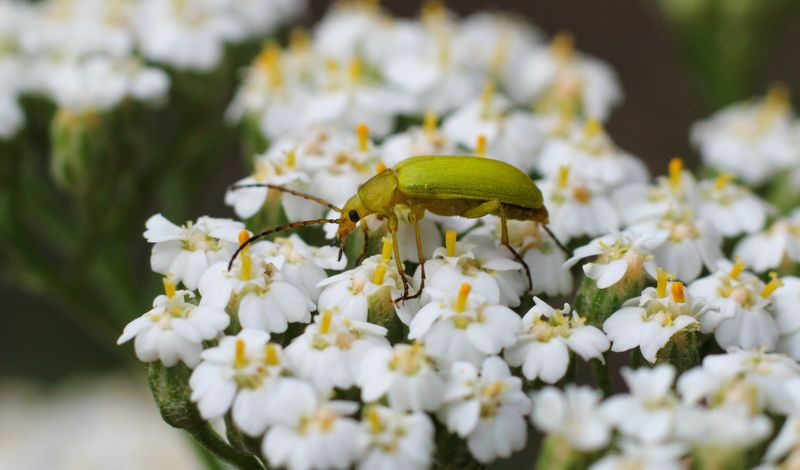
Yarrow is a scrappy, sun-loving plant that blooms for months and asks for almost nothing in return. It is also one of the most insect-rich plants you can add to an Oregon yard.
Native yarrow, known as Achillea millefolium, attracts beetles, wasps, hoverflies, and many other invertebrates that form the middle layer of a kestrel’s diet. When these insects are present in large numbers, kestrels hunt more frequently.
Think of yarrow as the engine behind your yard’s insect population. More insects means more food, which means more reason for a kestrel to patrol your property regularly.
Yarrow grows in dry, rocky, or sandy soils where other plants struggle. It spreads through rhizomes and forms dense colonies that flower from late spring through early fall.
The flat-topped flower clusters make perfect landing pads for insects. Kestrels have been observed hovering over dense yarrow patches, watching for grasshoppers and large beetles to emerge.
Planting yarrow near the edges of open lawn areas gives kestrels a predictable hunting zone. They learn where prey concentrates and return to those spots reliably each day.
White-flowered native yarrow blends naturally into meadow-style gardens without looking weedy. It pairs well with fescue, camas, and other native species to create a layered habitat planting.
Yarrow is available at most native plant sales and costs very little to establish. One flat of starts can cover a significant area within two growing seasons.
Adding yarrow to your landscape is one of the smartest moves you can make against the ongoing vole problem.
Fewer Voles Remain Nearby
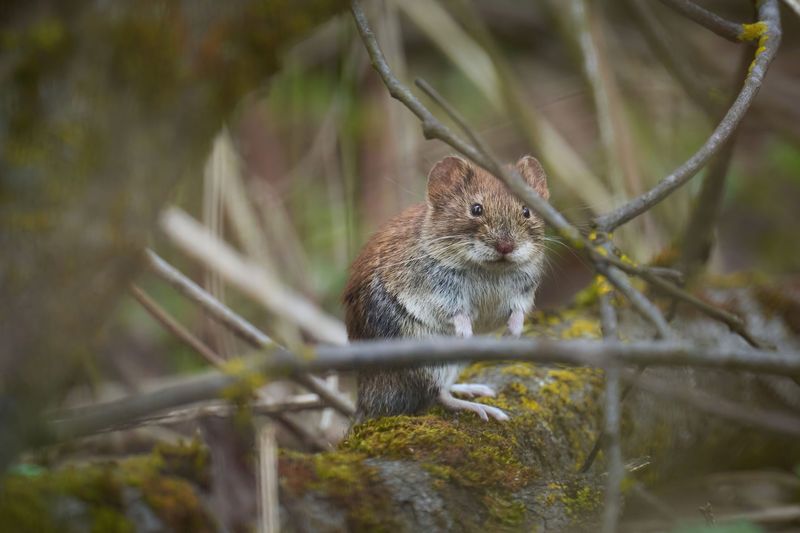
Once kestrels establish a hunting territory in your yard, the pressure on voles increases quickly. A single kestrel can catch several voles in one day under good hunting conditions.
Multiply that over a week, and the impact on a local vole colony becomes significant. Populations that reproduce quickly can still be overwhelmed when consistent predation pressure is applied.
Kestrels are not casual visitors when they find a reliable food source. They return to the same hunting grounds daily, working the same patches of open ground with focused precision.
Voles respond to predator presence by altering their behavior. They spend less time above ground, reduce foraging range, and breed less successfully under sustained threat.
This behavioral shift is just as important as the actual removal of individual animals. A pressured vole colony tends to decline over time, even without every member being caught.
Native plants that support kestrel activity create this pressure naturally and continuously. There are no traps to reset, no bait to replace, and no chemicals to worry about near garden beds.
Homeowners who add perch trees, open grasses, and insect-rich flowering plants often notice reduced tunneling within a single season. The change is real and measurable in the health of your lawn and garden.
Oregon plants that attract more kestrels deliver this benefit as a side effect of good native landscaping.
You improve your yard’s beauty and solve a frustrating problem at the same time. Fewer voles remaining nearby is not luck, it is the natural result of a well-designed habitat.
Populations Stay Naturally Controlled
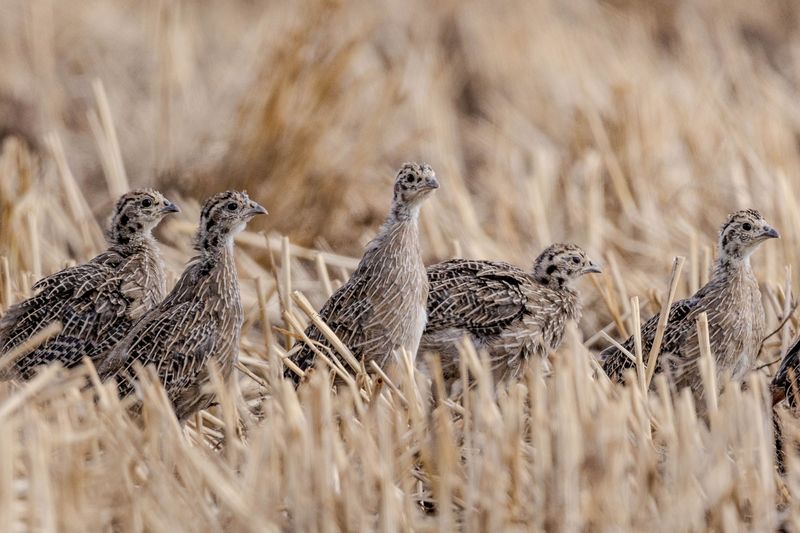
One kestrel is helpful, but a mating pair makes a real difference for long-term vole control. When two birds establish a territory in your yard, they divide the hunting area and significantly increase the pressure on the local rodent community.
Kestrels are cavity nesters, meaning they need a hollow space to raise their chicks. Adding a nest box to your property increases the likelihood of a pair settling in for multiple seasons.
A pair that successfully raises chicks in your yard will often return the following year. Young kestrels from that clutch sometimes establish nearby territories, extending the predator coverage to neighboring properties.
This creates a self-sustaining system that grows stronger over time. The more seasons kestrels nest and hunt in your area, the more stable the vole population control becomes.
Native plantings support this cycle by maintaining the insect and prey base that keeps breeding pairs well-fed throughout nesting season. A well-fed pair raises more chicks, and more chicks means more hunters next year.
Vole populations that might otherwise spike in spring and fall stay naturally suppressed when active predators are present year-round. Predator presence has historically played a role in helping regulate prey populations.
Installing a nest box costs very little and requires almost no maintenance. Mount it on a post or fence at a suitable elevated height, facing an open area.
Pairing a nest box with native Oregon plantings creates the complete package. Populations stay naturally controlled when the habitat supports the full life cycle of the hunter.
Yards See Less Tunneling Damage
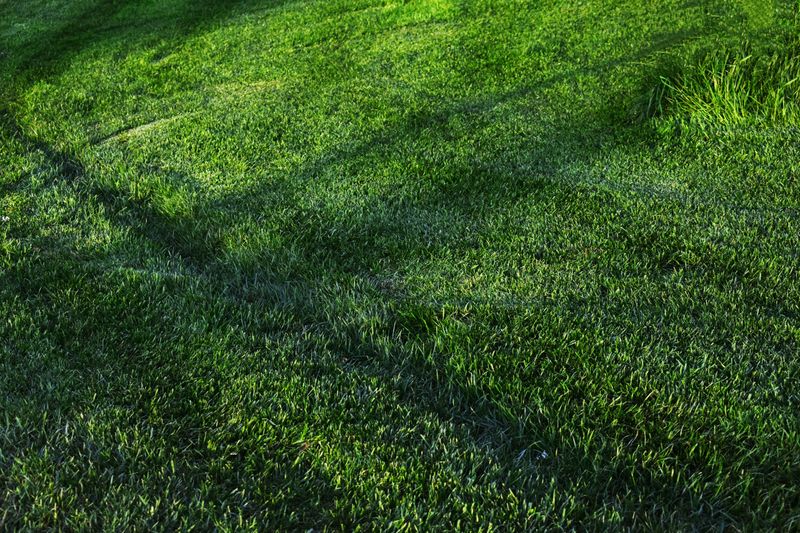
The end result of a kestrel-friendly yard shows up right where you notice it most: the ground under your feet. Tunneling damage drops noticeably when consistent predation keeps vole numbers in check.
Vole tunnels weaken lawn root systems and create uneven surfaces that are annoying to walk on and difficult to mow. Reducing the population is the only lasting fix that does not involve constant intervention.
Native plants that bring kestrels into your yard work around the clock. These birds hunt at dawn and dusk when voles are most active, catching them at their most vulnerable moments.
Homeowners often report that after adding perch trees and open native plantings, the number of fresh tunnel entrances tends to decrease noticeably. The soil starts to firm up as root systems recover.
Garden beds near tunneling activity also benefit when the overall vole count falls. Bulbs, root vegetables, and perennial plants that voles love to chew on get a much-needed break.
A yard with less tunneling is easier to maintain and more pleasant to spend time in. Kids can run across the lawn without tripping, and garden edges stay neat without constant repair.
The approach described across Oregon plants that attract more kestrels works because it addresses the cause rather than the symptoms. You are not patching damage, you are preventing it from occurring.
Native landscaping has supported this natural dynamic long before pest control companies existed. Trusting native plants and the hunters they attract is a smart, lasting way to reclaim your yard.