The Oregon Shrub That Looks Expensive Near A Front Door But Costs Nothing To Maintain
A front door planting should make the whole entry feel pulled together without turning into another chore.
Oregon homeowners often want something that looks polished through the seasons, but many fancy-looking shrubs need more trimming, watering, or fuss than expected.
The right shrub can change that. It can frame the doorway, soften the porch, and make the entry feel more welcoming without demanding constant attention.
A plant with strong shape and year-round presence can look far more expensive than it is. The best part is when it keeps that look with only basic care once established.
Choose well, and the space near your front door can feel designed, calm, and fresh without weekly maintenance hanging over your head.
1. Western Azalea Makes An Entry Smell Expensive
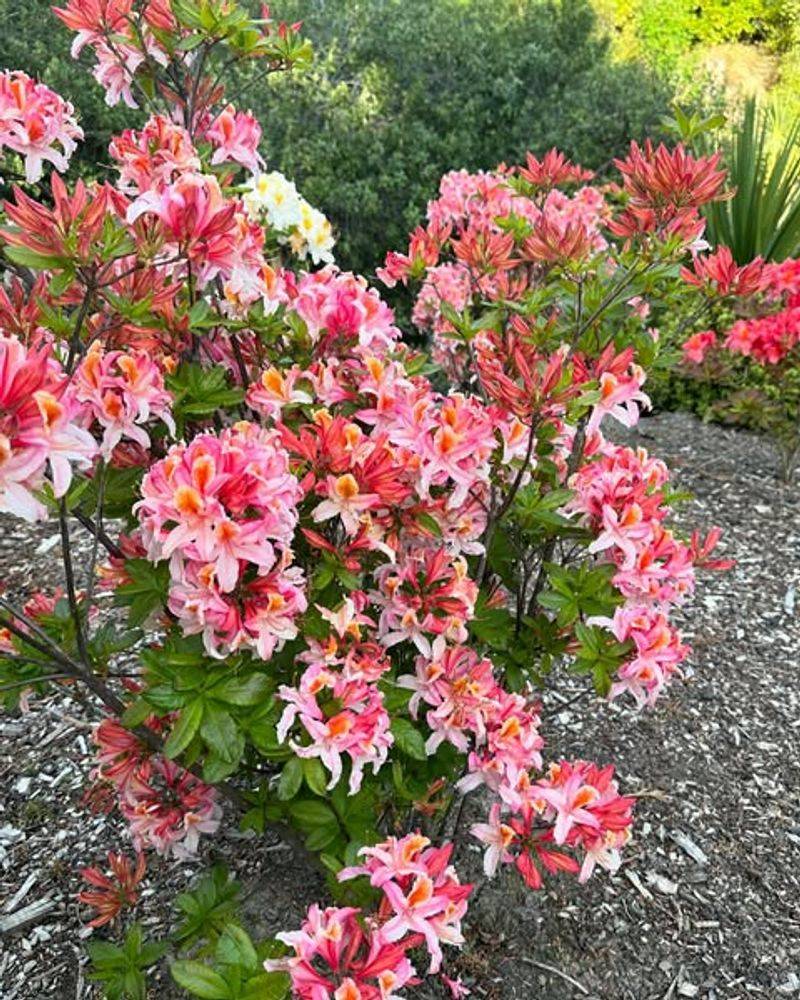
Few plants can stop someone mid-stride the way a blooming Western Azalea can near a front entry. The scent alone is enough to make visitors pause and look around to find the source.
It carries a sweet, almost honeyed fragrance that drifts several feet from the shrub on warm spring afternoons.
Native to Oregon and surrounding Pacific Northwest areas, this shrub blooms in late spring, usually between May and June.
The timing is perfect because it lines up with outdoor gatherings, open windows, and the first real warm days of the year.
Guests walking up to a front door are greeted with a scent that feels intentional and luxurious.
Most scented plants sold at garden centers come with a high price tag and specific care needs. This one grows naturally in our region and asks for very little once established.
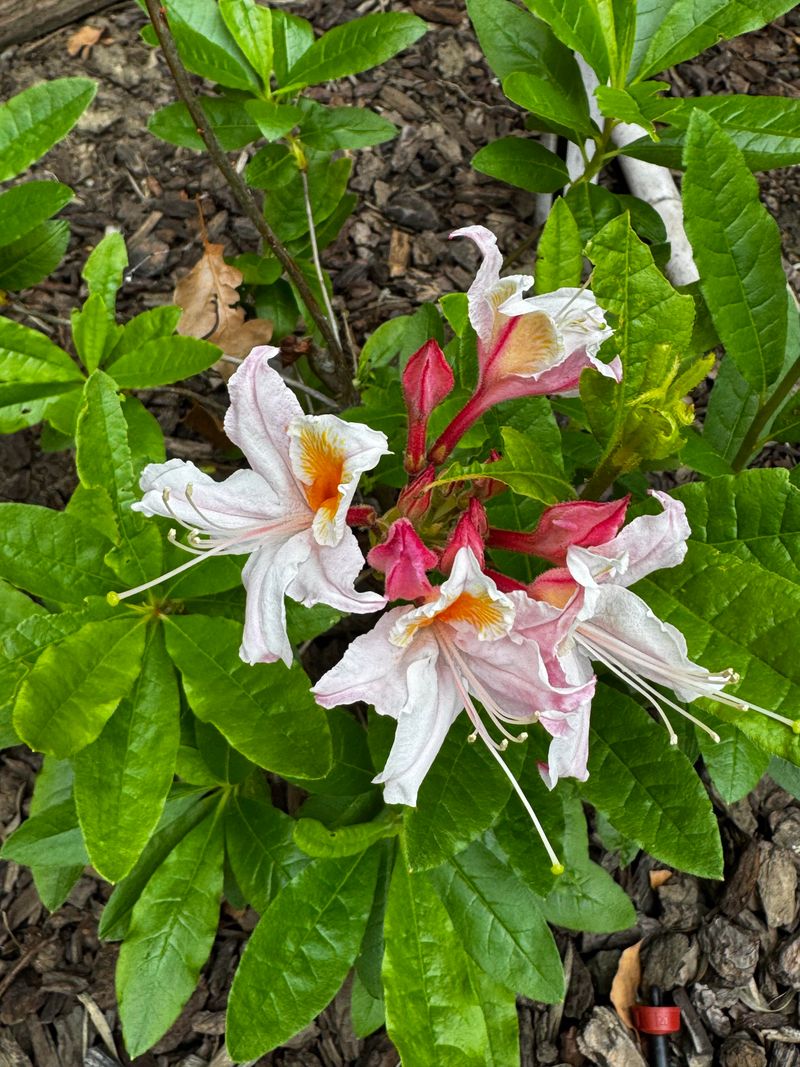
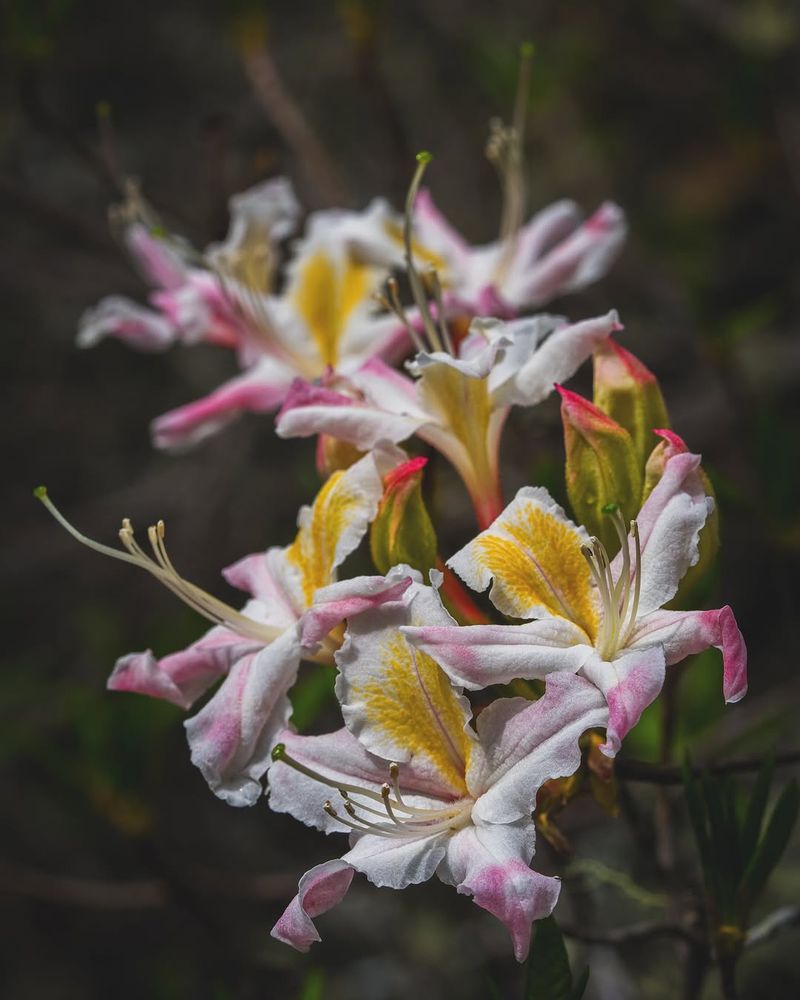
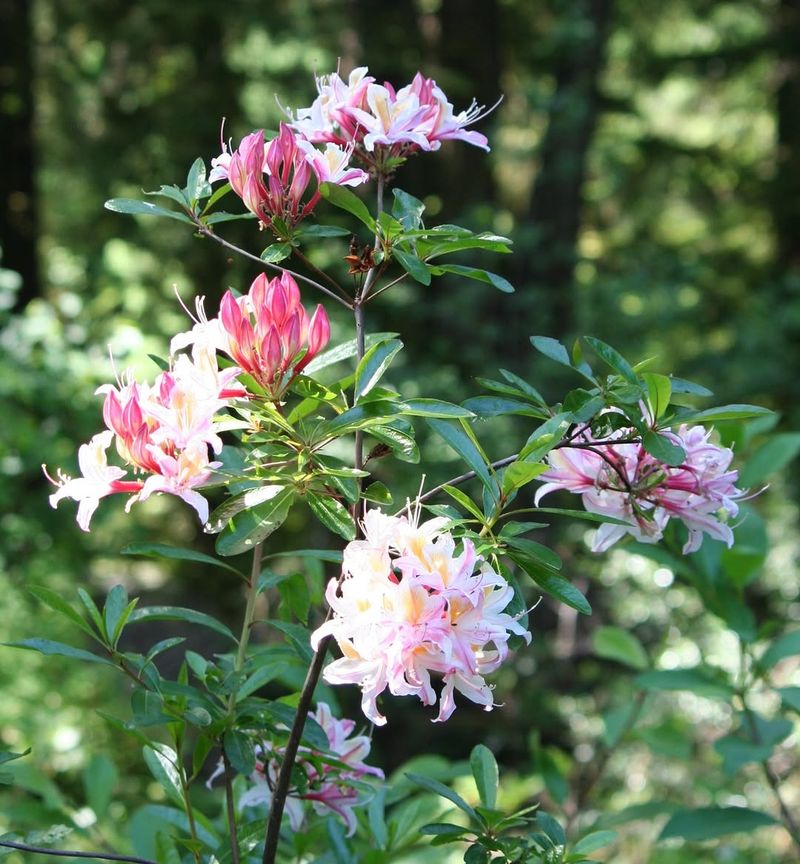
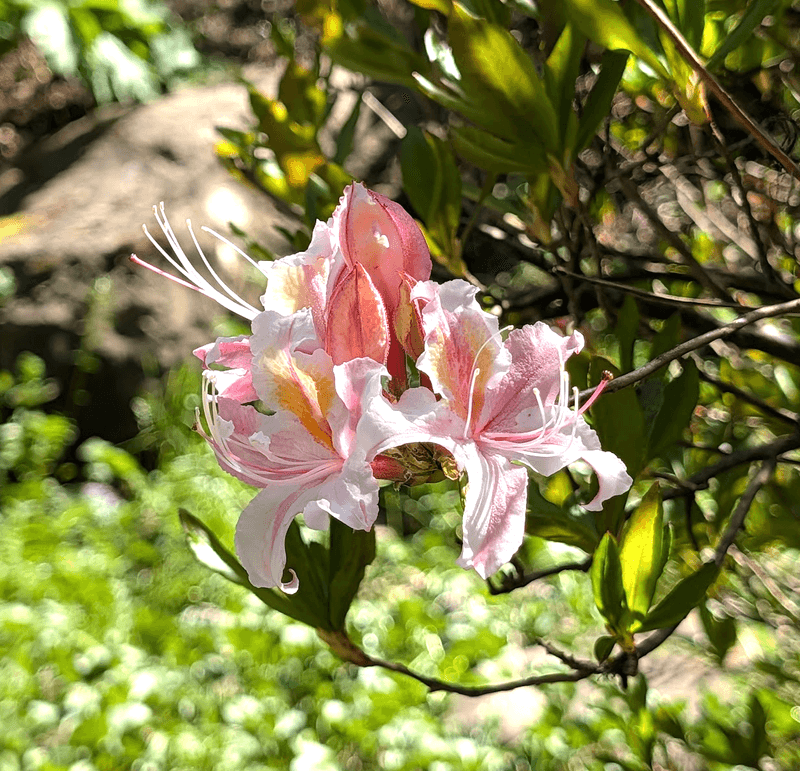
The fragrance comes from the flower clusters themselves, which can range from pure white to soft pink and even pale yellow depending on the individual plant.
Planting it within six to ten feet of a front door gives it enough room to spread while keeping the scent close to where people walk. Morning sun with afternoon shade tends to produce the most blooms.
Over time, the shrub builds a fuller shape that frames an entry in a way that looks professionally landscaped without any professional help.
2. Fragrant Blooms Feel Like A Nursery Splurge
Walking past a Oregon nursery display of flowering shrubs can feel overwhelming, especially when the price tags start climbing past fifty or sixty dollars per plant.
The Western Azalea gives you that same showstopping look without the sticker shock. Its blooms are large, layered, and showy enough to rival anything on a nursery shelf.
Each flower cluster holds multiple trumpet-shaped blossoms that open gradually over several weeks. That slow bloom period means the display lasts longer than most flowering shrubs.
Instead of a quick burst that fades in a week, the Western Azalea puts on a show that stretches across the better part of a month.
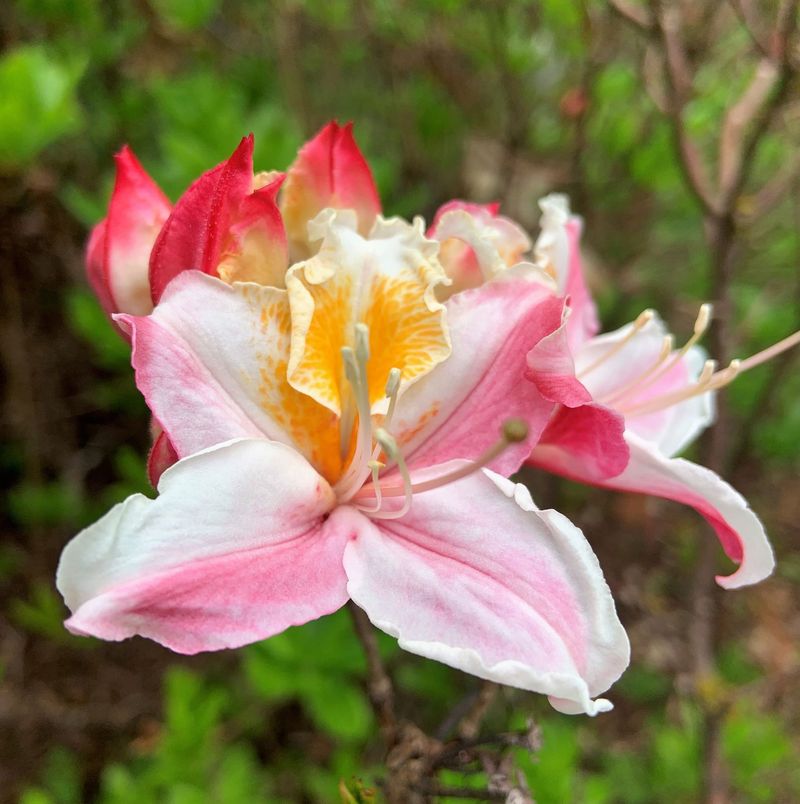
The color range found in wild specimens is surprisingly wide. Some plants lean toward creamy white with a yellow blush at the center.
Others show deeper pink edges that fade to a softer tone inside. No two plants look exactly the same, which adds a natural variety that no nursery can fully replicate.
Your Oregon Garden Changes Every Week. Your Plan Should Too.
Gardening in Oregon changes quickly throughout the season. Every Friday you’ll receive a simple weekly plan showing exactly what to plant, prune, fertilize, harvest, and protect so you never miss the right timing.
Pollinators go absolutely wild for these blooms. Bumblebees, native bees, and hummingbirds visit regularly during peak flowering.
That kind of wildlife activity adds movement and life to a front entry in a way that plastic or artificial plants never could. The whole scene, blooms, visitors, and fragrance together, creates the kind of curb appeal that people spend thousands trying to achieve through hardscaping and expensive plantings.
3. Filtered Sun Keeps The Leaves From Scorching
One of the most common mistakes people make with flowering shrubs near a front entry is placing them in full afternoon sun.
The Western Azalea is a woodland plant at heart, and it performs best when it gets some protection from the harshest midday and afternoon rays. Filtered light is its sweet spot.
In Oregon, that kind of light is easy to find. A tall Douglas fir, a mature oak, or even the overhang of a covered porch can provide enough shade to keep the leaves from turning crispy or brown at the edges.
The plant does need morning sun to produce strong blooms, so east-facing spots near a front door tend to work well.
When leaves scorch, it usually means too much direct afternoon exposure rather than a soil or water problem.
Relocating or adding a shade structure often solves the issue faster than any fertilizer or treatment. The plant communicates clearly when it needs adjustment.
Homes with north or east-facing front entries often see the best results with this shrub. The natural light patterns in those spots closely mimic the forest understory where Western Azalea grows wild.
Matching those conditions as closely as possible in a home landscape leads to healthier foliage, more consistent blooming, and a plant that genuinely seems to thrive without much intervention from the homeowner at all.
4. Acidic Soil Helps It Settle In Happily
Soil chemistry sounds complicated, but for this shrub, the rule is simple. It wants acidic ground, somewhere between a pH of 4.5 and 6.0.
That range happens to describe most of the native soil found throughout Oregon, especially in yards near conifers or in areas with heavy rainfall and leaf litter.
When the soil is too alkaline, the plant struggles to absorb iron and other nutrients even if they are present. Leaves start to yellow between the veins, a condition called chlorosis, and blooms become sparse.
The fix is usually as simple as adjusting the soil rather than adding fertilizers.
Sulfur amendments can lower pH gradually over a season or two. Pine needle mulch also acidifies the soil slowly as it breaks down.
Both options are inexpensive and widely available at local garden stores. Most homeowners only need to make this adjustment once, especially if the native soil in their yard is already on the acidic side.
Testing the soil before planting takes about ten minutes and costs under fifteen dollars. A basic pH test kit from any hardware store works fine.
Getting that number right from the start means the shrub settles in without stress and begins building its root system confidently.
A well-rooted Western Azalea in the right soil grows steadily year after year and rarely needs any intervention beyond what nature already provides in this region.
5. Mulch Protects Its Shallow Roots
Root depth matters more than most gardeners realize, and the Western Azalea has roots that sit surprisingly close to the surface.
That shallow root system is part of what makes it so adaptable to rocky hillsides and forest floors in the wild.
But near a front entry, those roots need a little extra protection from heat, cold swings, and foot traffic compaction.
A two to three inch layer of organic mulch around the base does the job well. Wood chips, pine needles, or shredded bark all work effectively.
The mulch holds moisture during dry stretches, keeps soil temperatures stable, and slowly breaks down to feed the plant over time.
Keeping mulch a few inches away from the main stem matters. Piling it directly against the bark can trap moisture and encourage rot at the base.
A small gap between the mulch ring and the stem is all it takes to prevent that issue.
Winters can bring heavy rain followed by dry summer stretches, and mulch acts as a buffer against both extremes.
It reduces the need for supplemental watering during summer and protects roots when temperatures drop in the colder months. Refreshing the mulch layer once a year in early spring takes about fifteen minutes.
That small effort pays off in a healthier, more resilient shrub that looks polished and cared-for without requiring constant attention from the homeowner throughout the growing season.
6. Skip Lime, Heavy Compost, And Hard Pruning
Good intentions can sometimes set a plant back more than neglect ever could. With the Western Azalea, there are three common mistakes that well-meaning gardeners make regularly.
Avoiding all three is honestly the easiest part of caring for this shrub.
Lime is used in many gardens to raise soil pH for vegetables and lawn grass. Adding it near a Western Azalea has the opposite effect of what the plant needs.
Even a small application can push the soil toward alkaline conditions and trigger the yellowing and stress described earlier. Keep lime far away from this shrub entirely.
Heavy compost, especially manure-based types, can also cause problems. Rich nitrogen amendments push leafy growth at the expense of blooms.
The plant ends up lush and green but produces far fewer flowers. A light top dressing of acidic compost once a year is plenty, and many established plants do fine without any added compost at all.
Hard pruning is the third trap to sidestep. Cutting back large portions of the shrub removes the buds that were already forming for next season.
Western Azalea sets its flower buds in summer and fall for the following spring. Heavy pruning in late summer or fall means losing most of the next year’s display.
Light shaping right after blooming, if needed at all, is the only time to touch the branches without sacrificing the flowers everyone planted it for in the first place.
7. Water The First Summers, Then Ease Off
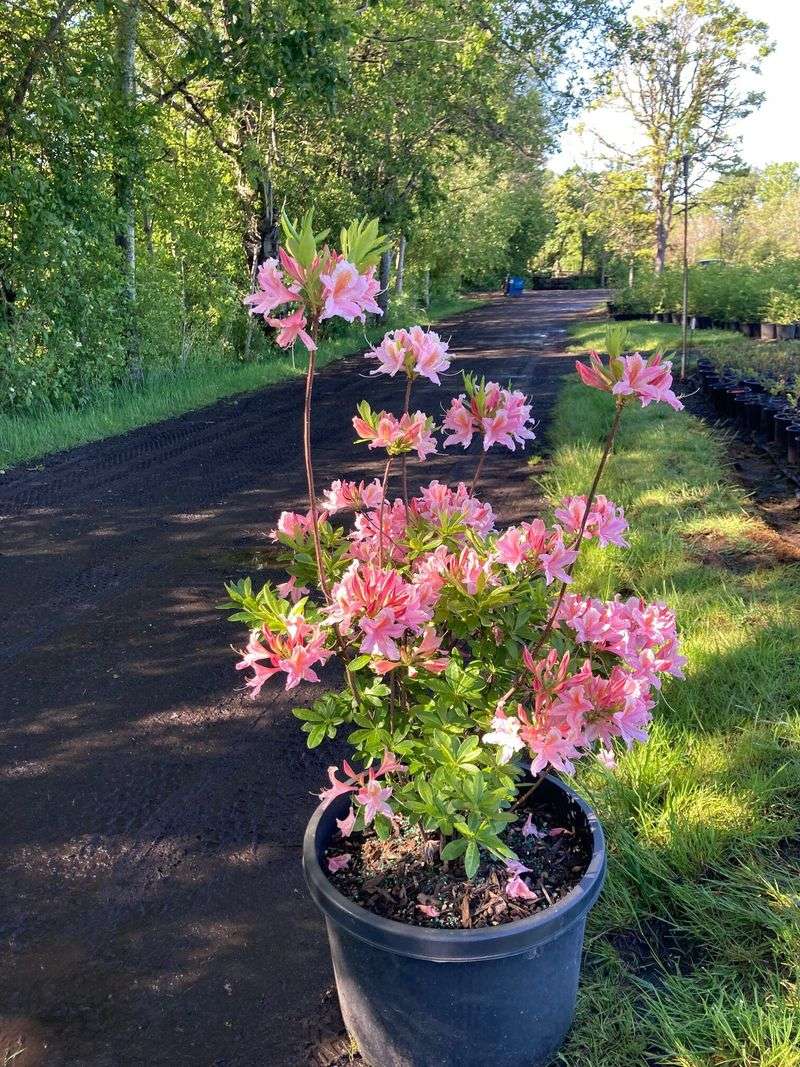
New plants need support while they find their footing, and the Western Azalea is no different during its first season or two in the ground.
Consistent watering during those early summers gives the root system time to spread and anchor properly.
Without it, a newly planted shrub can struggle through the dry months that hit this region each summer.
Deep, infrequent watering works better than light daily sprinkles. Watering slowly and deeply once or twice a week encourages roots to grow downward in search of moisture.
That deeper root growth is what eventually makes the shrub drought-tolerant and low-maintenance in later years.
By the second or third summer, most established plants handle dry spells on their own without supplemental watering. The root system by that point has spread wide enough to access moisture stored deeper in the soil.
Backing off the hose gradually through that second season helps the plant transition naturally rather than becoming dependent on irrigation.
Overwatering is a real concern, especially in clay-heavy soils that drain slowly. Soggy roots lead to root rot, and the symptoms look similar to drought stress at first glance.
Checking the soil a few inches down before watering helps avoid that mistake. Once the shrub is fully established, most homeowners in Oregon find that natural rainfall handles everything the plant needs.
That shift from careful watering to hands-off care is one of the most satisfying moments in growing this shrub near a front entry.
8. Let The Shrub Keep Its Natural Shape
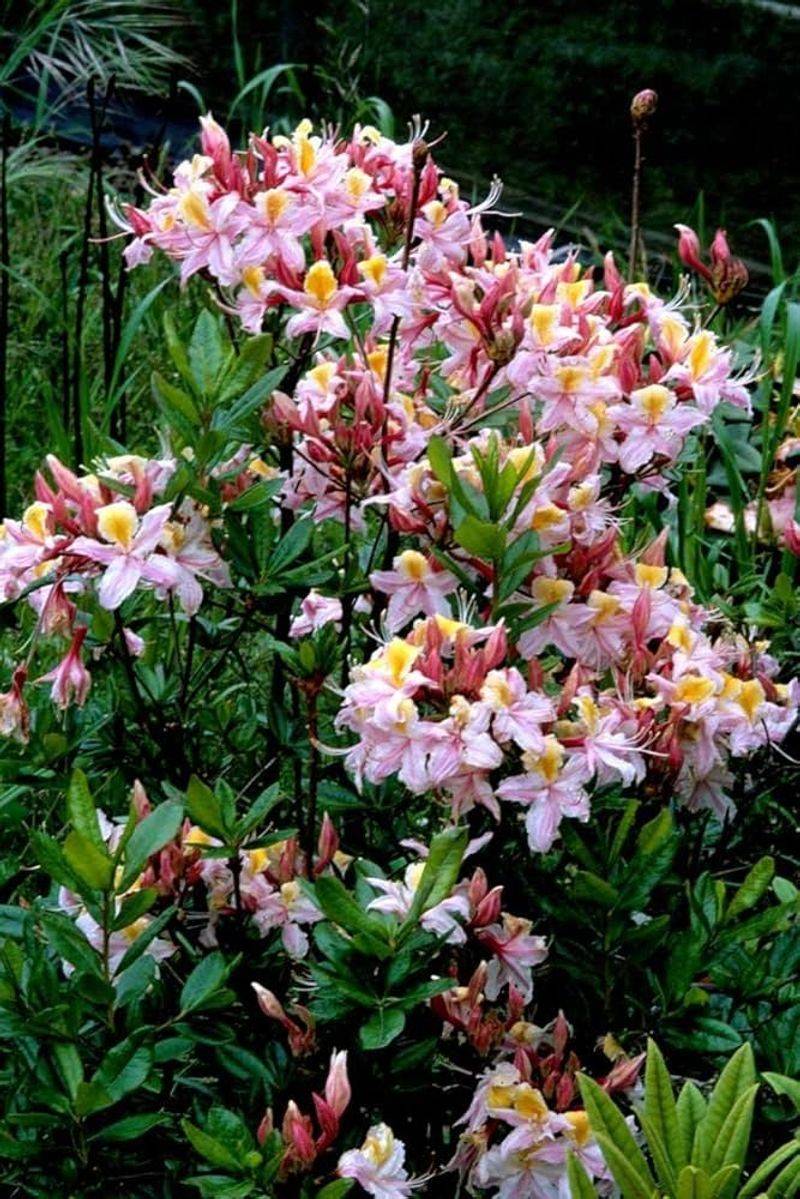
There is a certain kind of beauty that only comes from letting something grow the way it was meant to. The Western Azalea has a naturally rounded, layered shape that fills in gracefully over time.
No topiary shears or formal trimming needed. The plant builds its own architecture season by season.
Mature specimens can reach six to ten feet tall and equally wide in ideal conditions. Near a front entry, that kind of presence creates a living focal point that shifts with the seasons.
Spring brings the blooms and fragrance. Summer offers dense, glossy green foliage.
Fall adds warm orange and red tones before the leaves drop. Even in winter, the branching structure has a quiet elegance.
Resisting the urge to shape it into a ball or box form is worth it. Formal pruning removes the natural branching pattern that gives the shrub its graceful look.
It also removes next season’s flower buds, which defeats the whole purpose of growing it near the front door in the first place.
Letting a few lower branches sweep outward and downward creates a layered effect that looks designed without being forced. Surrounding the base with ground cover plants or low perennials adds to that intentional look.
Over five to ten years, a Western Azalea allowed to grow freely becomes a true statement plant. It anchors a front entry with the kind of quiet confidence that most homeowners spend years and significant money trying to achieve through other means.