Native Oregon Plants That Make Dry Shade Look Intentional By Late Summer
Dry shade wrecks more garden dreams than any pest or frost ever could. You plant something promising, water it faithfully for a few weeks, then watch it collapse into a sad little husk by July.
Oregon’s native plants never got the memo that this spot is impossible. They grew up under towering conifers, competing with root systems that soak up moisture before it reaches the topsoil, and that upbringing shows.
These plants don’t just survive your problem corner, they turn it into the best-looking part of the yard.
A baked slope or a patch smothered by a mature fir ends up with foliage that stays lush when everything else gives up.
Give these natives one good season to settle in, and they stop needing you almost entirely.
1. Sword Fern (Polystichum Munitum)
Walk into any old-growth forest in the Pacific Northwest and sword fern is already there, holding the whole place together. This plant is the anchor of native dry shade gardens, and it earns that title every single summer.
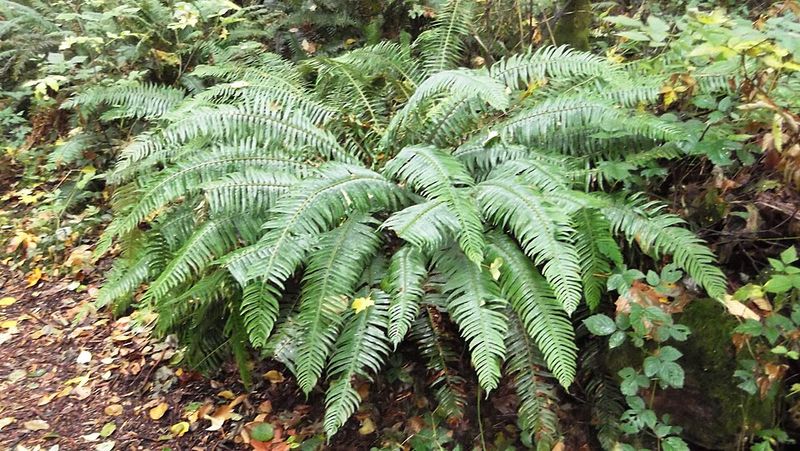
Sword fern grows in dense, arching clumps that can reach four feet tall and just as wide. Those bold, deep green fronds stay fresh and upright even when the soil underneath is bone dry by August.
Established clumps need almost no supplemental water once rooted in. They laugh at summer drought while other ferns wilt and turn crispy around the edges.
Planting sword fern is straightforward: give it shade, decent drainage, and a little patience in year one. By year two, it acts like it owns the place, and honestly, it kind of does.
One of the best features of this fern is its year-round good looks. The garden stays full through every season, without the bare patches or that awkward stretch where it looks like it’s given up on itself.
Deer tend to avoid it, slugs rarely bother it, and it outcompetes many invasive weeds over time. That combination of toughness and beauty is rare in any plant.
Pair sword fern with salal or wild ginger for a layered understory that looks designed by a professional. Confidence like this is rare in a low-maintenance fern.
If dry shade gardening had a mascot, sword fern would already be on the poster, smiling.
2. Salal (Gaultheria Shallon)
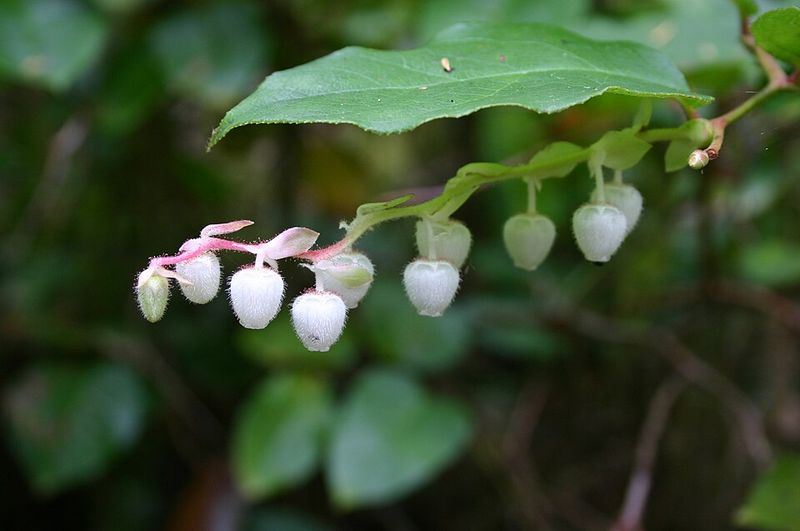
Salal is the plant that florists have been quietly stealing from Oregon forests for decades. Those glossy, leathery leaves show up in bouquets from Portland to Paris, which tells you everything about how good-looking this shrub actually is.
In the garden, salal forms a dense, spreading groundcover that handles dry shade with remarkable ease. Mature plants tough out summer drought without flinching, even under heavy conifer canopy where rain barely reaches the soil.
The leaves are thick and waxy, which is nature’s own moisture-retention trick. That texture gives the plant a rich, polished look that holds up beautifully through late summer heat.
Your Oregon Garden Changes Every Week. Your Plan Should Too.
Gardening in Oregon changes quickly throughout the season. Every Friday you’ll receive a simple weekly plan showing exactly what to plant, prune, fertilize, harvest, and protect so you never miss the right timing.
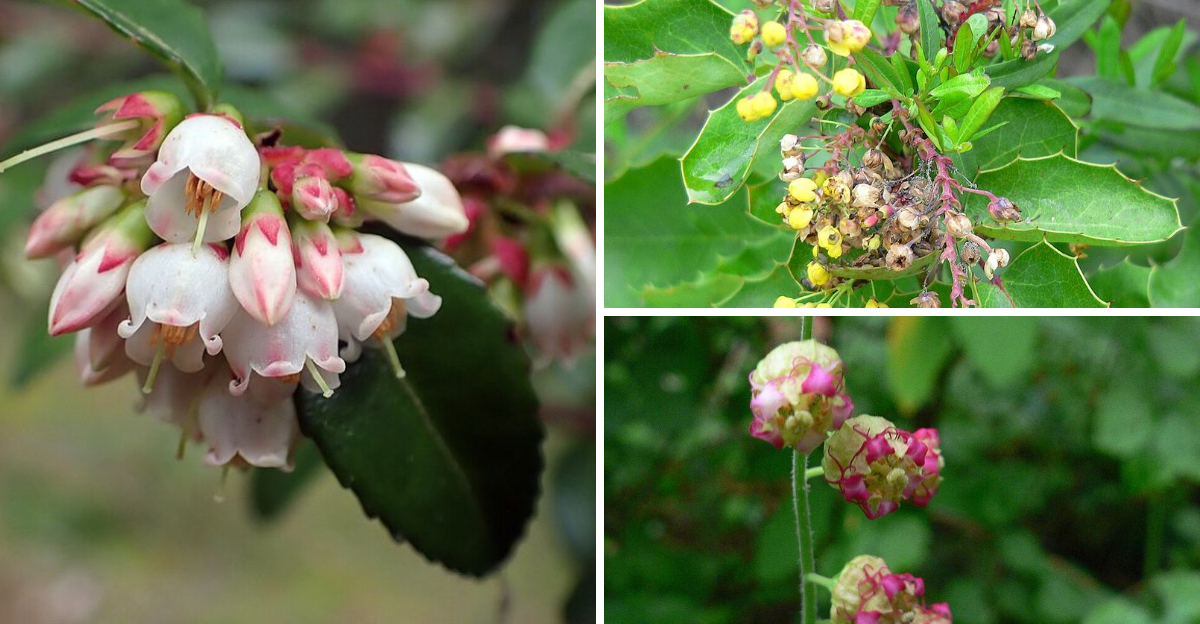
Salal blooms in late spring with dangling clusters of tiny pink-white bells. Those flowers become dark purple berries by late summer, which birds go absolutely wild for.
Spreading slowly by underground stems, salal fills in gaps over time without becoming aggressive. It plays well with sword fern, Oregon grape, and other native understory companions.
Height ranges from one foot in deep dry shade to six feet in more favorable spots. That flexibility makes it useful in a wide range of garden situations.
One practical tip: plant salal from containers in fall or early spring for the best establishment. Avoid planting in summer heat unless you can water consistently for the first season.
Wildlife value, floral beauty, and drought toughness rarely show up in one glossy package. Salal is genuinely hard to top.
3. Evergreen Huckleberry (Vaccinium Ovatum)
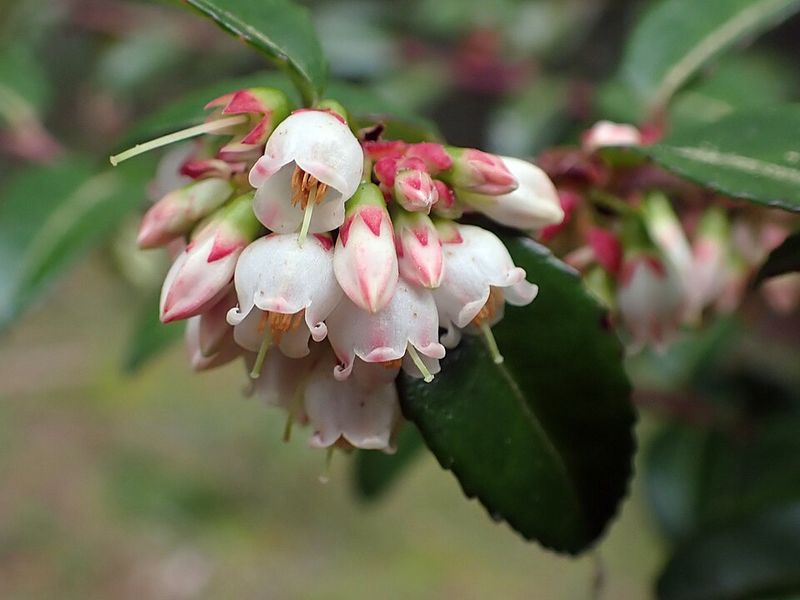
Few native shrubs pull off the trick of looking elegant in both spring and late summer quite like evergreen huckleberry. New growth flushes a warm bronze-red that catches light beautifully, even under deep shade.
By late summer, the branches are loaded with small dark berries that taste like a wild blueberry with extra personality. Bears know this, birds know this, and once you taste one, you will know it too.
Evergreen huckleberry handles dry shade conditions better than most people expect from a fruiting shrub. Established plants need little to no summer irrigation once their roots settle into the soil.
Growth is slow and tidy, which makes this shrub a great choice near paths or in tight spaces. It rarely needs pruning and keeps a naturally pleasing, rounded form on its own.
The glossy leaves stay green all year, giving the garden structure and color even in the bleakest January. That evergreen quality alone makes it worth every bit of patience during the slow first year.
Pollinators love the small pink bell-shaped flowers in spring, making this plant a three-season performer. Spring blooms, summer berries, and year-round foliage is a hard combination to beat.
Pair it with sword fern below and native columbine nearby for a layered planting that looks thoughtfully designed. Patience with this shrub pays off in years of effortless beauty.
Plant it once, and it settles in for the long haul with almost no upkeep.
4. Creeping Oregon Grape (Mahonia Repens)
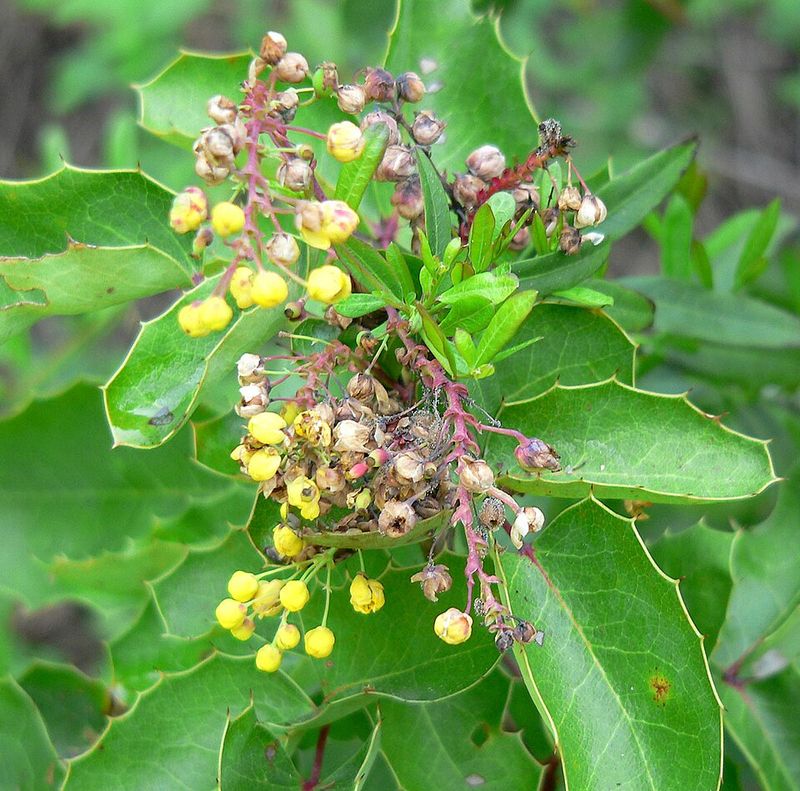
Creeping Oregon grape is the groundcover that refuses to be boring. Those spiky, holly-shaped leaves turn purple-bronze in winter sun and deep blue-green in shade, giving you a different look almost every season.
Unlike its taller cousin, this species stays low, usually under two feet. That compact habit makes it perfect for filling space under trees where nothing else seems willing to grow.
Yellow flower clusters appear in early spring and light up the shade in a way that feels almost theatrical. By late summer, those flowers become dusty blue-purple berries that birds and wildlife find irresistible.
Drought tolerance in this plant is genuinely impressive once established. Roots reach deep and wide, tapping into moisture that surface-rooted annuals could never access.
Creeping Oregon grape spreads slowly by underground rhizomes, knitting together into a weed-suppressing mat over time. That spreading habit is an asset in problem areas where bare soil keeps inviting weeds.
Deer tend to avoid the spiny leaves, which is a significant bonus in areas with heavy browsing pressure. Not many groundcovers offer deer resistance alongside drought and shade tolerance all at once.
Pair this plant with sword fern for bold textural contrast, or let it carpet the ground beneath salal. The combination creates a layered native understory that genuinely looks intentional by late summer.
For tough spots, creeping Oregon grape stands out as one of the most dependable and visually interesting choices around.
5. Fringecup (Tellima Grandiflora)
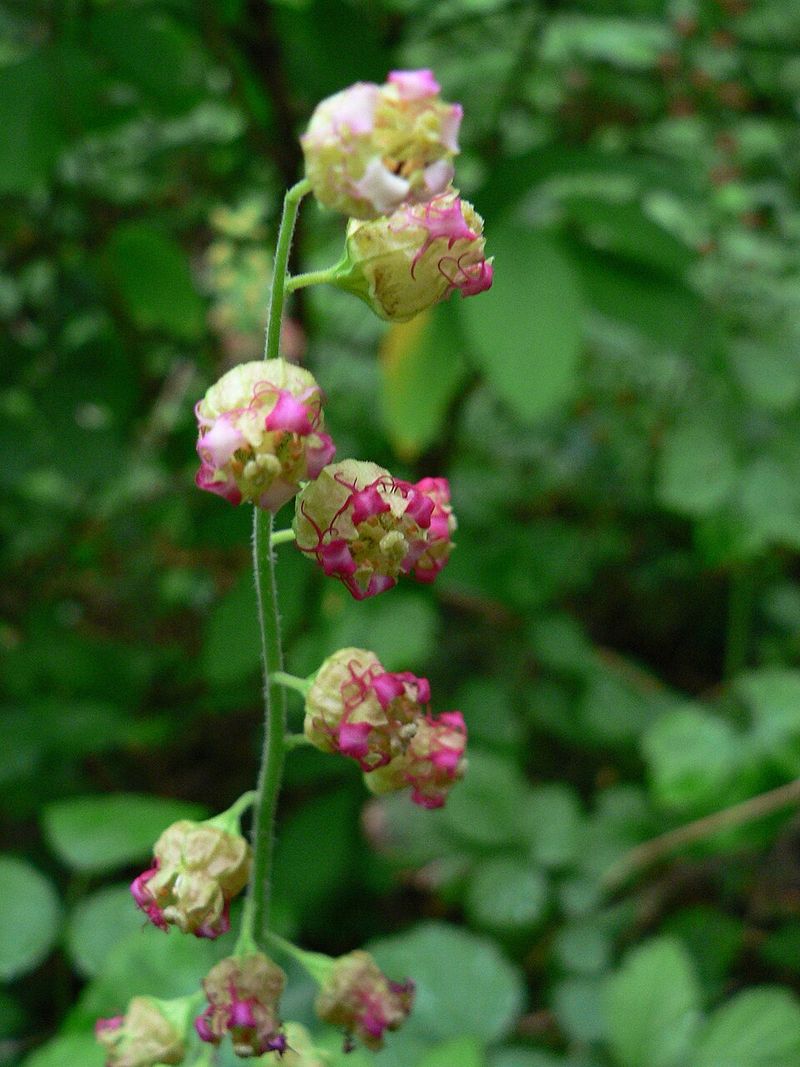
Fringecup has one of the most charming flower designs in the native plant world. Each tiny bloom is shaped like a miniature cup with delicate fringed edges, and they line up along tall, slender stalks like fairy lanterns.
This perennial thrives in the dry shade conditions that defeat most flowering plants. Once established, it handles summer drought with the quiet confidence of a plant that has been doing this for centuries.
Leaves are rounded and scalloped, staying fresh and green through much of the summer even without supplemental water. In mild winters, the foliage persists nearly year-round, giving the garden a tidy, lived-in look.
Fringecup blooms in mid to late spring, bridging the gap between early bulbs and summer perennials. That timing makes it a valuable layering plant in any shade garden design.
Self-seeding is one of this plant’s most useful habits. Once established, fringecup gently fills in nearby gaps, creating naturalistic drifts that look spontaneous rather than planted.
Pollinators seek out those small flowers with surprising enthusiasm, especially native bees working the understory in spring. Few shade perennials support pollinators this reliably.
Height reaches about two feet in bloom, which is tall enough to add vertical interest without overwhelming smaller companions. Pair it with vanilla leaf for a soft, layered effect that photographs beautifully.
Fringecup rewards low-maintenance gardening with steady charm, and by late summer its foliage holds the space with quiet, unpretentious grace.
6. Vanilla Leaf (Achlys Triphylla)
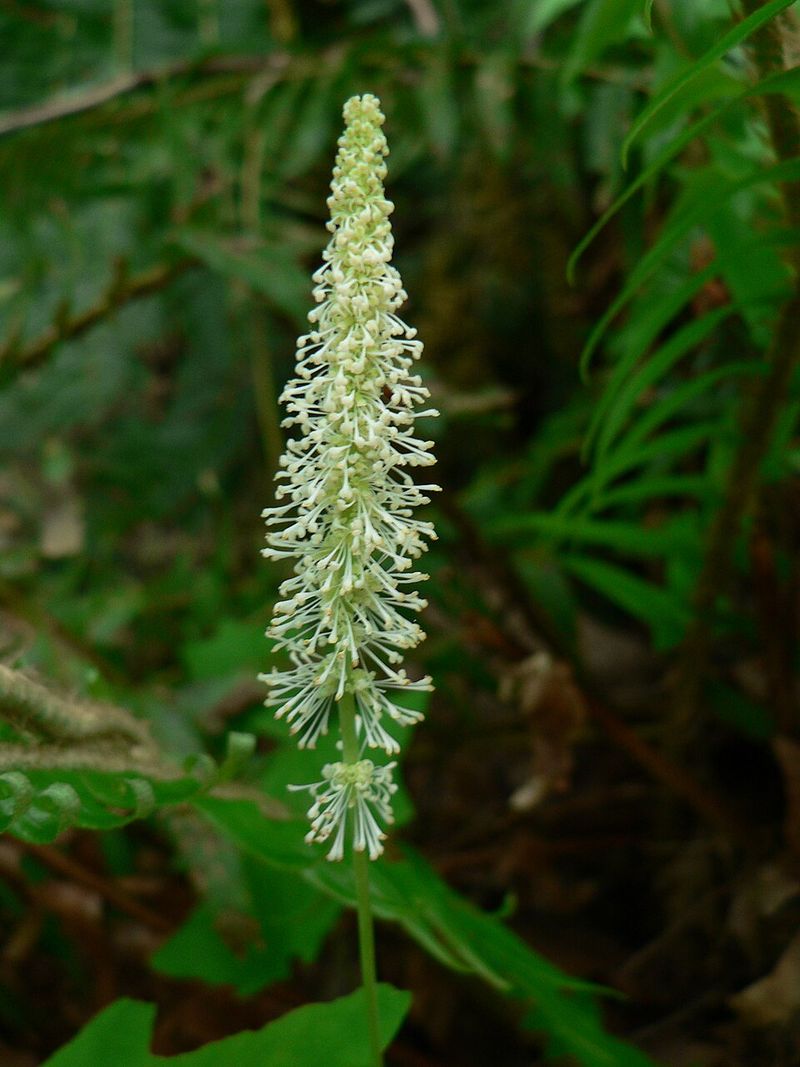
Vanilla leaf gets its name from the sweet, vanilla-like scent released when the leaves are dried. Fresh leaves in the garden carry a subtler version of that fragrance, which makes walking past a patch genuinely pleasant.
The foliage is the main event here: large, three-part leaves shaped like butterfly wings spread wide to capture every bit of filtered light. That bold leaf shape creates a lush, tropical-looking carpet that surprises people who expect shade plants to be dull.
Vanilla leaf spreads by underground rhizomes, slowly colonizing dry shaded areas where little else volunteers to grow. That spreading habit is a feature, not a flaw, in spots that need low-maintenance coverage.
Slender white flower spikes appear in spring, standing just above the foliage like pale exclamation points. They are subtle and lovely, adding interest without overwhelming the handsome leaves.
By late summer, the leaves may develop warm golden tones as they age, adding a seasonal color shift to the groundcover layer. That autumnal warmth gives the shade garden a sense of time passing in a beautiful way.
Drought tolerance improves significantly after the first season once roots establish deeply. In the first summer, some supplemental watering helps the plant settle in without stress.
Vanilla leaf pairs exceptionally well with sword fern, creating a classic Pacific Northwest understory combination. The contrast between bold fern fronds and the wide, flat leaves of vanilla leaf feels both natural and designed.
Few groundcovers pair this much sensory richness with reliable dry-shade performance.
7. Wild Ginger (Asarum Caudatum)
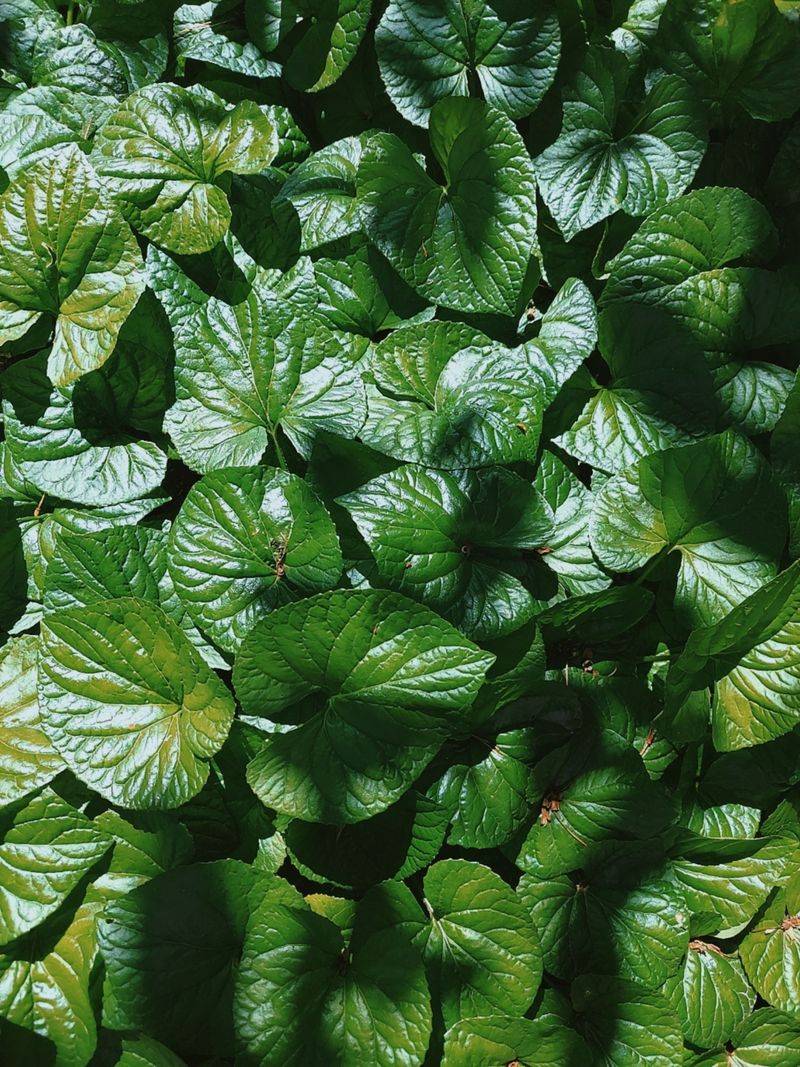
Wild ginger is the undercover operator of the native shade garden. Its large, heart-shaped leaves form a dense, velvet-textured carpet that covers ground beautifully while hiding its quirky flowers at soil level beneath the foliage.
Those flowers are genuinely strange in the best way: small, brownish-purple, three-pointed blooms that rest right on the soil. They are pollinated by ground-crawling insects, which is a fascinating ecological detail most visitors never even notice.
Leaf texture is one of wild ginger’s greatest assets. The surface has a soft, almost fuzzy quality that catches light differently throughout the day, giving the groundcover a dynamic, shifting appearance.
Drought tolerance is solid once roots establish, which usually takes one full growing season. After that, wild ginger handles dry shade conditions with minimal fuss and no summer watering needed in most settings.
Spreading is slow but steady, with plants gradually expanding outward by rhizomes. That measured pace makes it easy to control and position, unlike aggressive spreaders that take over uninvited.
The scent of crushed leaves is spicy and ginger-like, though this plant is not related to culinary ginger. It is a fun fact that earns surprised reactions from garden visitors every single time.
Wild ginger pairs beautifully with fringecup and vanilla leaf, creating a varied groundcover tapestry at low heights. Together, they build a shade floor that looks rich, layered, and completely intentional.
By late summer, wild ginger holds its color and form better than almost any other low groundcover in the dry shade toolkit.
8. Western Columbine (Aquilegia Formosa)
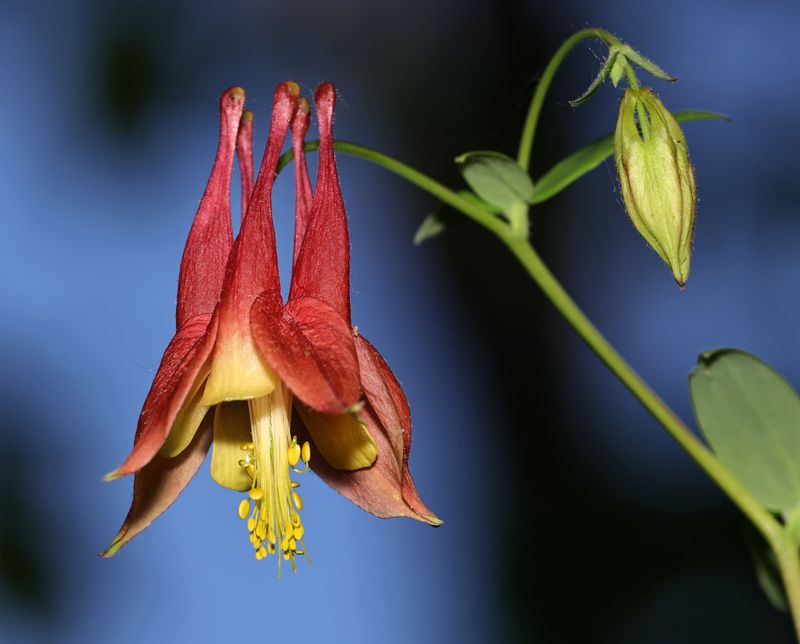
Western columbine is the plant that makes hummingbirds stop mid-flight and reconsider their plans. Those red and yellow blooms practically advertise their nectar, and hummingbirds notice immediately.
Blooms appear in late spring to early summer, bringing vivid color to spots that most flowering plants abandon entirely. The combination of red spurs and bright yellow centers is bold enough to stop garden visitors in their tracks.
Foliage is equally appealing: lacy, blue-green leaves on slender stems that move gracefully in any breeze. That airy texture contrasts beautifully with the bolder leaves of sword fern or wild ginger nearby.
Western columbine tolerates dry shade far better than its delicate appearance suggests. Once established, plants handle summer drought without wilting, which feels like a magic trick given how refined they look.
Self-seeding is a reliable trait here, meaning one plant often becomes a small colony over a few years. That naturalistic spreading habit fills gaps and softens edges in ways that planned planting rarely achieves.
Height ranges from one to three feet depending on light and moisture, giving the plant flexibility across different shade conditions. Taller stems in brighter spots create lovely vertical accents above the groundcover layer.
Native bees and butterflies also work these flowers alongside hummingbirds, making it one of the highest wildlife-value picks for any dry shade planting.
Plant it where you can watch it from a window, because the hummingbird visits alone are worth every square foot of garden space this wildflower occupies.