What A Sudden Moss Outbreak Actually Means For Your Michigan Soil
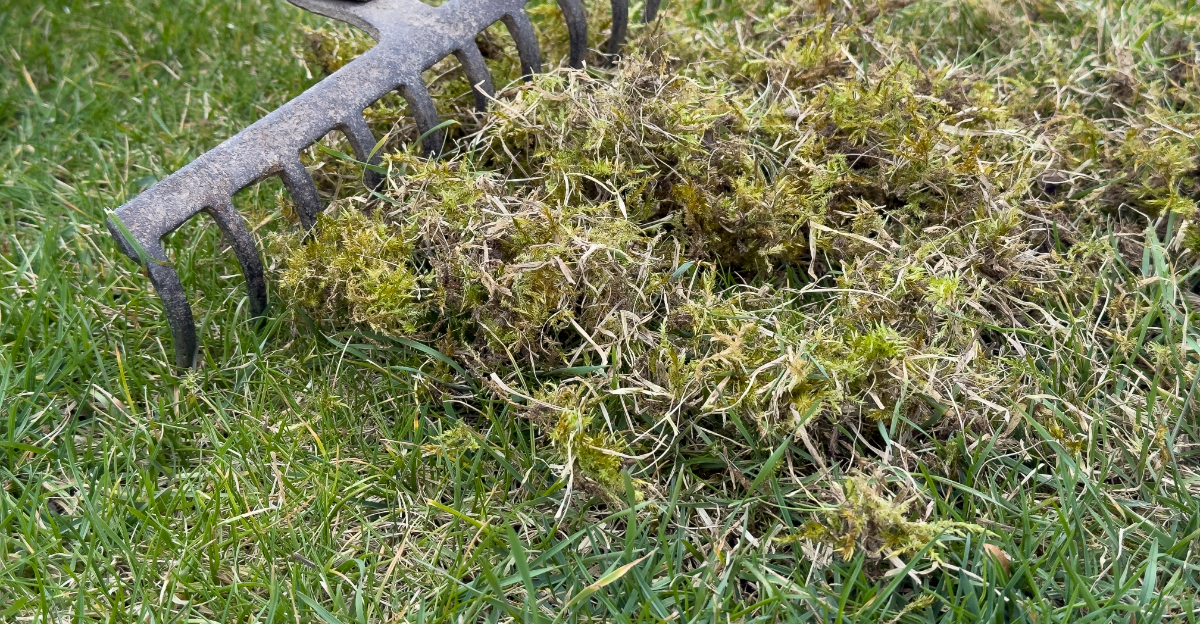
A sudden patch of moss appearing in your Michigan yard usually signals an underlying soil condition rather than a random nuisance. Moss thrives in compacted, poorly draining soil where grass and other plants struggle to compete.
It also favors acidic soil, so a sudden outbreak often points to a drop in pH levels. Shady areas with limited sunlight give moss an even bigger advantage over traditional turf.
Testing your soil can confirm whether acidity or compaction is the main driver behind the outbreak. Aerating compacted areas improves drainage and gives grass roots a better chance to compete again.
Adding lime can help balance overly acidic soil if testing confirms that’s the issue. Addressing the root cause works far better than simply raking moss away each season.
1. Moss Is A Symptom Rather Than The Original Problem
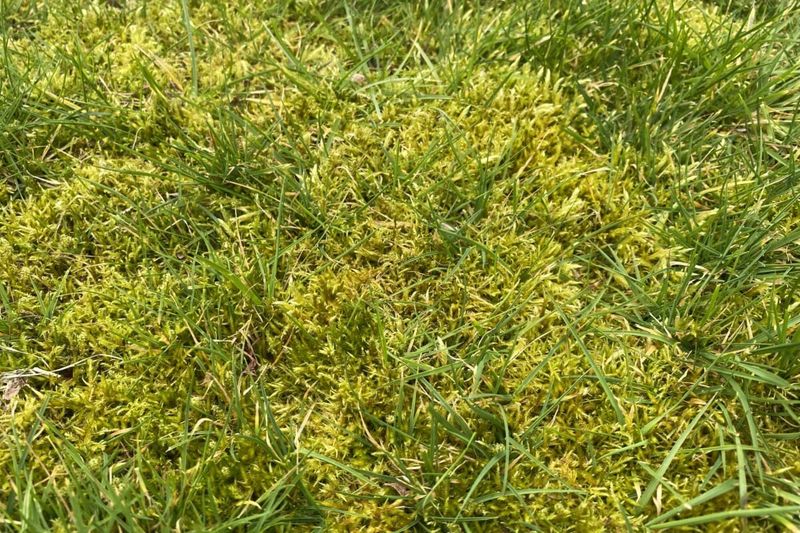
Moss rarely shows up in a yard that was thriving just days before. More often, it moves into spaces where grass or groundcovers have already become thin, weak, or scattered.
The moss itself is not creating the damage you see. It is simply filling in the gap that something else left behind.
Think of moss like a guest who arrives after the party has already wound down. It found an open seat and sat down. The real question worth asking is why that seat was empty in the first place.
Moisture levels, shade patterns, drainage, soil compaction, low fertility, close mowing, and Michigan’s unpredictable seasonal weather can all combine to make a spot less friendly for grass and more welcoming for moss.
Before grabbing a rake or reaching for a moss-control product, take a few minutes to observe the area carefully.
Notice whether the spot stays wet longer than surrounding areas, whether it sits under heavy shade, or whether foot traffic has packed the soil down over time.
Removing moss without fixing the underlying condition almost always leads to the same result within a season or two.
Investigating the growing conditions first saves time, money, and effort in the long run. Soil tests, simple drainage checks, and honest observations about sunlight can point you toward the real issue.
Once you understand why the area became favorable for moss, you can make targeted improvements that give your desired plants a genuine chance to grow back strong and fill in those open spaces.
2. Surface Moisture Is Lasting Longer Than Usual
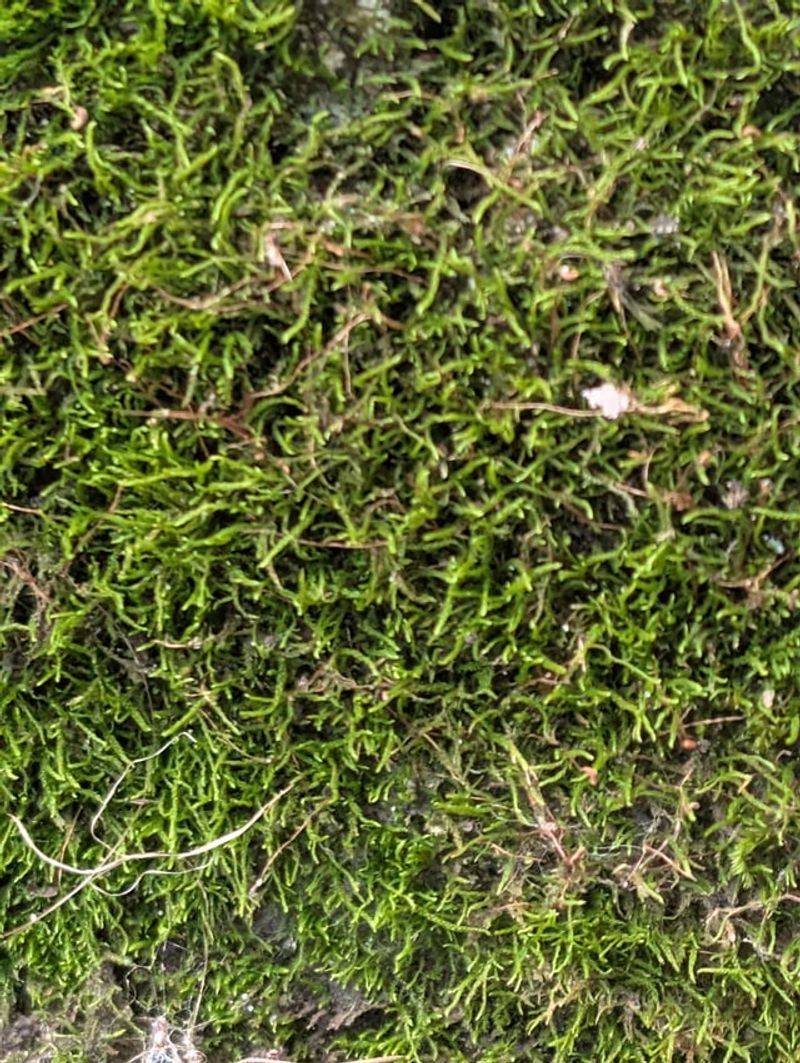
Noticing moss pop up after a stretch of rainy Michigan weather is not a coincidence.
Moss thrives when the soil surface stays damp for extended periods, and a sudden increase in moss coverage is often one of the clearest signs that moisture is lingering longer than it should.
One quick glance after a rain does not give you the full picture. Try checking the area several hours after a rain event, then again the following morning.
If the surface still feels spongy or looks wet while surrounding areas have dried out, that pattern tells you something meaningful about how water moves through or pools in that spot.
Your Michigan Garden Changes Every Week. Your Plan Should Too.
Gardening in Michigan changes quickly throughout the season. Every Friday you’ll receive a simple weekly plan showing exactly what to plant, prune, fertilize, harvest, and protect so you never miss the right timing.
Frequent Michigan rainfall, cool spring and fall temperatures, heavy shade from trees or buildings, and poor air circulation can all slow down surface drying significantly.
Seasonal wet conditions are worth keeping in mind too. Sometimes moss expands noticeably during a particularly wet spring or a cool, cloudy stretch in late summer, then naturally pulls back once conditions dry out.
That kind of temporary expansion does not automatically mean your soil has a permanent drainage problem. However, if the area stays consistently damp across multiple seasons, that pattern deserves closer attention.
Excessive irrigation is another factor that often gets overlooked. Watering too frequently, especially in already shaded or poorly drained spots, can push moisture levels high enough for moss to spread quickly.
Adjusting your irrigation schedule to match actual plant needs and current weather conditions is a simple step that can make a noticeable difference without any major digging or renovation work.
3. Shade Is Reducing Soil Drying And Plant Competition
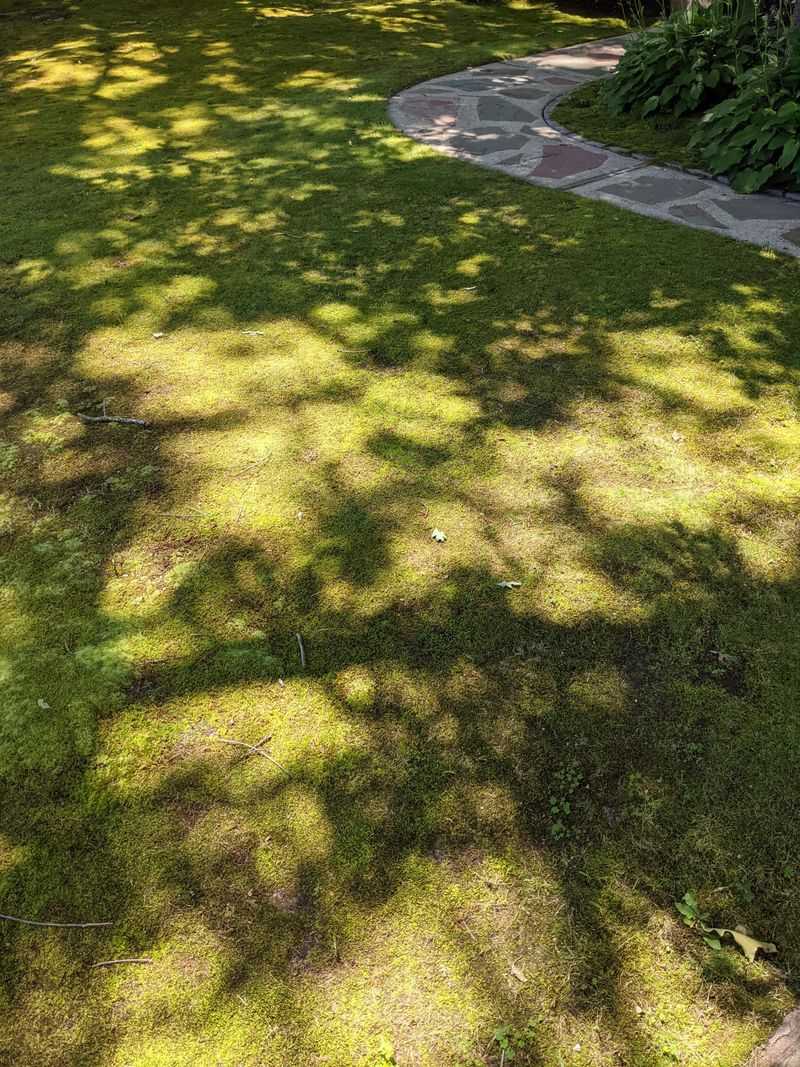
Shade does two things that moss absolutely loves. First, it slows down how quickly the soil surface dries after rain or morning dew.
Second, it makes it harder for most lawn grasses to stay thick and competitive. When grass thins out under heavy shade, it leaves open ground that moss is perfectly suited to occupy.
Sources of shade in Michigan yards come in many forms. Mature oak and maple trees, dense shrubs, wooden fences, garage walls, and even neighboring structures can all cast enough shadow to shift the growing conditions dramatically.
The deeper and more consistent the shade, the harder it becomes for sun-loving grasses like Kentucky bluegrass or tall fescue to hold their ground through the season.
Increasing light is sometimes a practical option. Trimming lower branches to raise the canopy can help, and removing smaller shrubs or relocating containers can open up a surprising amount of sunlight.
However, recommending major tree removal for the sake of moss control alone is rarely the right call. Trees provide significant environmental and aesthetic value that goes well beyond any lawn concern.
Where sunlight genuinely cannot be increased to a useful level, shifting your approach makes more sense than fighting the conditions.
Shade-tolerant groundcovers like wild ginger, pachysandra, or creeping Jenny can create attractive, low-maintenance coverage in spots where grass consistently struggles.
Some Michigan gardeners even choose to embrace moss intentionally in deeply shaded areas, maintaining it as a soft, green, visually pleasing alternative to bare soil or struggling turf.
4. Compaction May Be Restricting Roots And Water Movement
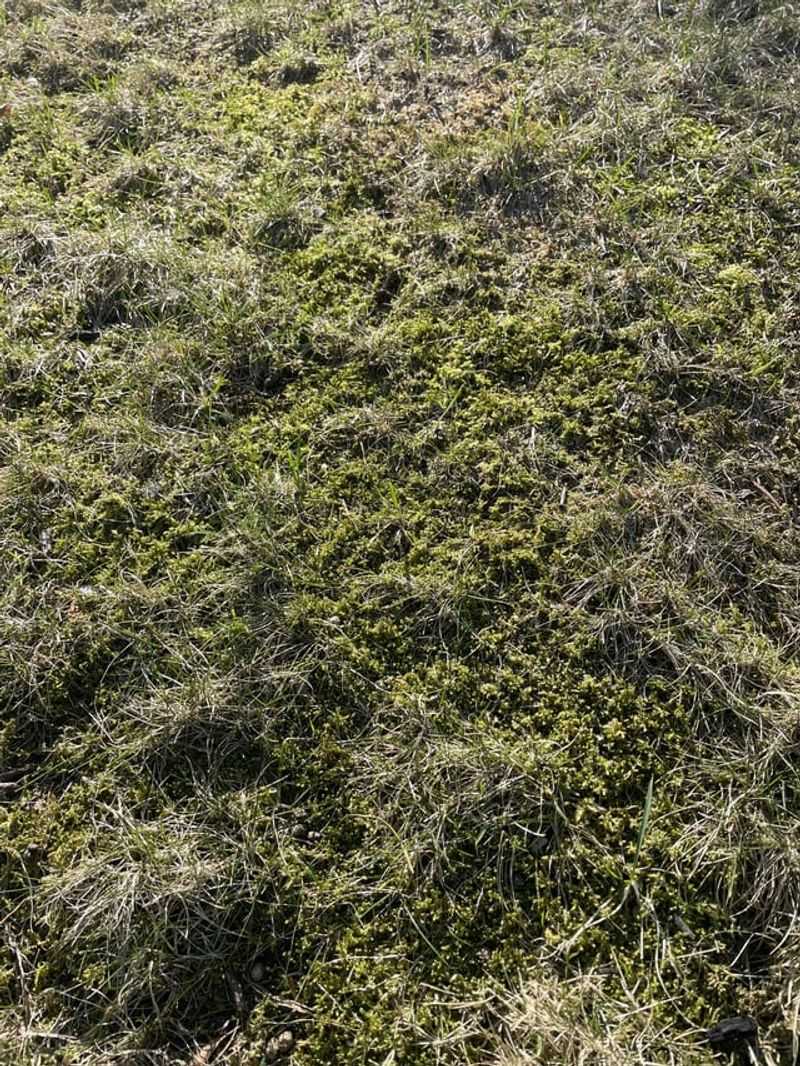
Compacted soil is one of those sneaky problems that builds up gradually and then suddenly becomes very obvious.
When soil particles are pressed tightly together, air spaces shrink, plant roots struggle to push through, and water has a much harder time moving downward into the ground.
All of those conditions together create a surface environment where moss can gain a real foothold. Michigan yards face compaction from a wide range of everyday activities.
Regular foot traffic across the same path, heavy lawn equipment making repeated passes, construction or renovation work near the yard, and even walking on saturated soil during spring can all compress the ground enough to affect plant health over time.
The damage tends to accumulate season after season without any single dramatic event to point to.
A few useful clues can help you spot compaction before you commit to any soil work. Watch for shallow puddles that linger well after rain has stopped. Notice if water seems to sit on the surface rather than soak in within a reasonable time.
Pay attention to weak, shallow-rooted grass that wilts quickly during dry spells, and look for moss that tends to concentrate along pathways or frequently used routes through the yard.
Before aerating or amending the soil, evaluate how severe the compaction actually is and which areas are most affected. A simple screwdriver test works well: push a standard screwdriver into the soil by hand.
If it resists penetration past a few inches, compaction is likely significant enough to address. Targeted core aeration followed by topdressing with compost can meaningfully improve both root growth and water infiltration over time.
5. Drainage Or Irrigation May Be Keeping The Area Too Wet
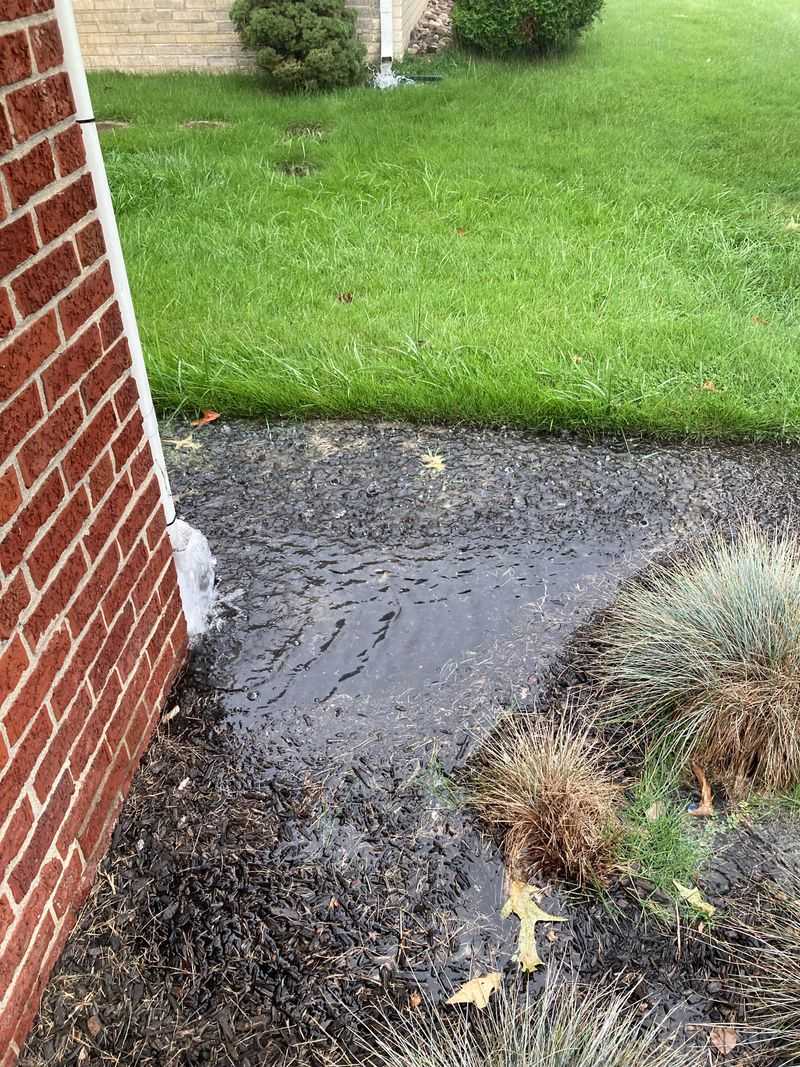
Water has to go somewhere, and in many Michigan yards, it tends to collect in the same predictable spots every single time it rains.
Low-lying areas, dense clay soil, blocked drainage routes, and downspout discharge points can all concentrate moisture in ways that create ideal moss conditions without anyone realizing it.
Identifying where water actually travels during a rain event is one of the most useful things a homeowner can do.
Stand near a window or walk the yard during a moderate rainfall and simply watch. Notice which areas collect water first, where it pools longest, and which spots seem to drain quickly.
That real-time observation often reveals patterns that no amount of dry-weather inspection can show.
Following up with a second look several hours later helps confirm whether the wet areas are draining or staying saturated well past the point they should.
Excessive irrigation contributes to this problem more often than most people expect. Running sprinklers on a fixed schedule regardless of recent rainfall or current soil moisture can keep certain areas perpetually damp.
Cutting back on irrigation frequency in already wet or shaded zones is a straightforward adjustment that costs nothing and often reduces moss pressure noticeably within a single growing season.
Correcting concentrated water flow through redirected downspouts, simple grading adjustments, or shallow drainage channels can also make a meaningful difference.
One important caution worth keeping in mind: always direct water away from neighboring properties and structures.
Sending runoff toward a neighbor’s yard or a building foundation creates a new set of problems far more complicated than managing a patch of moss.
6. Sparse Plant Cover Has Given Moss Room To Spread
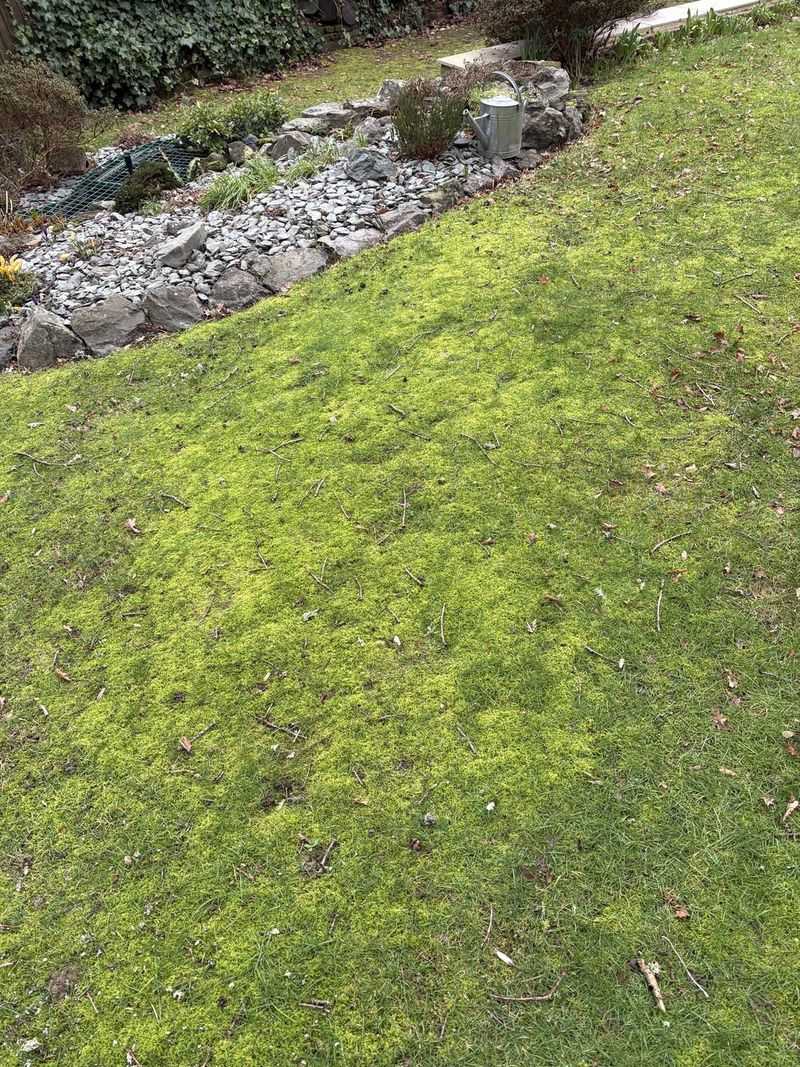
Moss is an opportunist in the most straightforward sense. When turfgrass or garden plants thin out and leave bare soil exposed, moss moves in because the conditions suit it and nothing else is competing for that space.
Understanding why the plant cover became sparse in the first place is the key step that most homeowners skip entirely. Several things can cause grass or other plants to open up.
Summer heat stress, waterlogged soil, close mowing, heavy foot traffic, tree root competition, and poor light levels can all strip a lawn of its density.
Losing this structural density leaves the turf vulnerable to invasion by moss and weeds. Often more than one of these factors is working at the same time.
Pulling moss out or scraping it away without addressing the reason the ground became bare almost always produces the same result within a season. The surface stays open, conditions remain favorable, and moss returns to fill the gap again.
A more lasting approach starts with identifying what caused the thinning and then selecting a plant solution that actually matches the site.
Reseeding with a grass variety suited to Michigan’s climate and the specific light and moisture conditions of that spot can work well in areas that receive reasonable sunlight.
Shaded, wet, or high-traffic zones may benefit more from a site-appropriate groundcover than from repeated grass reseeding attempts.
Creeping thyme, clover, or native groundcovers can provide lasting coverage in spots where conventional turf consistently struggles to establish and hold.
7. Low Fertility May Be Weakening The Desired Plants
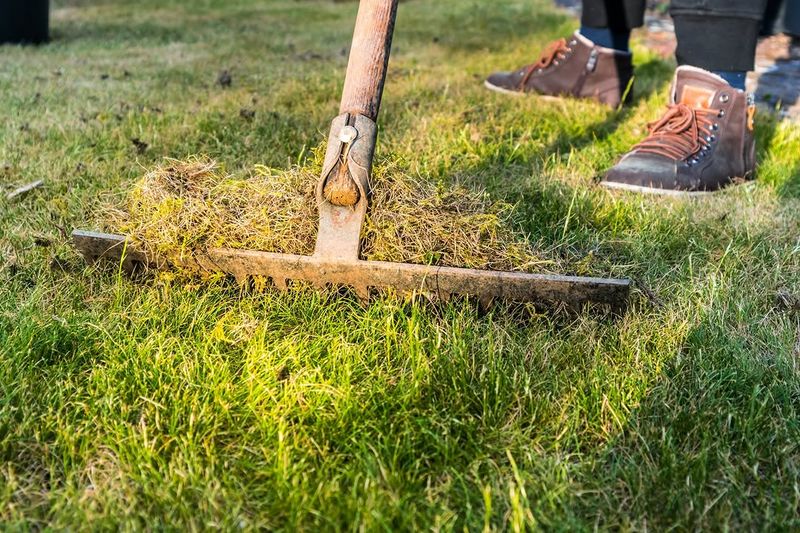
Grass that does not have access to adequate nutrients tends to grow slowly, stay thin, and lose its ability to crowd out plants like moss that can survive on very little.
Low nitrogen availability is one of the more common fertility limitations that weakens turfgrass in Michigan yards, but it is far from the only one.
Phosphorus, potassium, and soil pH all play roles in how well your desired plants can establish and hold ground against opportunistic species.
Here is where many homeowners make a well-intentioned but costly mistake. Seeing moss and immediately concluding that the lawn needs fertilizer skips a critical step.
Moss presence alone does not confirm a fertility problem. It can appear in soils with perfectly adequate nutrient levels when other conditions like moisture, shade, or compaction are the primary drivers.
Adding fertilizer to a lawn that does not actually need it wastes money and can contribute to nutrient runoff into Michigan’s waterways.
A soil test is the most reliable way to know what is actually happening beneath the surface. Michigan State University Extension offers testing services that provide results for soil pH, organic matter content, and key nutrient levels.
The report also includes specific recommendations based on what you want to grow, so you apply only what the soil genuinely needs.
Getting a test done before buying any products puts you in a far stronger position. You avoid guessing, you avoid over-applying, and you make targeted improvements that actually support plant health rather than just treating symptoms.
Testing every three to four years keeps your fertility program grounded in real data rather than assumption.
8. Moss Does Not Confirm Acidic Soil
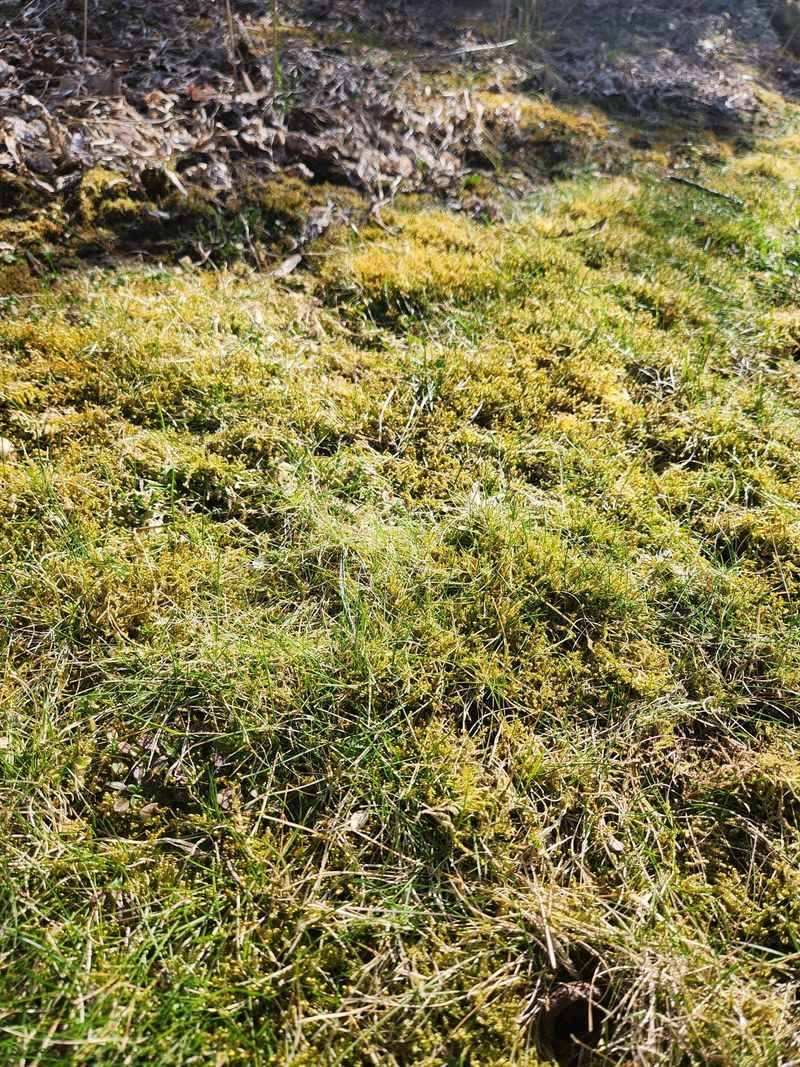
One of the most persistent myths in lawn care is the idea that moss automatically means acidic soil. Walk into almost any hardware store and you might hear someone recommend lime the moment moss is mentioned.
The truth is more nuanced and worth understanding before you spend money on a product your soil may not need at all.
Moss is remarkably adaptable. Yes, it can grow in acidic conditions, and yes, some Michigan soils do run on the acidic side.
But moss also spreads comfortably in soils with near-neutral pH when moisture, shade, compaction, poor drainage, or weak plant competition provide the conditions it needs.
The pH of the soil is just one piece of a much larger picture, and moss alone cannot tell you which piece is actually the problem.
Applying lime based purely on moss presence is a gamble with real consequences. If your soil pH is already in the right range for your grass type, adding lime can push it too high, which then interferes with nutrient availability and creates new plant health problems.
Michigan soils vary considerably from one yard to the next, and assumptions based on visual clues are not a reliable guide for soil amendment decisions.
A laboratory soil test removes the guesswork entirely. It measures actual pH along with other key indicators and tells you specifically whether lime is warranted and, if so, how much to apply.
Using lime only when test results support it protects both your lawn and your budget. Moss in your yard is a clue worth investigating, not a prescription for a product.