Why Native Michigan Plants Are The Smartest Choice For A Yard With A Tick Problem
Tick pressure in Michigan has increased noticeably over the past decade, and most of the advice around managing it focuses on what you apply to your lawn or your clothing rather than what you choose to grow.
The connection between plant selection and tick habitat is real and well documented, and it is one that native plant gardening addresses in a very direct way.
Plants that evolved in Michigan’s ecosystems tend to support the natural predators and conditions that keep tick populations in check, while non-native plantings often do the opposite without gardeners ever realizing it.
Rethinking what goes in the ground is not just a landscaping decision for tick-prone yards in Michigan. It is genuinely one of the most effective long-term strategies available.
1. Naturally Discourage Ticks
Certain native plants have a secret weapon that most homeowners never think about: their natural chemistry.
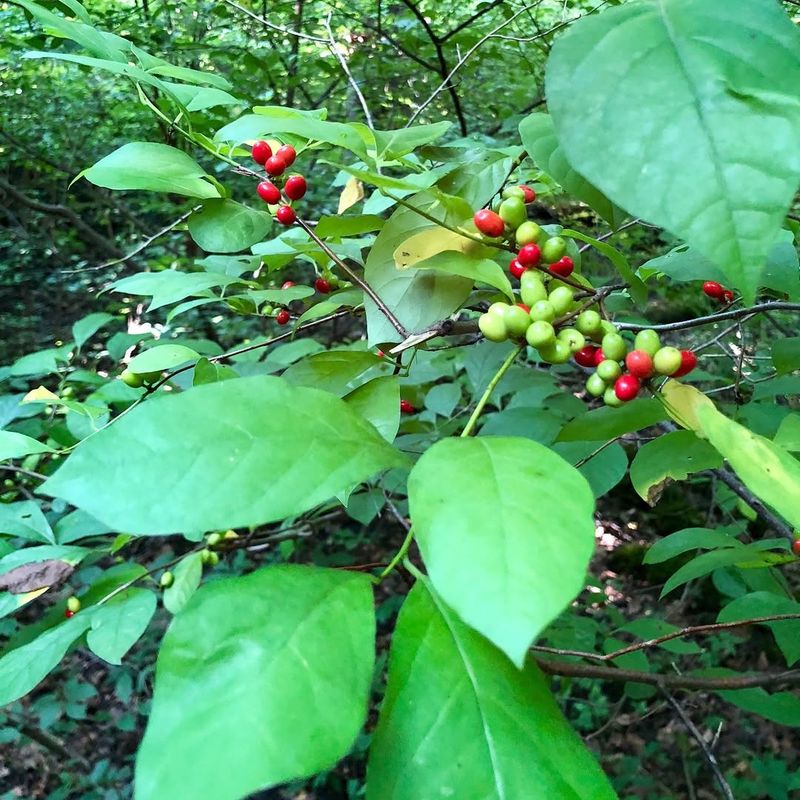
Plants like Northern Bush Honeysuckle (Diervilla lonicera) and Spicebush (Lindera benzoin) produce aromatic compounds in their leaves and stems that ticks find deeply unappealing.
It is not something you can always smell from across the yard, but to a tick, it is a strong signal to move on.
Spicebush, for example, releases a spicy, lemony scent when its leaves are brushed or crushed.
Ticks rely heavily on scent cues to find hosts and navigate their environment, so planting aromatic natives around high-traffic areas like patios, play spaces, and garden paths creates a natural buffer zone.
Northern Bush Honeysuckle adds to this effect with its dense, twiggy growth that limits the shaded, humid ground-level spots ticks prefer to rest in. Strategic placement matters a lot here.
Planting these shrubs along yard borders, fence lines, and the edges of wooded areas creates a layered barrier rather than a single line of defense.
Ticks typically migrate from wooded or overgrown areas into yards, so intercepting that movement with aromatic, densely growing natives is genuinely effective.
Over time, as your plantings fill in and mature, the combined effect of scent, structure, and reduced habitat makes your entire yard a much harder place for ticks to survive and thrive.
2. Provide Dense Ground Coverage
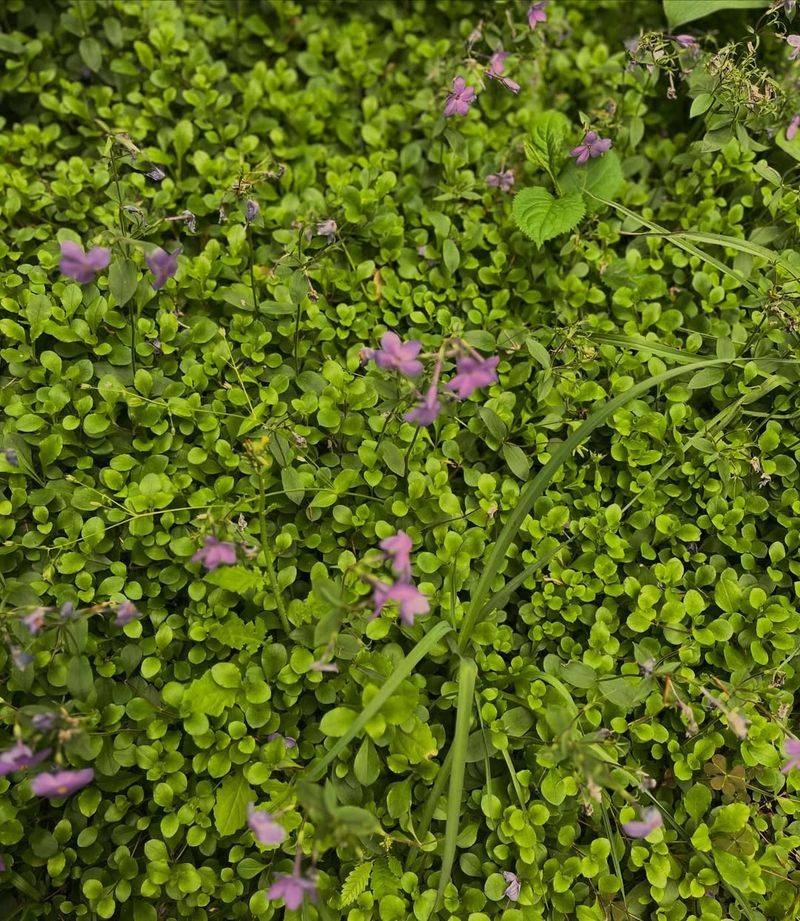
Bare soil is basically a welcome mat for ticks. Shaded, open patches of ground stay cool and moist, which is exactly the microhabitat ticks need to survive between hosts.
Dense native ground cover plants close off those spaces completely, leaving ticks with nowhere comfortable to hang out.
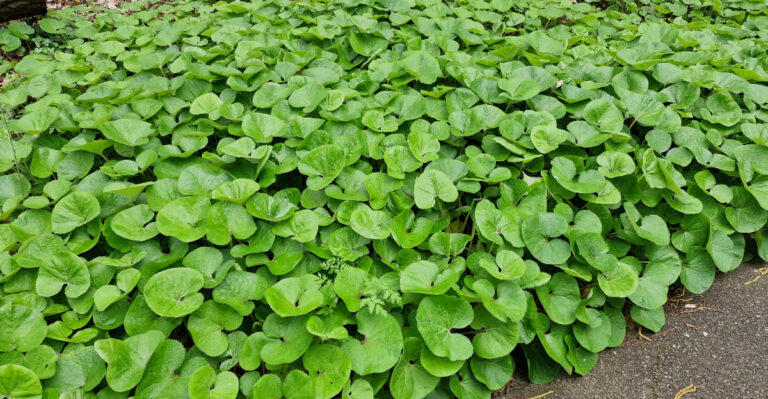
Native plants like Wild Ginger (Asarum canadense) and Pennsylvania Sedge (Carex pensylvanica) spread naturally to form thick, low carpets across the ground.
Unlike traditional lawn grass, these plants create layered foliage at multiple heights, which dries out faster in sunlight and stays less humid overall.
That shift in microclimate alone can make a significant difference in how many ticks manage to survive in your yard through the season.
Beyond the practical benefits, dense native ground cover genuinely improves how your yard looks.
Instead of patchy grass struggling under trees or along shaded slopes, you get lush, textured greenery that looks intentional and polished.
Your Michigan Garden Changes Every Week. Your Plan Should Too.
Gardening in Michigan changes quickly throughout the season. Every Friday you’ll receive a simple weekly plan showing exactly what to plant, prune, fertilize, harvest, and protect so you never miss the right timing.
Many of these plants also produce subtle flowers in spring or interesting seed heads in fall, adding visual appeal through multiple seasons. The structural benefit is real too.
A yard with continuous, layered plant coverage has fewer exposed soil zones, fewer moisture pockets, and fewer quiet corners where ticks can wait.
Building that kind of coverage takes a season or two, but once established, native ground covers largely maintain themselves with minimal input from you.
3. Deer-Resistant Varieties
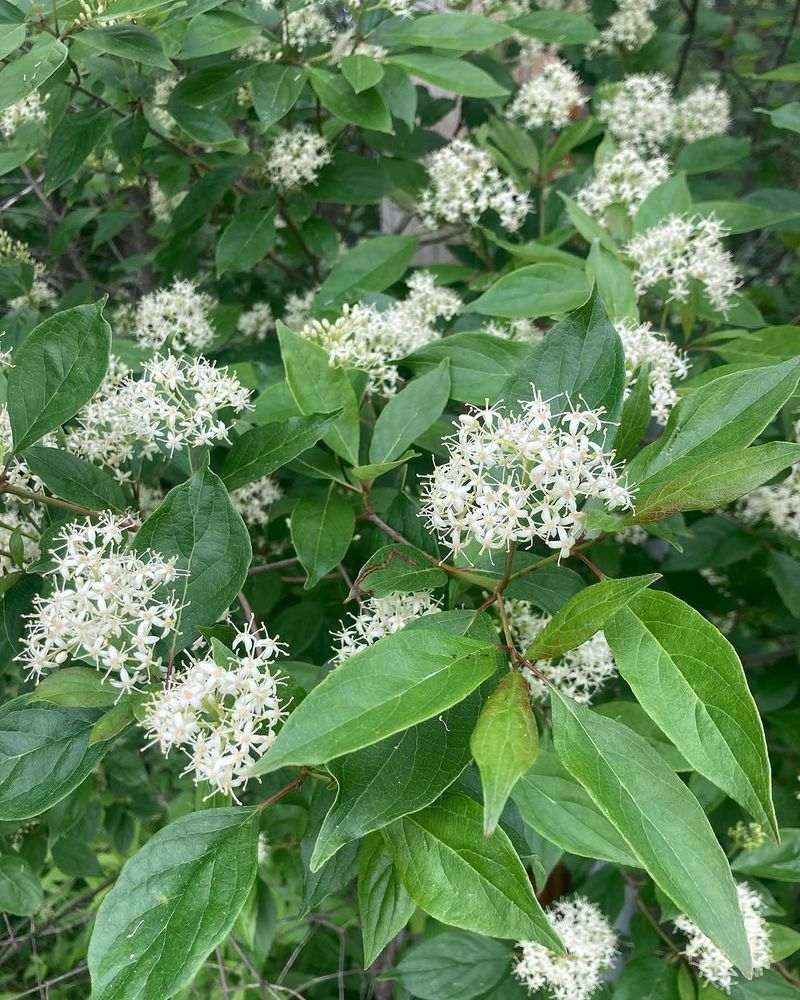
Deer play a bigger role in tick problems than most people realize. Deer are primary hosts for adult ticks, and wherever deer roam regularly, tick populations tend to spike.
When deer browse through your yard and munch on your shrubs, they also thin out the dense plant coverage that keeps ticks at bay, creating exactly the kind of open, shaded spots ticks love.
Northern Bush Honeysuckle (Diervilla lonicera) is a standout example of a native Michigan shrub that deer consistently avoid.
Its slightly bitter foliage is unappealing to deer, which means your plantings stay intact, full, and effective as a tick barrier season after season.
Other deer-resistant natives include Wild Bergamot (Monarda fistulosa) and Ostrich Fern (Matteuccia struthiopteris), both of which hold their structure well even in yards where deer pressure is high.
Keeping deer out of your yard is genuinely difficult, especially in suburban Michigan neighborhoods bordering wooded areas.
Choosing plants that deer naturally bypass is one of the most practical and low-effort strategies available.
Your coverage stays dense, your tick-deterring benefits remain consistent, and you avoid the frustrating cycle of replanting shrubs that get browsed down to stubs every fall.
Pairing deer-resistant natives with a simple fence along wooded borders takes this strategy even further, giving you a yard that stays protected without constant replanting or maintenance.
4. Support Beneficial Insects
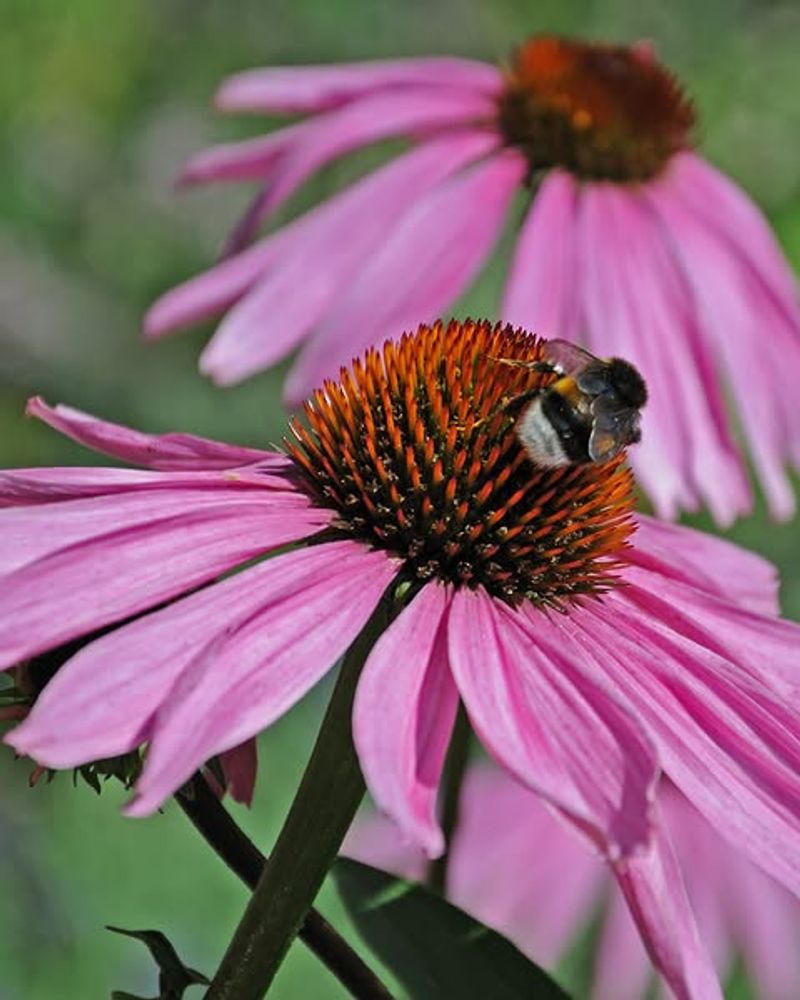
A yard full of native plants is a yard buzzing with life, and that ecological activity works quietly in your favor.
Native flowering plants attract a wide range of beneficial insects, including ground beetles, predatory wasps, and parasitic flies that feed on or parasitize ticks and other pests.
It is a natural food web doing its job, and native plants are the foundation that makes it possible.
Ground beetles are particularly worth mentioning. These fast-moving predators hunt at ground level and are known to consume tick eggs and small tick larvae.
Studies from the University of Rhode Island found that diverse plantings with native species supported significantly higher ground beetle populations than non-native or monoculture gardens.
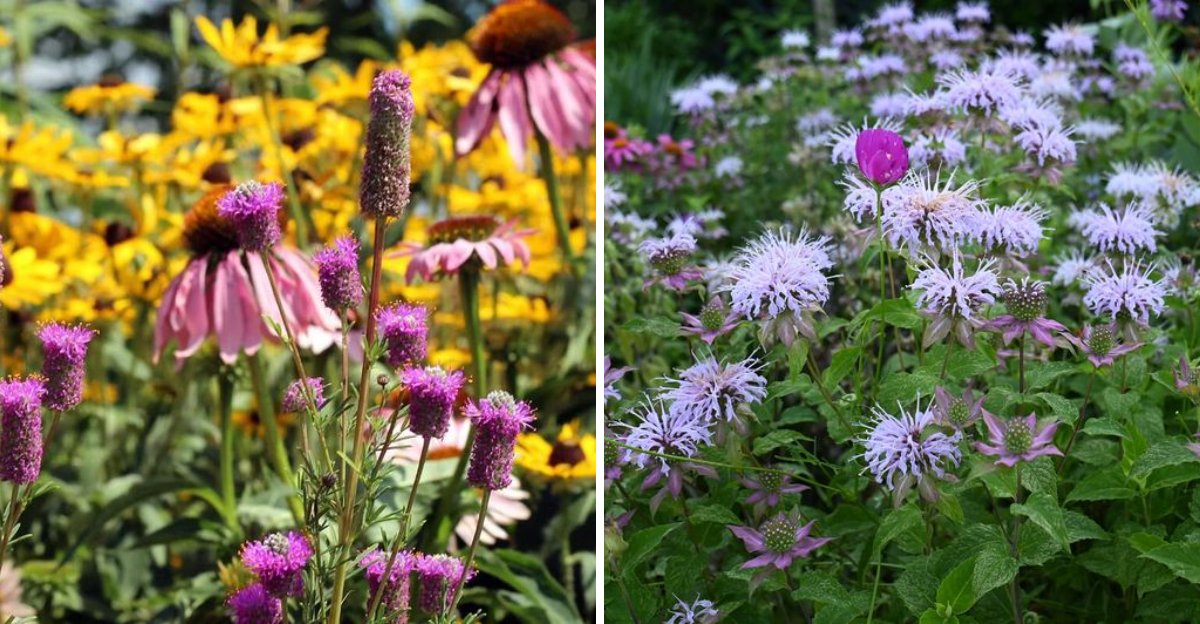
Plants like Purple Coneflower (Echinacea purpurea) and Black-Eyed Susan (Rudbeckia hirta) are especially effective at drawing in a wide variety of beneficial insect species throughout the growing season.
Pollinators get a lot of attention, and rightly so, but the less glamorous predatory insects are just as valuable in a yard with a tick concern.
When your garden supports a rich, diverse insect community, the natural checks and balances that keep pest populations in line start working on their own.
You are not managing the yard so much as setting the stage for nature to manage itself.
That kind of self-regulating ecosystem is one of the most compelling reasons to go native, especially if you want long-term results without ongoing chemical intervention.
5. Adapted To Michigan Climate
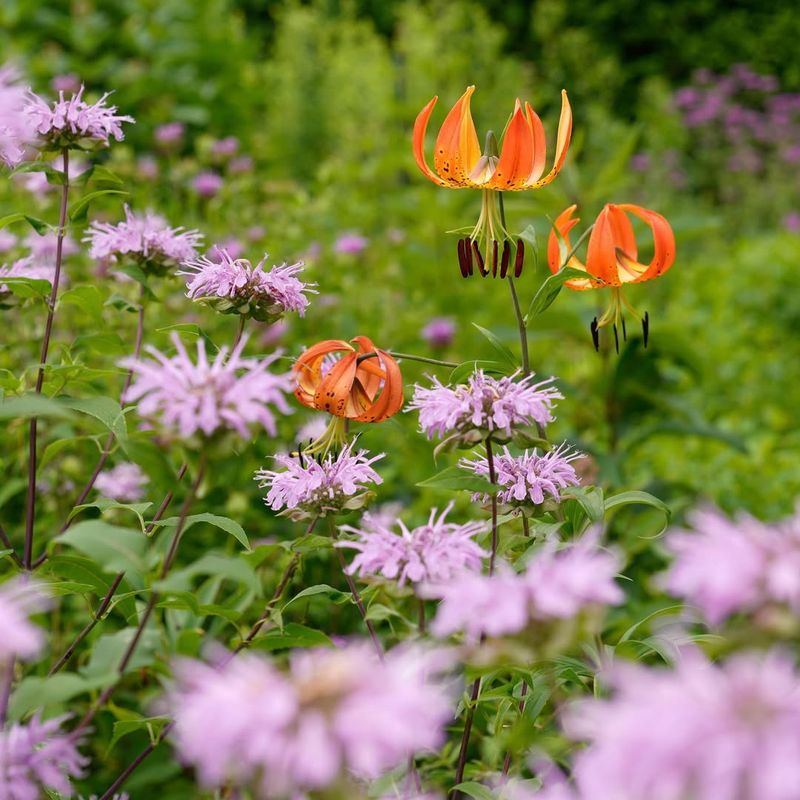
Michigan throws a lot at its plants. Winters are cold and long, summers can get surprisingly hot and dry, and spring tends to swing between flooding and drought within the same month.
Non-native plants often struggle to keep up with those swings, losing leaves, wilting, or going patchy right when you need them to hold their coverage most.
Native plants, on the other hand, evolved here, and they handle these conditions without missing a beat. That resilience matters more than most gardeners initially expect.
A plant that stays full and dense through a dry July is still doing its job of blocking tick microhabitats.
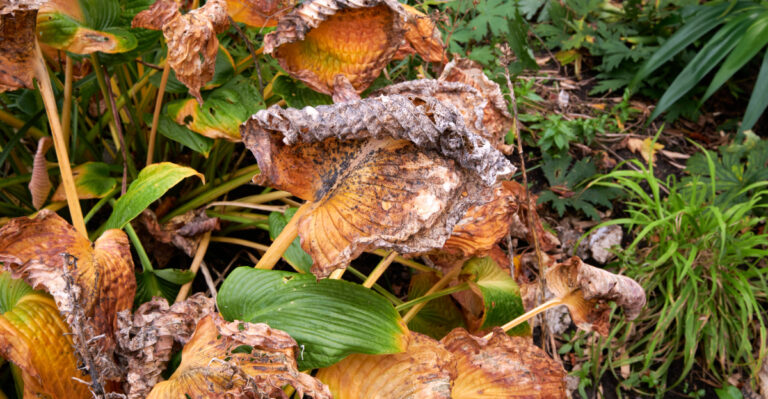
A plant that wilts, browns, or drops leaves creates gaps in coverage, and those gaps invite exactly the kind of shaded, slightly moist ground conditions ticks seek out.
Native species like Wild Columbine (Aquilegia canadensis) and Michigan Lily (Lilium michiganense) stay vigorous through seasonal stress without extra watering or feeding.
Deep root systems are part of what makes this possible.
Michigan natives typically develop roots that reach much deeper than non-native ornamentals, tapping into soil moisture that surface-level roots simply cannot access.
This means they stay healthier through dry spells and recover faster after hard winters.
For a yard where consistent, unbroken plant coverage is part of your tick management strategy, choosing plants that can handle Michigan weather without constant help is not just convenient.
It is genuinely essential to making the whole approach work.
6. Low Maintenance Once Established
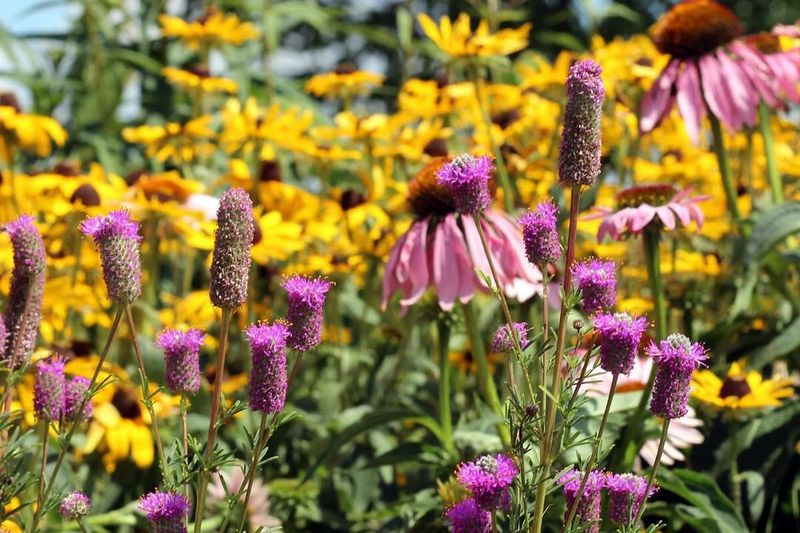
One of the best things about native plants is what you stop having to do once they settle in.
After the first one to two growing seasons, most native Michigan perennials and shrubs become remarkably self-sufficient.
They have found their footing in the soil, developed deep root systems, and learned to work with local rainfall patterns rather than against them. Watering needs drop dramatically once natives are established.
Fertilizer is rarely needed because these plants evolved in Michigan soils and extract the nutrients they need naturally.
Pest and disease issues are also far less common compared to non-native ornamentals, which often require regular spraying just to stay healthy.
That reduced maintenance workload is a big deal for busy homeowners who want a tick-resistant yard without turning gardening into a second job.
There are still a few things worth doing to keep coverage dense and functional.
A two to three inch layer of natural mulch around plant bases helps retain moisture during establishment and suppresses weeds that could compete with your natives.
Spacing plants appropriately at planting, following each species’ mature spread, prevents overcrowding and promotes healthy air circulation.
Light pruning once a year, usually in early spring before new growth emerges, keeps shrubs like Northern Bush Honeysuckle full and vigorous rather than leggy.
These simple steps take maybe an afternoon each season, and the payoff is a yard that stays thick, healthy, and far less hospitable to ticks year after year.
7. Multi-Season Interest
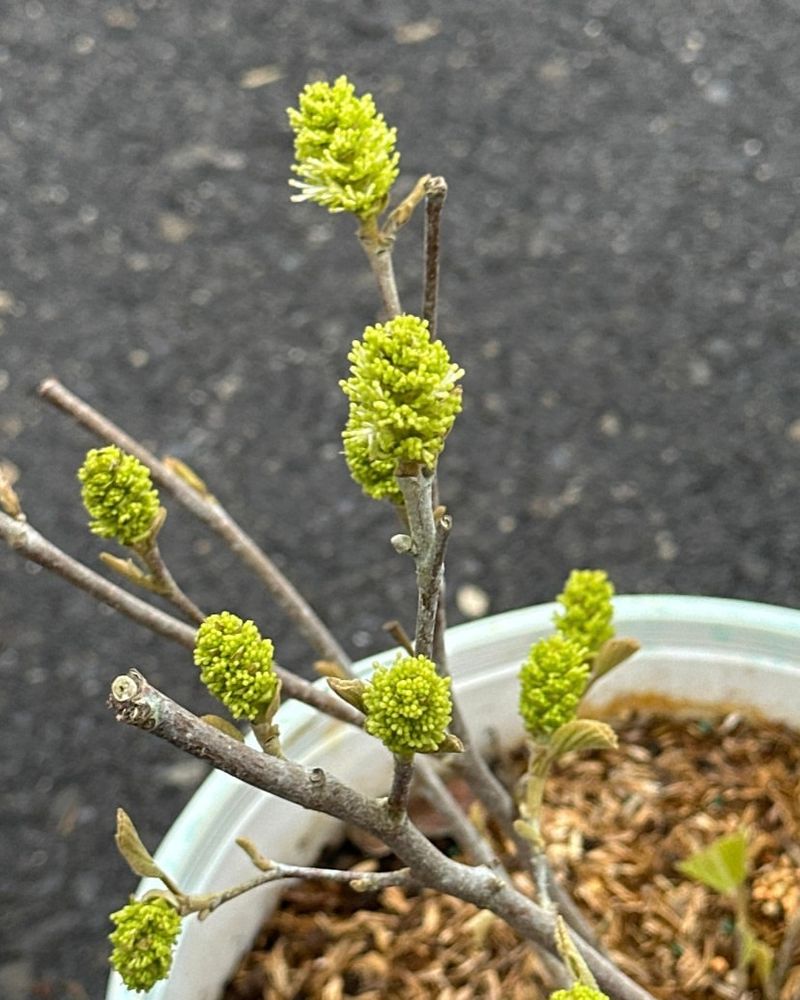
Pretty and practical rarely come together as naturally as they do with Michigan native plants.
Many of the same species that help reduce tick habitat also put on a genuinely stunning show across multiple seasons.
You get spring blooms, summer berries, fall color, and winter structure all from the same plants, which is a level of year-round value that most ornamental non-natives simply cannot match.
Spicebush (Lindera benzoin) is a perfect example of this dual role.
In early spring it produces delicate yellow flowers before most other plants have even woken up.
By summer, bright red berries appear, loved by migrating birds. Fall brings a spectacular display of golden-yellow foliage that rivals any ornamental shrub.
All of this happens while the plant maintains the dense, aromatic growth that makes it effective at deterring ticks.
Wild Bergamot and Purple Coneflower offer similar multi-season appeal with their showy summer blooms and architectural seed heads that persist through winter.
Having a yard that looks beautiful from March through December makes it much easier to stay committed to a native planting strategy long-term.
When your tick-deterring plants also happen to be the most eye-catching things in the neighborhood, maintenance feels less like a chore and more like tending something you genuinely love.
Mixing early bloomers with mid-summer perennials and late-season berrying shrubs creates a layered calendar of interest that keeps the yard looking alive and intentional no matter the season.
8. Encourages Biodiversity
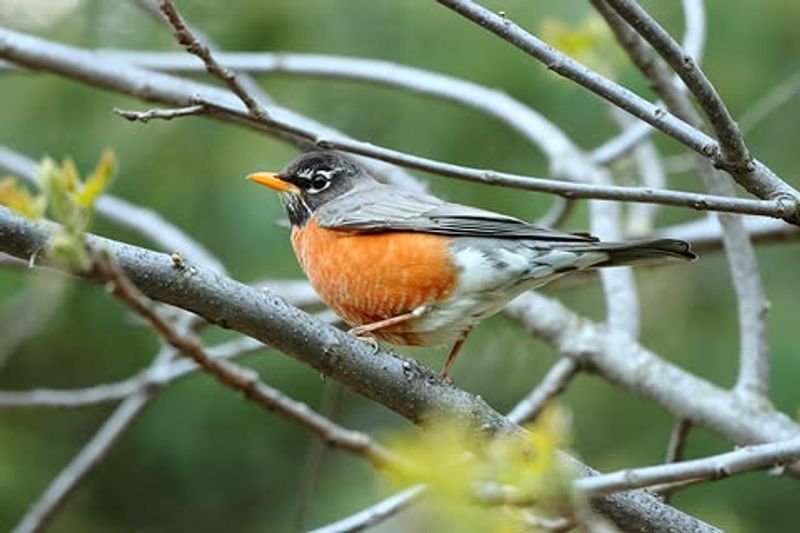
A yard with a wide mix of native plants becomes something genuinely alive. Birds move through looking for berries and insects. Pollinators work the flowers from early spring to late fall.
Small mammals like shrews and voles patrol the ground, and they happen to be effective predators of tick larvae and nymphs.
Biodiversity is not just good for the environment in an abstract sense. It directly helps reduce tick populations right in your own backyard.
American Robins, Wild Turkeys, and Guinea Fowl are well-known tick consumers, but many smaller songbirds also feed on tick larvae during their ground-foraging.
Native plants support the insect populations that attract these birds in the first place.
A yard planted with a mix of shrubs, perennials, and ground covers provides food, shelter, and nesting habitat that keeps birds coming back consistently throughout the season.
More birds mean more natural tick predation happening quietly in the background.
The concept of biodiversity working as pest management is sometimes called ecological balance, and native plants are the engine that drives it.
When you plant a monoculture lawn or fill your beds with non-native ornamentals, you essentially create a biological desert that supports very little wildlife.
Switching to a layered mix of Michigan natives rebuilds that missing web of life.
Over time, the yard starts managing many of its own pest pressures naturally, reducing your need to intervene while creating a space that feels genuinely vibrant and full of movement.
9. Resilient Root Systems
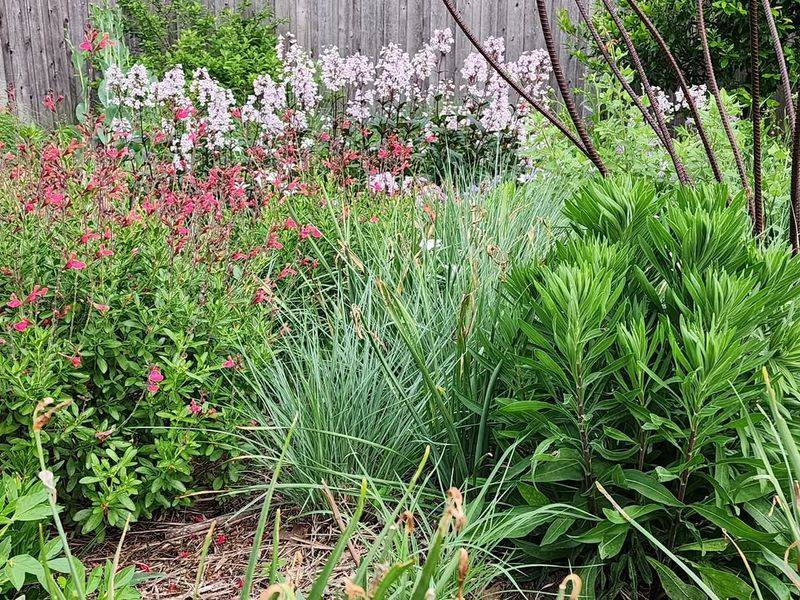
What happens below the ground matters just as much as what you see above it.
Native Michigan plants develop impressively deep and fibrous root systems over time, some reaching several feet into the soil within just a few growing seasons.
Those roots do something really valuable for your yard beyond just feeding the plant. They fundamentally change the structure and drainage of your soil.
Better soil structure means water moves through more efficiently rather than pooling on the surface.
Reduced surface moisture means fewer of those cool, damp micro-environments that ticks depend on to stay hydrated and active.
Ticks are surprisingly vulnerable to drying out, and a yard with well-drained, aerated soil supported by deep native roots gives ticks far fewer places to find the humidity they need to survive.
Prairie Dropseed (Sporobolus heterolepis) and Little Bluestem (Schizachyrium scoparium) are two excellent native grasses with notably deep root systems that improve soil health while providing above-ground coverage.
Erosion control is another underappreciated benefit. Slopes and hillsides in Michigan yards often develop bare, compacted soil over time, especially under large trees where grass struggles.
Native plants with strong root systems stabilize these areas, hold the soil in place, and cover the ground with continuous foliage.
That combination eliminates the kind of shaded, bare-soil patches along slopes and edges that tend to become tick hotspots.
Building healthy soil with native roots is one of the most durable, long-lasting investments you can make in your yard’s overall tick resistance.
10. Complement Companion Planting
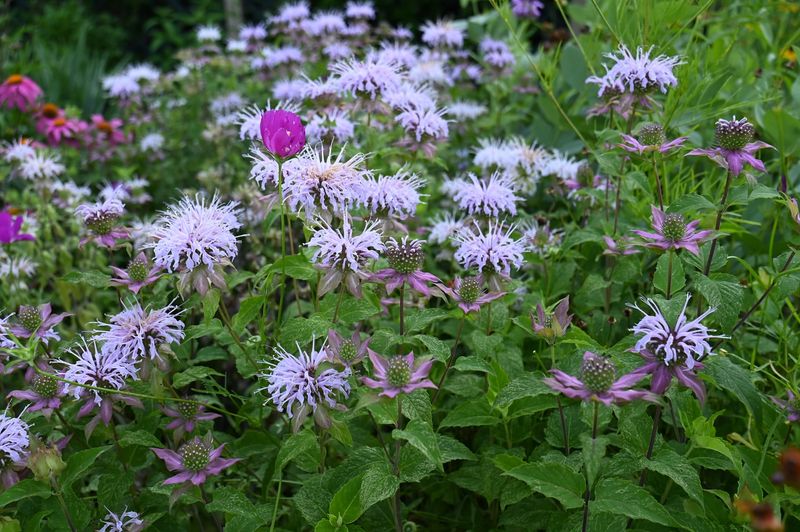
Native plants work even better when you think about them as a system rather than individual specimens.
Combining shrubs, perennials, and ground covers in deliberate layers creates what gardeners call a plant guild, and for tick management, that layered structure is far more effective than any single species planted alone.
The goal is to eliminate gaps at every height level, from the soil surface right up through mid-height shrubs.
Around vegetable gardens, planting a border of aromatic natives like Wild Bergamot and Northern Bush Honeysuckle creates a fragrant buffer that ticks and many other pests find unappealing.
Along pathways and play areas, low-growing ground covers like Pennsylvania Sedge or Wild Ginger fill the soil completely, leaving no open ground where ticks can rest and wait.
Taller shrubs placed along fence lines and yard perimeters intercept ticks moving in from wooded edges before they reach the areas where your family spends the most time.
Maintenance of a companion-planted native yard is straightforward once you understand the spacing needs of each species.
Giving each plant enough room to reach its mature spread without crowding ensures strong, healthy growth that fills in naturally over time.
Topping up mulch in early spring keeps weeds from sneaking into gaps while plants are still filling out.
Checking plant health once or twice per season and removing any dry wood or overcrowded stems keeps the layers dense and functional.
A well-planned companion planting layout genuinely turns your entire yard into a living, working tick barrier.