Never Let Your Michigan Soil Dry Out This Fast After A Thunderstorm
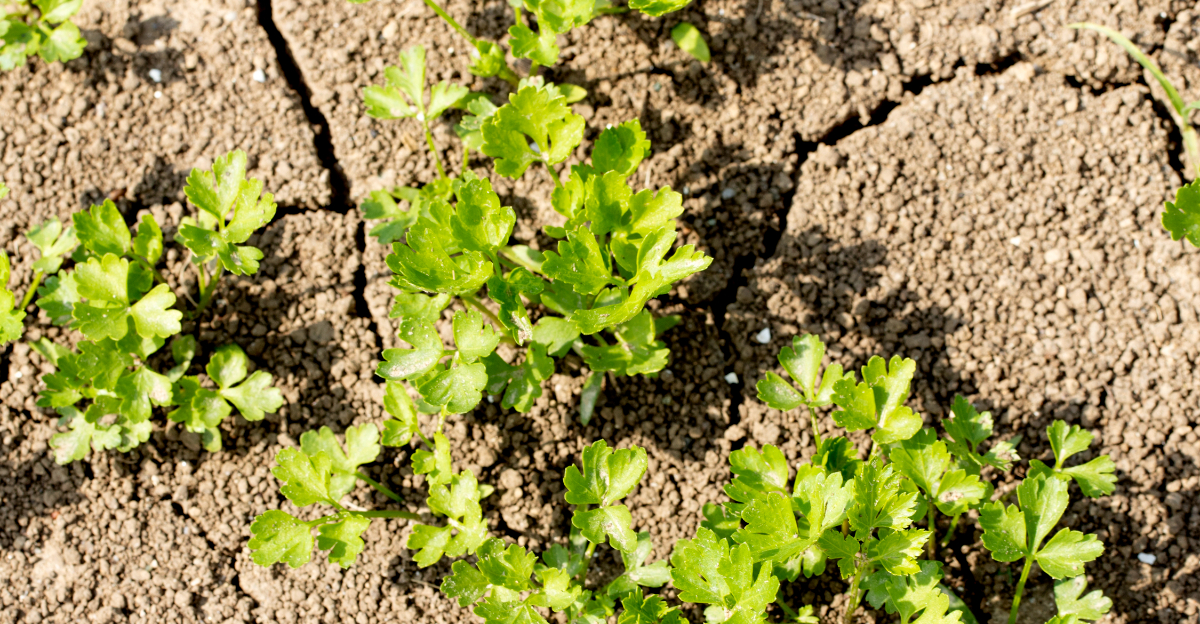
Michigan soil can dry out surprisingly fast after a thunderstorm, especially in sandy or compacted areas that don’t hold moisture well. Heavy rain often runs off quickly instead of soaking in, leaving soil looking wet on the surface but dry just below.
This creates a false sense of security for gardeners who assume their plants are fully watered. Checking soil moisture a few inches down, rather than just the top layer, gives a more accurate picture.
Mulching after storms helps trap remaining moisture and slows evaporation during sunny, breezy days that often follow rain. Sandy soil in particular benefits from added organic matter to improve its water holding capacity.
Skipping a follow up watering check can leave plants stressed within just a day or two. A little attention after the storm passes goes a long way.
1. Surface Dryness Does Not Always Mean The Root Zone Is Dry
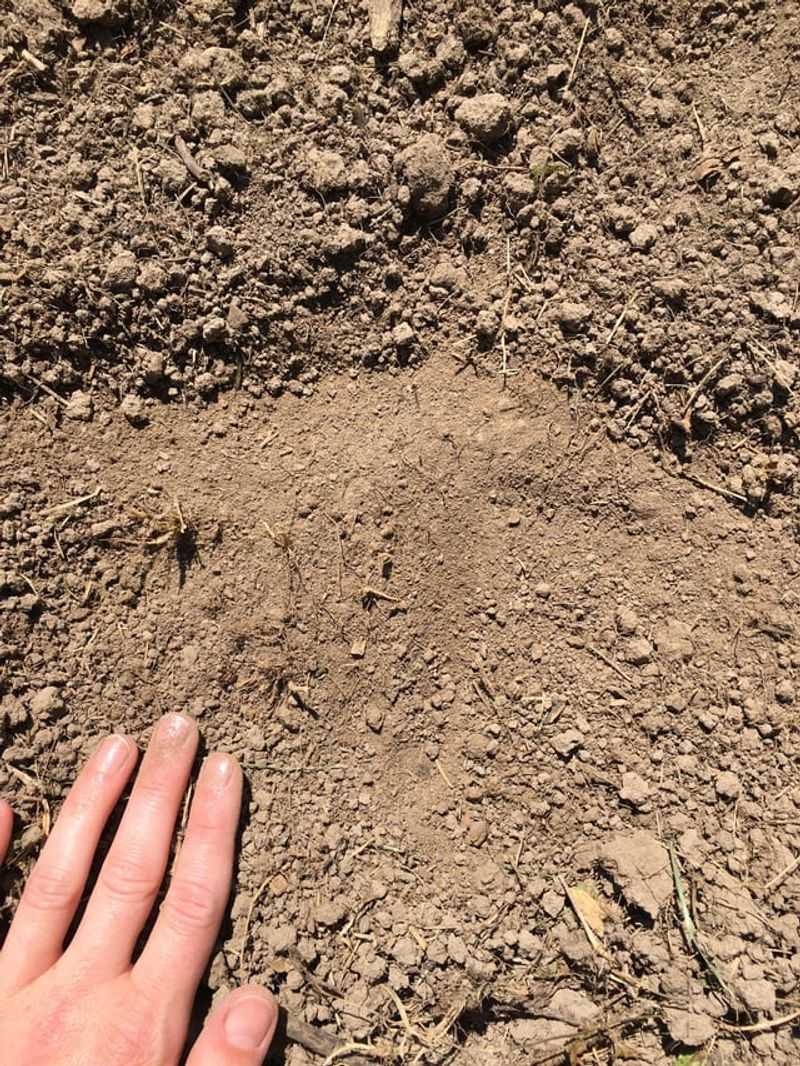
Touching the top of your soil and feeling dryness can feel alarming, especially after a thunderstorm you expected to solve all your watering needs.
The truth is, the surface layer of garden soil can dry out in just a couple of hours on a warm, sunny Michigan afternoon, even when plenty of moisture is still sitting a few inches below.
That top layer gets the most sun, the most wind, and the most air exposure, so it naturally dries first.
Before you reach for the hose, push your finger about one to two inches into the soil in several spots around the garden. You might be surprised to find cool, moist soil just beneath that dry crust.
Checking multiple locations matters because moisture can vary depending on nearby plants, shade patterns, and how the rain fell across your yard.
Drying speed is not the same for every garden. Soil texture, wind, temperature, mulch coverage, and how much shade your plants provide all change how fast moisture disappears from the root zone.
A raised bed in full sun will behave very differently from a shaded border bed after the same storm.
When moisture is still present below the surface, additional irrigation is probably unnecessary and could even waterlog roots if overdone.
Building the habit of checking below the surface, rather than judging only by color or touch at the top, saves water and keeps plants healthier through the whole growing season.
2. Sandy Michigan Soil Can Release Water Very Quickly
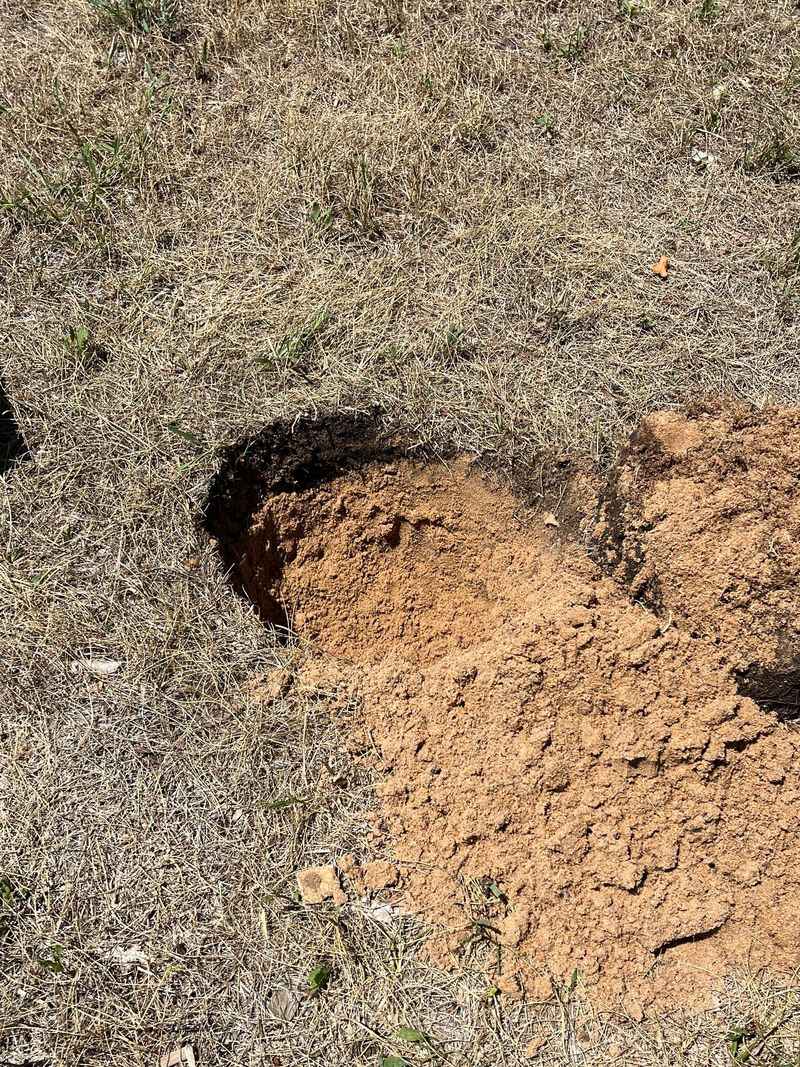
Sandy soil has a personality all its own. Unlike dense clay-heavy soil that holds onto water for days, sandy soil is made up of larger particles with bigger spaces between them, and water moves through those spaces surprisingly fast.
In parts of Michigan where sandy soils are common, especially in the western Lower Peninsula near the lakeshore, a garden bed can feel dry just hours after a thunderstorm drops a solid inch of rain.
Fast drainage is not automatically a sign of unhealthy soil. It is simply a natural characteristic of sandy texture, and understanding it helps you respond smarter rather than panic.
Your Michigan Garden Changes Every Week. Your Plan Should Too.
Gardening in Michigan changes quickly throughout the season. Every Friday you’ll receive a simple weekly plan showing exactly what to plant, prune, fertilize, harvest, and protect so you never miss the right timing.
During hot Michigan summers, these gardens may need more frequent moisture checks, particularly for shallow-rooted vegetables and annual flowers that cannot reach deeper reserves.
Trying to change the basic texture of sandy soil is not realistic or necessary. What you can do is gradually improve its water-holding capacity by working properly finished compost into the bed each season.
Compost adds organic matter that acts almost like a sponge, slowing water movement just enough to give roots more time to absorb it before it drains away.
Adding other suitable organic materials like aged leaf mold can also help over time. Consistency matters more than any single big fix.
A few seasons of regular compost additions will noticeably change how long your sandy Michigan soil holds onto moisture after a summer storm, making your whole garden more resilient and easier to manage.
3. Bare Soil Loses Moisture Faster After The Storm
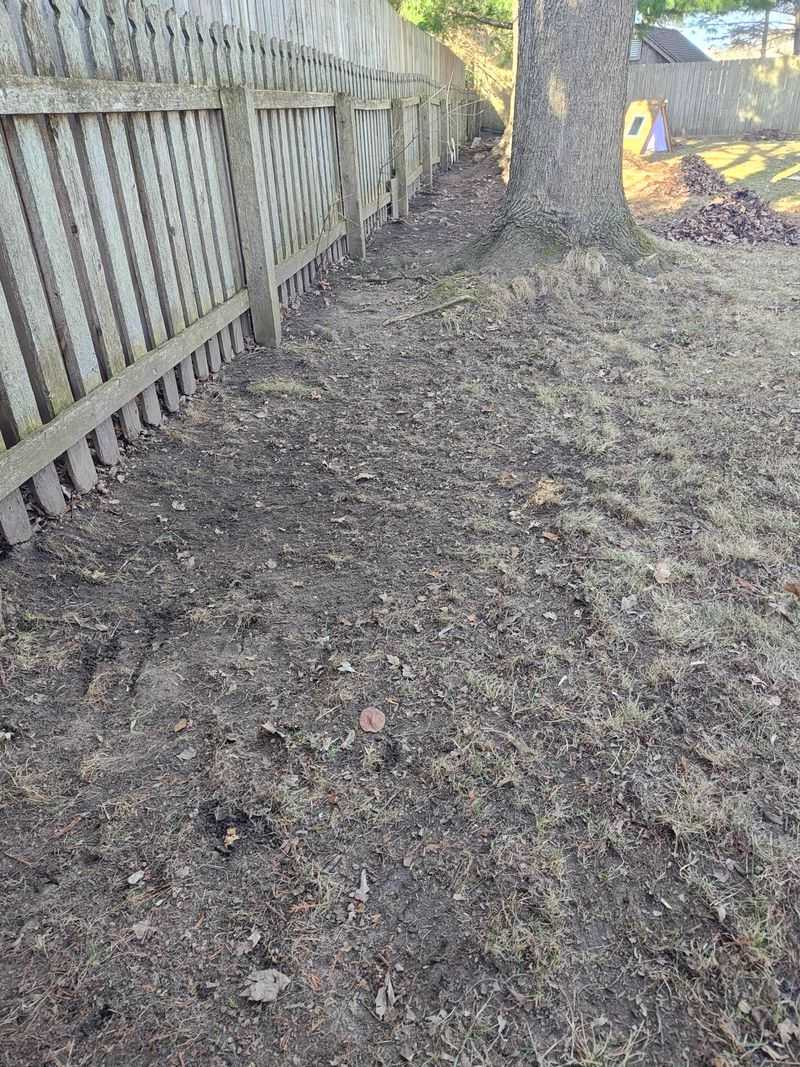
Picture your garden right after the storm clouds roll away and the sun comes blazing back out. If your soil has no mulch covering it, that warm sunlight and the Michigan summer breeze start pulling moisture out of the surface almost immediately.
Bare soil is completely exposed to both, and the combination can dry the top layer shockingly fast on a July or August afternoon.
There is another problem with leaving soil uncovered during a storm. Heavy raindrops hit bare soil with real force, and over time that repeated impact breaks apart the tiny clusters of soil particles that hold structure together.
Once those clusters break down, the surface becomes smoother and more prone to crusting when it dries, which makes it harder for future water to soak in evenly.
Applying an appropriate layer of organic mulch between your plants is one of the most practical things you can do for a Michigan garden.
A two to three inch layer of shredded leaves, straw, or wood chips creates a buffer that slows moisture evaporation dramatically.
Just be sure to leave a small gap of space around plant stems and crowns so air can still circulate and prevent rot.
Mulch is a helper, not a complete solution. You will still need to check the soil beneath it after storms to confirm moisture actually reached the root zone.
Think of mulch as a way to extend the window you have before watering becomes necessary, giving your plants a more stable environment through Michigan’s unpredictable summer weather patterns.
4. Runoff May Have Carried Most Of The Rain Away
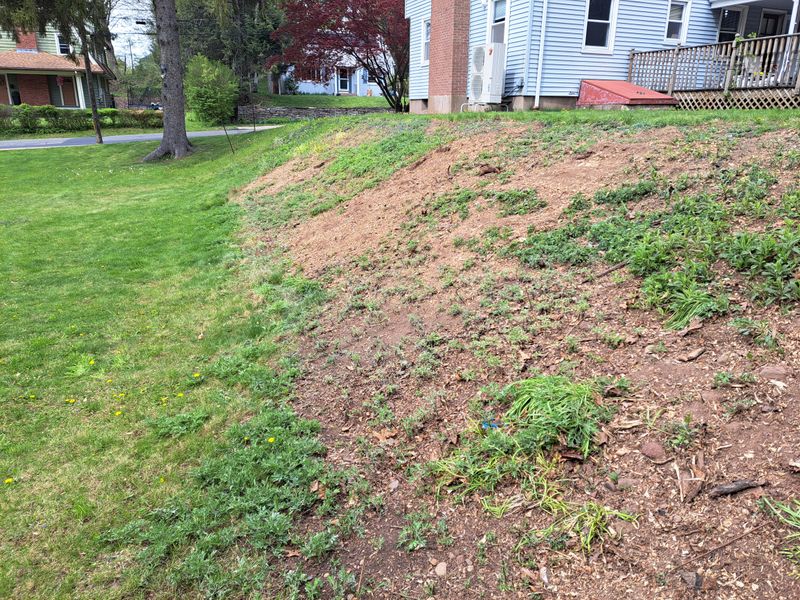
A loud, dramatic thunderstorm feels like it should count for a lot in the garden. Thunder rattling the windows and rain hammering the roof makes it easy to assume your plants just got everything they needed.
But here is the uncomfortable reality: intense rain often falls faster than soil can absorb it, and a significant portion of that water may have run right off your property before it ever had a chance to soak in.
Slopes make this problem worse. If any part of your garden sits on even a gentle incline, water naturally flows downhill rather than pausing to penetrate.
Compacted soil, nearby hard surfaces like driveways and patios, and downspouts that empty close to the garden can all redirect rainwater away from where your plants actually need it.
The storm sounded impressive, but the soil might tell a different story. After any significant storm, look for clues that runoff occurred.
Displaced mulch, small channels carved through the soil surface, muddy water stains near the garden edge, and soil that feels dry just an inch below the surface are all signs that much of the rain moved across rather than into your beds.
A simple rain gauge placed near the garden is one of the most honest tools you can own. Weather reports from a nearby town or city may not reflect what actually fell in your specific yard.
Checking both the gauge reading and the actual soil moisture together gives you the most accurate picture of what your plants received and what they still need.
5. A Crusted Surface Can Block Water Entry
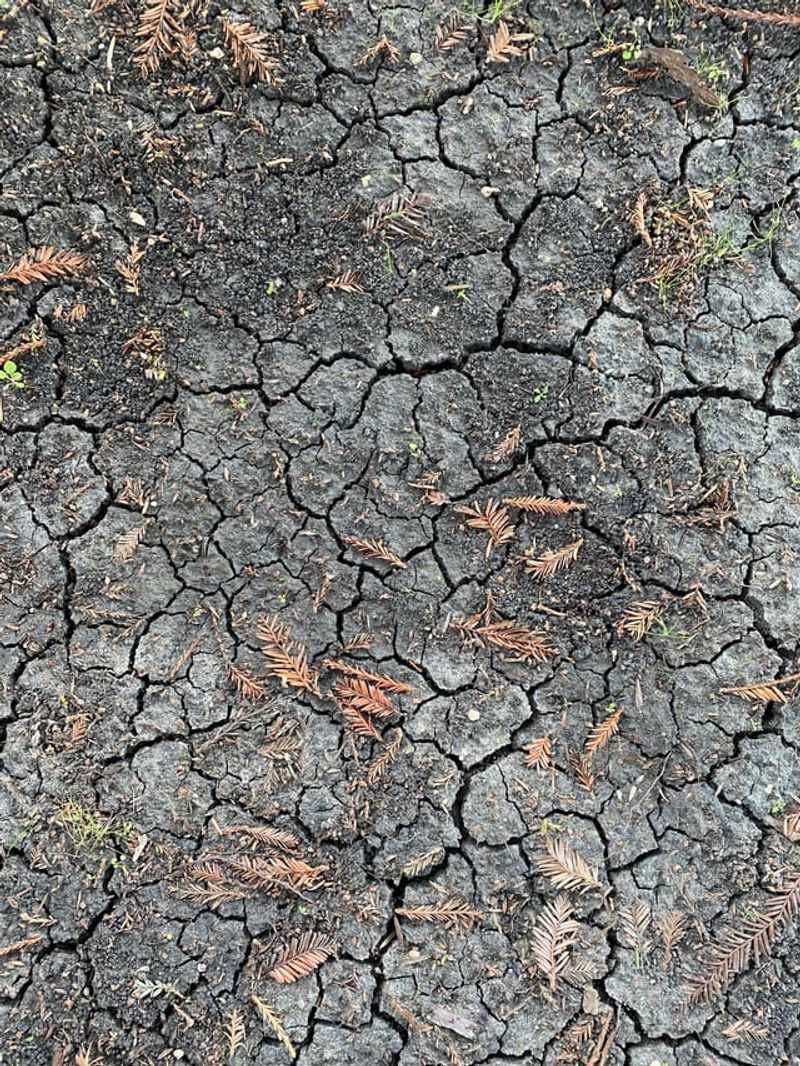
Soil does not always stay loose and welcoming after repeated summer storms. Over time, heavy raindrops and frequent cultivation can break apart the natural clusters of soil particles, called aggregates, that give healthy soil its open, spongy texture.
When the surface dries after that kind of beating, it can form a firm, sealed crust that looks almost like dried clay on a pottery wheel.
That crust is more than just an appearance issue. Water landing on a sealed surface tends to pool on top or run sideways rather than soaking straight down to where roots are waiting.
Seedlings trying to push through a crusted surface often struggle or fail to emerge at all. If you have noticed poor germination or puddles forming where they never used to, a soil crust might be the reason.
Hard, difficult digging after a storm that should have softened the ground is another clue. Cracked patterns on the surface when dry and slow water absorption are both worth paying attention to.
These are signals that soil structure needs some attention rather than just more water.
The path forward involves reducing unnecessary cultivation that keeps disturbing those soil aggregates, keeping soil covered with mulch to soften the impact of raindrops, and adding appropriate organic matter over time to rebuild structure naturally.
One important caution: avoid working in the garden while soil is still wet and heavy. Walking on or digging wet soil compresses it further, making the crusting problem worse with every step. Patience and gentle care go a long way here.
6. Thick Dry Mulch Can Shed Rain Instead Of Absorbing It
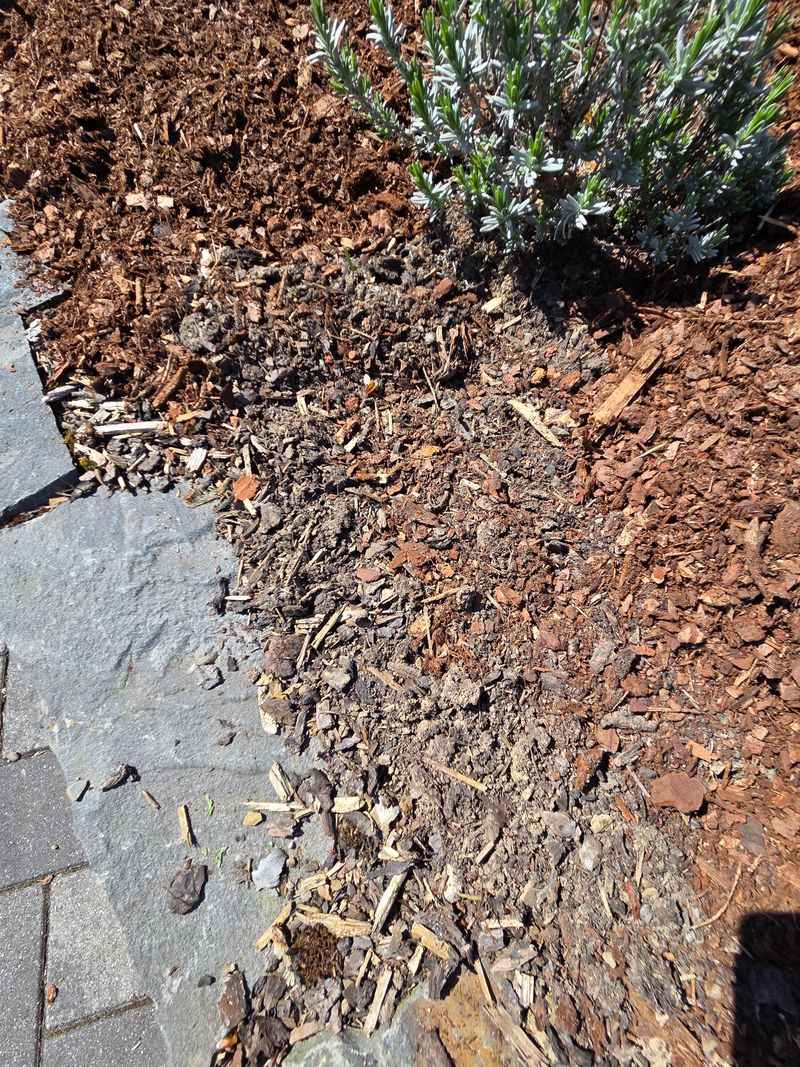
Mulch has a well-earned reputation as a garden helper, but there is a version of mulch that quietly works against you.
When wood chip or bark mulch builds up into a very thick layer and dries out completely between storms, it can actually start to shed water rather than allow it through.
The matted, dry surface becomes almost water-resistant, sending rain sliding across the top instead of passing down to the soil where roots are waiting.
This situation is more common than most gardeners realize, especially in beds that have had fresh mulch added year after year without removing the old layer underneath. The bottom layers compress and mat together while the top stays dry and fluffy.
After a thunderstorm, the soil underneath can be surprisingly dry even though the mulch on top looks perfectly damp.
Getting into the habit of lifting a handful of mulch after every significant storm and pressing your finger into the soil beneath it is a simple check that reveals a lot.
If the soil feels dry while the mulch feels slightly moist on top, you have a shedding problem that needs attention.
Gently loosening a matted layer with a hand rake can help restore water movement through it.
Maintaining a moderate depth of about two to three inches works better than piling it thick. Keep mulch pulled back from plant stems and tree trunks so moisture and air can circulate properly.
When adding fresh mulch, moisten the soil underneath first so you are not sealing in dryness before you even get started.
7. Shallow Roots Make Plants Depend On Surface Moisture
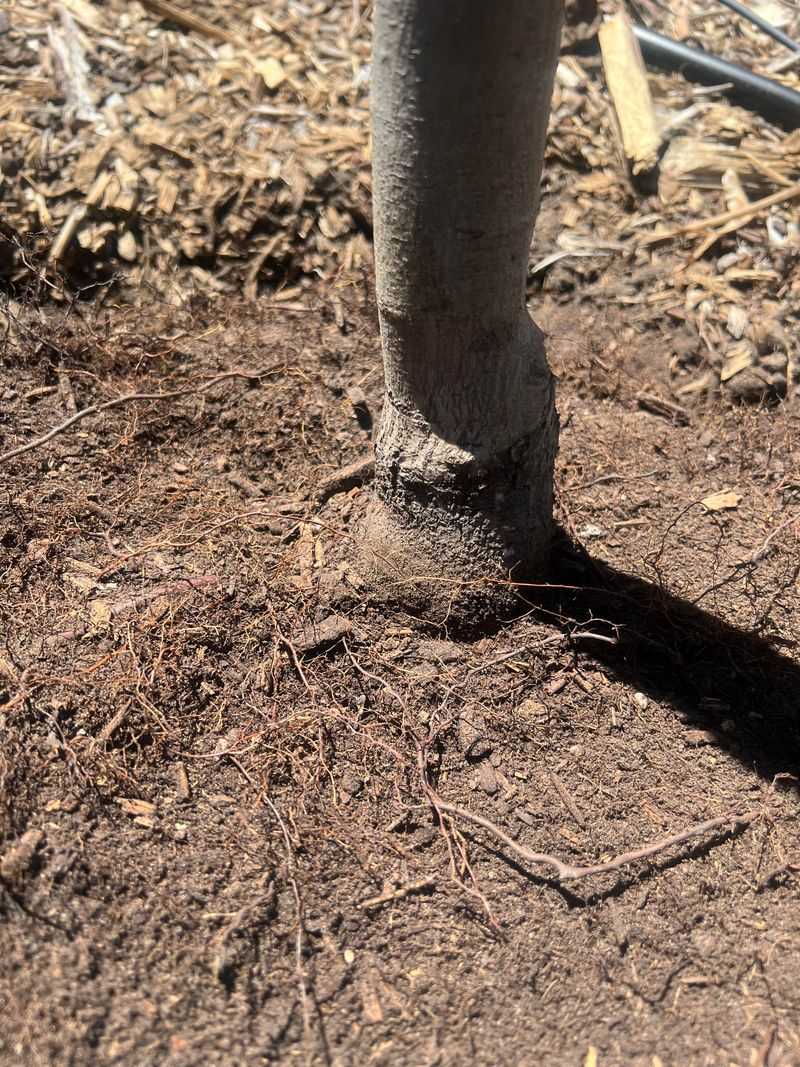
Roots go where the water is. That simple truth shapes everything about how plants develop underground, and it means your watering habits directly influence how vulnerable your plants are to dry spells after a storm.
When gardens receive frequent, light watering sessions, roots learn to stay near the surface where moisture is consistently available. The problem is that the surface is also the first place to dry out after the storm clouds clear.
Young transplants naturally start with shallow root systems and genuinely need closer attention in their first few weeks in the ground. They have not had time to reach deeper, more stable moisture yet.
Checking the soil around new transplants more frequently after storms is just part of getting them established successfully in a Michigan garden.
Established vegetable plants are a different story. Most of them benefit most from moisture that reaches approximately six to eight inches into the soil, where roots can anchor and absorb steadily.
Encouraging that kind of depth requires slower, deeper watering sessions rather than quick sprinkles that only wet the top inch or two.
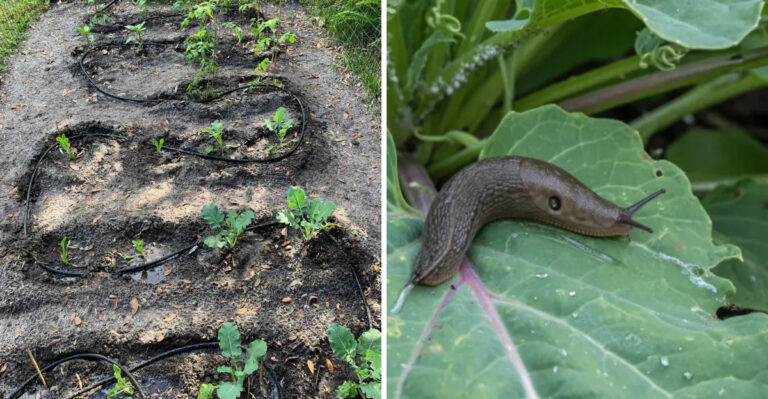
Drip irrigation and soaker hoses are genuinely efficient tools for achieving this. They deliver water slowly and directly near the root zone, giving soil time to absorb it before it runs off or evaporates.
Fewer but deeper watering sessions, spaced appropriately between rain events, train roots to grow downward over time.
Plants with deeper roots handle Michigan’s unpredictable storm-then-sunshine weather cycles with noticeably more resilience and far less stress between rain events.
8. Compost, Mulch, And Better Watering Improve Moisture Stability
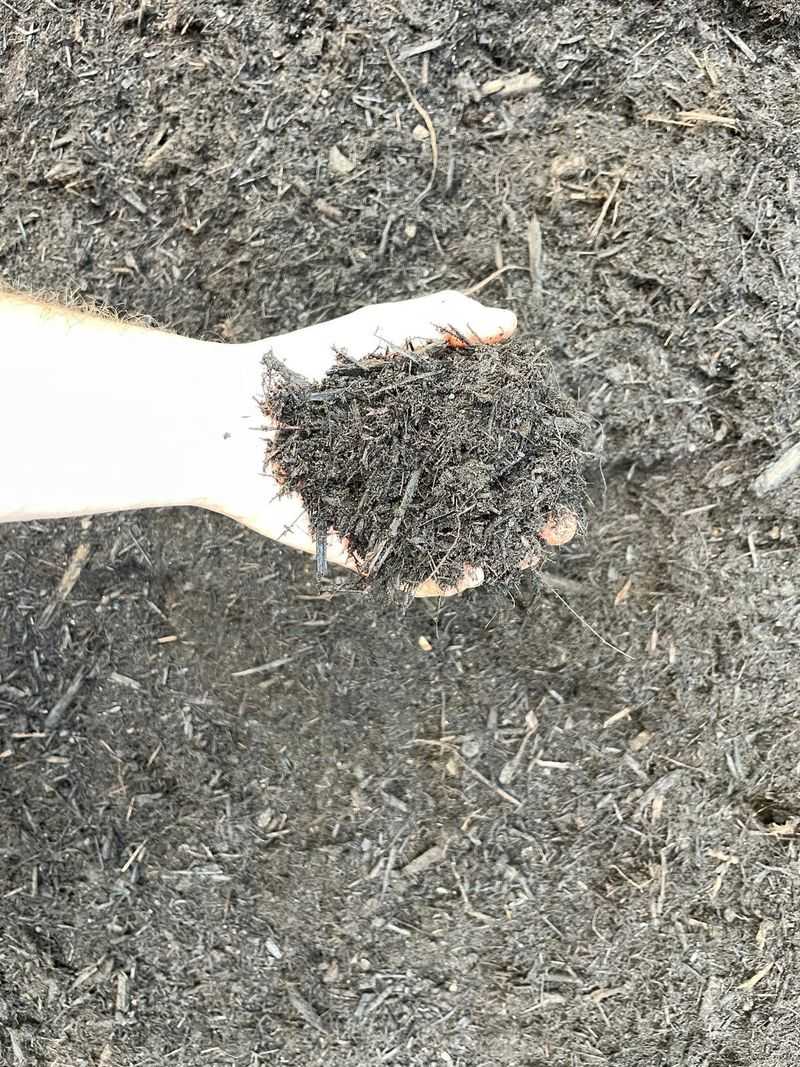
If your garden soil seems to lose moisture too quickly after every storm no matter what you try, the answer is usually not more water. It is building better soil over time.
A garden that repeatedly dries out below the surface soon after rain is telling you something about its structure, texture, and organic matter content, and those are things you can actually improve with a consistent, practical plan.
Start with measurement. A simple rain gauge near the garden tells you exactly how much rain fell, not just what the weather app reported from a station miles away.
Pair that with regular moisture checks at several depths after every storm so you build a real picture of how your specific soil behaves.
Morning watering, when temperatures are cooler and evaporation is slower, makes every drop count more than afternoon watering under a hot Michigan sun.
Properly finished compost is one of the most powerful tools available to Michigan gardeners. In sandy soil, it slows drainage and improves water retention.
In heavier clay soil, it supports structure and keeps drainage from becoming sluggish. Either way, organic matter moves soil in the right direction, and regular additions each season create gradual, lasting improvement rather than a quick fix that fades.
Before making any major soil amendments, consider getting a Michigan soil test through Michigan State University Extension.
A test measures organic matter levels, soil pH, and nutrient needs so you can apply exactly what your garden requires rather than guessing.
Improvement takes time, and that is perfectly fine. Steady, informed care builds the kind of stable, moisture-holding soil that handles Michigan thunderstorms with ease.