This Is Where Leaf Miners Show Up First On Michigan Spinach, Chard, And Beet Greens
Those pale, winding trails etched across your spinach leaves aren’t random damage, they’re a map of exactly where trouble started. Leaf miners work from the inside out, carving tunnels through soft tissue while staying almost invisible to the naked eye.
By the time you spot the first squiggle, dozens more larvae could already be settling into nearby leaves. Michigan’s mild spring temperatures give these pests plenty of time to multiply before the pattern even becomes obvious.
Spinach, chard, and beet greens share more than a garden bed – they share the same vulnerability to this pest. Knowing which leaves get hit first turns guesswork into a targeted plan.
Skip the early signs, and healthy greens turn papery and useless within days. Catch them fast, and your harvest stays intact all season long.
Spotting The Earliest Signs On Leaf Undersides
Flip your leaves over. That one habit could save your entire spinach crop this season.
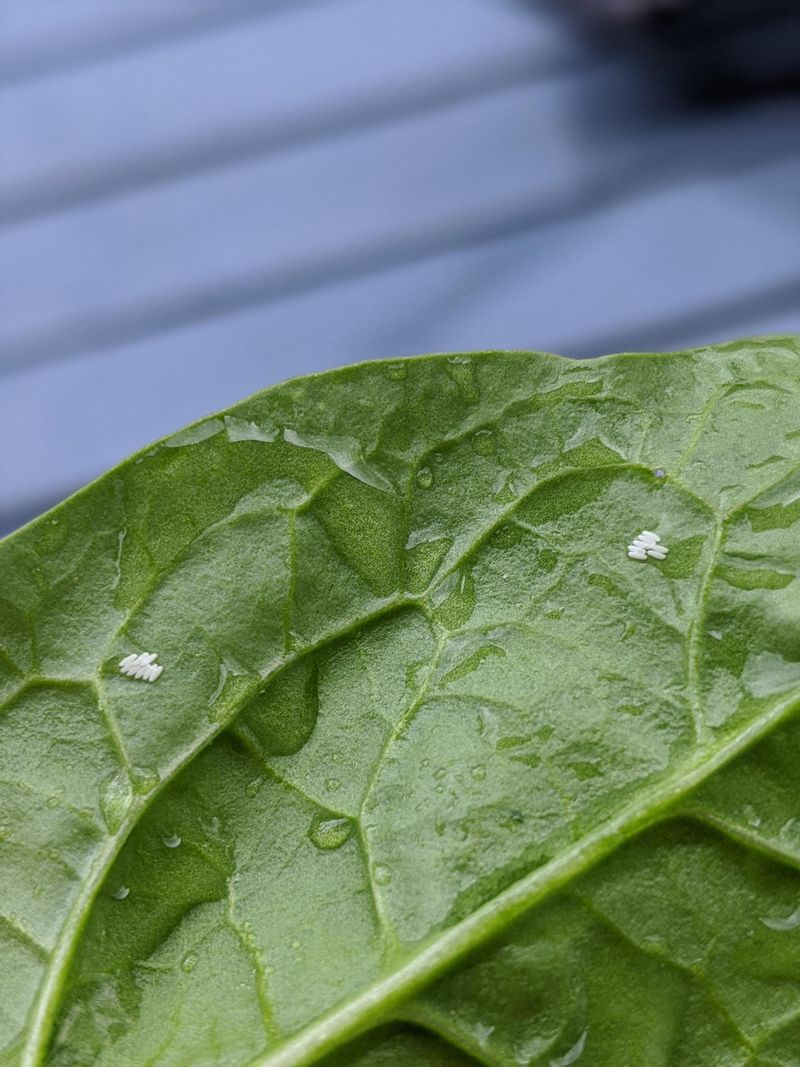
Leaf miners on spinach, chard, and beet greens almost always leave their earliest clues on the underside of leaves. The adult fly lays eggs right there, tucked against the leaf surface in tight little clusters.
Those eggs are white, oval, and smaller than a sesame seed. Most Michigan gardeners rarely think to look underneath.
They scan the top of the leaf and see nothing wrong. Meanwhile, the eggs hatch and the larvae start tunneling before any damage shows on top.
The first visible sign is usually a faint pale blister or a tiny light-colored trail near the base of a leaf. It looks almost like someone scratched the surface with a pin.
That scratch is actually a larva eating its way through the leaf tissue from the inside. Catching this stage early makes a real difference.
Once you see those trails expanding, the larva is already well-fed and close to mature. Checking undersides every two to three days during spring planting gives you the best shot at catching eggs before they hatch.
Use your fingernail or a soft cloth to wipe off fresh egg clusters immediately. No spray needed at that stage.
Early detection on the leaf underside is your most powerful and completely free tool against leaf miner damage all season long.
Why Lower And Outer Leaves Get Hit First
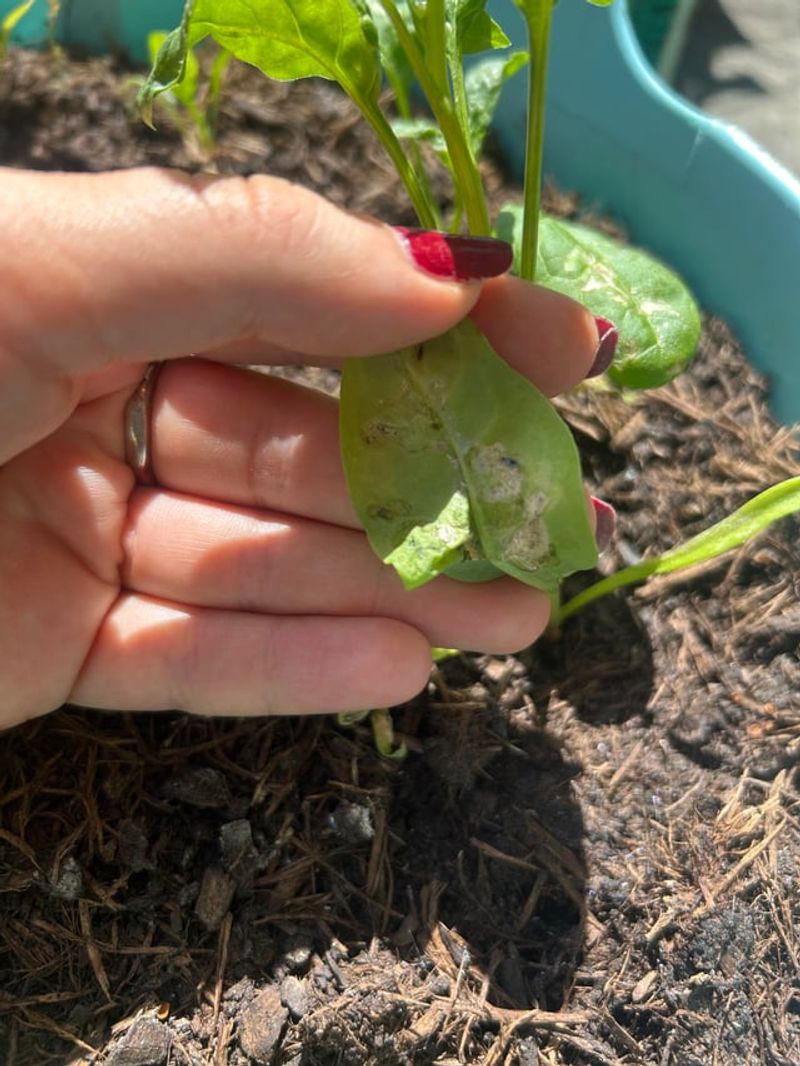
Outer leaves are basically a welcome mat for leaf miner flies. They are the first surface the adult fly encounters when approaching your plants.
Adult leaf miner flies hover low and prefer the easiest landing spots. The lowest and outermost leaves on spinach, chard, and beet greens offer exactly that.
These leaves are closest to the soil, which is where the adult flies emerge after overwintering as pupae underground. Short flight distance means less energy spent.
The fly lands, lays eggs, and moves on before you even notice it was there. Inner leaves and upper growth tend to stay cleaner much longer simply because the fly rarely bothers to travel that far into the plant.
This pattern is actually useful information for Michigan gardeners. When you scout your plants, start at the bottom and work outward.
Your Michigan Garden Changes Every Week. Your Plan Should Too.
Gardening in Michigan changes quickly throughout the season. Every Friday you’ll receive a simple weekly plan showing exactly what to plant, prune, fertilize, harvest, and protect so you never miss the right timing.
If you find damage on the inner young leaves right away, the infestation is already advanced and spreading fast. Removing the lowest outer leaves from your plants early in the season reduces egg-laying sites dramatically.
Some gardeners strip the bottom two or three leaves as a standard practice each week. That one simple step removes the preferred habitat before eggs even have a chance to hatch.
Think of it like closing the front door before the bugs walk in. Protecting the outer leaves protects the whole plant, and your harvest stays far more intact through the growing season.
Identifying Leaf Miner Eggs Before Damage Spreads
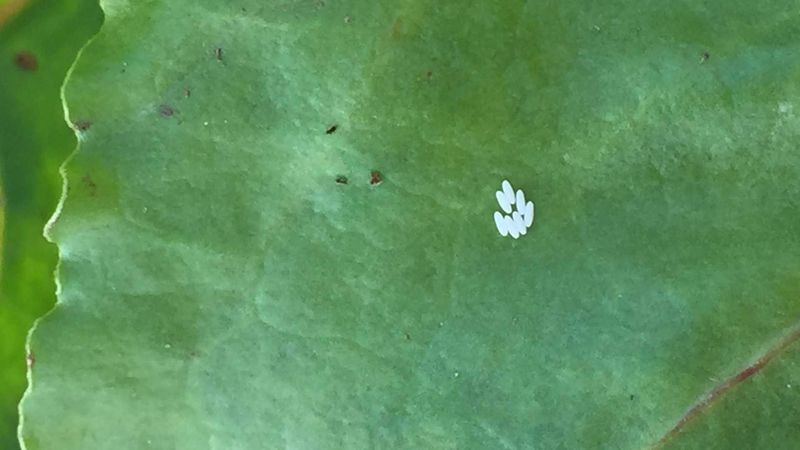
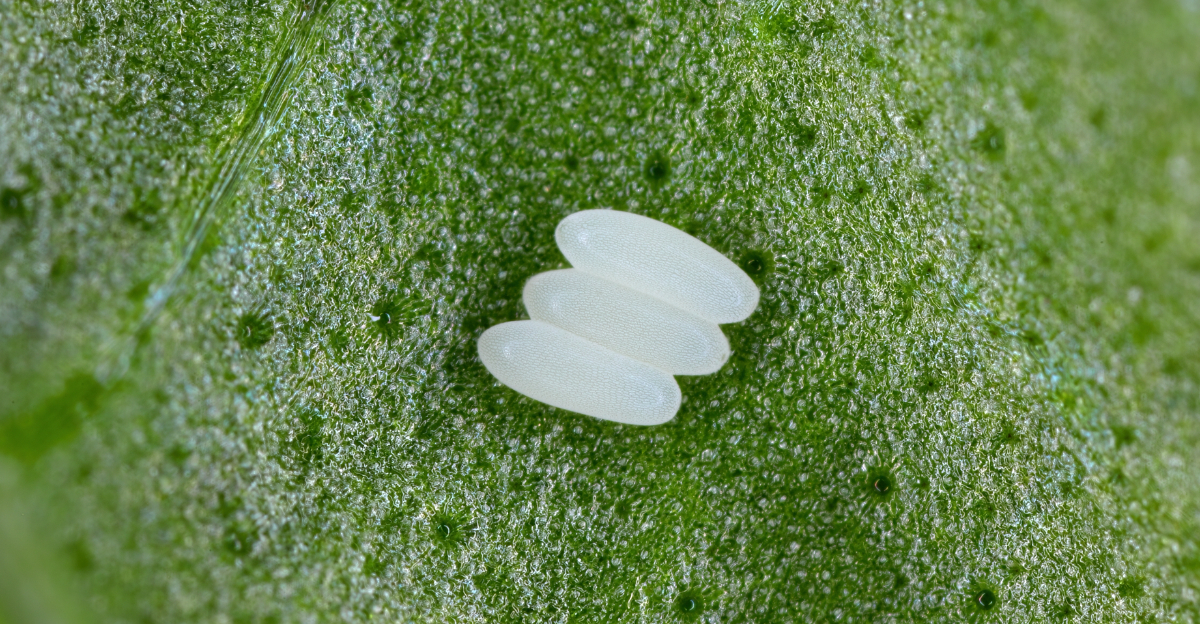
Tiny, white, and lined up in rows. Leaf miner eggs look almost too small to matter, but each one is a future tunnel in your greens.
The eggs are laid in groups of three to five, sometimes more. They sit flush against the leaf surface, almost like miniature white grains of rice pressed flat.
A magnifying glass makes spotting them much easier, especially on younger plants with smaller leaves. Beet greens and chard tend to have slightly thicker leaves, which can make the eggs a little harder to spot without looking closely.
Spinach leaves are thinner and the eggs often appear as faint bumps when held up to light. Training your eye to notice these differences speeds up your scouting routine considerably.
Eggs hatch within a week of being laid, sometimes faster in warm weather. That short window is your best chance to act.
Rubbing them off with your fingers or a damp cloth destroys them instantly without any chemicals involved. Mark the calendar when you first spot eggs.
Flies tend to return and lay in waves, roughly two weeks apart. Knowing when the first wave appeared helps you predict and prepare for the next round of egg-laying.
Catching leaf miner eggs before they hatch keeps the damage from spreading to neighboring plants. One egg cluster removed today might save several leaves next week, and that adds up fast across an entire garden bed.
How Spinach Chard And Beet Greens Differ In Susceptibility
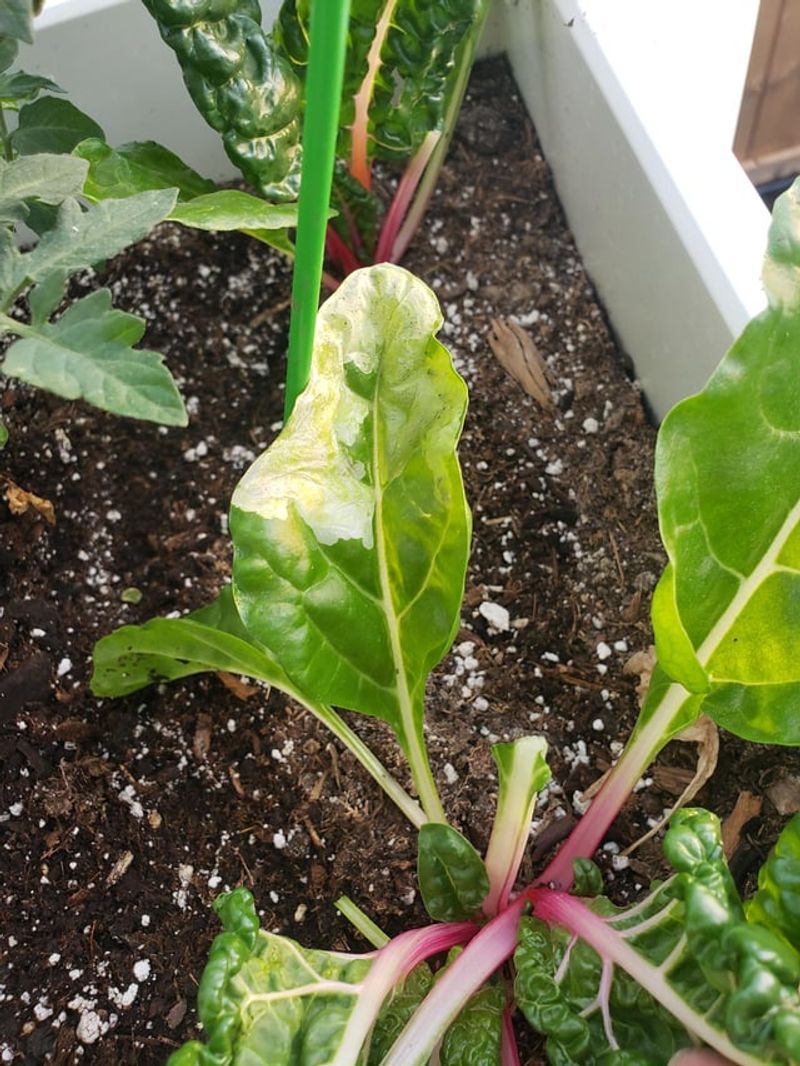
Not all greens are equal targets. Leaf miners have preferences, and knowing them changes how you plan your whole garden layout.
Spinach tends to be the most susceptible of the three. Its thin, tender leaves are easy for larvae to tunnel through, and the plant grows low to the ground where adult flies are most active.
Infestations on spinach can move from light to severe quickly during peak fly season. Chard sits in the middle range. Its thicker leaves slow the larvae down slightly, but the flies still target it eagerly.
The colorful stems of chard varieties do not offer any extra protection. The leaf blade itself is what matters, and chard leaves are still soft enough for larvae to navigate easily.
Beet greens are often the last of the three to show heavy damage. The leaf texture is slightly rougher, and the plants tend to grow with more upright foliage that gives flies fewer easy landing spots.
That said, beet greens are absolutely not immune, and they can develop serious infestations if left unchecked. Planting spinach as a trap crop on the edges of your Michigan garden bed is a smart strategy.
It draws the flies away from chard and beets growing in the center. Understanding these differences helps you make smarter decisions about spacing, monitoring, and which plants need the most attention each week.
Treating Affected Leaves Without Losing The Harvest
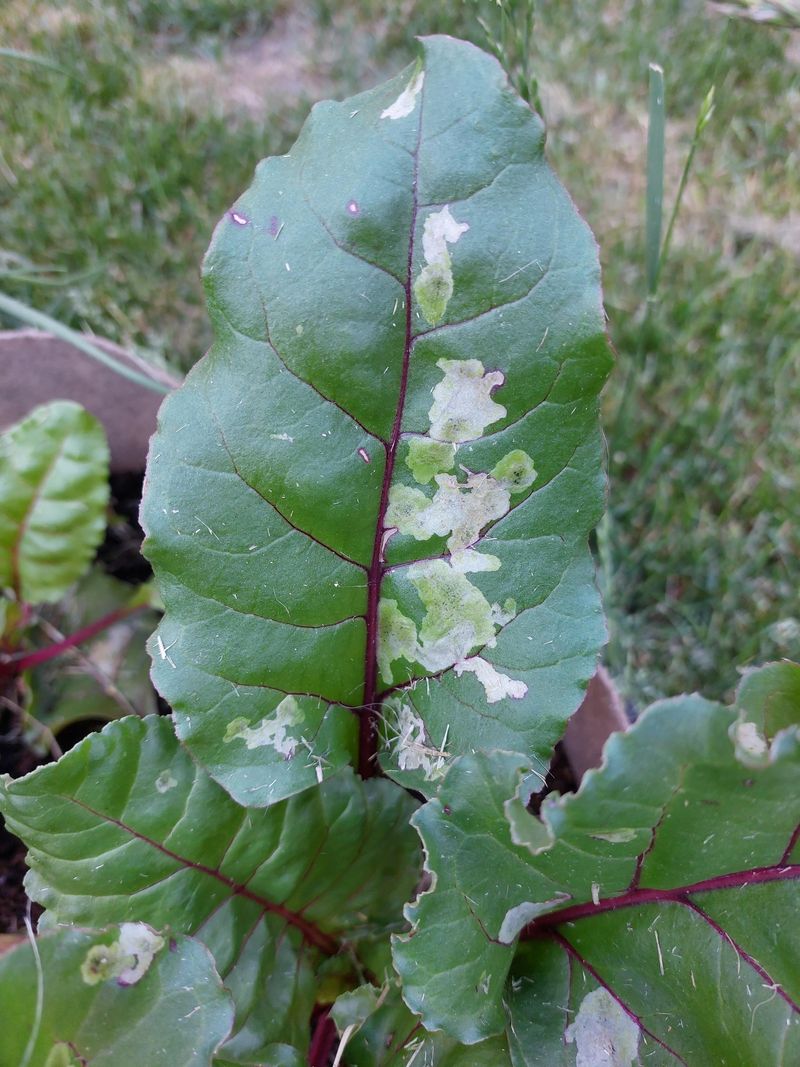
Damaged leaves do not mean a ruined garden. Knowing how to respond quickly keeps most of your harvest completely safe and edible.
The first step is always physical removal. Pull off any leaf showing visible trails and drop it into a sealed bag, not your compost pile.
Composting affected leaves can allow larvae to complete development and return to the soil as adult flies later in the season. For plants with moderate damage, removing affected leaves often allows new healthy growth to replace them within two weeks.
Spinach and chard are surprisingly resilient when given the chance to bounce back. Consistent watering and a light feeding after removal encourages faster regrowth.
Row covers made from lightweight fabric are one of the most effective physical barriers available. Installing them right after planting keeps most adult flies from reaching your greens.
Make sure edges are secured to the ground so flies cannot sneak underneath. Neem oil spray applied to leaf undersides can deter egg-laying when used consistently every five to seven days.
It is not a cure once larvae are already inside the leaf, but it reduces new egg deposits effectively. Apply neem oil in the early morning or evening to avoid leaf burn from sun exposure.
The goal is to manage, not panic. Leaf miners on spinach, chard, and beet greens are controllable with steady attention and simple tools you likely already have at home.
Preventing Leaf Miners On Future Plantings

Prevention beats treatment in nearly every case. Setting up the right defenses before planting saves hours of scouting and leaf removal later.
Crop rotation is one of the simplest and most overlooked prevention tools. Avoid planting spinach, chard, or beet greens in the same spot two seasons in a row.
Rotating to a different bed breaks the cycle of pupae already living in that soil from the previous year. Tilling the soil in fall and early spring exposes overwintering pupae to cold temperatures and predators.
Birds will do a surprising amount of cleanup work if given the chance. Even a shallow till of three to four inches disrupts enough pupae to reduce adult fly populations noticeably the following spring.
Floating row covers installed at planting time create a physical barrier flies can’t easily get through. Remove them only when you need to water or harvest, then replace them promptly.
This one step alone can meaningfully cut leaf miner pressure in a single season. Encouraging natural predators like parasitic wasps helps keep populations in check over time.
Planting dill, fennel, or yarrow nearby attracts these beneficial insects without much extra effort. A garden with strong biodiversity naturally resists pest pressure better than a monoculture bed.
Staying consistent with these habits season after season is what truly protects your spinach, chard, and beet greens from leaf miners for the long haul.