The One Thing North Carolina Strawberry Plants Need In August Or Next Year’s Crop Will Be Smaller
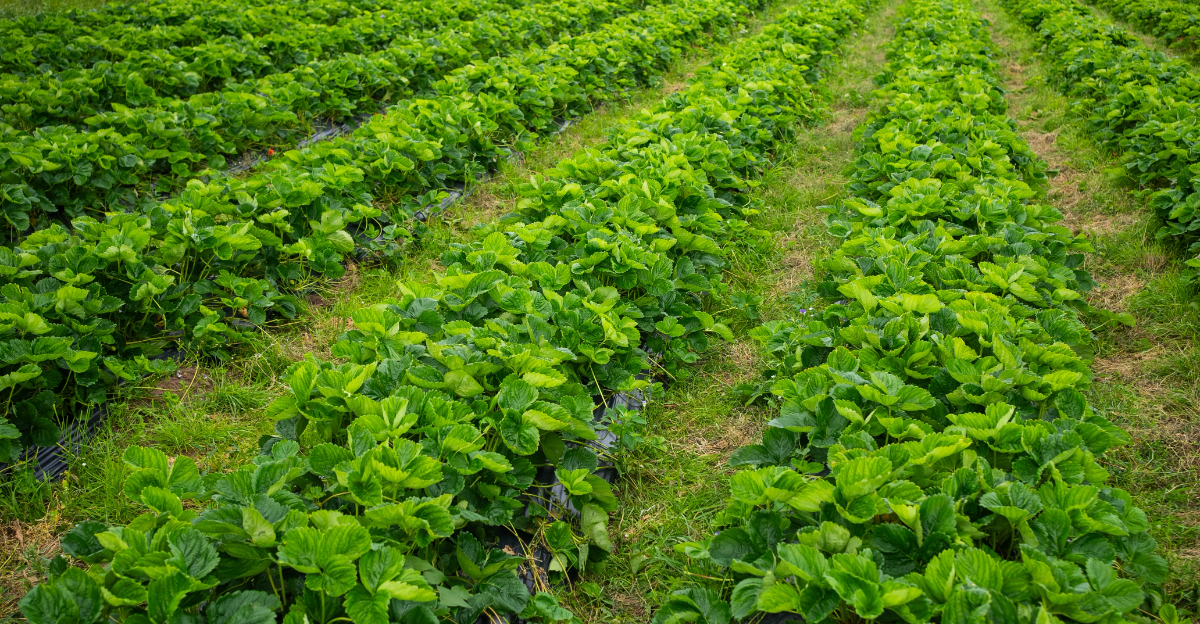
North Carolina’s August sun doesn’t care about your garden schedule, but your strawberry bed still needs attention while the heat lingers. This is the window where tired, overgrown plants either get a fresh start or slide into a mediocre spring.
Bed renovation is the tool that flips that switch, cutting back old foliage, thinning crowded crowns, and giving roots room to rebuild before cooler weather sets in.
Skip it, and you’ll likely watch berry size shrink and yields drop next year. Handle it now, and your patch rewards you with thicker plants and a fuller harvest basket come April and May.
Renovating Your Beds Is The Key August Task

Your strawberry bed looks ragged by late summer, and that is actually a good sign. It means the plants worked hard this year.
August is the perfect window to renovate those tired beds before cooler fall weather arrives. North Carolina strawberry plants respond beautifully when you act during this narrow seasonal gap.
Renovation sounds fancy, but it really means cutting back, thinning out, and refreshing the growing space. Think of it like giving your garden a strong, honest reset.
Skipping this step is one of the most common mistakes home growers make. Plants left crowded and overgrown going into fall will struggle to build the energy reserves they need.
Those energy reserves are what fuel big blooms and heavy fruit production next spring. Skipping renovation is a costly shortcut if you want a serious harvest.
The process starts with mowing or cutting foliage down to about one inch above the crown. Do not cut into the crown itself, or you will damage the part that regrows.
After cutting, rake out all the clippings and debris. Leaving old material behind invites disease and pests to settle in for the season.
August renovation gives your North Carolina strawberry plants the fresh start they need. The work you put in now is a direct investment in next spring’s bounty.
Steps Involved In Bed Renovation
Knowing the right order of steps makes renovation faster and more effective. Jumping around or skipping steps leaves results on the table.
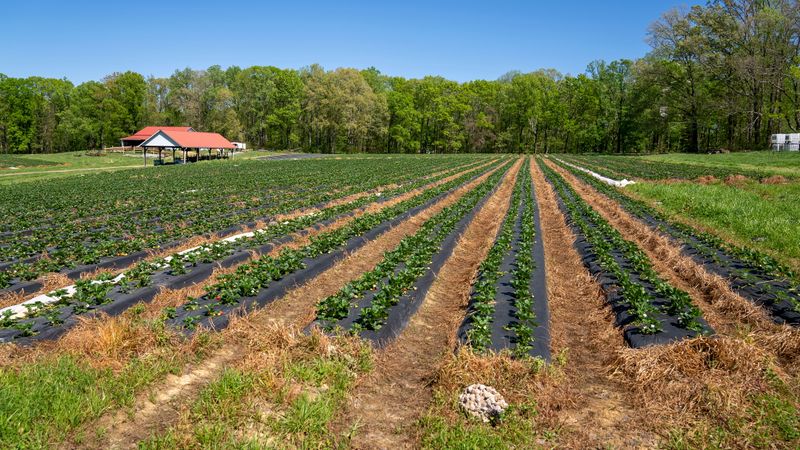
Start by mowing the foliage down short, ideally to about one inch above each plant crown. A push mower on a high setting works great for this job.
Next, narrow the rows by hoeing or tilling the edges down to about twelve inches wide. Wider rows mean more competition and less airflow between plants.
Thin the remaining plants so they stand roughly six to eight inches apart within each row. Crowded plants compete for water, nutrients, and light, and none of them get enough.
After thinning, apply a balanced fertilizer to feed the survivors. Look for something with a roughly equal nitrogen, phosphorus, and potassium ratio to support both roots and runners.
Water the bed deeply after fertilizing to push nutrients down into the root zone. Shallow watering after renovation is a missed opportunity your plants will feel all fall.
Your North Carolina Garden Changes Every Week. Your Plan Should Too.
Gardening in North Carolina changes quickly throughout the season. Every Friday you’ll receive a simple weekly plan showing exactly what to plant, prune, fertilize, harvest, and protect so you never miss the right timing.
Finish by applying a light layer of straw mulch around the plants to hold moisture and moderate soil temperature. Mulch also reduces the weed pressure that would otherwise steal resources from recovering plants.
Each step builds on the last, so the sequence genuinely matters. Follow these steps for your North Carolina strawberry plants, and the whole system clicks into place for a stronger season ahead.
Reduced Overcrowding Improves Plant Health
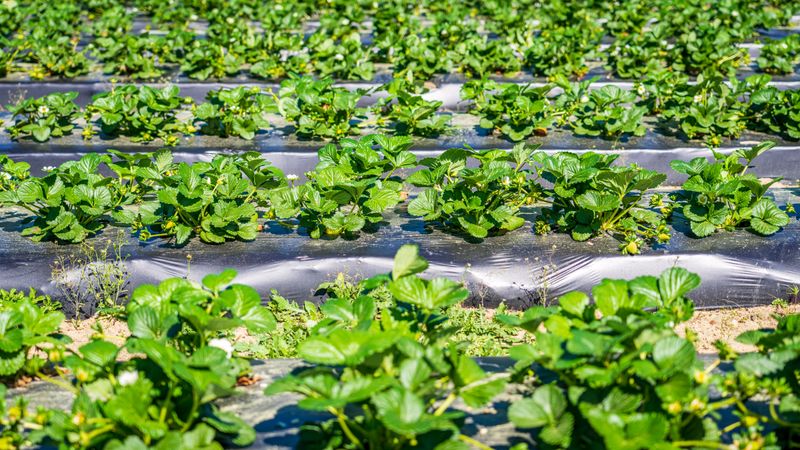
Picture a crowded elevator where nobody can move or breathe easily. That is exactly what an overgrown strawberry bed feels like to your plants.
Overcrowding is one of the sneakiest threats to a productive patch. Plants packed too tightly together share limited resources and block each other from getting the light they crave.
Poor airflow in dense beds also creates the humid, stagnant conditions that fungal diseases absolutely love. Botrytis and powdery mildew spread fast when leaves stay damp and pressed together.
Thinning during August renovation breaks that cycle before it causes serious damage. Removing excess runners and old mother plants opens the canopy and lets fresh air circulate freely.
Sunlight reaches the soil surface more effectively in a thinned bed. That warmth helps dry moisture quickly after rain or irrigation, cutting disease pressure dramatically.
Healthier individual plants also develop stronger root systems when they are not competing for every drop of water. Deep roots mean better drought tolerance heading into the unpredictable fall weather patterns common across the state.
Thinned plants also channel energy into producing more flower buds for next spring rather than just surviving. Fewer plants in the row often means more fruit per plant, which is exactly the trade-off you want.
Giving each plant room to breathe is one of the simplest ways to improve your North Carolina strawberry harvest. Space is not wasted ground; it is growing potential waiting to be unlocked.
Renovated Beds Support Better Yields
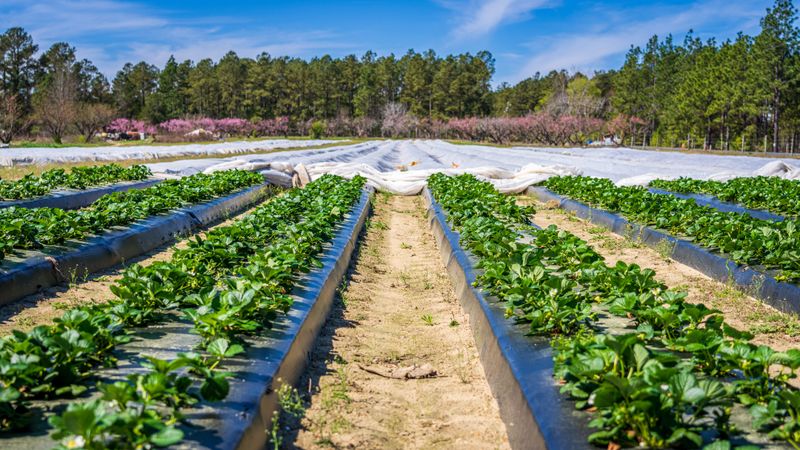
There is a direct line between August renovation and the size of your spring harvest. Skipping renovation is one of the fastest ways to shrink next year’s berries.
Renovated beds allow plants to spend the entire fall building up carbohydrate reserves in their crowns. Those stored carbohydrates are the fuel that powers early spring flowering and fruiting.
Plants that were not thinned or cut back are often still exhausted from summer production. They head into fall already running on empty, with little left to store.
A renovated plant, by contrast, gets a clean start with fresh foliage and reduced competition. It can photosynthesize efficiently through the mild North Carolina fall days and bank energy for the coming season.
Extension research generally supports that renovated beds outperform unrenovated ones in both berry size and total yield.
Better yields also come from improved pollination. Thinned, open plants are easier for bees and other pollinators to access when blooms finally appear in spring.
Fruit that develops in a well-managed bed also tends to be larger and firmer. Good airflow during fruiting reduces the soft spots and mold that ruin berries before you can pick them.
Every step of renovation works together to set up your North Carolina strawberry plants for their best possible performance. The payoff next May will make every sweaty August minute feel worth it.
Supporting Recovery After Renovation
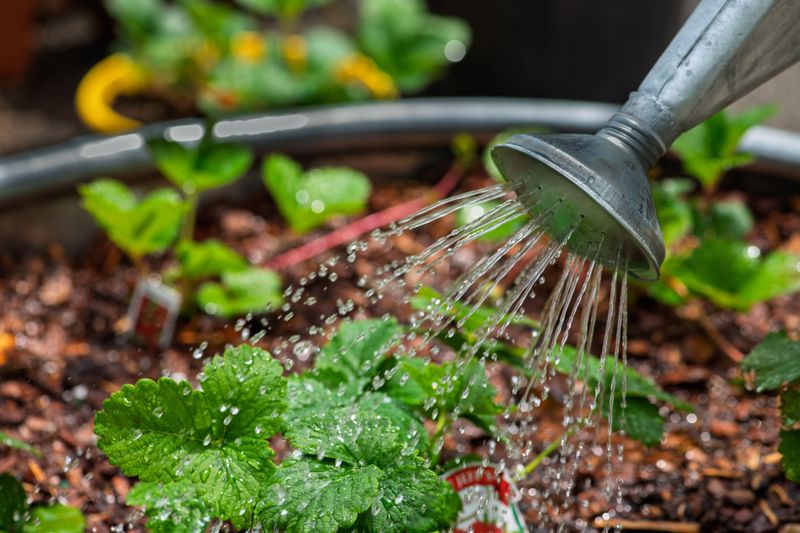
Freshly renovated plants are a little stressed, and they need your support to bounce back fast. Think of this phase as post-surgery care for your garden.
Water is the first priority after renovation. The cutting and thinning process disturbs roots, and plants need consistent moisture to stabilize and push out new growth.
Aim to keep the soil evenly moist for at least two to three weeks after renovation. Dry spells during this recovery window can set back even the healthiest plants significantly.
Fertilizer applied right after renovation gives recovering plants the nutrients they need to regrow foliage quickly.
A nitrogen-rich fertilizer applied after renovation helps plants rebuild foliage and set flower buds for next spring. Strong roots are what carry plants through winter and fuel spring production.
Watch for new runner formation after renovation and remove most of them promptly. Runners divert energy away from crown development, which is where you want all the plant focus right now.
Keep the bed weed-free during recovery because weeds compete aggressively for the water and nutrients your plants need. A quick weekly pass with a hoe keeps things manageable without much effort.
Supporting your North Carolina strawberry plants through recovery is just as important as the renovation itself. Strong recovery in August and September builds the foundation for a truly impressive harvest next year.
Watching For Results Through Fall
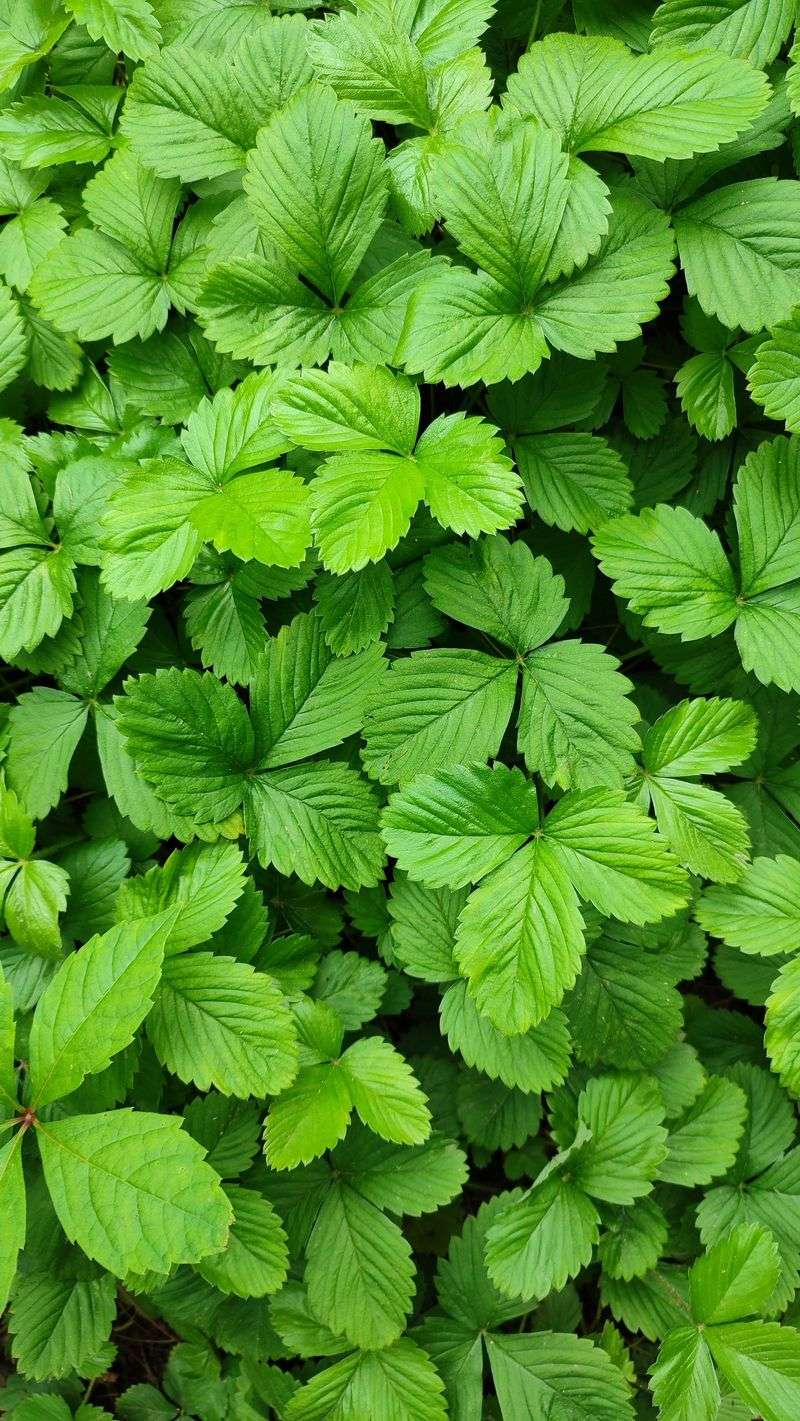
After all that August effort, fall becomes the most rewarding season to simply watch and observe. Your plants will start showing you signs of whether renovation worked.
New foliage should emerge within two to three weeks after renovation. Fresh, bright green leaves pushing up from the crown are exactly what you want to see.
If growth looks slow or sparse, check your soil moisture and fertilizer levels first. Most recovery problems trace back to insufficient water or nutrients in the weeks right after renovation.
As temperatures drop into the comfortable range, plants will shift from growing foliage to hardening off for winter. This hardening process is critical for surviving the cold snaps that move through the state each year.
Watch for any signs of disease like spotted or yellowing leaves and address them quickly. Catching problems early in fall prevents them from overwintering and exploding into a bigger issue come spring.
A light application of straw mulch in late November helps insulate crowns from hard freezes. Two to three inches of loose straw is enough without smothering the plants beneath it.
Come late February or early March, pull back that mulch slightly as days warm up. Letting light reach the crowns earlier encourages faster spring green-up and earlier blooming.
The results of your August work on your North Carolina strawberry plants will be undeniable when spring arrives. A heavier, sweeter crop will be the best proof that renovation was worth every drop of sweat.