Native Michigan Plants That Feed Pollinators Right Through The August Heat
August can make a Michigan garden feel quieter than it should.
The spring bloom rush has passed. Early summer flowers have started fading. Sunny beds may look tired around the edges, and dry spells can make the whole yard seem paused.
Pollinators do not get to pause.
Bees, butterflies, wasps, flies, beetles, and hummingbirds still need nectar, pollen, host plants, shelter, and landing places during the hottest part of summer.
Some insects are raising late broods. Others are fueling migration, reproduction, or the final push before cooler nights arrive.
That is where the right native plants become valuable.
A strong August garden is not just colorful. It is useful. It keeps food available when the season starts thinning out, and it supports insects that many ornamental plantings miss.
So which native Michigan plants keep pollinators fed right through the August heat?
Start with sturdy late-season bloomers that can handle summer pressure and keep the garden active when many flowers have already stepped aside.
1. Joe Pye Weed Builds A Nectar Tower
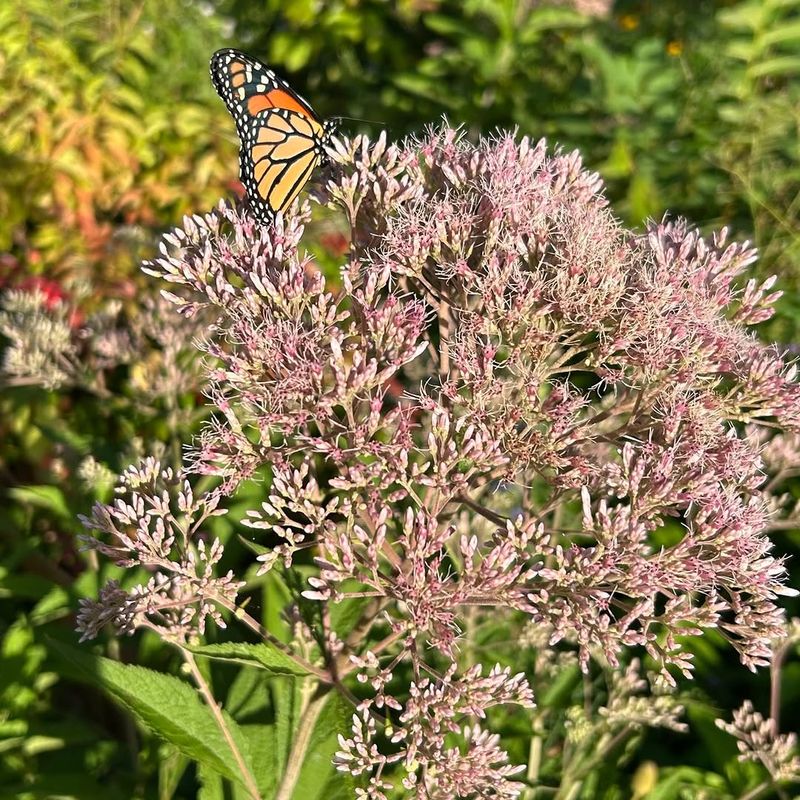
Joe Pye weed turns August bloom into height.
The tall stems rise above most perennials, then open into broad domes of dusty pink to mauve flowers. In a pollinator garden, that height works like a signpost, drawing butterflies and bees from across the yard.
Native Eutrochium species are well suited to moist Michigan spaces. They often appear in meadows, wet edges, rain gardens, and open woodland margins.
Give this plant room. Mature stems can reach several feet tall, and the clumps can widen generously in a rich, moist bed.
Full sun brings the strongest bloom. Light shade works too, especially in soil that stays evenly moist.
The flower heads are easy landing pads. Large butterflies can settle on the broad clusters and feed without fighting narrow petals.
Tiger swallowtails, monarchs, fritillaries, and skippers may all stop by. Bumble bees often work the blooms with steady focus.
Smaller bees visit too. The sheer number of small flowers gives many insects a place to feed at once.
Moisture matters during establishment. Water young plants regularly through the first growing season so roots can settle deeply.
Once established, the plant can handle short dry spells. It still looks best with consistent moisture through midsummer heat.
Place it toward the back of a border. The height can overwhelm shorter plants near the front.
Do not cut it back in midsummer. That removes the flower buds pollinators need most in August.
Joe Pye weed is not shy.
It gives the late-summer garden structure, color, and a nectar station big enough for the busiest pollinator traffic.
2. Ironweed Brings Deep Purple Heat
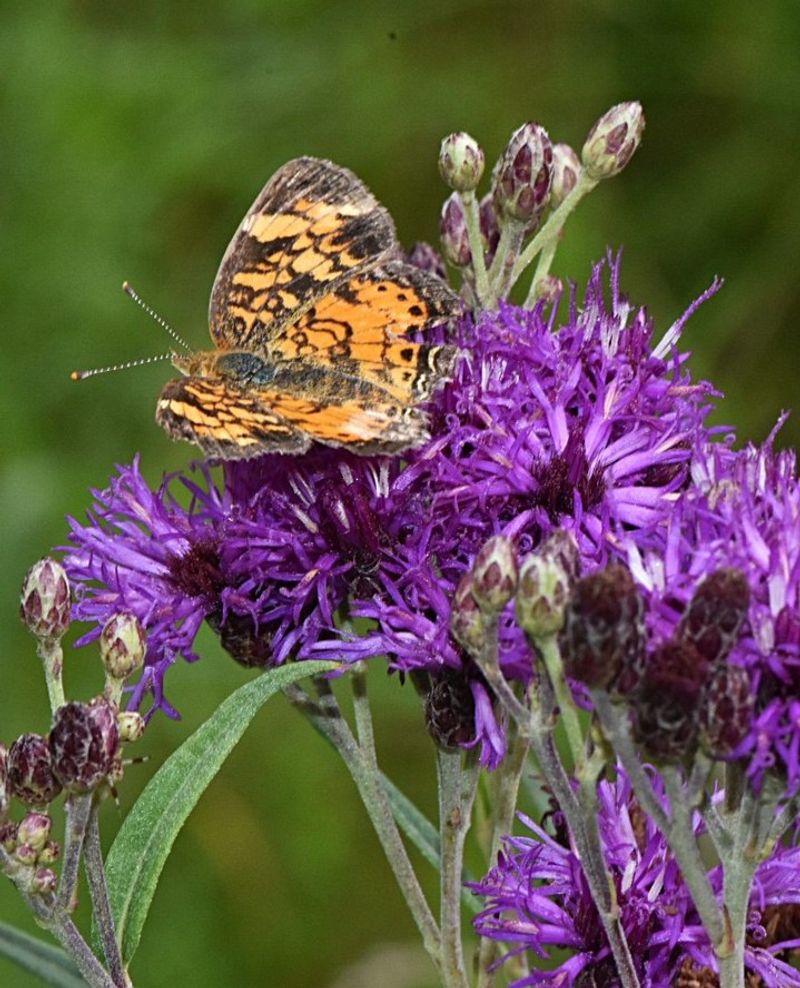
Ironweed gives August a color jolt.
The flowers open in a rich purple that stands out against green grasses, yellow composites, and fading summer foliage. The stems stay upright and firm, giving the plant a strong presence even after rain.
Native Vernonia species belong in open Michigan plantings. Moist meadows, prairie edges, and naturalized beds all suit their sturdy habit.
Full sun creates the best display. Too much shade can reduce bloom and make stems lean.
Your Michigan Garden Changes Every Week. Your Plan Should Too.
Gardening in Michigan changes quickly throughout the season. Every Friday you’ll receive a simple weekly plan showing exactly what to plant, prune, fertilize, harvest, and protect so you never miss the right timing.
Average to moist soil works well. The plant appreciates steady moisture but does not need pampered garden conditions.
The flowers attract long-tongued pollinators. Bumble bees, larger native bees, skippers, monarchs, and other butterflies visit heavily during late summer.
The bloom shape matters. Many small tubular flowers sit together in each purple head, offering repeated feeding opportunities.
Ironweed also brings structure after bloom. The seed heads take on a bronze-purple look that carries interest into fall.
Give it space beside grasses. Native grasses soften the tall stems and help the planting look intentional.
Cutting back too early reduces value. Late butterflies may still use remaining blooms after August begins to turn toward September.
Manage reseeding in smaller beds. Deadhead some spent flowers when space is tight.
Leave some seed heads where room allows. Birds may use the seeds, and the standing stems add winter texture.
Ironweed is bold without being fussy.
It holds the garden upright during heat and gives pollinators a deep-purple feeding stop when many softer flowers have already faded.
3. Boneset Feeds Tiny Native Bees
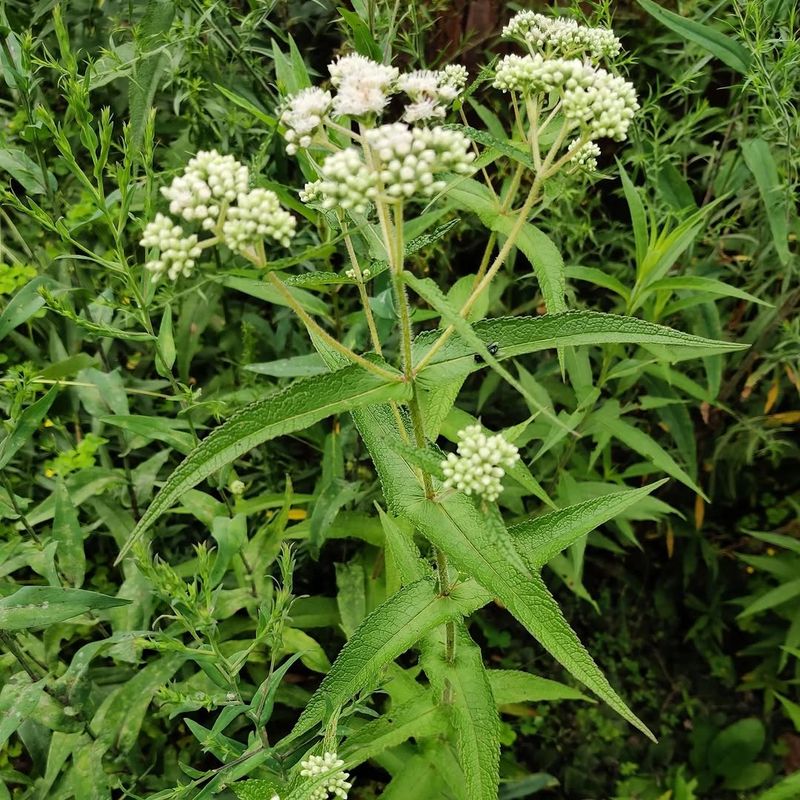
Boneset is not the flashiest plant in the August garden.
That is part of its charm. The white flower clusters look simple from a distance, but up close they become a busy feeding surface for small bees, wasps, flies, and other overlooked pollinators.
Eupatorium perfoliatum is native to Michigan and naturally favors moist places. Wet meadow edges, stream banks, low gardens, and rain-garden sites all suit it well.
The flowers form button-like clusters. Those clusters are easy for smaller insects to work.
Tiny bees appreciate this plant. Sweat bees, masked bees, mining bees, and small wasps often use the blooms heavily.
Butterflies may visit too. They are simply not the only stars on this plant.
That matters in August. A healthy pollinator garden should feed more than the large, familiar insects everyone notices.
Plant boneset in full sun to part shade. Moist soil brings the strongest growth and bloom.
Avoid rich fertilizer. Too much feeding can push leafy growth while reducing the clean floral display.
Expect some spread. Boneset can form loose colonies by rhizomes over time.
Use that habit wisely. It works beautifully in naturalized spaces but may need division in tidy beds.
Water during establishment. After the roots settle, the plant needs little attention in a suitable moist site.
Boneset proves that pollinator value is not always flashy.
Its white flowers quietly feed the small native insects that keep Michigan gardens alive in late summer.
4. Mountain Mint Hosts A Feeding Frenzy
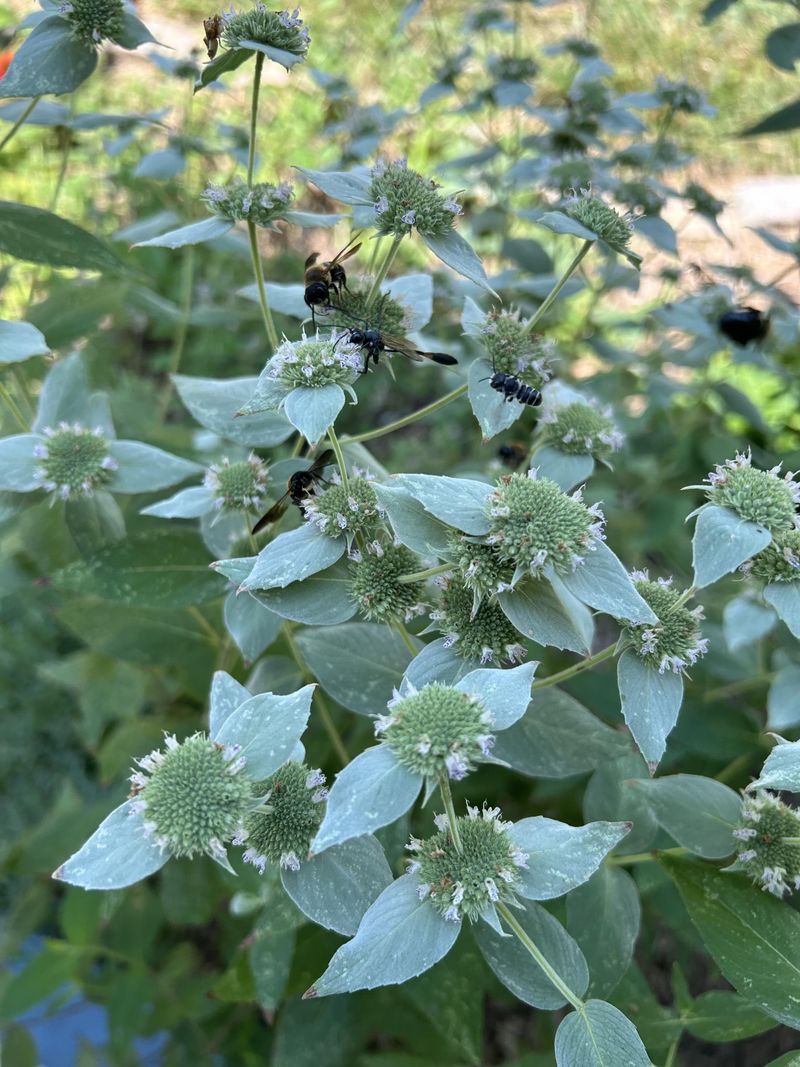
Mountain mint can turn one sunny patch into a pollinator crowd.
Brush the leaves, and the minty scent rises immediately. By August, the pale flower clusters can be packed with bees, wasps, flies, beetles, skippers, and small butterflies all feeding at once.
Native Pycnanthemum species are among the most useful plants for late-summer insect activity. They fit sunny meadows, prairie-style borders, and dry-to-average garden beds.
The flowers are small, but the traffic is huge. Many insects can feed on a single clump without crowding each other off.
Bumble bees visit often. So do sweat bees, beneficial wasps, soldier beetles, flies, and tiny native bees.
This plant supports more than showy pollinators. It feeds the working background crew of the garden, including insects that help manage pests.
Full sun is best. Good light keeps the plant sturdy and flower production high.
Well-drained soil helps. Once established, mountain mint handles dry spells better than many midsummer bloomers.
The spread is energetic. Rhizomes can move outward and build a strong colony.
That is useful in a meadow. In a small bed, it can feel pushy.
Divide clumps in spring to manage size. A root barrier or large contained planting area can also help.
Avoid unnecessary sprays nearby. The plant may host beneficial insects at nearly every hour of the day during peak bloom.
Mountain mint is one of the great August workhorses.
It smells fresh, asks for little once established, and can host more pollinator action than almost anything else in the bed.
5. Spotted Bee Balm Handles Dry Ground
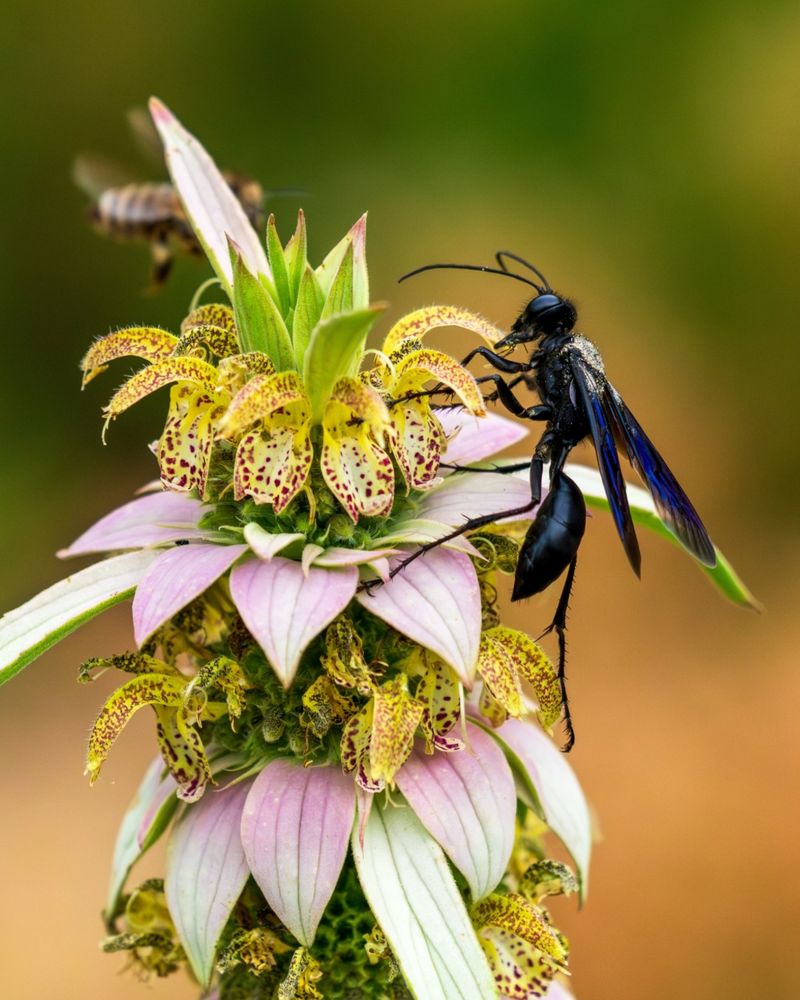
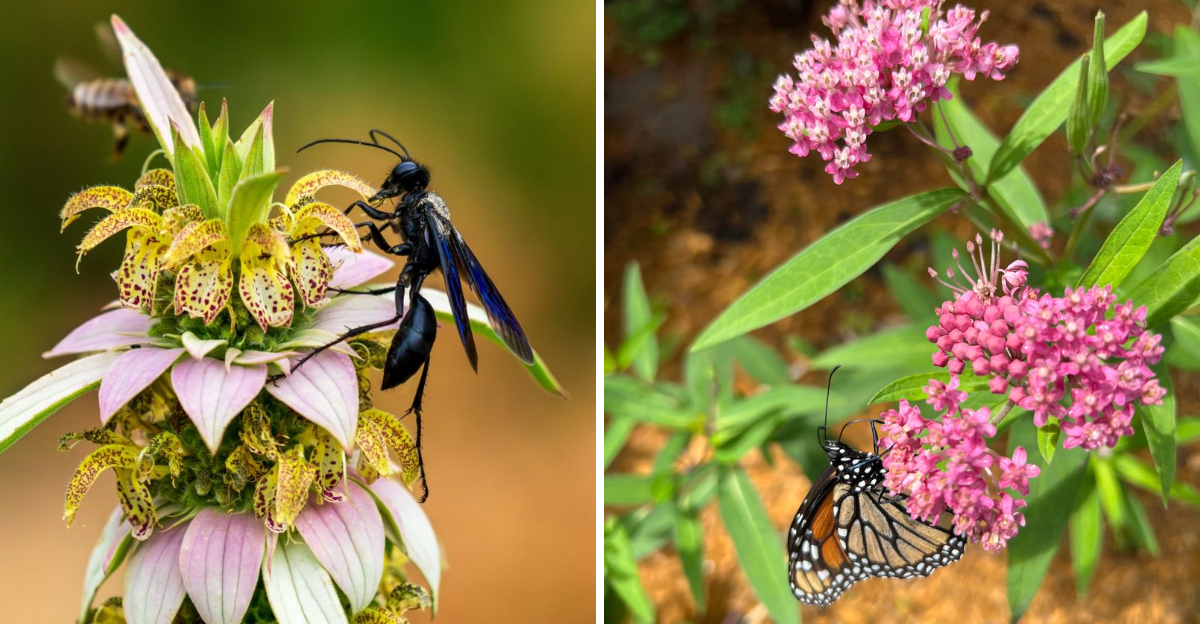
Spotted bee balm brings unusual beauty to dry sites.
The flowers are pale yellow with purple spotting, but the showy pink to lavender bracts around them often steal the attention. The whole plant looks layered, quirky, and perfectly built for late-summer heat.
Monarda punctata is native to dry, sandy habitats in parts of Michigan. Dunes, dry prairies, open sandy ground, and lean slopes suit it better than rich, wet beds.
That dry-soil preference is important. Gardeners often weaken this plant by treating it too kindly.
Full sun is best. Strong light keeps the stems firmer and bloom heavier.
Lean soil suits it. Rich compost and heavy fertilizer can make growth floppy.
Drainage is essential. Moisture trapped around the crown can cause problems, especially in humid weather.
Bumble bees love the flowers. Long-tongued bees, beneficial wasps, and occasional hummingbirds may also visit.
The bloom structure rewards insects that can reach into tubular flowers. That makes it a helpful complement to flatter flowers nearby.
Expect a short-lived habit. Individual plants may last only a few years.
Let some seed mature. Self-sown plants keep the patch going in open sandy soil.
Do not mulch heavily. Thick mulch holds moisture and blocks the open ground this plant likes.
Spotted bee balm is perfect for the problem spot that feels too dry for fussier flowers.
Give it sun, lean soil, and space to reseed, and it can keep August pollinators busy without constant care.
6. Rough Blazing Star Lights Up August
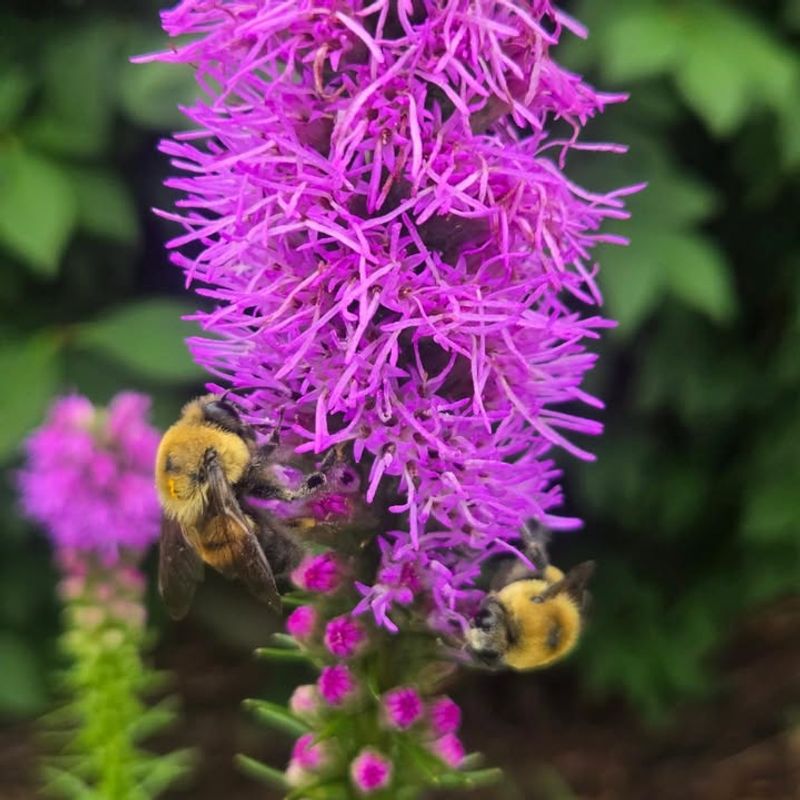
Rough blazing star blooms with vertical drama.
Purple flower spikes rise from tidy clumps, then open from the top downward. That unusual bloom pattern makes the plant stand out in prairie-style beds and sunny native borders.
Liatris aspera is a Michigan native adapted to dry prairies, sandy barrens, and open woods. It thrives where many richer garden plants would struggle.
Full sun is essential. Shade reduces bloom and weakens the upright form. Drainage matters even more. The underground corm dislikes sitting in wet soil, especially through winter.
Sandy or gravelly soil is ideal. Raised beds or slopes can help in heavier ground. Establishment can be slow. The plant may spend its first year building roots and only modest top growth.
Patience pays. By the second or third year, a well-sited clump can send up strong flowering spikes. Monarchs often visit. Bumble bees, skippers, and other butterflies also work the blooms during August.
The spikes give multiple feeding stations. Several insects can use one plant at the same time. Do not cut seed heads too early. Goldfinches and other small birds may feed from them later.
Avoid overwatering established plants. Dry summer conditions suit this species better than soggy care.
Rough blazing star rewards restraint. It asks for sun, drainage, and patience, then brings one of the most striking late-summer nectar displays in the Michigan garden.
7. Swamp Milkweed Serves Moist Beds
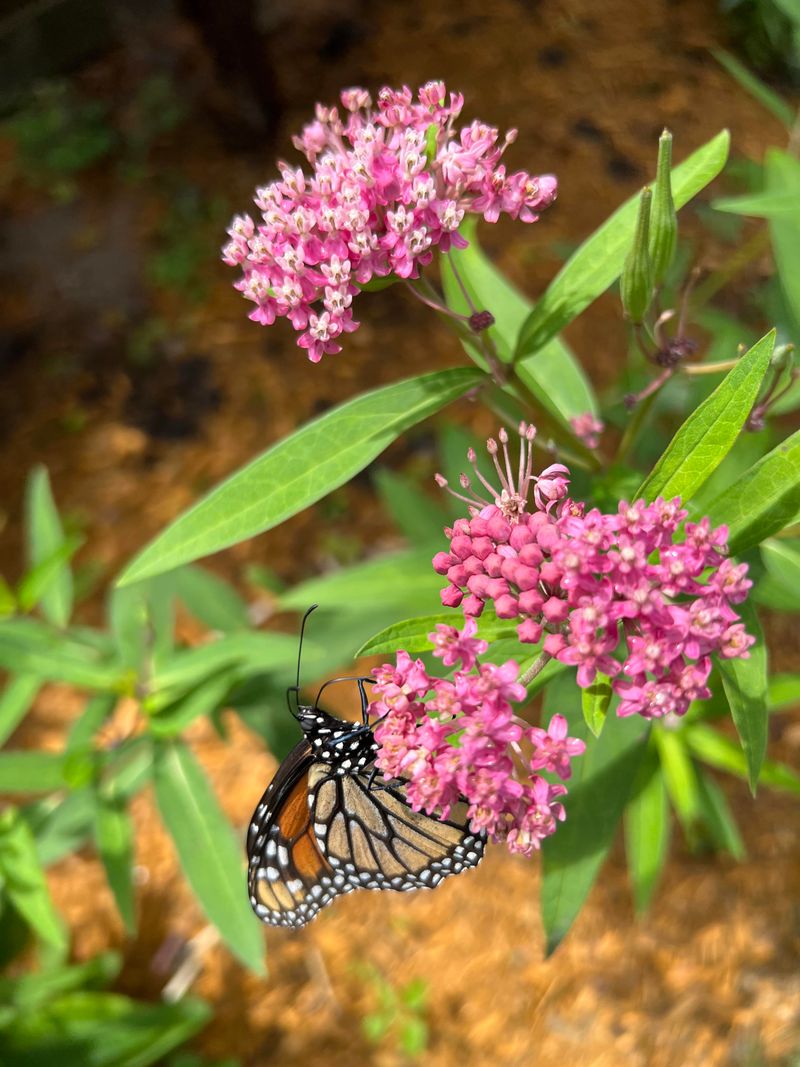
Swamp milkweed brings elegance to wet and average soils.
The pink flower clusters rise above narrow leaves and often carry a light vanilla-like scent. In August, they can draw butterflies, bees, and other pollinators into parts of the garden that stay too moist for dryland natives.
Asclepias incarnata is native throughout Michigan. It grows naturally along stream banks, wet meadows, pond edges, and damp ditches.
The name sounds limiting, but the plant is adaptable. It can grow in average garden soil when moisture remains consistent.
Full sun gives the best bloom. Part sun can work where the site stays bright for much of the day. The clumping habit is manageable. It does not run as aggressively as common milkweed.
Monarchs use it two ways. Adults visit the flowers for nectar, and caterpillars feed on the leaves. Bumble bees and other native bees visit regularly. Hummingbirds may stop at the blooms too.
Aphids may appear. Small colonies on milkweed are common and often attract lady beetles, lacewings, and other predators.
Avoid spraying. Insecticides around milkweed can harm monarch larvae and visiting pollinators. Let some seedpods mature. The silky seeds can spread the plant into nearby suitable moist areas.
Cut old stems in spring rather than fall. Standing stems can provide overwintering habitat for beneficial insects.
Swamp milkweed gives moist gardens a major August role. It feeds pollinators, supports monarchs, and brings soft color where the soil naturally holds more water.
8. Stiff Goldenrod Carries Summer Forward
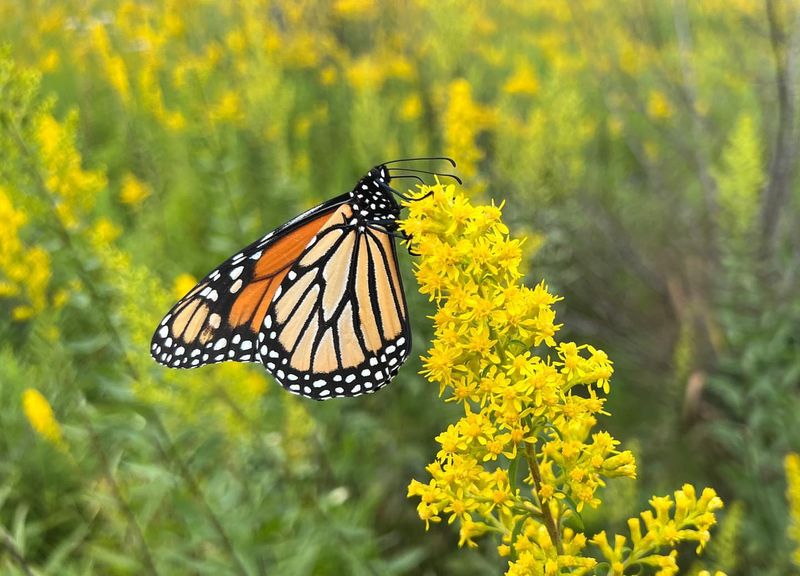
Stiff goldenrod is one of the best gateway goldenrods for gardeners.
It has a more upright, clumping habit than many goldenrod relatives, which makes it easier to place in a designed bed. The flat-topped yellow flower clusters look structured instead of wild and wandering.
Solidago rigida, also known as Oligoneuron rigidum, is native to Michigan prairies and open woodlands. It thrives in full sun with dry to average, well-drained soil.
The allergy rumor deserves retirement. Goldenrod pollen is heavy and sticky, carried by insects rather than wind. Ragweed, which blooms at the same time, is usually the real problem.
Pollinators know the difference. Bees, butterflies, beetles, wasps, and flies all use goldenrod heavily in late summer.
The flat flower clusters serve many body sizes. Small sweat bees, bumble bees, mining bees, and butterflies can all feed from the same plant.
August is its moment. As other flowers fade, stiff goldenrod carries bright color and nectar into the next part of the season.
The clumping habit is garden-friendly. It spreads far less aggressively than some other goldenrods.
Divide every few years. This keeps the clump vigorous and prevents the center from thinning.
Leave some stems standing. Seed heads and hollow stems can support birds and overwintering insects.
Pair it with purple bloomers. Ironweed and blazing star make the yellow look even richer.
Stiff goldenrod is not a weed in the right garden.
It is a late-summer powerhouse that feeds pollinators exactly when the season needs more flowers, not fewer.