Why Texas Gardeners Are Replacing Lantana With Natives That Do More
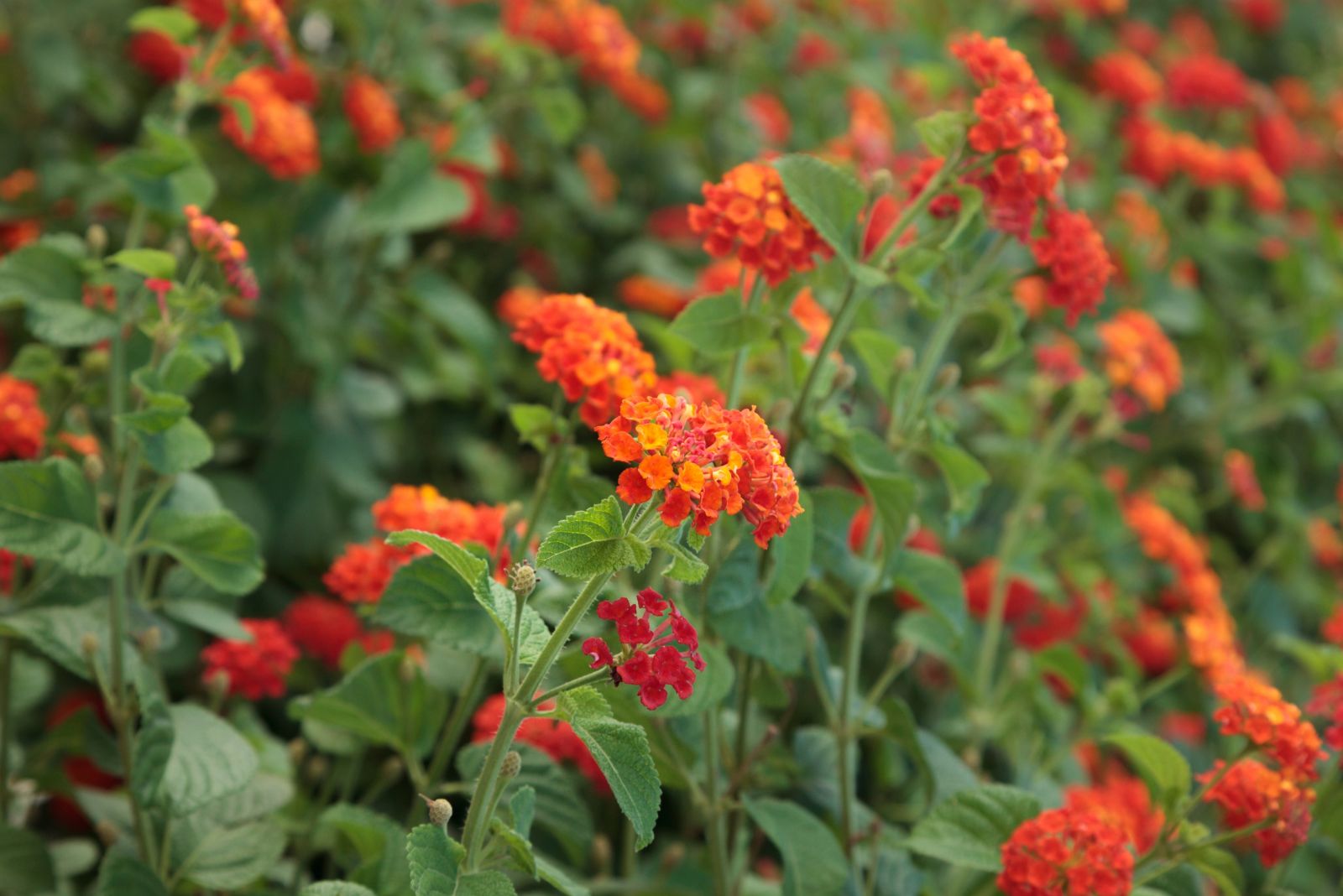
Lantana has had a long run as one of the most popular plants in Texas landscaping, and the reasons are easy to understand. It handles heat without complaint, blooms through conditions that would finish off most plants, and comes back reliably year after year.
But spend enough time gardening in Texas and you start noticing the limitations. Lantana does not do much beyond looking colorful.
It is not native to Texas, which means the local ecosystem largely ignores it, and in some parts of the state it spreads in ways that create real problems beyond the garden fence.
Texas native plants have been quietly gaining ground as gardeners realize how much more a plant can offer when it actually belongs in the landscape.
Better wildlife support, deeper ecological value, and in many cases just as much visual impact with less maintenance. The shift away from lantana is not about giving something up. It is about getting a lot more in return.
1. Many Native Plants Need Even Less Water
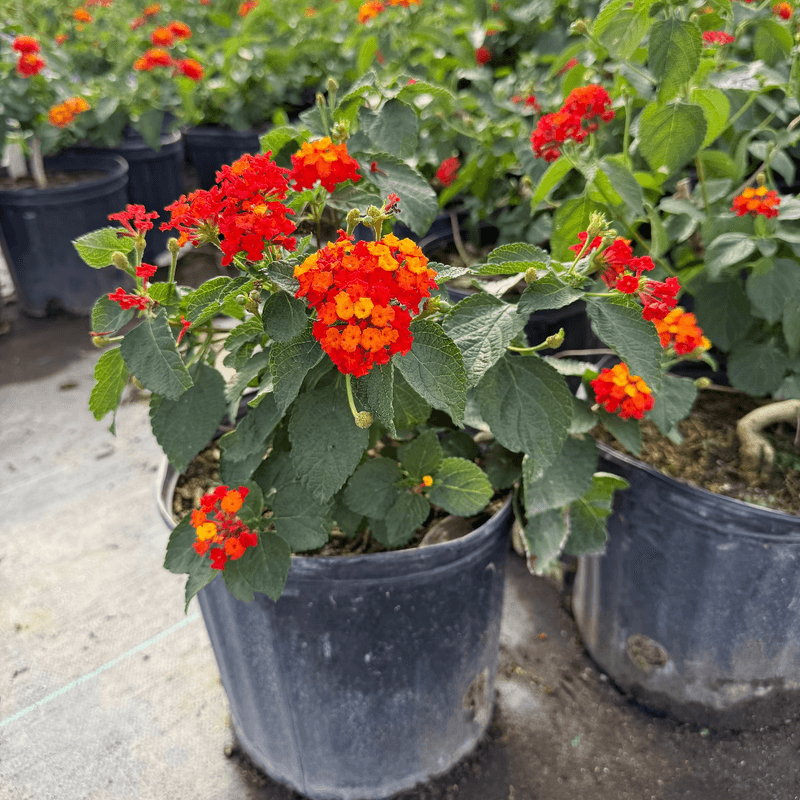
Saving water in Texas is not just smart gardening, it is practically a survival skill. The Lone Star State is famous for its scorching summers and unpredictable rainfall. Native plants have spent thousands of years adapting to exactly those conditions.
Plants like Texas sage, blackfoot daisy, and cenizo have deep root systems that reach down into the soil to find moisture long after the surface has dried out.
Lantana is tough, but many Texas natives take drought tolerance to a whole new level. Once they get settled in, some natives can go weeks without any extra watering at all.
Think about what that means for your water bill. According to Texas A&M AgriLife Extension, landscapes using native plants can cut outdoor water use by up to 50 percent. That is a huge savings, especially during summer water restrictions.
Beyond saving money, using less water is also better for local rivers, lakes, and aquifers. When millions of homeowners reduce irrigation needs, the impact adds up fast. Native plants make that possible without sacrificing a beautiful yard.
Getting started is easier than most people expect. Many native plants are available at local nurseries and plant sales hosted by native plant societies across the state.
Replacing even a small section of your landscape with water-wise natives can make a noticeable difference. It is one of the most practical reasons Texas gardeners are moving away from lantana and toward plants that truly belong here.
2. Native Plants Support More Local Wildlife
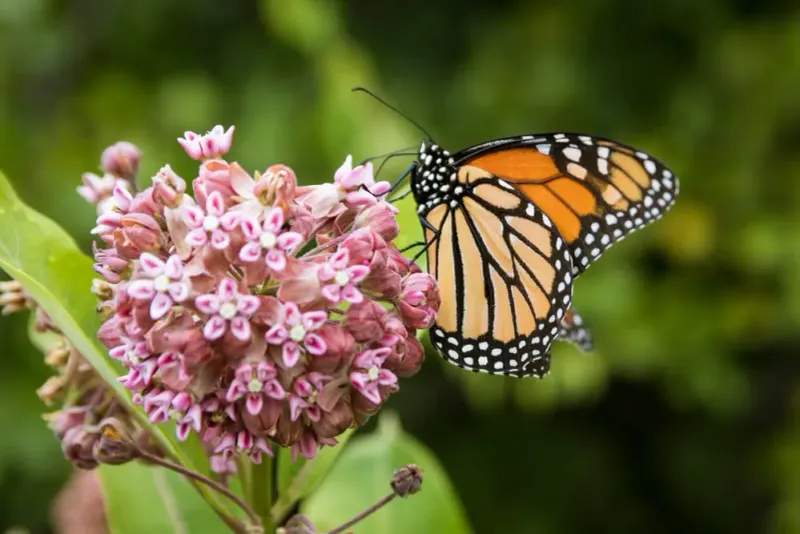
Imagine stepping outside on a summer morning and hearing your yard buzzing with bees, fluttering with butterflies, and singing with birds. That is the kind of yard native plants can create.
Lantana does attract some pollinators, but native plants take wildlife support to a completely different level.
Texas is home to over 400 species of native bees, and most of them evolved alongside specific native plants. When you plant milkweed, coneflowers, or goldenrod, you are not just adding color.
You are setting a table for creatures that depend on those exact plants to survive and raise their young.
Your Texas Garden Changes Every Week. Your Plan Should Too.
Gardening in Texas changes quickly throughout the season. Every Friday you’ll receive a simple weekly plan showing exactly what to plant, prune, fertilize, harvest, and protect so you never miss the right timing.
Monarch butterflies, for example, can only lay their eggs on milkweed. No milkweed means no monarchs.
That is a simple but powerful reason to swap out ornamental plants for natives with a real ecological purpose.
Birds also benefit enormously. Native plants produce seeds, berries, and insects that local bird species have relied on for generations.
A yard full of native plants can attract cardinals, wrens, mockingbirds, and even hummingbirds throughout the year.
Beneficial insects like lacewings and parasitic wasps also thrive in native landscapes. These insects help control pest populations naturally, which means less need for chemical sprays. Your garden becomes a self-regulating ecosystem rather than a maintenance headache.
Gardeners who make the switch often say they feel more connected to the natural world around them.
Watching wildlife move through a thriving native garden is genuinely exciting. It is one of the most rewarding reasons to choose plants that truly belong in Texas.
3. Some Natives Bloom Longer Through Extreme Heat
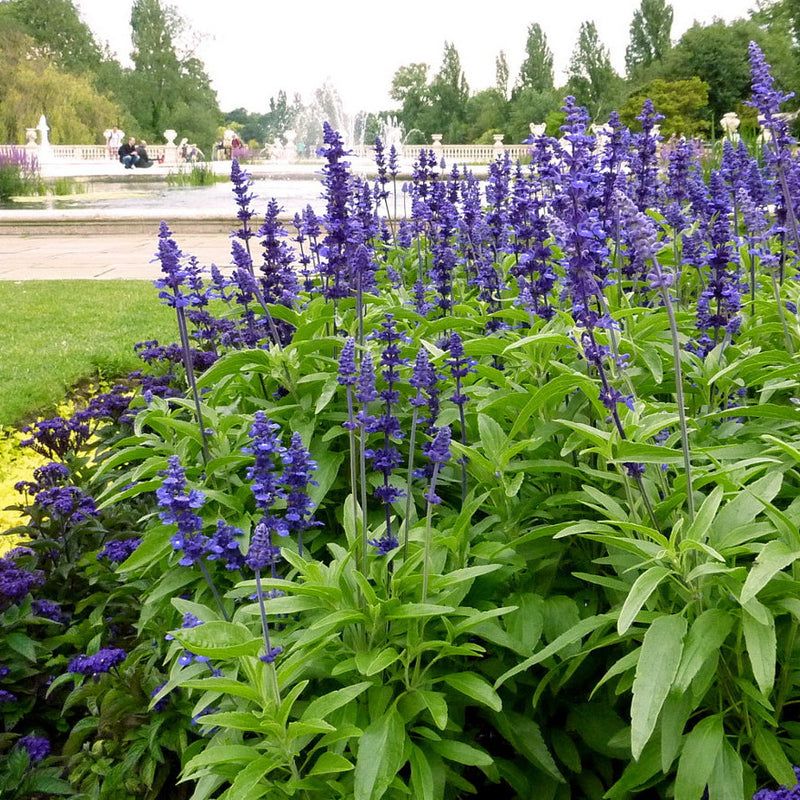
There is a common gardening myth that native plants are plain or boring. Autumn sage and mealy blue sage are here to prove that completely wrong.
These two Texas natives put on a spectacular flower show that can last from spring all the way through the first frost of fall.
Lantana does bloom through summer heat, and that is one reason it became so popular. But here is the thing: autumn sage and mealy blue sage do not just survive the brutal Texas summer, they seem to thrive on it.
The hotter it gets, the more these plants push out fresh blooms. Mealy blue sage, also called Salvia farinacea, produces tall spikes of soft purple and blue flowers that pollinators absolutely love.
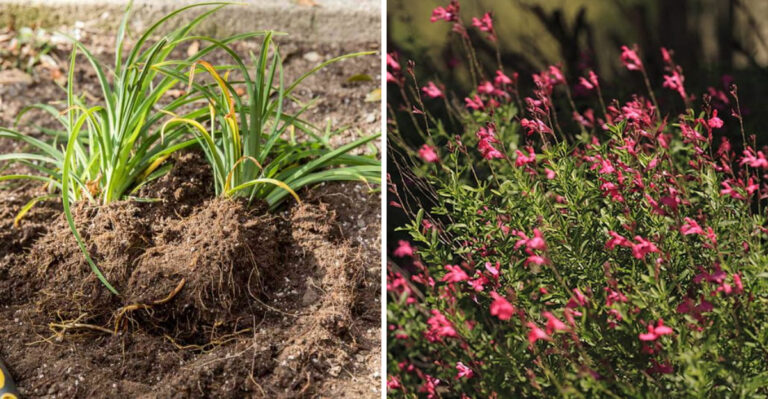
It blooms heavily in spring, takes a brief rest, and then comes back strong in fall. Autumn sage, or Salvia greggii, blooms in shades of red, pink, and coral almost continuously through warm weather.
Both plants handle Texas clay soils, rocky hillsides, and poor drainage far better than many ornamental plants.
They do not need rich amended beds or regular fertilizing to perform well. Give them full sun and a little space, and they will reward you all season long.
For gardeners tired of plants that look great in April but fizzle out by July, these natives are a genuine revelation.
Extended bloom time means more color for you and more food for pollinators during the hottest months when other flowers have long since stopped. Switching to these bloomers just makes sense.
4. Native Landscapes Usually Need Less Maintenance
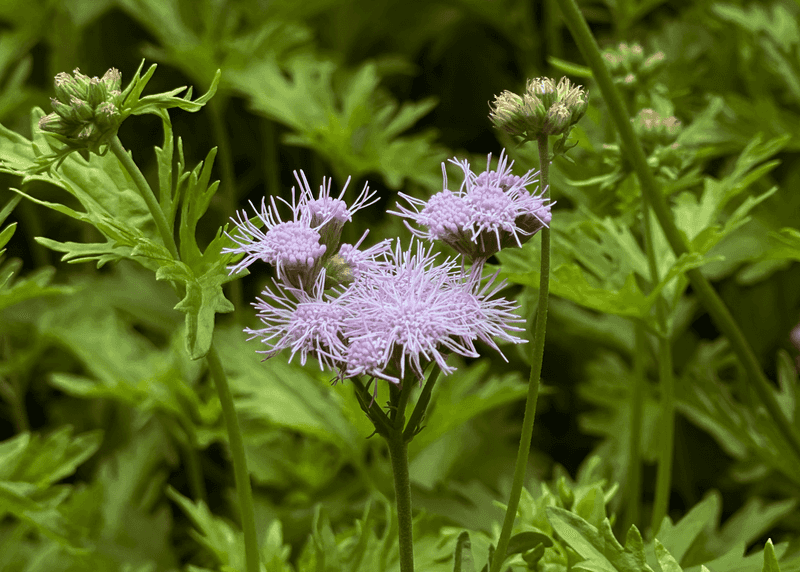
Ask any experienced Texas gardener what takes up the most time, and pruning, watering, and fertilizing will top the list every single time.
One of the biggest reasons people are turning to native plants is simple: once they get established, natives generally ask for very little in return.
Lantana needs regular cutting back to keep it looking tidy. It can also get woody and leggy if you skip a season of pruning.
Many Texas natives, by contrast, have a naturally neat growth habit that does not require constant attention. Plants like Gregg’s mistflower, inland sea oats, and Texas lantana alternatives like frogfruit stay manageable with minimal effort.
Fertilizer is another area where natives shine. Because they evolved in Texas soils, which tend to be lean and alkaline, they do not need the nutrient boosts that many ornamental plants require.
Adding too much fertilizer to native plants can actually cause problems, making them grow too fast and become weak.
Irrigation is the big one. Established native plants largely take care of themselves during normal rainfall years.
You may need to water during extended droughts, but the frequency drops dramatically compared to a traditional ornamental garden.
Weekend gardeners especially love this aspect of native landscapes. Less time spent hauling hoses or pushing lawn mowers means more time actually enjoying your outdoor space.
Many homeowners who switch to native plantings say they spend far less time doing yard chores while their gardens look better than ever. That trade-off is hard to argue with, and it is a major reason the native plant movement keeps growing across Texas.
5. Native Plants Create More Natural-Looking Landscapes
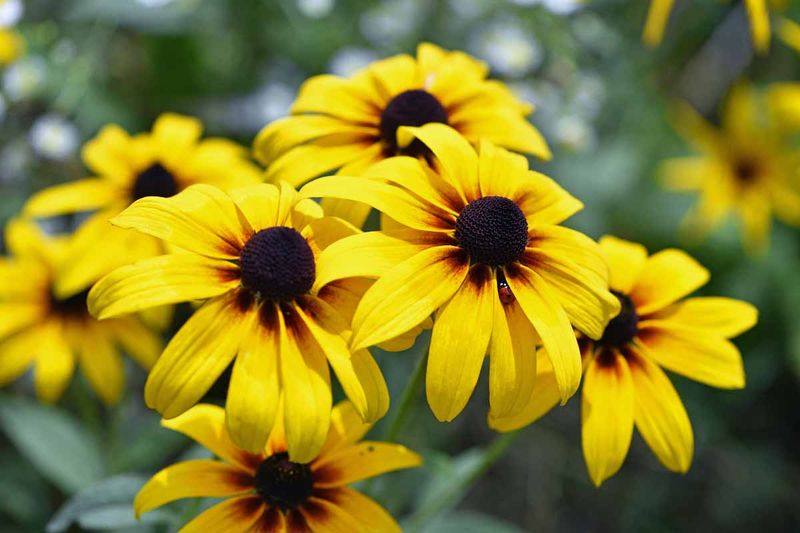
Garden design trends have been shifting in a big way. The perfectly manicured, ruler-straight flower border is starting to feel a little outdated.
More and more Texas homeowners are falling in love with softer, wilder, meadow-inspired landscapes that feel like they belong in the Hill Country or the coastal prairies.
Native plants are the perfect building blocks for that kind of look. Mix prairie grasses like inland sea oats or little bluestem with wildflowers like black-eyed Susans, prairie verbena, and winecup, and you get something that looks effortlessly beautiful.
It does not look neglected. It looks intentional, layered, and alive. Lantana can feel stiff and blocky in a border, especially the compact hybrid varieties that grow in tight mounds.
Native plant combinations, on the other hand, move with the breeze and create a sense of depth and texture that traditional ornamental plantings often lack.
Neighbors and passersby frequently stop to ask about native yards, curious about the interesting mix of plants they have never seen before. A well-designed native landscape becomes a conversation starter and a point of neighborhood pride.
Front yard makeovers using native plants have become popular on social media platforms across Texas, with homeowners sharing before-and-after photos that consistently get thousands of likes. The aesthetic appeal is real and undeniable.
Beyond looks, a naturalistic native landscape also tells a story about caring for the local environment. It signals that the homeowner values the land and its history.
That combination of beauty and meaning is a powerful reason so many Texans are rethinking what their yards can look like.
6. Some Natives Stay Better Behaved In Garden Beds
Anyone who has grown common lantana for a few seasons knows it can get a little out of control. Certain varieties, particularly the non-native types, spread aggressively through runners and self-seeding.
Before long, what started as one tidy plant becomes a sprawling patch that crowds out everything around it.
That spreading habit is one of the reasons lantana has been listed as an invasive concern in parts of Texas and other southern states.
It can escape garden beds and move into natural areas, pushing out plants that local wildlife actually depend on. That is a problem worth taking seriously.
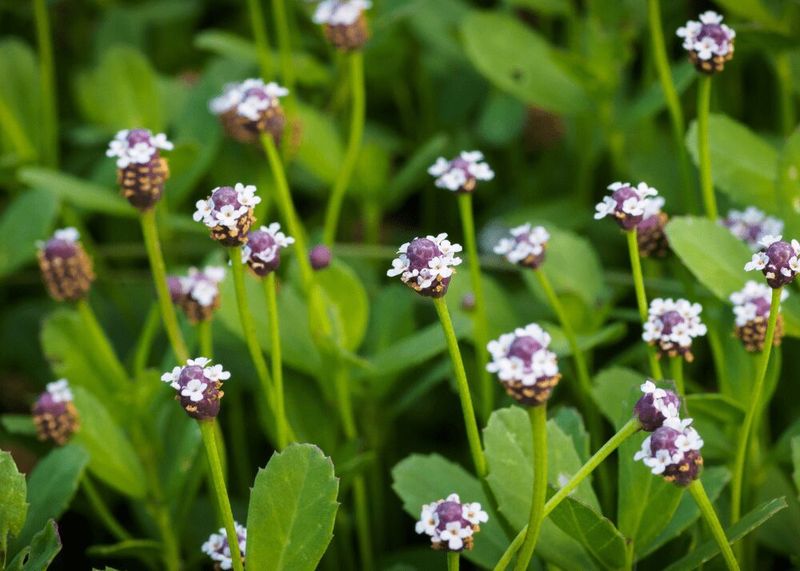
Many Texas native plants behave much more predictably in a garden bed. Frogfruit, for example, spreads gently as a ground cover but is easy to manage and stays where you put it.
Prairie verbena forms tidy clumps that expand slowly and never bully neighboring plants. Winecup spreads at a polite pace and fills in gaps beautifully without taking over.
For gardeners who love a tidy, well-organized bed, this makes a real difference. Spending less time pulling out aggressive plants means more time enjoying the garden. It also means your other plants actually have room to grow and show off.
Choosing better-behaved natives also protects the broader ecosystem. When garden plants stay in the garden, native wild areas stay healthier. Every choice you make in your yard has a ripple effect on the land around you.
Swapping aggressive spreaders for polite, well-adapted natives is one of the most practical gardening decisions a Texan can make. Your beds will thank you, and so will the local environment.