The Old-School Mulch Trick That Still Rivals Modern Watering Systems
You are losing real money every time you water this way. Arizona heat challenges plants before you even notice the damage. Roots you nurture all season can weaken from stress alone.
Bare soil around you hardens quickly and drains essential nutrients fast. Nutrients you paid for evaporate straight into the afternoon air. Weeds you never even planted thrive wherever you leave soil exposed.
Timers you trust will fail exactly when you need them most. Hoses you drag around daily barely solve the real problem. Farmers solved this exact watering problem centuries before you were even born.
Science you can trust now confirms what your grandparents already knew. Meanwhile, gardeners near you across Arizona watch their bills climb.
Soil you protect properly holds moisture longer than you expect. Everything you always thought you knew about smart watering is about to change. Nothing about your garden will look the same after this.
How Mulch Compares To Other Watering Methods
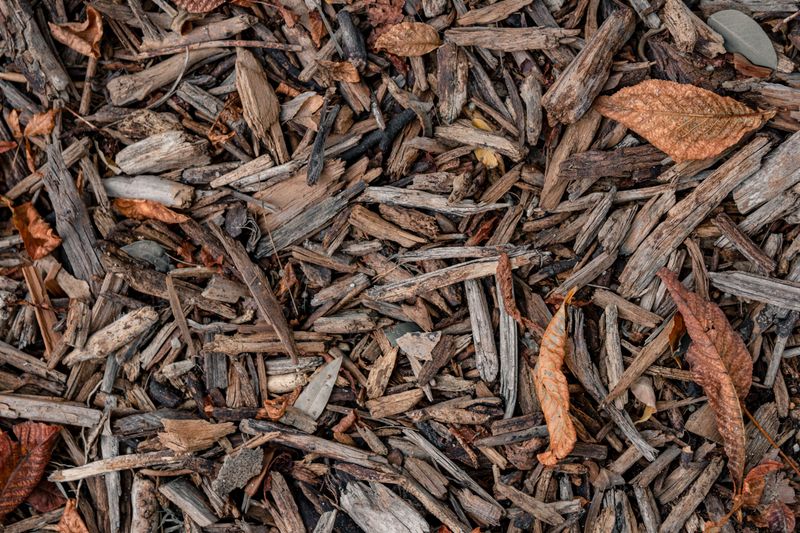
Forget the fancy gadgets for a second. A bag of wood chips does something more consistently than most irrigation timers. It works around the clock without a single setting to adjust.
The old-school mulch trick complements your current garden system by improving efficiency and reducing costs over time. Water simply cannot evaporate as fast when something is sitting on top of it.
Drip systems push water into the soil, but they cannot stop the sun from pulling it right back out. Mulch blocks that exit route entirely, making every drop of water work twice as hard.
Sprinkler systems wet the surface and move on. Mulch stays put, holding conditions steady hour after hour and day after day without any electricity.
Research on mulched garden beds suggests they can retain significantly more soil moisture than bare ground, though exact figures vary by study and region. That difference becomes significant when summer temperatures climb past 90 degrees.
Many homeowners who switch to mulch notice a meaningful reduction in outdoor watering frequency within the first season.
Few other methods combine this level of simplicity and consistent performance as effectively as mulch. Mulch wins because it is always there, always working, and never needs a restart after a power outage.
The Science Behind Mulch And Soil Moisture
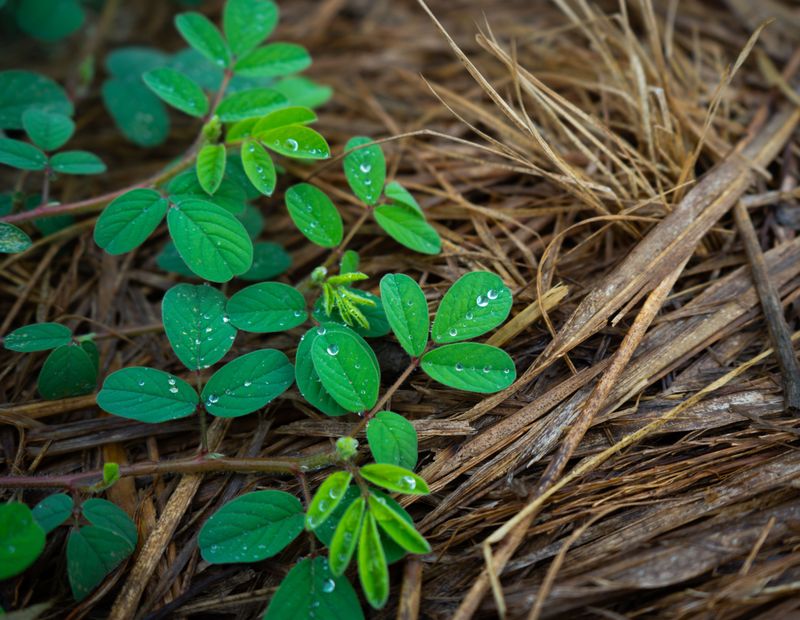
Soil is basically a sponge with a serious evaporation problem. When the sun beats down on bare ground, moisture races toward the surface and disappears into thin air within hours.
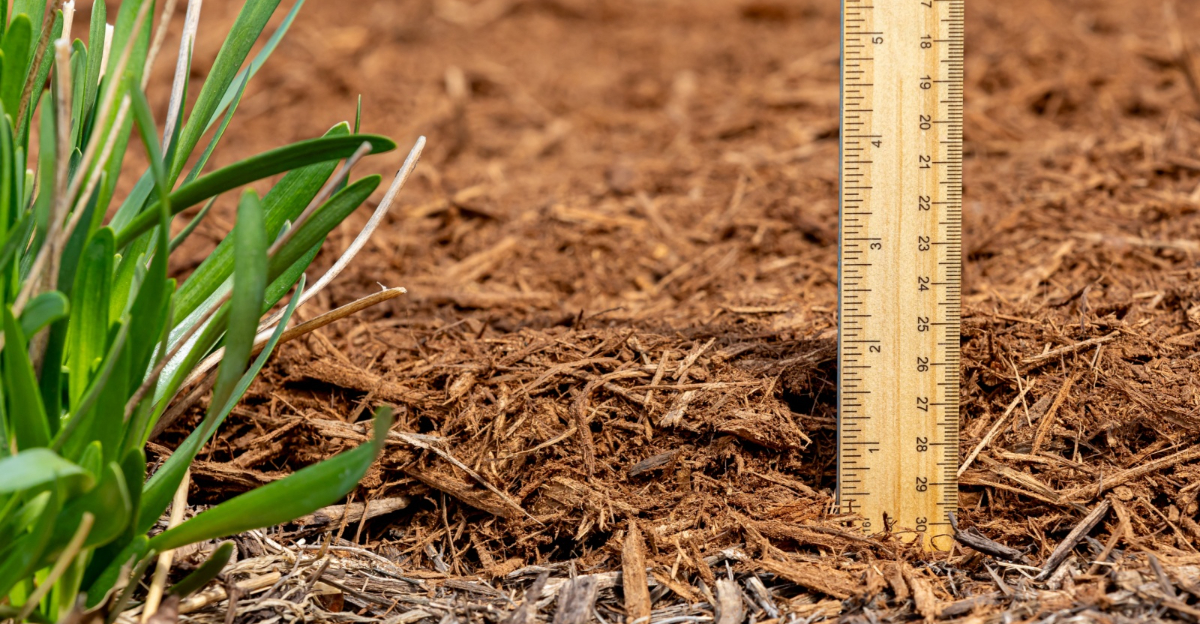
Organic mulch interrupts that process at the source. A 2 to 3 inch layer creates an insulating blanket that slows surface evaporation by a dramatic margin, keeping the ground beneath cool and damp.
Soil temperature also plays a huge role in how fast moisture is lost. In hot climates, bare soil in full sun can reach surface temperatures well above 100 degrees Fahrenheit.
Mulched soil, by contrast, stays significantly cooler because the covering reflects heat and traps cool air near the ground. Roots stay comfortable, and the whole moisture cycle slows to a healthy pace.
As organic mulch breaks down over time, it adds humus to the soil below. Humus particles are incredible at holding water molecules, which means the soil itself becomes better at retaining moisture season after season.
Earthworms love mulched environments and move in quickly once you lay down a fresh layer. Their tunneling activity improves drainage and aeration, which paradoxically helps soil hold the right amount of water without becoming waterlogged.
The science is well understood. Mulch does more than block evaporation. It actively improves the soil structure beneath it. That compounding benefit is something no irrigation system can replicate on its own.
Choosing The Right Mulch For Summer Heat
Not all mulch is created equal, and summer heat has very specific demands. Picking the wrong type can actually trap too much heat or shed water instead of holding it.
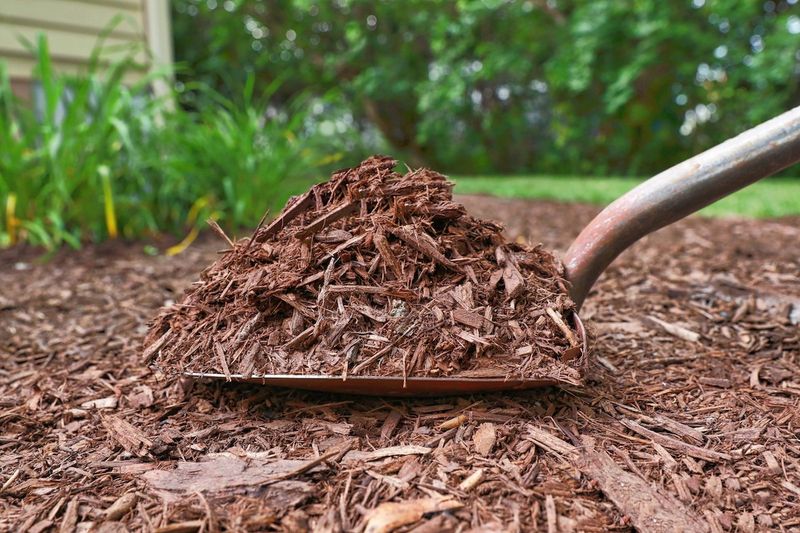
Shredded hardwood bark is a highly beneficial addition to a summer garden. It breaks down slowly, stays in place during rain, and does an excellent job of holding moisture without compacting into a dense, airless layer.
Straw mulch is a classic for vegetable gardens and works beautifully in summer. It is light, cheap, and lets water pass through easily while still blocking evaporation from the soil surface below.
Wood chips from an arborist are often available free of charge and work great around trees, shrubs, and perennial beds. They are coarser than shredded bark, which allows better airflow while still locking in ground moisture effectively.
Avoid dyed or rubber mulch in hot conditions. These materials can actually release heat and chemicals into the soil.
Natural and organic options are always the safer, smarter pick for edible gardens especially.
Pine straw is a regional favorite in warmer climates and works well for acid-loving plants like blueberries and azaleas. It knits together nicely and resists blowing away in summer storms.
Shredded leaves are often overlooked but are incredibly effective for moisture retention. Running fallen leaves through a lawn mower takes minutes, and the result is a nutrient-rich mulch that costs absolutely nothing to produce at home.
Applying The Correct Depth And Placement
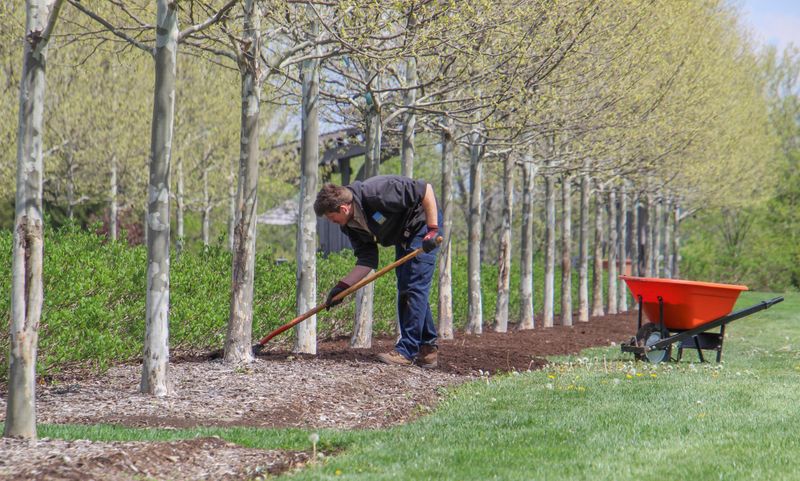
Depth matters more than most people realize when it comes to mulching. Too thin and the moisture evaporates right through, too thick and you can smother roots and invite rot.
The sweet spot is a 2 to 3 inch layer of organic mulch spread evenly across the bed. That depth is thick enough to block evaporation but shallow enough to let oxygen and rainwater reach the soil beneath.
Pull the mulch back about two inches from the base of each plant stem. Piling mulch directly against stems traps moisture against the bark, which encourages fungal problems and pest damage over time.
For trees and shrubs, keep the mulch ring wide but flat: a donut shape, not a volcano shape. The volcano style that you see in parking lots actually harms trees by holding moisture against the trunk.
In vegetable beds, aim to cover every inch of bare soil between rows and around transplants. Leaving gaps defeats the purpose, since exposed ground will lose moisture fast and also invite weed seeds to sprout.
On slopes or windy spots, use heavier mulch like wood chips rather than light straw that blows away easily. Wetting the mulch lightly after application helps it settle and grip the surface more securely.
Taking an extra ten minutes to apply mulch correctly at the start of the season pays off for months. Proper placement is the difference between a garden that thrives and one that still needs daily watering to survive.
Fewer Weeds, Cooler Roots
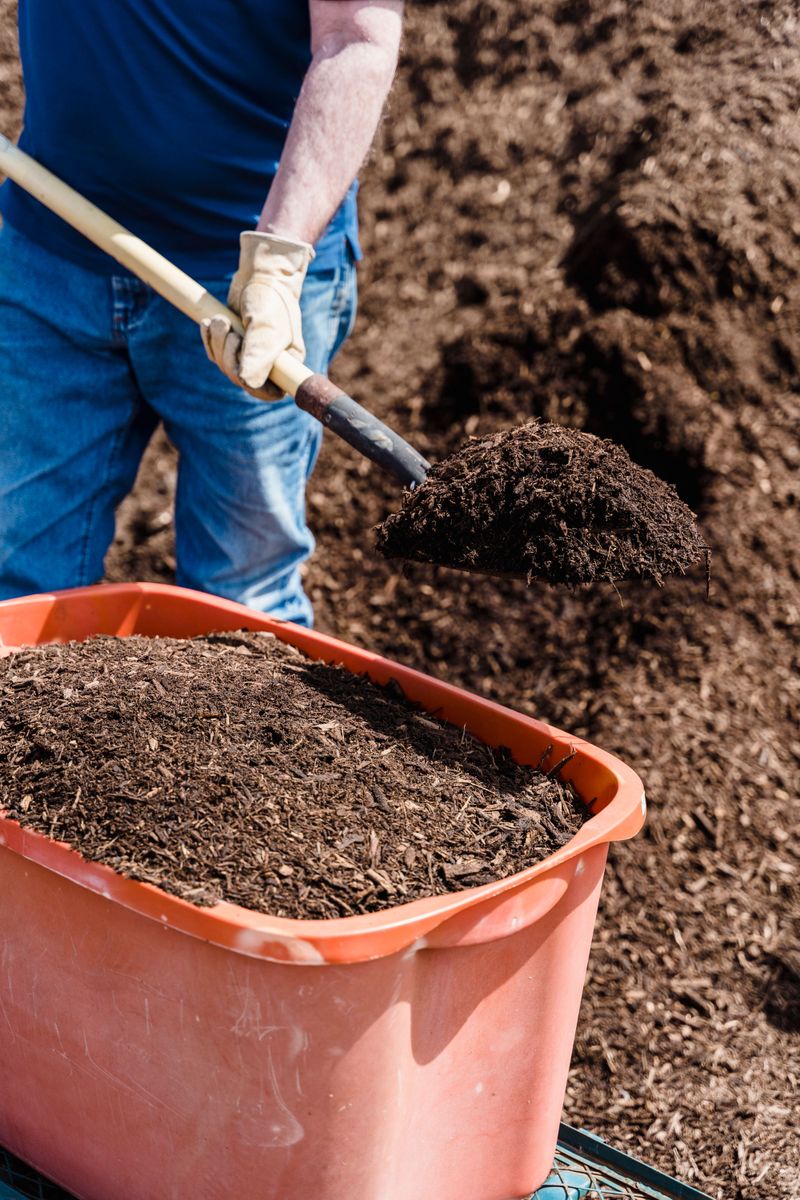
Moisture retention is the headline benefit, but mulch brings a whole lineup of bonus rewards. Once you lay it down, you will notice the extra perks almost immediately.
Weed suppression is one of the biggest. A solid 2 to 3 inch layer of organic mulch blocks sunlight from reaching weed seeds in the soil, which stops most of them from germinating in the first place.
Fewer weeds means less competition for water and nutrients in your garden beds. Your plants get to keep everything the soil has to offer instead of sharing it with unwanted invaders.
Root temperature is another factor that most gardeners overlook entirely. When soil stays cool under a mulch layer, root systems can focus energy on growth and fruit production rather than stress response.
Stressed roots slow everything down: flowering, fruiting, and overall plant vigor all take a hit when ground temperatures spike.
Mulch acts like a shade hat for the soil, keeping conditions stable and calm below the surface. It also protects the soil surface from the physical impact of heavy rain.
Raindrops hitting bare ground can compact the surface layer and create a hard crust that water struggles to penetrate. A mulched bed absorbs rainfall gently and channels it down into the root zone where it belongs.
That combination of weed control, temperature regulation, and rain management makes organic mulch a highly effective addition to a summer garden.
Timing Your Mulch Refresh For Best Results
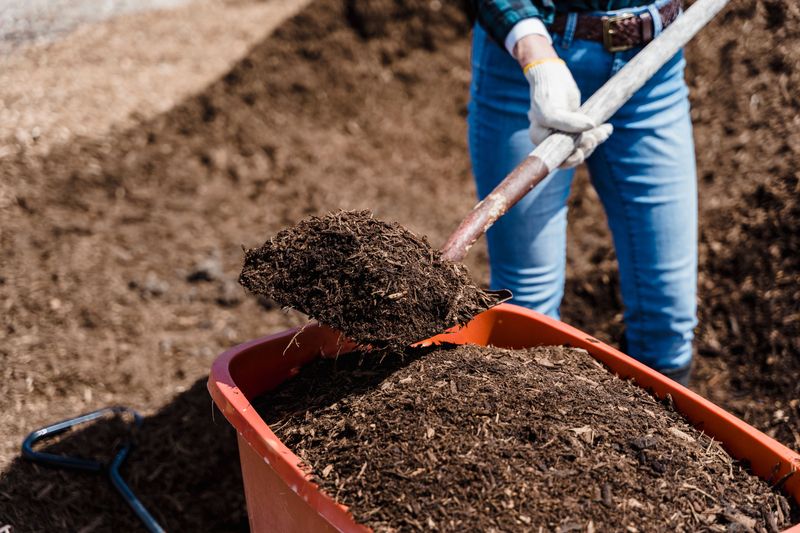
Timing your mulch application can make a surprisingly big difference in how well it performs. Lay it down at the right moment and it will protect your garden through the hottest months without any extra effort.
Late spring is generally a strong window for many U.S. gardens, though the ideal timing varies by climate zone.
Soil has warmed up enough for plant roots to grow actively, but summer heat has not yet kicked the evaporation cycle into overdrive.
Applying mulch too early in spring can trap cold soil temperatures and slow root development. Waiting until the ground has reached at least 60 degrees Fahrenheit gives plants a head start before you lock in the conditions.
Checking your existing mulch layer mid-summer is also a smart habit. Organic materials break down over time, and a layer that started at three inches in May may have thinned to one inch by August.
Topping off depleted mulch in midsummer gives your garden a second wave of protection right when temperatures are highest. A quick refresh takes less than an hour for most average-sized garden beds.
Fall is also a great time to add mulch around perennials and shrubs. A fresh layer before the first frost helps insulate roots and traps residual ground warmth heading into winter.
Keeping a consistent mulching schedule, with spring application, a midsummer top-off, and a fall refresh, helps the old-school mulch trick deliver strong, reliable results most seasons.