8 Planting Rules Missouri Homeowners Should Follow Near Septic Drain Fields
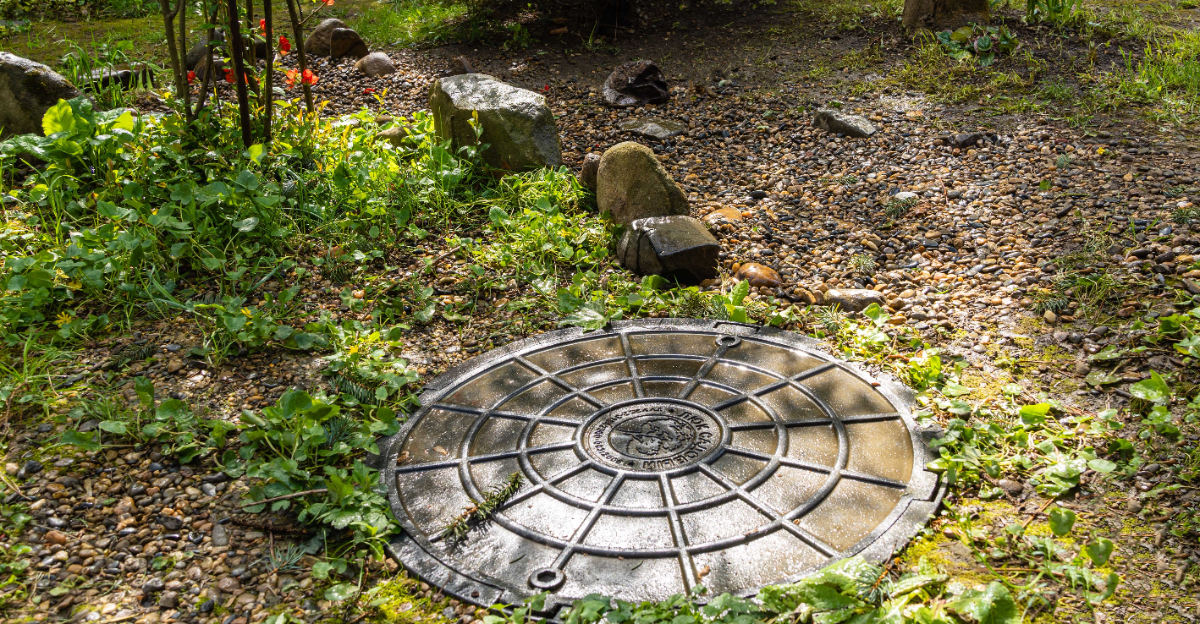
Your backyard looks flawless from above, but what’s happening underground decides whether it stays that way. A septic system relies on a drain field that breathes through soil, and the wrong roots treat that field like a target.
One aggressive willow or poplar can crack a pipe within a few seasons, and the repair bill often outpaces a full patio renovation. Compacted soil above the lines slows water flow even further, forcing the whole system to work harder than it should.
Smart planting near a septic drain field isn’t about sacrificing curb appeal, it’s about choosing roots that stay shallow and mannerly. Get the plant choices right, and your lawn thrives while the pipes below stay untouched year after year.
1. Avoiding Deep-Rooted Trees Near The Field
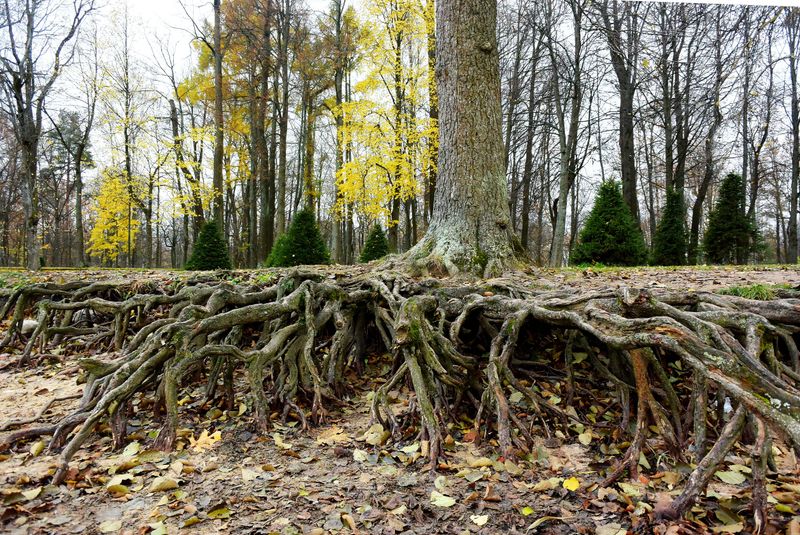
Tree roots are sneaky, and they constantly search for water. Septic drain fields stay moist year-round, making them a magnet for thirsty roots.
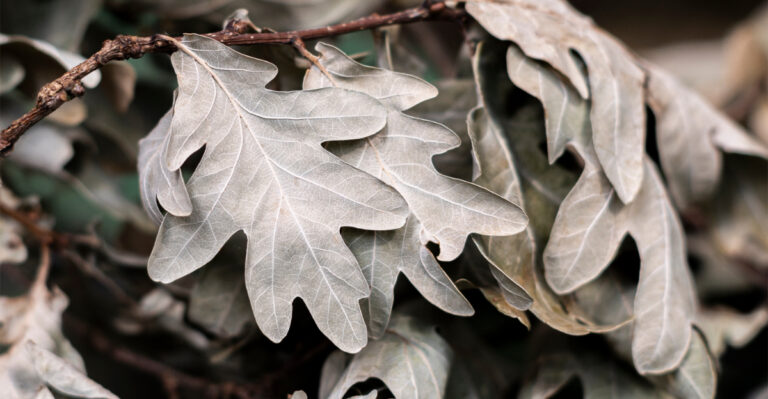
Deep-rooted trees like willows, oaks, and silver maples send roots stretching 30 feet or more from the trunk. That means a tree planted across the yard can still reach your drain lines.
Once roots get inside a pipe, they expand and crack it from the inside out. Repairs can cost thousands of dollars depending on the extent of the damage.
Even trees that seem harmless can cause problems over time. Cottonwoods and elms are notorious for aggressive root systems that ignore barriers and seams.
The safest rule is to keep any tree at least 50 feet away from your septic drain field. For smaller ornamental trees, maintain a minimum of 20 to 30 feet of clearance.
Planting rules near septic drain fields exist for a reason, and this one tops the list. Ignoring it is like leaving your front door wide open during a storm.
If you already have mature trees near your drain field, schedule an inspection with a licensed septic professional. Catching root intrusion early can save your system and your wallet.
2. Choosing Grass Over Woody Plants
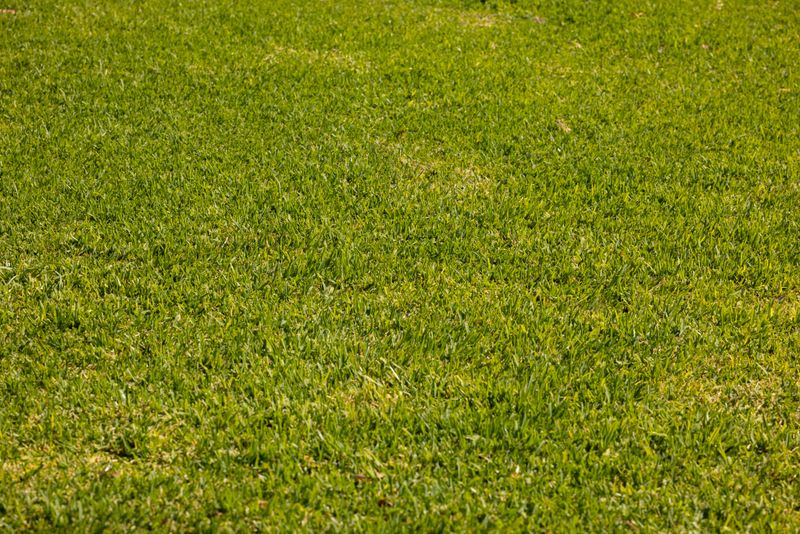
Grass is one of the best ground covers for septic-safe planting. Its shallow roots absorb excess moisture without ever threatening your pipes.
Tall fescue and Kentucky bluegrass are popular choices across Missouri because they thrive in local soil conditions. Both spread gently and stay above the pipe zone.
Woody plants are a completely different story. Shrubs, hedges, and ornamental bushes develop thick, persistent roots that push through soil with surprising force.
Even a small flowering shrub can become a problem as its root system matures. Roots thicken over time, and older root systems are much harder to remove without damaging the field.
Grass also helps your drain field breathe. The soil underneath needs oxygen to process wastewater properly, and a light grass cover supports that airflow naturally.
Mowing regularly keeps the grass healthy and prevents it from becoming too dense. A well-maintained lawn above your drain field is both practical and attractive.
If you want a little color, opt for shallow-rooted wildflowers mixed into your grass. Native Missouri species like black-eyed Susans add beauty without putting your system at risk.
Your Missouri Garden Changes Every Week. Your Plan Should Too.
Gardening in Missouri changes quickly throughout the season. Every Friday you’ll receive a simple weekly plan showing exactly what to plant, prune, fertilize, harvest, and protect so you never miss the right timing.
Choosing grass over woody plants is one of the simplest planting rules near septic drain fields you can follow. It protects your investment while keeping your lawn looking sharp year-round.
3. Keeping Vegetable Gardens Away From The Area
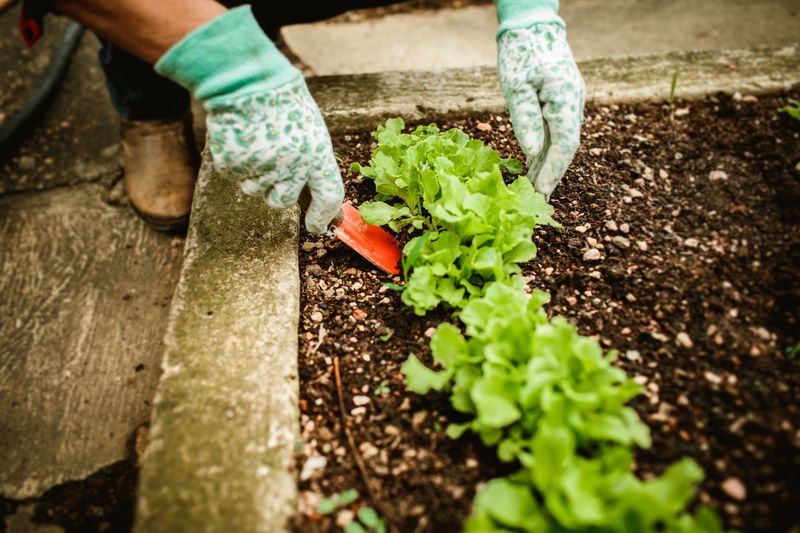
Growing your own vegetables sounds wonderful until you realize where the water is coming from. Septic drain fields release partially treated wastewater into the surrounding soil.
That wastewater contains bacteria, pathogens, and nutrients that you do not want anywhere near your food supply. Vegetables absorb what is in the soil, and that includes things you cannot see or smell.
Root vegetables like carrots, radishes, and potatoes are especially risky. They grow directly in contaminated soil and can absorb harmful microorganisms through their skins.
Even leafy greens grown above a drain field carry risk because splashing soil can transfer bacteria to edible leaves. Washing produce does not always remove everything that soil contact introduces.
Keeping food gardens at least 10 feet from any septic component reduces contamination risk, and doubling that distance adds extra protection for added safety.
Relocating your garden to the opposite side of your yard is the smartest move you can make. Raised beds placed far from the field give you full control over the soil your food grows in.
Compost and clean topsoil in a raised bed means your vegetables get only what you choose to give them. That peace of mind is worth the extra effort of moving your garden.
Following planting rules near septic drain fields protects your family, not just your pipes. Your harvest should be a celebration, not a health concern.
4. Skipping Irrigation Systems Above Drain Lines
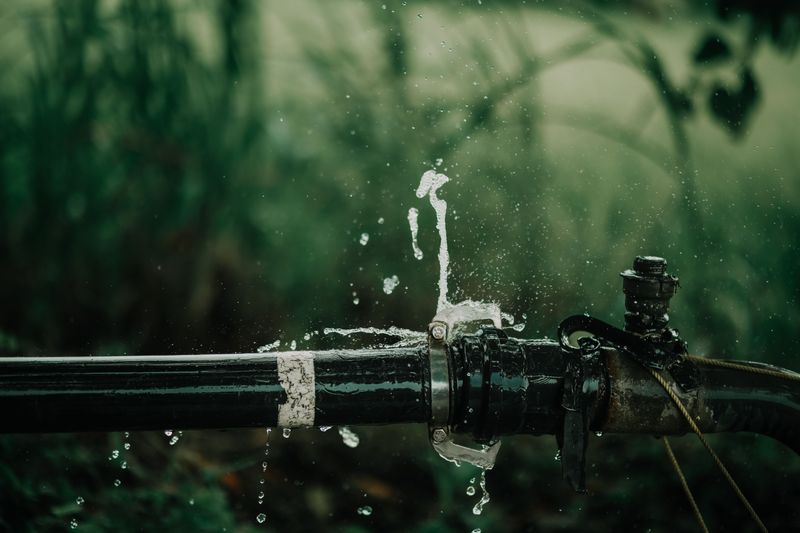
Installing a sprinkler system feels like a smart upgrade until it sits directly above your drain field. Irrigation lines and septic pipes do not mix well underground.
Digging trenches for irrigation disrupts the carefully arranged gravel and soil layers that make your drain field work. Even small disruptions can reduce the system’s ability to filter wastewater.
Saturating the soil above a drain field with irrigation water is another serious issue. Drain fields need the surrounding soil to absorb and filter liquid, and oversaturated ground cannot do that job.
When the soil stays too wet, wastewater backs up into your pipes and eventually into your home. That is the kind of problem that turns a normal Tuesday into a very expensive emergency.
If your lawn above the drain field looks dry, resist the urge to run a sprinkler over it. Natural rainfall is usually enough for the grass covering a properly functioning system.
Hand watering with a hose is acceptable if absolutely necessary, but keep it minimal. A light pass once a week during a drought is far safer than a permanent irrigation setup.
Consult a septic professional before installing any underground system near your field. They can map your drain lines and help you design an irrigation plan that avoids every conflict zone.
Skipping irrigation systems above drain lines is one of the most overlooked planting rules near septic drain fields. Protect what is underground before you plan what goes above it.
5. Maintaining Distance From Shrubs And Hedges
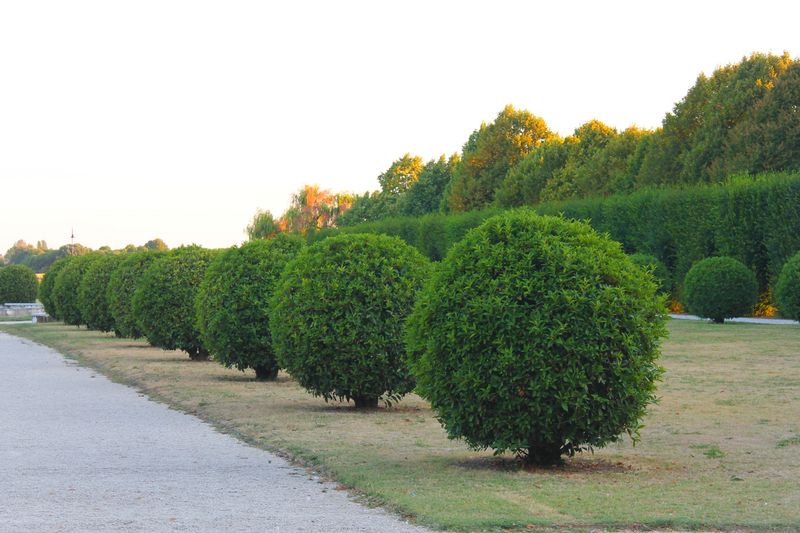
Hedges make a yard feel private and polished, but planting them near your drain field is a gamble you will likely lose. Shrub roots spread wide and deep over time.
Forsythia, arborvitae, and privet are popular Missouri landscaping choices, but all three have aggressive root systems. Planted near a drain field, they can infiltrate pipes within just a few years.
Unlike trees, shrubs are easy to overlook because they stay small for a long time. That slow growth gives homeowners a false sense of security until the damage is already done.
Root damage from shrubs is particularly tricky because the plants look healthy on the surface. By the time you notice a problem with your septic system, the roots have already caused serious harm.
A good rule of thumb is to keep all shrubs and hedges at least 10 feet from the outer edge of your drain field. For larger, fast-growing varieties, push that distance to 20 feet.
Installing root barriers is an option, but barriers are not foolproof. Persistent roots eventually find gaps or grow around plastic sheeting over time.
The cleanest solution is to replace shrubs near the field with ornamental grasses or low-growing perennials. Low-growing groundcovers like creeping phlox add color without threatening your pipes.
Maintaining proper distance from shrubs and hedges is one of the most underrated planting rules near septic drain fields. Small plants cause big problems when nobody is watching.
6. Avoiding Raised Beds Or Heavy Mulch
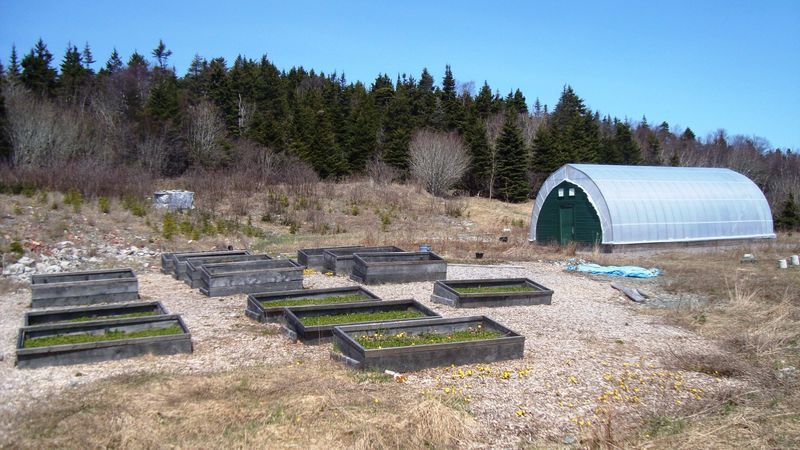
Raised beds look charming stacked up in a backyard, but placing them over a drain field creates a hidden nightmare. The weight alone can compress the soil beneath your pipes.
Septic drain fields depend on loose, airy soil to process and filter wastewater effectively. Packing heavy soil, wood, and stone on top blocks the airflow and moisture balance the system needs.
Heavy mulch causes a similar problem. A thick layer of bark or wood chips holds moisture against the soil surface, keeping the ground saturated longer than it should be.
Waterlogged soil above a drain field reduces the system’s ability to absorb liquid. That backup forces wastewater upward, and the results are smelly, expensive, and deeply unpleasant.
Raised beds also make future maintenance nearly impossible. If a septic technician needs to access the field, they must remove everything you built before they can even start diagnosing the problem.
A thin layer of grass clippings or light straw is the maximum coverage your drain field should ever receive. A thicker mulch layer starts creating moisture and weight issues.
If you love raised beds, place them on the opposite side of your property with good drainage underneath. That way you get the garden you want without sacrificing your septic system.
Skipping raised beds and heavy mulch is one of the most practical planting rules near septic drain fields. Sometimes the best design decision is knowing where not to build.
7. Preventing Vehicle And Foot Traffic Compaction

Soil compaction is one of the fastest ways to wreck a septic drain field, and it happens more often than most homeowners expect. Parking a car over the field even once can cause lasting damage.
Drain field pipes sit just a foot or two below the surface in many Missouri yards. Vehicle weight crushes the gravel layer surrounding the pipes and collapses the pipes themselves.
Foot traffic is less dramatic but still harmful over time. A well-worn path across a drain field compresses soil gradually, reducing its ability to absorb and filter wastewater.
Children playing in the yard, guests parking on the grass, and lawn equipment rolling over the same spot repeatedly all contribute to compaction. The damage adds up quietly season after season.
Installing a low fence or landscaping border around your drain field creates a visual barrier people will naturally avoid. Clear markers make it easy for guests and contractors to respect the zone.
Lightweight lawn mowers are acceptable for mowing the grass above the field. Riding mowers and heavy equipment should be kept away from the area.
If you need to run equipment near the field during landscaping projects, lay plywood sheets across the surface first. That distributes the weight and protects the soil layer below.
Preventing compaction is one of the most physically straightforward planting rules near septic drain fields. Keep traffic off the field, and your system will thank you for decades to come.
8. Consulting Local Codes Before Planting
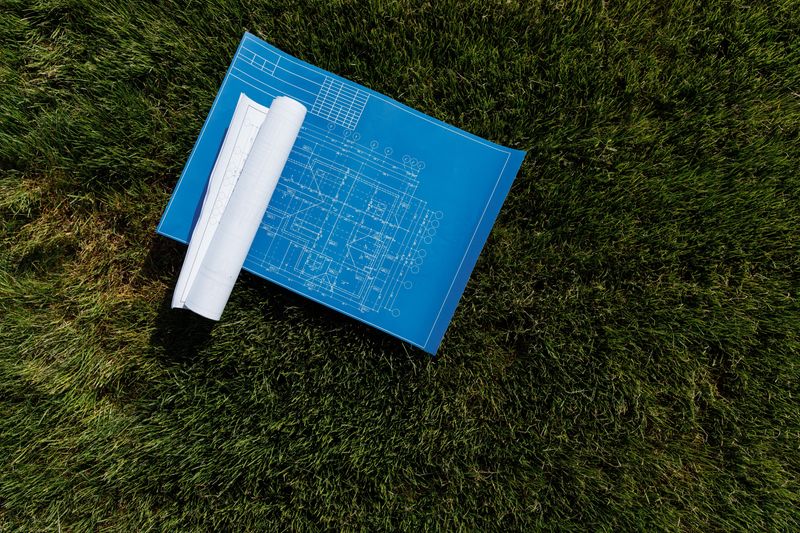
Before you put a single seed in the ground near your drain field, check your local regulations first. Missouri counties and municipalities have specific rules about what can grow near septic systems.
Some areas require a minimum setback distance for any planting near septic components. Others restrict certain plant species outright based on local soil conditions and water table levels.
Your county health department or local extension office is the best starting point for accurate information. Many Missouri counties offer free consultations with environmental health specialists who know the rules inside and out.
Skipping this step can lead to fines, forced removal of landscaping, or failed septic inspections when you sell your home. Buyers and their inspectors look closely at what surrounds the drain field.
Permit requirements vary widely across Missouri, so what is allowed in one county may be restricted in another. Always confirm locally rather than assuming the rules are the same everywhere.
Your septic system permit likely came with a site diagram showing the exact location of your drain field. That document is your best friend when planning any landscaping project in the yard.
If you cannot find the original permit, a licensed septic inspector can locate and map your system for a reasonable fee. Knowing exactly where your field sits prevents costly mistakes before they happen.
Following planting rules near septic drain fields starts with a phone call and a little research. The right information upfront protects your yard, your system, and your peace of mind for years ahead.